Visiting Joseph Stalin’s Birthplace in Gori
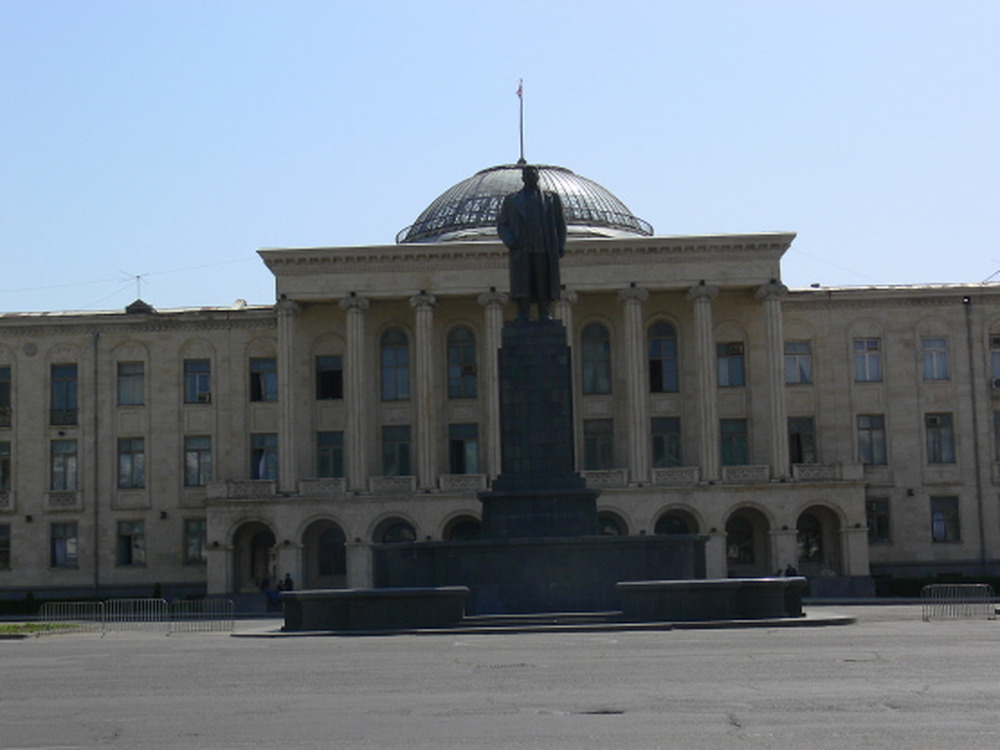
In the heart of Georgia lies the small city of Gori, a place with an unusually significant connection to twentieth-century history. Gori is the birthplace of Joseph Stalin, the Soviet dictator who ruled the Soviet Union for nearly three decades. One thing I hadn’t realized before traveling here was that Stalin wasn’t ethnically Russian at all. He was Georgian, born in Gori in 1878 under the name Ioseb Jughashvili, long before he became one of the most powerful and controversial figures in modern history.
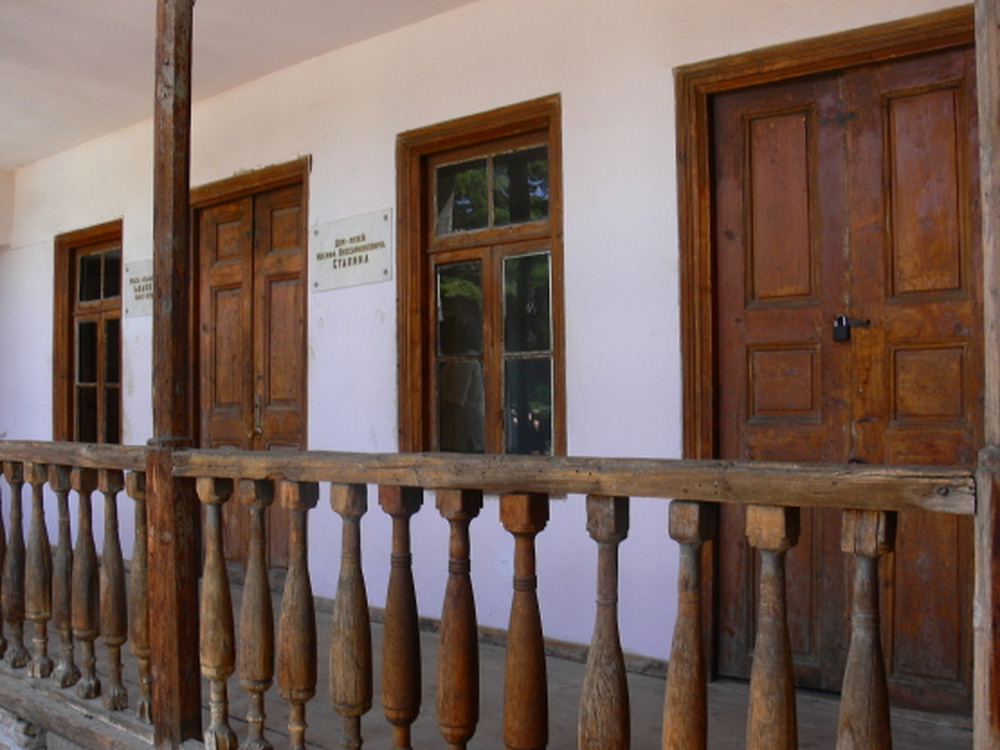
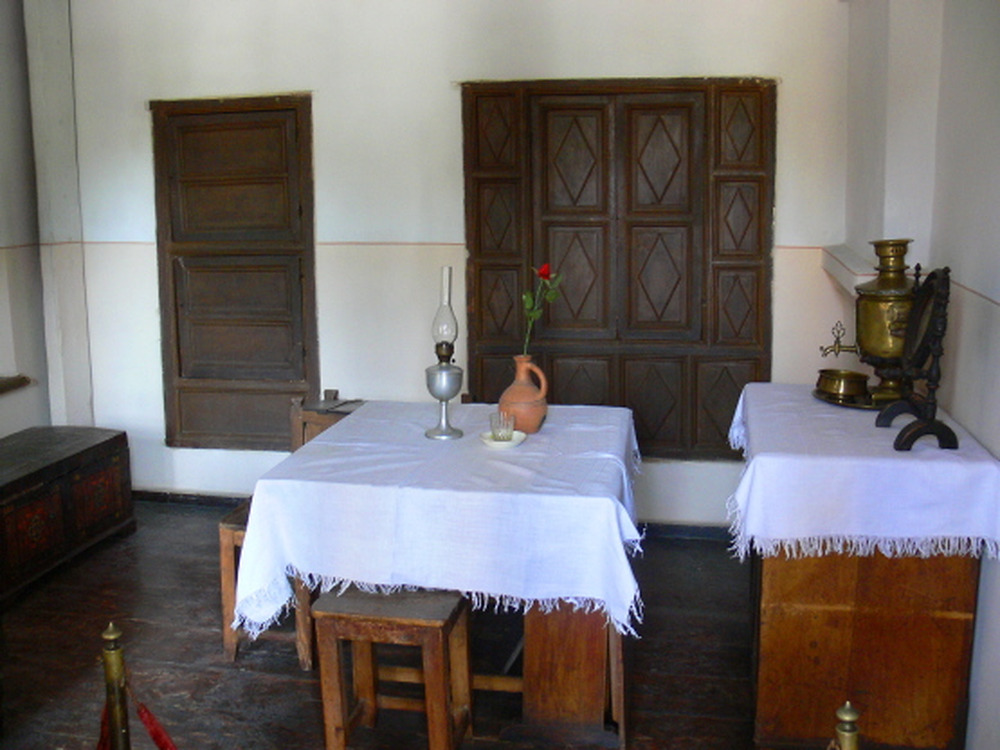
Stalin was born into a poor family, and the modest house where he spent his earliest years has been preserved in the center of Gori. The small brick-and-wood building now stands beneath a protective pavilion, surrounded by the much larger museum complex constructed in his honor. The contrast between his humble beginnings and the enormous power he eventually accumulated is striking. This was the childhood home of a man whose decisions would profoundly affect the lives of millions of people across the Soviet Union and beyond.
Inside the Joseph Stalin Museum
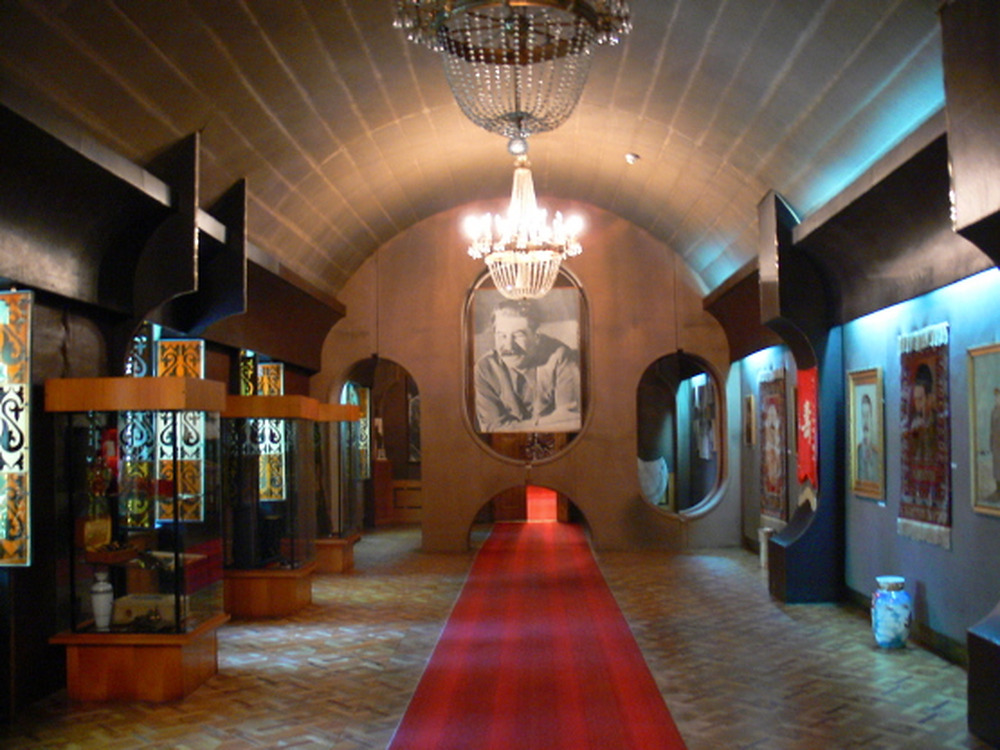
The main attraction in Gori is the Joseph Stalin Museum, a large institution dedicated to his life and political career. Opened in 1957, the museum contains photographs, documents, personal belongings, and gifts presented to Stalin during his years as Soviet leader. Its exhibits reflect the way Stalin was officially commemorated during the Soviet era, making the museum interesting not only for its historical artifacts but also for what it reveals about the personality cult surrounding him.
Of course, Stalin’s legacy extends far beyond the displays celebrating his political achievements. His rule was marked by forced collectivization, political purges, mass deportations, labor camps, and widespread repression that caused enormous suffering and millions of deaths. Visiting the museum provides an opportunity to see artifacts from his life while considering the enormous contrast between his official image and the realities of his dictatorship.
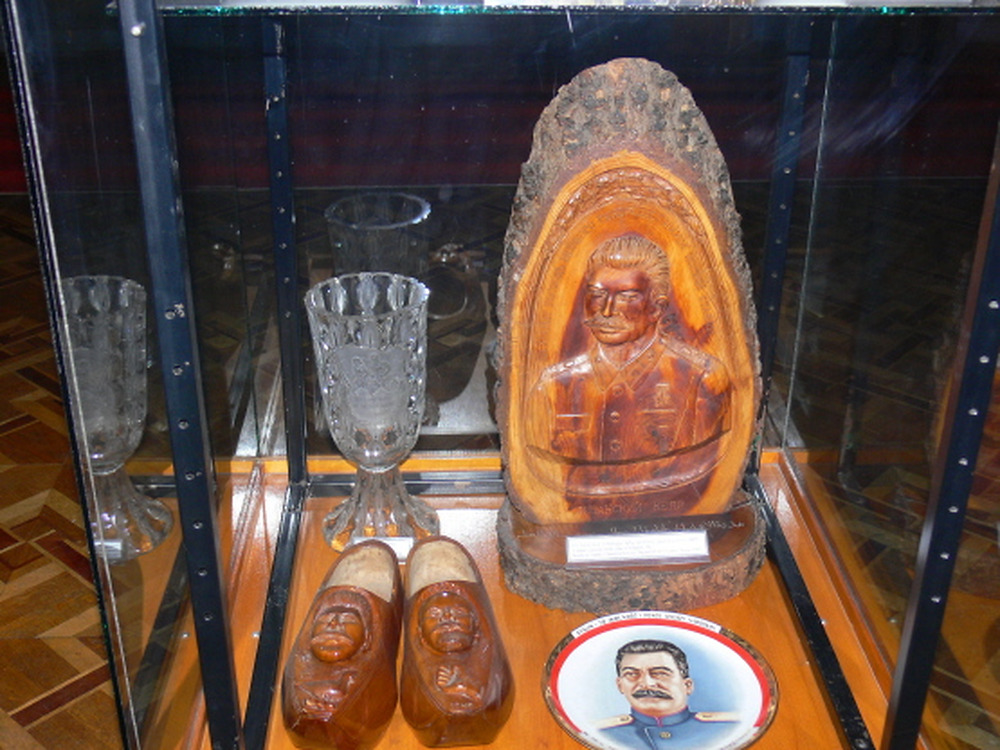
Among the exhibits are gifts presented to Stalin from different countries and organizations. One in particular caught my attention because I’m half Lebanese: a portrait of Stalin carved into cedar wood. Lebanon is famous for its cedar trees, which have been an important national symbol for centuries, so naturally I had to photograph this unusual gift. It was an unexpected connection to my own heritage inside a museum in central Georgia.
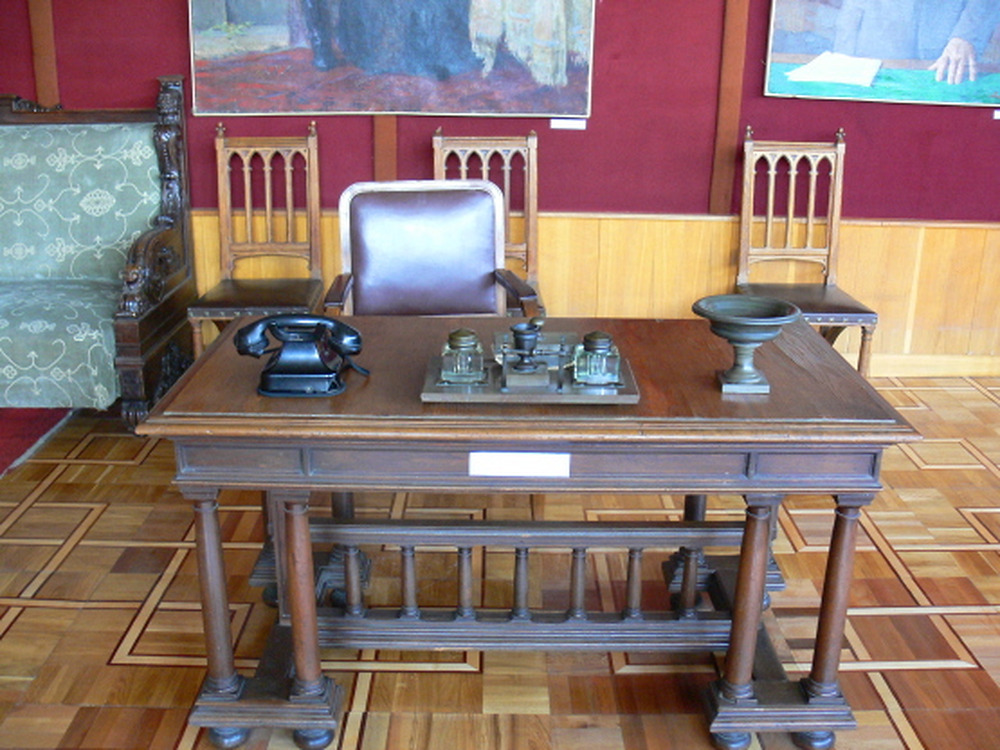
Another exhibit features one of Stalin’s desks, offering a glimpse of the furnishings associated with his working life. Seeing personal objects like these made the historical figure feel more tangible than simply reading about him in a book. However, the most interesting part of the museum for me was waiting outside: Stalin’s preserved railway carriage.
Exploring Stalin’s Armored Train
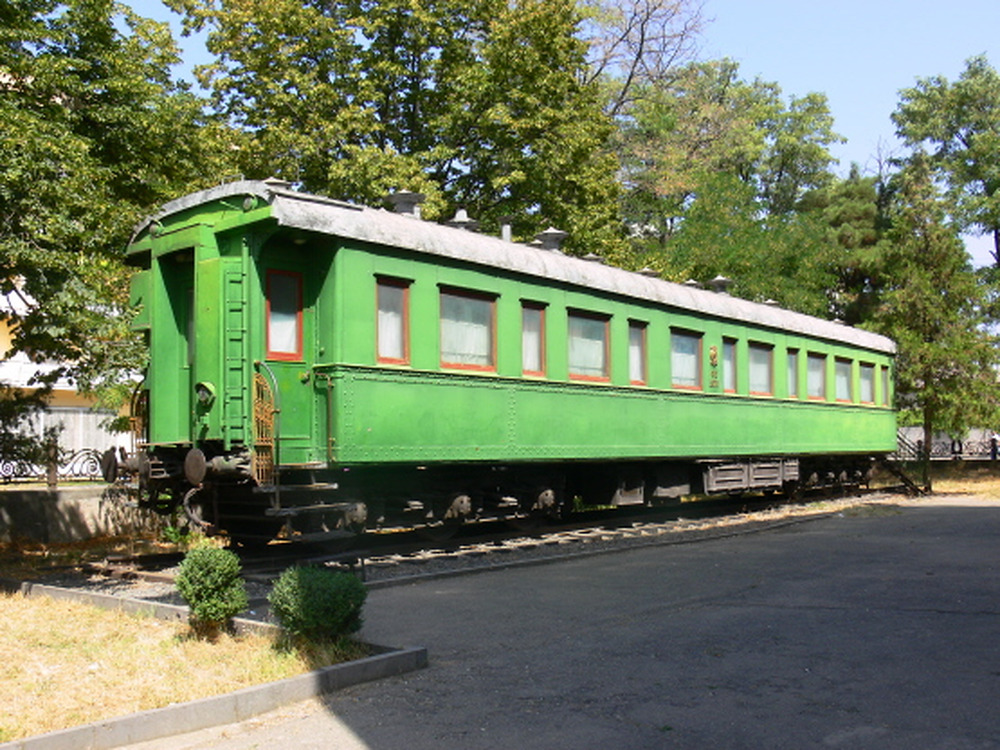
Stalin generally preferred traveling by train rather than flying, and his armored railway carriage was used for important long-distance journeys, including travel associated with major diplomatic meetings. Given the enormous distances across the Soviet Union, some of these trips must have taken days. The carriage was equipped to accommodate him during extended journeys, functioning as both a mobile residence and a place to conduct official business.
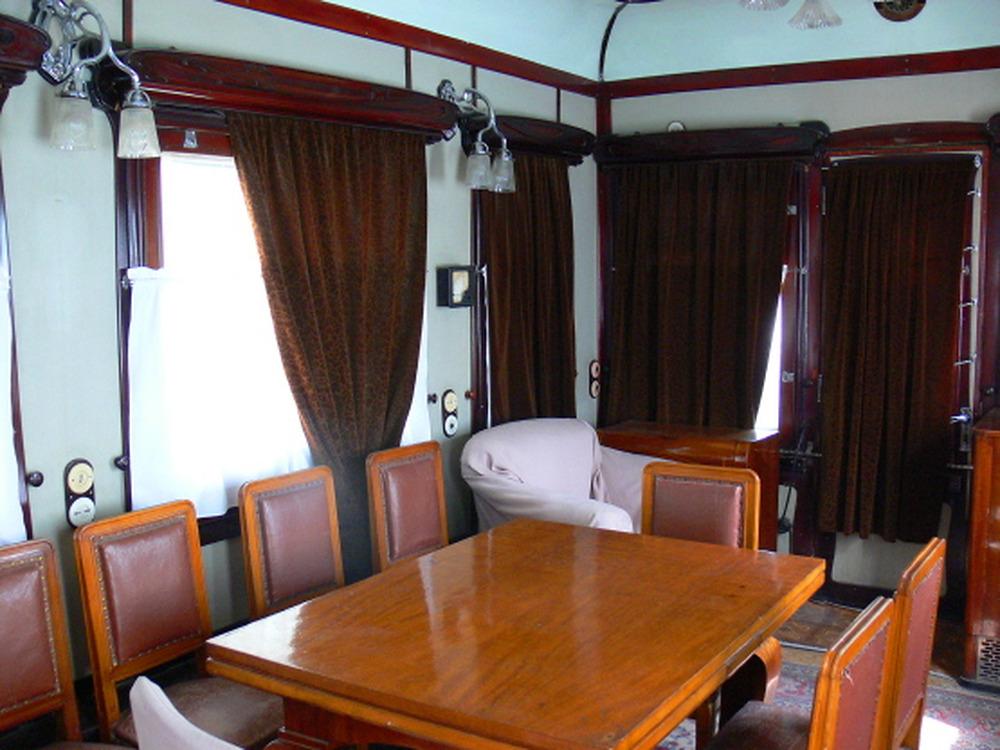
What made the train the highlight of my visit was that I could actually step inside and explore its interior. Rather than simply looking at artifacts behind glass, I was able to walk through the carriage and see the rooms where Stalin traveled and worked. The conference area was particularly interesting, with furnishings that showed how official meetings could take place even while traveling across the country.
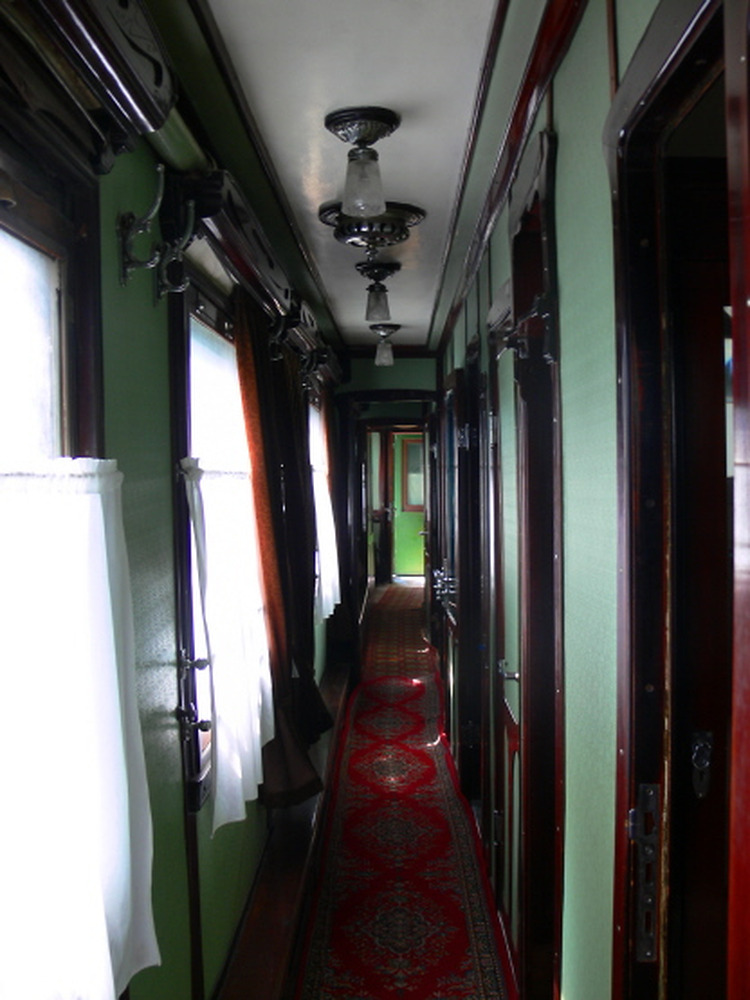
The narrow hallways connect the different compartments, and the interior is surprisingly luxurious for a railway carriage of its age. Despite being designed with security in mind, it contains comfortable furnishings and substantial woodwork. I was also impressed by how well preserved everything appeared to be.
Exploring Stalin’s train was a fascinating experience because it offered a direct look at how one of the twentieth century’s most powerful leaders traveled. Gori itself might not initially seem like an obvious destination for international visitors, but the preserved childhood home, museum, and armored carriage make it a historically significant stop when traveling through Georgia. The museum is also a reminder of how differently historical figures can be remembered, especially when their legacies remain deeply controversial.
Explore More of Georgia
Borjomi • Gori • Tbilisi • Uplistsikhe • Vardzia
