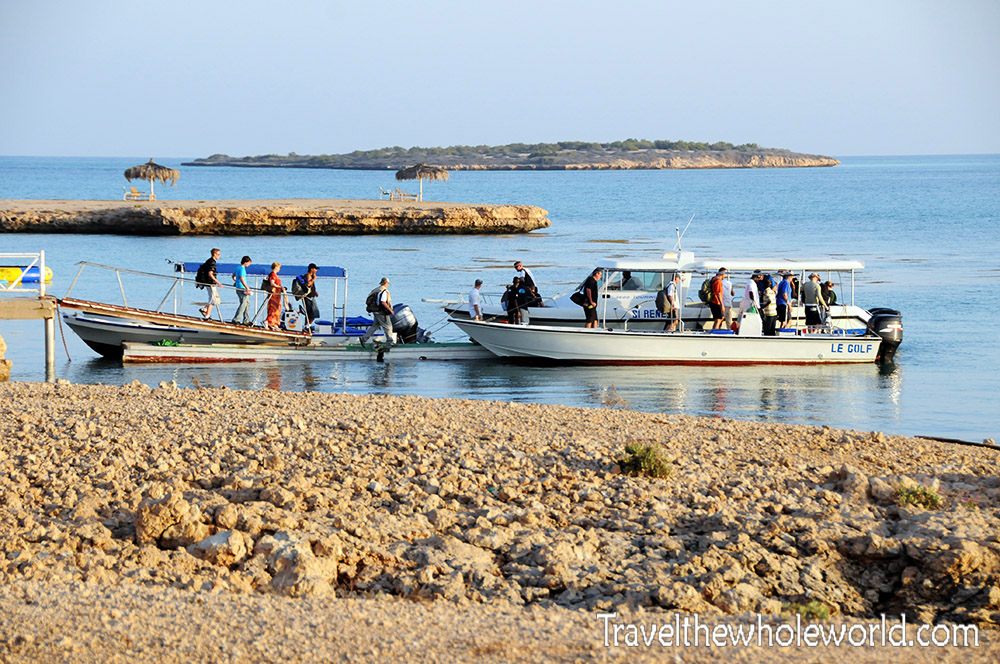
This page was supposed to be about the city of Tadjoura, but things didn’t exactly go according to plan. As the former capital of Djibouti with plenty of history, Tadjoura was high on my travel list. I tried to take a ferry there, but when that didn’t work out I changed plans and headed for the Moucha Islands instead.
The islands are just offshore from Djibouti and can be reached by boat from the capital. My spontaneous decision worked out surprisingly well. Just hours after failing to make it to Tadjoura, I found myself arriving on the shores of the Moucha Islands in one of these small passenger boats.
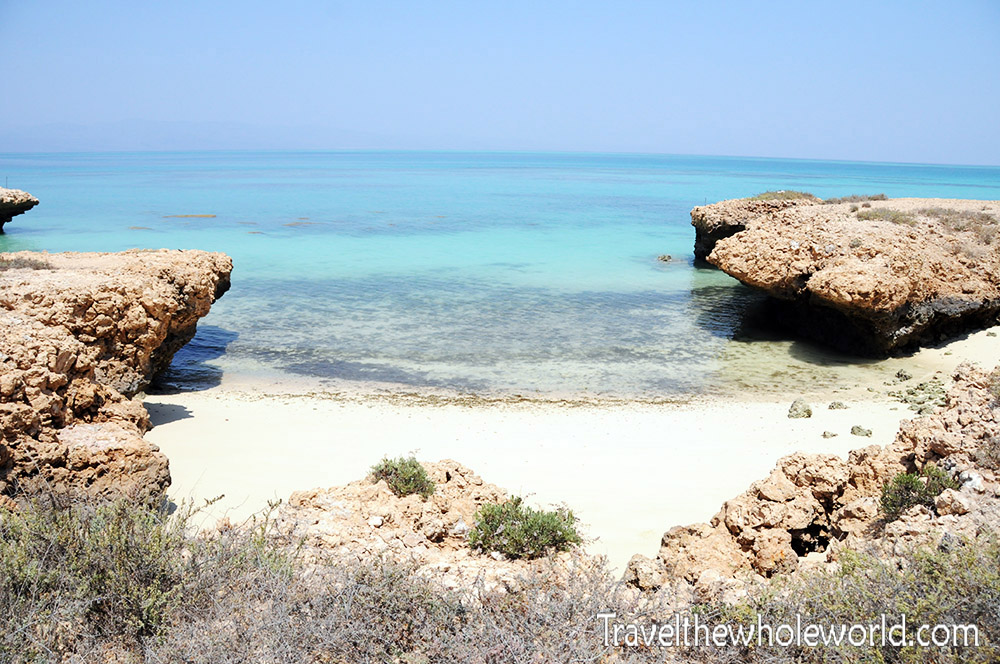
Exploring Moucha Island
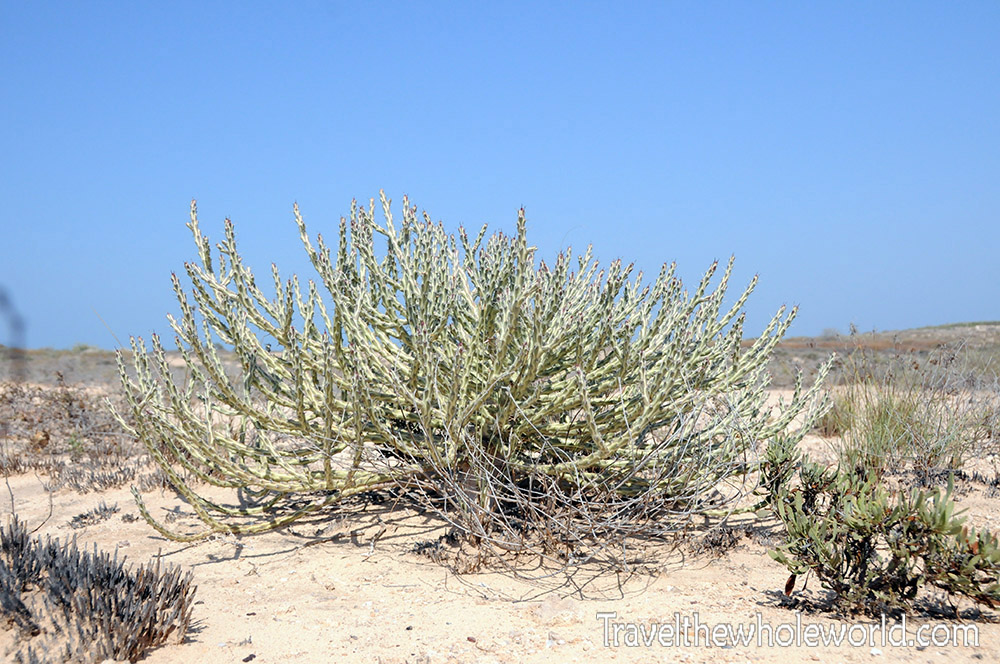
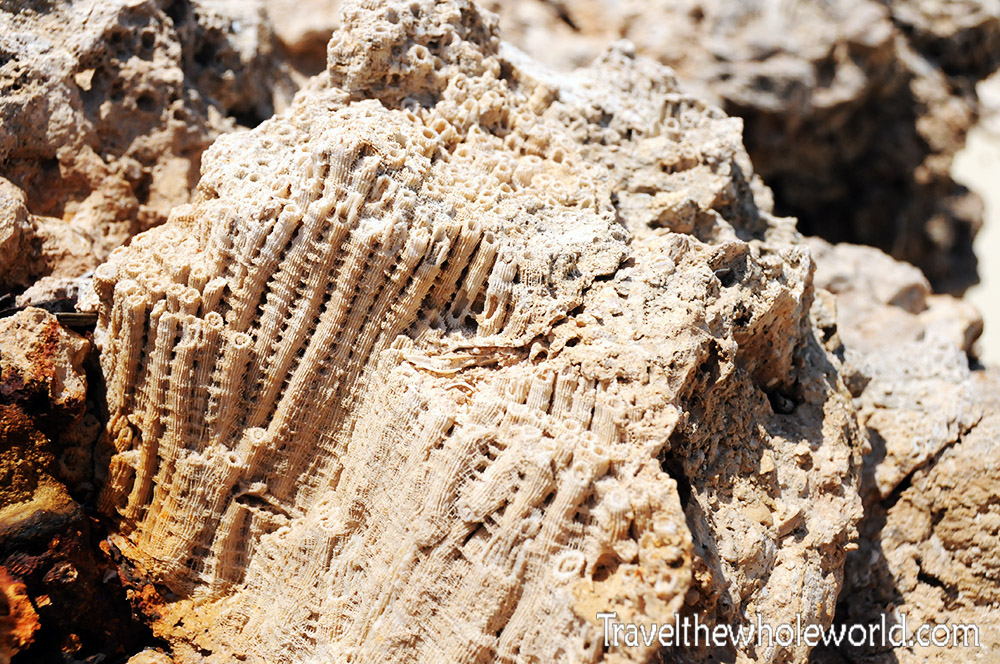
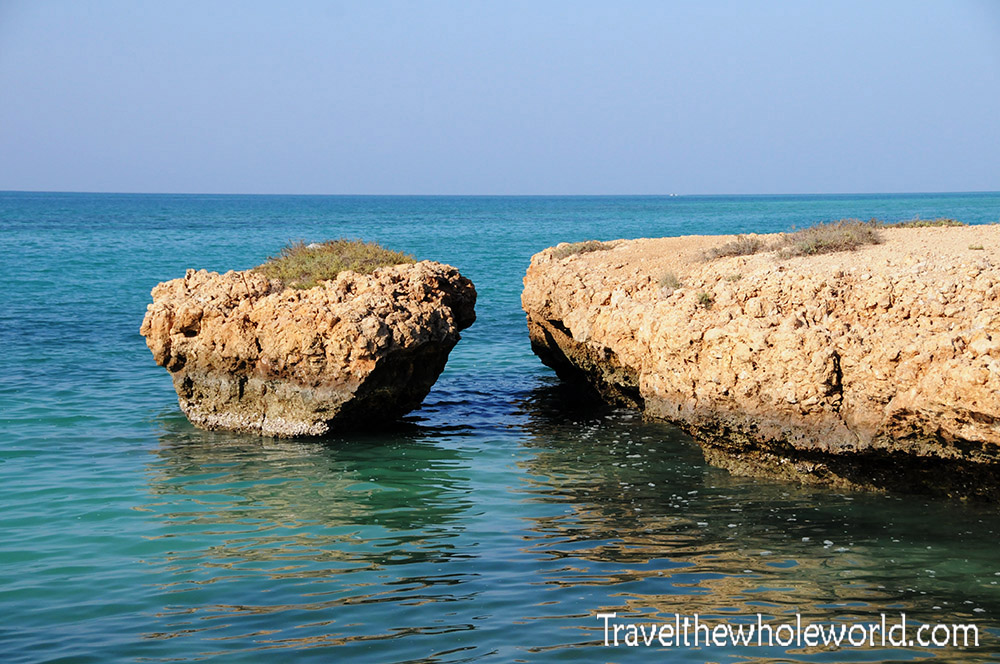
The Moucha Islands aren’t your typical tropical islands covered in palm trees and long sandy beaches. They’re extremely dry, with a landscape of sand, fossilized coral, cacti and small shrubs. Much of the shoreline is covered in sharp coral, so good shoes are definitely a better idea than trying to explore barefoot.
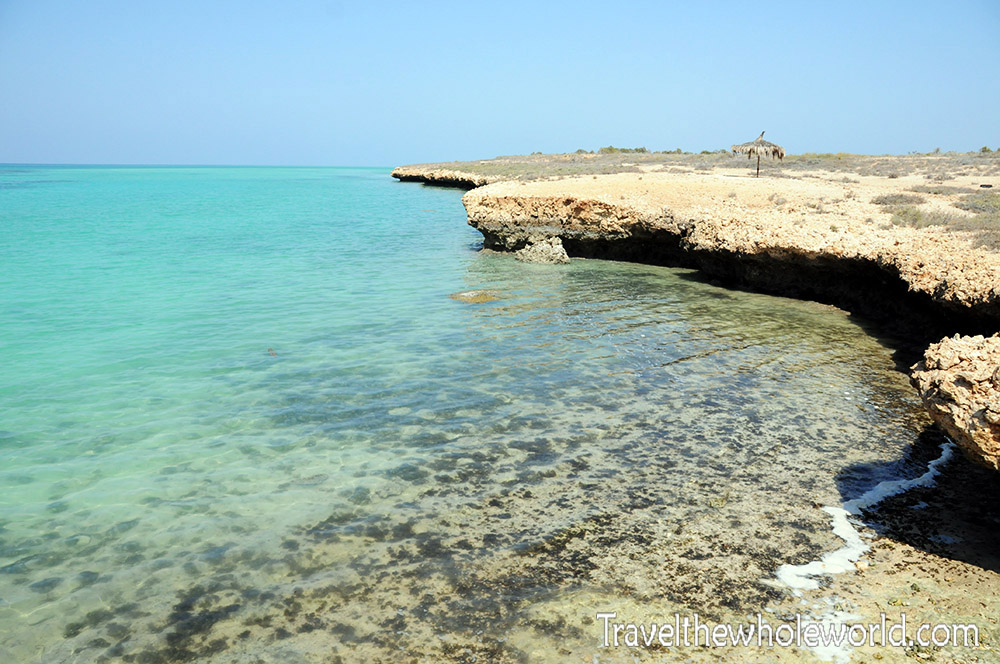
Along stretches like this, getting into the water meant carefully making your way across the coral. There are some places where actual sand reaches the water and you can enjoy a more traditional beach, but much of the coastline looks more like this.
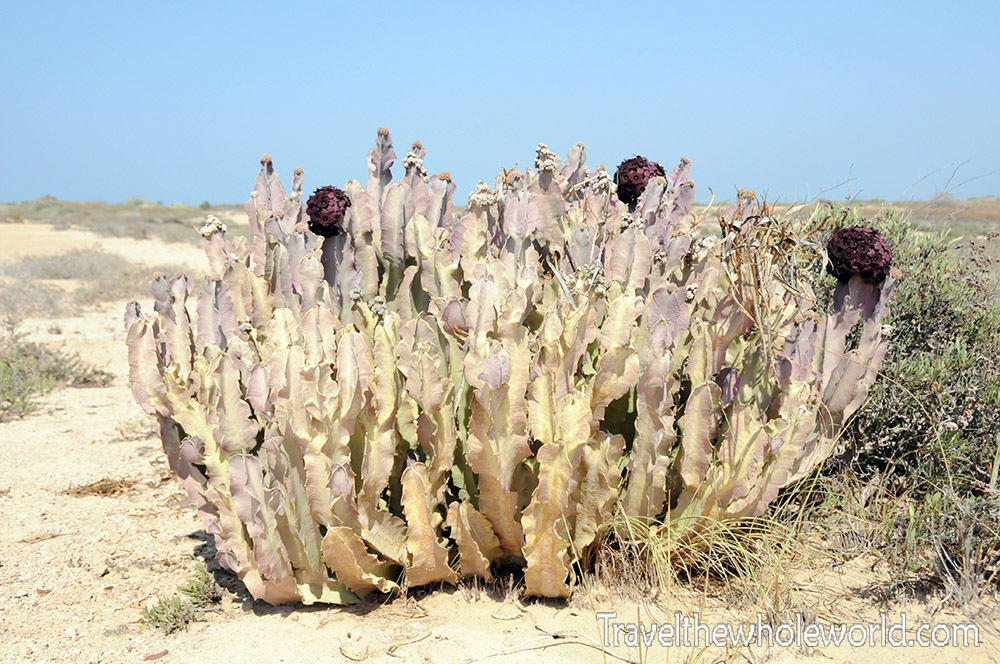
Wildlife on the Island
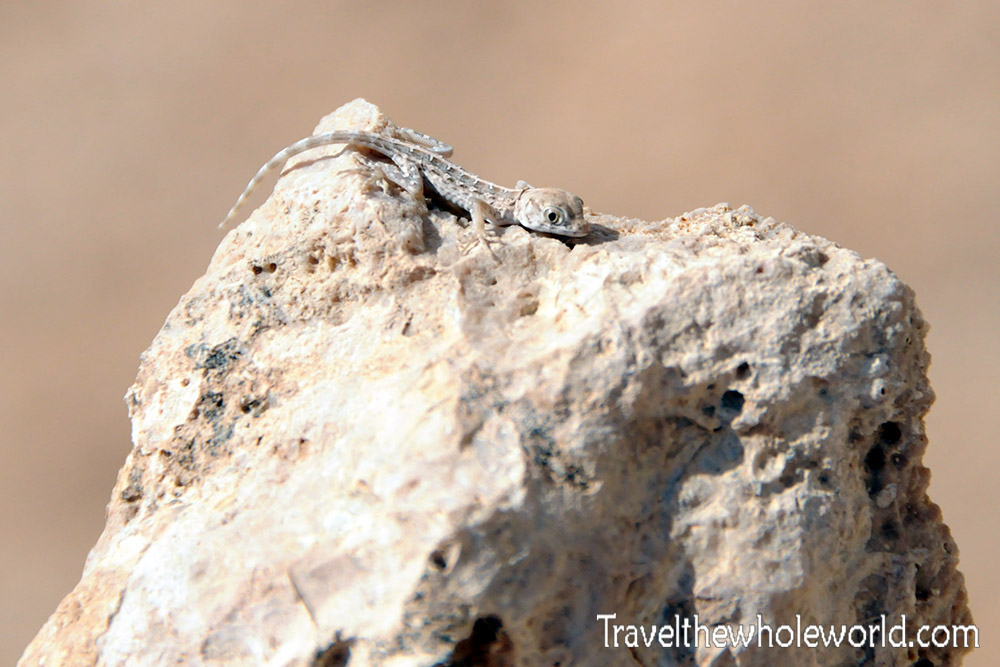
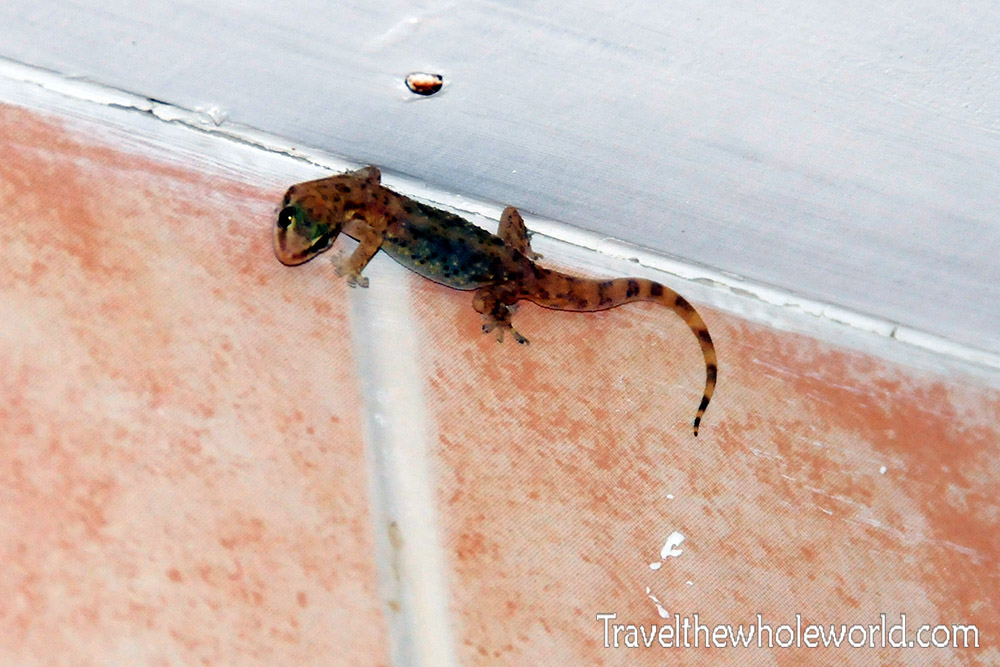
The island didn’t seem to have much wildlife away from the coast. There were plenty of seabirds and marine life around the water, but inland the animals I noticed most were hundreds of tiny lizards. They seemed to be everywhere—from the trails I explored during the day to my room at night.
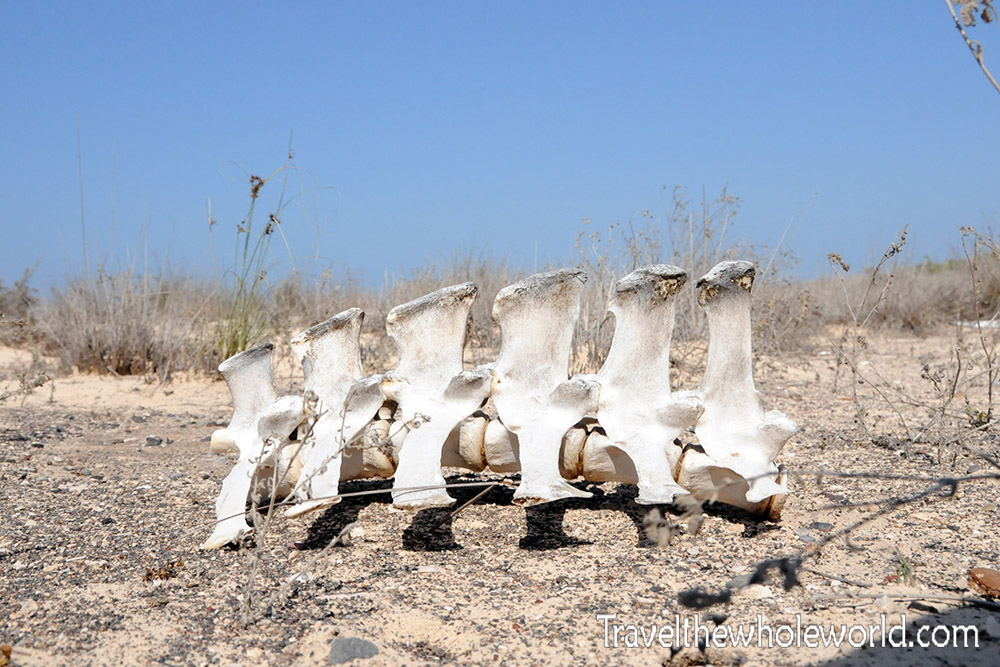
I also came across this large bone. The islands seemed too small and dry to support much large wildlife, so I assumed it probably belonged to an animal that had been brought here. Between the bones, cacti and barren terrain, you might start wondering what makes these islands worth visiting. The answer is mostly beneath the surrounding water.
Scuba Diving
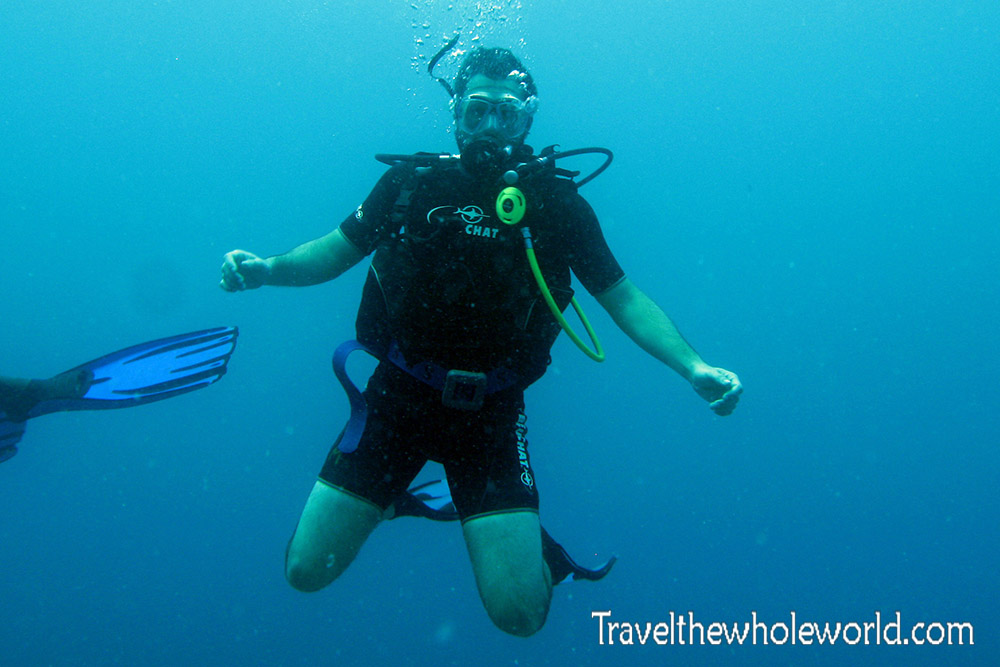
Unfortunately, at this point in my travels I was too cheap to bring my own underwater camera, and the divemaster nearly had a nervous breakdown when I asked if I could borrow or rent his. Since I only use my own photography on this website unless I’m actually in the photograph, this was about the best diving photo I could come up with!
I also went diving in Berbera, Somalia, where I did have access to an underwater camera. That was a walk-in dive, while here in Djibouti we took boats out to the dive sites and descended as deep as about 60 feet (20 meters).
The steep underwater drop-off around our dive site provided a good range of marine life. I saw emperor angelfish, some impressive giant eels and several other species I hadn’t encountered before. I really wish I’d had a camera with me because the underwater world was easily one of the highlights of visiting the Moucha Islands.
Spending the Night
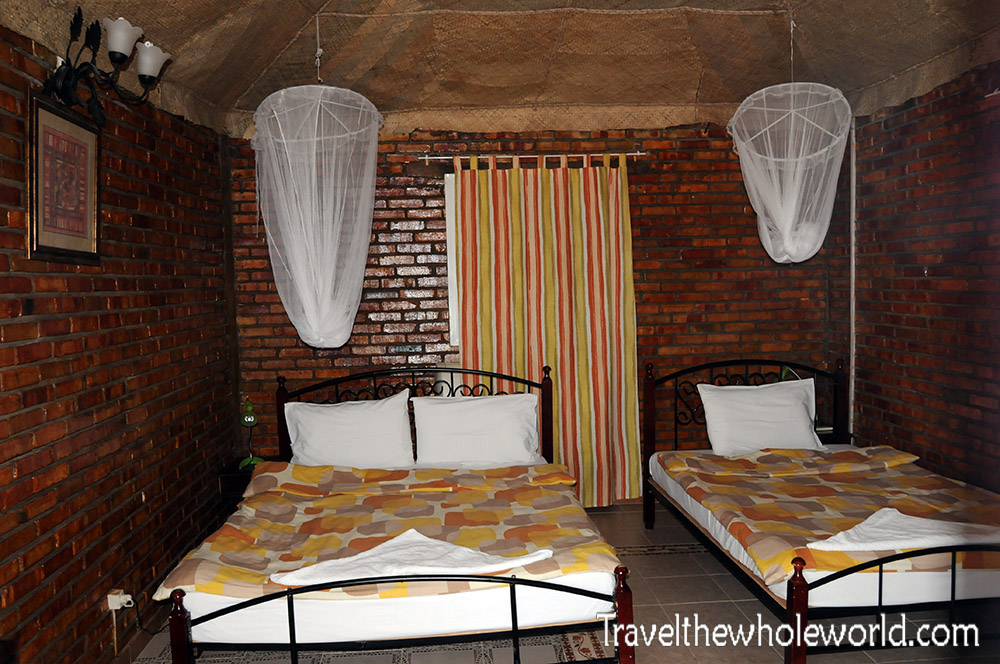
I spent the night in one of the island’s bungalows, and the accommodations were much nicer than the cheap place I’d stayed at on the mainland. There weren’t many budget options on the island, and the biggest difference between the bungalows seemed to be whether or not they had air conditioning. The place I stayed also had a tiny restaurant that was surprisingly decent—and even had beer on tap.
Sunset Over the Water
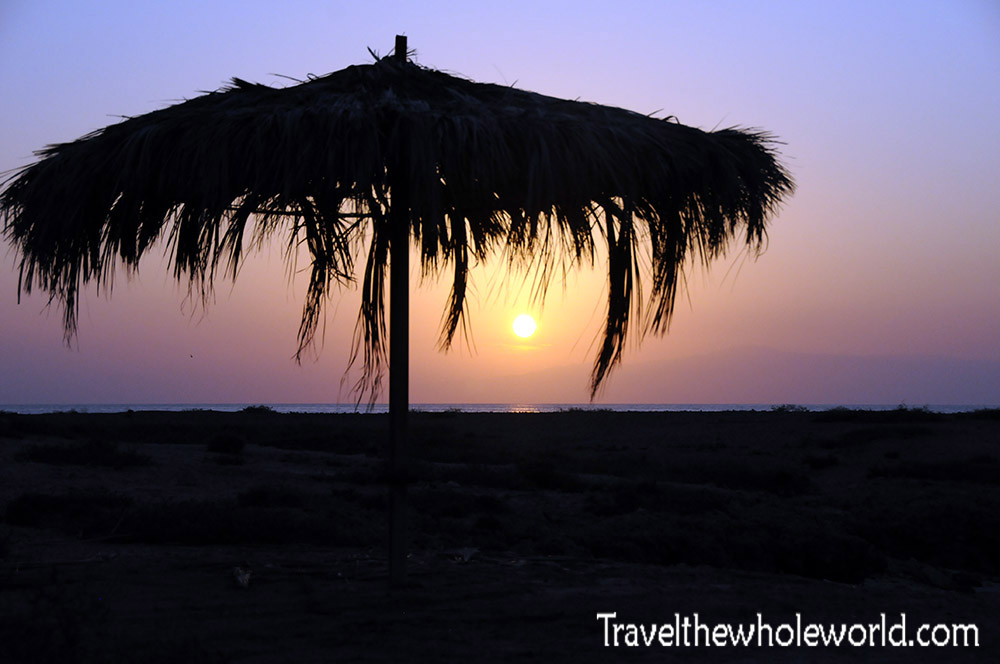
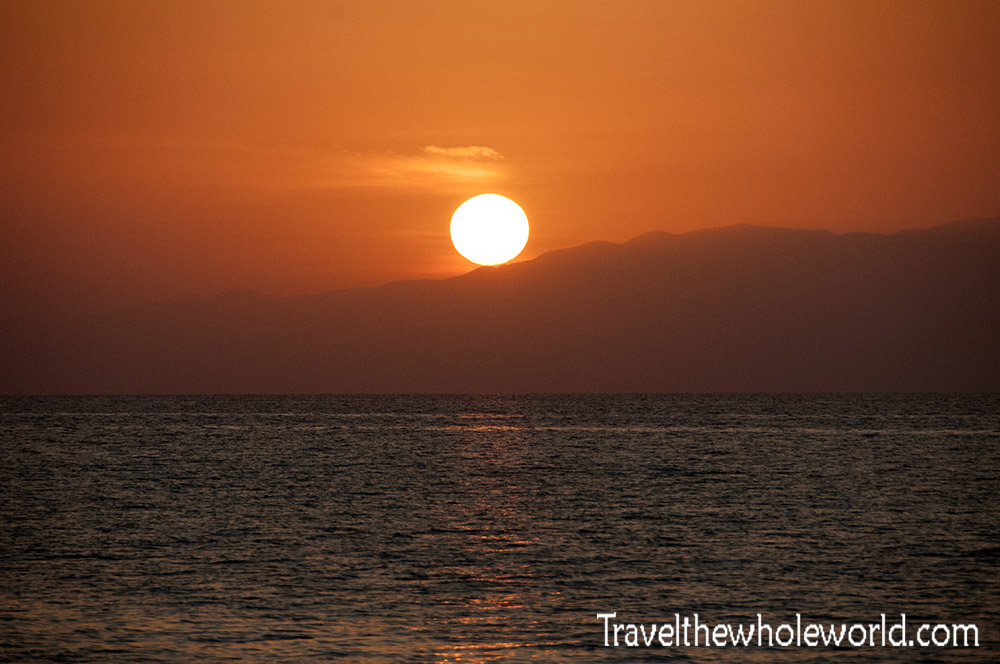
Second only to the scuba diving, the sunsets were probably my favorite part of visiting the islands. With the ocean in front of me and the mountains of mainland Djibouti in the distance, there wasn’t much else around to interrupt the view.
Stars Over Moucha Island
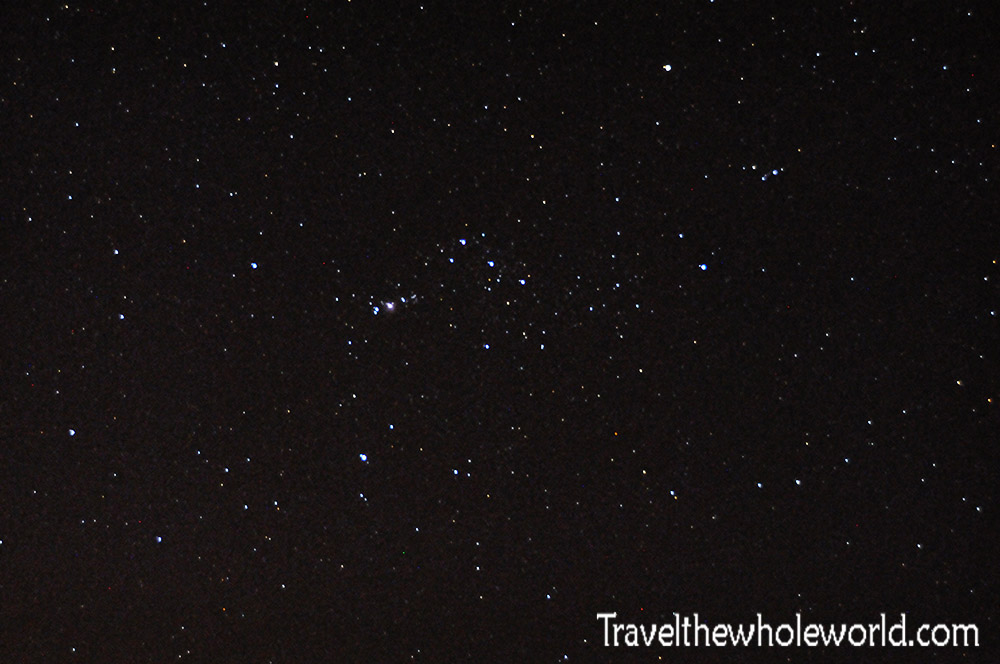
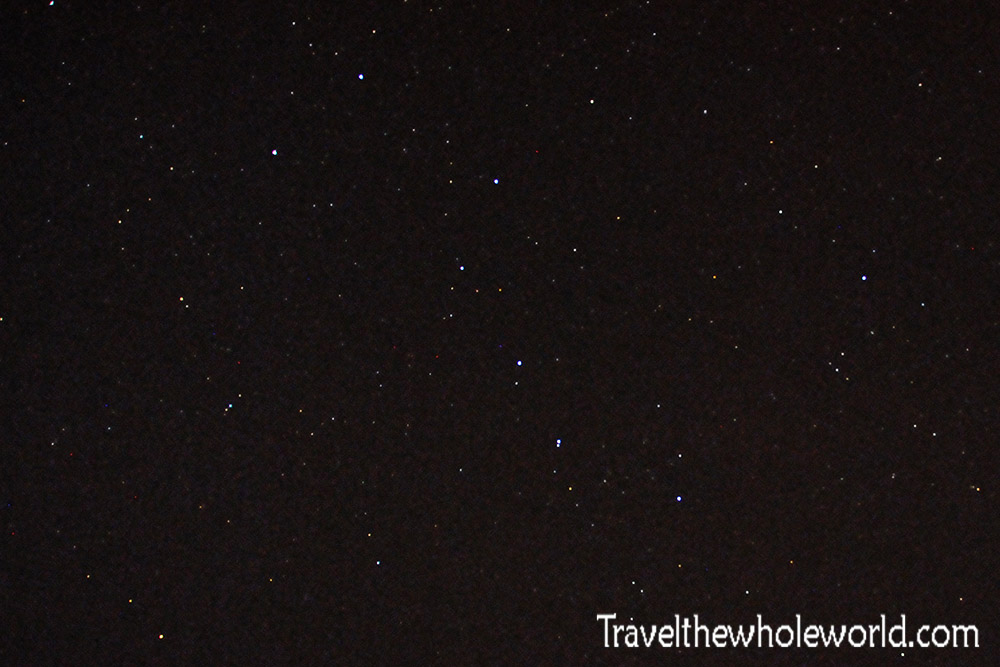
Even better than the sunsets were the incredibly clear skies at night. Far from the lights of Djibouti City, the amount of stars visible from the island was about as good as it gets. Orion can be seen clearly in the photograph above, while the Big Dipper stands out in the photograph below.
Explore More of Djibouti
Explore More of Africa
Explore More of Djibouti
Djibouti City • Lac Assal • the Moucha Islands