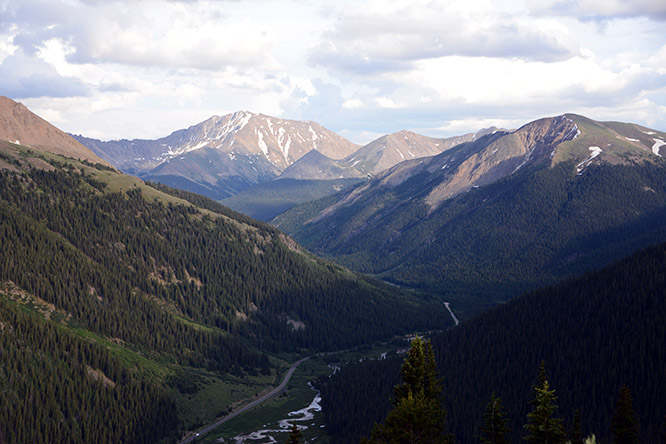
The Snowmass Wilderness is one of the most amazing places I’ve ever visited in the United States. My primary purpose for coming here was to climb Pyramid Peak, which is located in the wilderness along with many other large mountains. Aside from the climb, I also did plenty of exploring here, and I’m sure I’ll return for more someday. Even the drive into the area was absolutely amazing, with incredible mountain scenery along the way.
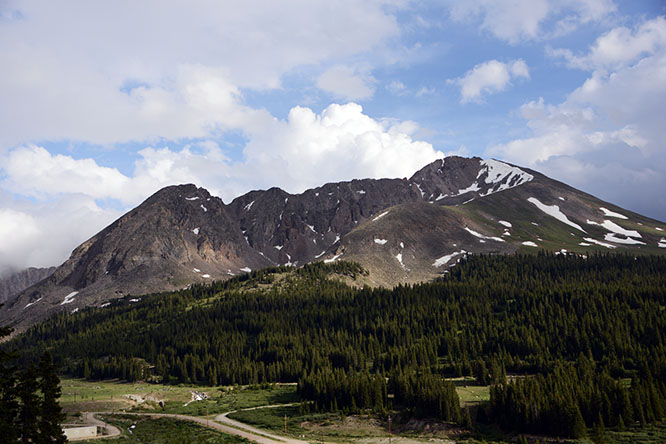
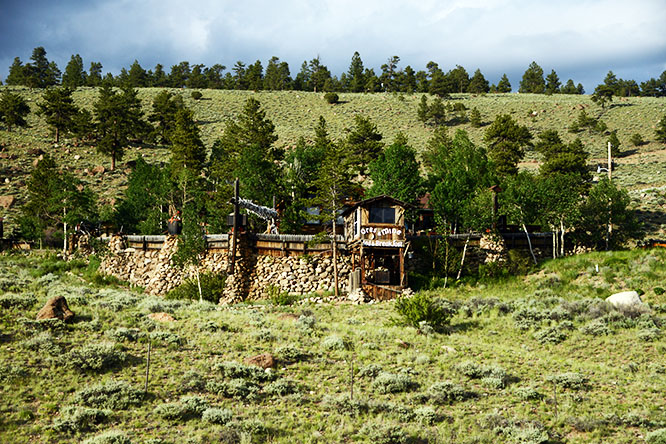
The Snowmass Wilderness is right outside Aspen. Because the mountain we climbed could be done in a day, we chose not to camp and stayed in a lodge in town instead. There are plenty of mountain lodges nearby and endless opportunities to camp within the wilderness itself. This lodge seemed to be randomly placed along a road at the foothills of a mountain, although I’d probably prefer something deeper in the woods if I were staying somewhere like this.
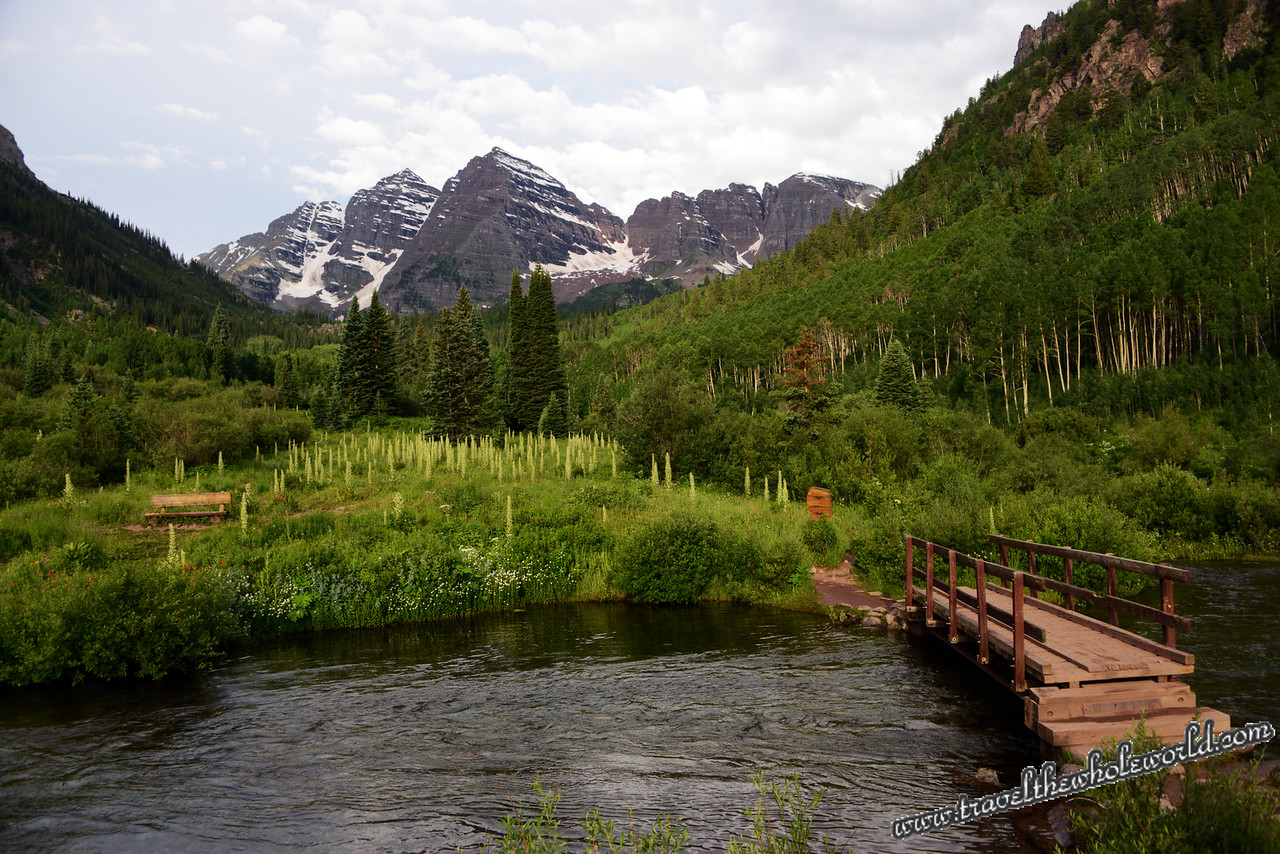
The Snowmass Wilderness is probably best known for the Maroon Bells, photographed above, and Maroon Lake in the foreground. This photo was taken beyond the famous reflective view of the lake as we began hiking into the mountains. The area is easily accessible and one of the most photographed landscapes in Colorado. For my friend and me, this was where we first stepped into the wilderness.
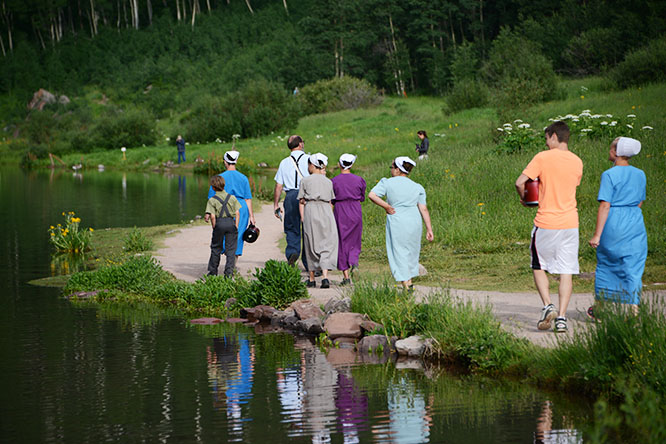
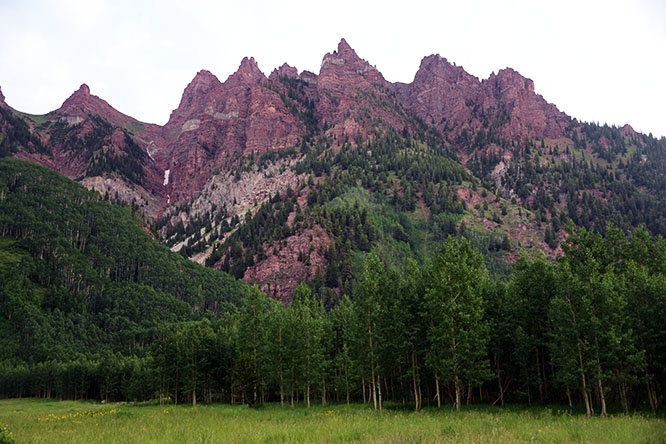
We came early in the morning for our climb up Pyramid Peak, but even around sunrise there were photographers lining the shores of Maroon Lake to capture some of the most beautiful scenery in the country. During the day you’ll find campers, hikers, and tourists from all over visiting the area. Even these Mennonites above couldn’t resist a hike in the Snowmass Wilderness. The photo below shows some of the mountains just beyond the shores of Maroon Lake.
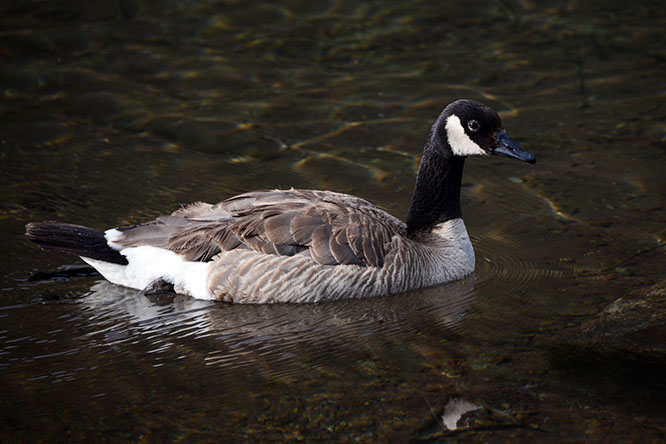
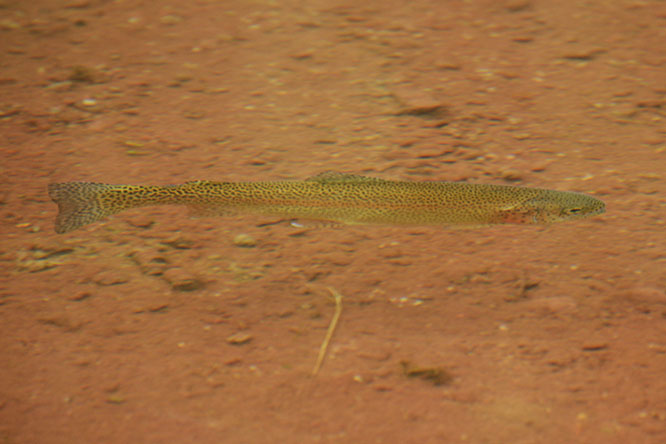
For some reason I didn’t end up with a photo of the entire lake itself, but I did get the goose above and the trout below. There were lots of Canada geese around the lake, which I’m not a huge fan of. The water was clear enough that you could easily see fish from the shore. With all the wildlife and mountain scenery surrounding the lake, there was plenty to see even before we started hiking.
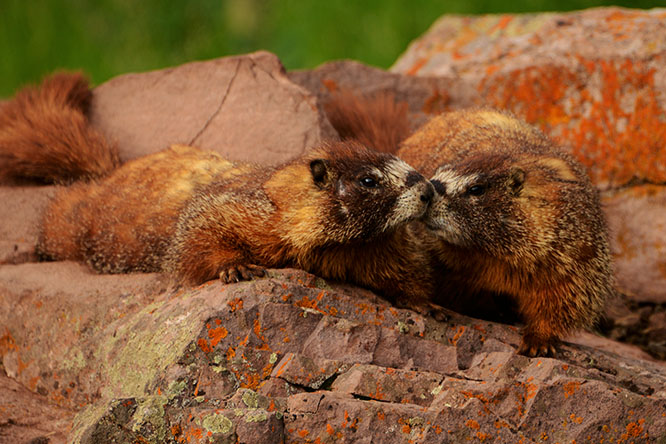
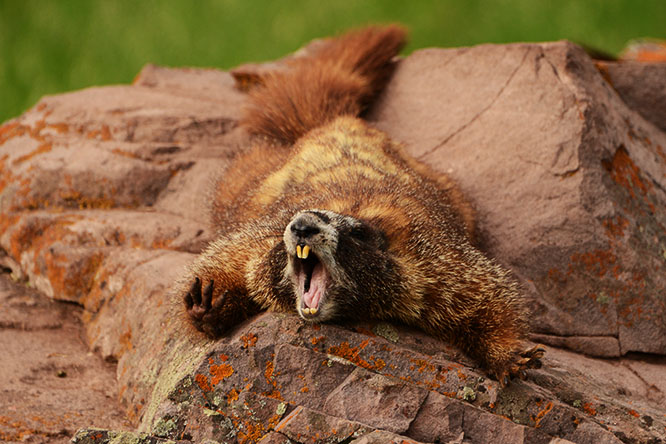
These pictures are of yellow-bellied marmots that we saw at lower elevations of the wilderness. In Colorado’s mountains, “lower elevations” can still mean around 10,000 feet (3,000 meters), by the way! Marmots are large ground squirrels famous for spending plenty of time basking on rocks in the sun. The photo below pretty much sums up the life of a marmot!
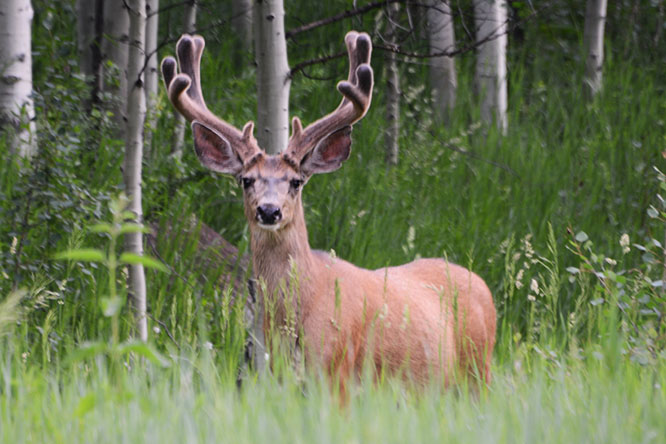
I also spotted this buck while in the wilderness. He didn’t seem too scared of me, so I suppose he was used to seeing people. The first time I saw this type of deer was in Canada, where I mistakenly thought one was a young reindeer. The antlers are covered in light fuzz and looked much thicker than those of the typical white-tailed deer I see back home in Virginia, which is what had thrown me off.
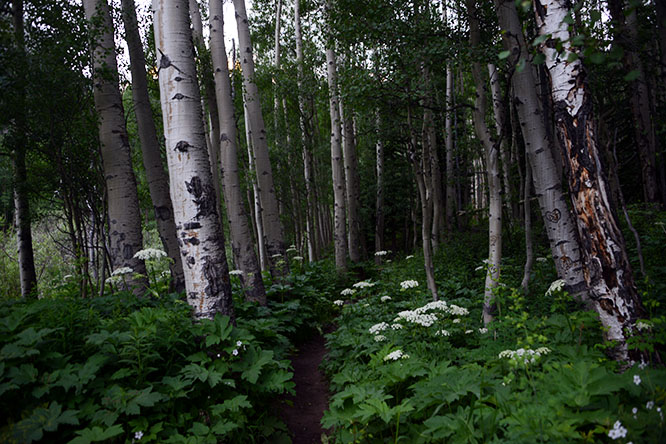
Once we started hiking into the wilderness, there was always the possibility of encountering a black bear. Bears generally avoid people, and encounters are uncommon, but this is still wild mountain country. The trail above began among thick aspen trees as we headed toward Pyramid Peak.
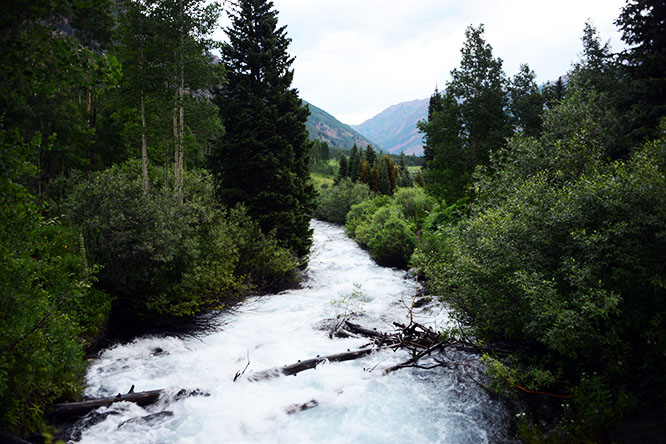
The trail began relatively close to this creek, which was small but raging nevertheless. Since we hiked in early July, I suspect much of the water came from melting winter snow feeding the streams and rivers in the mountains. Later in the summer, the flow would probably be much lower.
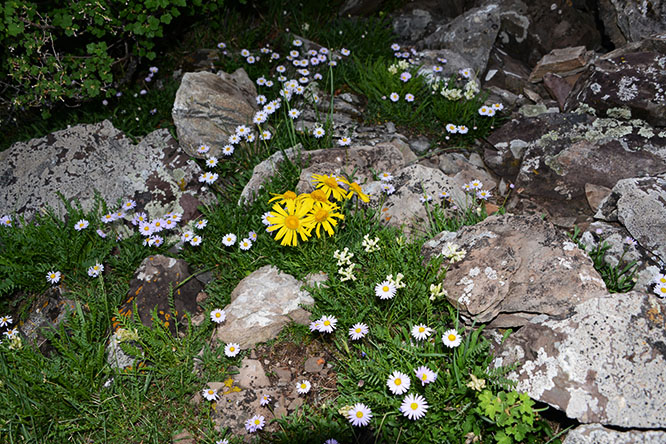
My friend and I had somehow started on the wrong trail as far back as the lake. Shortly into our hike we discovered the mistake and ended up making much of the approach to the mountain off trail. Eventually we came out of the treeline, could see the mountain, and were able to orient ourselves. As we climbed higher, we left the trees behind and entered more open mountain terrain with rocks and wildflowers like those below.
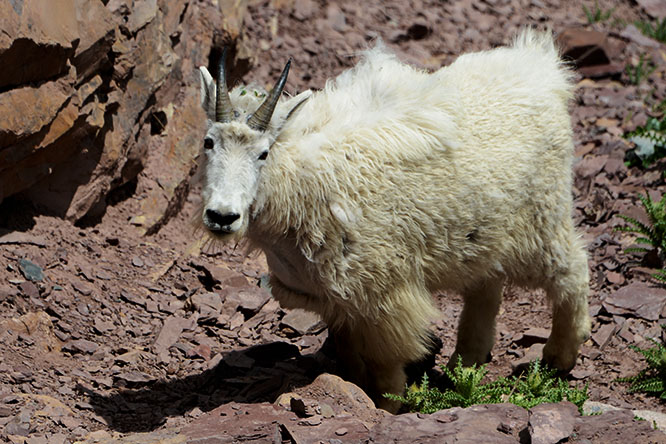
While I didn’t encounter any bears on the hike, as we got higher I was lucky enough to see some mountain goats! These guys seem to be relatively common for those who venture high into the mountains, sometimes around 12,000 feet (3,600 meters). The mountain goats I’ve seen have always seemed pretty relaxed and almost indifferent to people being in their environment, unlike many animals that take off at first sight. I’d never get too close to one, of course—especially in exposed terrain, where getting knocked over could send you tumbling down the mountain!
Explore More of Colorado
Ellingwood Point • Mt. Elbert • Pyramid Peak • Mt. Evans & Bierstadt Traverse • Aspen • Denver • Grand Junction • the Snowmass Wilderness