Denver is by far Colorado’s largest city, making Grand Junction the most significant population center between Denver and Salt Lake City, nearly 300 miles to the west. Grand Junction itself isn’t really much of a destination, but rather more of a base camp for exploring western Colorado.
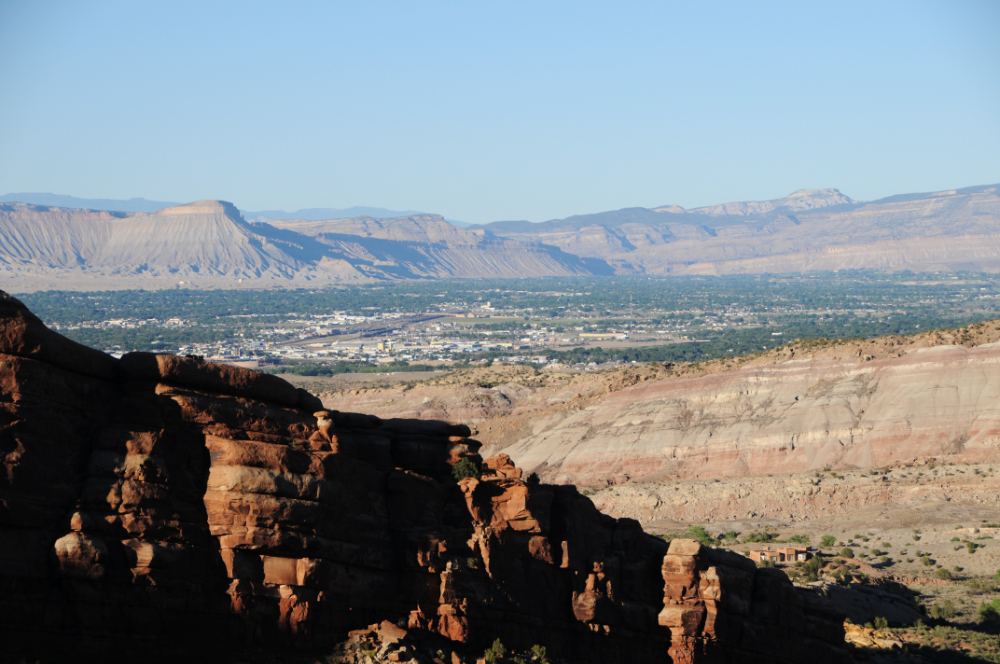
The photo above shows Grand Junction from some nearby mountains, where it appears as a green oasis in the desert. Grand Junction is known for a few great museums and its artsy downtown. Unfortunately, all the museums and a lot of businesses were closed when I visited since it was Sunday. Most restaurants and coffee shops were open. One coffee shop even had a “happy hour” where all drinks were half price!
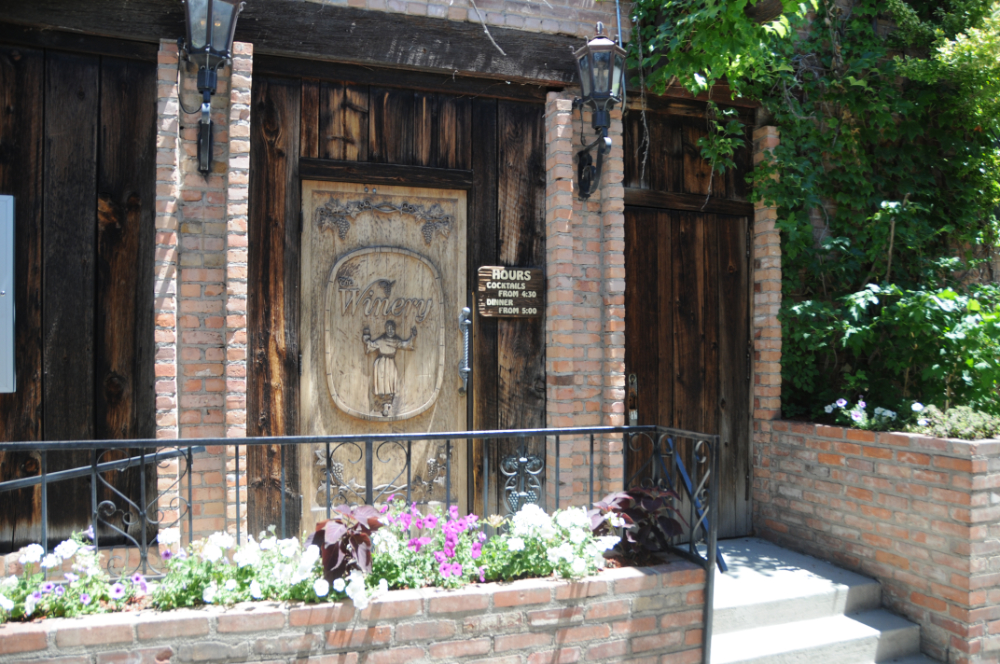
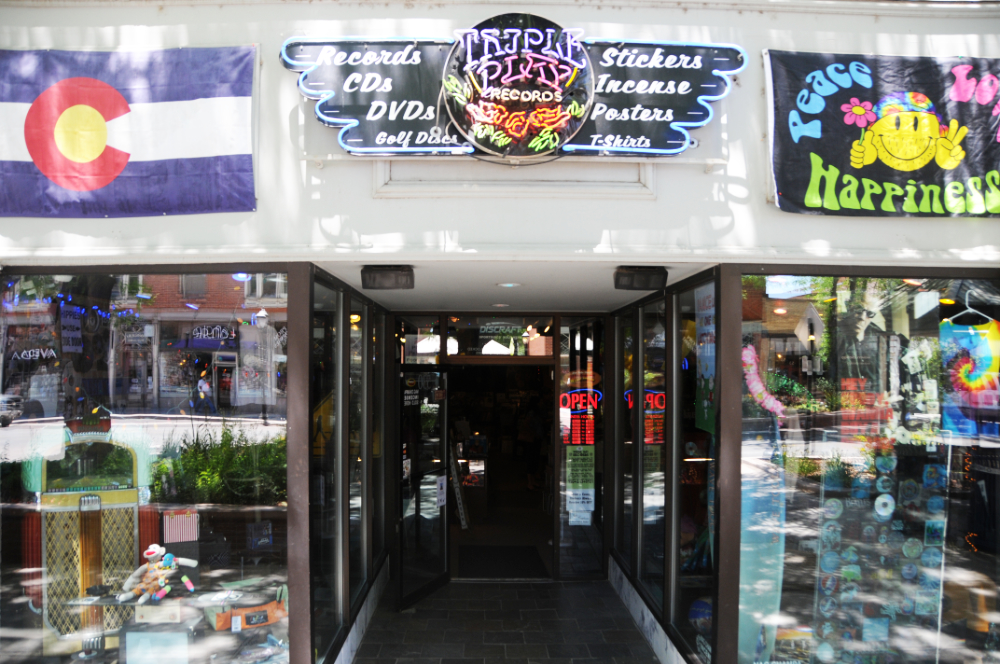
A lot of businesses were closed, but there were still some interesting places open around town. When I took the photo above, a woman came up to me and asked why in the world anyone would take a picture of a store.
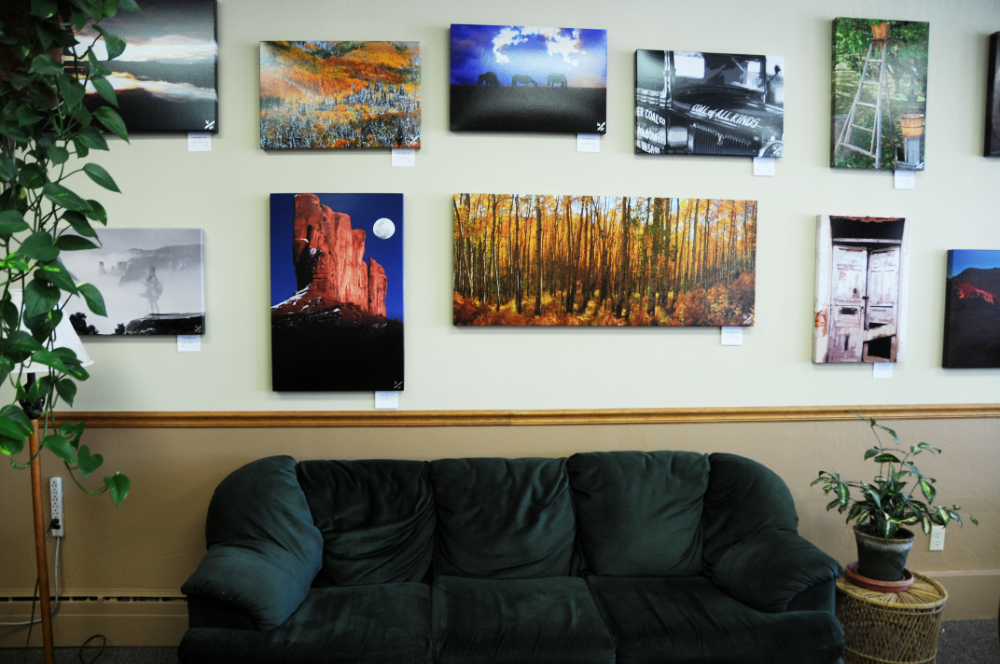
Inside a bagel bakery, they had the walls covered with paintings and photographs by local artists. The bagel bakery wasn’t the only place where you could find local art. Just about every shop, and even Main Street itself, had lots of local art on display. Walking down Main Street was like walking through an outdoor art gallery. Sculptures and other creations were bolted down throughout the neighborhood.
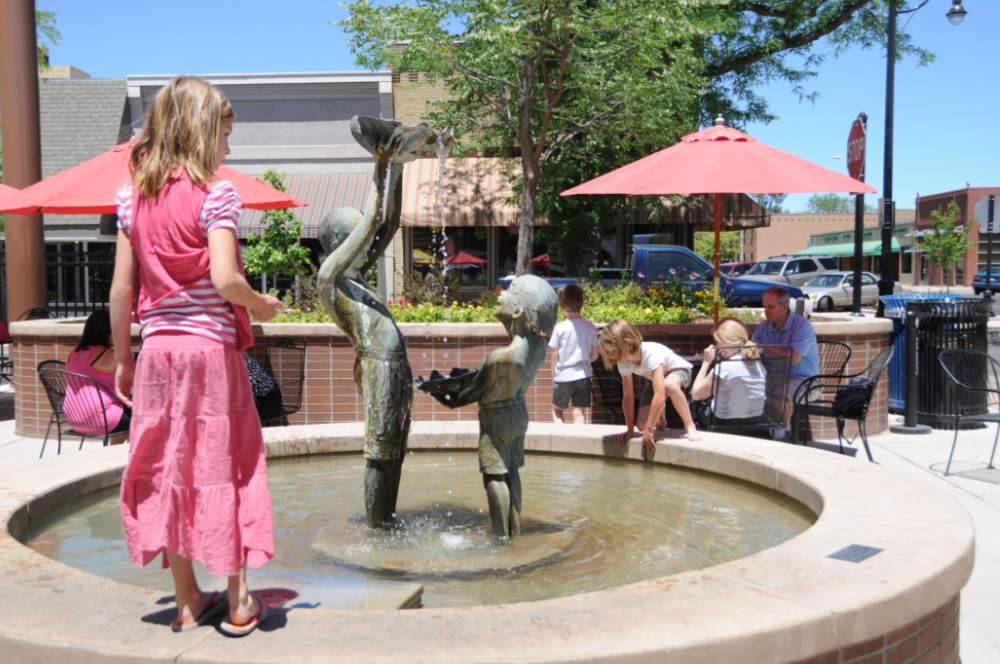
I’ve heard the artwork is also changed out every six months, so more than likely the next time I visit, all this work will have been replaced. In addition to the art, there are several water fountains throughout Main Street. Some of the fountains are even gated and designed for kids to play in, a welcoming idea in a hot desert city!
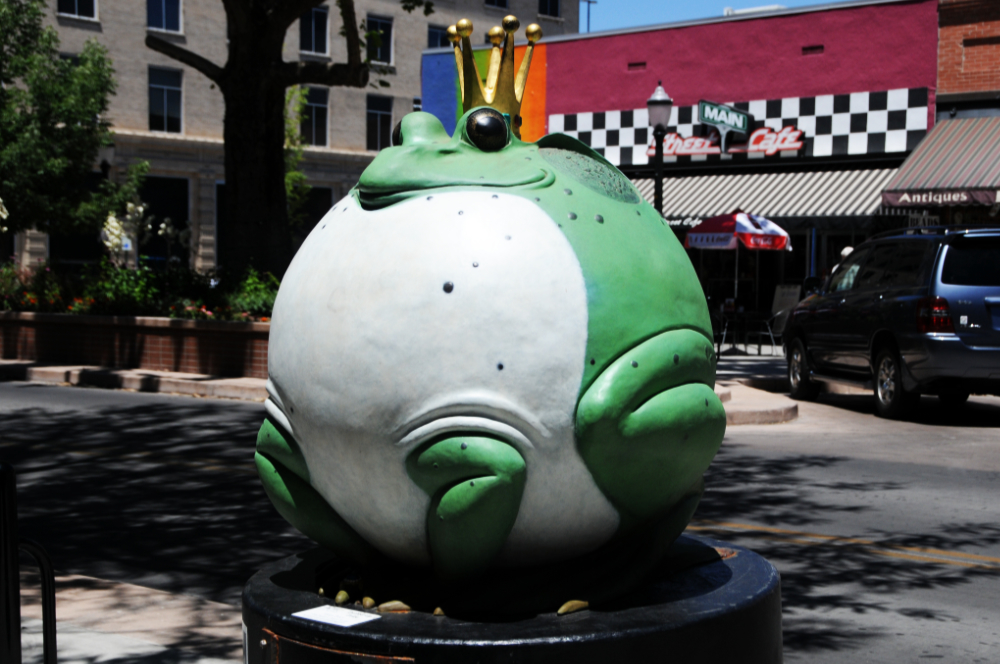
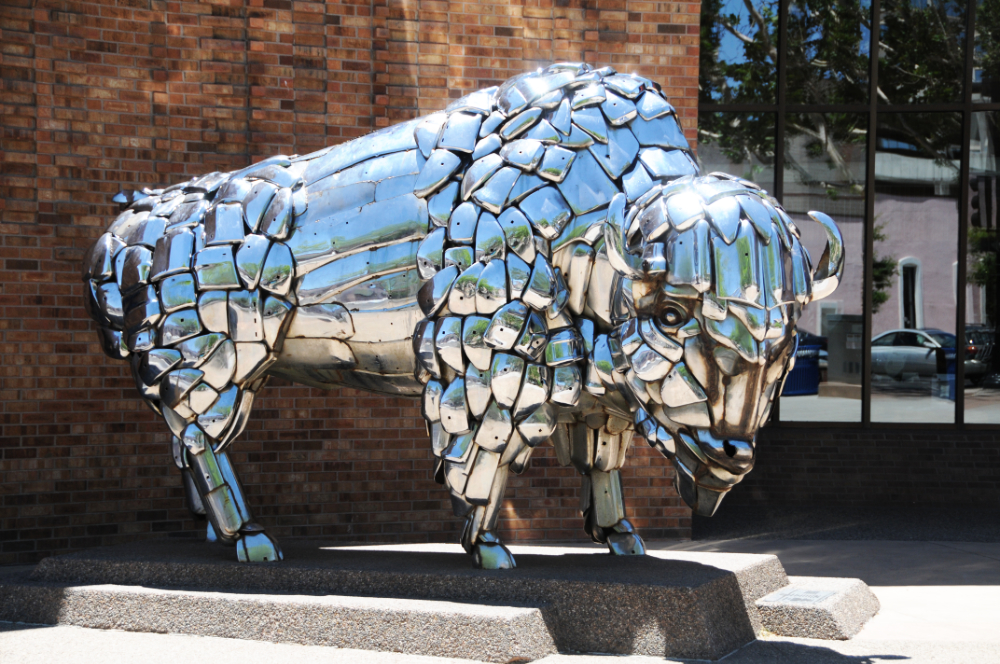
The frog and buffalo were two other creations that got my attention.
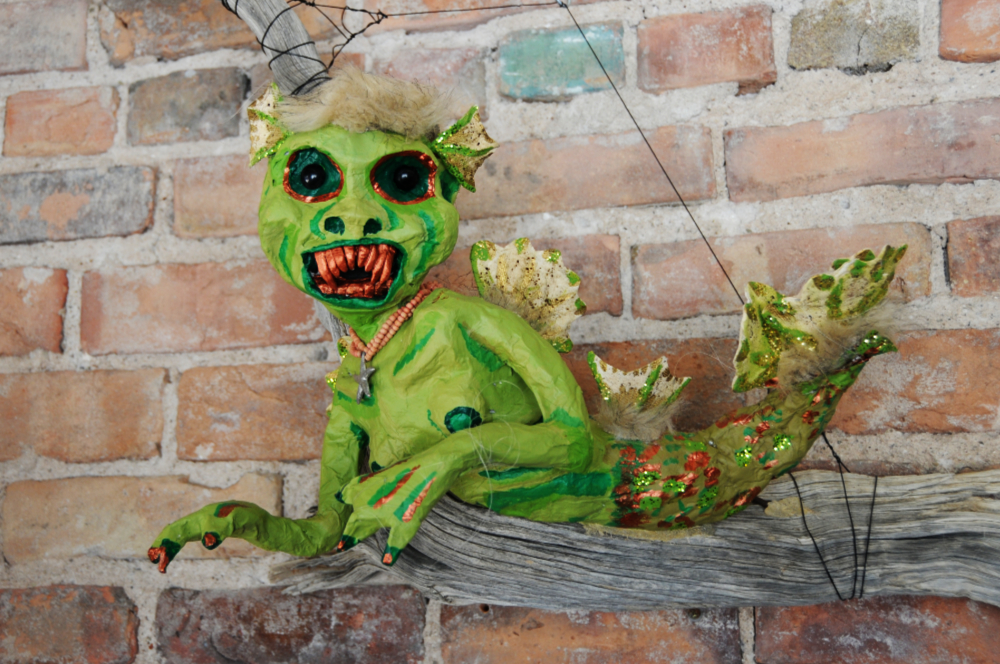
Lastly, the demon-like creature was cool enough to make it onto my website and was inside the happy-hour coffee shop.
Colorado National Monument
Just west of Grand Junction is Colorado National Monument. I expected to find nothing more than red towering rocks sprouting out of the desert. I was right about the rock towers, but there were also canyons, mountains, and roads that pass through tunnels and along dangerous cliffs. Several points give you a bird’s-eye view of the amazing landscape and the surrounding desert in the distance.
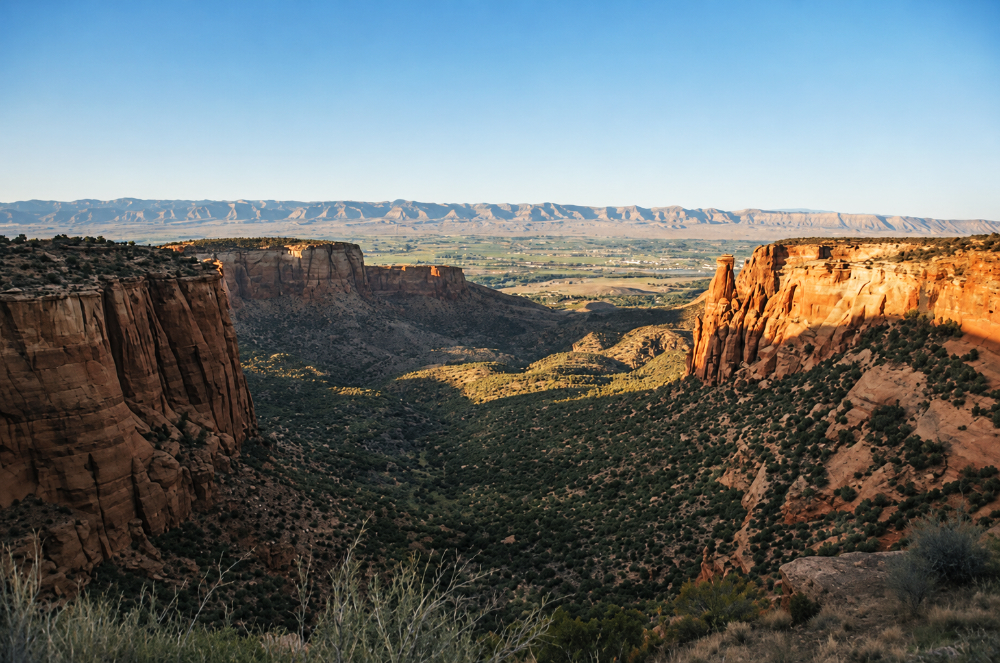
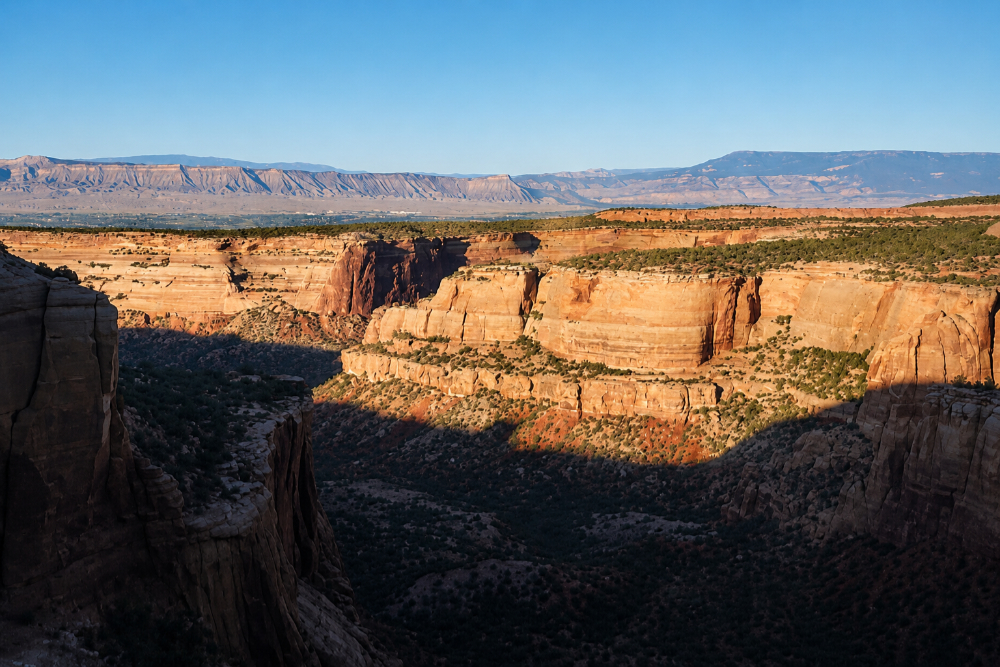
From the higher overlooks, the scale of the monument becomes much more obvious. Deep canyons cut through the landscape below while huge sandstone cliffs rise above them. Beyond the monument, the terrain opens into the broad valley around Grand Junction, with mountains stretching across the horizon.
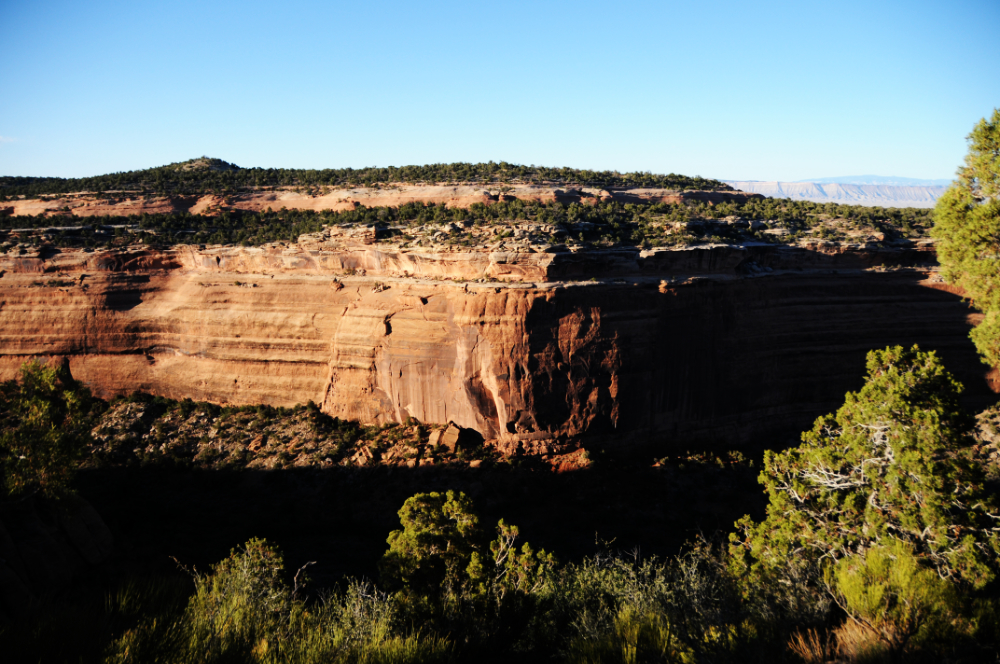
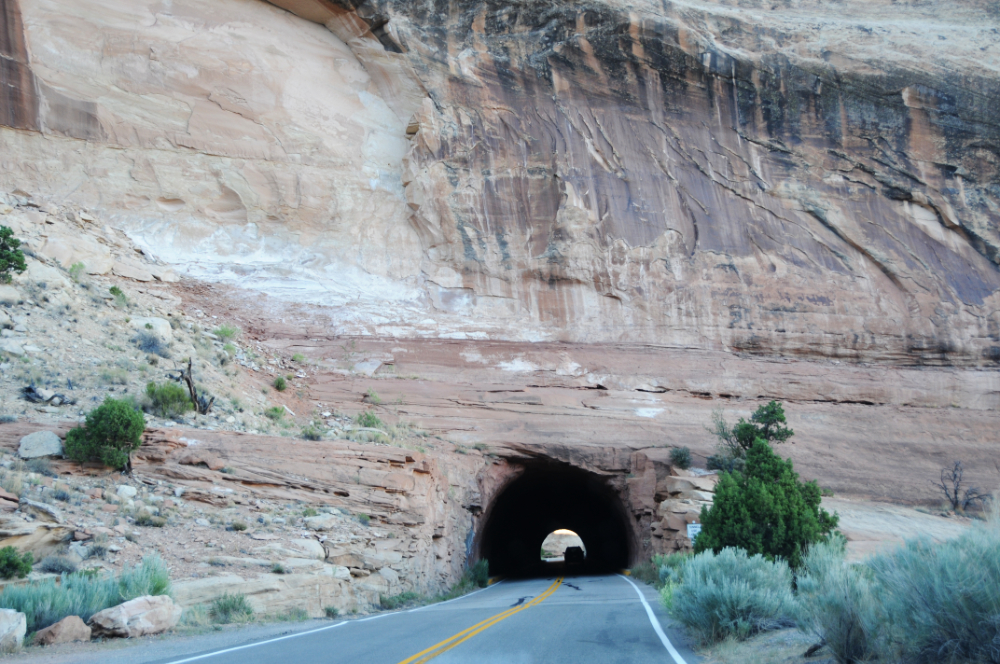
The road through the monument was almost as interesting as the overlooks. It winds high along the cliffs and even passes directly through the rock in places. I hadn’t expected anything like that when I came here; I had pictured a desert filled with isolated rock formations, not a road climbing through such rugged terrain.
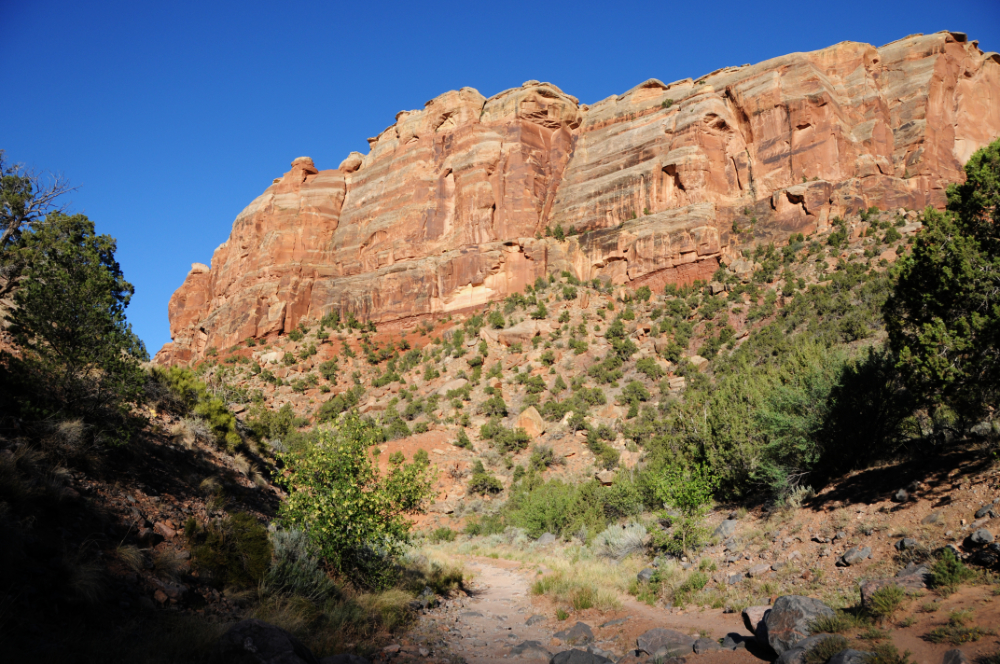
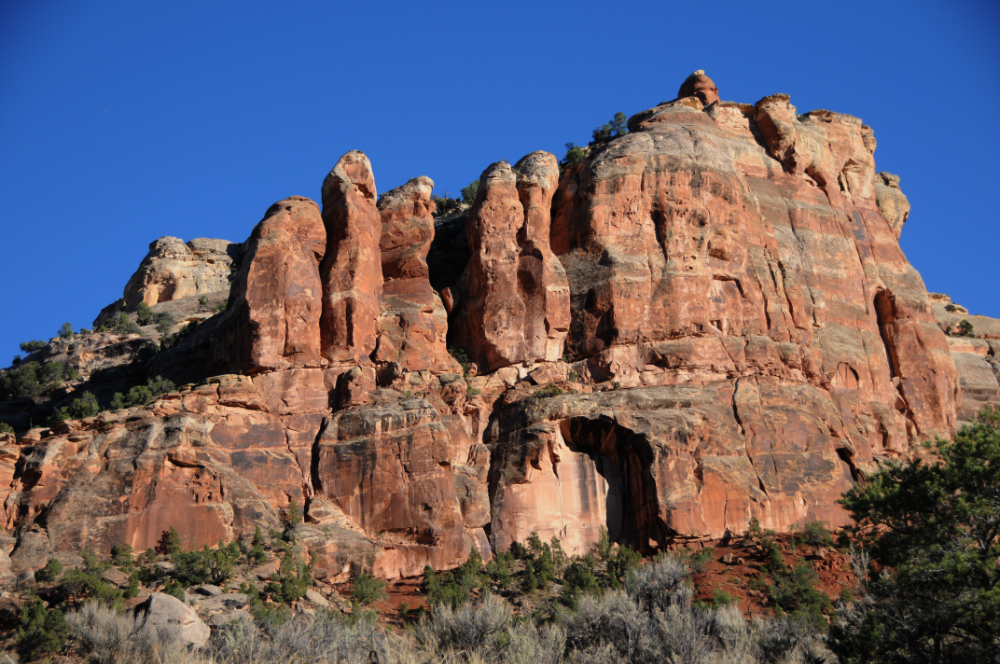
After seeing the monument from the higher elevations, I also did some hiking lower down. From there the landscape felt different again, with the cliffs and mountains rising around me instead of being something I was looking down on from an overlook.
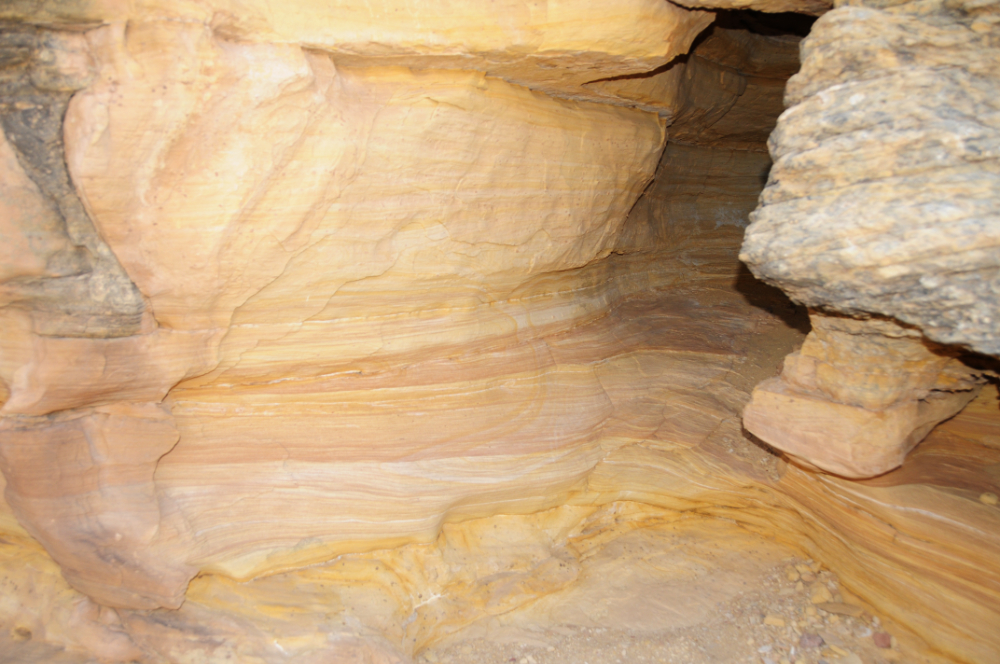
Before my trip to the center of America, I had put a lot of time and energy into trying to find “The Wave,” a beautiful pattern of colorful lines within one of the deserts out west. I found the real Wave to be in southern Utah near the Arizona border, but there seemed to be a few sites suggesting there was a smaller version here in Colorado National Monument.
I asked a park ranger who had no idea what I was talking about. When I brought up an image for him to see on my phone, he was equally impressed but said there was nothing like that in the national monument. The photo above is nothing like the real Wave, but you can understand the concept of wind-polished rocks leaving behind bands of colors.
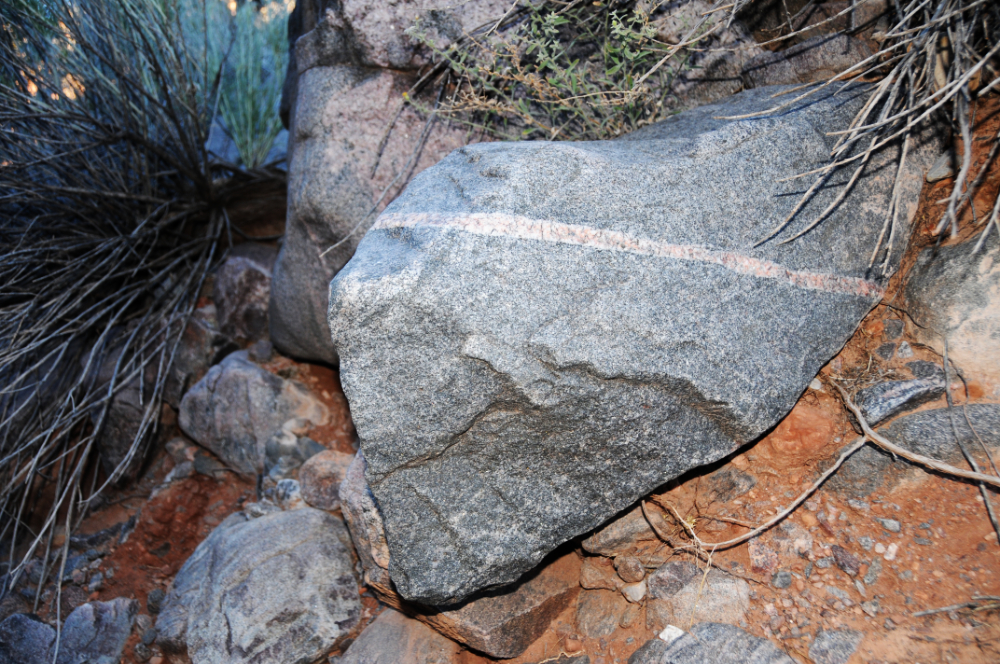
While hiking, I also passed this rock that, for some unknown geological reason to me, has a single layer of white rock running through it.
Little Book Cliffs
Another place I hiked in western Colorado was east of Grand Junction, called the Little Book Cliffs. There are many places throughout America where horses are allowed to roam free, but this area in Colorado is one of the places out west where wild horses are actively protected.
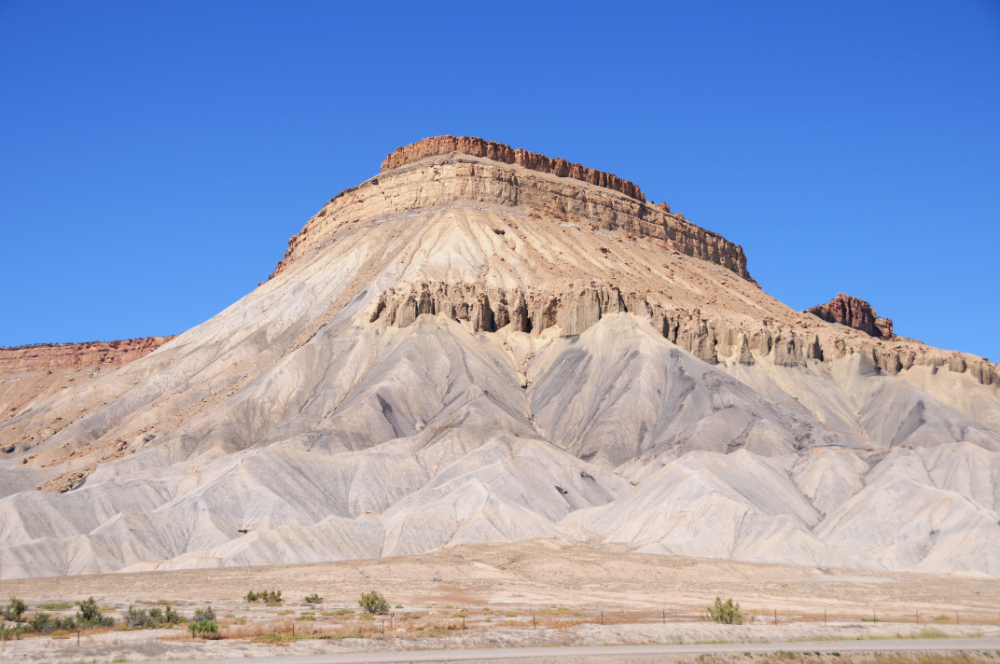
The protected area is a rugged landscape of desert, steep mountains, canyons, and broad open valleys. It certainly gives the horses plenty of room to disappear, which I would soon discover made actually finding them a lot more difficult than simply hiking into their territory.
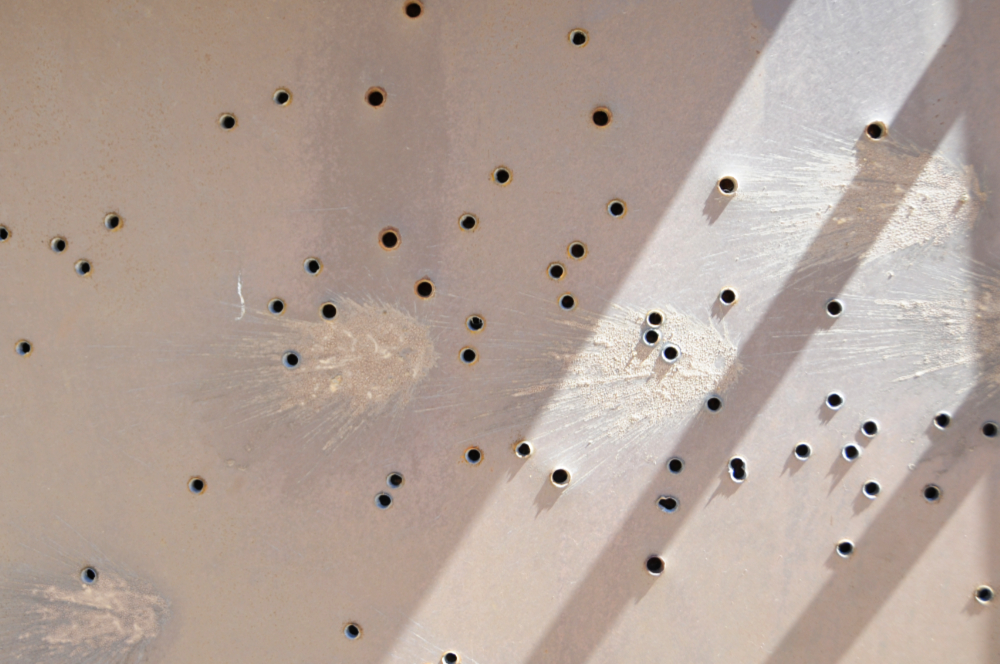
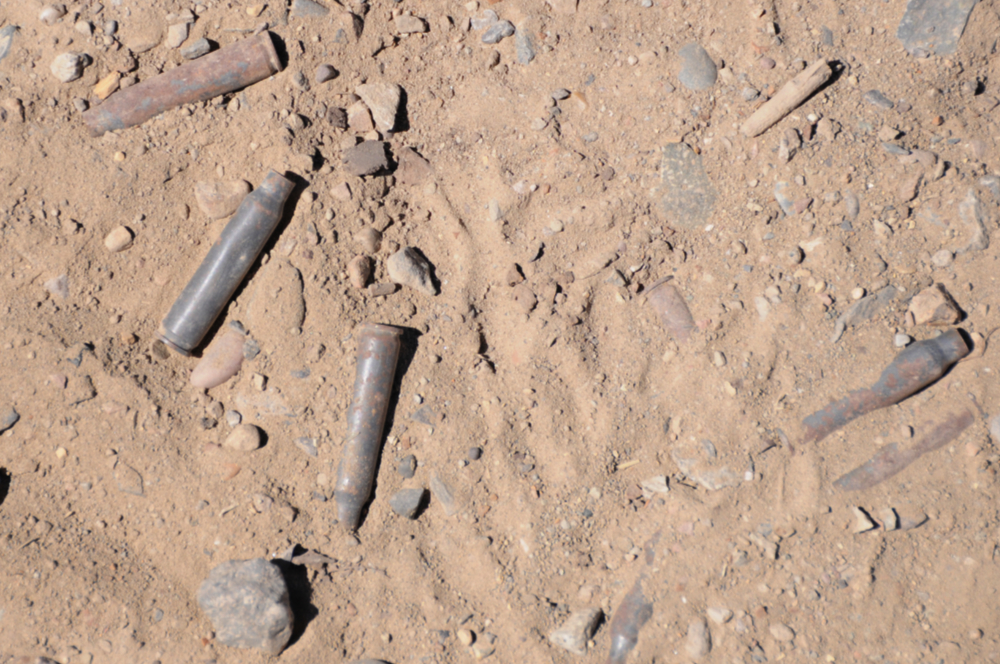
I suppose the horses might need the protection since the welcome sign was shot to pieces, with the bullet shells still lying on the ground.
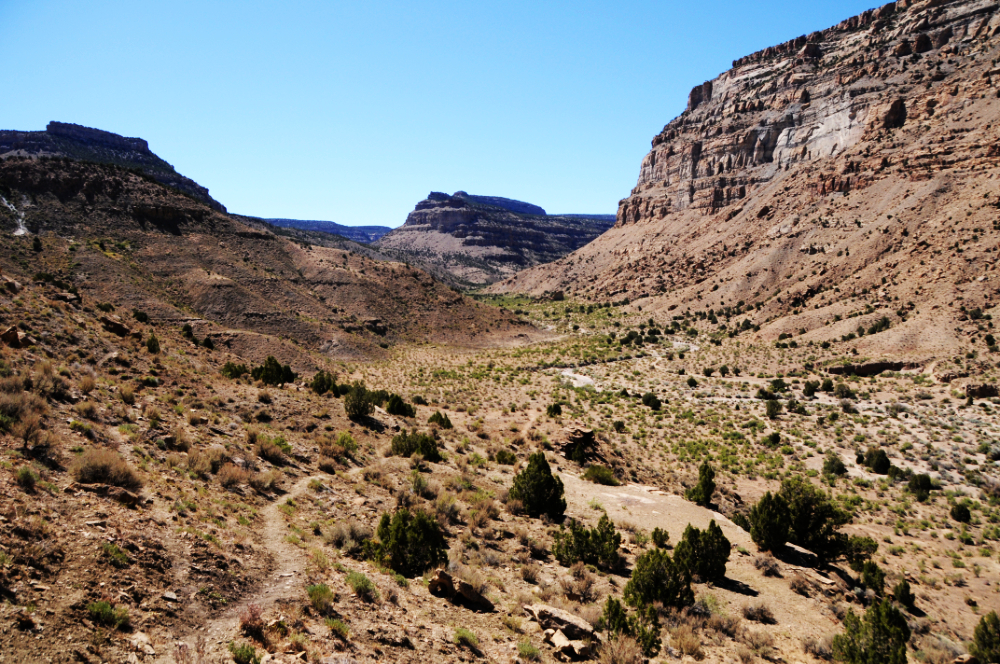
I knew coming across wild horses here was a long shot. The border of the protected area is made up of steep mountains and canyons, which gives the horses lots of places to hide. I bet if I had hiked in the morning or evening I might have had better luck encountering them. With the warmer months here at the time of my visit, the horses tended to go up to higher elevations where it was cooler.
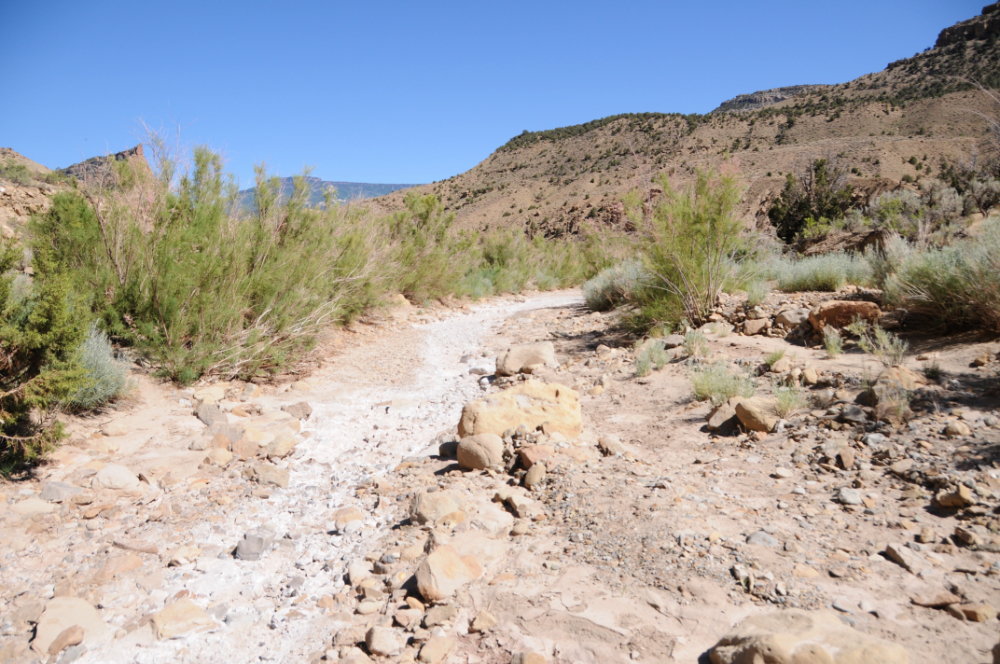
With such a dry desert and hot temperatures, it’s hard to imagine this place being a suitable environment for horses. The only proof that they were here was the frequent piles of horse droppings I came across. Even the creek I passed was completely dried out.
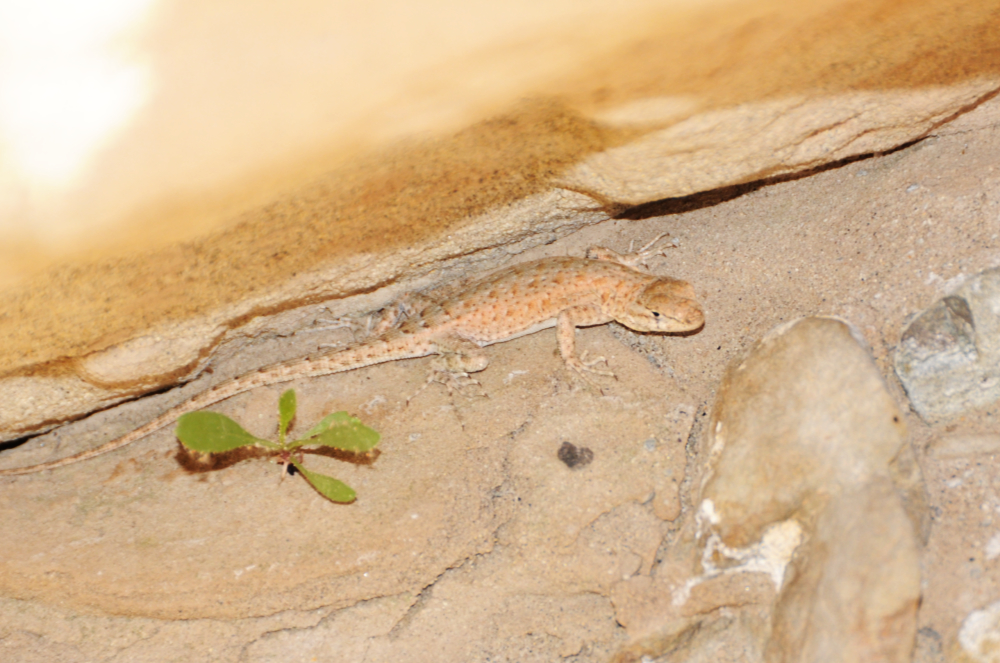
If there are a few hundred wild horses here, then the ratio of horses to lizards must be one to a million. Every few steps I took sent a lizard scurrying under the brush or a large rock. With so many lizards running about, I saw several different species of all sizes and colors.
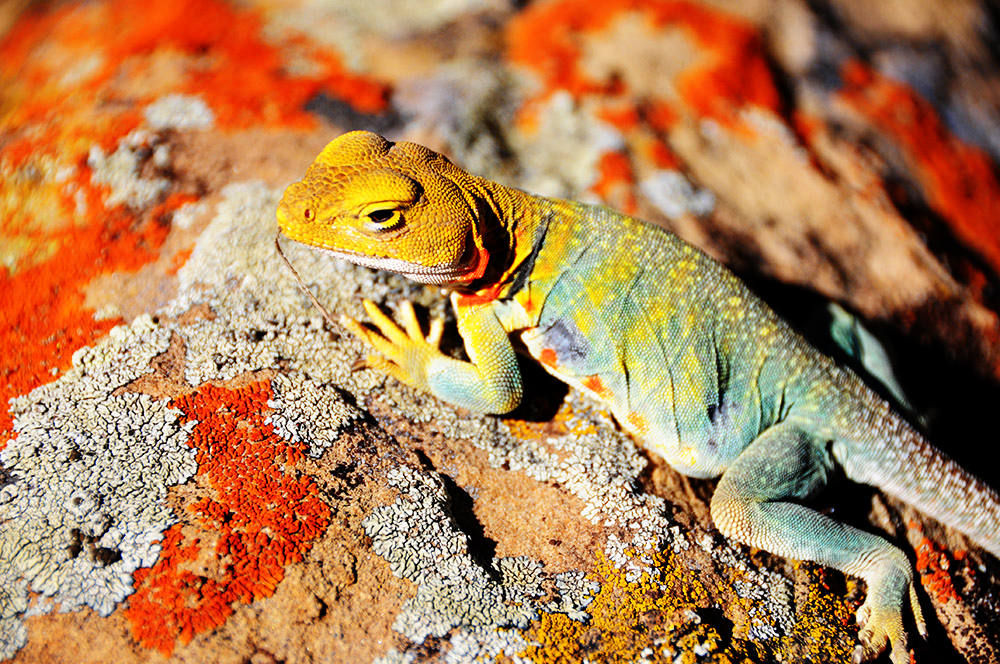
The large lizard above was my favorite because of its beautiful, vibrant colors and its willingness to be photographed.
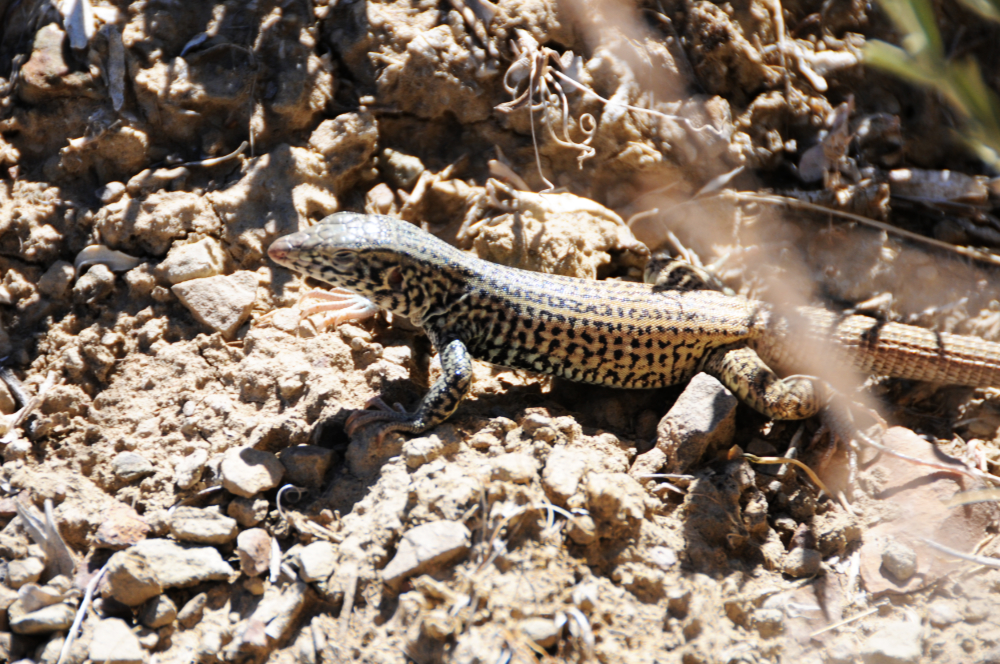
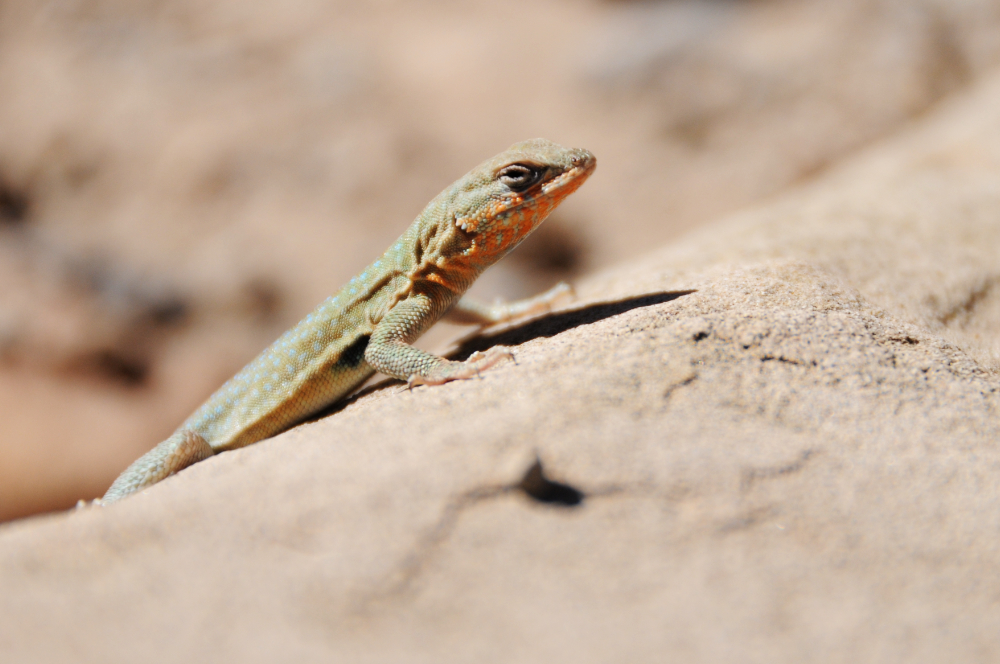
These were some of the other species I came across while hiking through the desert.
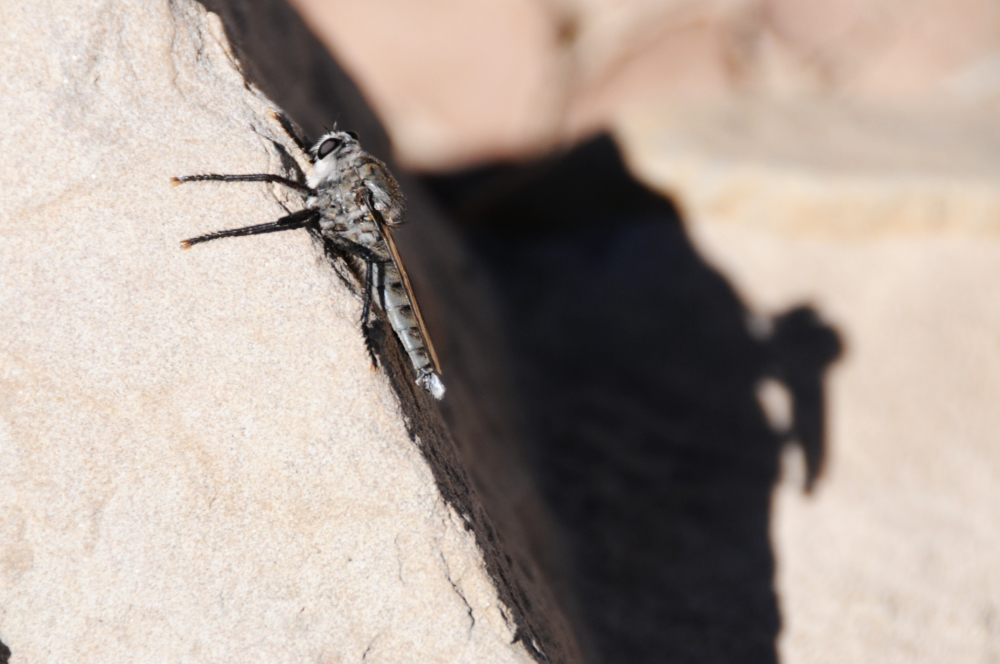
I also came across what looked like suitable prey for all those lizards, this giant horsefly. These are large, disgusting biting flies that have violently attacked me in the past. With Colorado being such a dry state, the bugs here don’t pose much of an annoyance, and you can hike without being bombarded!
Explore More of Colorado
Ellingwood Point • Mt. Elbert • Pyramid Peak • Mt. Evans & Bierstadt Traverse • Aspen • Denver • Grand Junction • the Snowmass Wilderness