Of all the natural areas I visited in Bolivia, the deserts of the southwest were probably my favorite. I traveled through this region by road, often at extreme altitude, surrounded by volcanoes, barren plains, strange rock formations, wildlife, colored lagoons, and geothermal fields.
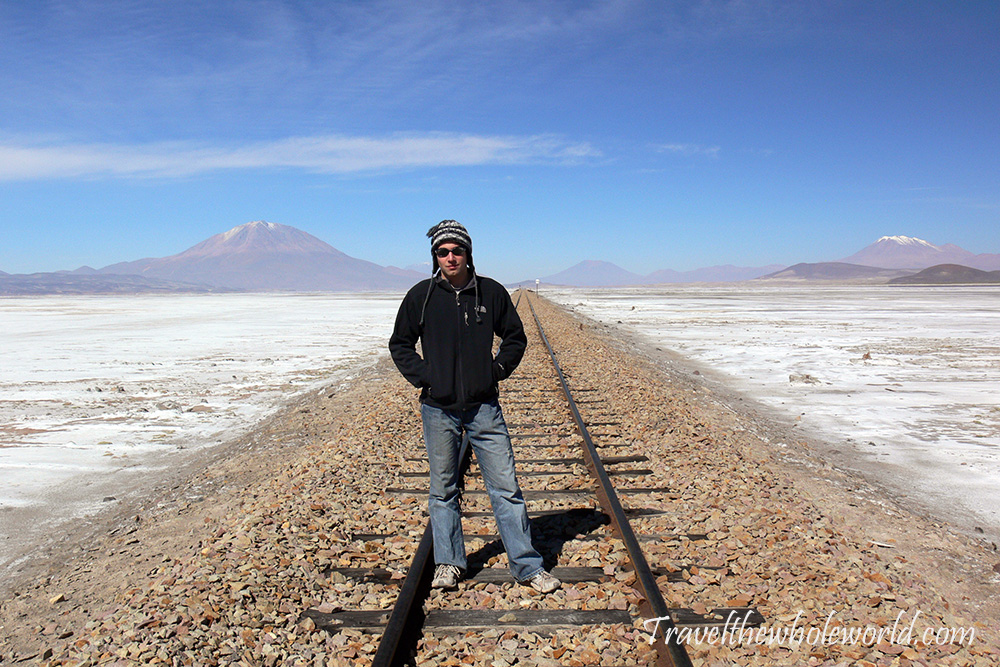
At times we were driving above 5,000 meters, or more than 16,000 feet. Even the photo below was taken at more than 4,000 meters, which would put me near the summit elevation of many of the highest mountains in the continental United States.
Fortunately, I had climbed Aconcagua only a few weeks earlier, so by comparison I felt almost like I was back at sea level.
The only real problem I had was a nasty stomach virus.
Or possibly a curse from those skeletons I had been looking at earlier in the trip.
The Dalí Desert
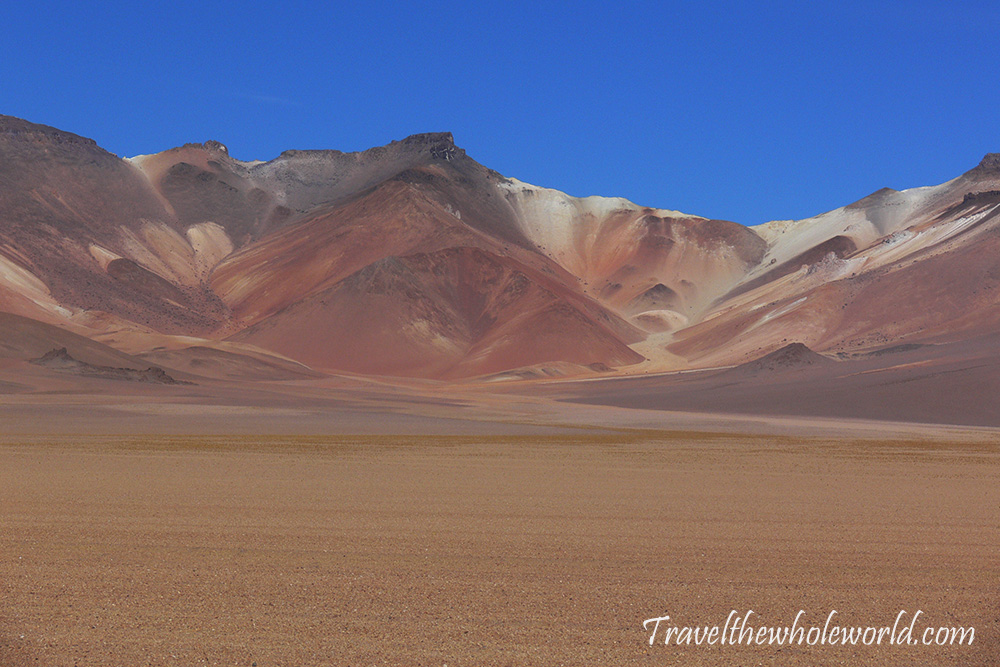
Simply driving through this part of Bolivia was an experience by itself.
One area is commonly known as the Dalí Desert because the smooth mountains, strange colors, and nearly empty landscape reminded people of the surreal scenes in Salvador Dalí’s paintings.
The comparison made sense once I saw it. Some parts of the landscape barely looked real.
Rockier Desert Terrain
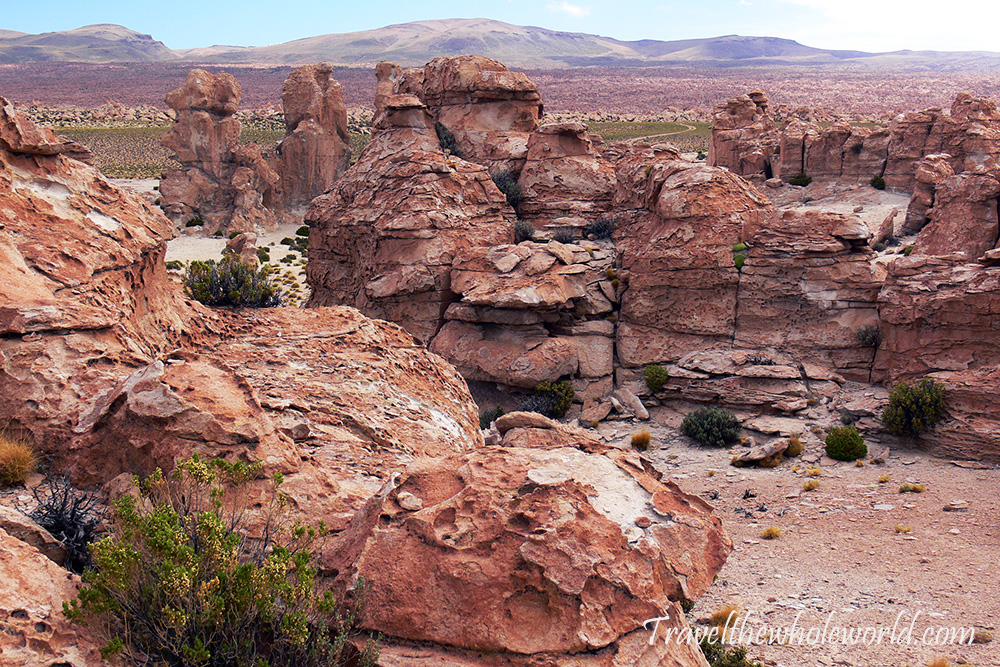
Not every part of the desert looked the same. Some sections were filled with exposed rock and low-growing plants, which created enough shelter for small animals.
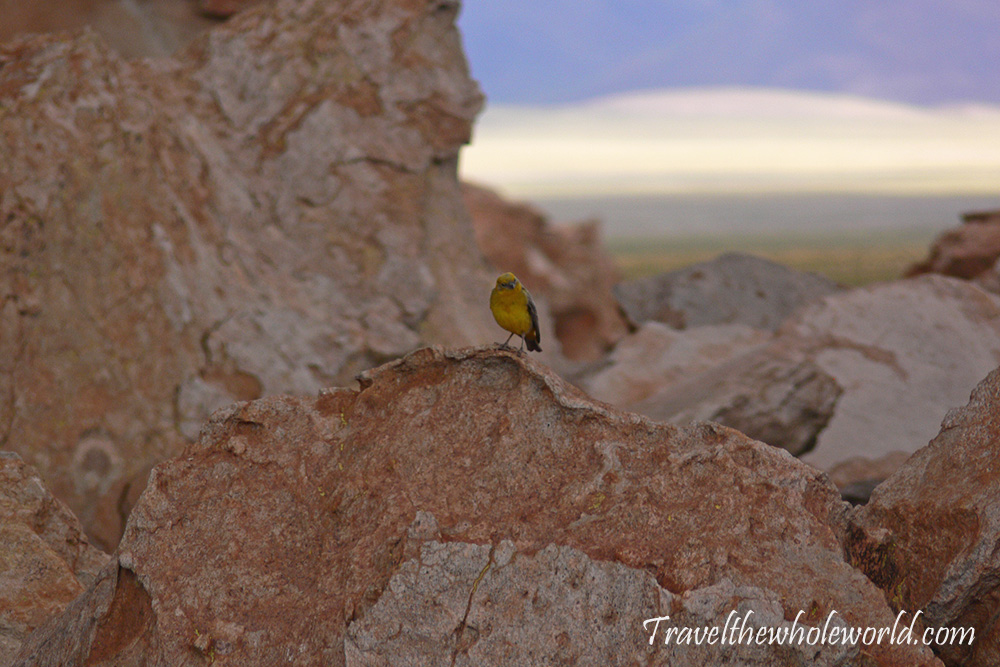
I saw plenty of lizards and birds darting around but failed to get many good photographs.
Plants That Survive Up Here
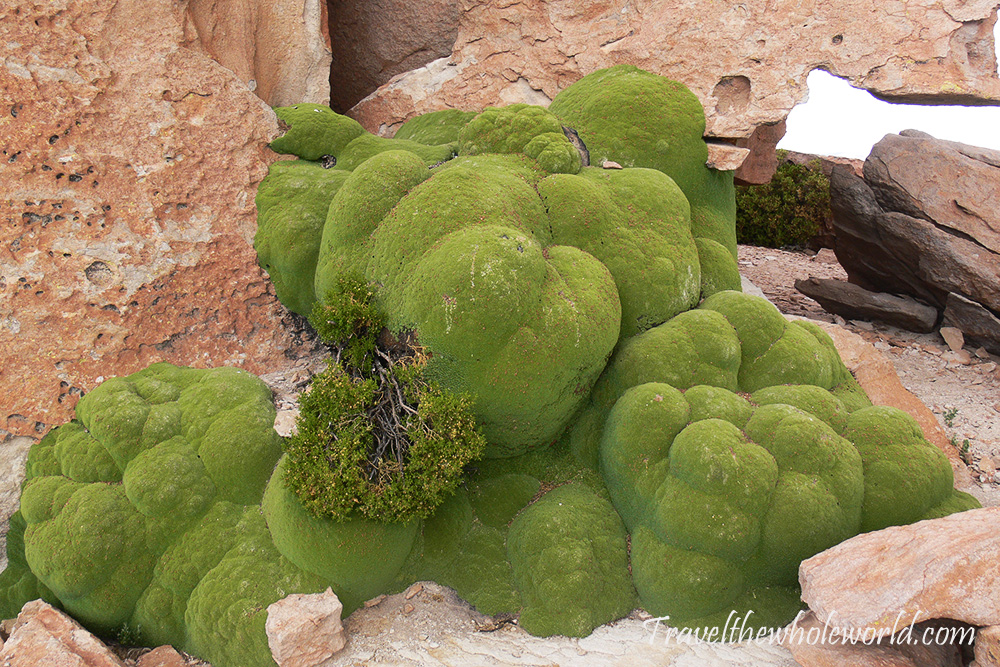
I had seen large moss-like formations in Antarctica, so I was surprised to come across something similar-looking in the dry Bolivian highlands.
The scale doesn’t really come through in the photograph. Standing beside it, the formation would have reached close to my height.
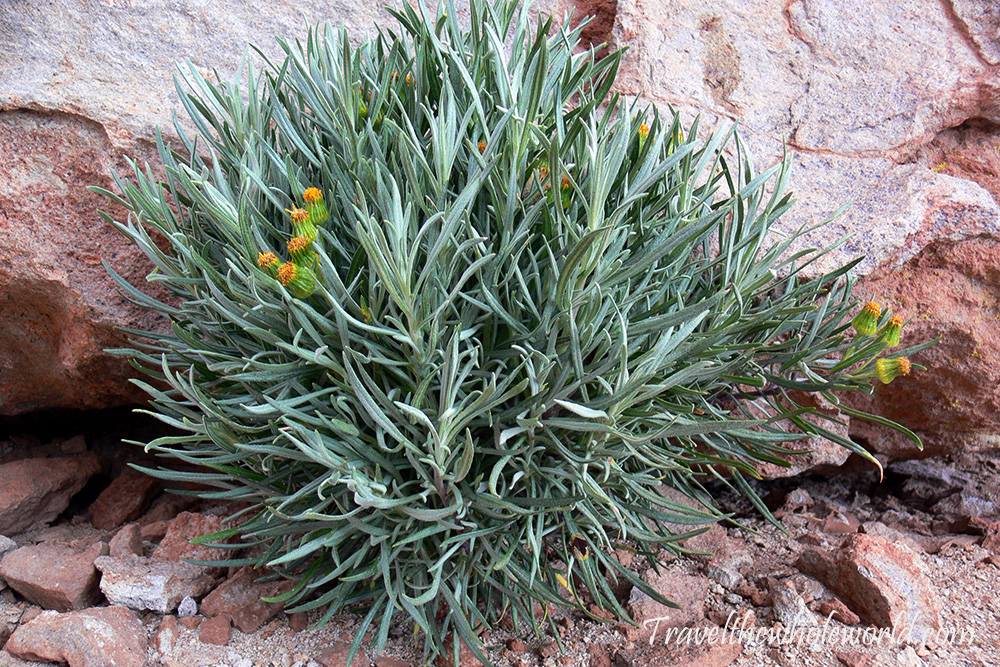
These high-altitude plants have to survive freezing temperatures, intense sunlight, little water, and strong winds, so many grow in dense cushions close to the ground.
Wildlife in the Desert
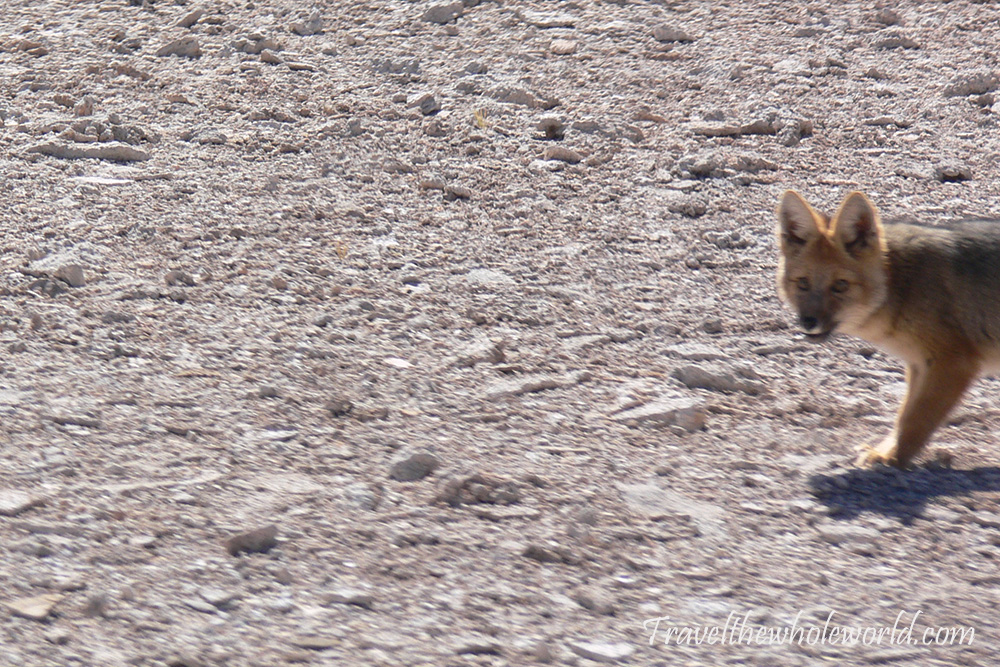
For such a harsh environment, there was more wildlife than I expected.
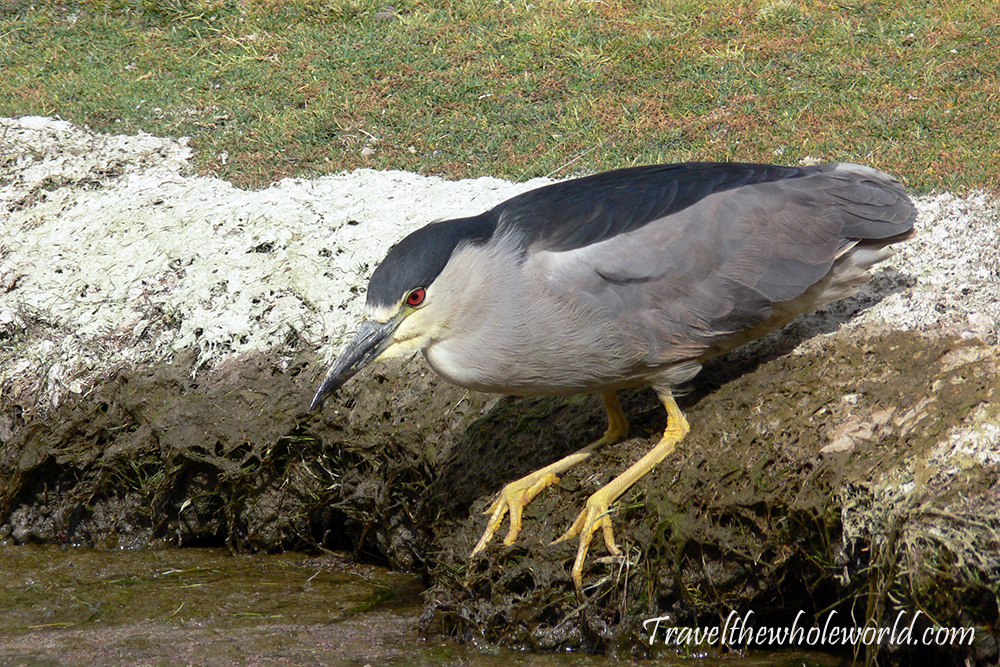
I missed most of the small reptiles and birds with my camera, but I was happy to photograph this fox and the vicuña below.
This trip was almost fifteen years before I finally organized these photos properly, and considering the camera equipment I was using at the time, I think I did pretty well.
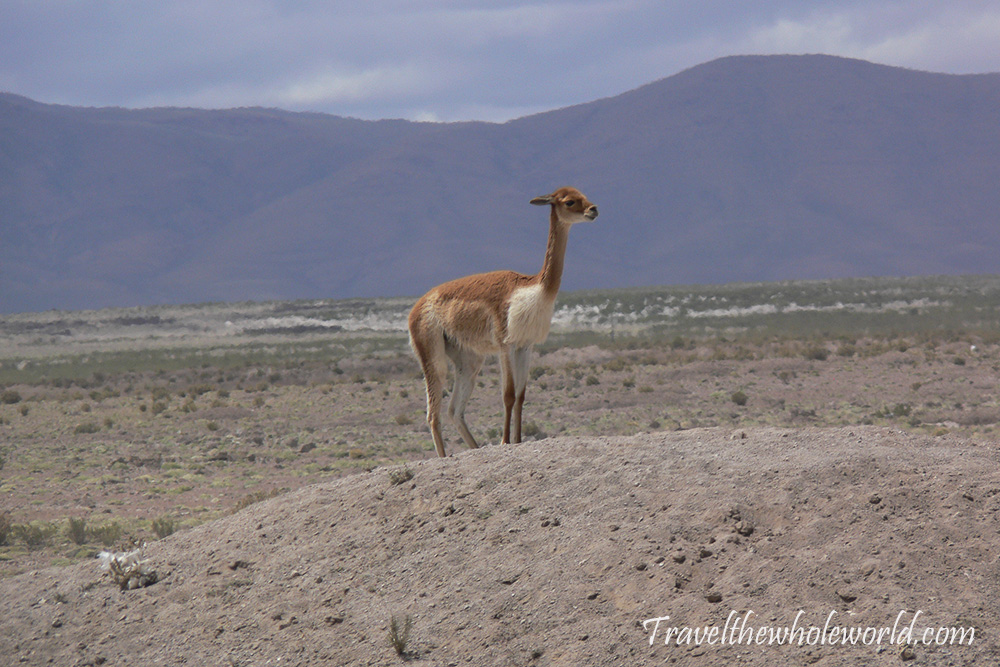
Vicuñas are perfectly adapted to the thin air and cold conditions of the Andes. Llamas and other camelids are also common throughout the region.
The broader Bolivian Andes are home to much larger wildlife as well, although I certainly didn’t encounter any bears out in this barren section of desert.
High-Altitude Lagoons
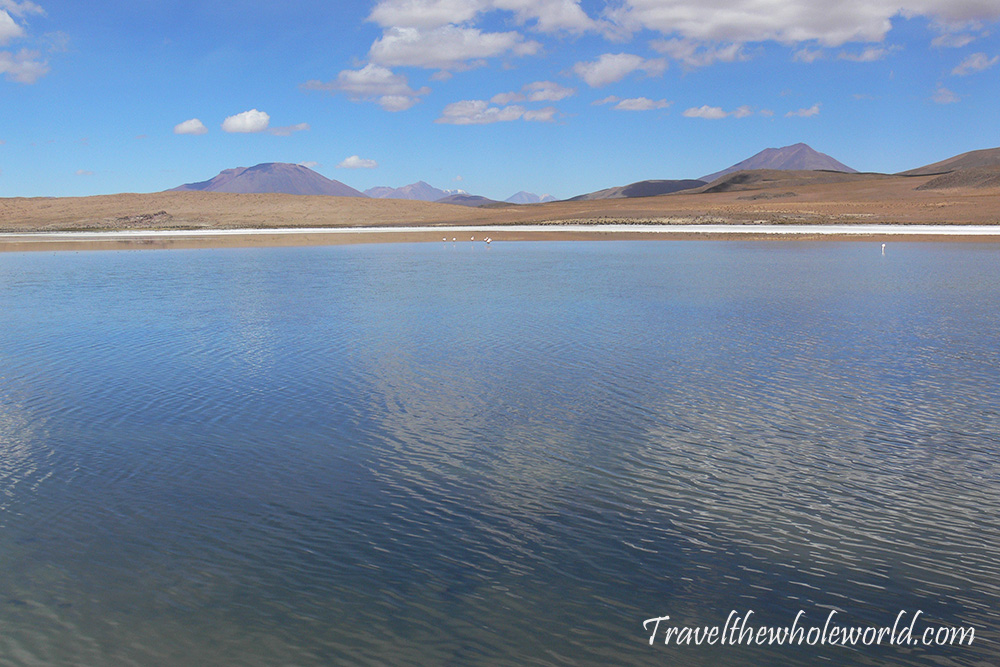
One of the strangest things about Eduardo Avaroa was finding so much water in such a dry landscape.
High-altitude lagoons appeared throughout the desert, and almost every one seemed to have a different color or character. Some supported large amounts of wildlife while others were highly saline or chemically unusual environments.
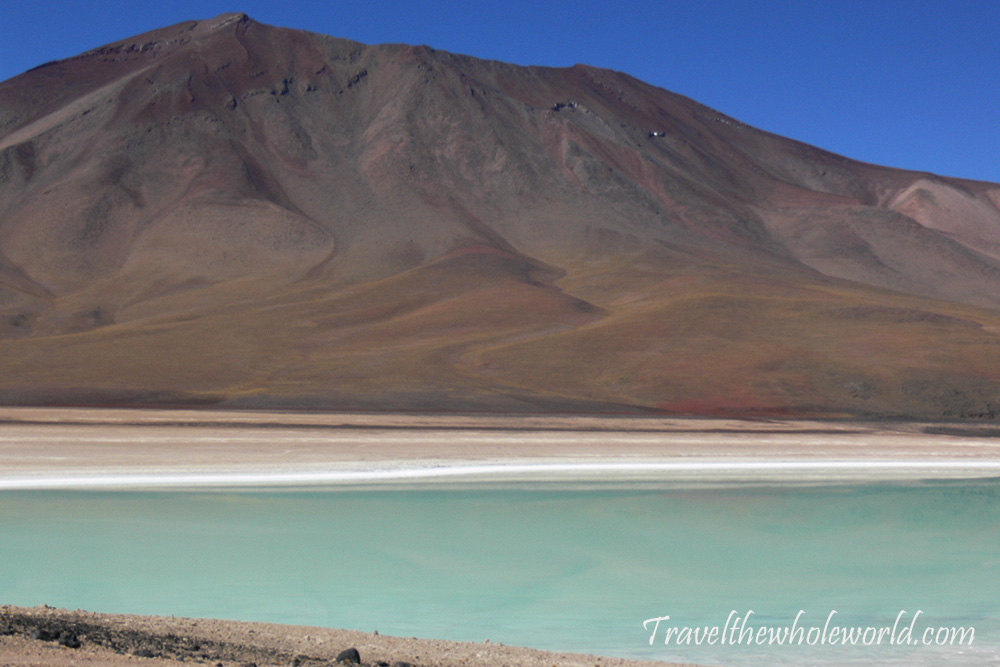
Laguna Verde is famous for its striking green appearance, which can vary depending on mineral content, wind, light, and other conditions.
Whatever chemistry was happening in the water, it created one of the most unusual landscapes I had seen anywhere in Bolivia.
Laguna Colorada
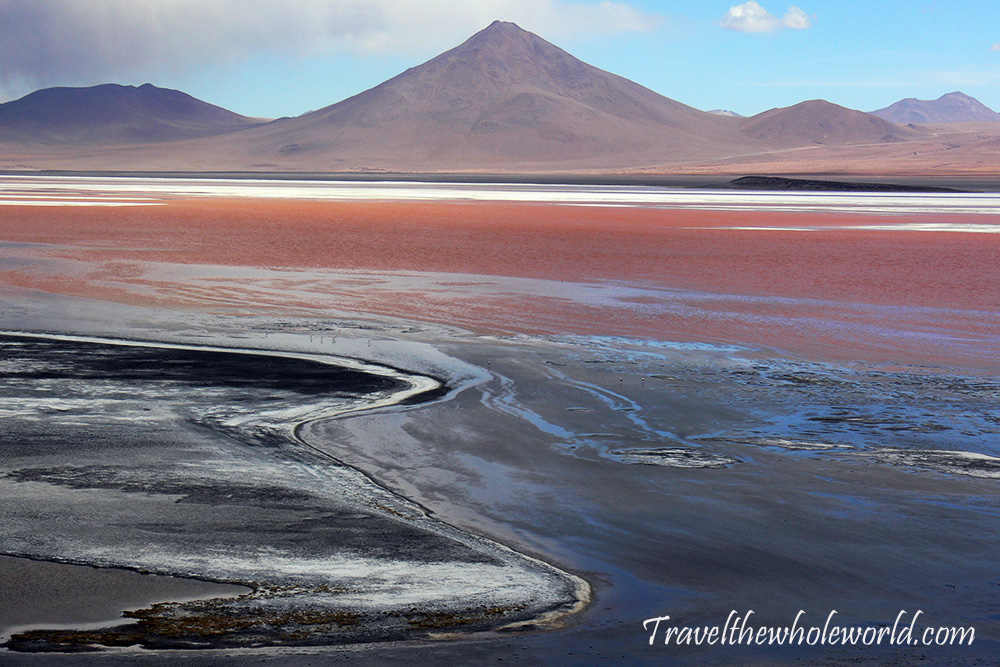
Then there was Laguna Colorada, or the Red Lagoon.
The reddish color comes largely from microorganisms and sediments in the shallow water. Unlike the nearly empty-looking green lagoon, Laguna Colorada was full of life.
Flamingos in the Andes
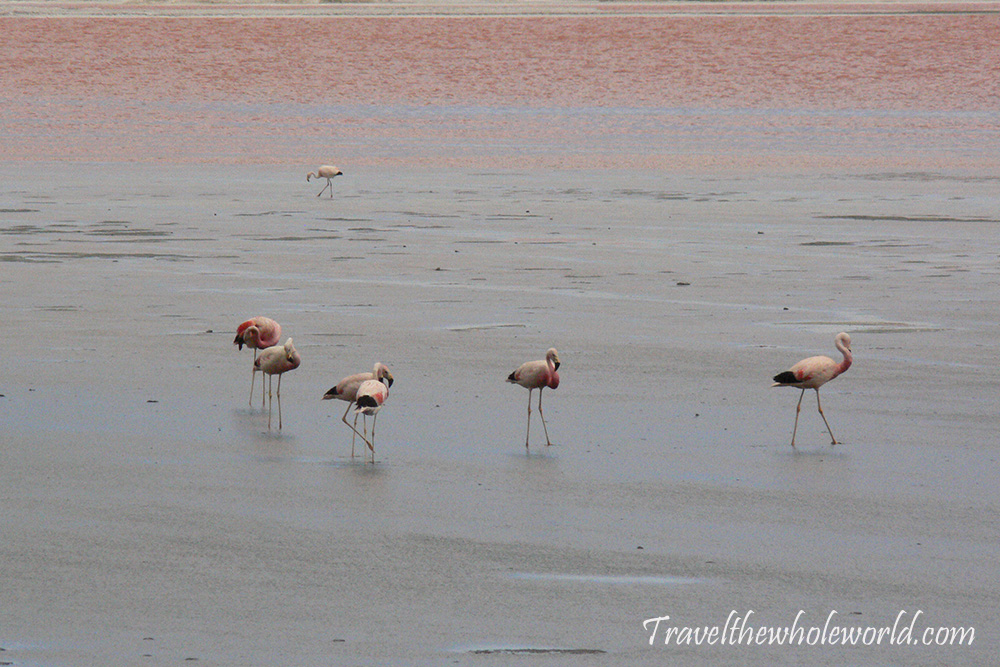
Seeing flamingos in a freezing high-altitude desert felt completely wrong at first.
But they thrive in these mineral-rich lakes by feeding on algae and other tiny organisms in the water. Their diet also contributes to the pink and reddish coloration of their feathers.
Most of the flamingos were pretty far away, and my camera at the time didn’t have anything resembling a serious wildlife lens.
So this was about as good as I could do.
Sol de Mañana
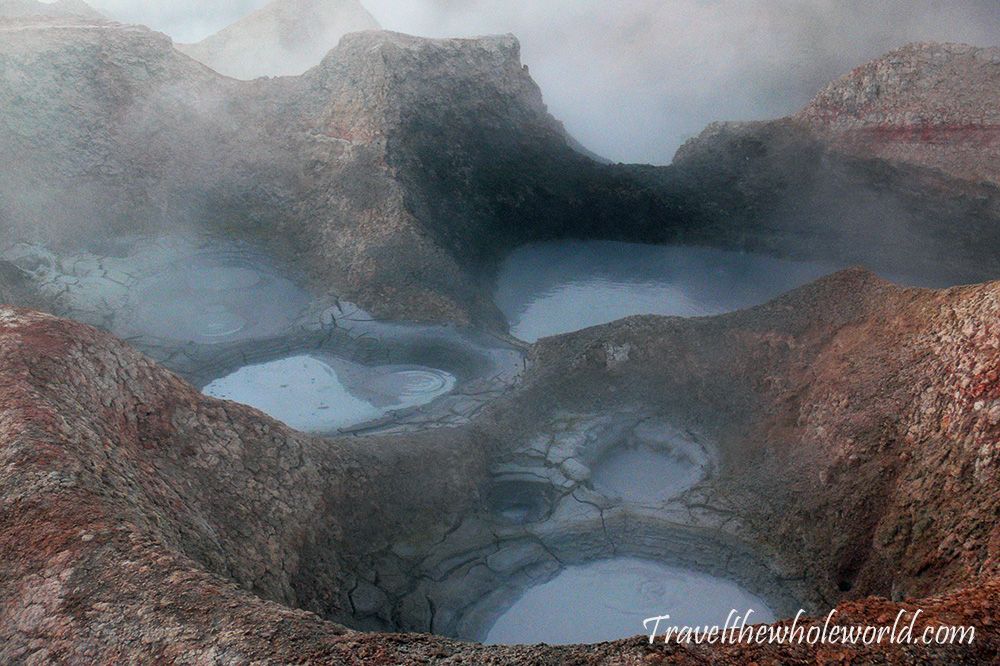
As if colored lagoons and flamingos weren’t enough, southwestern Bolivia also had a major geothermal field.
At Sol de Mañana, steam vents, bubbling mud, sulfur smells, and mineral-colored pools made the ground look almost volcanic.
It felt like the earth itself was leaking.
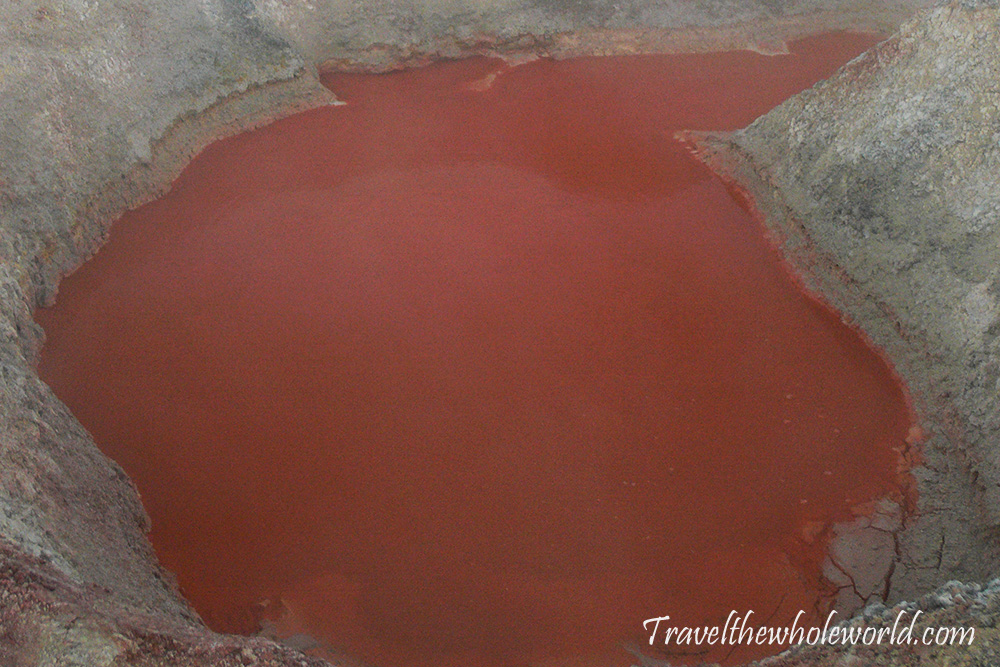
Different minerals gave some of the pools strange colors, while boiling mud and steam vents created constant movement and noise.
This wasn’t somewhere I wanted to wander off the established route.
Steam Rising From the Desert
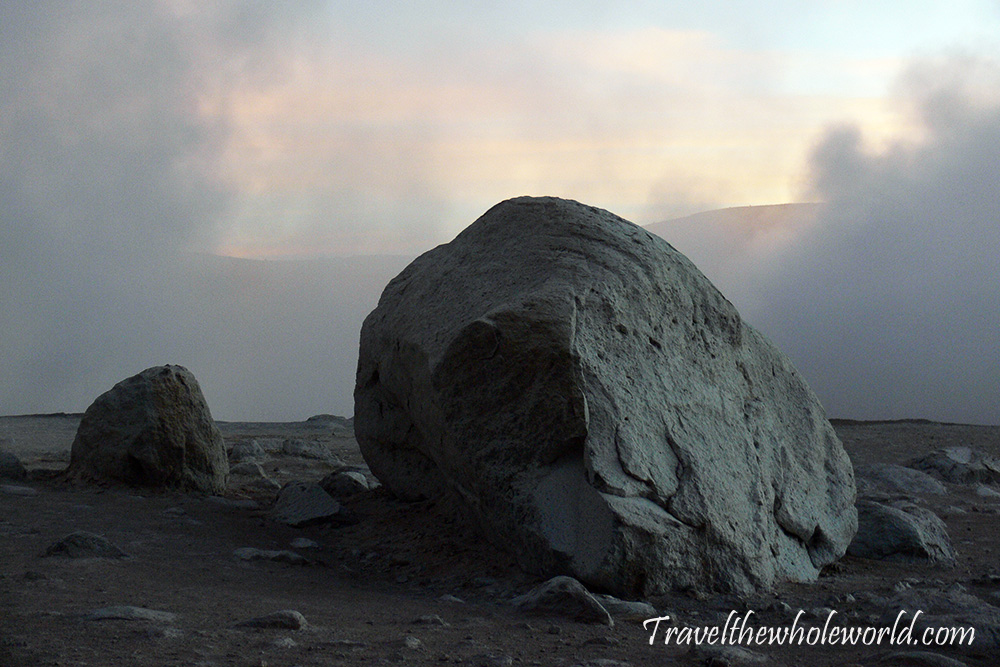
The giant boulder above looks like it is surrounded by low clouds.
It isn’t.
That’s steam venting directly from the earth.
A Hot Spring in the Freezing Desert
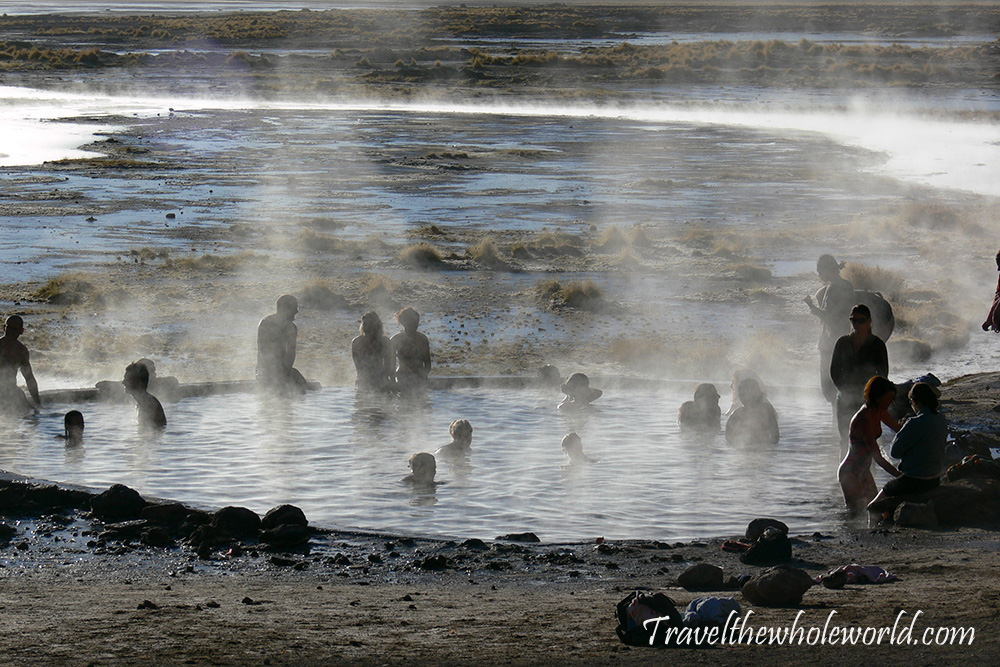
All that geothermal activity also creates something much more inviting: hot springs.
At these elevations the air temperature could be freezing, so stepping out of warm clothes and into a pool of hot water required a little commitment.
Once I was in, however, it was difficult to imagine a better place to warm up.
My Time in Eduardo Avaroa
Southwestern Bolivia was one of the most visually bizarre places I had traveled through at that point in my life.
In a single road trip I crossed deserts above 16,000 feet, drove through landscapes that looked like Salvador Dalí paintings, saw foxes and vicuñas, stood beside green and red lagoons, watched flamingos feeding in freezing water, walked through a geothermal field, and finished in a hot spring surrounded by barren mountains.
And somehow I was doing all of it while dealing with a stomach virus that I still prefer to blame on the ancient skeletons.
For a place that looked nearly lifeless from a distance, Eduardo Avaroa turned out to be one of the most varied landscapes I saw anywhere in Bolivia.