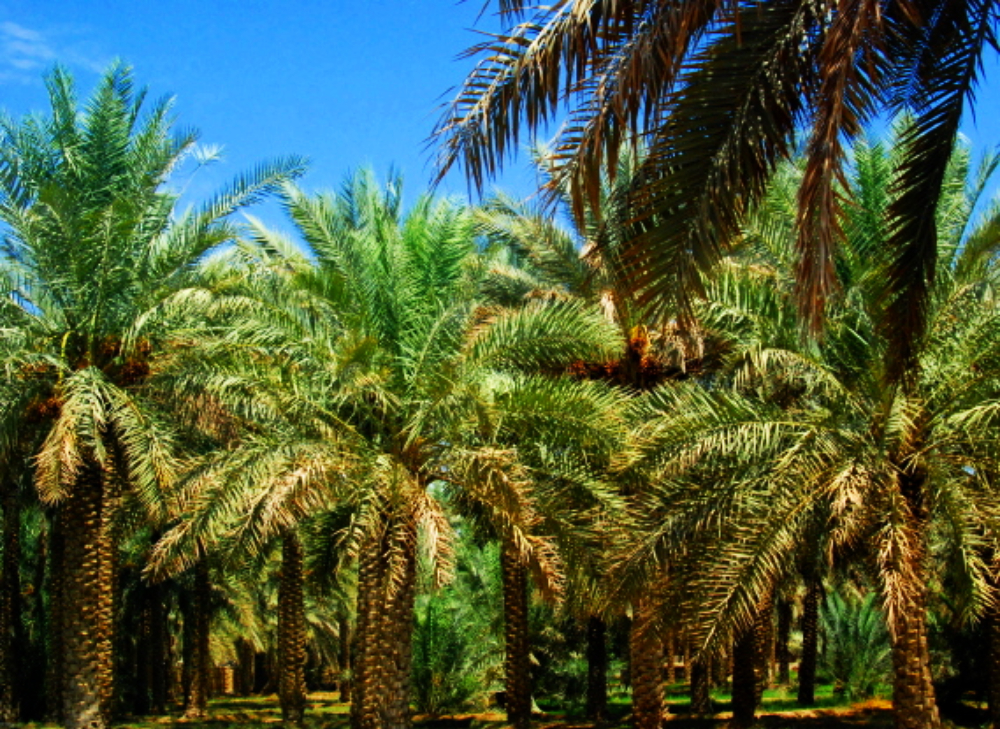
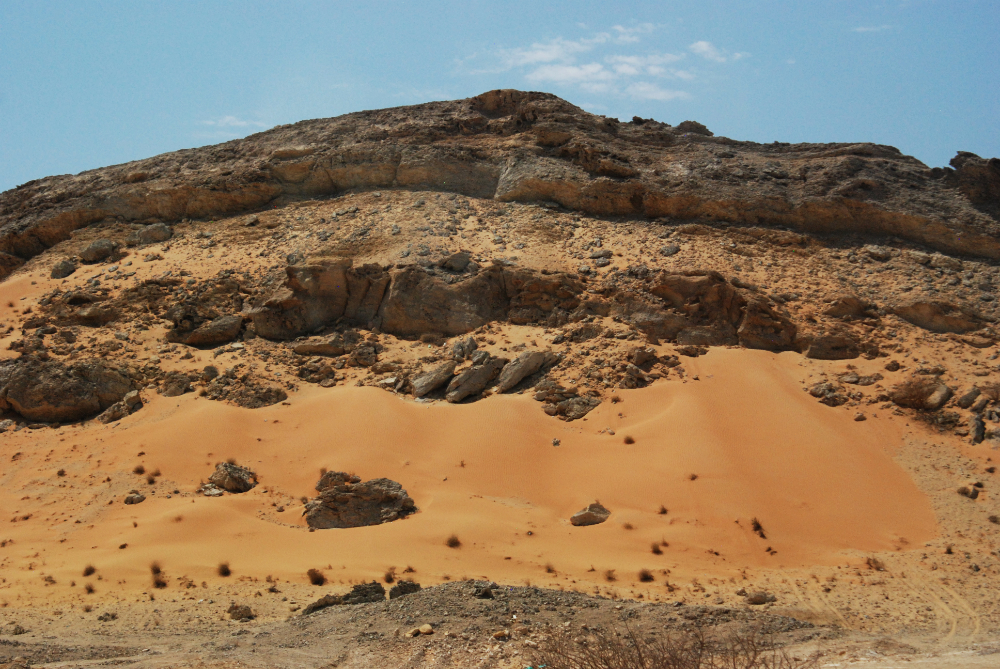
Farther south in the UAE and away from the coast, the climate becomes hotter and much drier. Most of the landscape is relatively flat until you approach the border with Oman, where mountains and rocky formations begin rising from the desert. Al Ain is also famous for its oases, which provide a striking contrast with the surrounding dry terrain. Above are two very different sides of the area: the green Al Ain Oasis and the rocky desert landscape beyond the city.
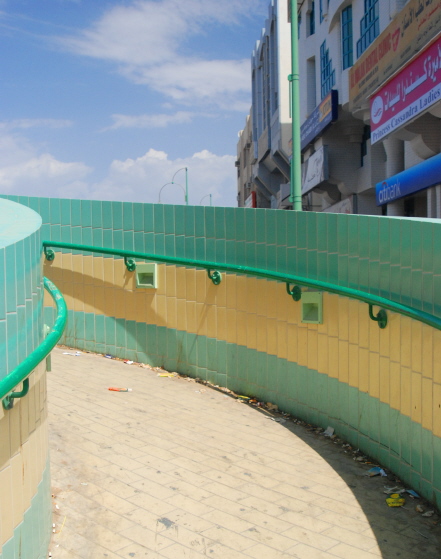
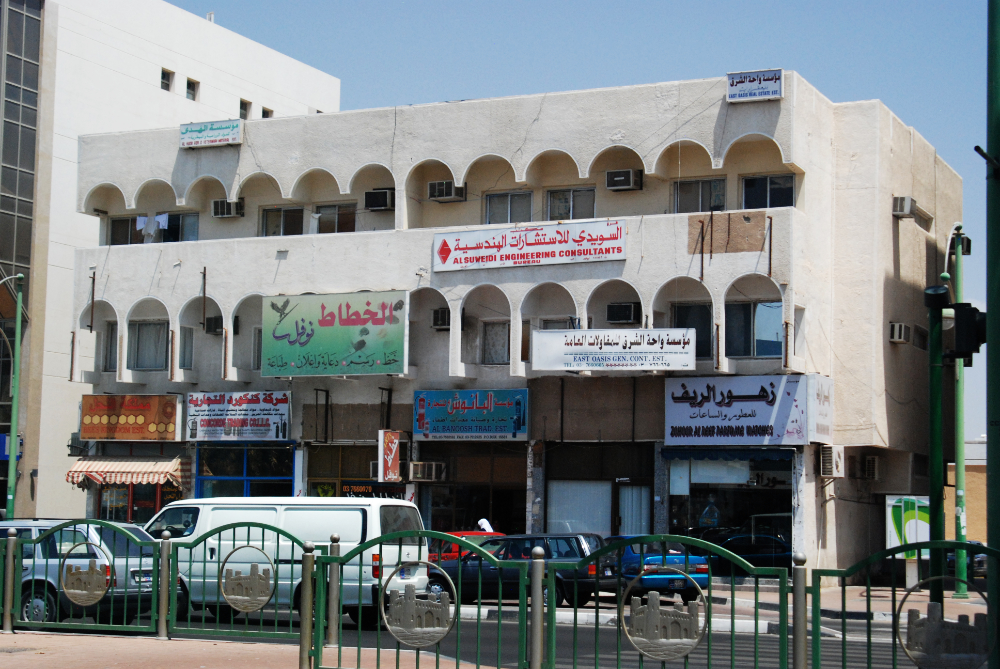
Al Ain is one of the UAE’s largest cities and sits close to the border with Oman. Compared with Dubai and Abu Dhabi, it felt much more like a traditional Middle Eastern city to me. Even here, though, I was struck by how clean and organized everything was. The pedestrian bridge above was one of the few places where I noticed any real amount of litter, which says a lot about the standards throughout the country.
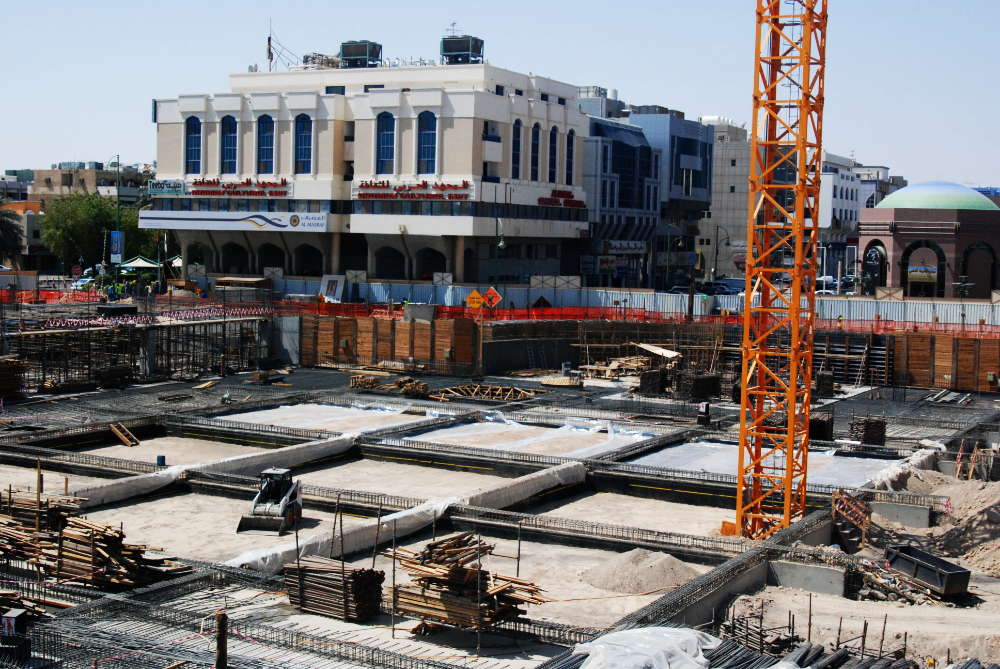
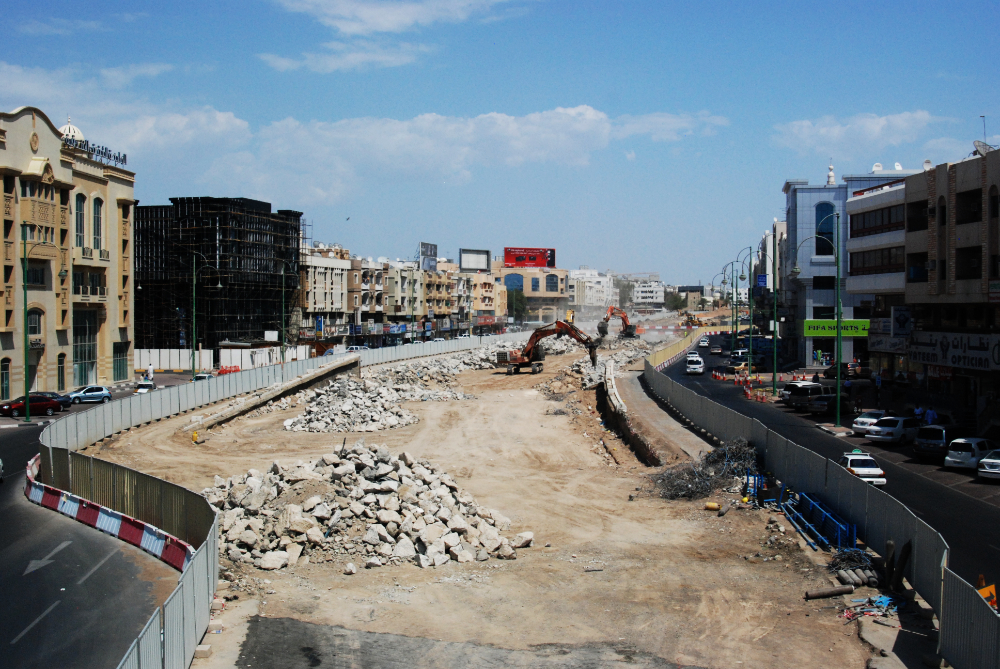
Like the rest of the UAE, Al Ain was still changing rapidly when I visited. New buildings and road projects were going up throughout the city, showing that the country’s construction boom extended far beyond Dubai and Abu Dhabi.
Al Jahili Fort
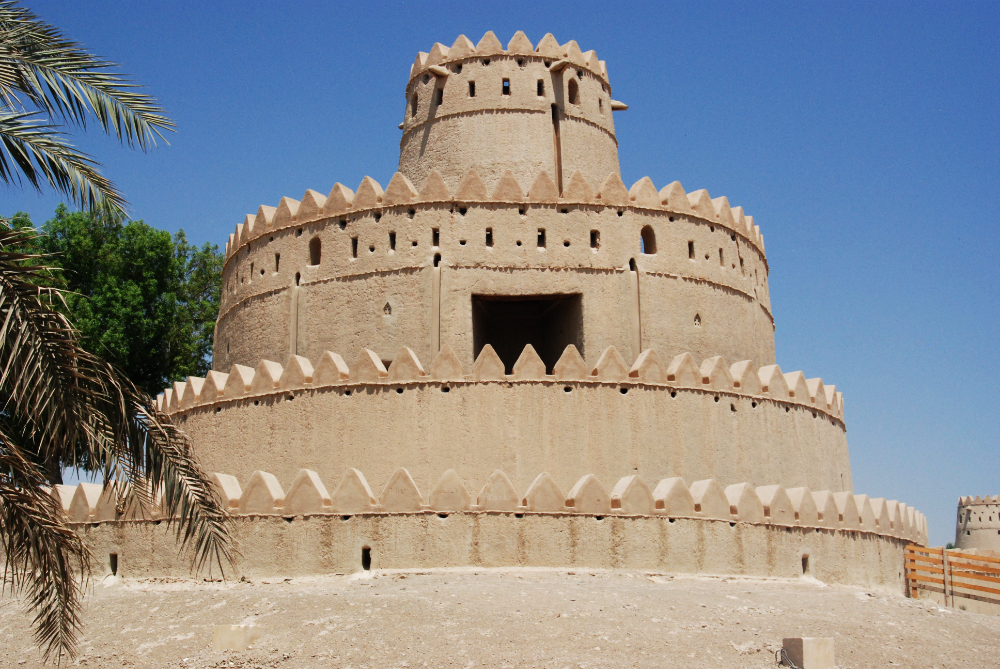
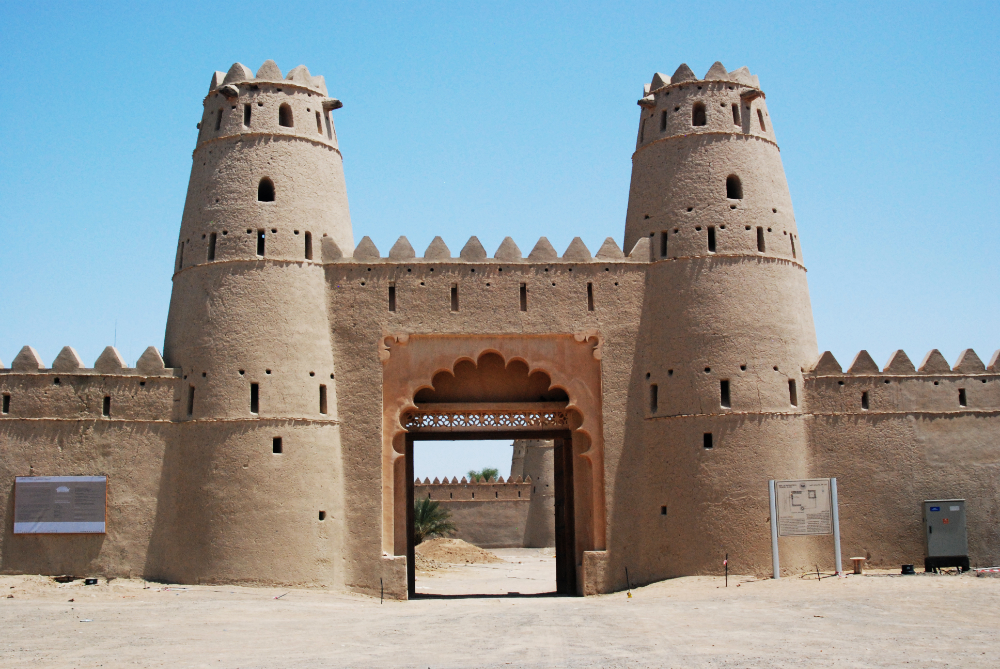
Al Ain is one of the best places in the UAE to explore the country’s older history. Above is Al Jahili Fort, one of the city’s most recognizable historic buildings. The fort dates to the late 19th century and gives visitors a much better sense of what architecture in this part of the Emirates looked like before the modern building boom transformed the country.
Museums & Traditional Life
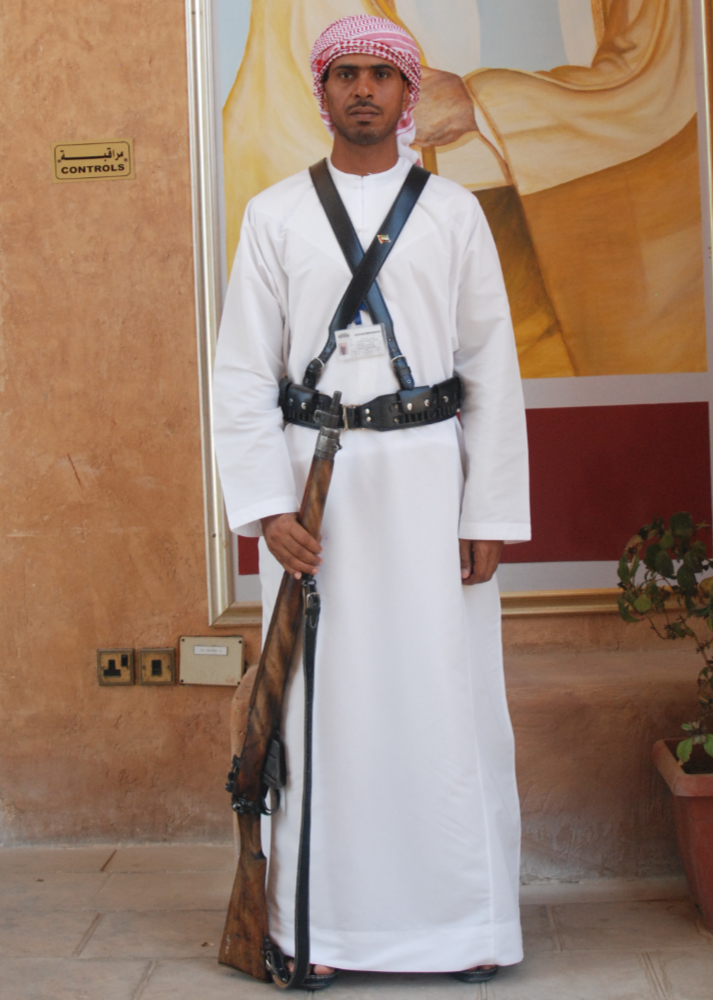
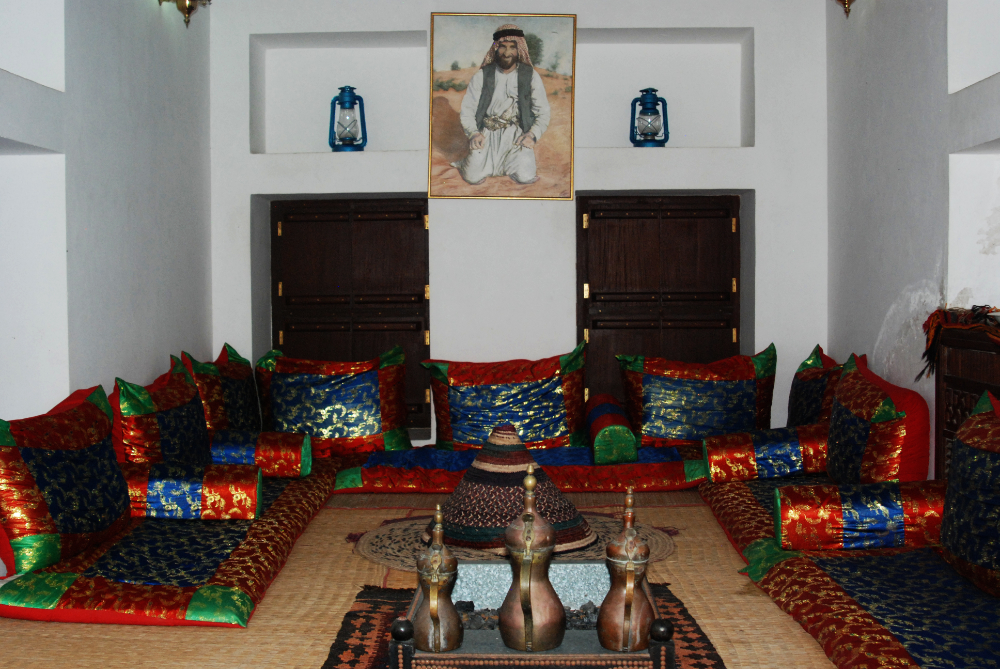
My favorite place in the city was one of its museums. At the time I wasn’t much of a museum person, but the reconstructed rooms, historic displays, and exhibits about traditional desert life made this one genuinely interesting to explore. One section was dedicated to the ruling family, while other rooms showed how people in the region lived before the rapid modernization of the UAE. Above is a guard near the entrance and one of the traditional rooms inside.
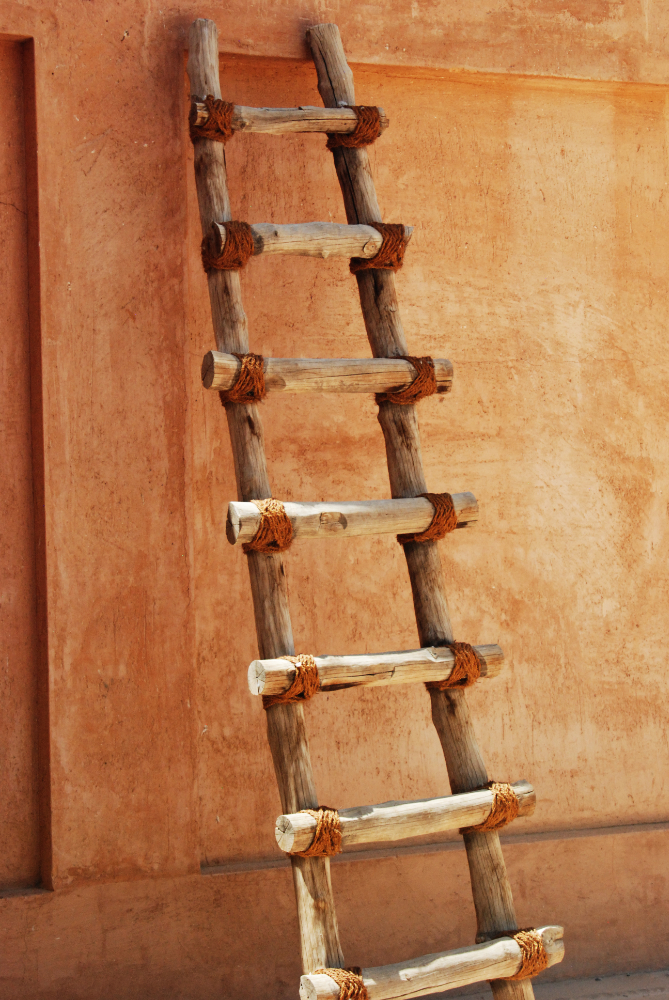
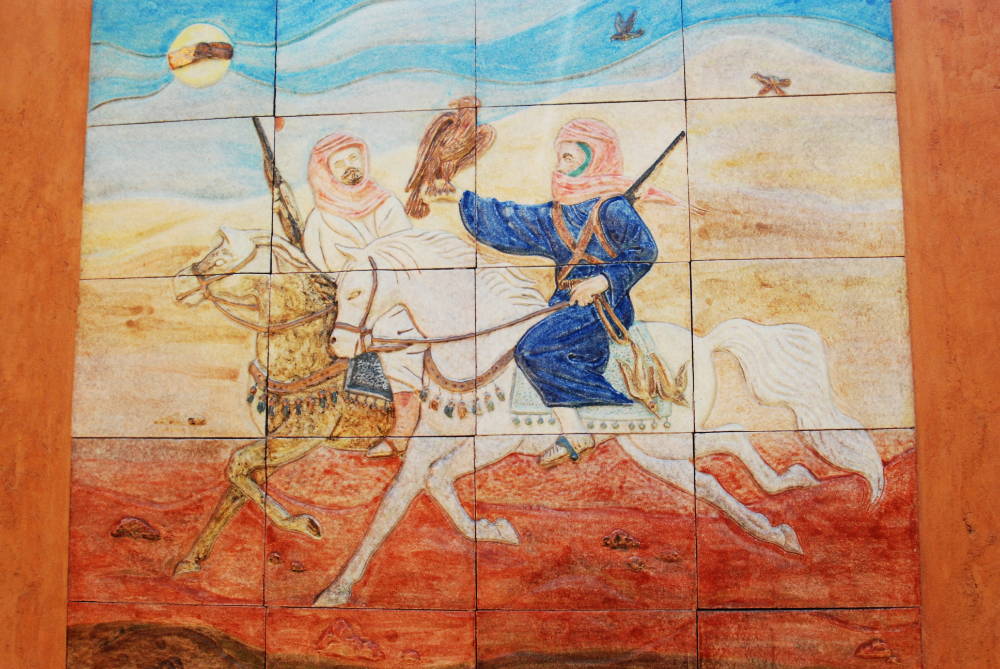
Above are two more displays from the museum: a traditional wooden ladder and a piece of artwork. Even simple objects like these were interesting because they showed how different everyday life in the region was only a few generations ago.
Hili Archaeological Park
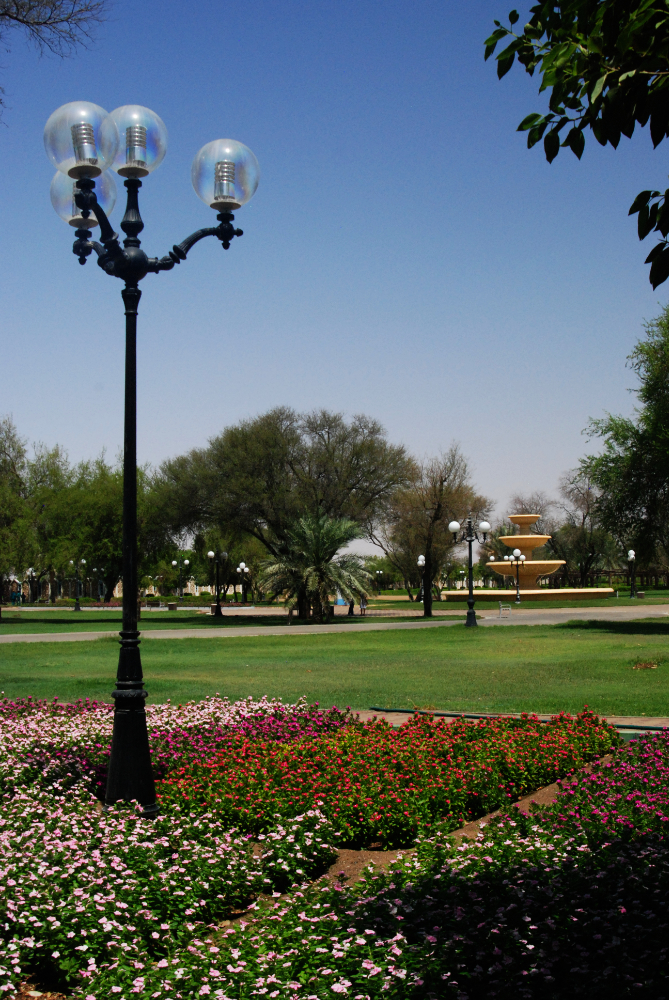
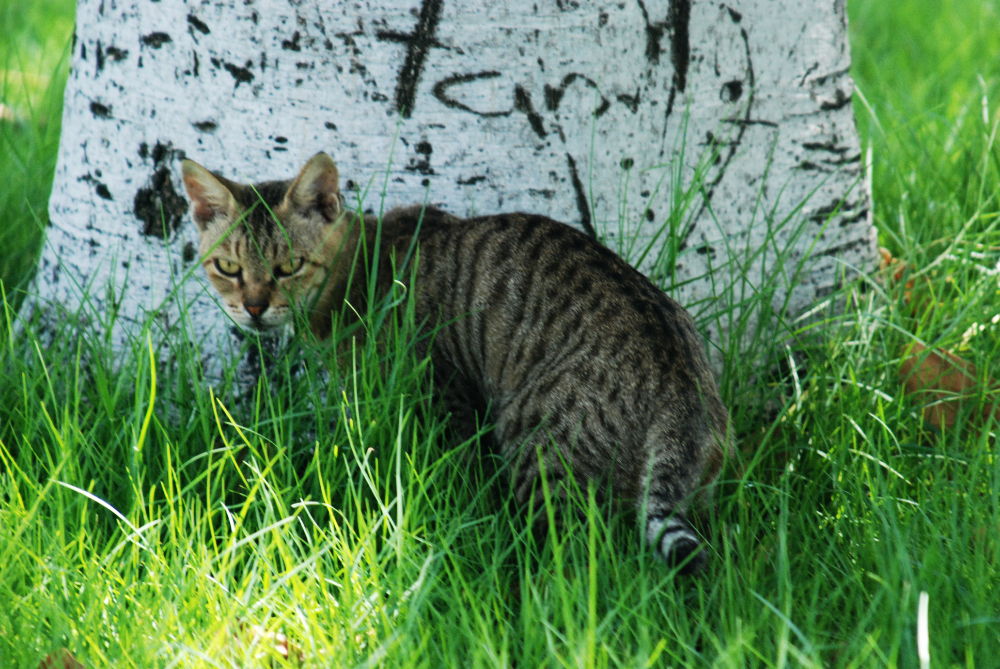
Another interesting stop was Hili Archaeological Park. The site contains ancient ruins and archaeological remains, but I found it just as enjoyable as a shaded city park. There were gardens, plenty of trees, and a surprising amount of birdlife. Like the parks I had visited in Dubai and Abu Dhabi, Hili also had no shortage of cats wandering around.
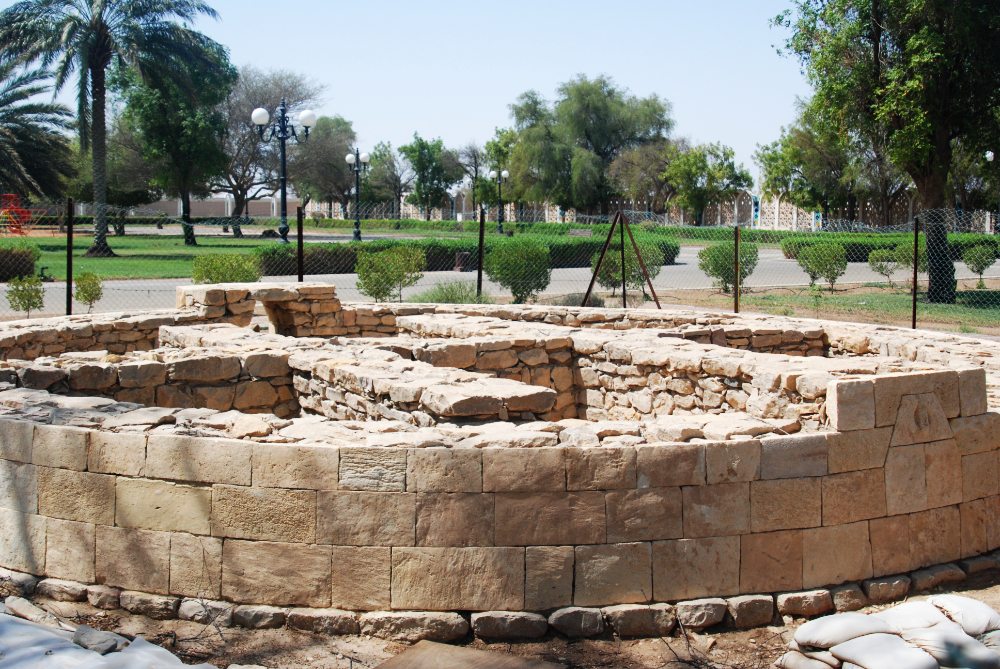

These were some of the better-preserved structures I saw inside Hili Archaeological Park. The structure above has decorative animal figures carved into the stone, while the second appears to be the remains of another ancient building. Even where only fragments survive, the site helps show how long people have been living around the Al Ain oasis.
Al Ain felt completely different from the skyscrapers and coastal development of Dubai and Abu Dhabi. Between the oasis, old forts, museums, archaeological sites, and nearby mountains, it was probably the best place I visited in the UAE for understanding what the region was like before the country’s modern transformation.