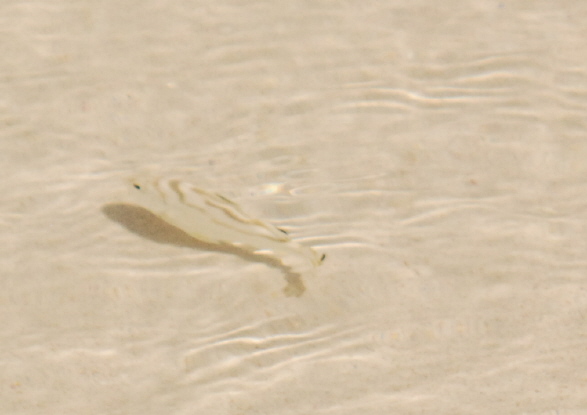
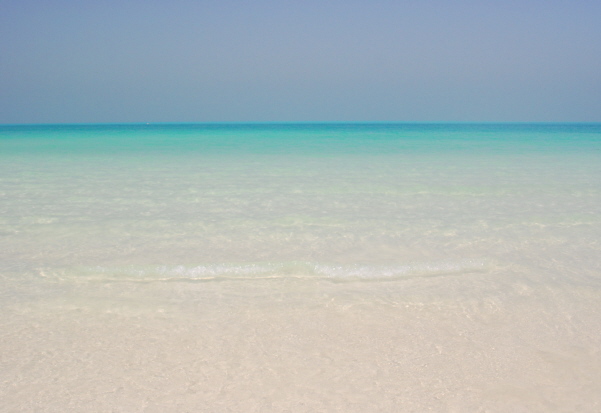
Welcome to Dubai, a Las Vegas of sorts for the Middle East. The city attracts visitors with its beaches, nightlife, enormous hotels, shopping malls, and seemingly endless collection of attractions. Water parks, camel racing, luxury resorts, and even indoor skiing are all part of the experience. The water along the beach was surprisingly clear, and I could actually photograph fish while walking along the shoreline. The fish above had stripes that blended almost perfectly with the ripples in the water.
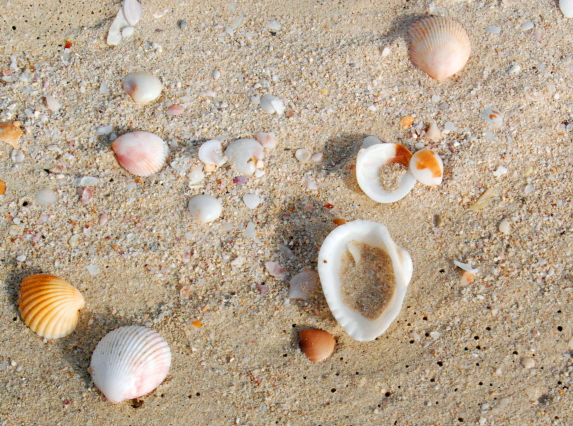
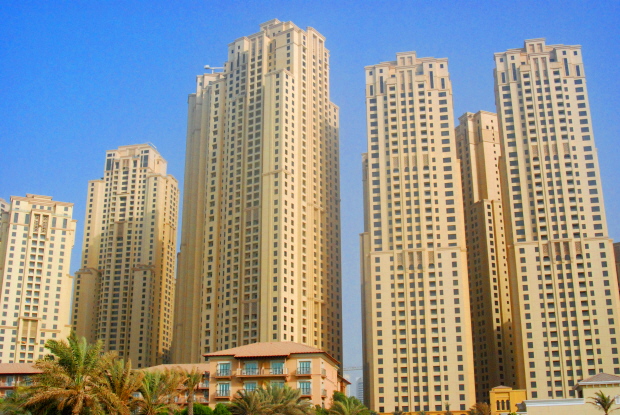
Dubai’s coastline is lined with hotels ranging from relatively ordinary properties to some of the most luxurious resorts in the world. Room prices can vary tremendously, with the most extravagant suites costing thousands of dollars a night. Above are some of the hotels along the beach. I saw several more impressive properties during the trip, but unfortunately some of my photos didn’t come out well because of the heavy humidity.
Shopping & Skiing
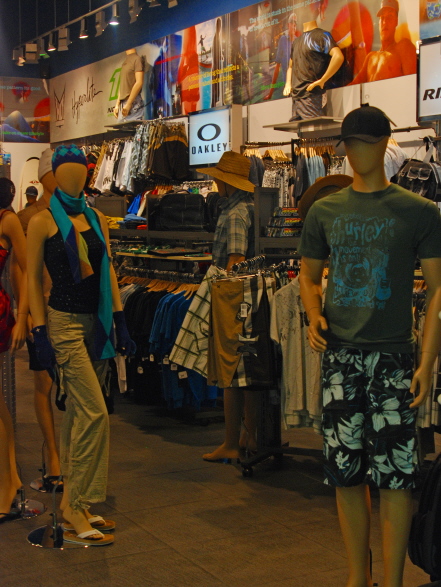

One thing that immediately stands out in Dubai is how international the population is. Emirati citizens make up only a minority of the city’s residents, while people from South Asia, other parts of the Middle East, Europe, and elsewhere have come for work, business, and tourism. Dubai’s enormous construction industry has also drawn workers and professionals from around the world. Above are a clothing store and one of the large shopping malls I visited.
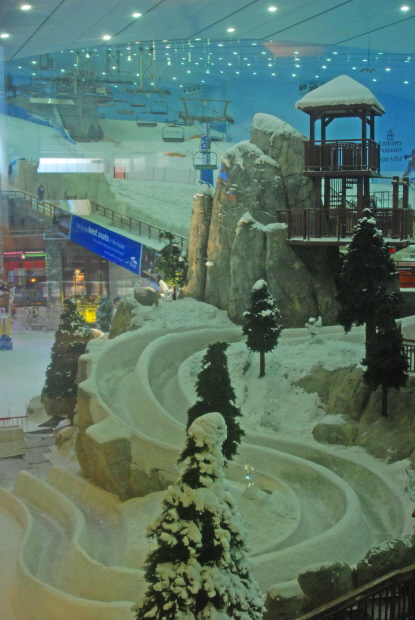
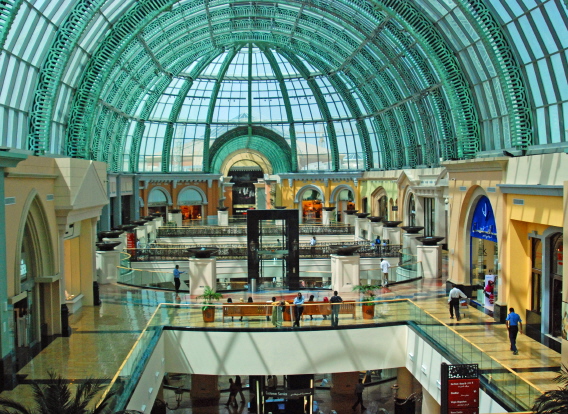
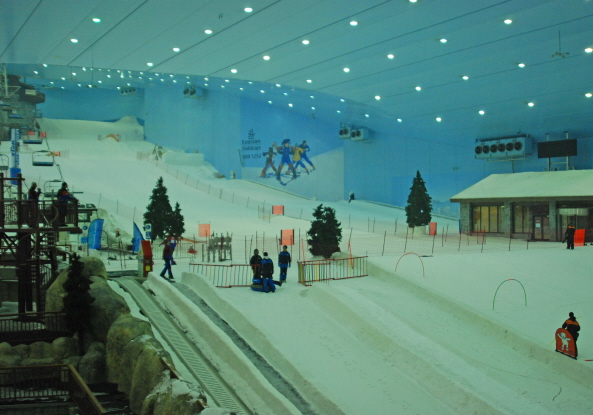
One of Dubai’s most famous malls is the Mall of the Emirates. It has just about everything you’d expect from a major shopping center, but what really makes it unusual is the indoor ski resort. One of the restaurants overlooked the slope, so you could sit down for dinner and watch people ski and snowboard in the middle of the desert.
In hindsight, I should have tried it myself. I never even checked the price. Obviously an indoor ski slope can only be so large, so the runs looked fairly short, but the idea of skiing indoors while the temperature outside is scorching hot is strange enough that I’d like to give it a try next time.
Modern Dubai
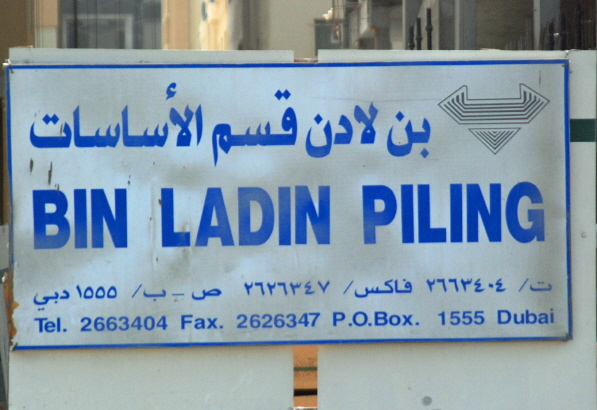
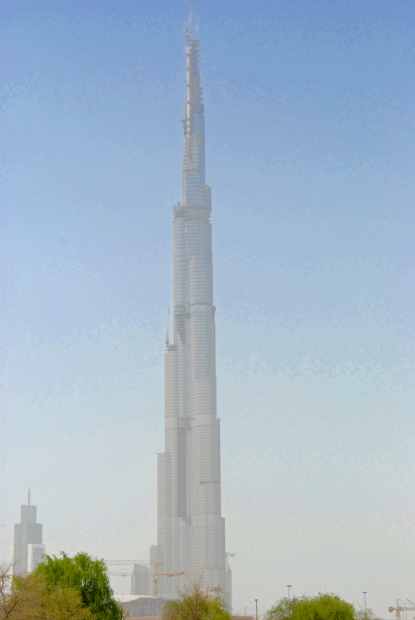
Huge shopping malls and indoor ski resorts are only the beginning of Dubai’s unusual projects. Above is the Burj Khalifa, which became the tallest building in the world and completely changed Dubai’s skyline. The scale of the city’s construction was unlike anything I had seen elsewhere.
Some of my favorite projects were the artificial islands built just offshore. Palm Jumeirah was created in the shape of a giant palm tree, while another development known as The World consists of small islands arranged to resemble a map of the continents. Unfortunately, I never found a high enough vantage point to photograph the islands properly.
Sharjah
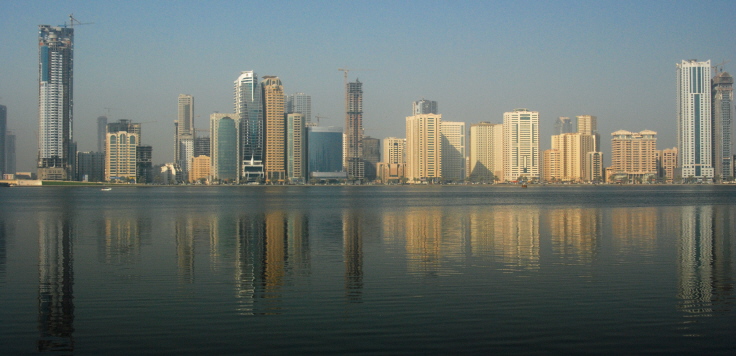
Directly east of Dubai is the city of Sharjah. The urban areas blend together so closely that without signs you might not even realize you’ve crossed into another emirate. Sharjah has its own waterfront, hotels, cultural attractions, and residential neighborhoods, while generally feeling less extravagant than central Dubai.
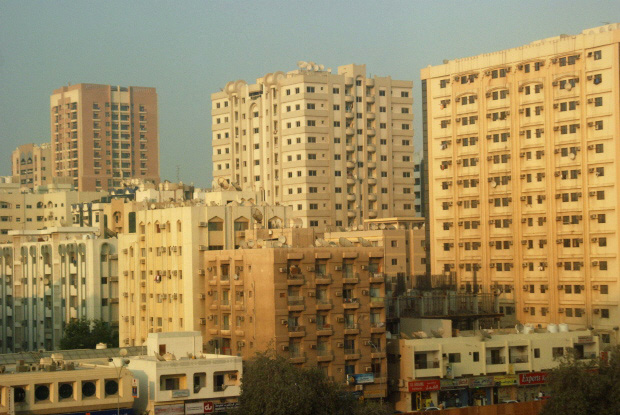
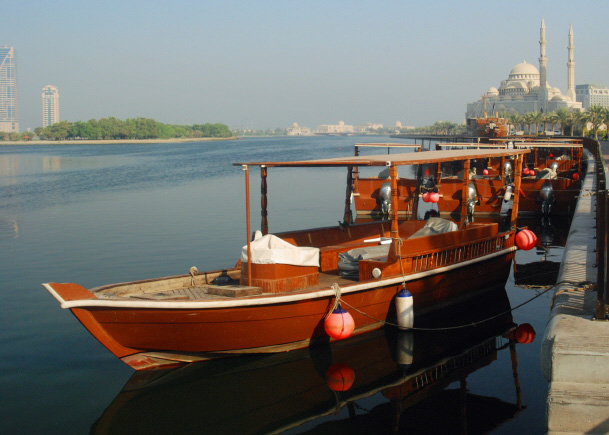
These two photos show more of Sharjah. One captures the waterfront with boats tied up beside a city park, while the other shows the neighborhood where my hotel was located. Sharjah felt more like a typical Middle Eastern city to me and was considerably cheaper than staying in central Dubai. I paid around $60 a night here, while many hotels in Dubai were several times more expensive.
Dubai is one of those cities where the scale of everything becomes part of the attraction. Between the beaches, luxury hotels, enormous malls, artificial islands, skyscrapers, and strange ideas like indoor skiing, it feels like a city constantly trying to outdo itself. Even though I explored quite a bit, there was still plenty I left for another visit.