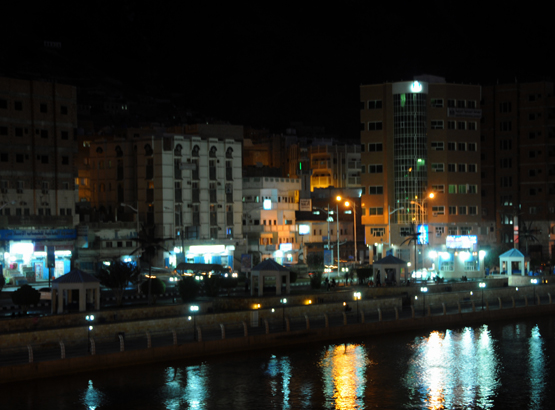
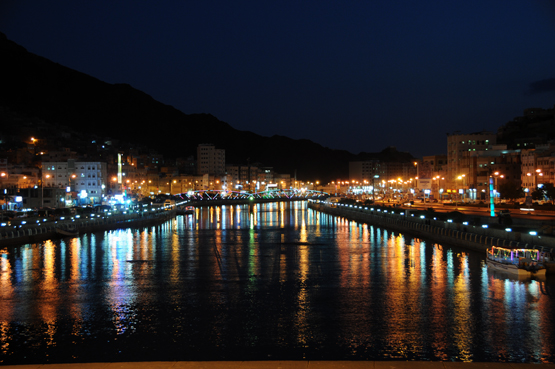
These two photos above are from the coastal city of Mukalla in central Yemen. I’m not sure exactly what was going on during my visit, but apparently some kind of security threat had developed in the city and I was suddenly told I couldn’t leave my hotel. Luckily I had taken these photos beforehand. I had planned to walk around the waterfront and explore more of Mukalla, but that will have to wait for another visit.
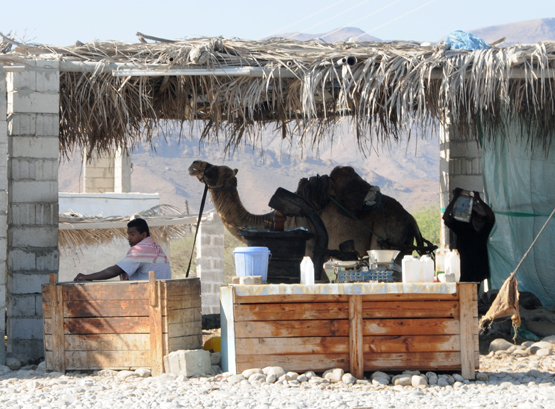
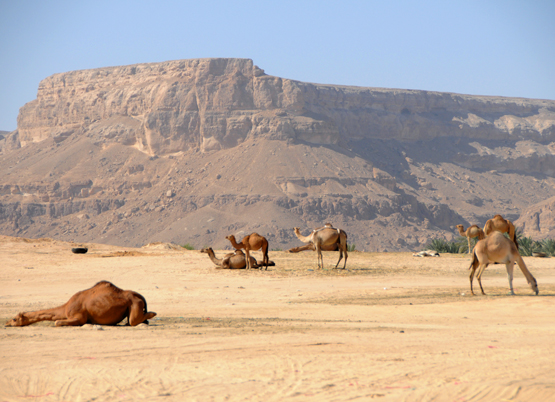
I left Mukalla the next morning to explore the surrounding region. At first the landscape seemed fairly empty other than the different styles of towns and all the camels I saw roaming around. The first photo above was from a small village where dozens of camels were gathered together.
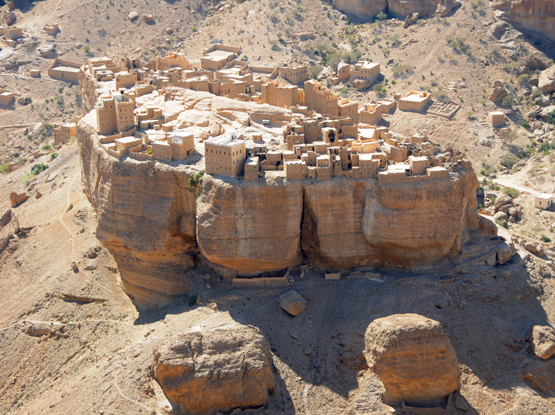
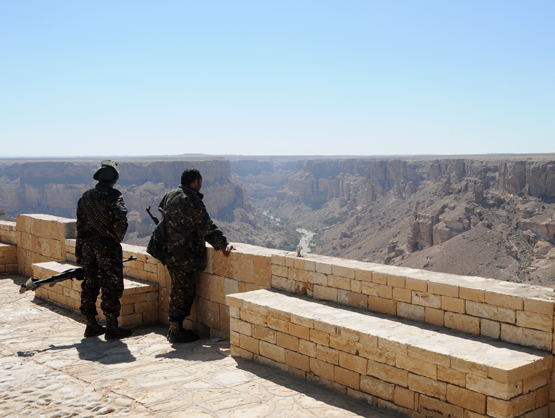
It didn’t take long for the scenery to become much more interesting. This part of Yemen had a reputation for being rough, so I was required to travel with an armed escort. I figured that meant a single guard, but when I checked out of the hotel I instead found a trailing vehicle and seven guys with machine guns waiting for me.
I didn’t particularly like the attention. Traveling around with an enormous security detail made me feel like some Westerner pretending to be a celebrity, which definitely wasn’t what I wanted. The guys themselves seemed enthusiastic about the road trip though, and none of them asked me for money, so I was happy to have them along.
Heading north, we came across a huge canyon with an ancient-looking settlement built along it. The photo on the left shows the city from a distance, while the photo on the right shows some of my guards enjoying the view themselves and taking pictures with their phones.
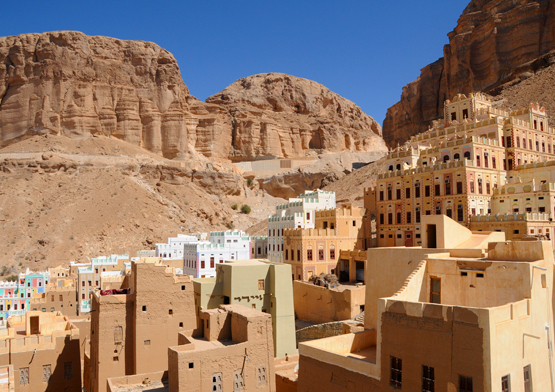
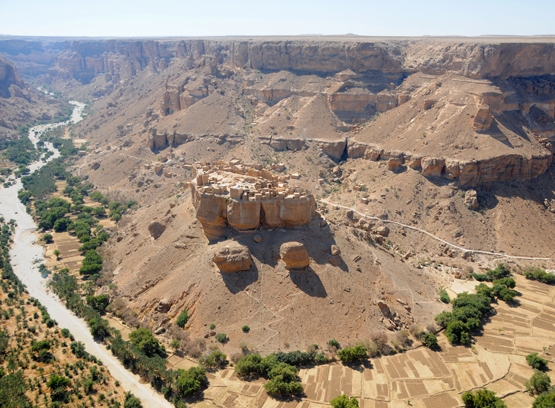
Farther along the route we reached another impressive city built into the surrounding desert landscape. Some of the buildings had been painted white and decorated with reds, blues, and greens, while others retained the same earthy colors as the land around them. The architecture blended almost perfectly into the surrounding canyon.
Seiyun
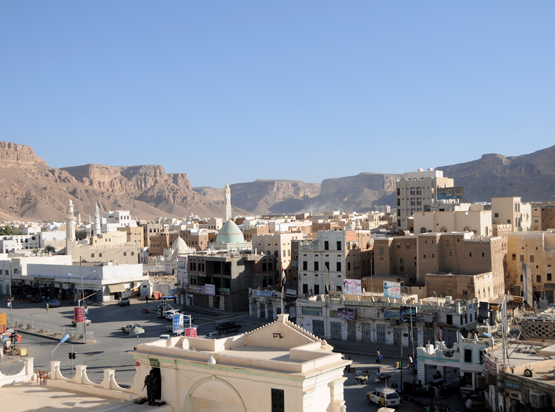
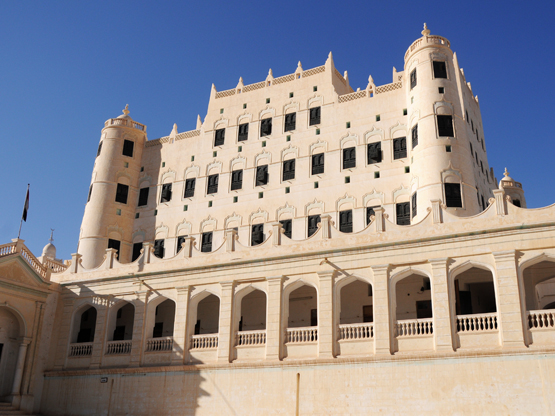
After Mukalla, the next important city I visited in this region was Seiyun. Located deep in the Hadramaut Valley, the city’s most recognizable landmark is the enormous Sultan Al Kathiri Palace shown above.
The palace was developed into an enormous complex with dozens of rooms and became one of the most distinctive buildings in Seiyun. There is also a museum inside, but unfortunately it was closed during the two days I was there.
Shibam
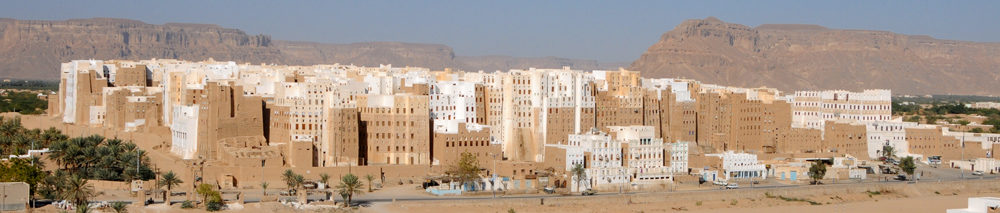
One of the most amazing places I visited in Yemen was Shibam Hadramaut, located not far from Seiyun. The old walled city is often nicknamed the “Manhattan of the Desert” because of the tall mud-brick tower houses packed closely together inside its walls.
The settlement itself is ancient, although most of the surviving tower houses date from much later periods, particularly from around the 16th century onward. Some rise several stories above the ground, creating what is often described as one of the world’s earliest examples of vertical urban planning. The panoramic photo above gives the best sense of just how unusual Shibam looks against the surrounding desert.
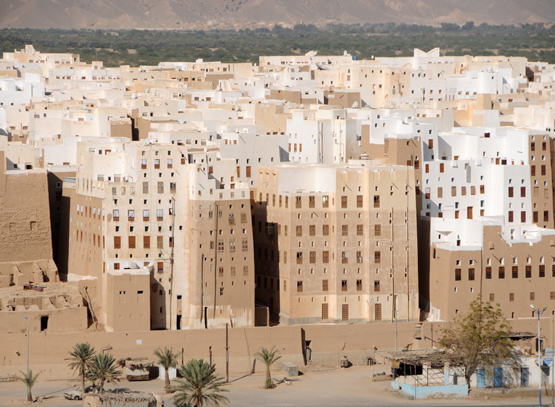
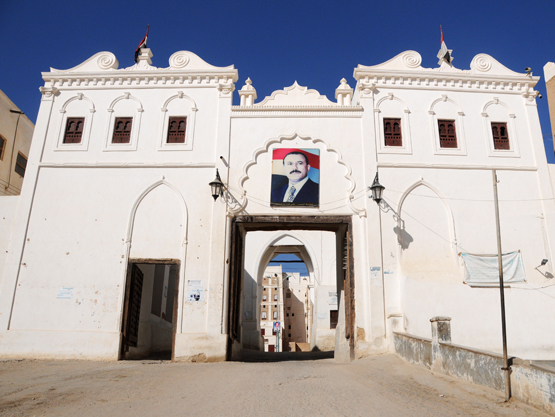
The photo on the left gives a closer look at the tower houses, while the photo on the right shows the main entrance into the old walled city. From a distance Shibam almost looks like a modern skyline until you realize the buildings are made from mud brick and have been maintained using traditional construction techniques.
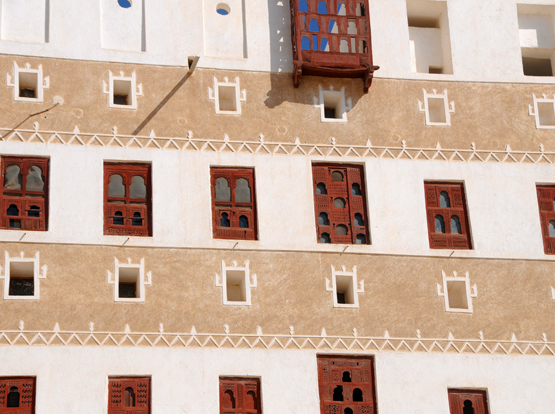
Inside the city, some areas weren’t kept as clean as I would have expected for such an important historic site. Tourism had already suffered badly from security concerns by the time I visited, which likely didn’t help the resources available for maintaining the old city.
The photo on the left gives a closer view of the traditional exterior architecture, while on the right is a small low-rise structure surrounded by Shibam’s enormous mud-brick towers. The contrast really emphasizes just how tall some of these buildings are.
Wildlife & Plants
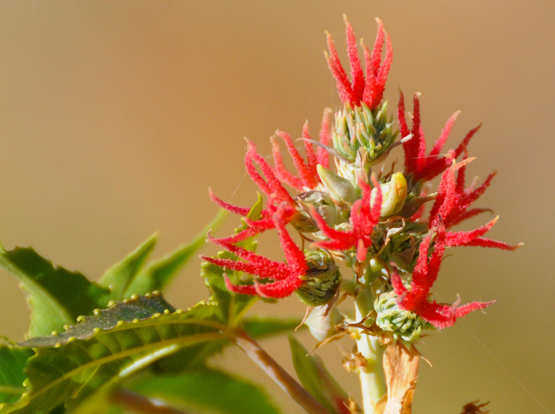
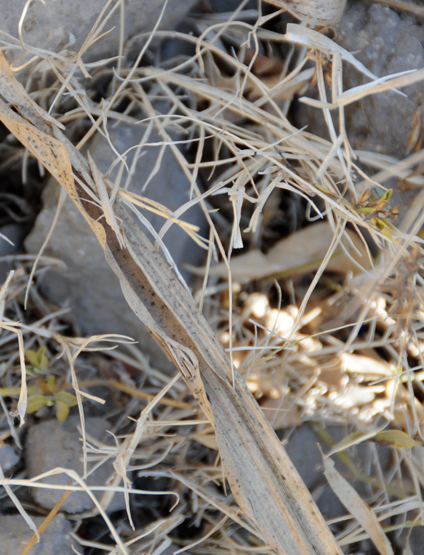
I’m not sure what this strange plant on the left was doing, but it looked interesting enough that I figured it deserved to be shared. On the right is a photo taken in dry grass above 7,000 feet. There’s a grasshopper hiding in the vegetation if you can spot it.
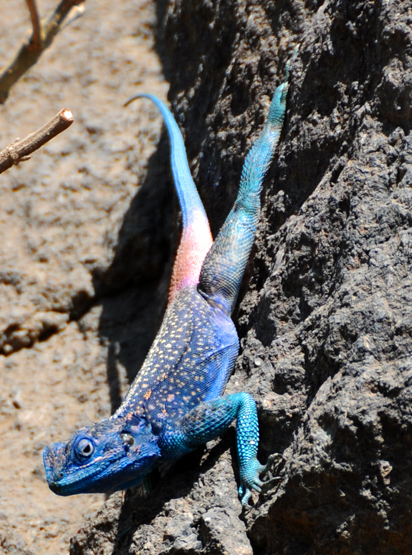
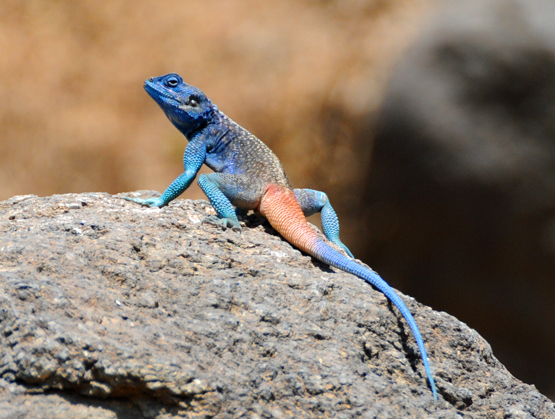
This amazing blue lizard was also found above 7,000 feet in the mountains outside Sana’a. I’ve never identified the exact species, but it’s definitely one of my favorite lizards I’ve photographed anywhere in the world. It was about a foot long, and I saw four of them during less than two hours of hiking.