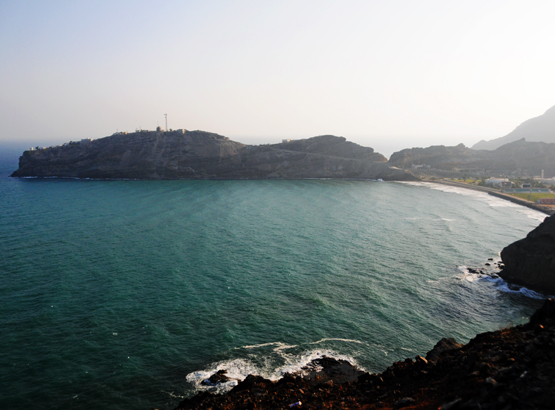
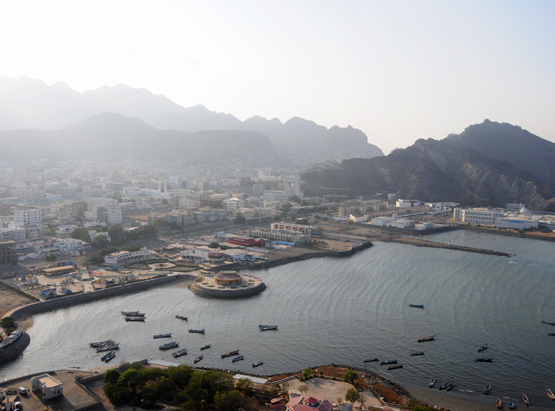
The above photos are from the port city of Aden located on the southern coast of Yemen. This ancient city is one of the oldest in the world and is mentioned several times in both the Bible and the Quran; some even say Cain and Abel are buried here! I hiked to the top of Seera Castle, which is where I took the photo on the upper left. I hadn’t been to Brazil yet, but the scenery from the top of the castle immediately made me think of photos I’d seen from Rio de Janeiro. Aden is also one of the rare places in Yemen where foreigners can find a bar and grab a drink.
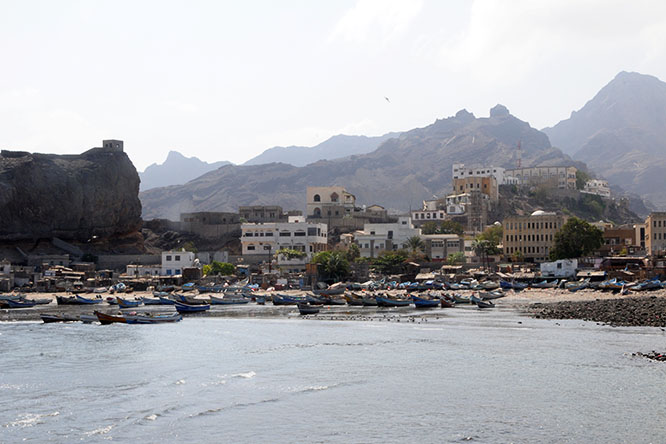
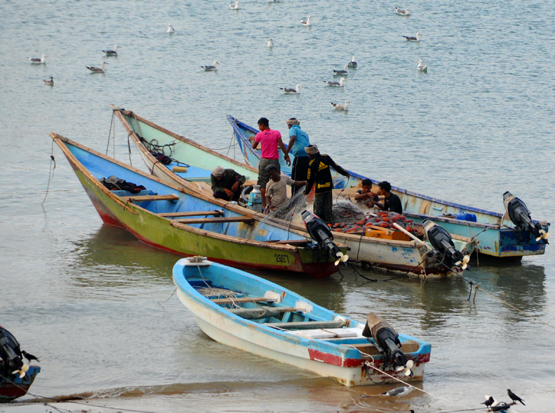
Aden was actually part of South Yemen, which was an independent country from 1967 through 1990. North and South Yemen unified in 1990, although southern separatists attempted to regain independence in 1994, leading to a brief civil war. Separatist movements continued long after my visit, and only two days after I left Aden, I saw on the news that thousands of people had taken to the streets to protest the government in Sana’a, with clashes leaving people wounded.
Aden has also long been a destination for people fleeing instability in the Horn of Africa. During my visit, migrants and refugees made the dangerous journey across the Gulf of Aden in small boats like the one pictured above, with many arriving with little money and nowhere to go.
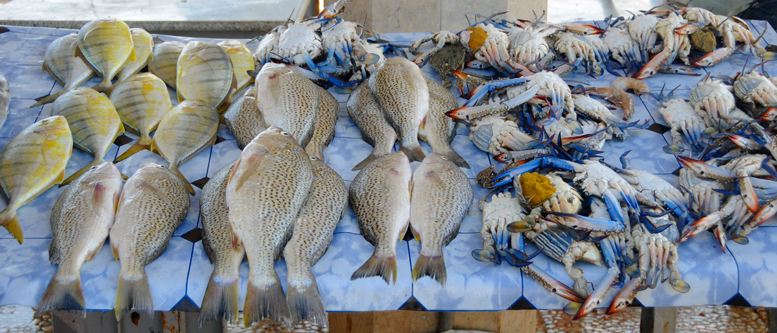
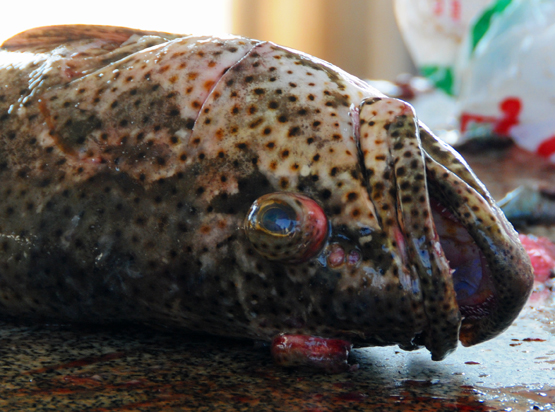
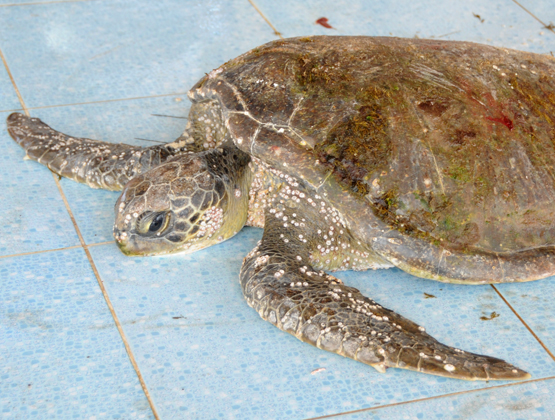
Since I’ve never enjoyed seafood, nothing in any of these next three photos is appealing to me. I’m not sure if a normal seafood lover would be in paradise here or not, but if so, there was quite an assortment of sea creatures. The most common above are obviously different types of fish and some large crabs. I also saw shrimp, some really ugly species of fish like the one on the lower left, and yes, the sea turtle below is dead and will be eaten.
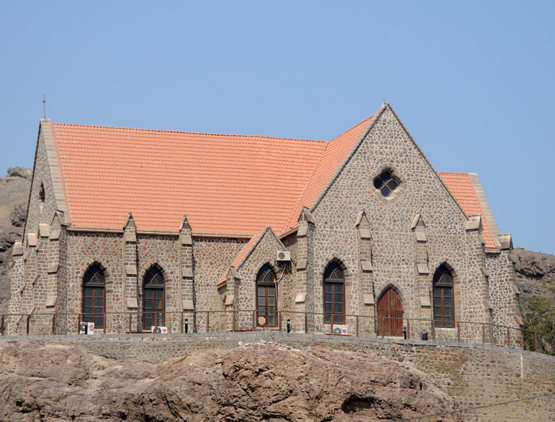
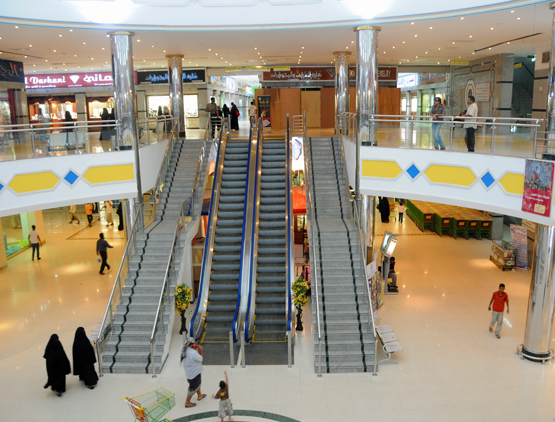
Two things I was surprised to find in Aden were the large church above and the shopping mall on the right. Aden, like the rest of Yemen, is overwhelmingly Muslim, although the city historically had Jewish and Christian communities as well. The shopping mall above was the only one in the country according to my driver. When he took me inside, he kept waving his hand in all directions at all the stores and laughing at everything they had to offer. I suppose a shopping mall was a new concept here, and he was proud to show me one.
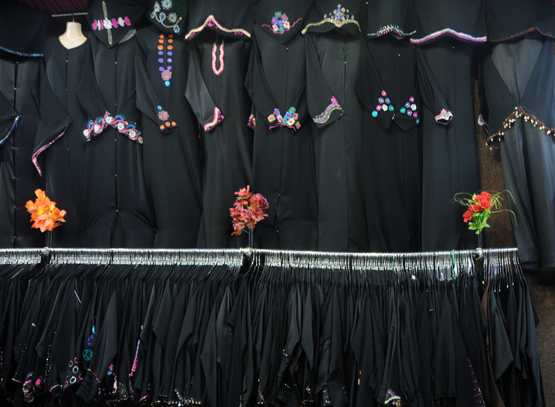
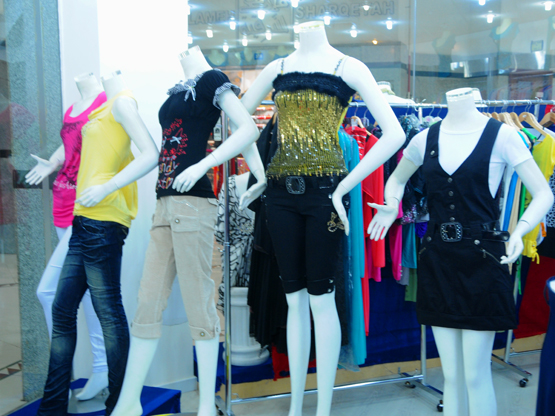
The pictures below are two stores in the mall that weren’t too far from each other. One of them, on the left, is selling burqas, while on the right is another women’s store selling Western-style clothing. I thought the contrast between the two stores was interesting.

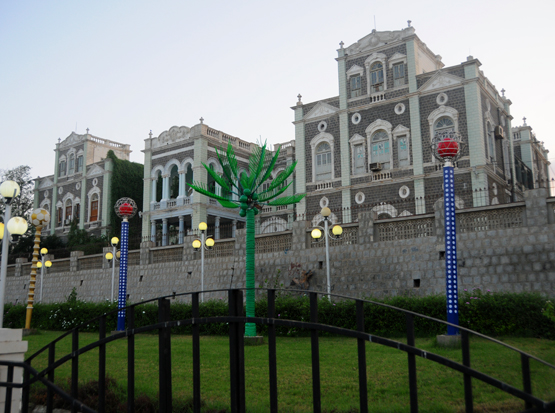
Like Sana’a, Aden was also being invested in and had several new projects popping up during my visit. The left photo was a model I saw called Yemen New City. My driver said it was already completed, but since his English was about as good as my Arabic, I’m not sure if he completely understood my question. The buildings on the right are the museums of Aden.
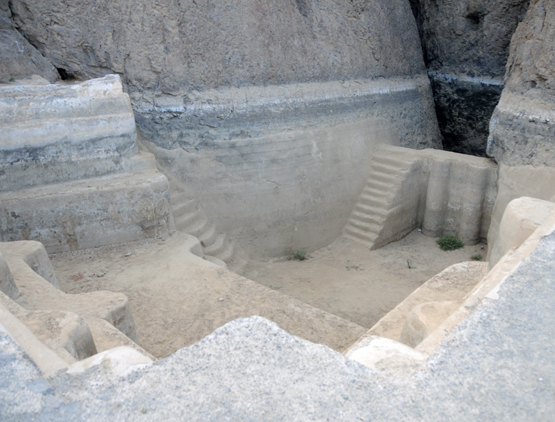
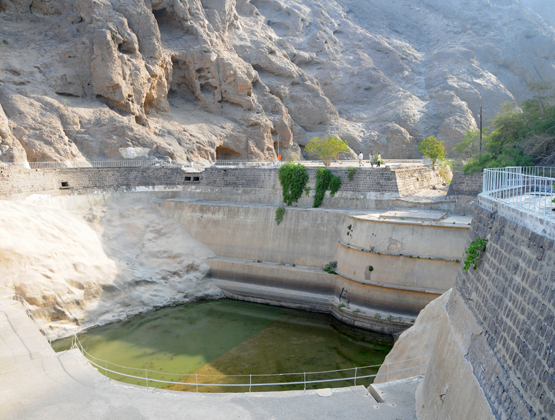
These water tanks above are known as the Cisterns of Tawila. A sign nearby describing them had something I had never seen before. It basically admitted that no one knows for certain who originally built the cisterns or exactly when they were constructed, although their origins may go back many centuries.
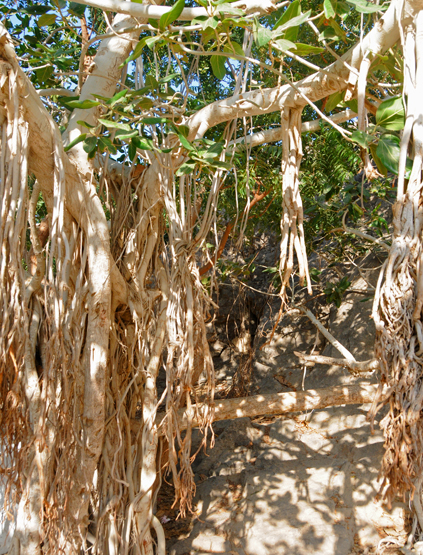
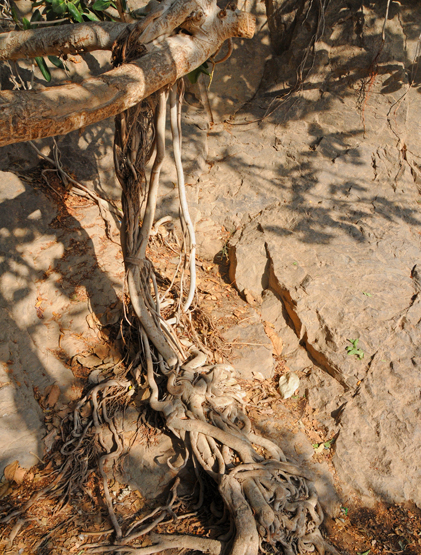
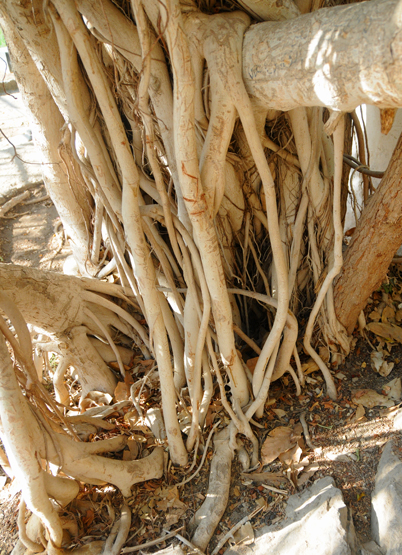
I found this strange tree in Aden as well, with roots growing directly off its branches. I’d never seen a tree like this before, and at first didn’t understand why it would have evolved this way. Eventually I realized that the roots growing from the branches could descend toward the ground and surrounding rocks, allowing the tree to take advantage of whatever moisture it could find in Aden’s hot and dry climate.