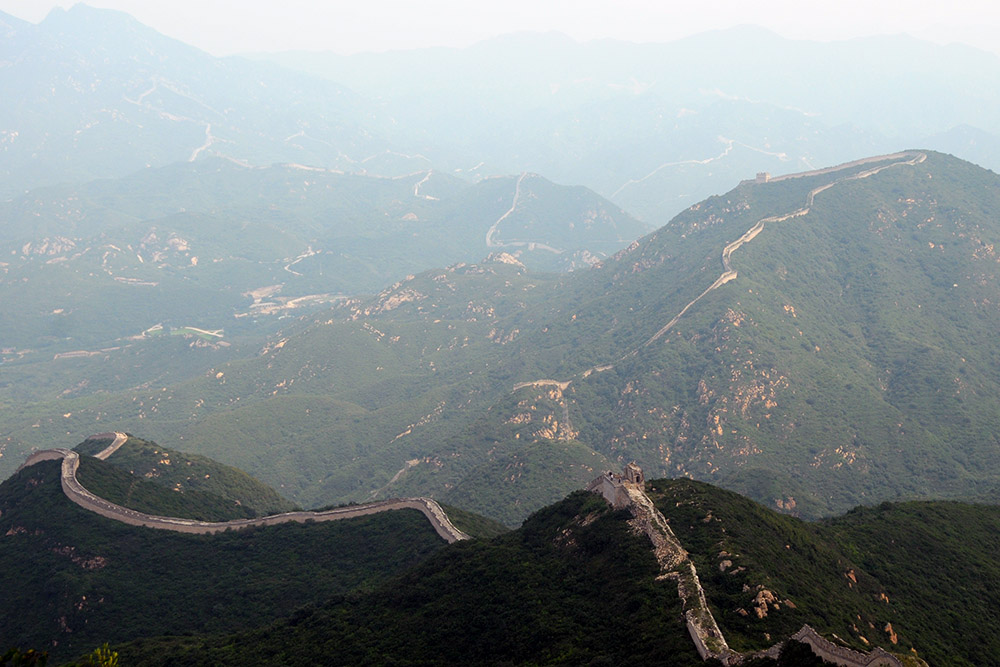
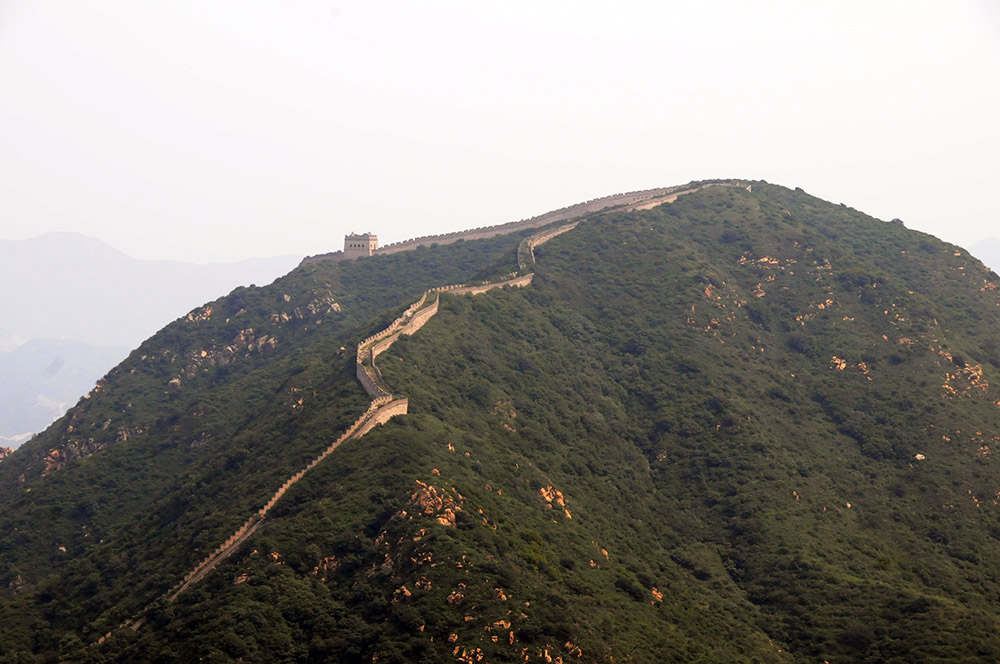
Easily China’s most famous national treasure is its Great Wall. Considered one of mankind’s greatest achievements, the Great Wall wasn’t constructed as a single project, but developed from defensive walls built by different Chinese states and dynasties over many centuries. Some of the earliest walls that eventually became part of this enormous defensive tradition were built several centuries before the birth of Christ, while much of the impressive brick and stone wall that survives today dates from the Ming Dynasty.
The scale of the entire system is much greater than I originally realized. A comprehensive Chinese archaeological survey measured more than 13,000 miles (21,000 kilometers) of walls, trenches, and natural defensive barriers associated with the Great Wall across different periods of Chinese history.
The two photos above show the Great Wall north of Beijing. Historically, these northern defenses helped protect Chinese territory against various nomadic peoples and states from the steppe. The political boundaries changed repeatedly over the centuries, so it would be too simplistic to describe everything on one side of the wall as Mongolia.
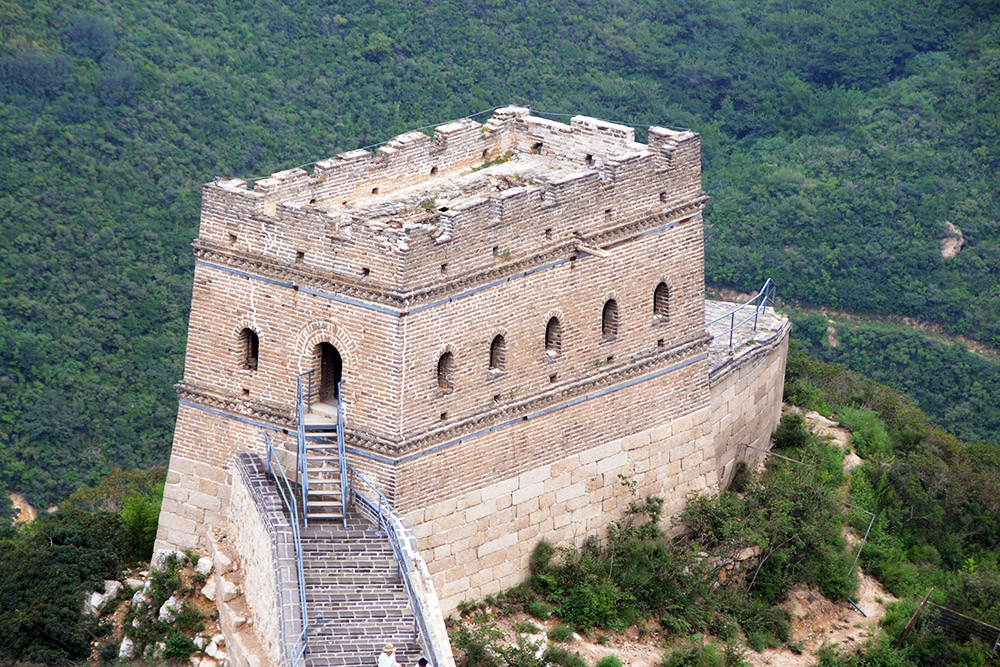
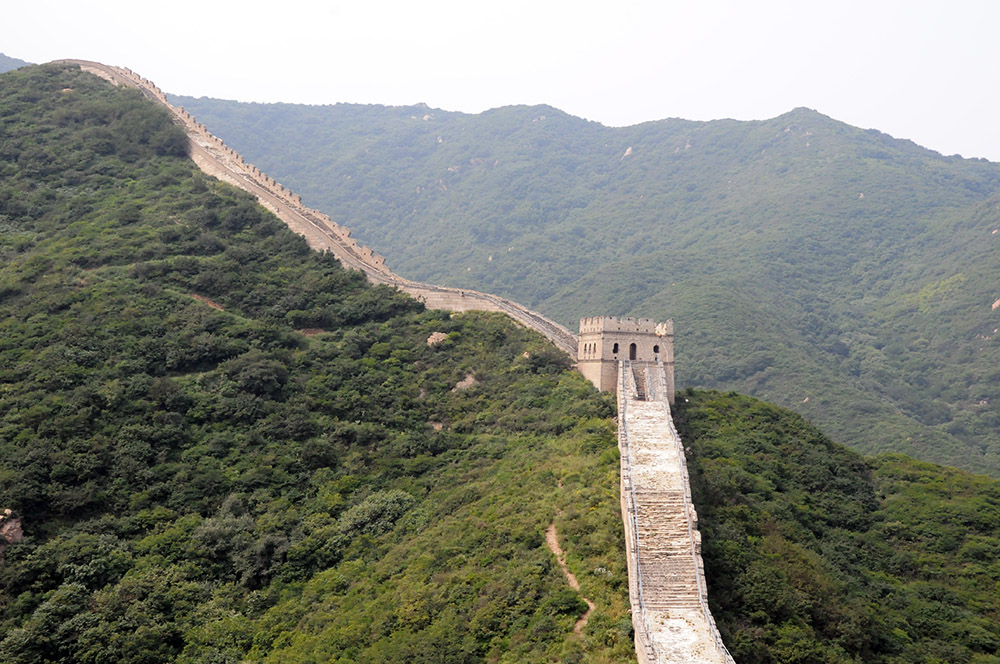
The Great Wall itself is pretty diverse. Some sections were built centuries apart and are only a few feet wide. Other parts are massive, with the walls being several meters thick in addition to stone watchtowers built in key areas.
What impressed me most was the difficult and very steep terrain that the wall was built over. With the wall finished, it’s still quite a workout to hike several miles of it. I can’t imagine what the builders hauling stones and supplies had to go through back when they were clearing the terrain and constructing the first walls.
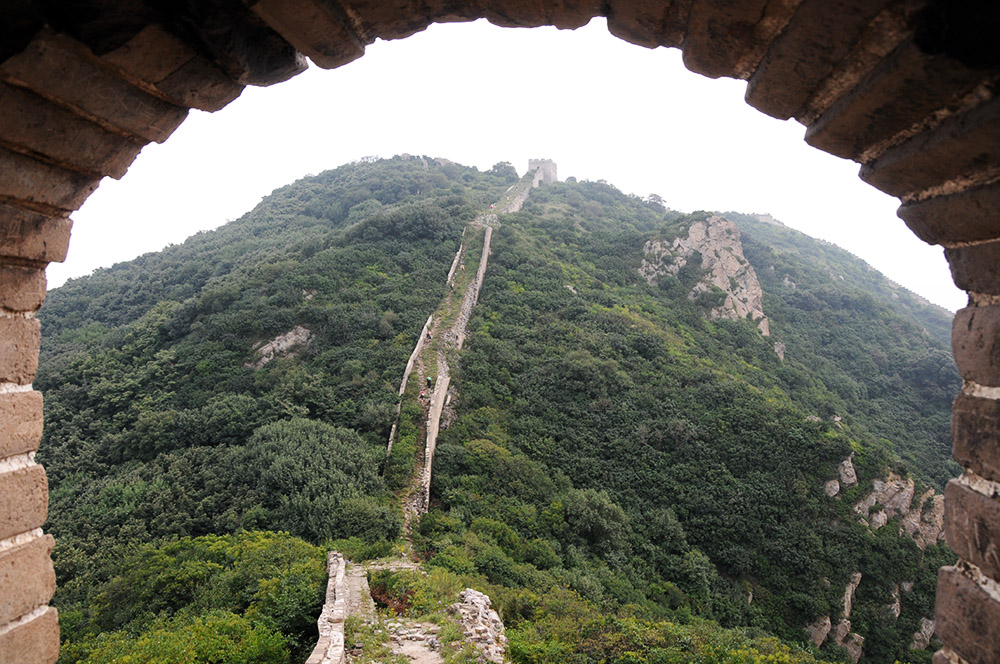
Following the wall across the ridges made its scale much easier to appreciate. Even when one section disappeared behind a hill, another stretch would appear farther along the mountains.
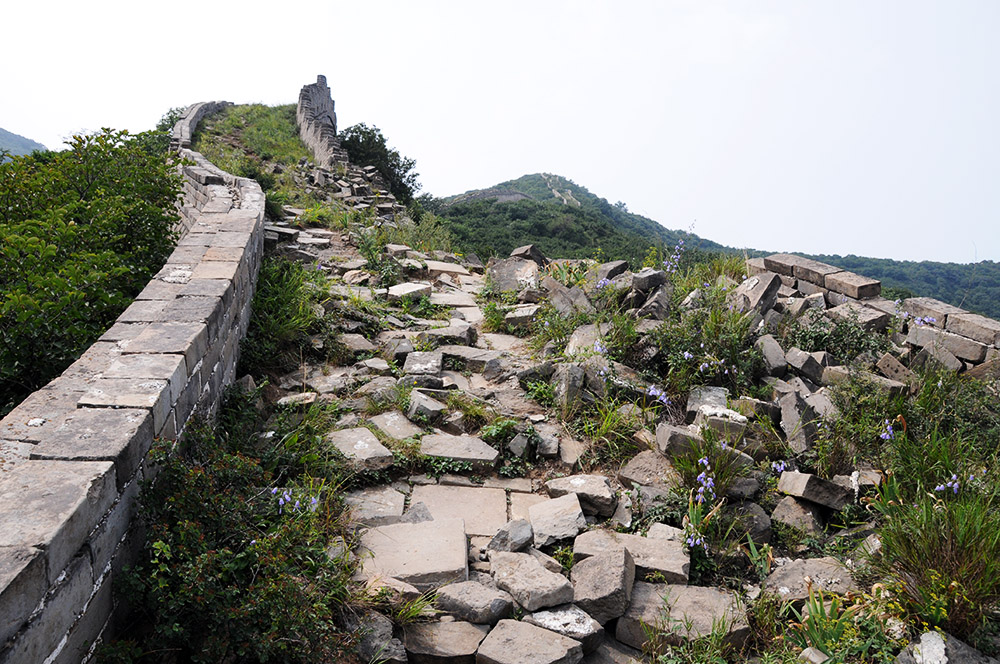
It would take tremendous effort to completely restore the entire length of the wall, and attempting to reconstruct every surviving section wouldn’t necessarily be desirable from a historic preservation standpoint anyway. Many parts of the Great Wall have instead been left unrestored and exposed to centuries of erosion, vegetation, and other natural forces.
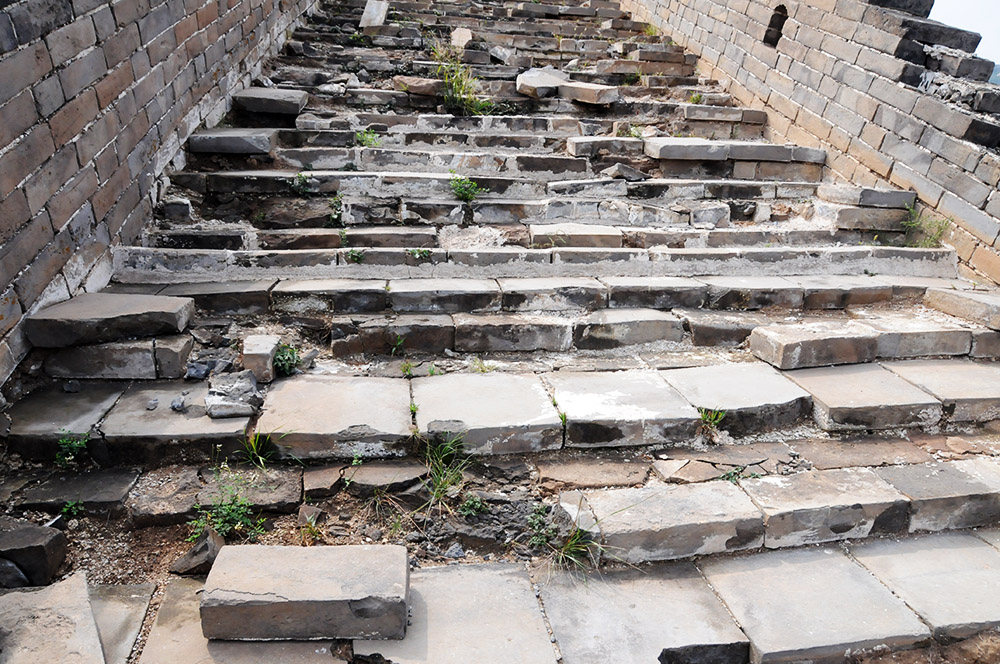
The unrestored stretches gave me a very different impression from the better-preserved sections. Here the wall blended much more naturally into the surrounding hills and vegetation.
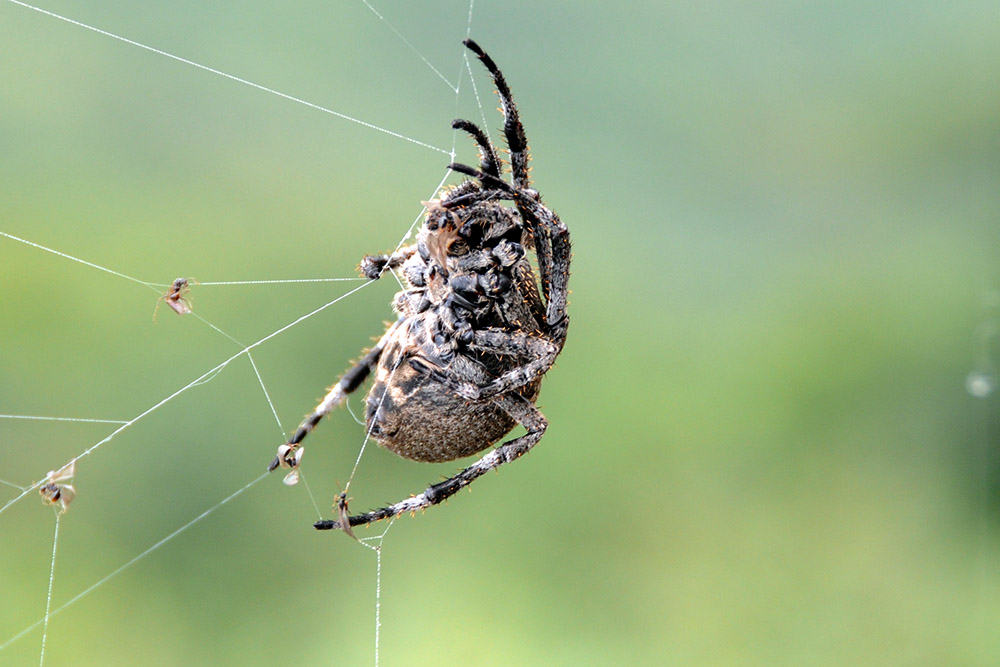
Over the centuries, some of these sections have become overrun with vegetation and wildlife, such as the Great Spider of China on the right. This spider was so big I didn’t even need a macro lens to photograph him. I’m still unsure of his species though, but would like to find out.

The spider wasn’t the only wildlife I noticed along the wall. I also came across this large insect among the vegetation growing around the older sections.
Explore More of China
Beijing • Mt. Huashan • the Great Wall of China • the Zhouzhi Wildlife Reserve • Xian