Herat left one of the strongest impressions on me anywhere in Afghanistan. Before arriving, I honestly didn’t know much about the city and expected something old, isolated, and lacking modern infrastructure. Instead, I found a place with deep history, impressive architecture, busy markets, new construction, and a culture that felt noticeably different from Kabul.
Herat is often described as one of Afghanistan’s cultural centers, and after visiting I understood why. The city is filled with historic mosques, mausoleums, minarets, cemeteries, markets, and one of the most impressive citadels I’ve seen anywhere. Even after spending a lot of time exploring, I still felt like I had barely scratched the surface.
The Friday Mosque
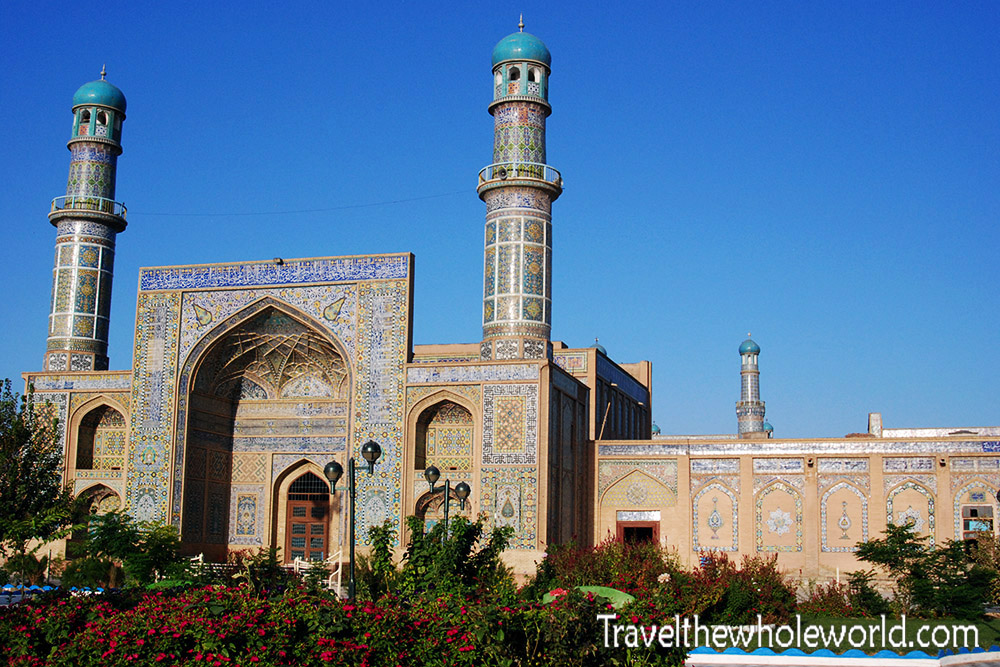
One of the first major landmarks I visited was the Masjid-i Jami of Herat, better known as the Friday Mosque. The mosque was first established around the beginning of the 13th century and has been rebuilt and restored many times after centuries of earthquakes, wars, and damage.
What makes the mosque stand out today is the incredible blue and turquoise tilework covering its walls, arches, and minarets.
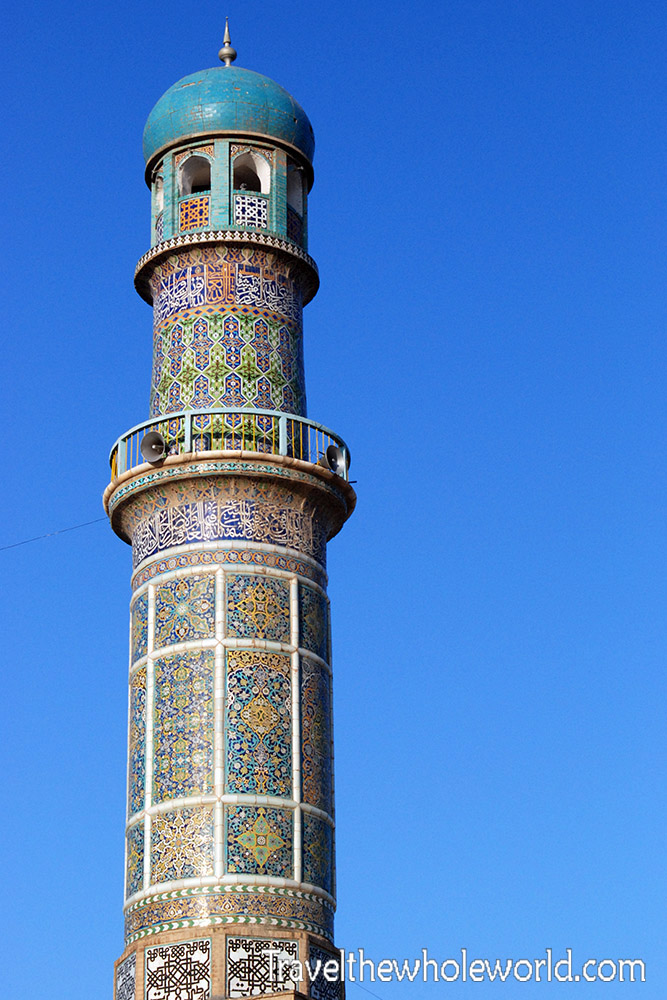
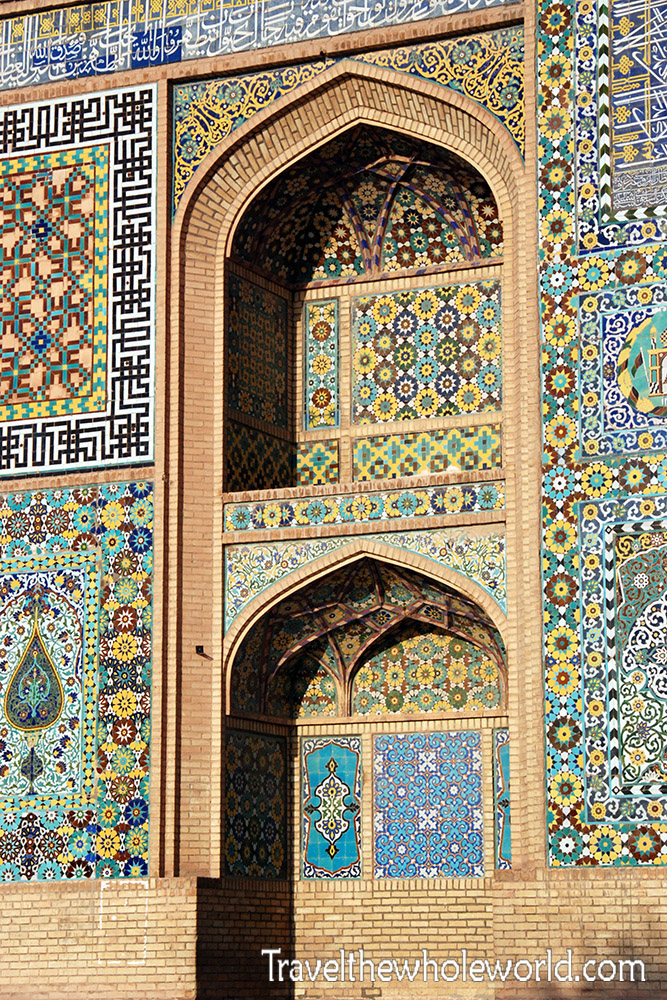
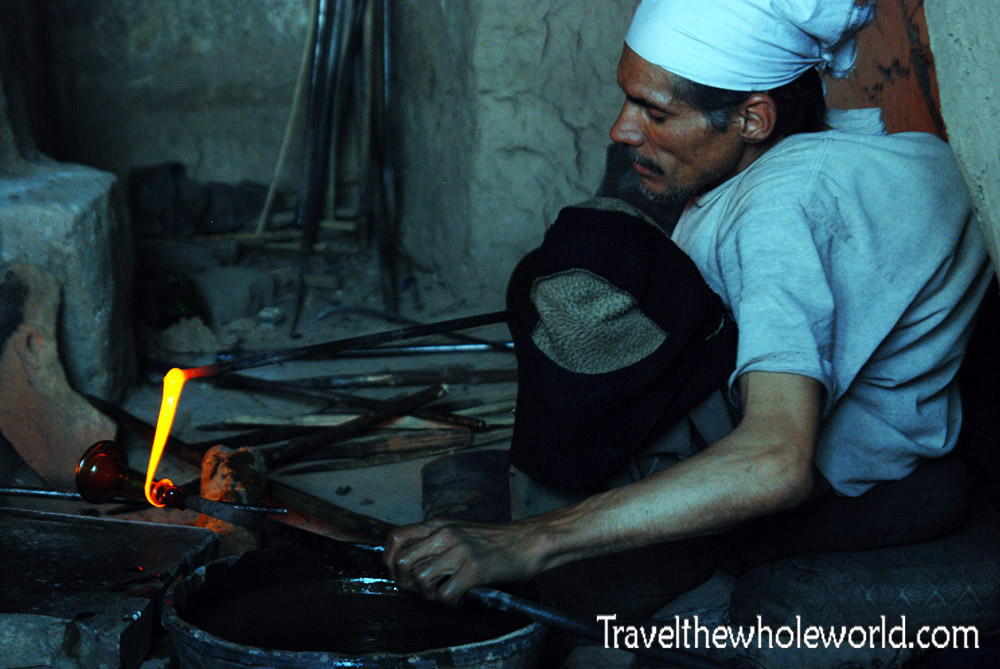
When I visited, restoration was still actively taking place. One of the few areas I was allowed to enter was a workshop where craftsmen were producing replacement tiles by hand.
I tried to go farther inside the mosque but was stopped by one of the mullahs, who politely informed me that I was an infidel.
Fair enough.
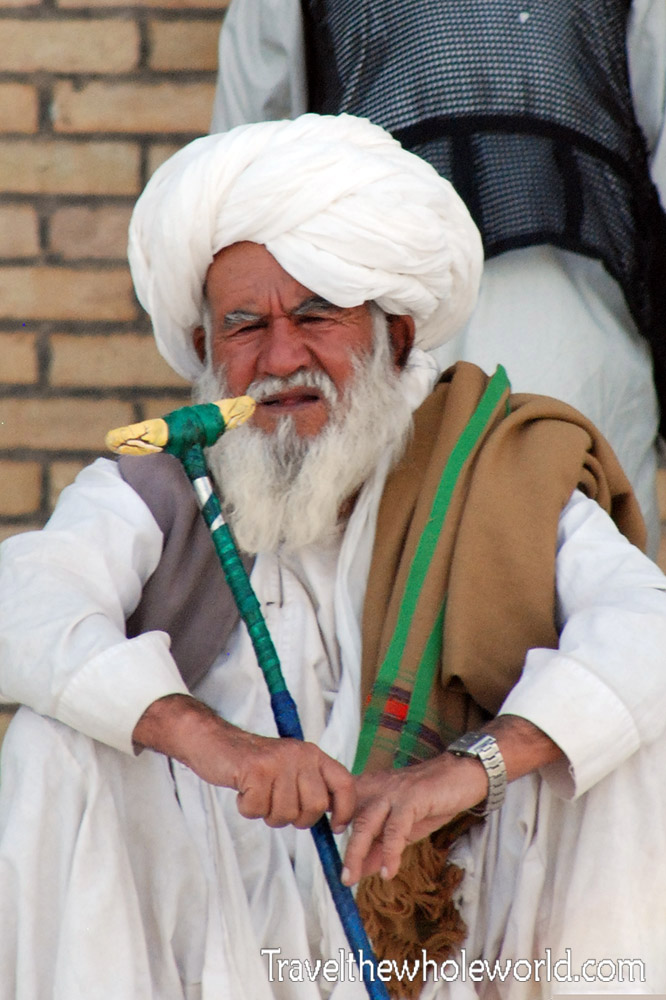
Herat Felt Different
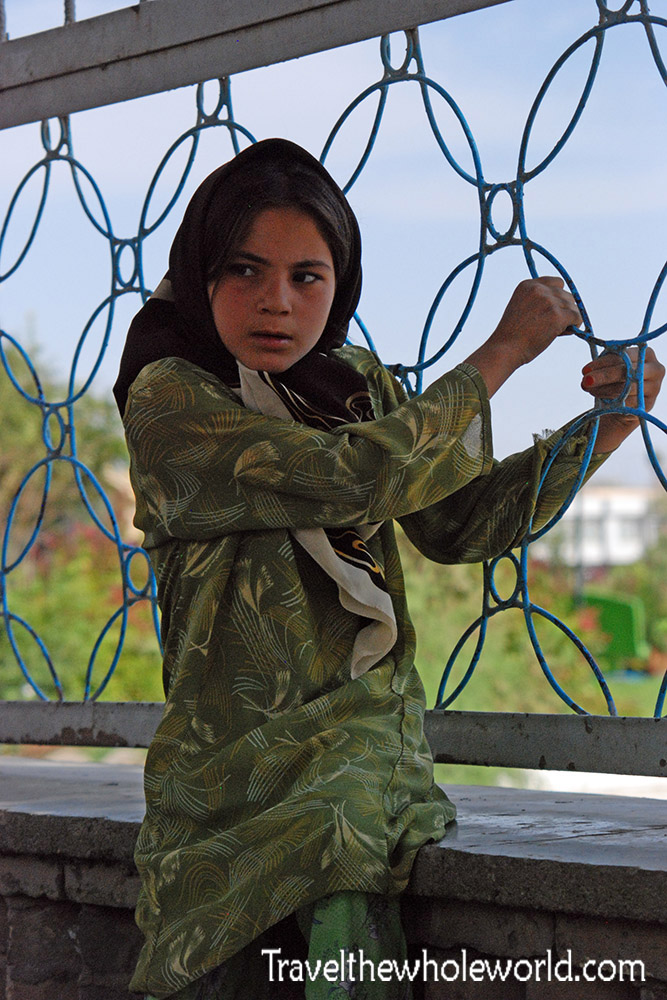
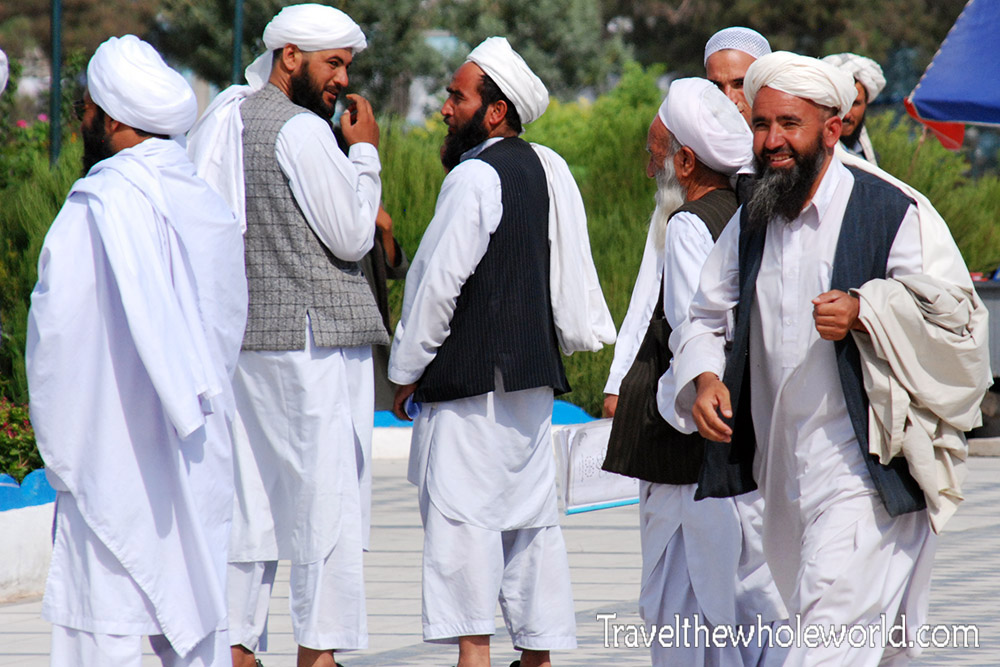
Herat felt noticeably different from other parts of Afghanistan I had visited. Clothing styles changed, the architecture felt different, and the city’s proximity to Iran seemed to influence everything from language and culture to development.
Blue burqas were especially common. I had seen them in Kabul, but they appeared much more frequently in Herat.
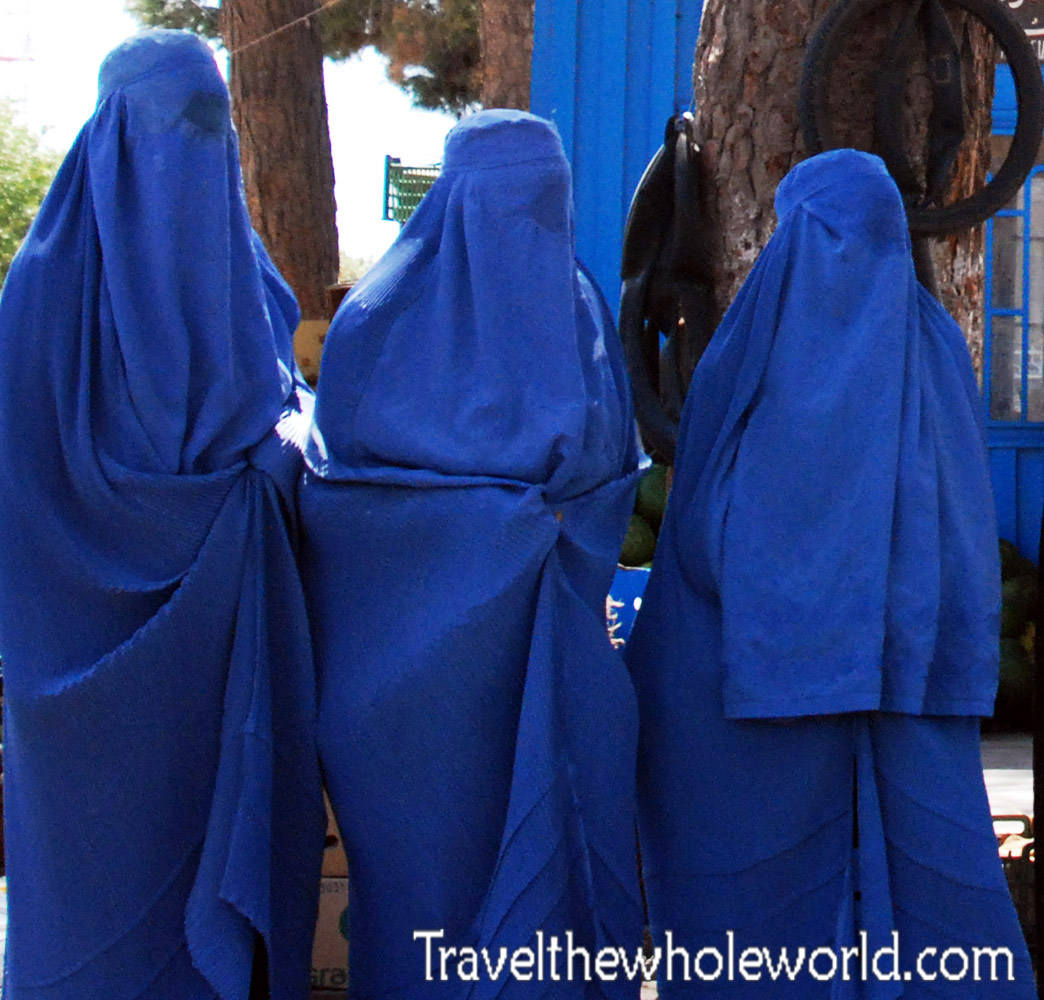
I took this photograph while passing in a car. A local policeman noticed me and gave me a look that made it very clear he wasn’t impressed.
My driver later warned me that photographing women like this could have caused me serious problems.
Ancient Walls and Satellite Dishes
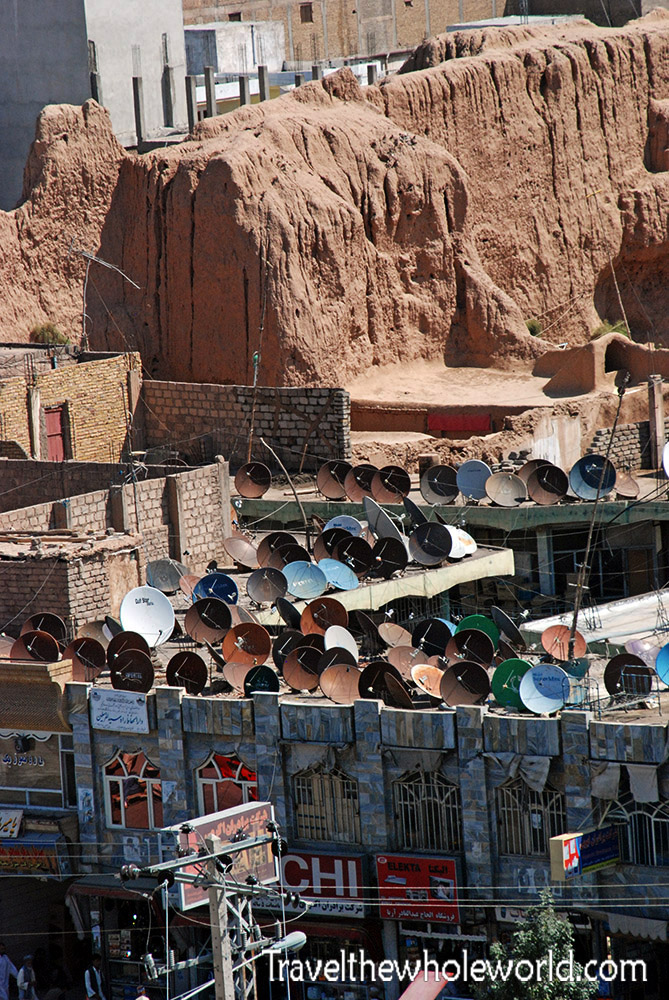
One of the things that surprised me most about Herat was how modern parts of the city were becoming.
I had pictured a completely old-fashioned city, but that wasn’t the reality. Satellite dishes covered rooftops, new buildings were going up, and modern construction appeared right beside structures that had survived for centuries.
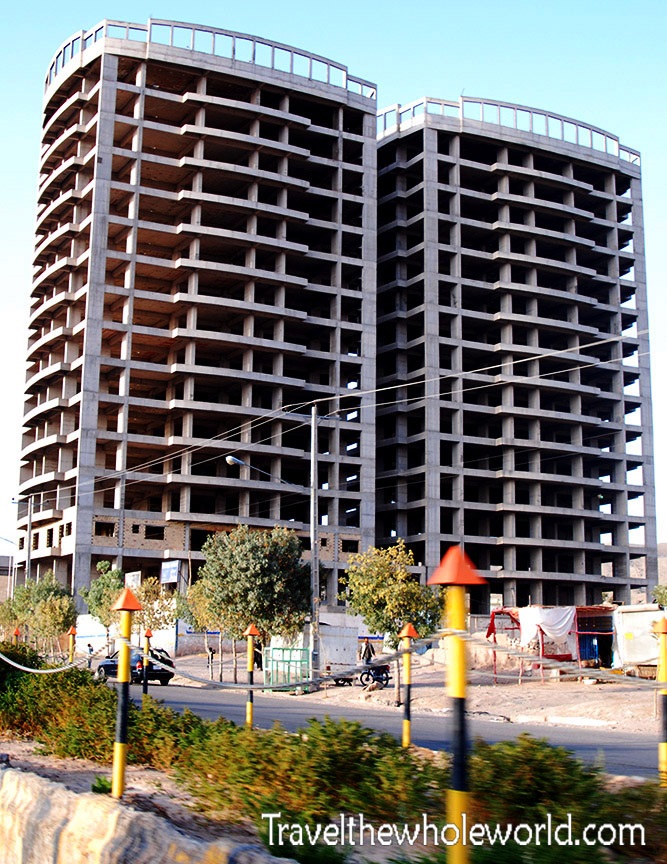
Locals told me these towers were being built in memory of the World Trade Center destroyed on September 11. I couldn’t independently confirm that story, but that was what I was told at the time.
Royal Tombs and Old Cemeteries
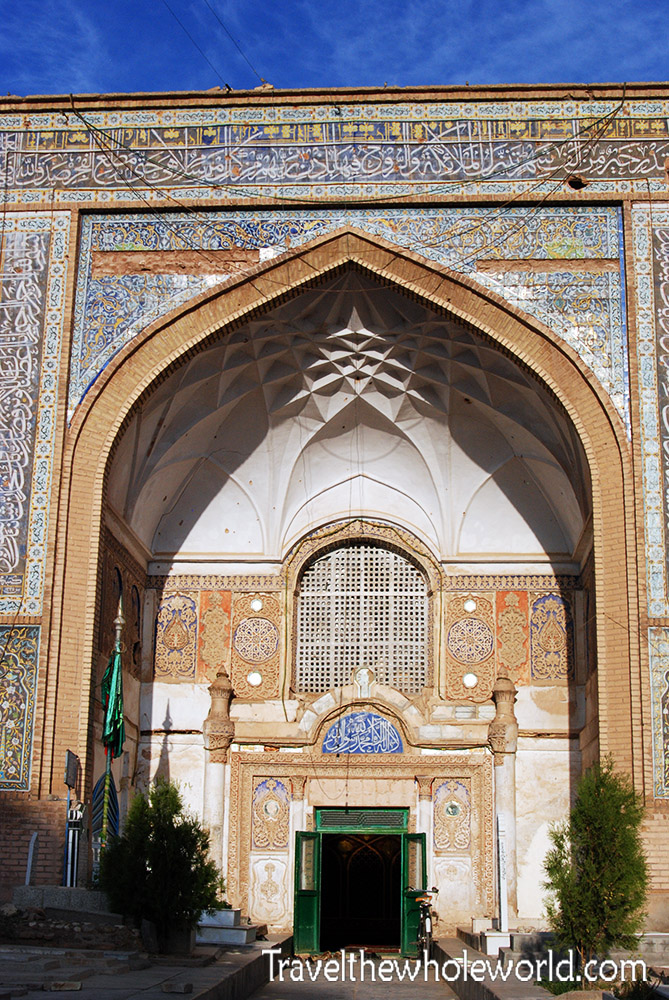
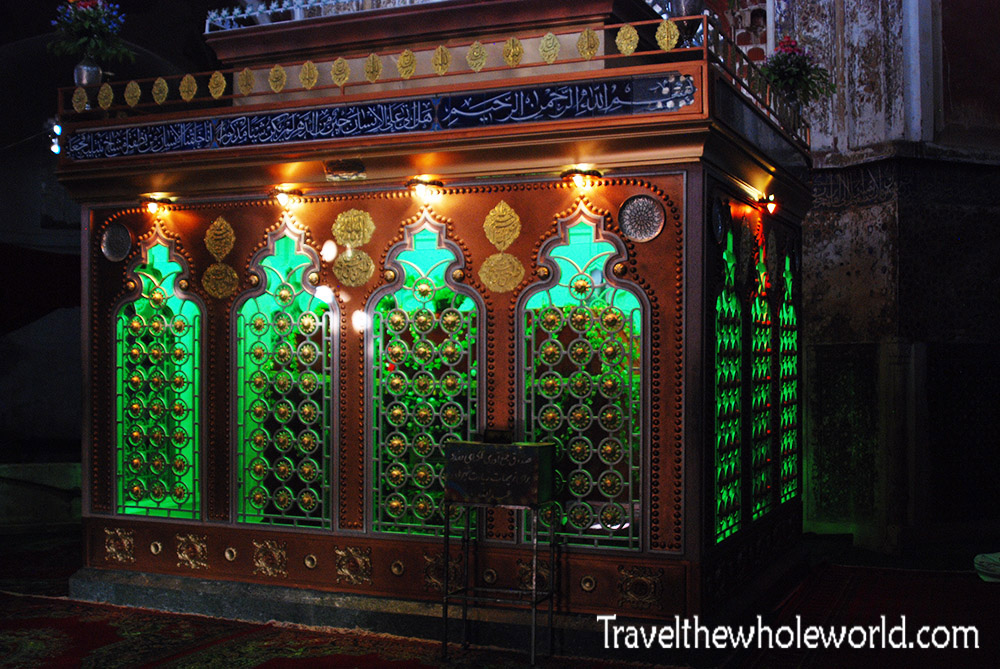
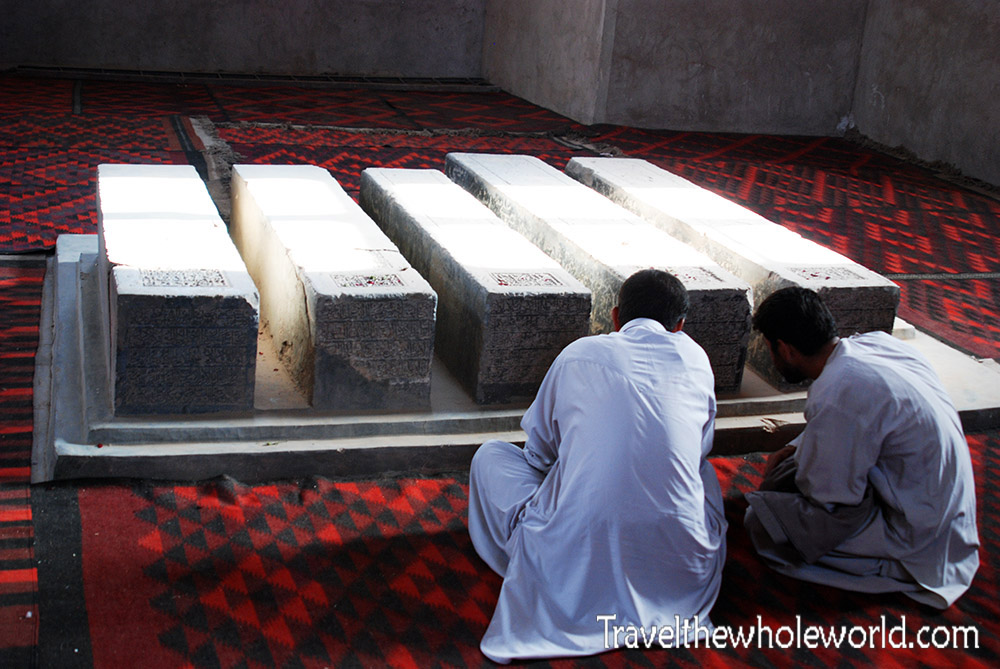
Herat is filled with old cemeteries and mausoleums connected with rulers, poets, religious figures, and other prominent people from Afghan history.
The language barrier made things difficult, and I wasn’t always confident that the information I was receiving was accurate. In several places I was told that certain tombs belonged to former Afghan kings, but I couldn’t always determine exactly who was buried where.
That uncertainty became a recurring theme during my time in Herat.
The Musalla Complex
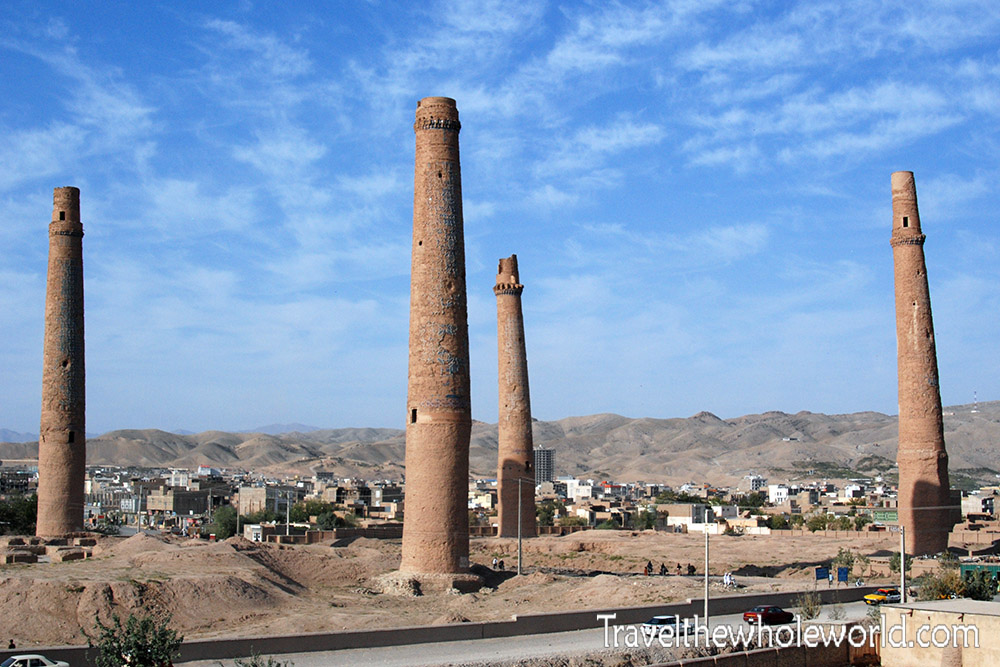
The Musalla complex was one of my favorite historical sites in Afghanistan.
Several tall minarets still rise over the city, remnants of a much larger Timurid religious complex. One of them had become unstable enough that it was being supported by cables.
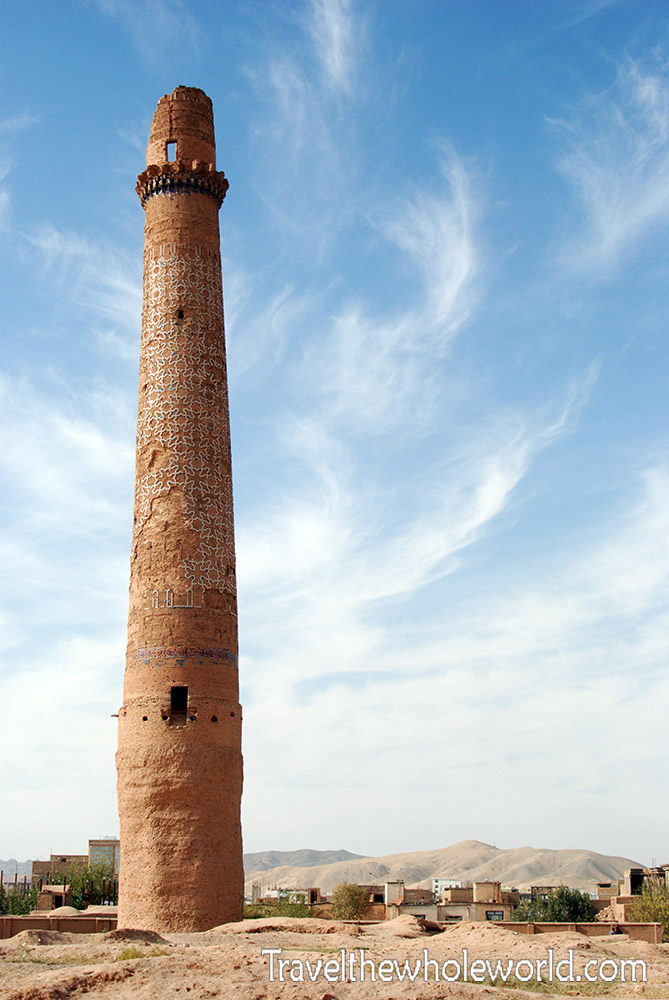
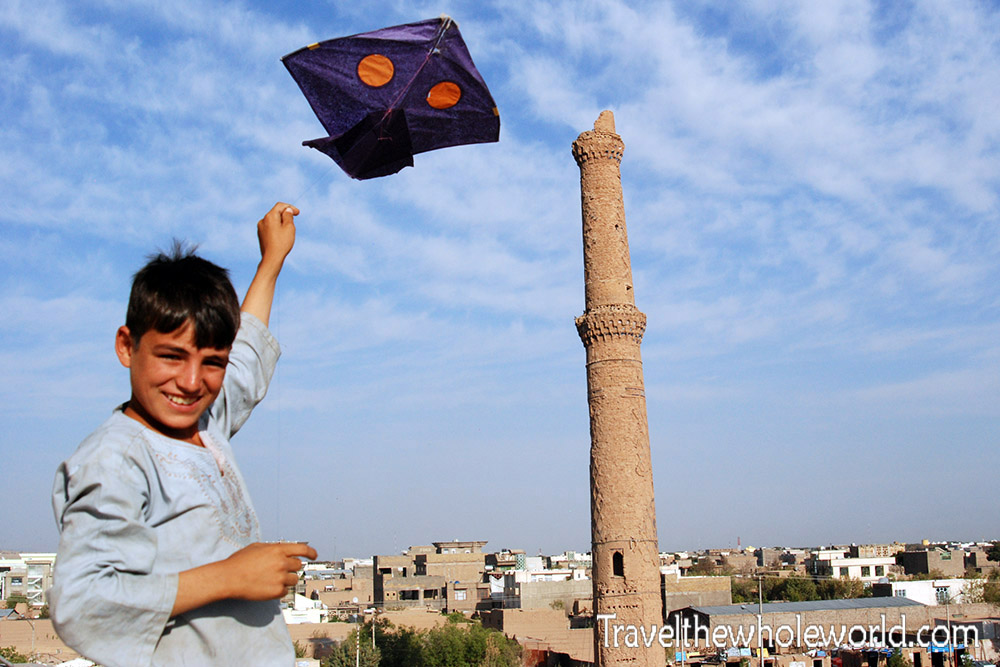
I had originally wanted to visit the Minaret of Jam farther east, but getting there would have required a very long drive through territory that wasn’t safe when I visited.
Missing it was disappointing, but seeing the Musalla minarets in Herat made up for some of that.
Goharshad and the Timurid Era
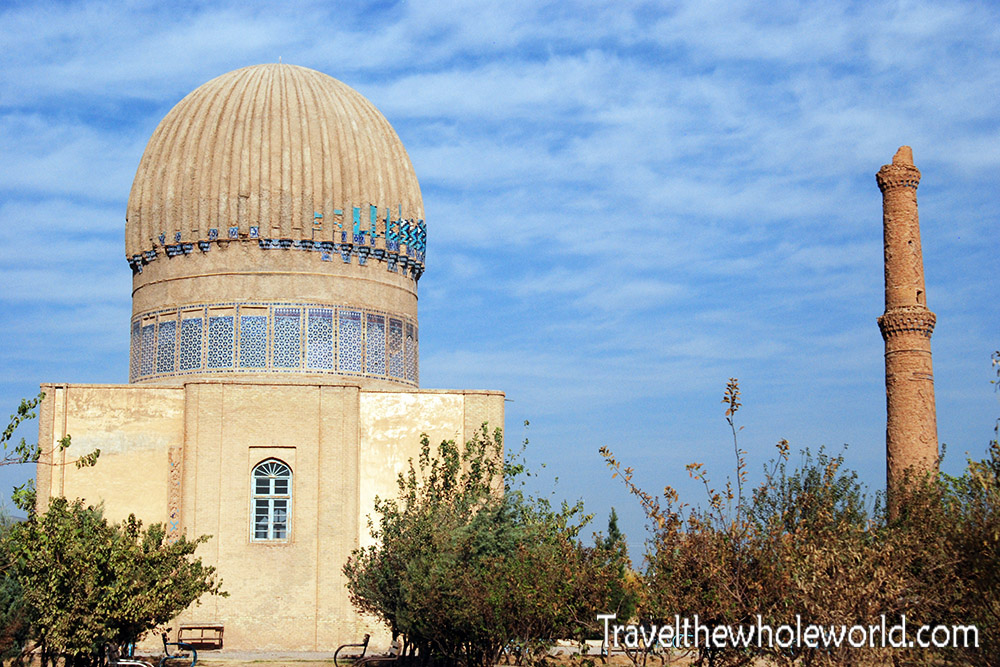
The Musalla complex was associated with Goharshad, wife of the Timurid ruler Shah Rukh. During their rule, Herat became one of the great cultural centers of the Timurid Empire.
Both were remembered for supporting architecture, art, education, and scholarship, which helps explain why so many important structures were built here during that period.
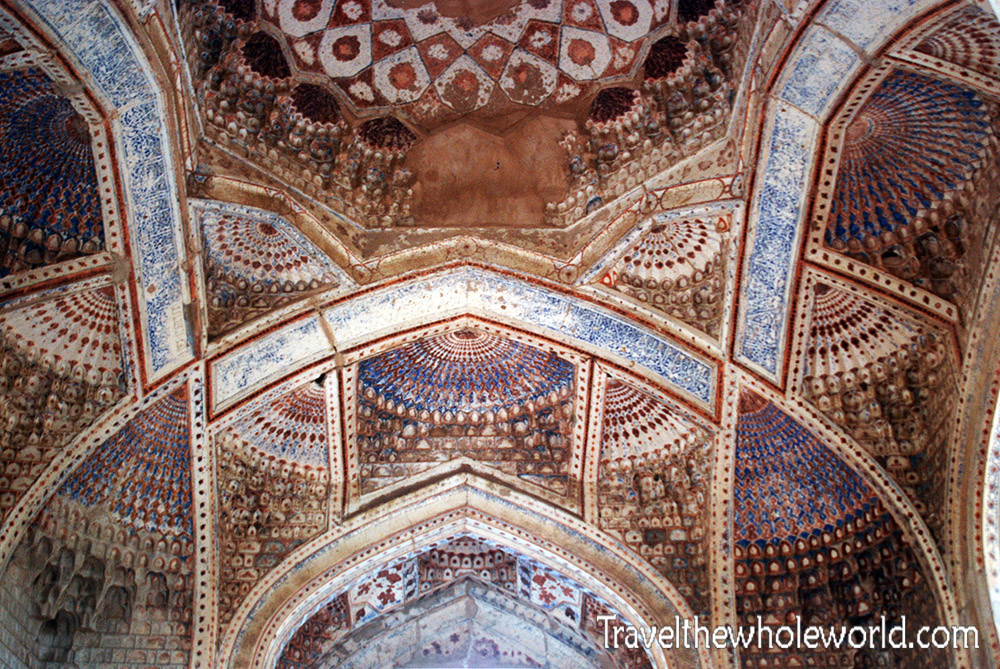
The Citadel of Herat
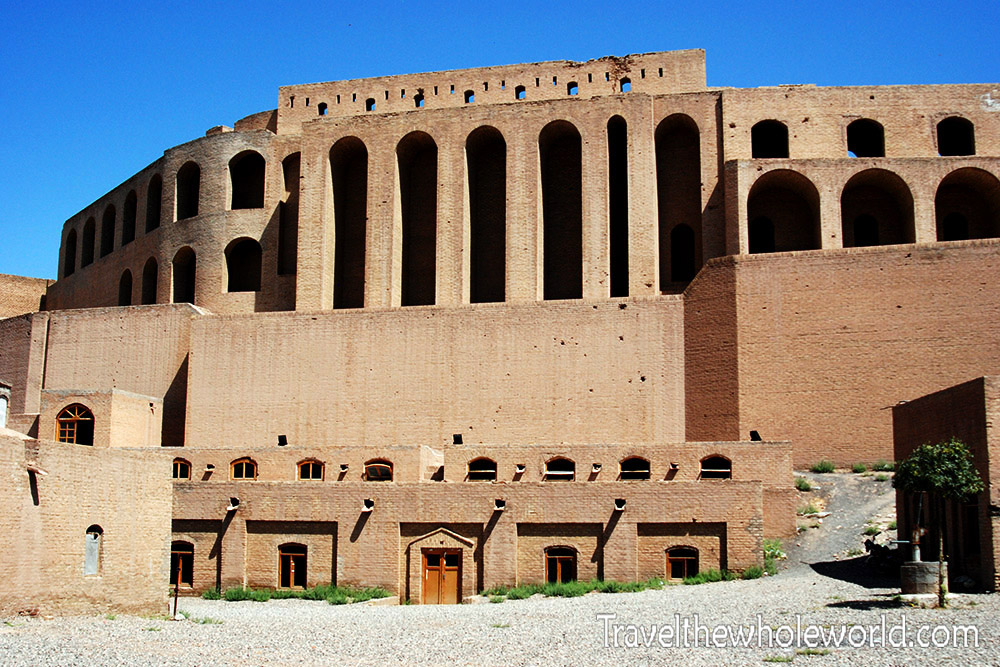
The Citadel of Herat was easily one of the highlights of the city.
A fortress has stood in this area for well over two thousand years, with traditions connecting the site to Alexander the Great’s conquest of the region. Over the centuries, different rulers repeatedly rebuilt and reinforced the complex.
By the time I visited, much of the citadel had been restored, but archaeological work was still continuing.
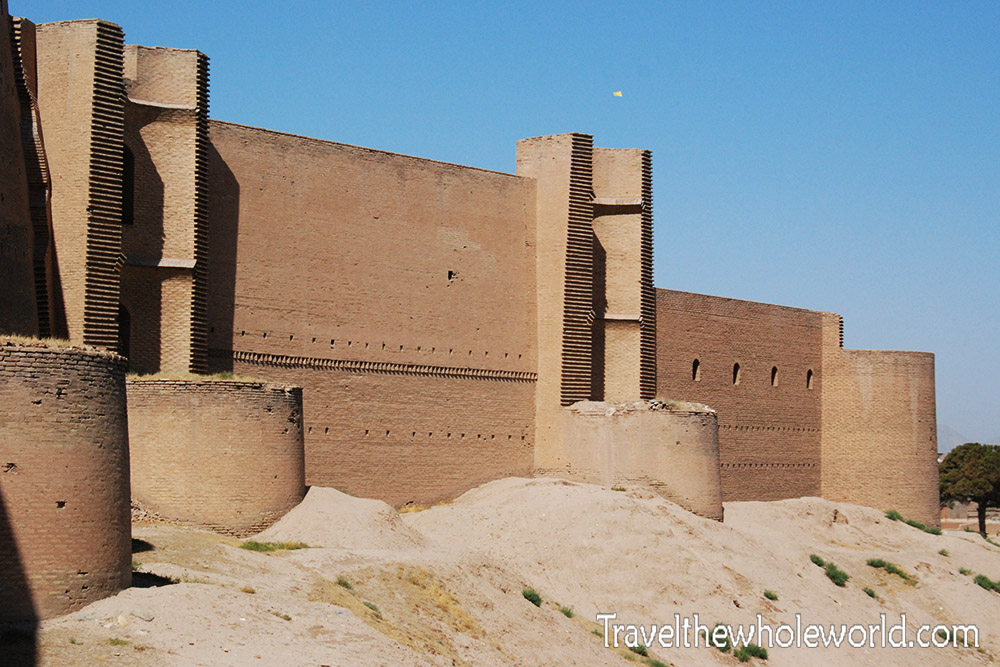
Inside the Citadel
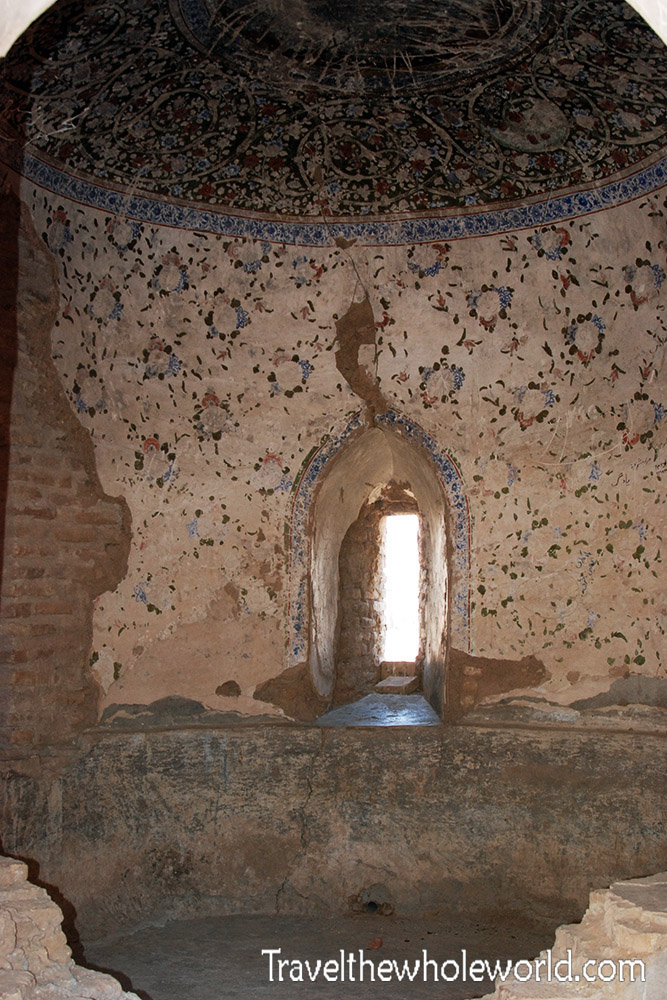
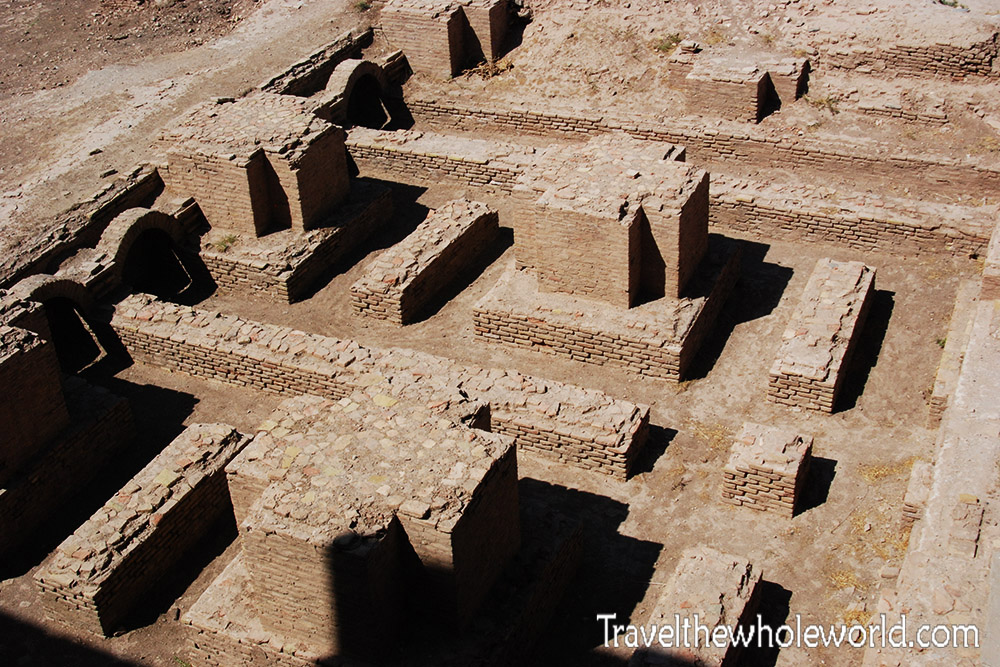
One thing I hadn’t expected was how much ordinary life had once existed inside the fortress.
The citadel wasn’t just a defensive structure. At different times it contained royal residences, baths, a treasury, administrative areas, and even a prison.
The private and public bath areas were especially interesting. Apparently ancient Herat wasn’t all warfare and suffering.
Brickwork That Survived Centuries
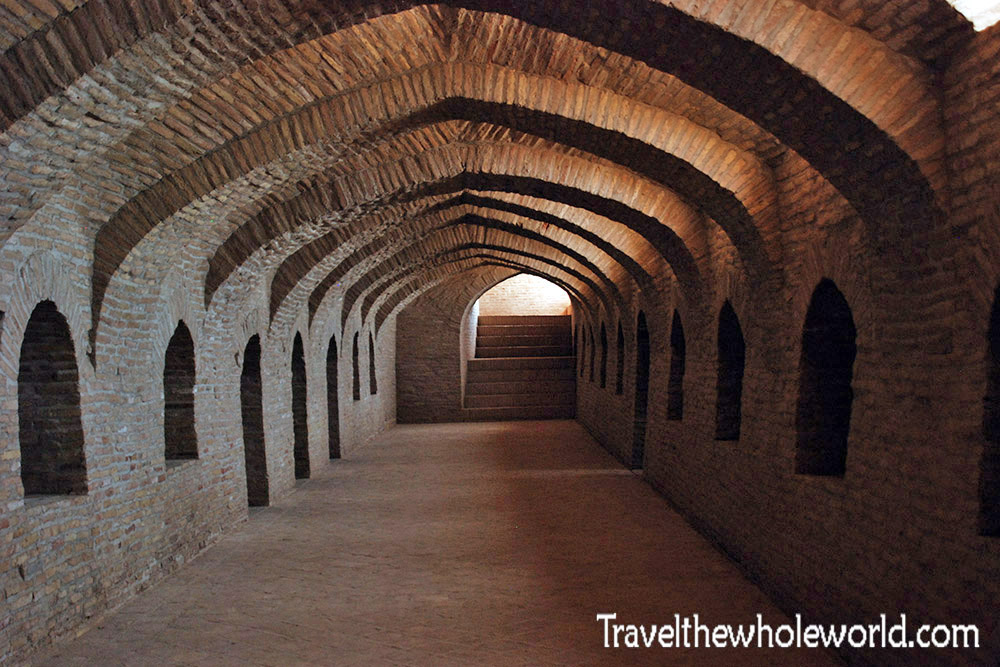
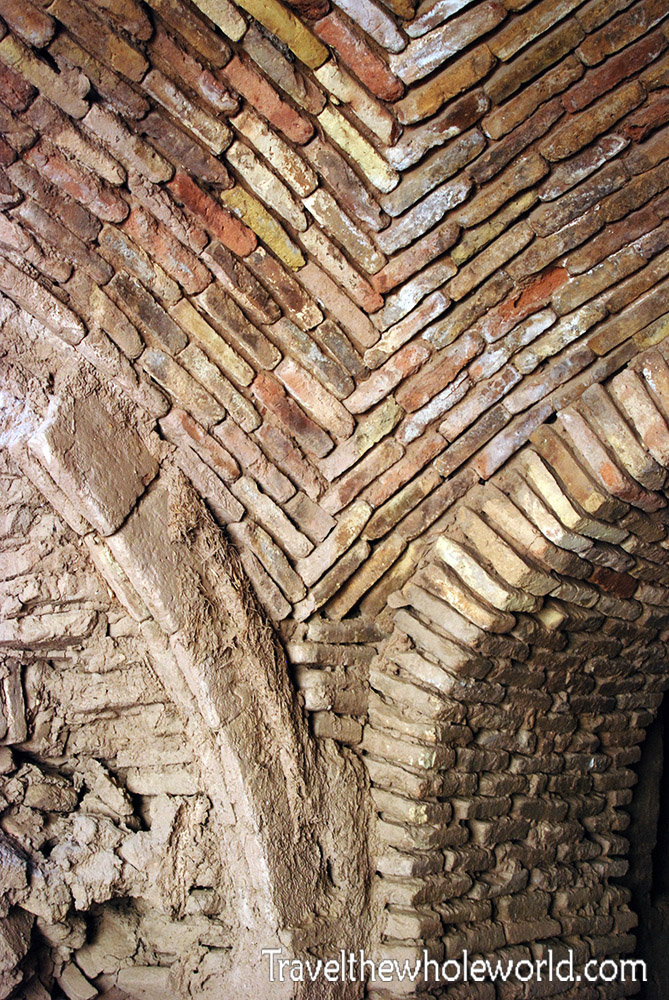
I was also impressed by how much of the citadel relied on brick rather than enormous blocks of solid stone.
Some areas had obviously been restored, but even knowing that, it was remarkable to walk through spaces built in a style that had survived for centuries.
Still Being Excavated
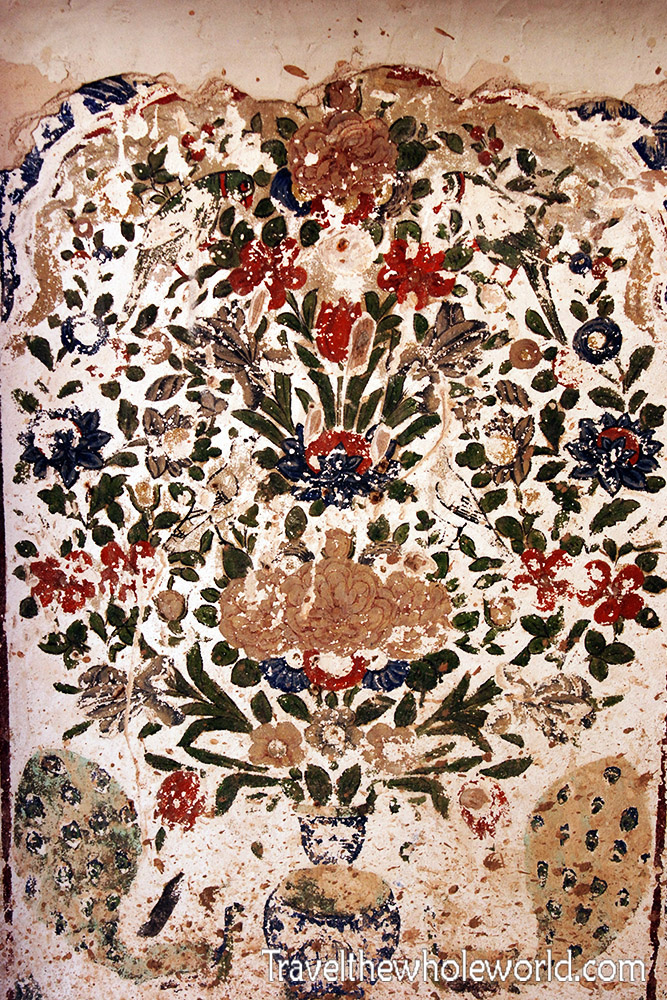
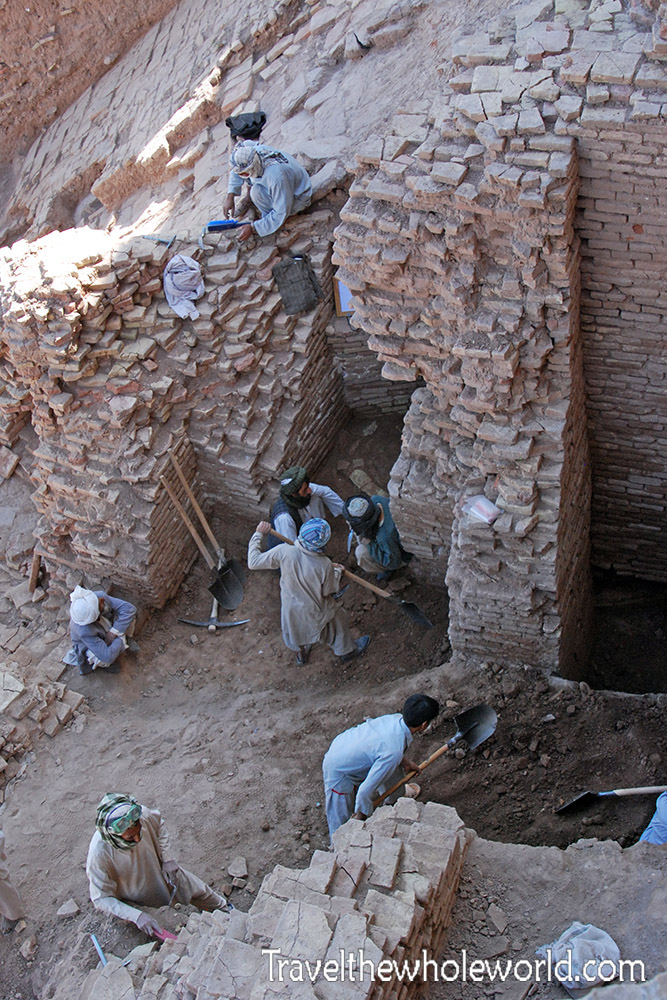
There wasn’t much in the way of formal interpretation when I visited, and large parts of the site were still being explored.
I watched Afghan workers uncovering a section that had apparently been buried for centuries.
That might have been one of the most interesting things about the citadel. It wasn’t simply an ancient monument that had already revealed everything it had to offer. There were still parts of it being uncovered.
Gazar Gah
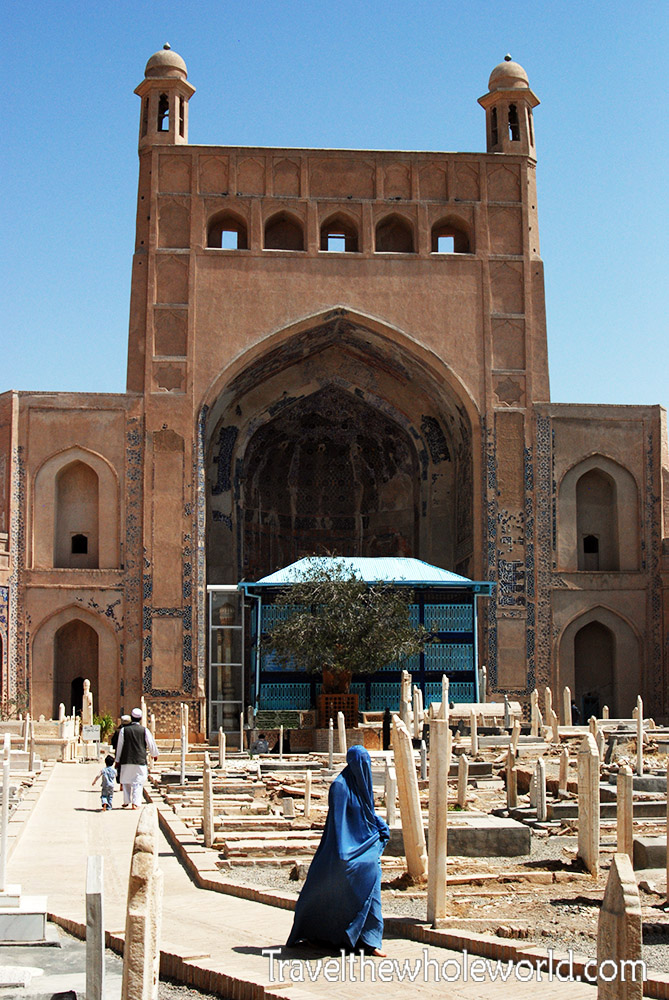
Just when I thought I had already seen enough history for one city, Herat gave me another major site.
Gazar Gah is one of the region’s most important religious complexes and is associated with Khwaja Abdullah Ansari, a famous Sufi scholar, poet, and religious figure who lived roughly a thousand years ago.
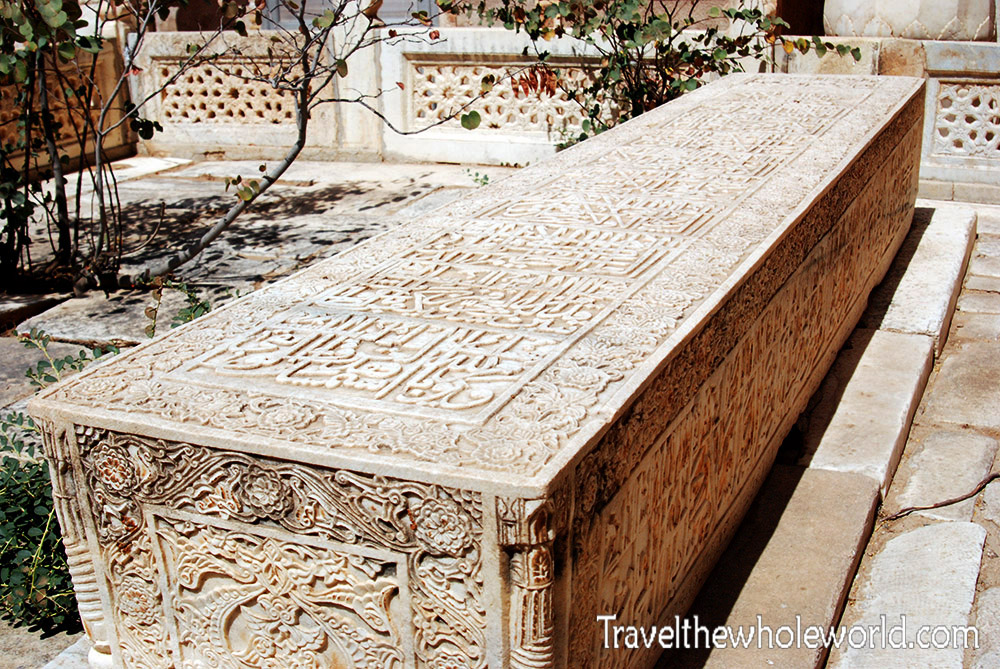
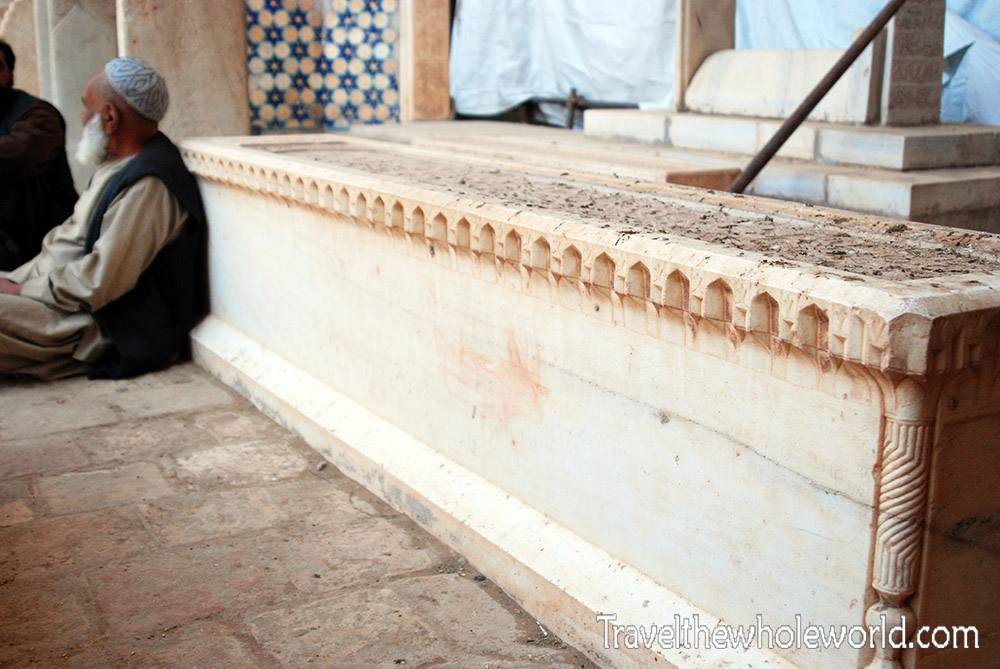
The complex also contains a large cemetery filled with elaborate tombs and centuries of stories.
Some Very Questionable History
I heard some incredible stories about the people buried at Gazar Gah.
One person told me a sarcophagus belonged to the builder of the Taj Mahal, who was supposedly an Afghan king.
Another supposedly contained the son of Alexander the Great.
I couldn’t find anything reliable to support either claim.
In fact, the Alexander story seems especially unlikely.
What I could establish was that Khwaja Abdullah Ansari is genuinely buried here and remains an important religious and literary figure across Afghanistan, Iran, and Central Asia.
The rest I filed under interesting stories I was told while traveling.
The Most Unsettling Wildlife in Afghanistan
I would have loved to spend time camping in Afghanistan’s mountains and photographing wildlife.
That wasn’t realistic on this trip.
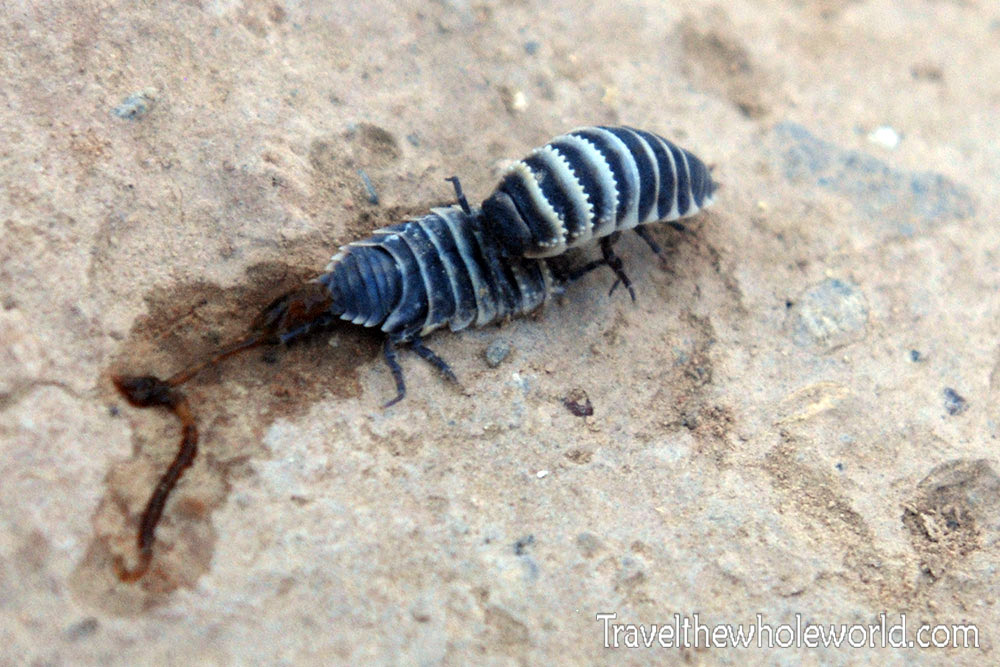
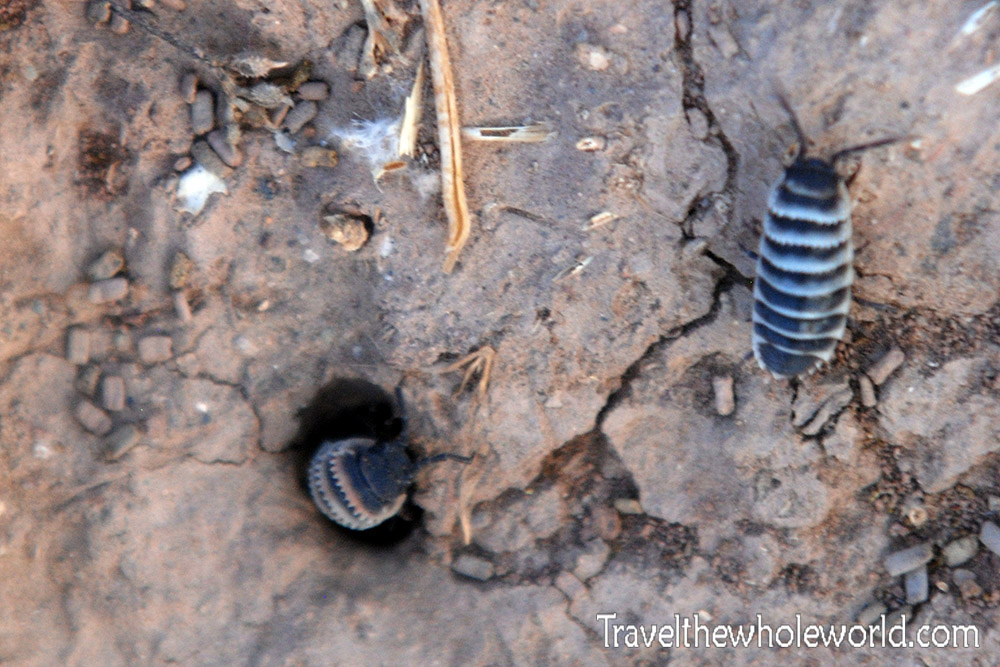
So instead, one of my only interesting wildlife encounters in Afghanistan consisted of pill bugs—or rolly pollies, as I grew up calling them.
There were hundreds of them living in tunnels throughout a cemetery.
The graves here belonged mostly to poorer families and were little more than raised piles of soil.
I had a pretty good idea what all those bugs underground were surviving on.
I decided I didn’t need to investigate further.
Tuk-Tuks in Herat
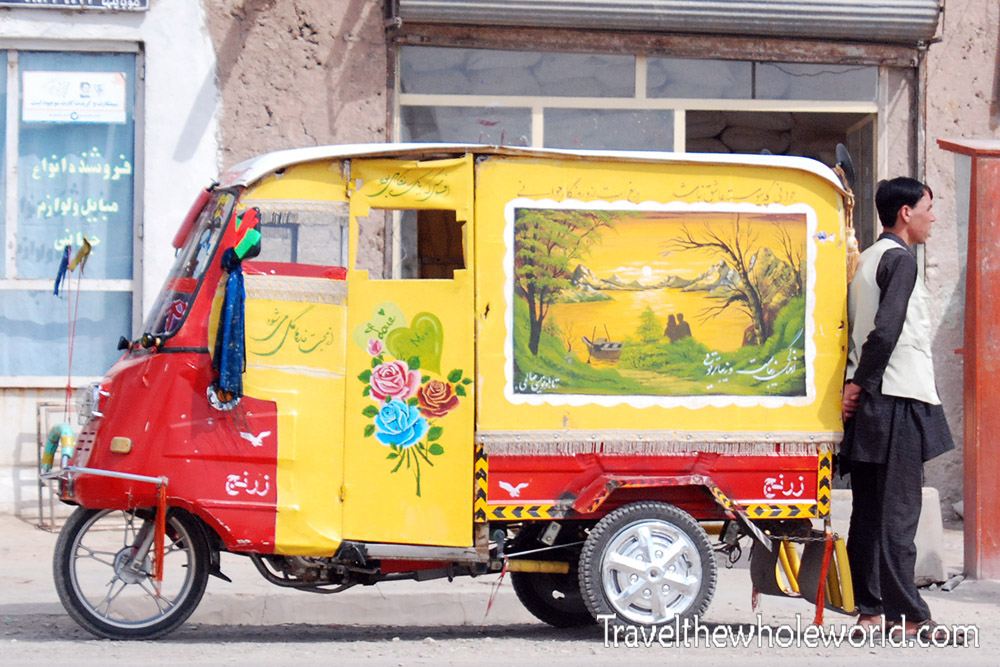
Another surprise was seeing tuk-tuks.
I associated them with places like Thailand and other parts of Asia, but hadn’t seen any elsewhere in Afghanistan.
The Herat versions were also more interesting than many I’d seen in Southeast Asia because drivers decorated them individually.
I eventually took one to the city’s main market.
Carpets and Antiques
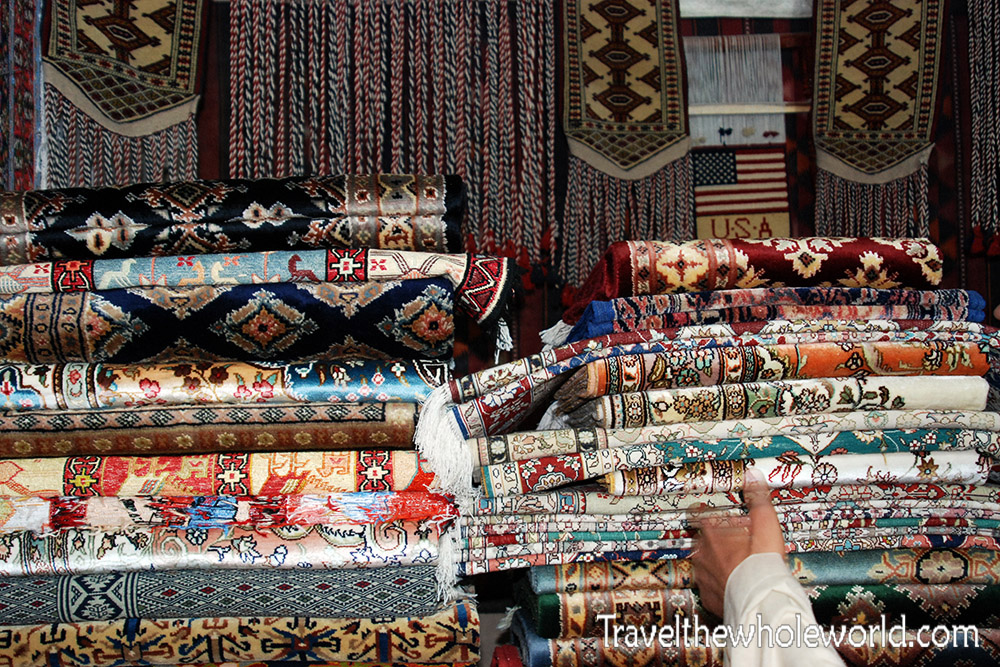
One carpet shop had rugs ranging from roughly $50 to $400, which seemed incredibly cheap compared with what similar handmade carpets would cost in the United States or Europe.
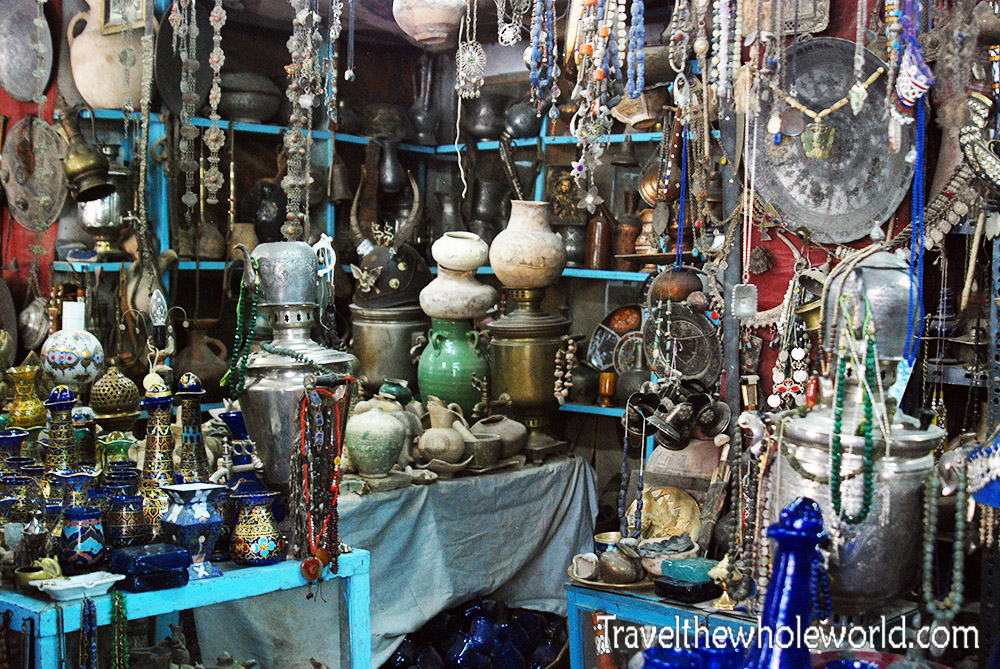
The antique stores were even more interesting.
I saw old British muskets, swords, coins, and all kinds of objects that appeared to be genuinely historic.
Some shops felt less like stores and more like museums where everything had a price tag.
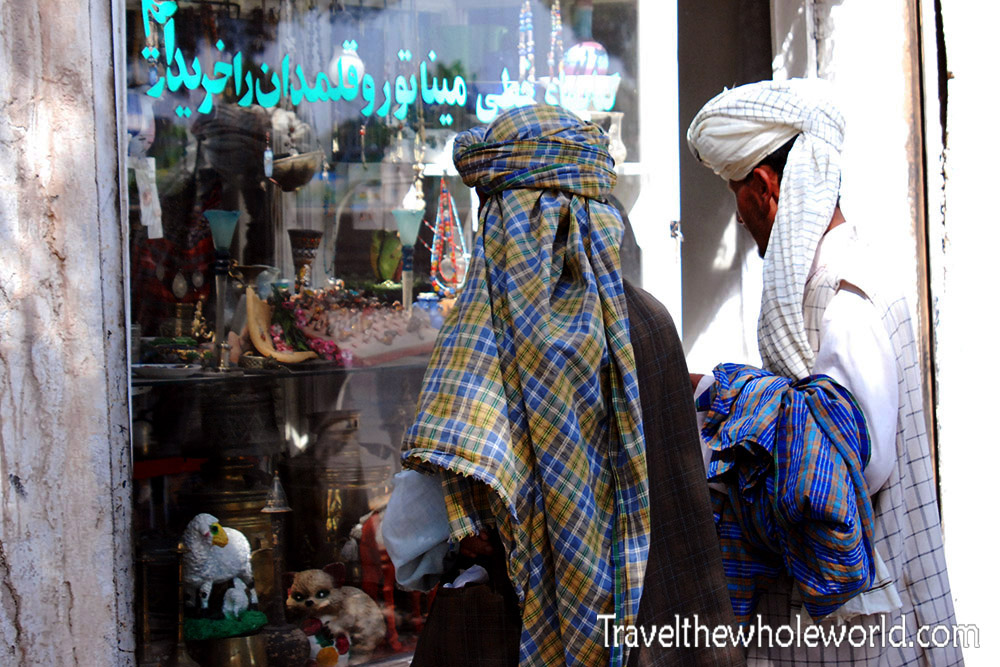
A Very Friendly Market
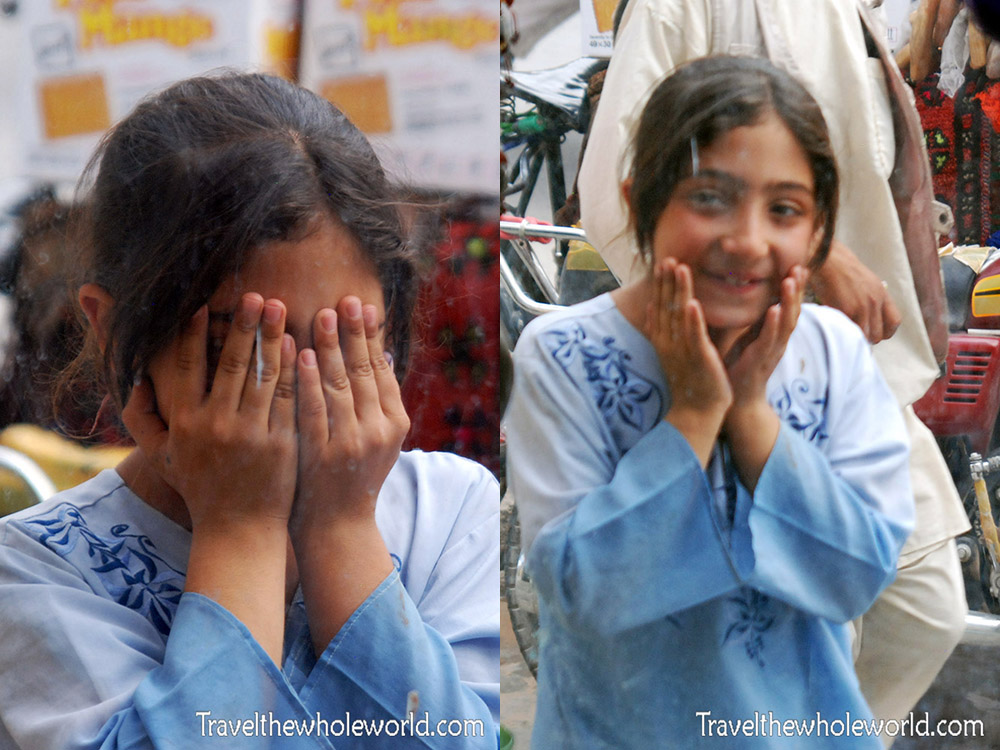
The shopkeepers were almost overwhelmingly friendly.
Not pushy. The opposite.
Many insisted that I sit down, brought out baskets of fruit, encouraged me to try on Afghan hats and clothing, and seemed genuinely interested in having a visitor in the store.
That hospitality was probably what I remember most about shopping in Herat.
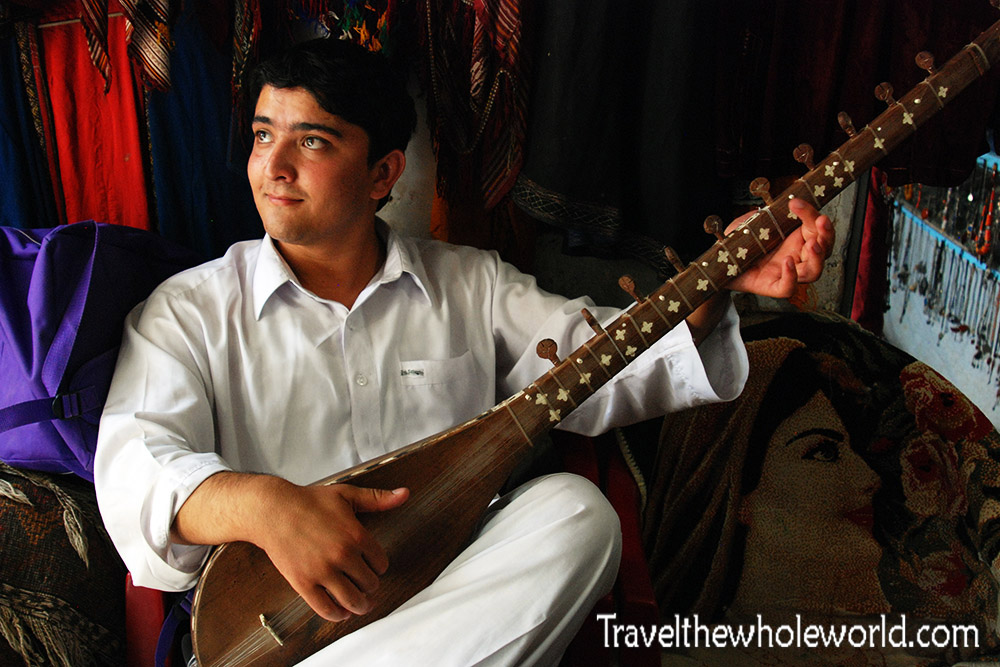
Glassblowing and Traditional Music
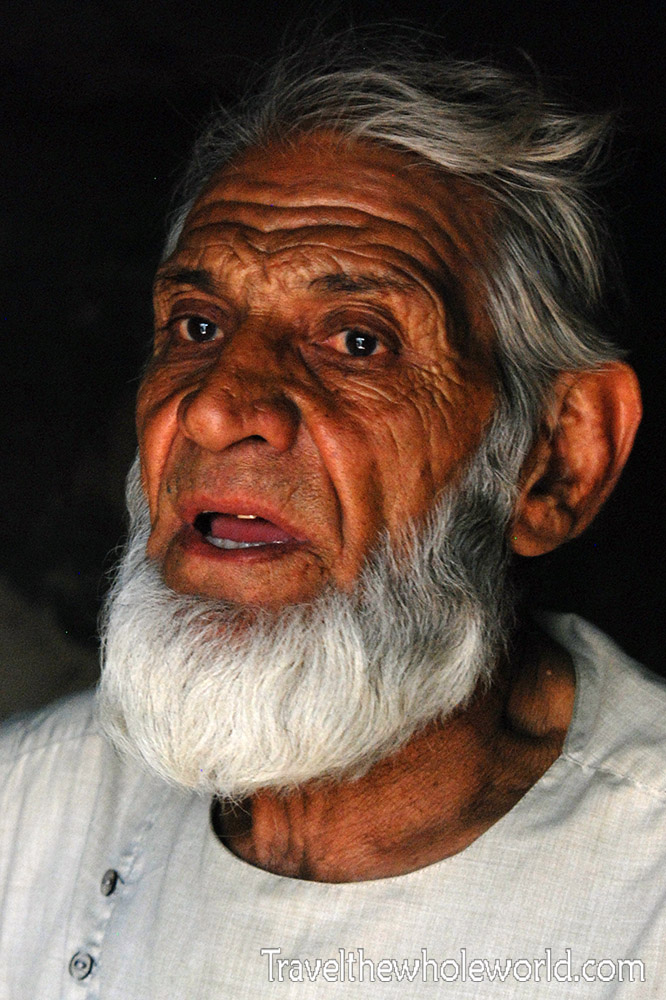
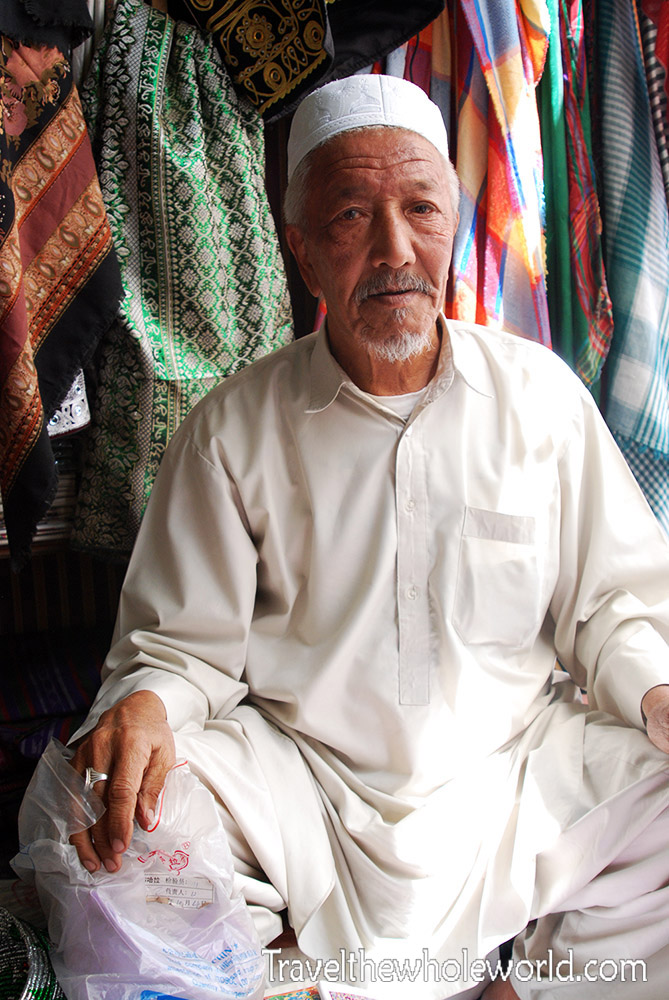
This older man didn’t speak any English, but based on his energy and the way he kept trying to communicate, I could tell he had plenty he wanted to tell me.
I also couldn’t stop thinking that he looked like Gandalf from The Lord of the Rings, especially surrounded by all the strange old objects in the shop.
The Jihad Museum
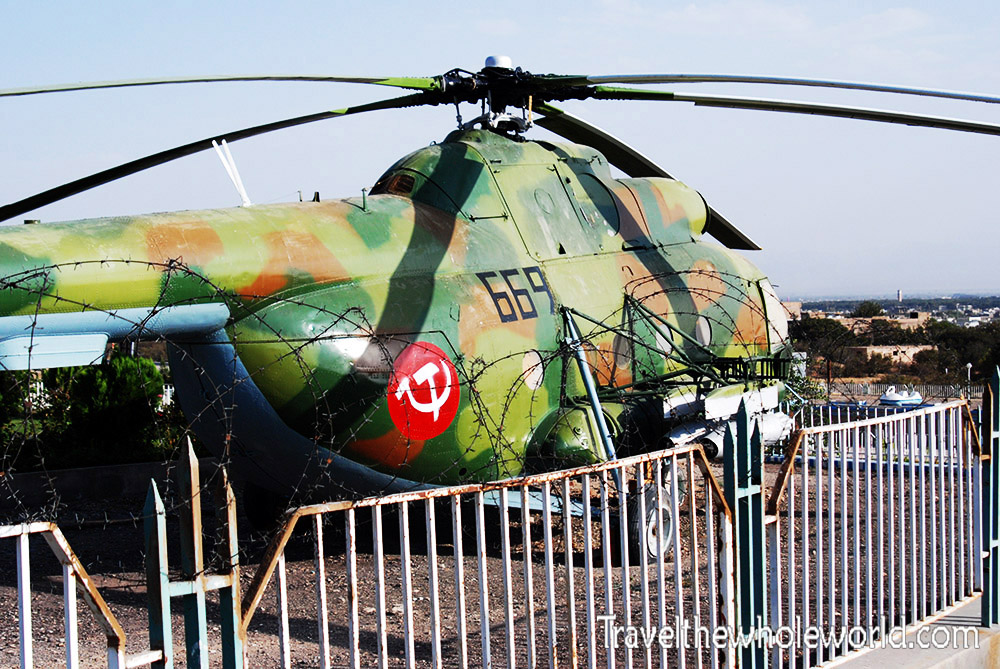
Despite all the ancient sites in Herat, one of the city’s more modern museums focuses on a much more recent period: the Soviet-Afghan War.
The museum displayed real weapons and military equipment from the conflict, along with large sculpted scenes depicting battles between Soviet forces and the mujahideen.
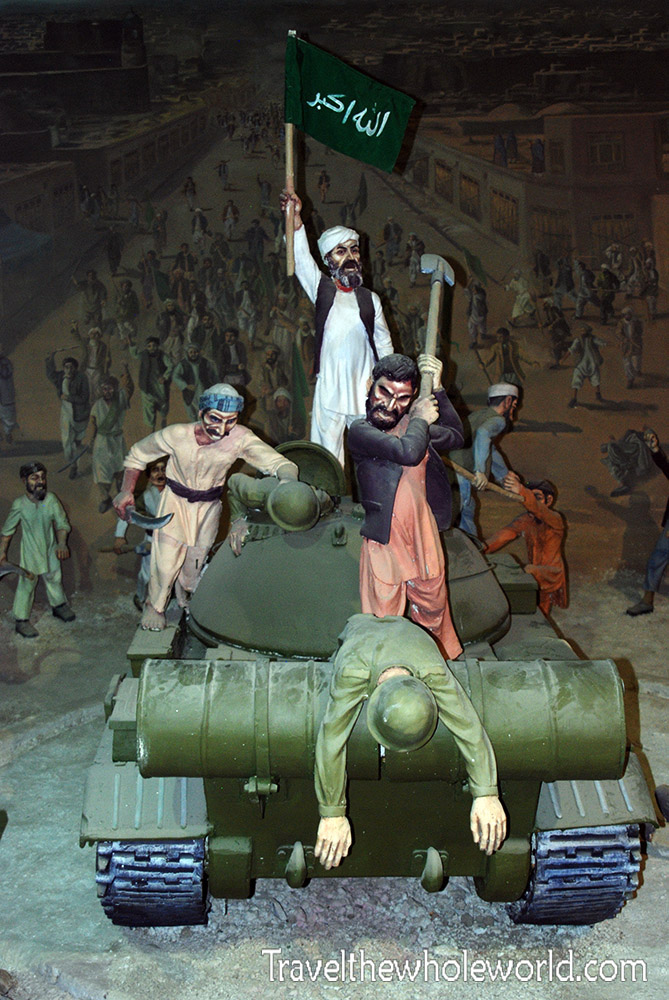
One section used a spiral staircase that brought visitors into the middle of a 360-degree battle scene.
It was clearly intended as more than a neutral military museum. The exhibits reflected a strong sense of pride in defeating the Soviet occupation.
Weapons I Had Only Read About
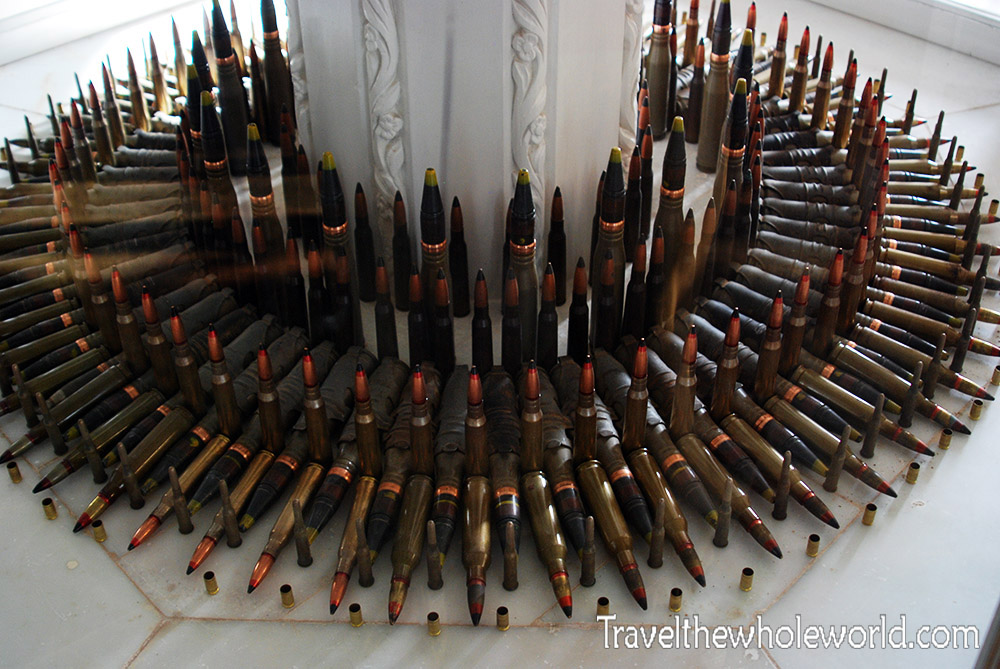
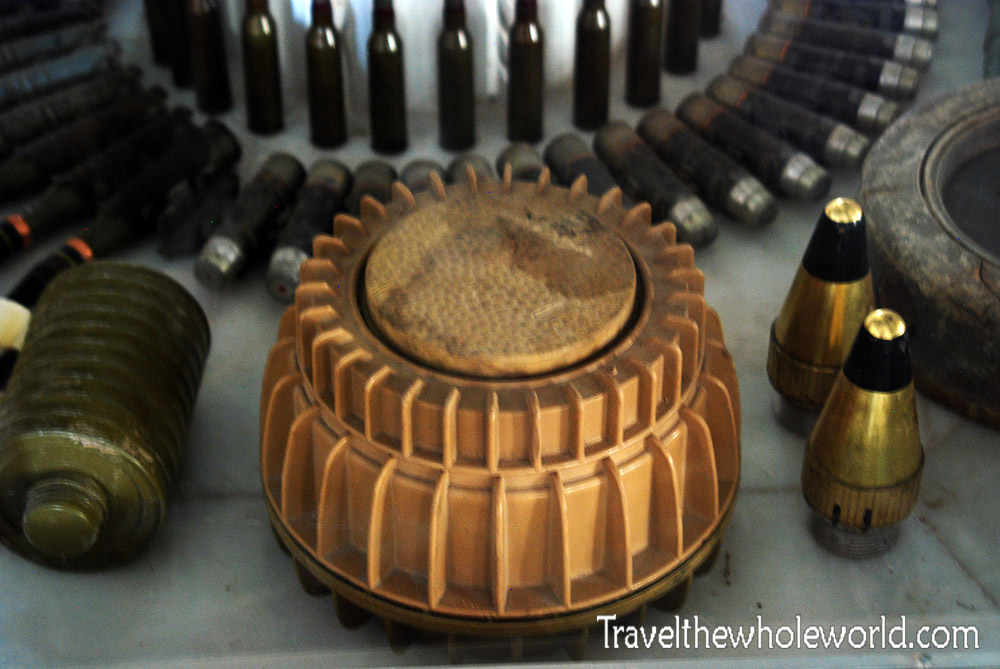
I found the actual weapons especially interesting because they were things I’d spent years hearing about without ever seeing up close.
Land mines were a good example. I’d traveled through areas where signs warned about them, but had never really stood beside one and examined what it looked like.
The curator had fought in the war himself.
I asked him whether they had any Stinger missiles on display.
He said no.
Then he casually added that someone had called and said they would bring one next week.
My Time in Herat
Herat ended up being one of my favorite places in Afghanistan because it constantly challenged what I expected to find.
I arrived imagining an isolated old city and instead found ancient walls beside satellite dishes, modern construction beside Timurid minarets, one of the most beautiful mosques I’d ever seen, an enormous citadel still being excavated, markets filled with antiques, and shopkeepers who practically refused to let me leave without feeding me.
There were also plenty of moments where I wasn’t sure whether the history I was being told was completely accurate, but that became part of the experience too.
Years later, Herat is still one of the places in Afghanistan I remember most clearly.
I definitely didn’t have enough time there.