Afghanistan was one of the most unusual countries I had ever decided to visit. For decades, most of what the outside world had seen of the country was war, political instability, the Taliban, and the aftermath of the 2001 American invasion. By the time I traveled there, Afghanistan had become almost impossible to separate from those images.
But there was obviously much more to the country than war. Afghanistan has thousands of years of history, ancient cities that once stood along some of the world’s most important trade routes, a deeply rooted culture of hospitality, and enormous mountain ranges stretching across much of the country.
I didn’t go to Afghanistan with the military or for business. I went simply as a traveler, wanting to experience a country that very few tourists were visiting and to see what Afghanistan was actually like beyond the images of conflict I had seen for most of my life.
Explore Kabul
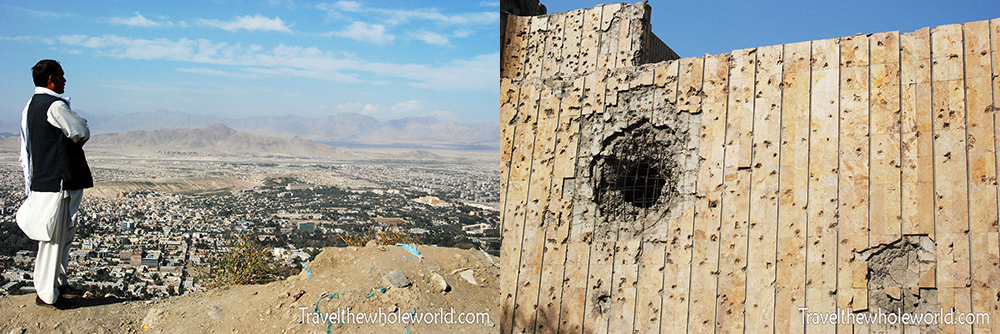
Kabul was my introduction to Afghanistan and a city where the country’s complicated history was impossible to ignore. Decades of conflict had left scars throughout the capital, but underneath them was a city with a much longer history than the wars that had made it famous around the world.
The National Museum was one of the best places I visited for understanding that history. Nearby stood the heavily damaged Darul Aman Palace, an enormous reminder of an earlier period when Afghanistan’s leaders were trying to modernize the country. Between the historic sites, crowded streets, markets, and mountains surrounding the city, Kabul gave me my first real look at the Afghanistan I had come to see.
Explore Herat
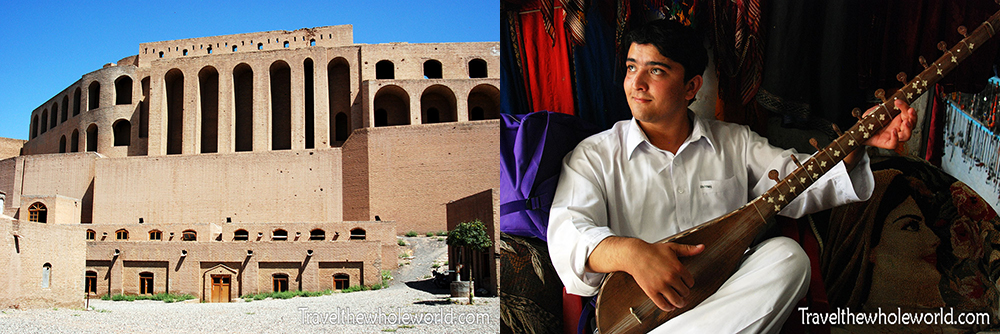
Herat was one of the best places I visited for experiencing Afghanistan’s history and traditional culture. Located near the Iranian border, the city has been an important center of trade, religion, and culture for centuries and felt noticeably different from Kabul.
Among its most impressive landmarks are the enormous Citadel of Herat and the Friday Mosque, along with historic shrines, cemeteries, and monuments scattered throughout the city. Of all the places I visited in Afghanistan, Herat gave me one of the strongest impressions of just how much history existed here long before the country’s modern conflicts.
Explore Mazar-i-Sharif
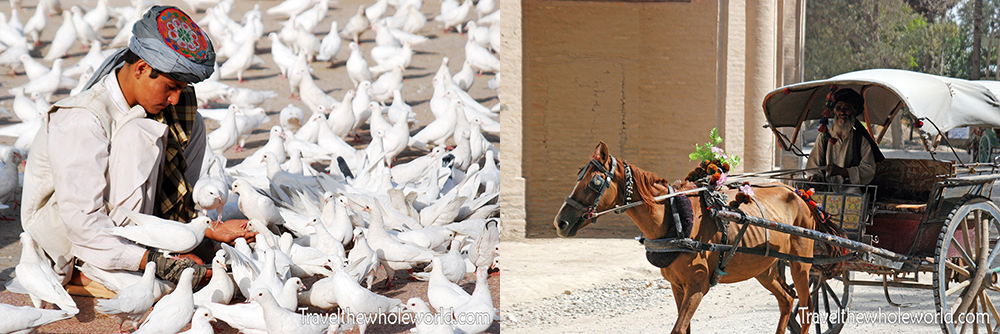
Mazar-i-Sharif brought me to northern Afghanistan and one of the most beautiful religious sites I saw anywhere in the country. At the center of the city is the brilliant blue Shrine of Hazrat Ali, commonly known as the Blue Mosque, surrounded by gardens and thousands of white pigeons.
Nearby is the ancient city of Balkh, once one of the great cities of Central Asia. Its history stretches back thousands of years, and ruins from different periods remain scattered around the area. Visiting Mazar-i-Sharif and Balkh together showed two very different sides of northern Afghanistan: one still alive and crowded with people, and another surviving mostly through the remains of its past.
Explore Istalif
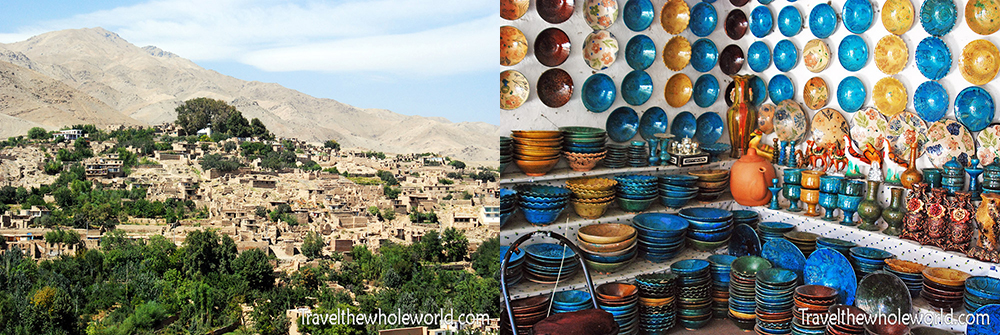
Istalif offered something completely different from Afghanistan’s larger cities. Located in a green valley north of Kabul, the small village was an easy escape from the capital and one of the more peaceful places I visited during the trip.
The village is especially known for its traditional pottery, with small workshops and stores lining its streets. Between the pottery, mountain scenery, and friendly atmosphere, Istalif gave me a glimpse of ordinary rural Afghanistan that was almost completely absent from the image of the country I had known before traveling there.