One of the places I was most interested in visiting during my trip through Iraq was the southern marshes around Chibayish. This part of the country is completely different from Baghdad or the mountains of Kurdistan, and instead is made up of huge wetlands surrounding the Tigris and Euphrates river system. The people who have traditionally lived here are commonly known as the Marsh Arabs, and have adapted their entire way of life around the water, reeds, and animals that live within this unusual ecosystem.
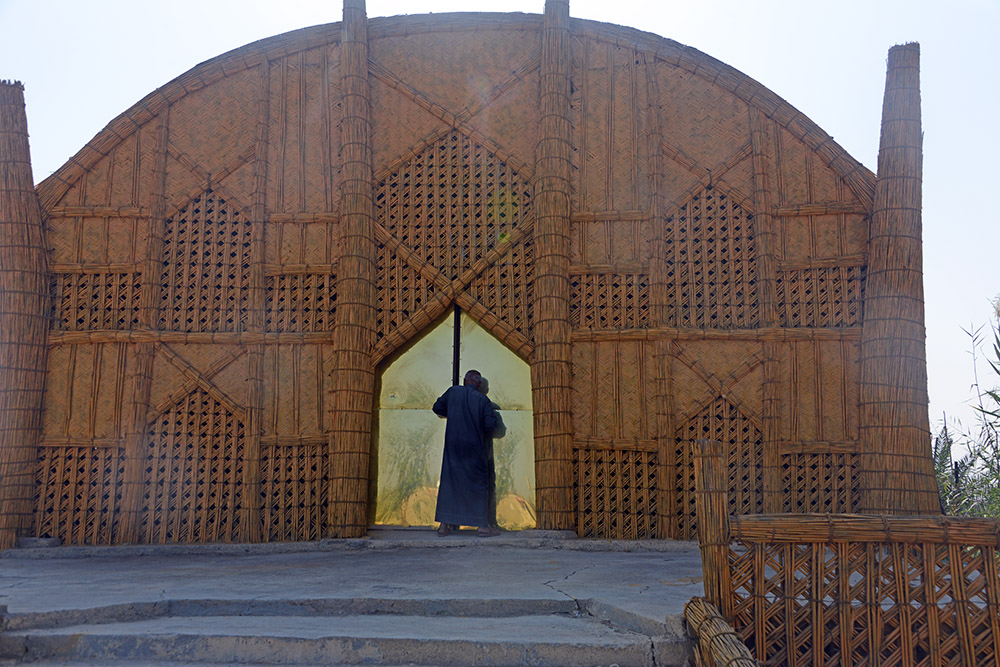
I started in Chibayish, one of the main towns along the marshes. There is a small museum here that explains some of the history and traditions of the local people. For someone like me who knew very little about the Marsh Arabs before coming to Iraq, it was a good introduction before actually heading out onto the water.
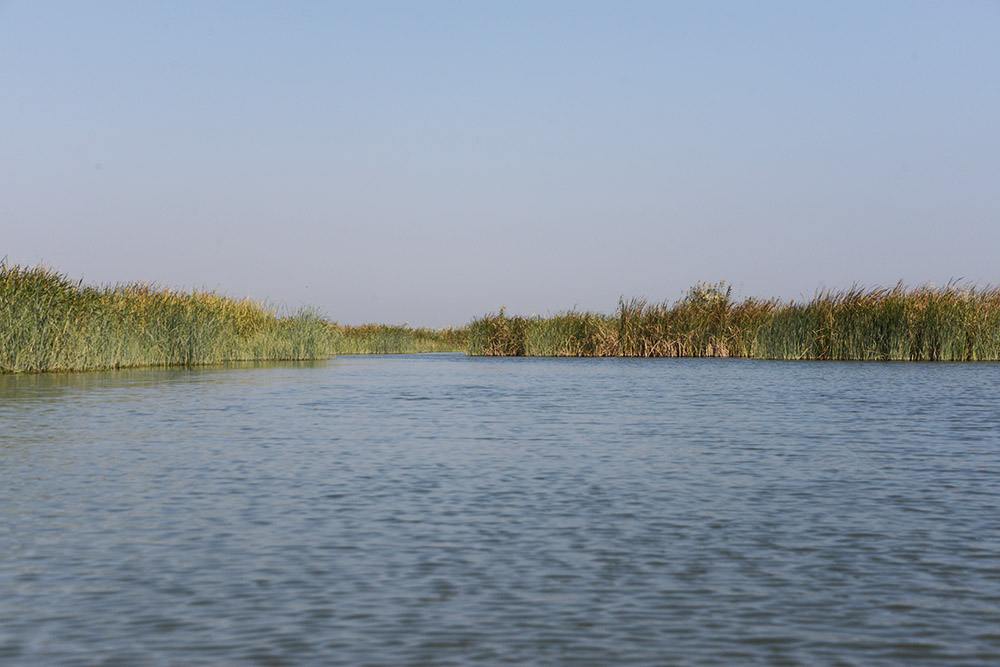
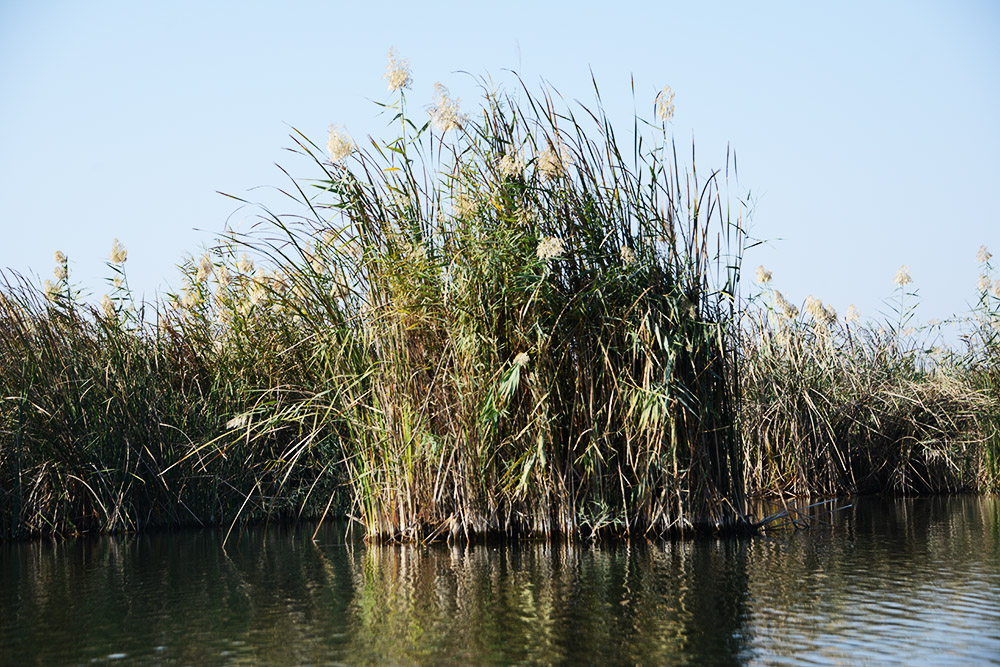
Once I got out into the marshes, it was easy to forget I was still in Iraq. The landscape became a maze of open water, channels, islands, and enormous walls of reeds. After spending so much of the trip surrounded by deserts, cities, and dry mountains, seeing this much water and vegetation was almost surreal.
The marshes have supported people for thousands of years, and some have even connected this region with the ancient landscapes described in early Mesopotamian history. Whatever its exact connection to the distant past, traveling through these waterways certainly felt like entering an environment that had existed long before the modern cities surrounding it.
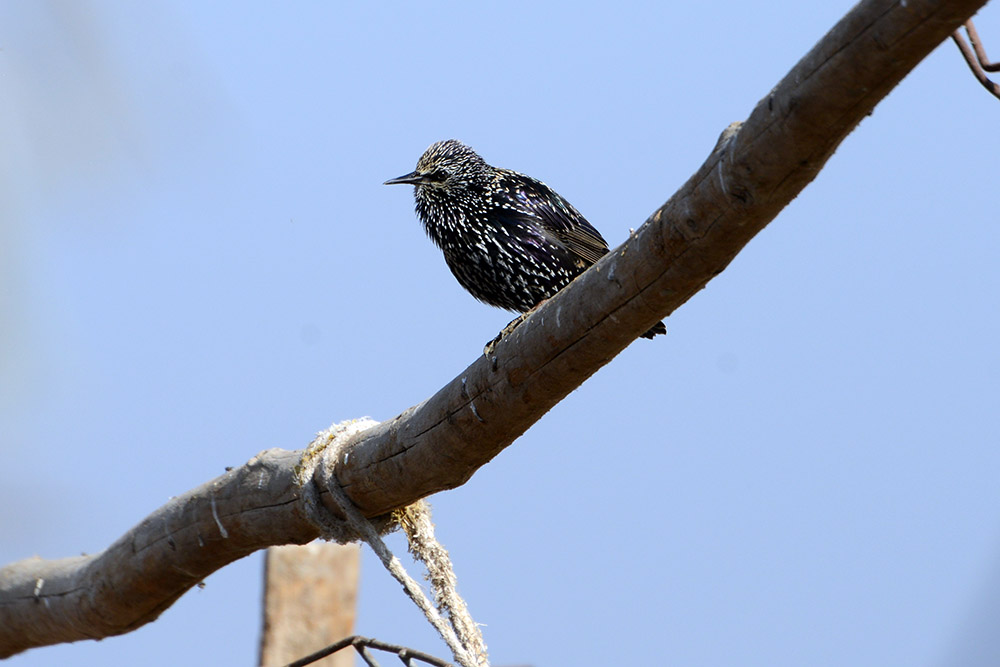
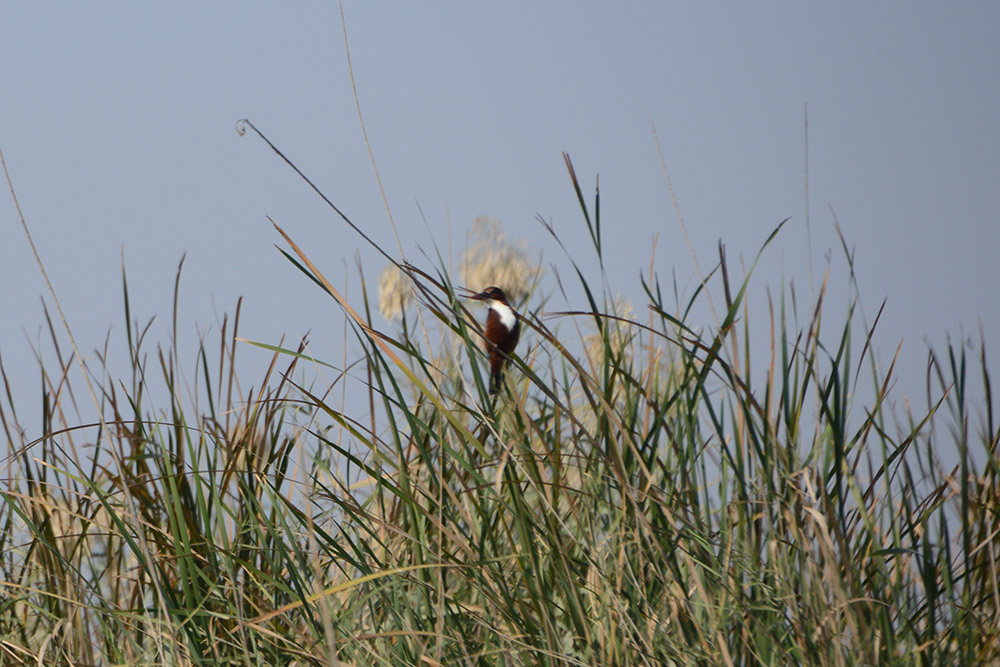
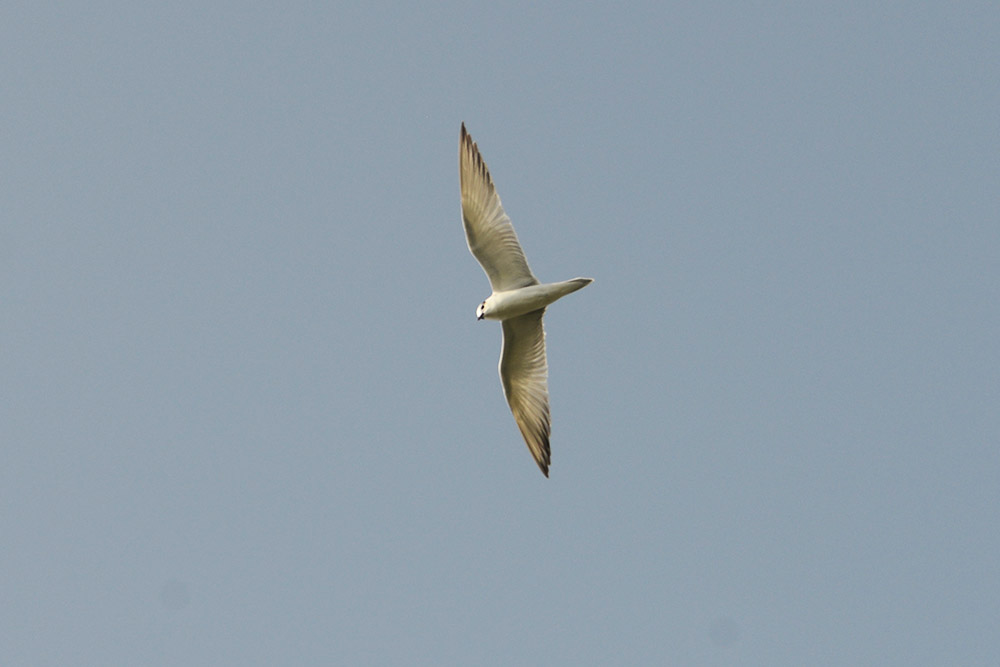
As someone who loves wildlife, I was especially interested in the number of birds living here. The marshes are an important habitat for both resident and migratory species, and while traveling by boat I constantly saw birds flying between the reeds or feeding along the water. Some were too far away for good photos, but every turn seemed to reveal something new.
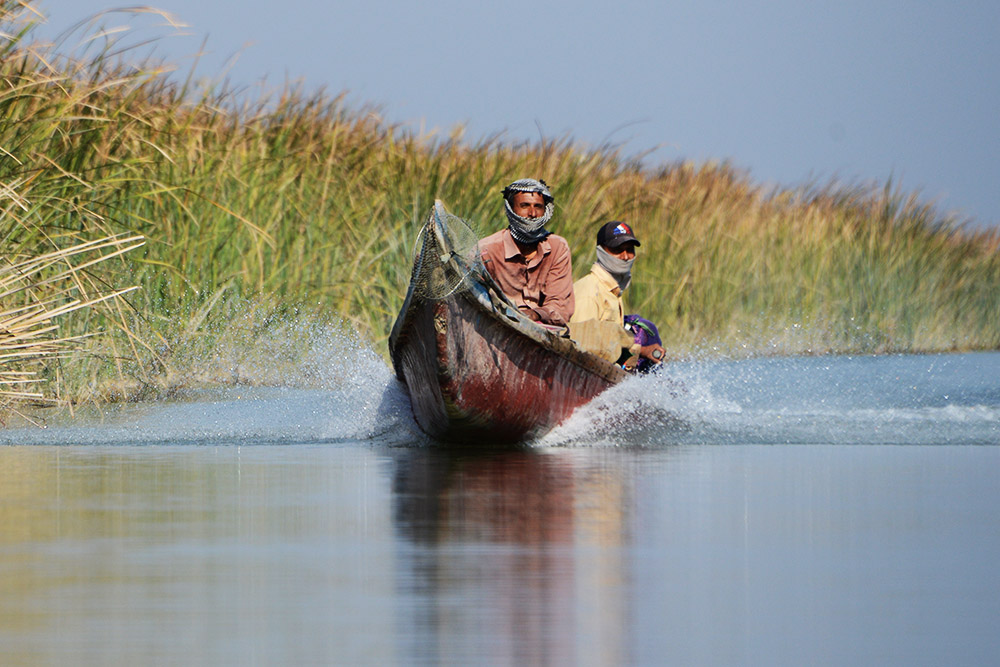
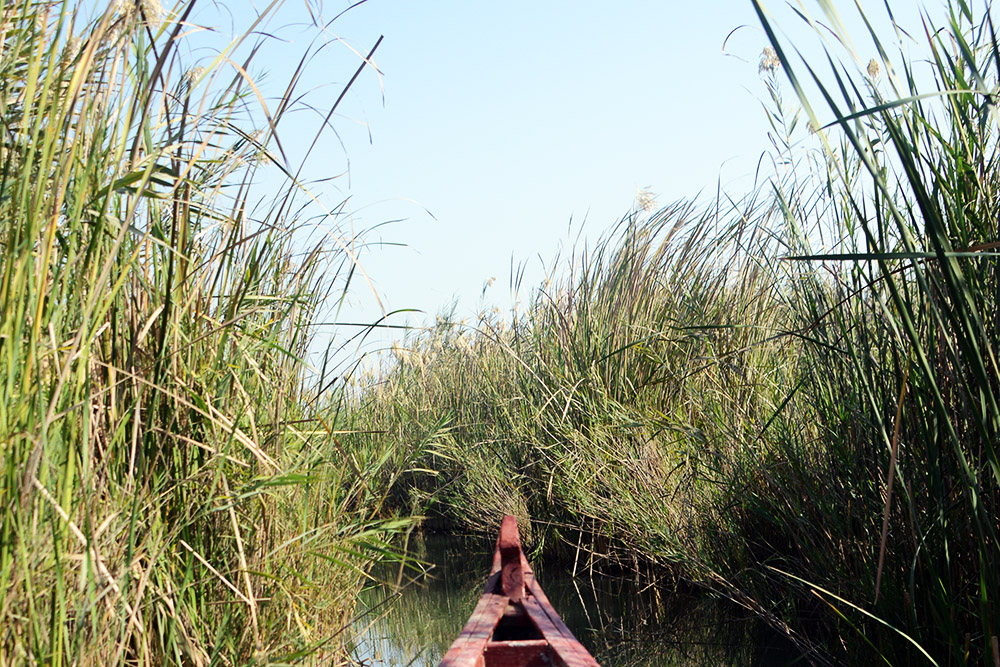
Boats are obviously one of the most important ways to travel through the marshes. Some of the channels are too narrow or shallow for anything large, so long narrow boats are perfect for moving between homes, villages, and open sections of water. Once we left Chibayish behind, boats became the equivalent of roads.
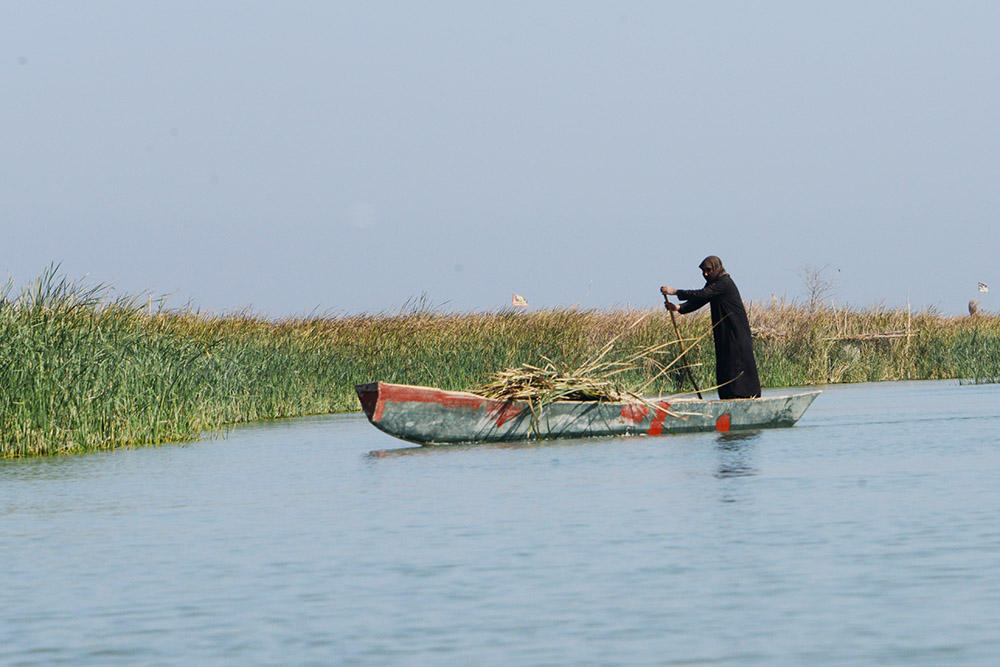
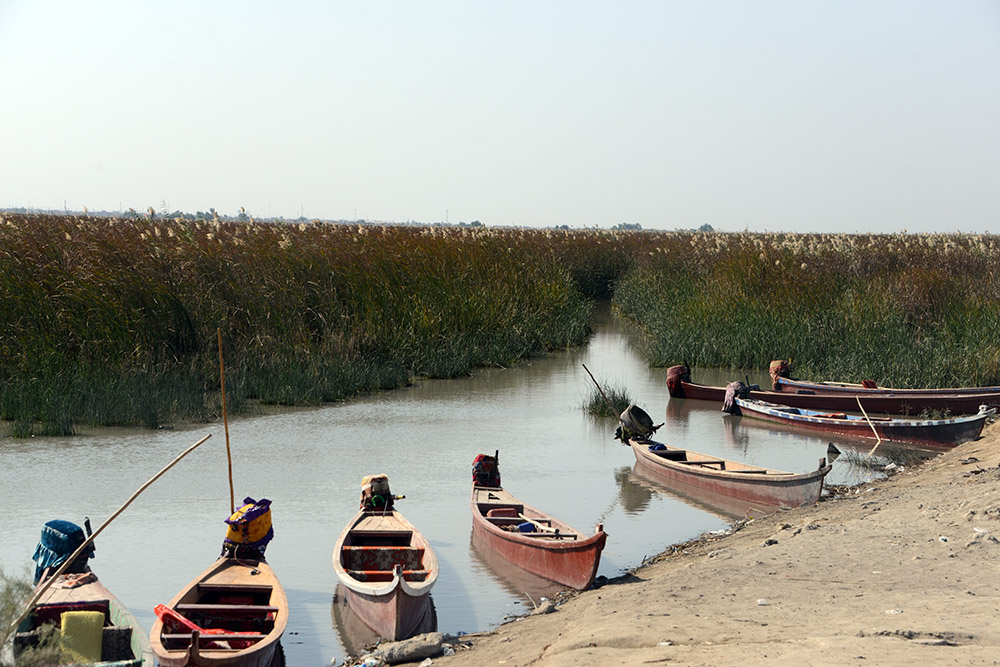
Traveling this way was one of my favorite parts of the visit. Instead of driving from one attraction to another, we simply followed waterways through the reeds. Other boats occasionally passed us carrying people or supplies, giving the marshes the feeling of a huge floating neighborhood rather than an empty wilderness.
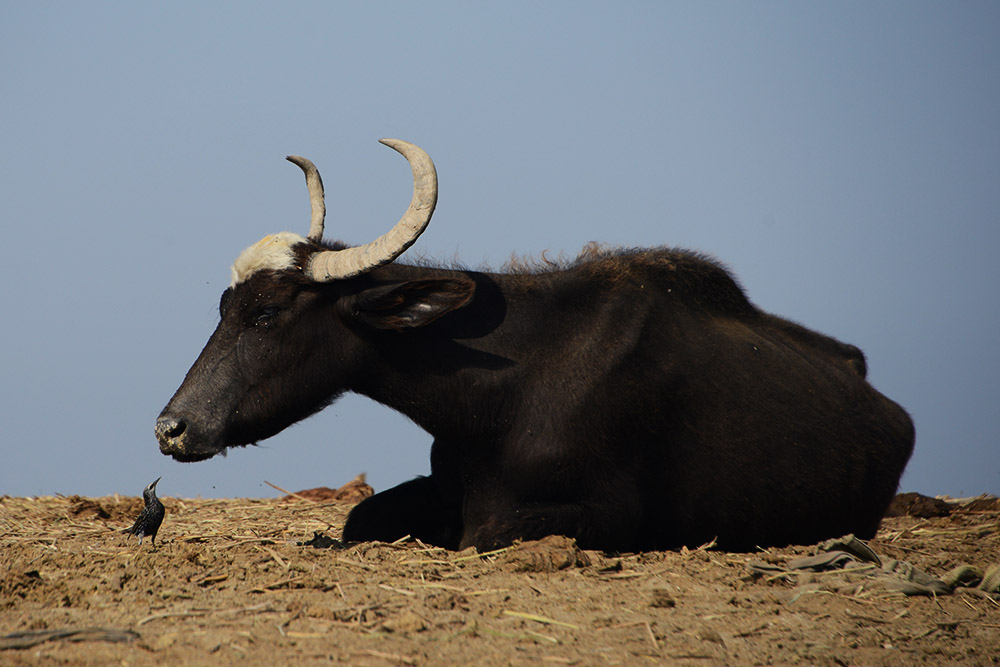
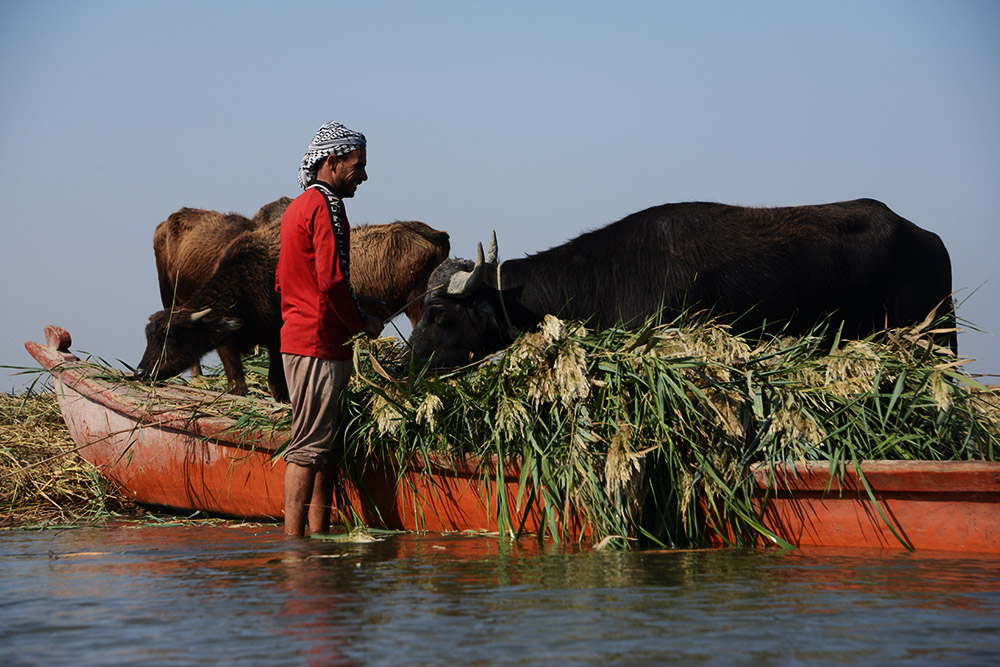
One animal that is impossible to separate from life in the marshes is the water buffalo. Families have raised them here for generations, and they provide milk that can be used for dairy products while also being perfectly adapted to spending much of their day around water.
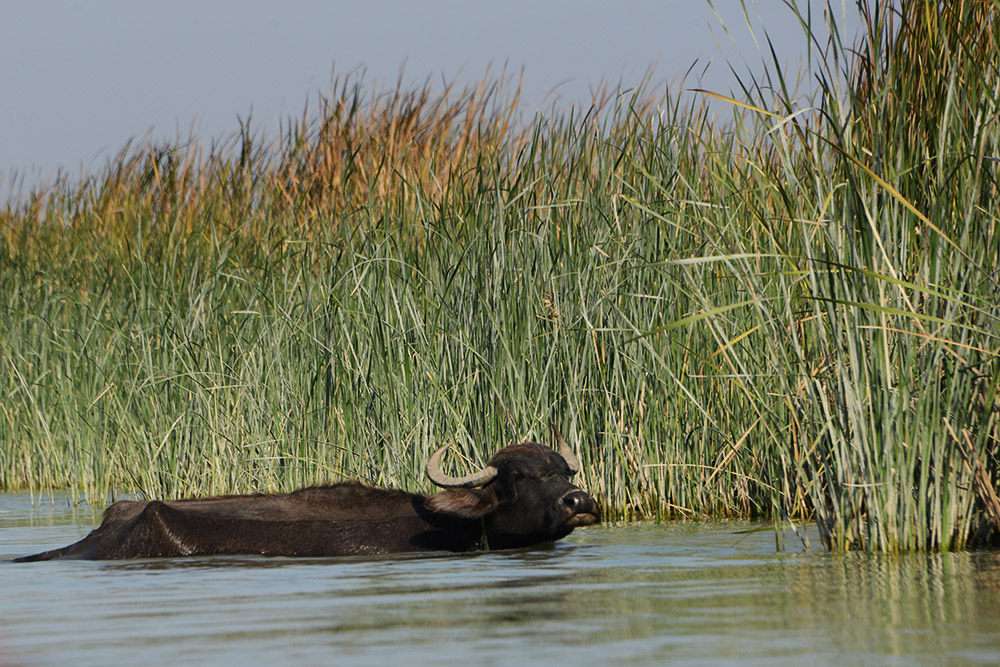
I had seen water buffalo before in other countries, but watching them casually swimming through the Iraqi marshes was something else. They looked completely at home moving through water that would have been an obstacle to almost any other livestock.
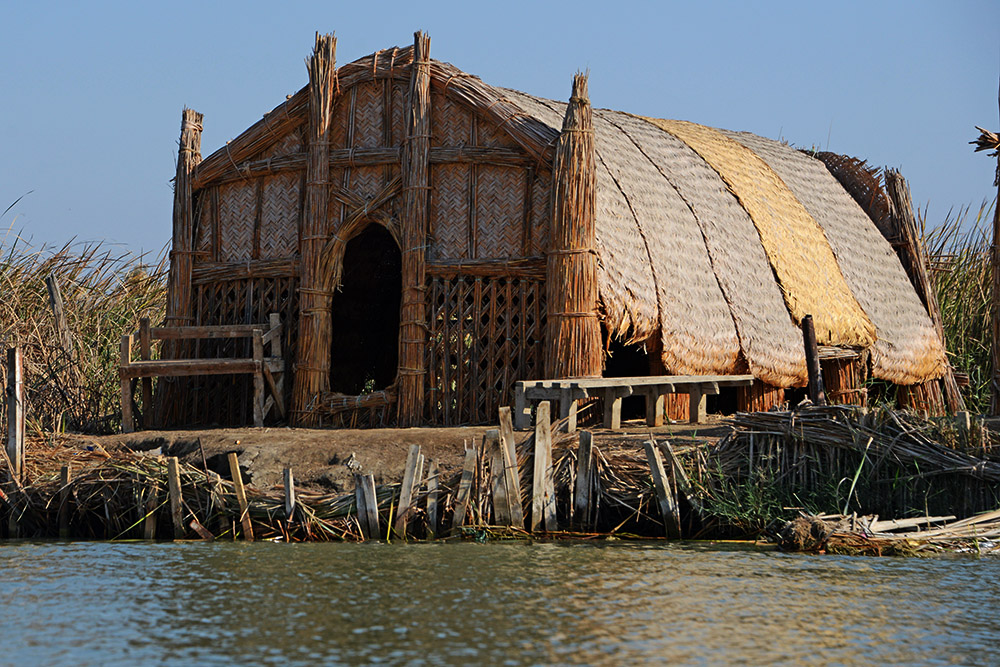
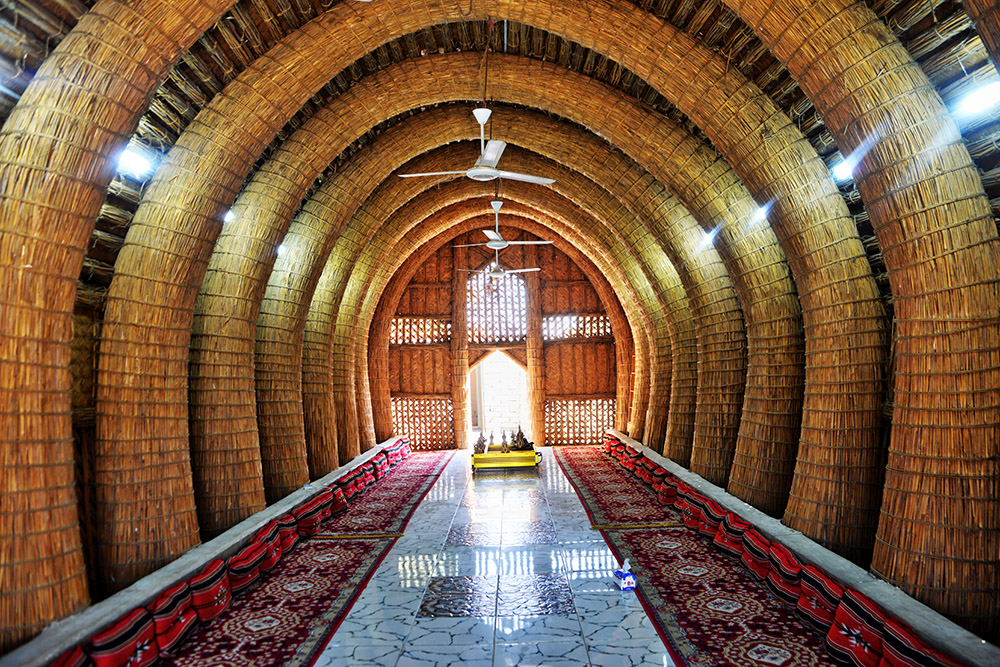
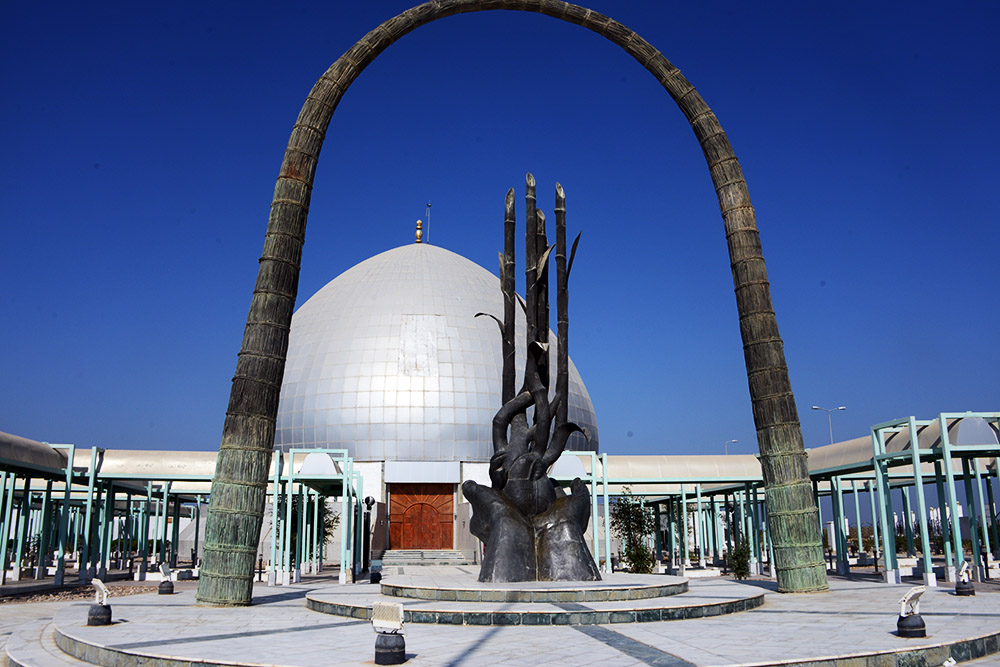
The most distinctive architecture in the marshes is built almost entirely from reeds. Bundles are tied together and bent into enormous arches, creating structures without needing the wood or stone that would be common almost anywhere else. Considering reeds are one of the most abundant materials in the wetlands, it makes perfect sense that people learned to turn them into everything from walls and roofs to mats and furniture.
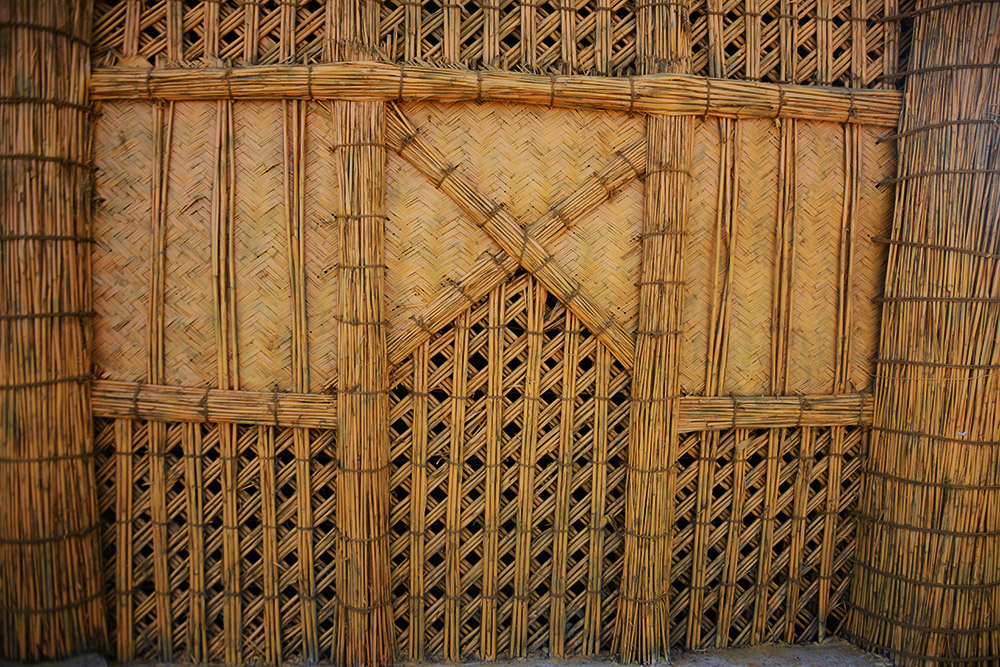
Up close, the construction was much more elaborate than I expected. The reeds are arranged into repeating patterns that are both structural and decorative. I’ve traveled through plenty of places where traditional homes were built from whatever materials happened to be available locally, but this was one of the most distinctive examples I’d ever seen.
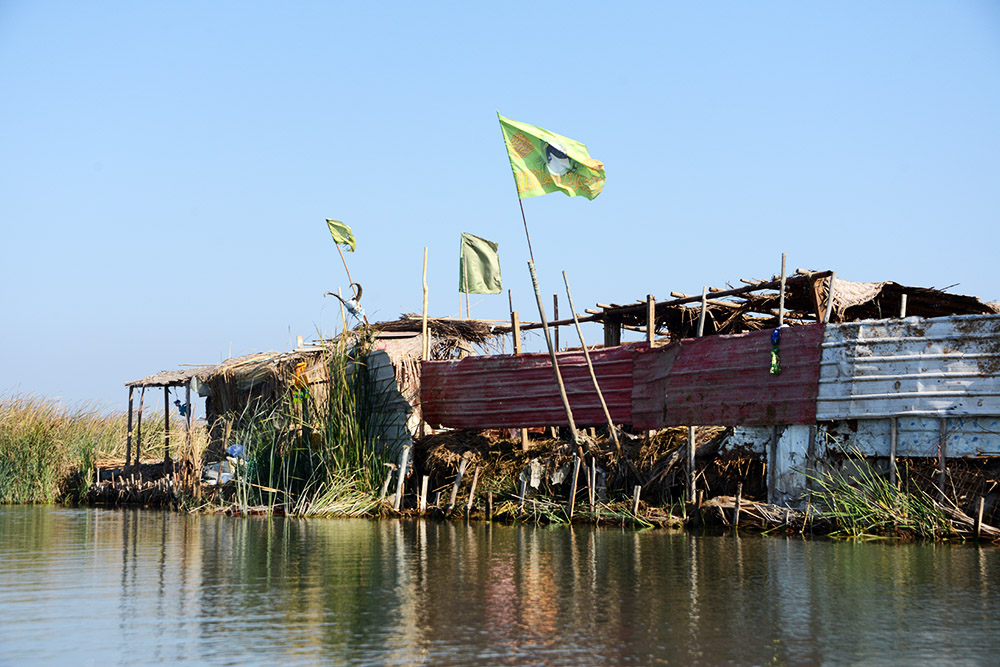
Even larger structures throughout the region reflected the same basic principle of adapting to the local environment. After spending some time here, I started noticing just how much of the traditional culture was connected directly with the marsh itself.
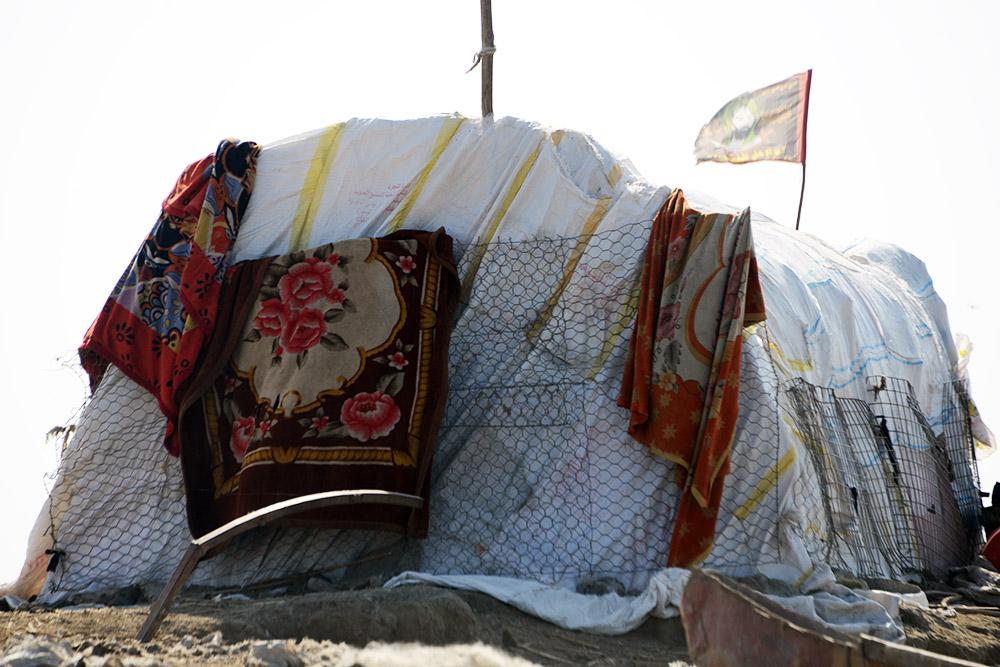
Some families still live in homes surrounded almost completely by water and reeds. Life here obviously isn’t isolated from modern Iraq, but the physical environment still shapes everyday activities in ways that are completely different from living in Baghdad or another large city.
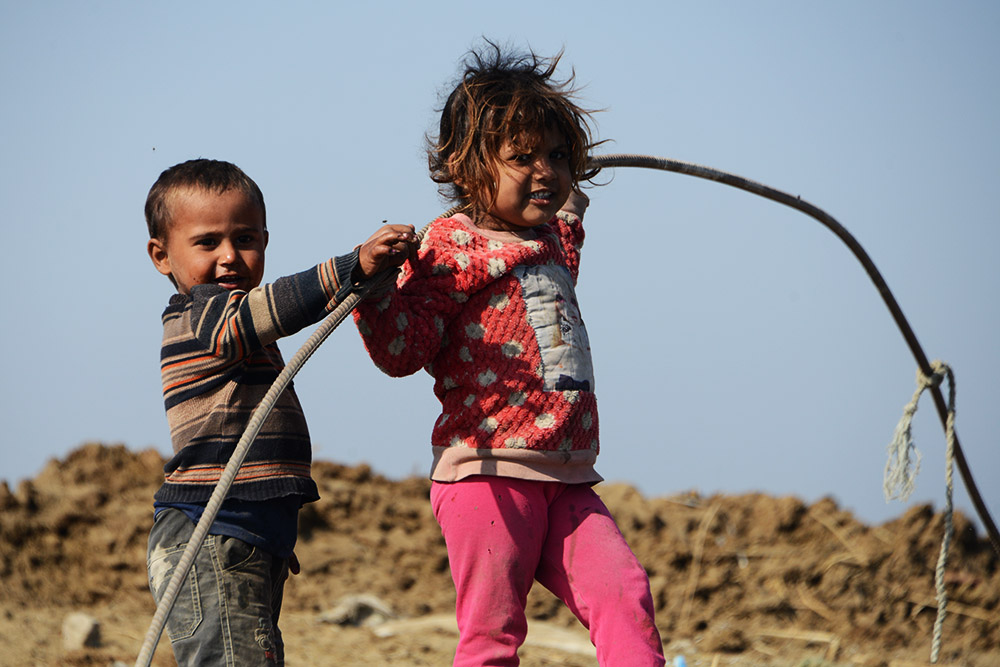
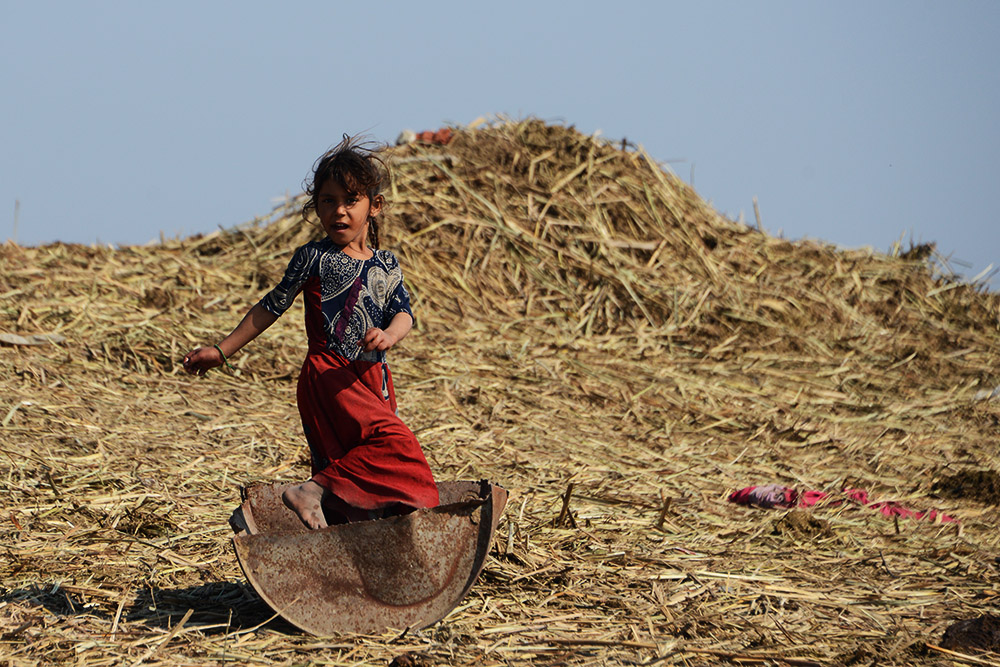
Of course, something I seem to find in every country is that kids are kids regardless of culture, religion, or geography. The children I came across were curious about us and seemed just as interested in the strange foreigners with cameras as I was in photographing life around the marshes.
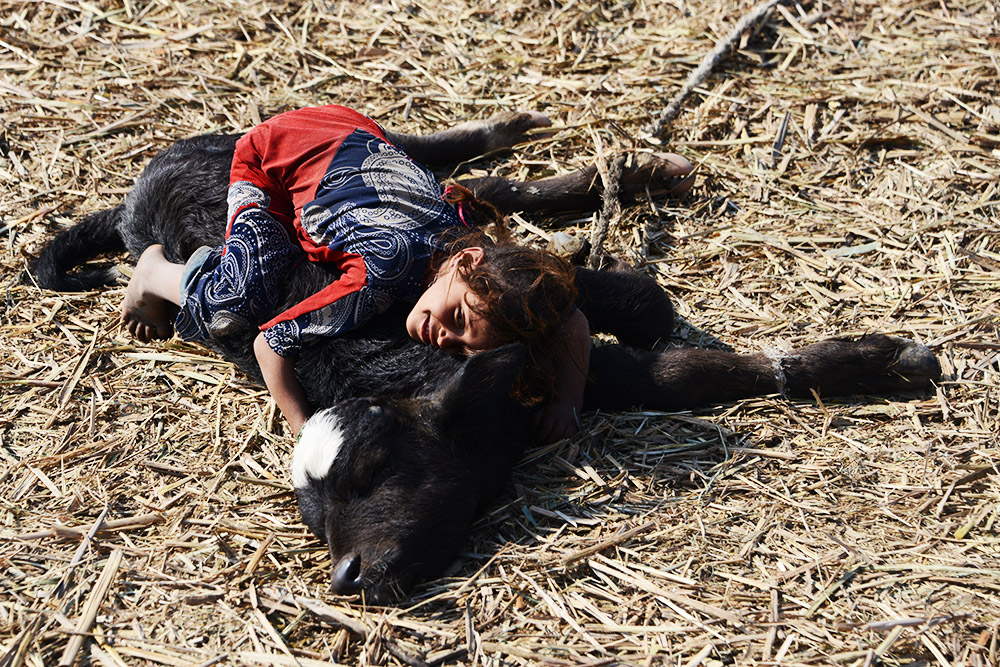
For them, boats, reeds, buffalo, and the wetlands weren’t some exotic destination but simply home. Seeing children growing up in such a different environment was another reminder of just how geographically and culturally diverse Iraq really is.
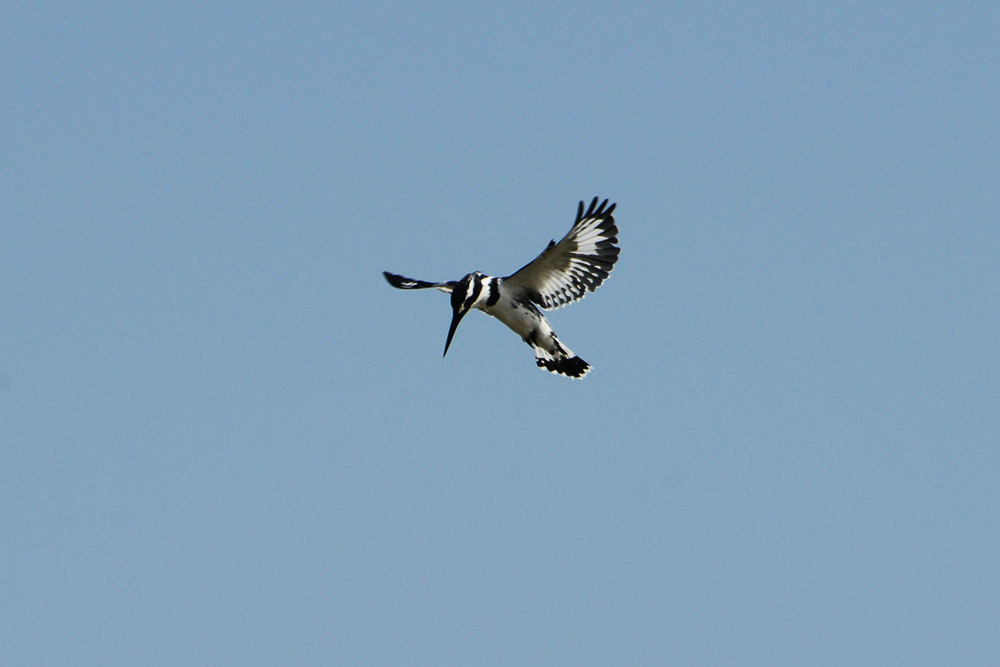
One of my favorite wildlife moments was watching a kingfisher hunting above the water. These birds would sit near the marsh, watch for movement below, and then suddenly dive toward the surface after fish. I probably spent more time trying to photograph birds here than almost anything else.
The people of the marshes have gone through an incredible amount of change within only a few generations. During the rule of Saddam Hussein, huge sections of the wetlands were deliberately drained, destroying much of the ecosystem and forcing many Marsh Arabs away from their traditional homes. After 2003, water was allowed to return to large sections of the marshes and the ecosystem began recovering.
The history makes the survival of this culture even more impressive. The marshes I traveled through today are only part of the enormous wetlands that once existed, and their future still depends heavily on how much water reaches southern Iraq. Even so, seeing reeds growing again, buffalo swimming through the water, boats traveling between homes, and wildlife returning made the region feel very much alive.
I came to Chibayish expecting an interesting cultural side trip, but the Mesopotamian Marshes ended up being one of the most unique places I visited anywhere in Iraq. Between the wildlife, traditional reed architecture, water buffalo, and a culture built around life on the water, this was another part of the country that looked nothing like the Iraq I had imagined before my trip.