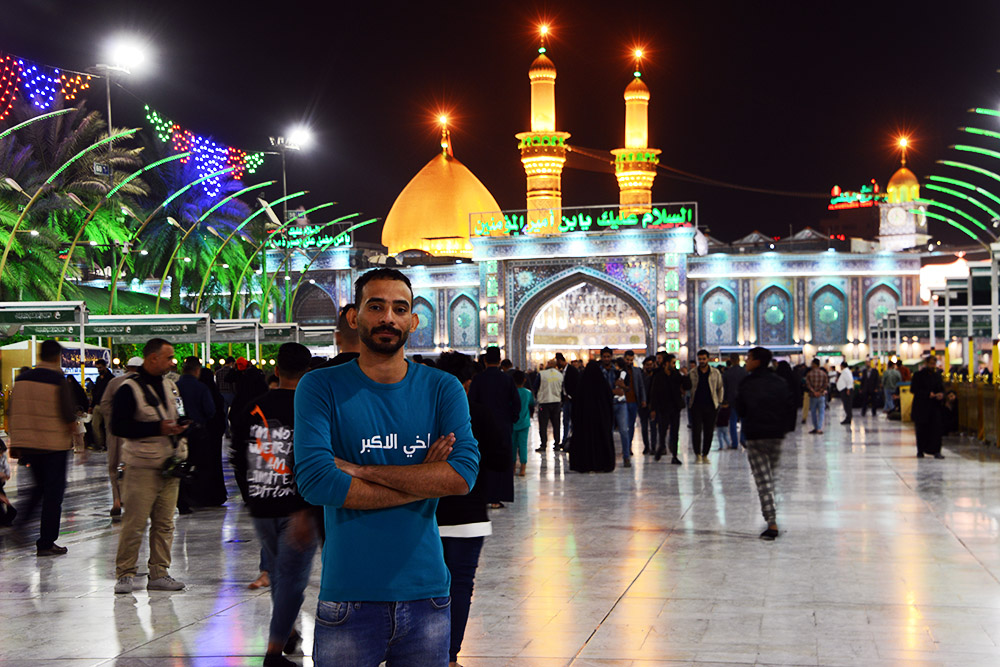
Karbala is one of the holiest cities in Shia Islam and was one of the places I was most interested in seeing during my trip through Iraq. The city is centered around the shrine of Husayn ibn Ali, the grandson of the Prophet Muhammad, who was killed here during the Battle of Karbala in 680. His death became one of the defining events in Shia history, and more than 1,300 years later millions of pilgrims still come to Karbala to visit his shrine. :contentReference[oaicite:0]{index=0}
I had visited plenty of important religious sites throughout the Middle East, but Karbala felt different because the entire city seemed built around pilgrimage. The golden domes and minarets dominate the center, while the surrounding streets are filled with hotels, restaurants, religious shops, and people arriving from throughout Iraq and other parts of the world.
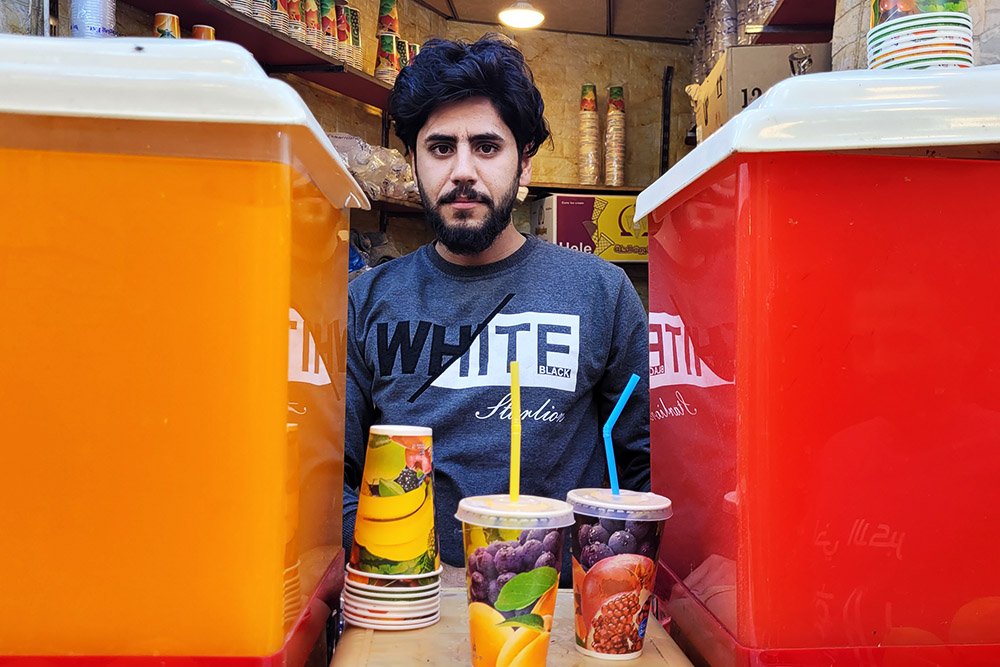
Outside the shrine area, Karbala was also simply a busy Iraqi city. Vendors sold drinks and food throughout the crowded streets, and after spending hours walking around I was more than happy to stop for some fresh juice. Iraqis seemed to have no shortage of ways to turn fruit into ridiculously sweet drinks, which was something I definitely wasn’t going to complain about.
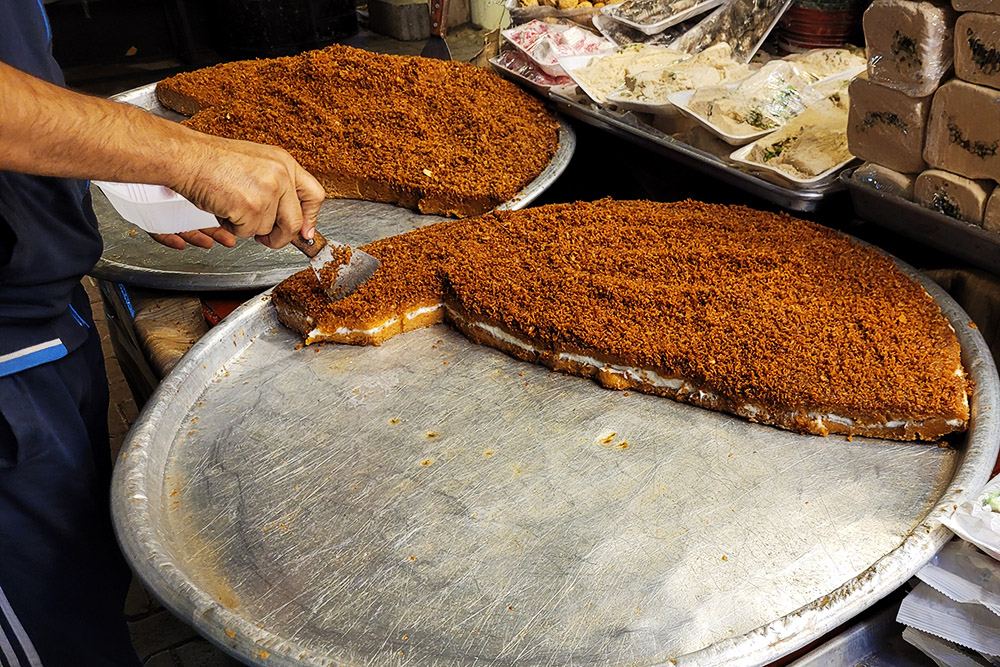
The same could be said for the sweets. Shops were filled with trays of pastries, nuts, dates, and desserts soaked in syrup. I’m not sure I ever successfully identified everything I ate while traveling through Iraq, but that certainly never stopped me from trying it.
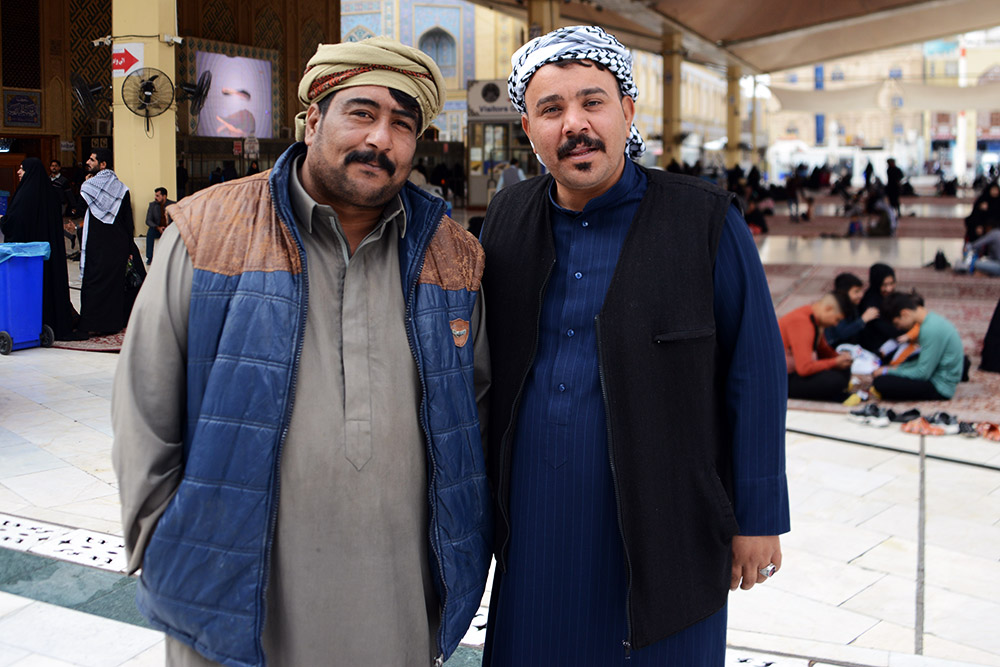
My journey through this part of Iraq also took me east toward Najaf and Kufa, two other cities with enormous importance in Islamic history. Like almost everywhere else I traveled in Iraq, meeting locals became one of the best parts of the experience. People regularly approached me out of curiosity, and the fact that I was an American traveling through southern Iraq seemed to generate plenty of conversations.
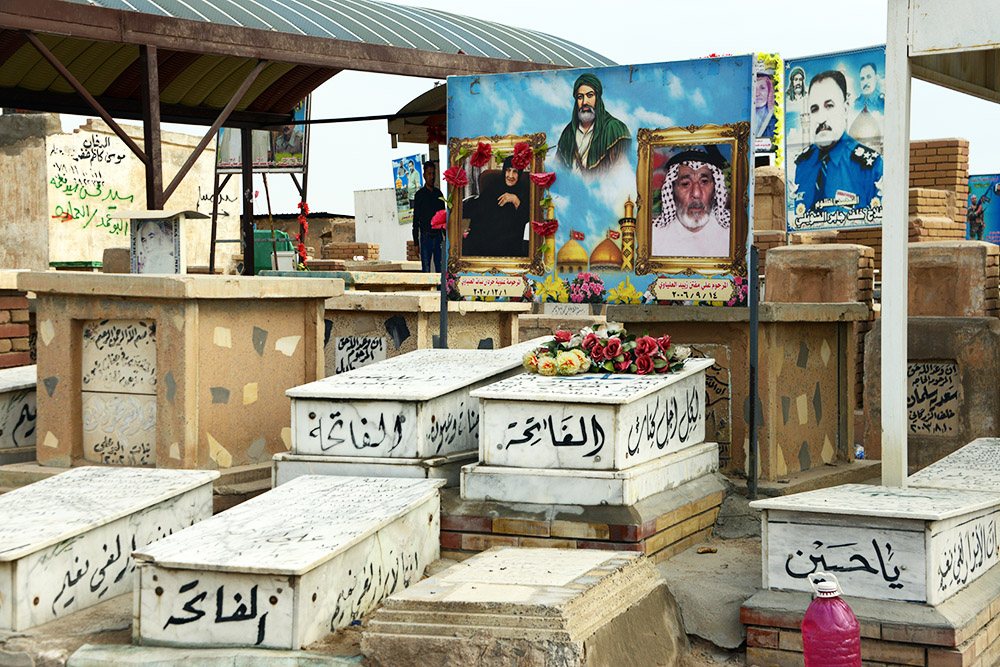
Near Najaf is Wadi al-Salam, the Valley of Peace, one of the largest cemeteries in the world. Millions of Muslims have been buried here over many centuries, and the cemetery stretches so far across the landscape that it almost feels like a city of its own. Its importance is closely connected with Najaf and the nearby shrine of Imam Ali, which has made burial here especially meaningful for generations of Shia Muslims. :contentReference[oaicite:1]{index=1}
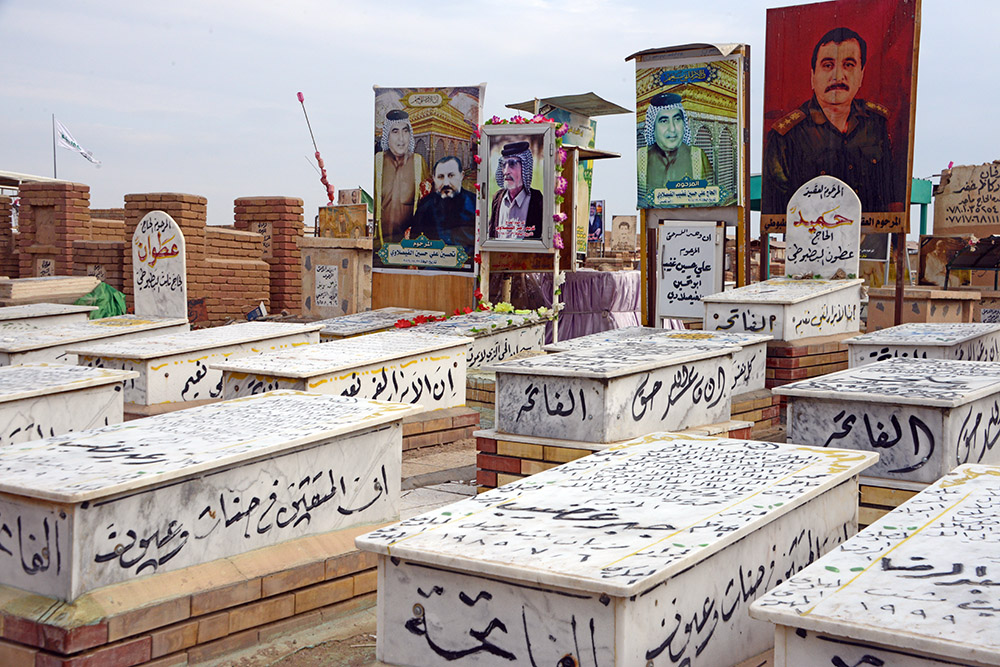
The cemetery wasn’t what I expected at all. Instead of endless rows of simple headstones, many graves are built into small brick and stone structures, with narrow paths winding between them. Some family burial areas almost resemble tiny buildings, while underground crypts can contain numerous burials.
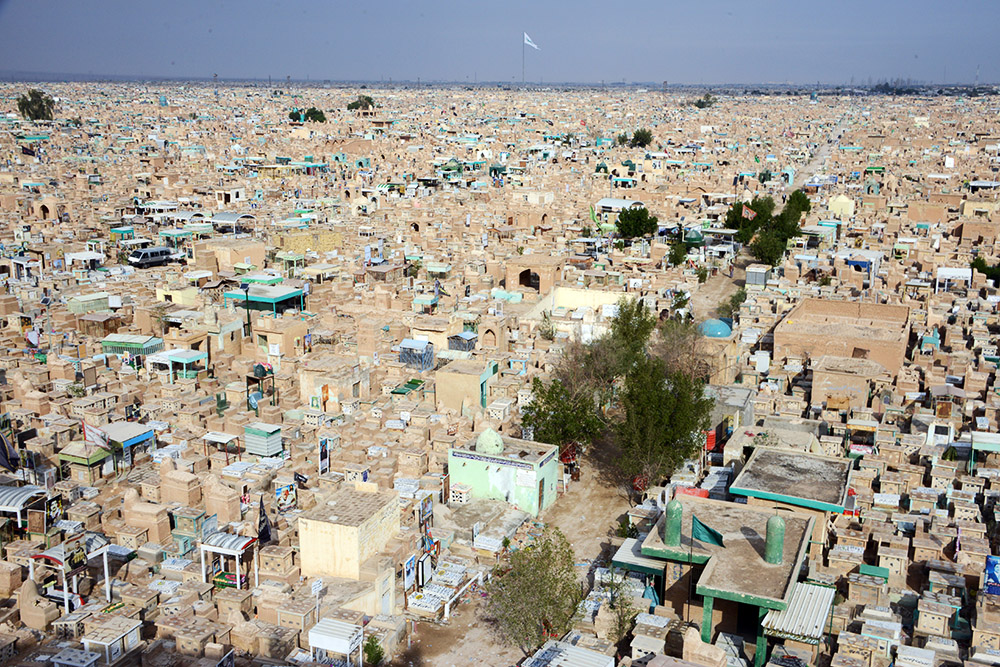
Once I reached a higher viewpoint, the scale became much easier to understand. Graves stretched toward the horizon in almost every direction. I’ve visited some large cemeteries around the world, but I had never seen anything comparable to this.
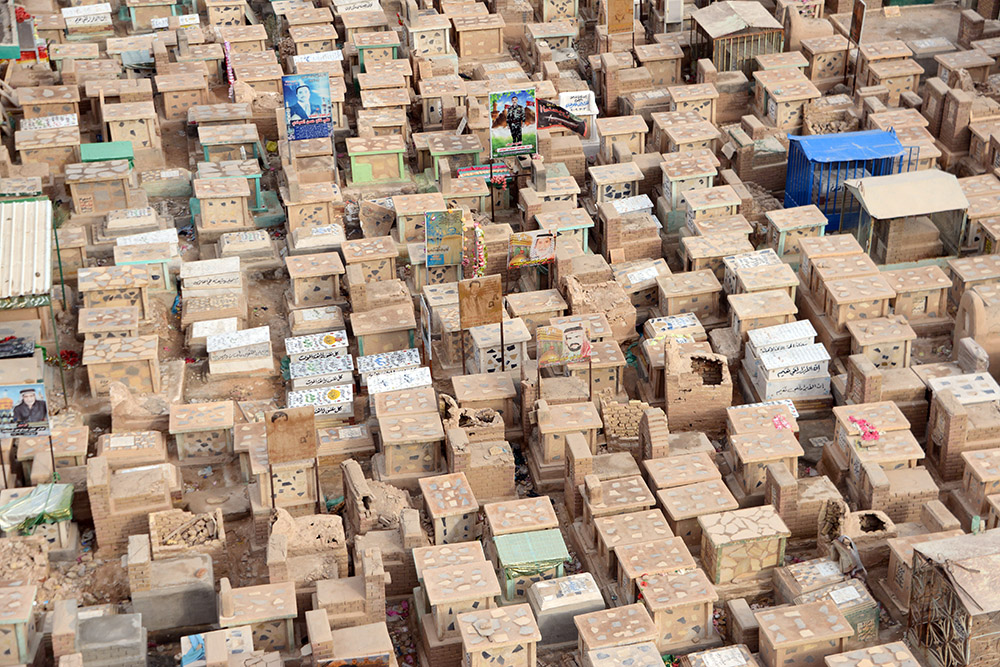
The cemetery has been used for well over a thousand years and burials continue today. Standing above it and realizing that generations upon generations of people were buried beneath this landscape made Wadi al-Salam one of the more unusual historical places I visited in Iraq.
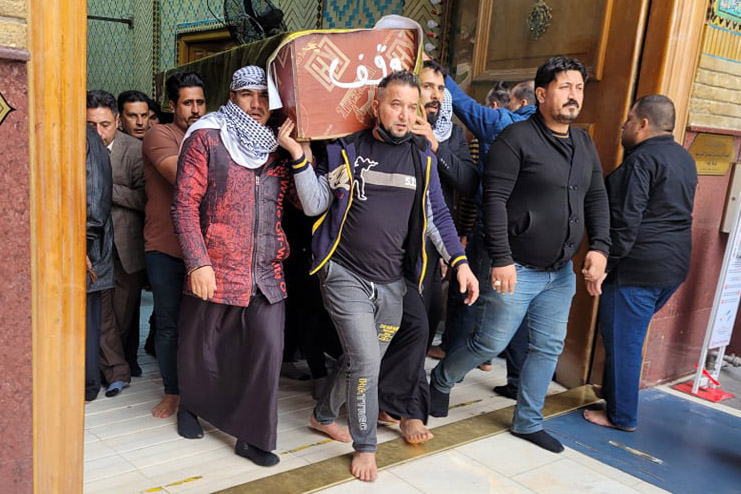
Funeral processions are still a normal sight around the holy cities of southern Iraq. Families from around the country bring relatives to be buried near the sacred sites, continuing traditions that have existed for centuries. Seeing an active funeral taking place made it clear that places like Wadi al-Salam aren’t simply historic attractions but remain deeply connected with everyday religious life.
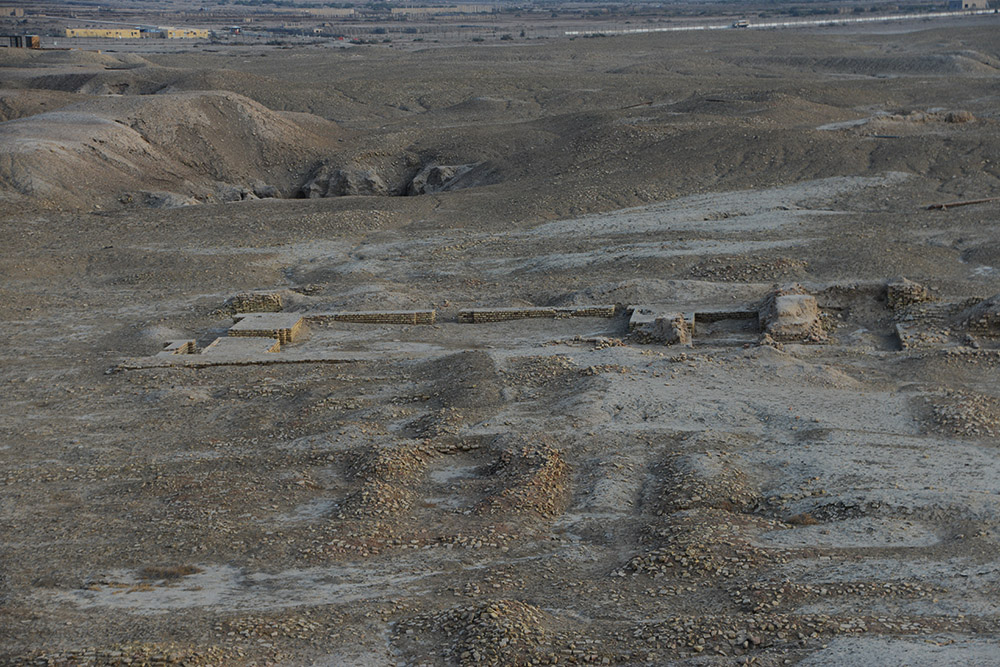
From the holy cities I continued much farther south toward something completely different: the ancient city of Ur. Iraq is filled with places that make even medieval history seem recent, and Ur is one of the best examples. Thousands of years before Karbala, Baghdad, or modern Iraq existed, a large Sumerian city was already thriving here in ancient Mesopotamia.
Archaeological excavations have uncovered temples, houses, streets, tombs, and countless objects that reveal just how developed these early cities had become. Southern Mesopotamia was one of the places where large urban societies, monumental architecture, and some of the earliest writing systems emerged. :contentReference[oaicite:2]{index=2}
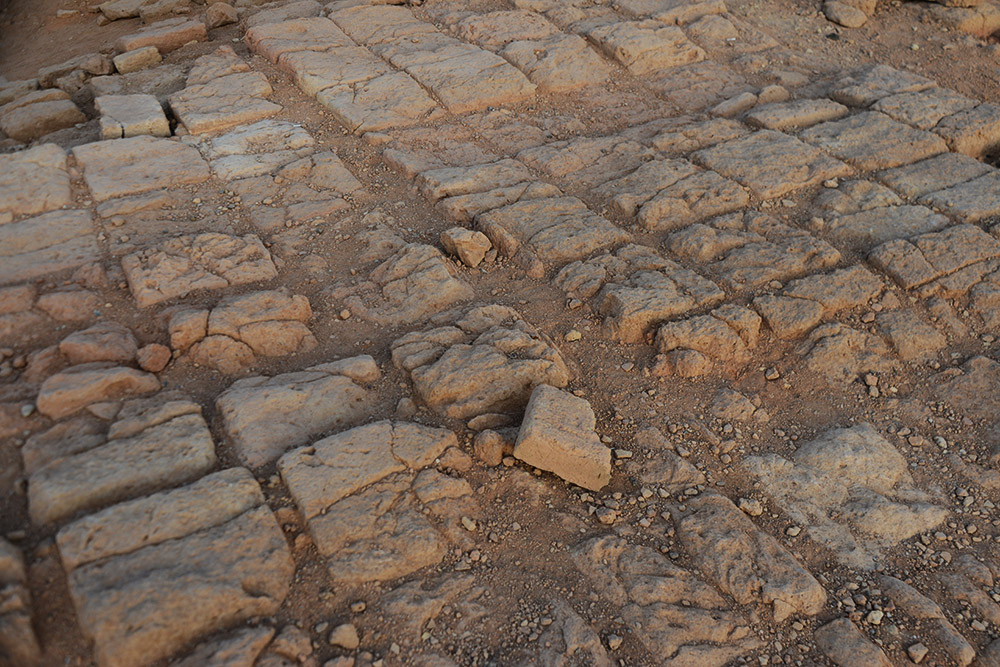
At first glance many of the ruins can look like simple mud-brick walls, but once I started thinking about their age they became much more impressive. People were living, working, worshiping, and trading along these streets more than four thousand years ago.
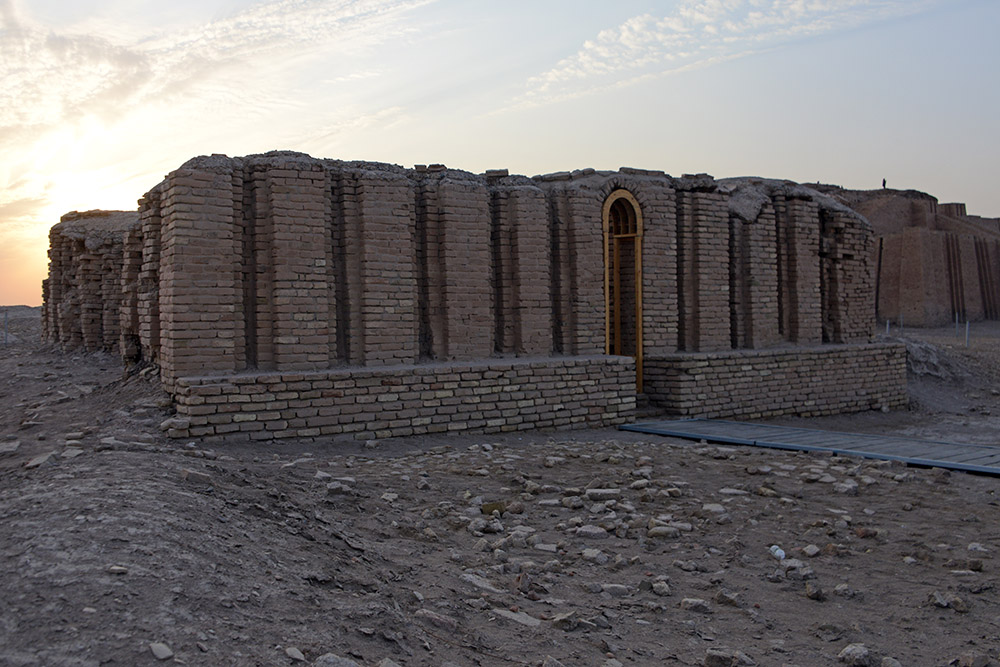
Religion was at the center of Sumerian cities, and temples dominated some of their most important districts. Ur was especially associated with the moon god Nanna, also known as Sin, and the city’s enormous ziggurat formed the heart of a larger sacred complex.
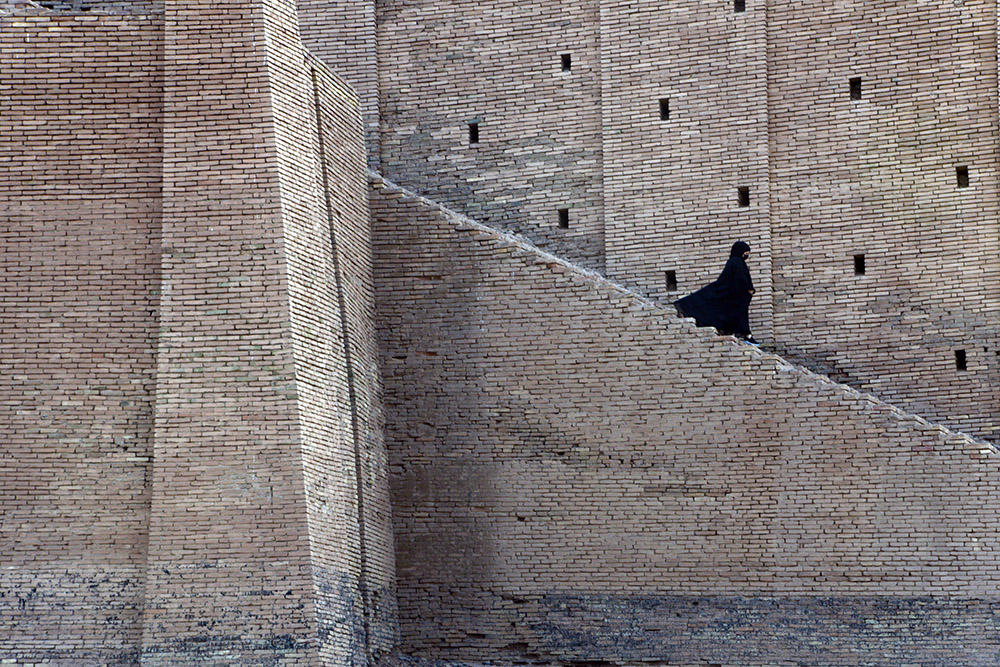
Walking around Ur was another reminder that these ruins aren’t hidden away in some museum. You can actually stand among the remains of one of the world’s earliest great cities and see the same desert landscape stretching around it. For someone who loves history, Iraq almost becomes overwhelming because sites like this seem to exist everywhere.
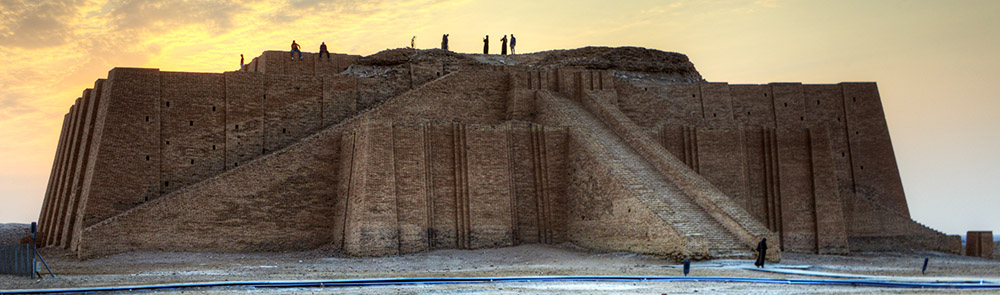
The highlight is without question the Great Ziggurat of Ur. Built more than four thousand years ago, the massive stepped structure once formed part of the city’s religious center and remains one of the most recognizable monuments of ancient Mesopotamia. Ur, along with other ancient cities and the southern Iraqi marshlands, is now part of a UNESCO World Heritage Site recognizing the extraordinary history of this region.
This part of Iraq ended up giving me one of the widest ranges of experiences from the entire trip. Within the same journey I went from the crowded pilgrimage streets of Karbala to one of the largest cemeteries on earth, and then stood among the remains of a civilization that existed thousands of years before Islam. More than almost anywhere else I traveled in Iraq, southern Iraq made it obvious just how many layers of history exist within this country.
Explore More of Iraq
Halgurd • Baghdad • Babylon • Erbil • Karbala • Lalish • the Marsh Arabs