Baghdad is the capital of Iraq and by far the largest city in the country. The sprawling metropolis is made up of very different neighborhoods, from crowded commercial districts and historic areas to modern shopping centers and residential neighborhoods. With museums, restaurants, mosques, monuments, and ancient history surrounding the city, Baghdad offered far more variety than I expected before arriving.
Before arriving in Baghdad, I was honestly a little stressed about the trip. The images and stories from the wars of the 2000s are difficult to forget, and even when you’re told that a place has changed, it’s hard to know what to expect until you see it yourself. Even at the airport, an Iraqi who learned I was visiting as a tourist assured me that I had nothing to worry about.
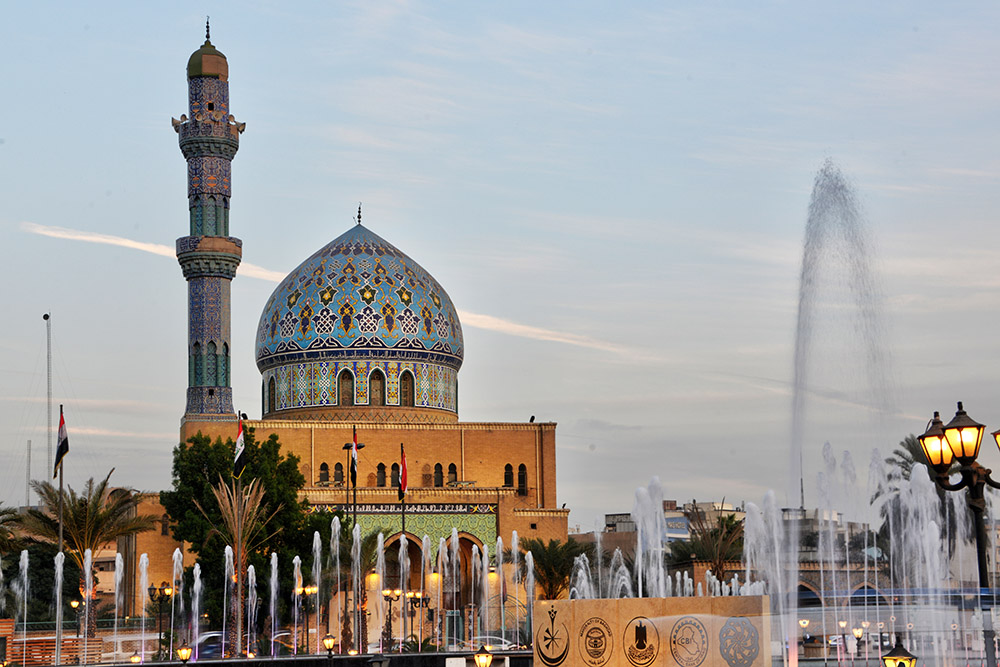
My first night I stayed fairly conservative and didn’t wander too far, but before long I found myself walking through large parts of the city on my own without any problems. One of my first photographs was this mosque, and I was also surprised by how attractive some parts of Baghdad were.
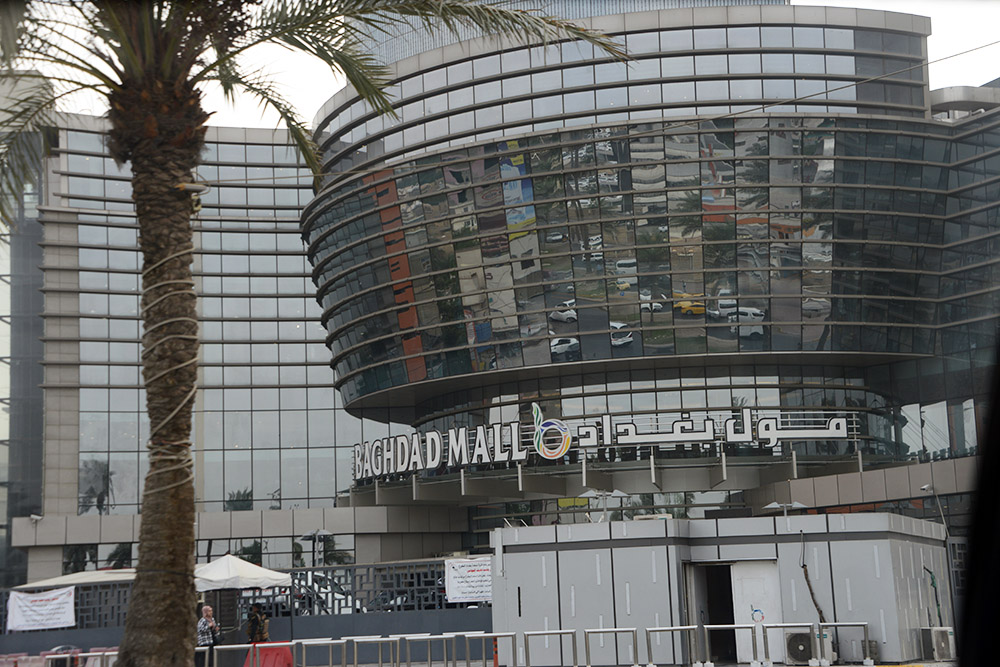
I somehow ended up exploring a lot of random parts of Baghdad rather than systematically visiting everything the city had to offer. Baghdad Mall was one example of the modern side of the city that surprised me. Large shopping centers, restaurants, and newer developments were a reminder that Baghdad wasn’t simply a collection of historic sites and reminders of war.
In hindsight, I wish I had spent more time exploring some of the modern neighborhoods and areas popular with international residents. I was mainly focused on historic and religious places during this visit, but seeing more of Baghdad’s restaurants, nightlife, and contemporary culture would have added another dimension to the trip.
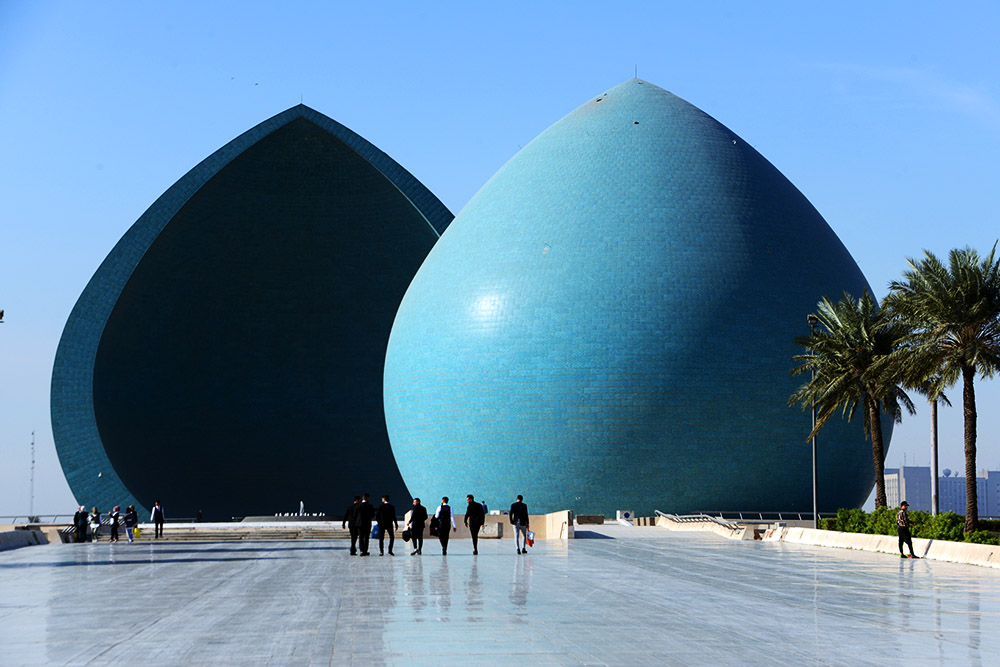
One of Baghdad’s most recognizable landmarks is Al-Shaheed Monument, also known as the Martyrs Monument. Built during the 1980s, the enormous turquoise structure commemorates Iraqis who died during the Iran-Iraq War. The conflict became one of the bloodiest wars of the late 20th century and left both countries with enormous losses.
Despite the serious meaning behind the monument, the atmosphere when I visited was surprisingly cheerful. Hundreds of young Iraqis who had just finished college were using the site as a backdrop for graduation photographs. Seeing a memorial to war being used by a new generation celebrating their future was one of the more memorable scenes from Baghdad.
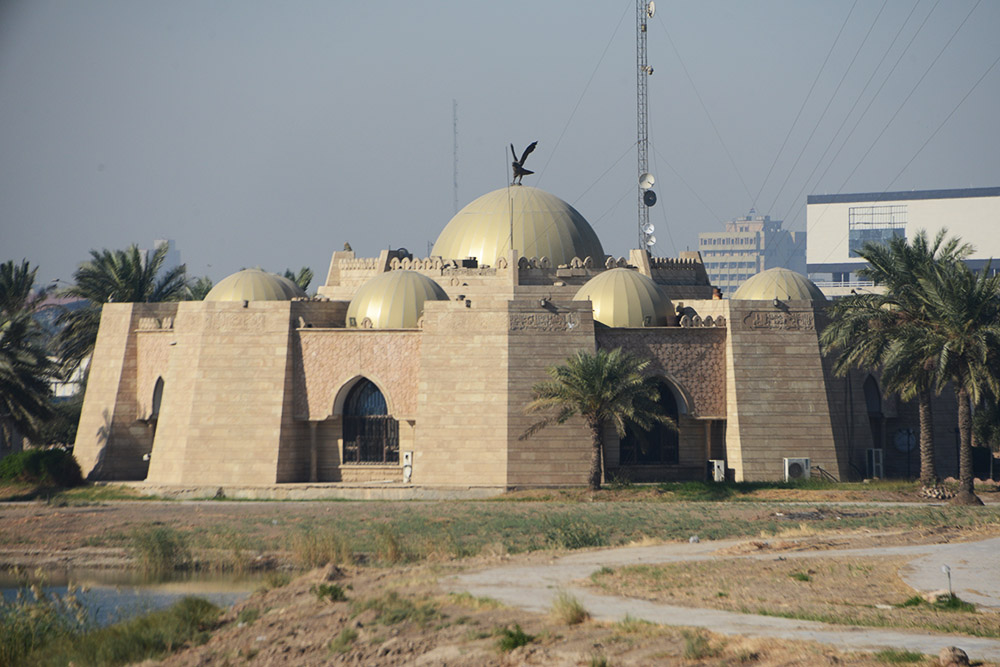
Baghdad is filled with architecture from many different periods. Modern buildings stand alongside older structures that reflect the city’s long history as a political, religious, and cultural center of the Middle East.
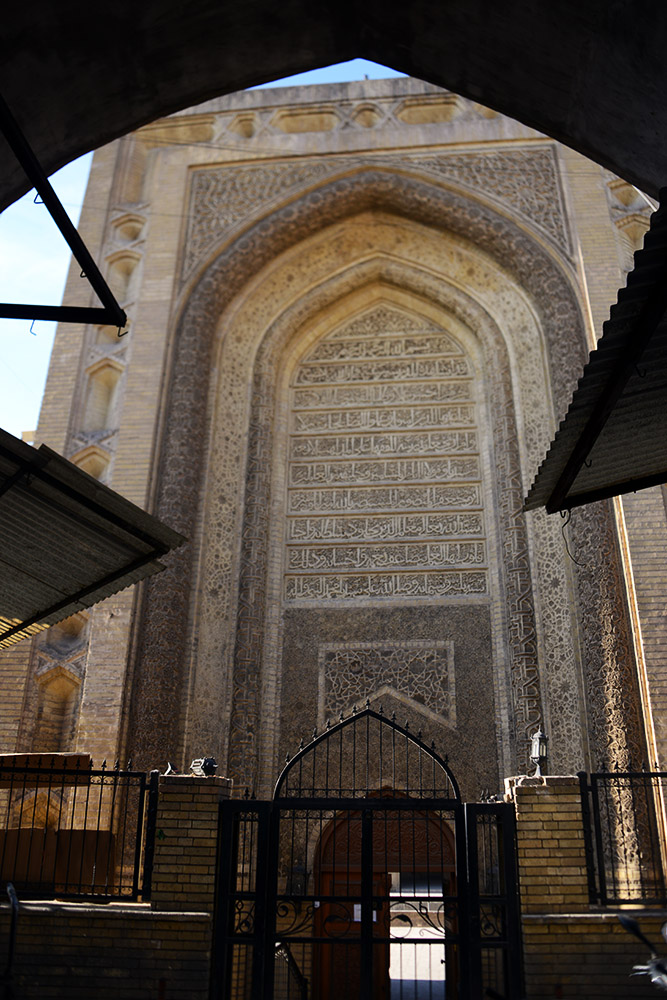
Among the older sites I visited were religious schools and mosques decorated with traditional Islamic architecture. Detailed brickwork, geometric patterns, calligraphy, and arched entrances were a sharp contrast to the modern parts of the city I had been walking through earlier.
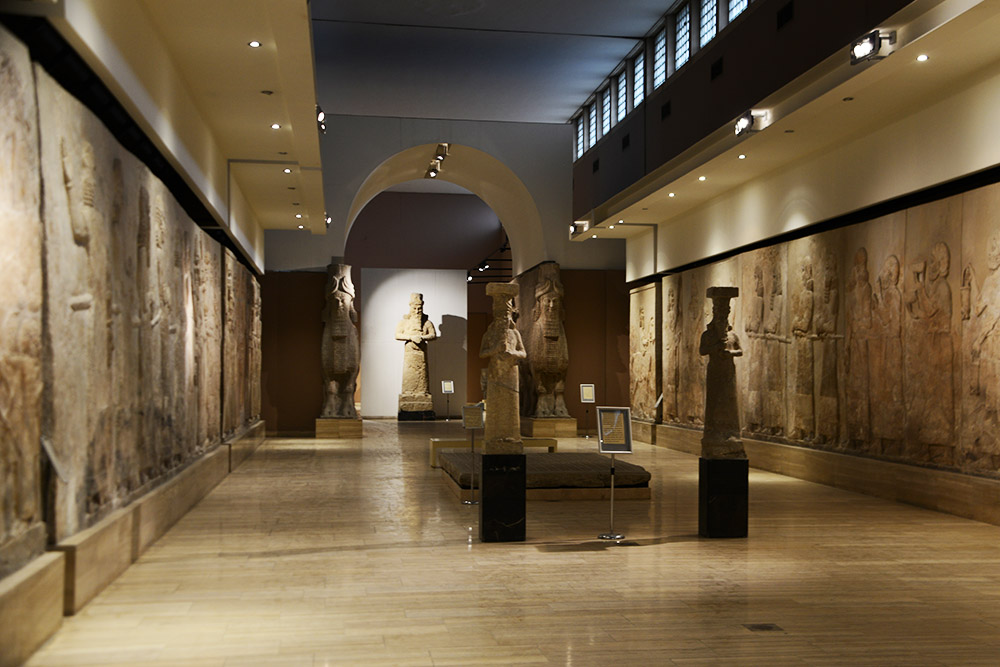
One of the places I most wanted to visit was the Iraq Museum. Few countries can compete with Iraq when it comes to ancient history, since Mesopotamia was home to some of the world’s earliest cities and civilizations. The museum contains artifacts spanning thousands of years of human history, and I could have easily spent much longer here than I did.
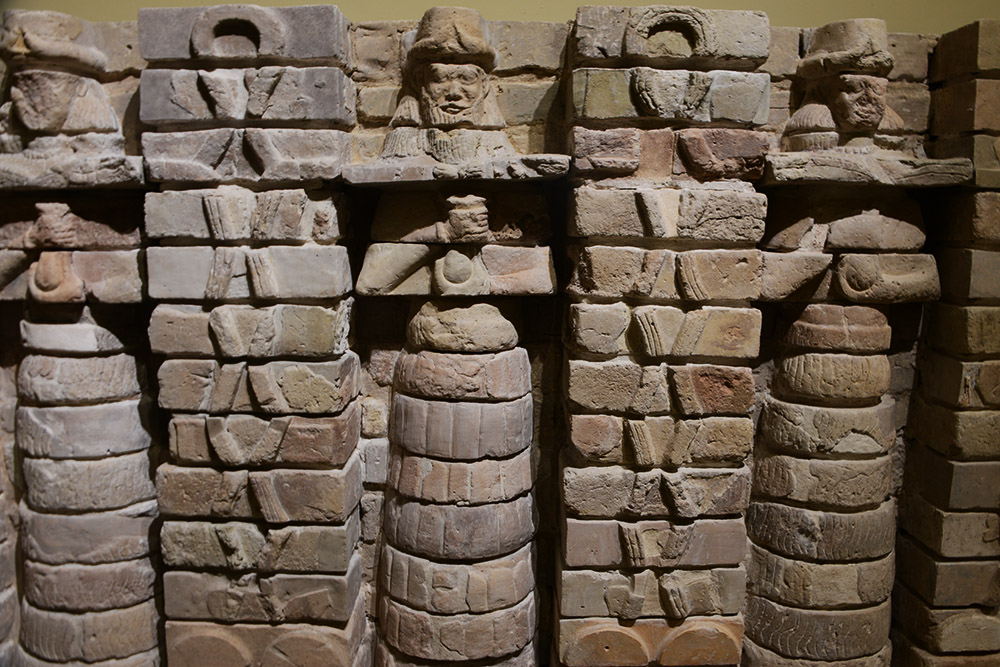
Some of the museum’s displays were enormous, including reconstructed walls and architectural pieces from ancient Mesopotamian sites. Seeing artifacts on this scale made it easier to imagine how impressive some of these ancient cities must have been when they were still standing.
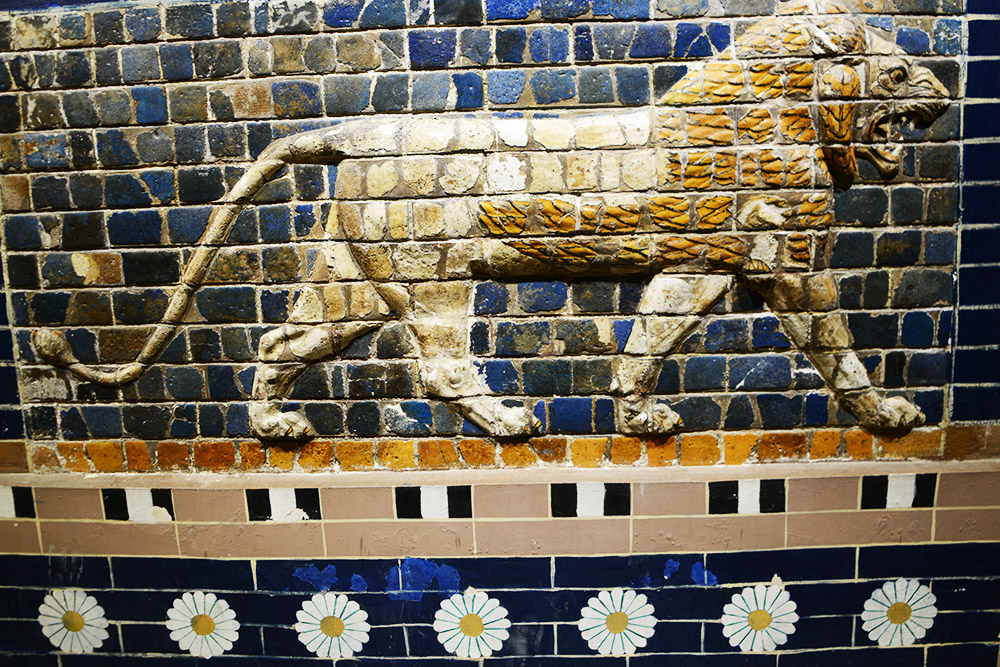
Babylonian imagery appeared throughout the museum, including lions that were important symbols in ancient Mesopotamian art. After visiting Babylon itself, seeing related artifacts in Baghdad helped connect the ruins in the landscape with the civilization that once occupied them.
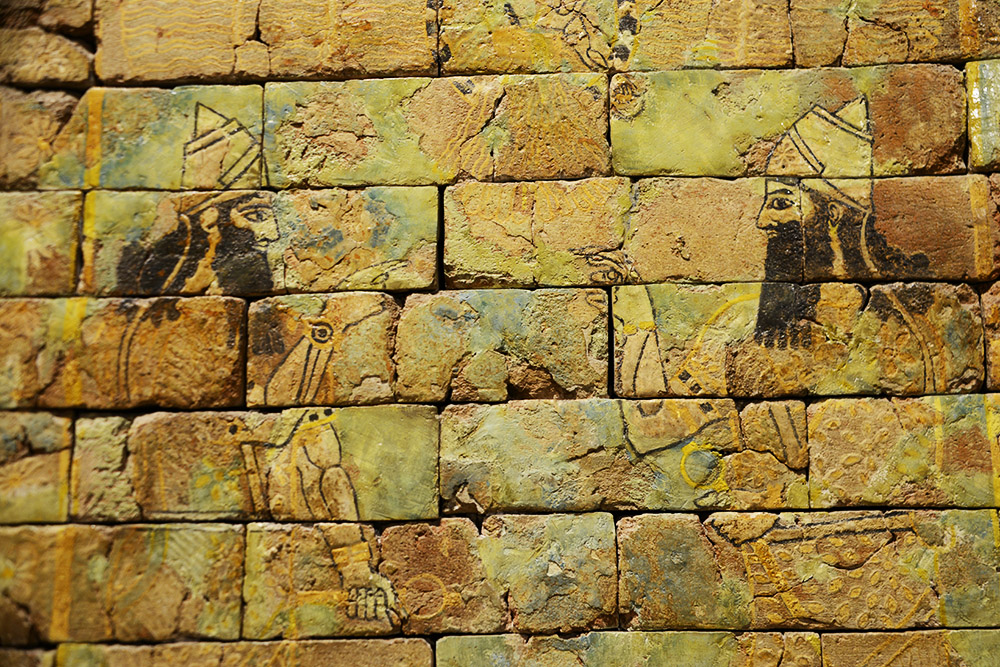
One of the things that impressed me most was the artwork incorporated directly into ancient walls and buildings. Decorated bricks, carved reliefs, and other architectural pieces showed that these civilizations weren’t simply constructing functional cities; they were creating elaborate works of art on a monumental scale.
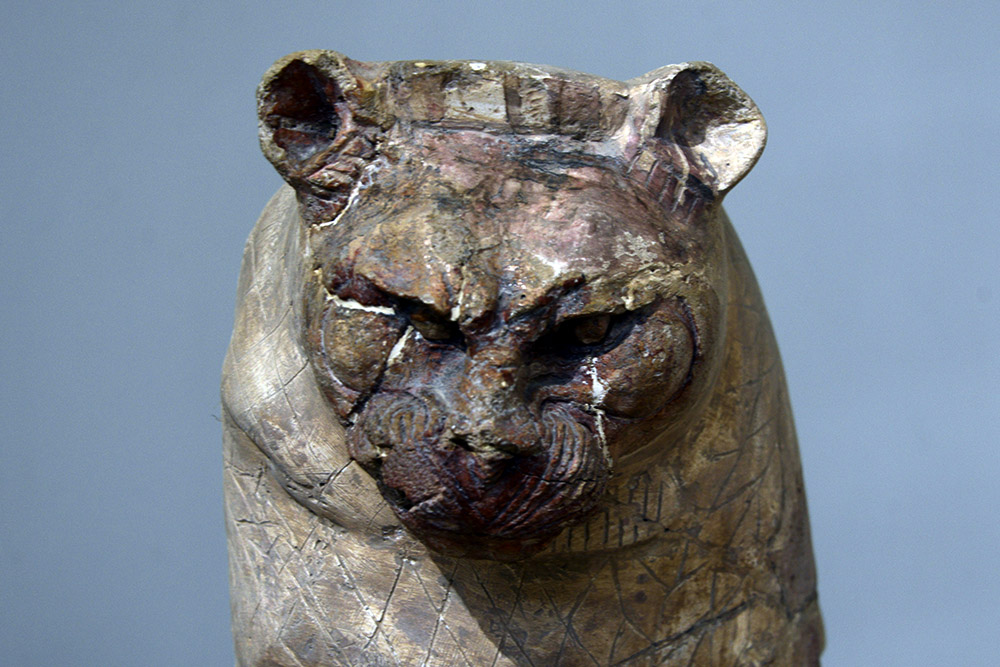
The smaller artifacts were just as interesting. Animal figures, everyday objects, religious items, and decorative pieces offered a much more personal look at people who had lived in this region thousands of years ago.
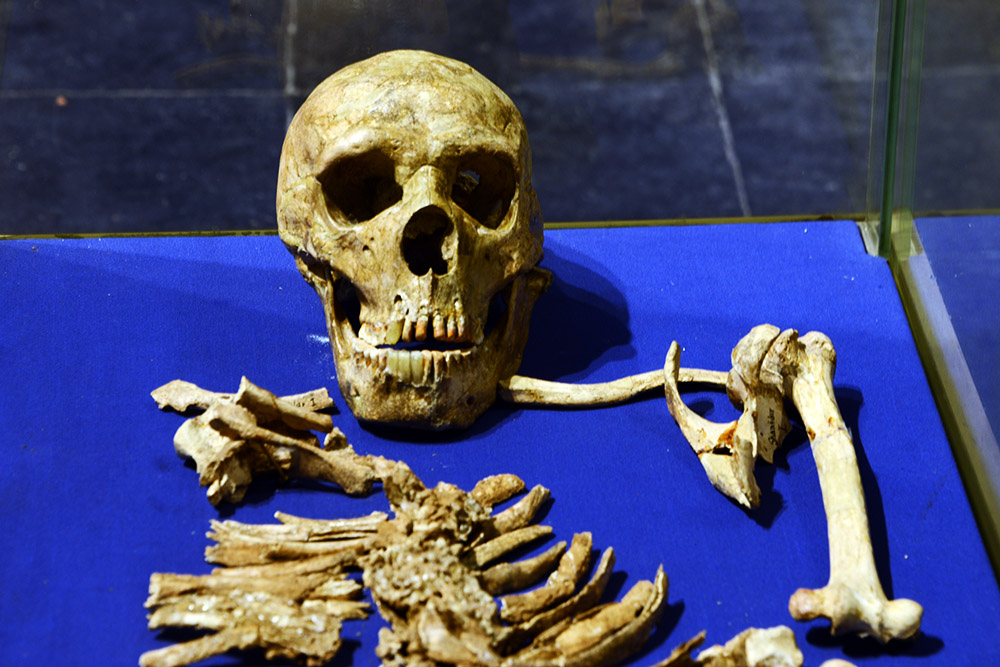
The museum’s story stretches far beyond the famous civilizations of Sumer, Babylon, and Assyria. Exhibits also covered prehistoric people who lived throughout the region long before the first cities appeared, giving the museum an incredible chronological range.
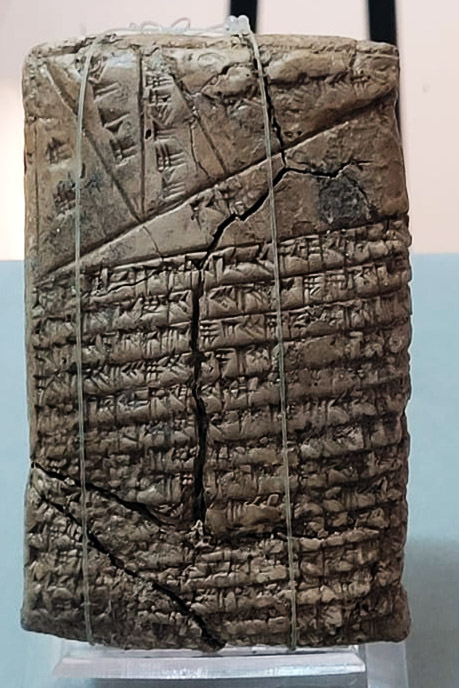
One artifact that really caught my attention dealt with ancient mathematics. Mesopotamian civilizations developed surprisingly advanced systems of arithmetic and geometry, and surviving clay tablets preserve calculations that were being made thousands of years ago. Seeing something like this made the sophistication of these societies feel much more real.
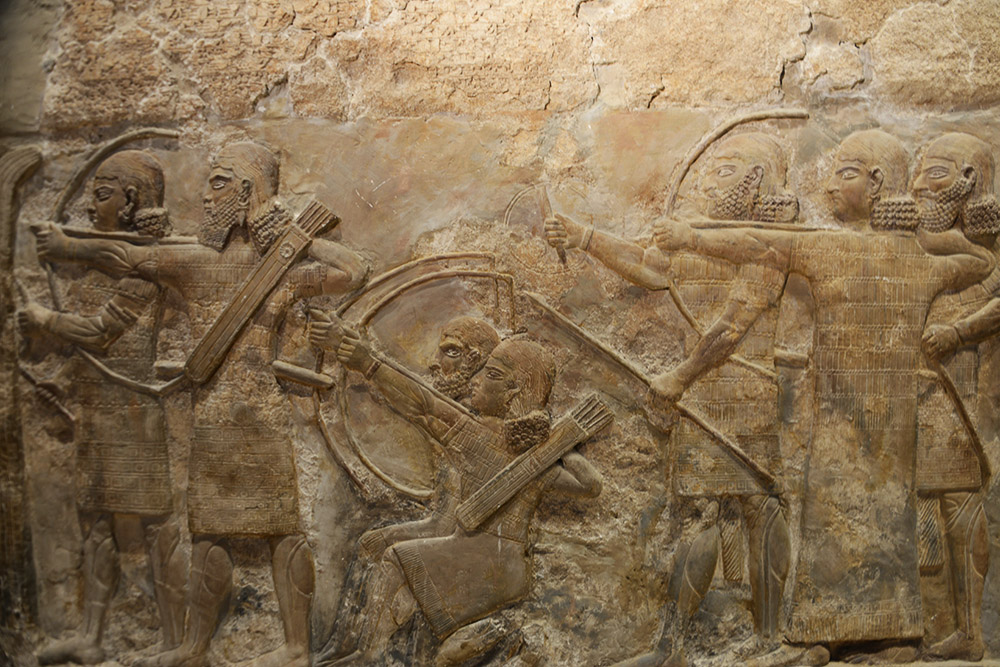
The reliefs were another highlight. Much like the carvings I had seen in ancient Persia, they showed rulers, soldiers, animals, and scenes from everyday or ceremonial life. The detail surviving after thousands of years was incredible.
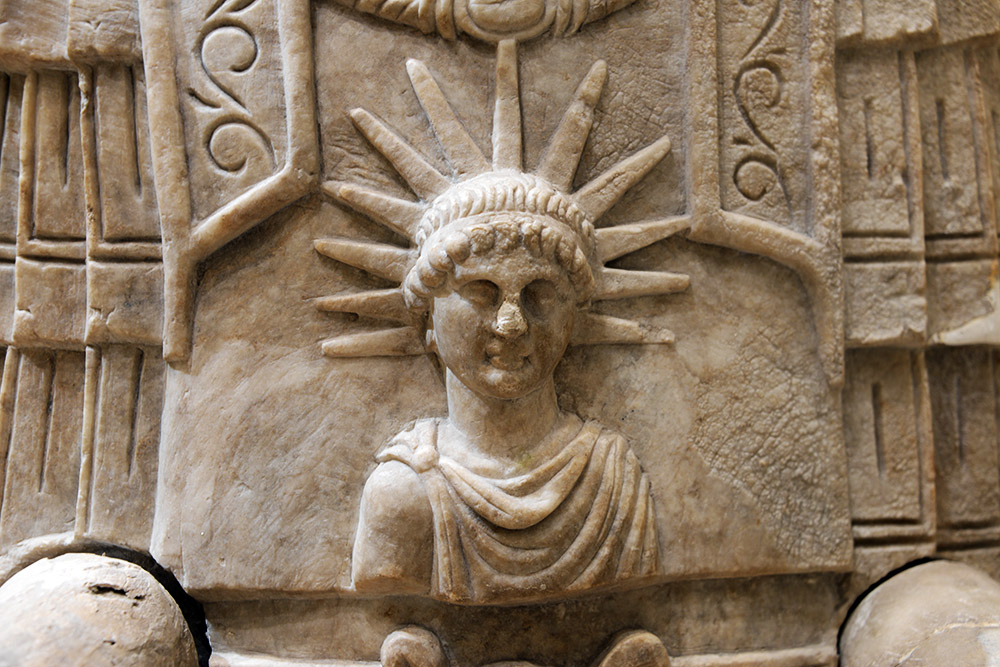
Iraq’s history didn’t stop with Mesopotamia either. Over the centuries the region became part of numerous empires and cultural worlds, and the museum reflects those later periods as well. Greek, Roman, Persian, Islamic, and other influences all became part of Iraq’s history.
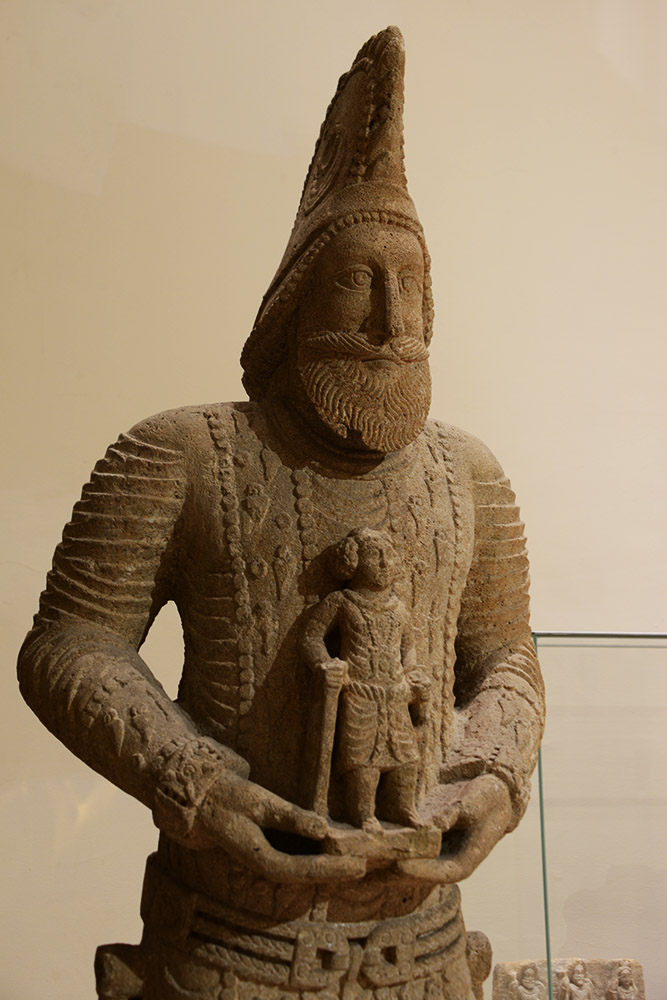
Some of the statues were remarkably well preserved, especially considering their age. Standing face-to-face with sculptures created by people who lived thousands of years ago was one of my favorite parts of the museum.
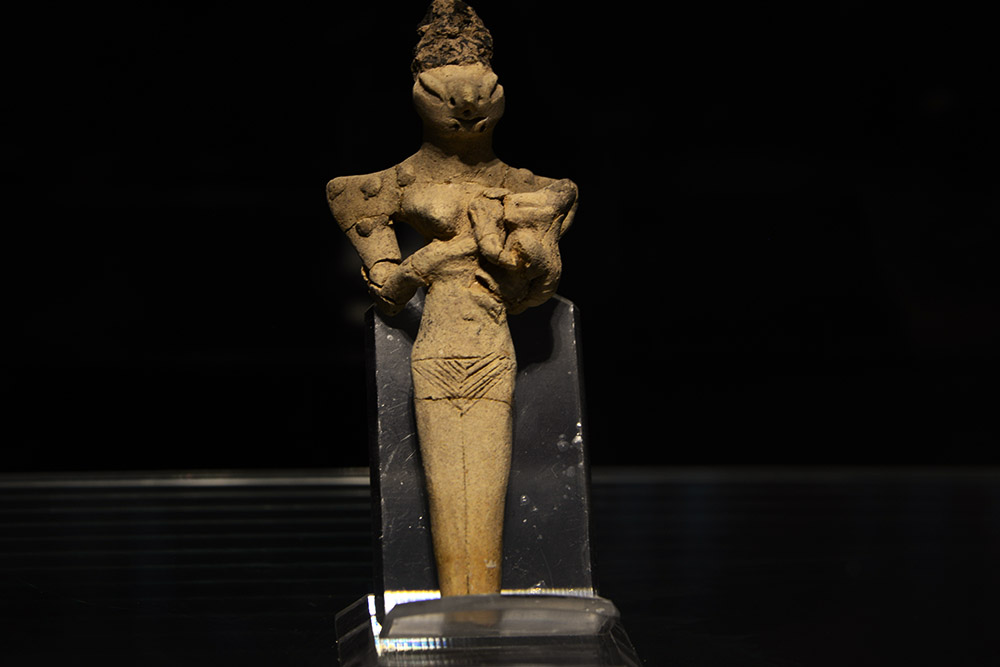
The variety was enormous, from small carved figures to large stone sculptures. I kept finding myself stopping to think about how many civilizations had risen and disappeared across the land that is now Iraq.
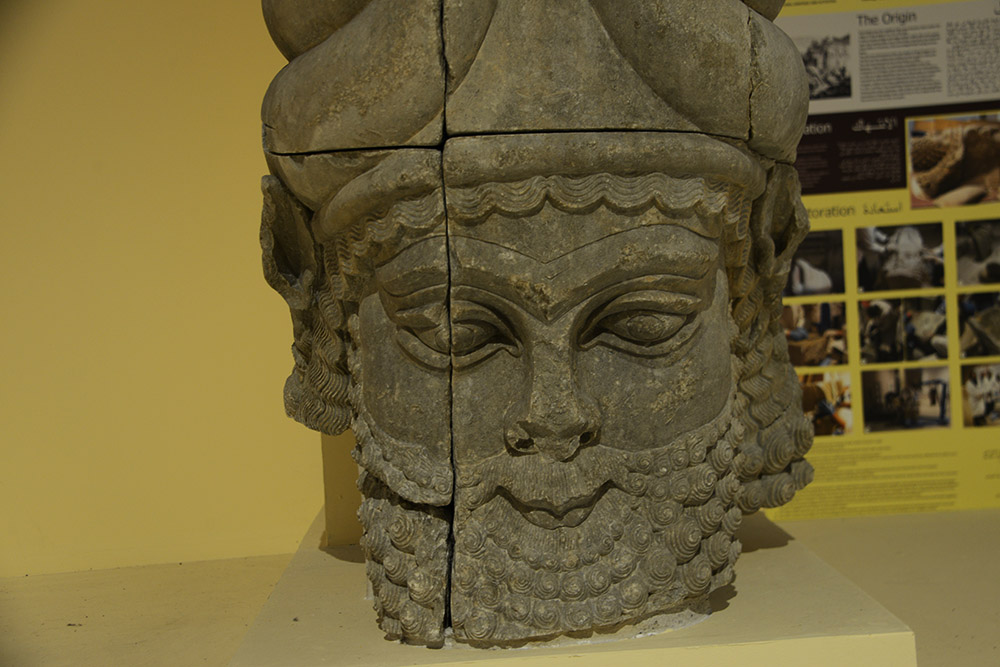
The Iraq Museum also carries a more recent and painful history. During the instability surrounding the 2003 invasion of Iraq, thousands of artifacts were looted from the museum. Many disappeared into the international antiquities trade, although a significant number have since been recovered and returned. Seeing recovered pieces on display added another layer to the museum’s story.
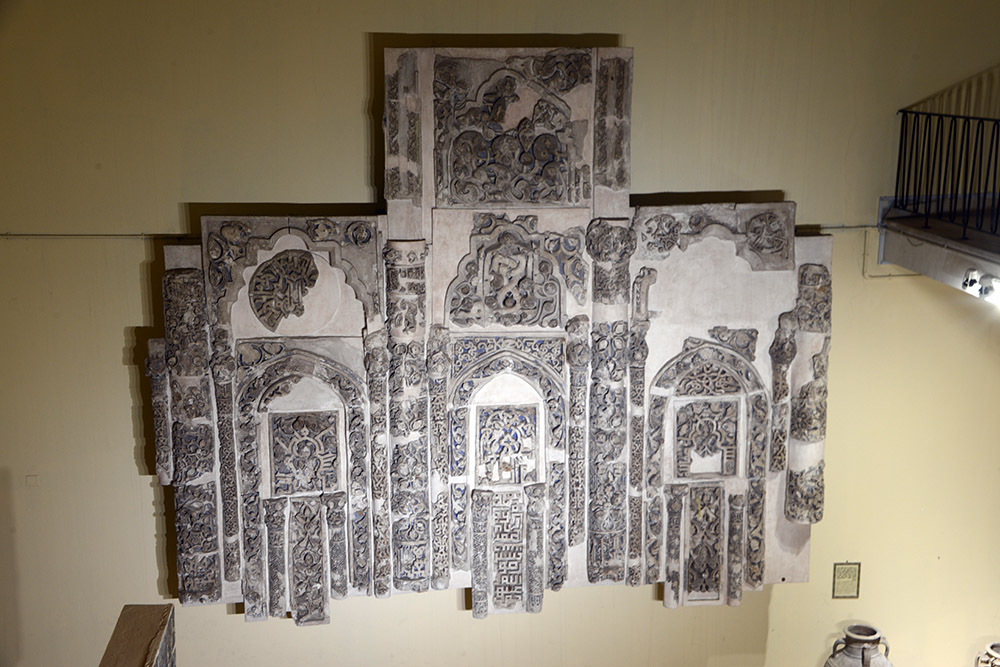
By the time I finished walking through the exhibits, I had a much greater appreciation for how much history is concentrated in this part of the world. Baghdad itself is a relatively young city compared with places like Babylon, but the museum brings together thousands of years of civilizations that existed throughout modern Iraq.
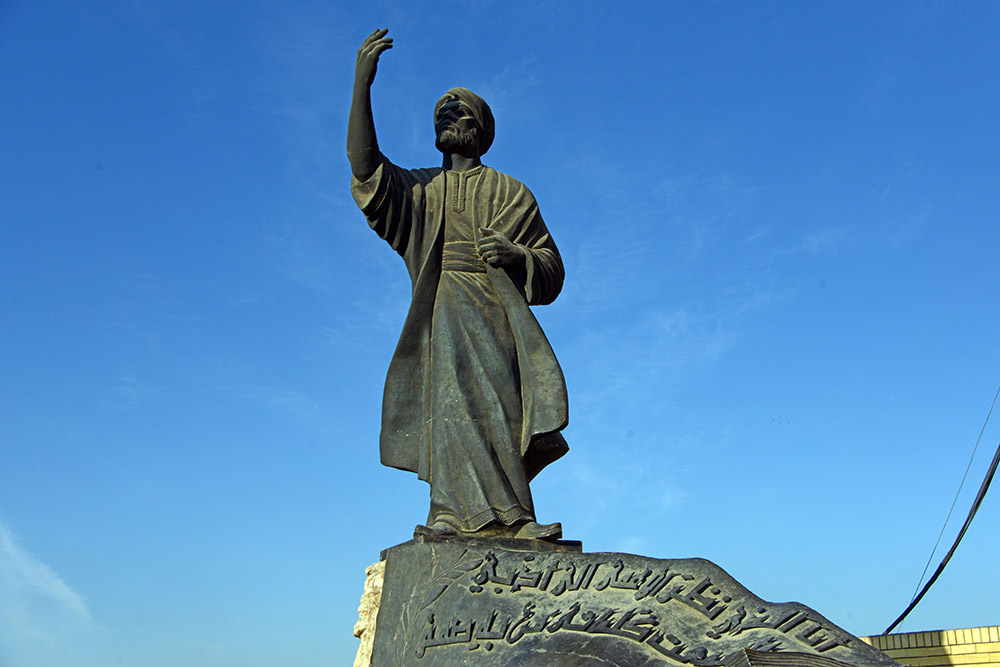
Baghdad also has a long literary and intellectual tradition of its own. During the Abbasid era, the city became one of the great centers of scholarship and culture in the world. Statues and monuments throughout modern Baghdad still honor writers, poets, scientists, and other figures connected with Iraq’s cultural history.
My visit to Baghdad ended up being far different from what I had imagined before arriving. I certainly didn’t see everything the city had to offer, but between its modern neighborhoods, historic architecture, monuments, museums, and the people I met along the way, Baghdad felt much more complex and alive than the version of the city I had known mainly through decades of news coverage.
Explore More of Iraq
Halgurd • Baghdad • Babylon • Erbil • Karbala • Lalish • the Marsh Arabs