Iraq is a country with an extraordinary history that stretches back thousands of years. Ancient civilizations rose along the Tigris and Euphrates rivers, leaving behind cities and cultures that helped shape the ancient world. More recently, decades of war and instability have dominated how Iraq is viewed from abroad, so I wasn’t entirely sure what to expect before visiting. During my trip I was able to travel through very different parts of the country, from the cities and deserts of central and southern Iraq to the mountains of the Kurdish north. Wherever I went, one of the strongest impressions I came away with was the hospitality and kindness of the people I met.
What surprised me most was just how much variety Iraq offered as a destination. Ancient ruins, Islamic holy cities, Kurdish culture, enormous wetlands, historic communities, and snow-covered mountains can all be found within the same country. Iraq’s recent history may be what first comes to mind for many people, but traveling through it gave me a chance to experience a much larger story.
Explore Baghdad
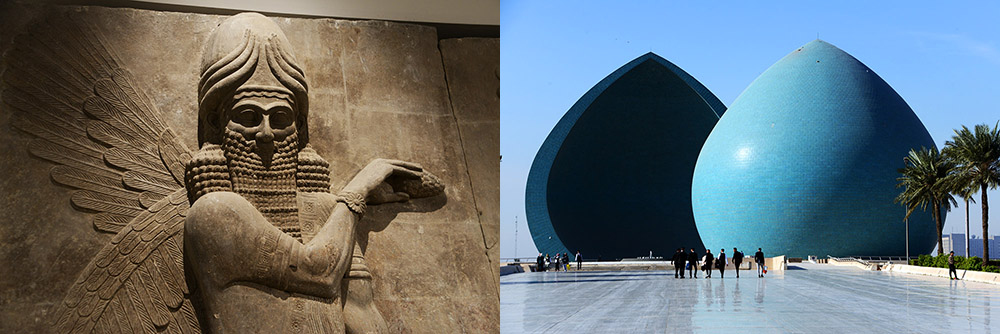
Baghdad is Iraq’s capital and one of the great historic cities of the Middle East. Founded in the 8th century along the Tigris River, Baghdad became an important center of learning, trade, and culture during the Islamic Golden Age. Modern Baghdad is a sprawling city where historic mosques, markets, monuments, and museums stand alongside the everyday life of Iraq’s largest city. After hearing about Baghdad for most of my life through news reports about war, actually walking its streets and meeting the people who lived there gave me an entirely different perspective.
Explore Mt. Halgurd
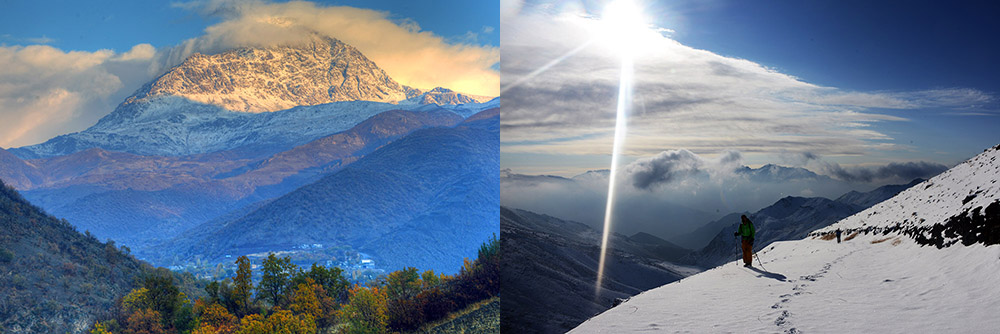
The highest peak wholly within Iraq’s borders, Halgurd rises to more than 3,600 meters, or just under 12,000 feet, in the mountains of Iraqi Kurdistan. This landscape is completely different from the dry terrain many people associate with Iraq. Green valleys and wildflowers cover the region during the warmer months, while winter transforms the mountains with deep snow. For someone who loves hiking and the outdoors, climbing Halgurd showed me a side of Iraq I never would have imagined before coming here.
Explore the Marsh Arabs
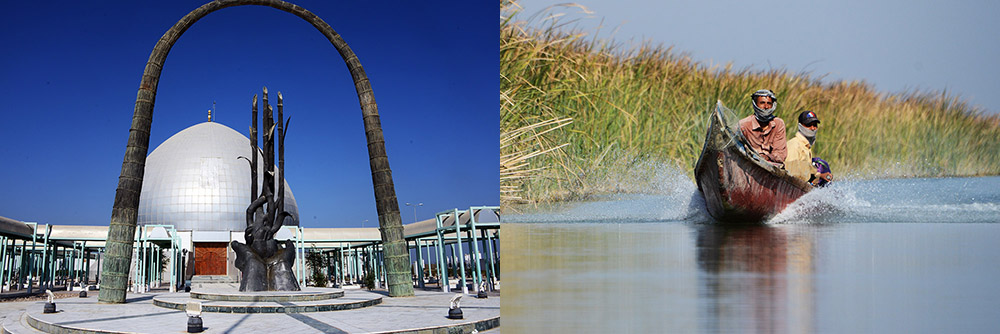
In southern Iraq, the enormous Mesopotamian Marshes create another landscape that seems completely removed from the country’s mountains and deserts. The Marsh Arabs, or Ma’dan, have lived among these wetlands for generations, traditionally traveling through the reeds by boat and building distinctive structures from bundled reeds. Much of the marshland was deliberately drained during Saddam Hussein’s rule, but large areas have since been restored. Visiting the wetlands around Chibayish offered a fascinating look at one of Iraq’s most distinctive landscapes and cultures.
Explore Babylon
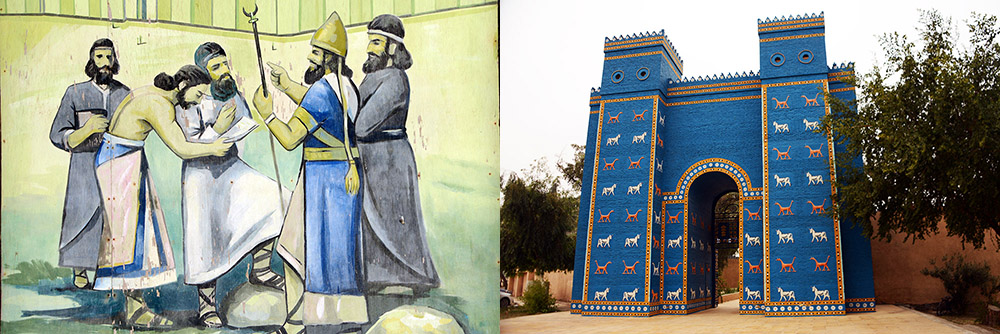
Few ancient cities have a name as recognizable as Babylon. Located along the Euphrates River south of Baghdad, Babylon became the center of one of the ancient world’s great empires and reached its height under King Nebuchadnezzar II more than 2,500 years ago. Although much of the original city disappeared over the centuries and parts of the site were controversially reconstructed in modern times, walking through Babylon was still an incredible opportunity to stand in a place I’d heard about since childhood.
Explore Erbil
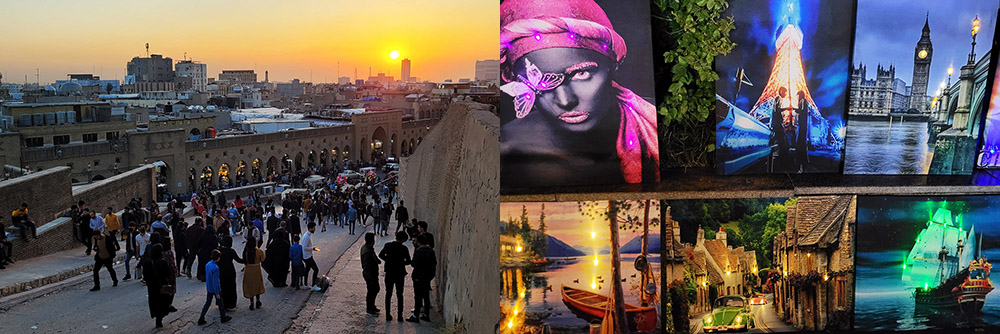
Erbil is the capital of Iraq’s Kurdistan Region and one of the oldest continuously inhabited urban areas in the world. At the center of the modern city rises the ancient Citadel of Erbil, sitting on a massive mound created by thousands of years of settlement. Around it are markets, mosques, restaurants, parks, and rapidly developing neighborhoods. Traveling through Erbil also provided an introduction to Kurdish culture and a very different side of Iraq from what I experienced farther south.
Explore Lalish
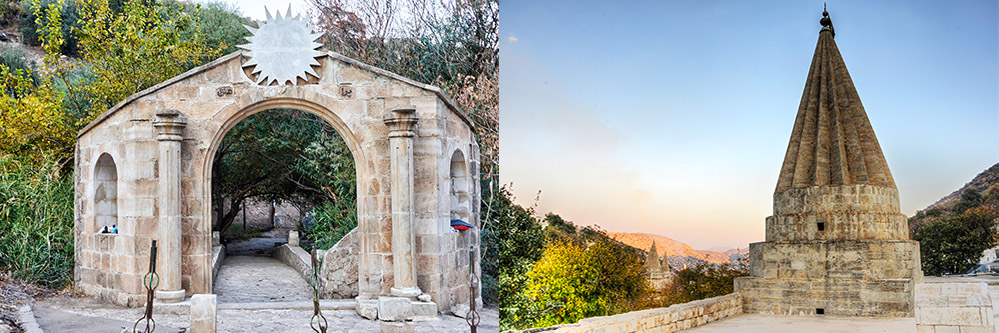
Lalish is the spiritual center of the Yazidi religion and one of the most unique places I visited in Iraq. Hidden within a mountain valley in northern Iraq, the village contains shrines and distinctive conical temples that have served as a pilgrimage destination for Yazidis for centuries. Visitors remove their shoes before entering the sacred complex, and exploring Lalish offered me a rare opportunity to learn about the traditions of one of the Middle East’s oldest surviving religious communities.
Explore Karbala
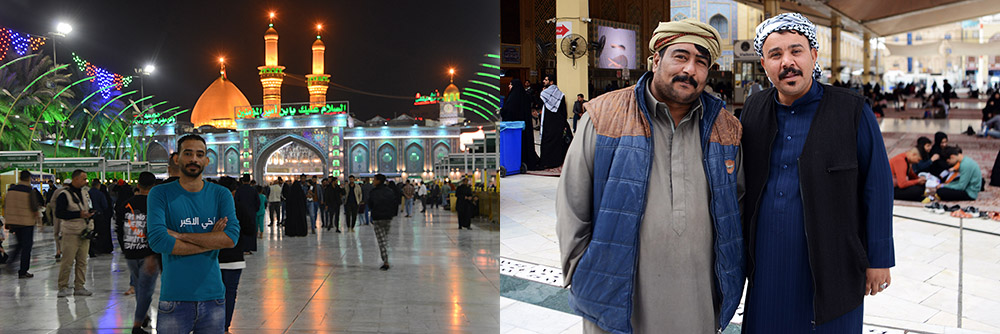
Karbala is one of the holiest cities in Shia Islam and an important pilgrimage destination for Muslims from around the world. The city is closely associated with the Battle of Karbala in 680, where Husayn ibn Ali, the grandson of the Prophet Muhammad, was killed. His shrine now stands at the spiritual heart of the city and attracts millions of pilgrims, particularly during the annual observance of Arba’een. The enormous crowds, illuminated shrines, and religious importance of Karbala made it one of the most memorable cultural experiences of my journey through Iraq.