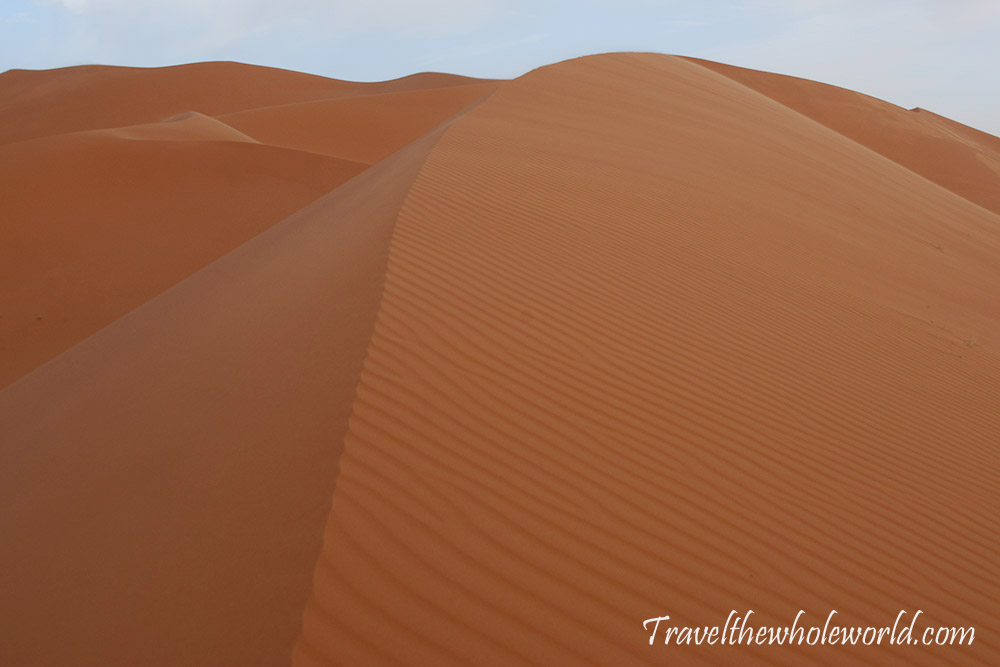
Welcome to the Sahara! I’ve traveled through parts of the desert several times, but I consider this trip my first true Sahara experience. On earlier trips I had been focused on things like ancient pyramids or towns along the edge of the Sahel. This time I spent nearly a week deep in the desert, traveling with local Tuaregs, camping beneath the stars, exploring ancient rock art, climbing sandstone formations, and finally experiencing the Sahara as more than somewhere I was simply passing through.
Most people picture the Sahara as an endless ocean of sand dunes. There are certainly plenty of those, but the desert is much more varied than I expected. Mountains, sandstone towers, rock arches, dry riverbeds, prehistoric shelters, and enormous open plains constantly changed the landscape around us.
After almost a full week here, I still felt like I had barely seen anything.
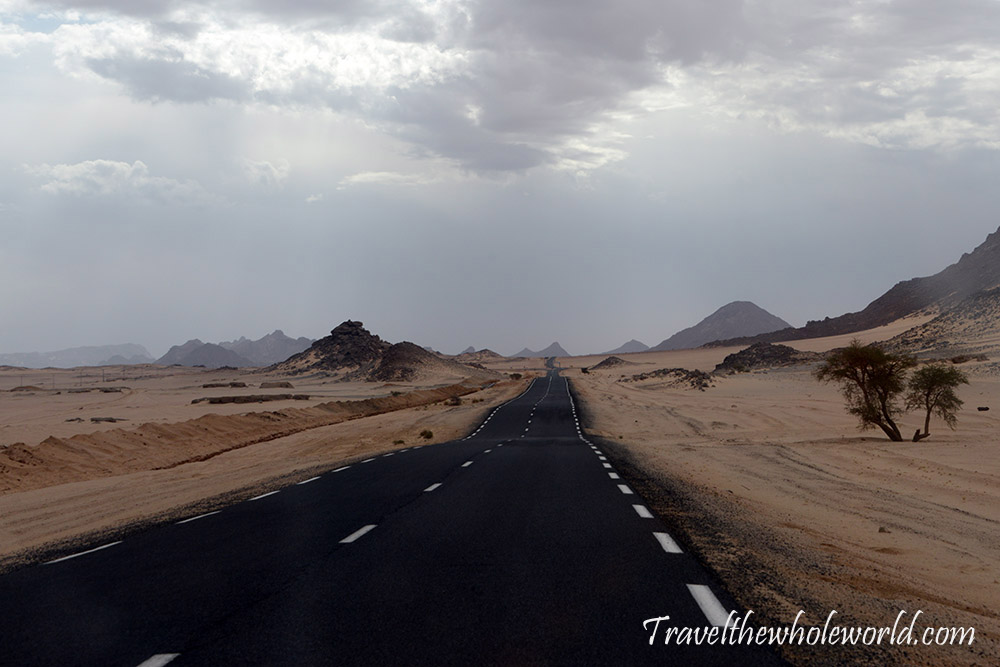
I visited in early November, when temperatures were much more reasonable than during the brutal summer months. I expected warm sunshine and clear skies.
Naturally, my first day was overcast.
As we drove from Djanet deeper into the Sahara, we even passed through periods of rain. Along the highway were warning signs showing cars being swept away by floodwater. I already knew flash floods could be deadly in the desert, but standing in such an enormous open landscape made it difficult to imagine enough water suddenly appearing to carry away a vehicle.
Hours of driving also gave me some perspective on the size of the Sahara. You can travel across what feels like an endless landscape and still cover only a tiny fraction of it.
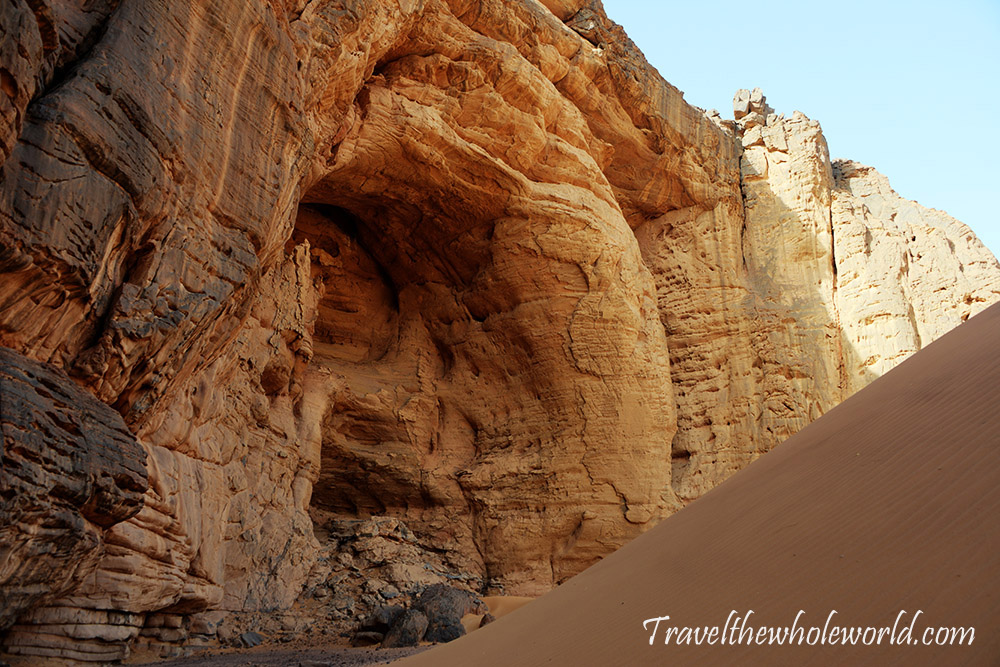
One of the things that makes southeastern Algeria so fascinating is that this landscape wasn’t always the desert we see today. Thousands of years ago, North Africa went through much wetter periods when grasslands, lakes, wildlife, and human communities spread across areas that are now almost completely dry.
People living here often used shallow caves and rock shelters like the one above. The evidence they left behind is still scattered across the desert.
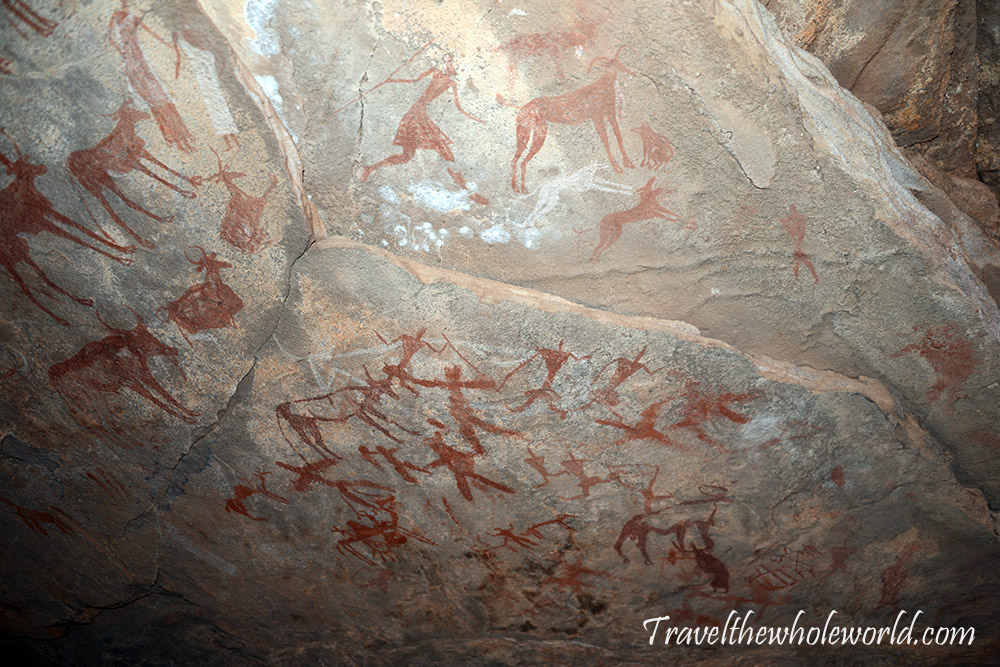
The people who lived here left behind an incredible amount of rock art. Some paintings and carvings are thousands of years old and show a completely different Sahara, including animals that disappeared from this region long ago.
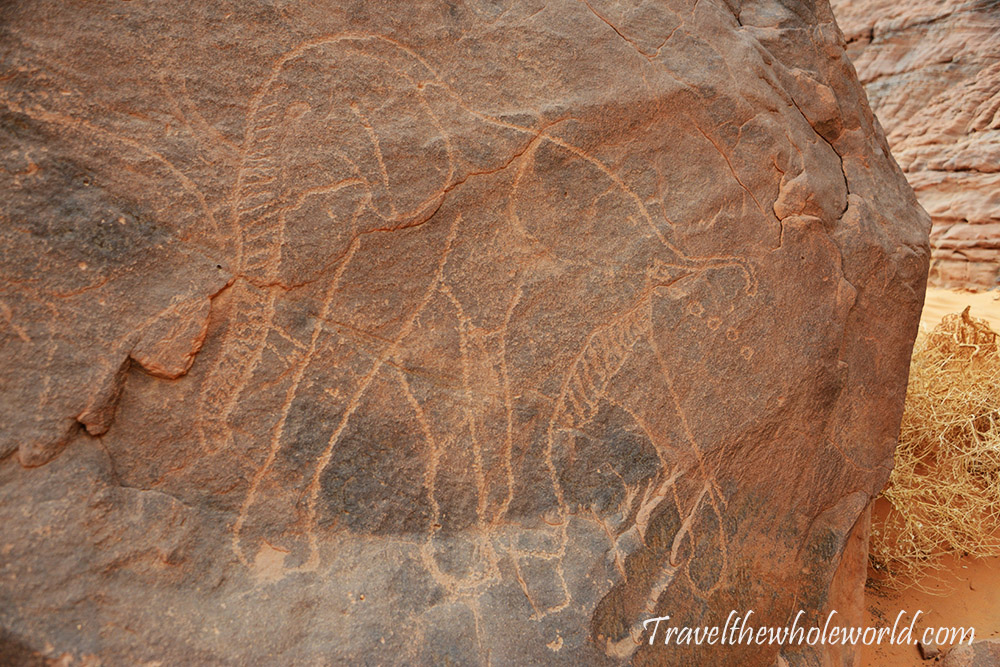
Elephants, giraffes, cattle, human figures, and scenes of everyday life remain preserved on rock walls throughout the desert.
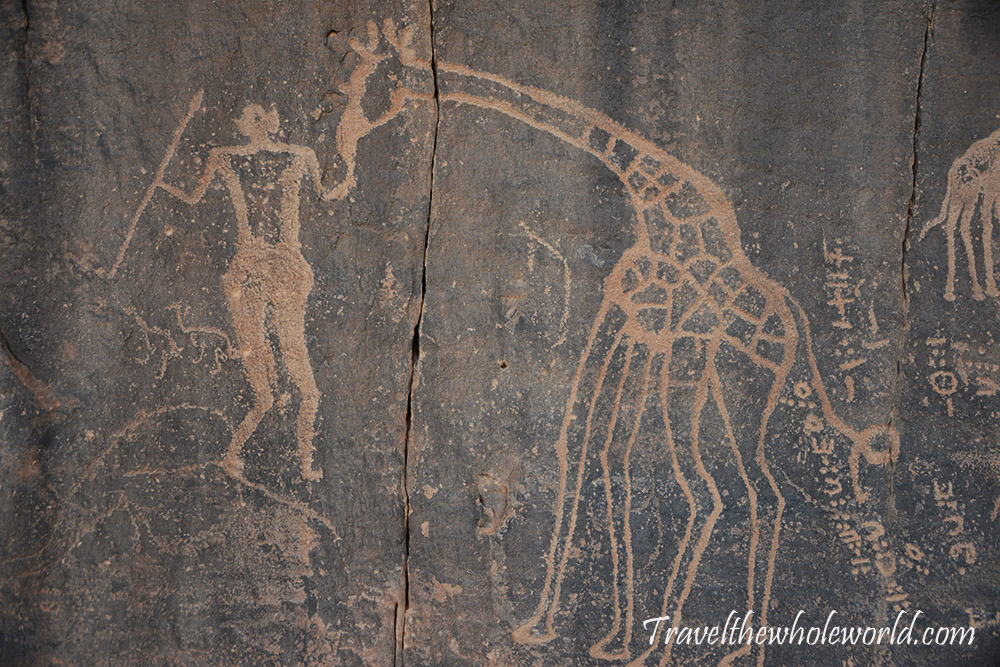
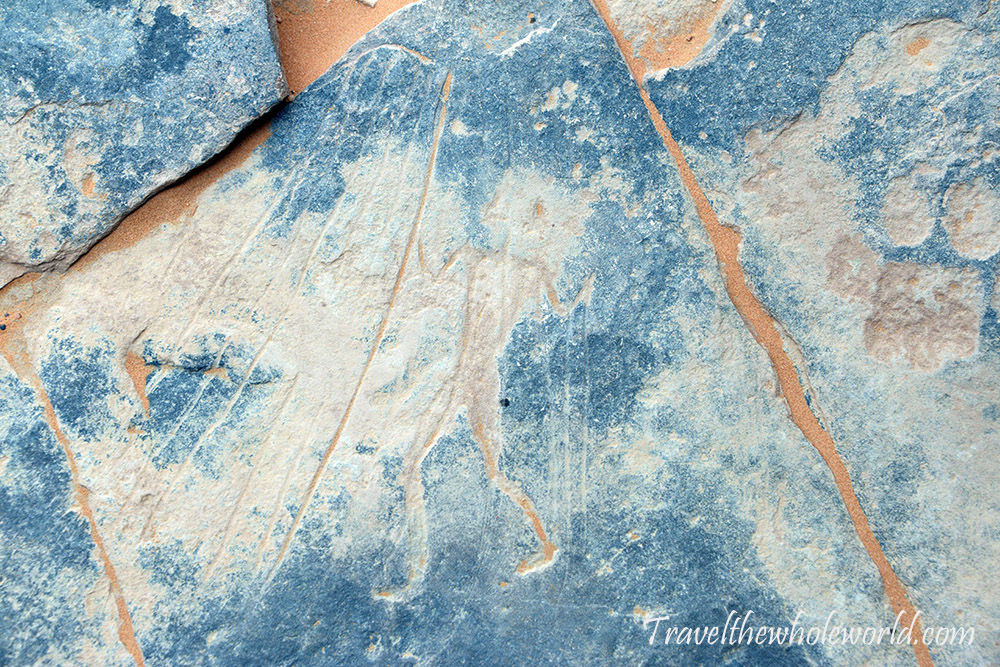
Rock art can be found across enormous sections of the Sahara, and in southeastern Algeria I saw examples almost every day. Some were carved deeply into the stone, while others were painted onto sheltered walls.
Exposure has erased many almost beyond recognition, but carvings protected from the worst weather can remain surprisingly clear. The human figure above and elephant below were among some of the better-preserved examples I saw.
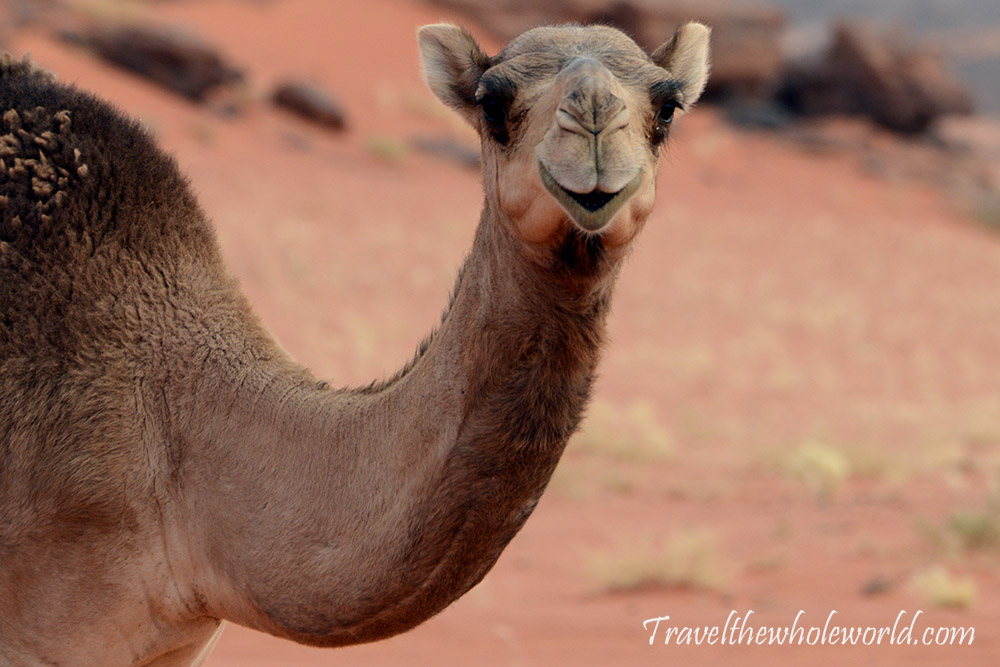
The enormous herds of wildlife shown in ancient rock art are long gone, but animals adapted to the modern desert are still scattered throughout the Sahara.
I saw camels within hours of entering the desert. At first I wasn’t sure how unusual an encounter that might be, but I ended up seeing them almost every day.
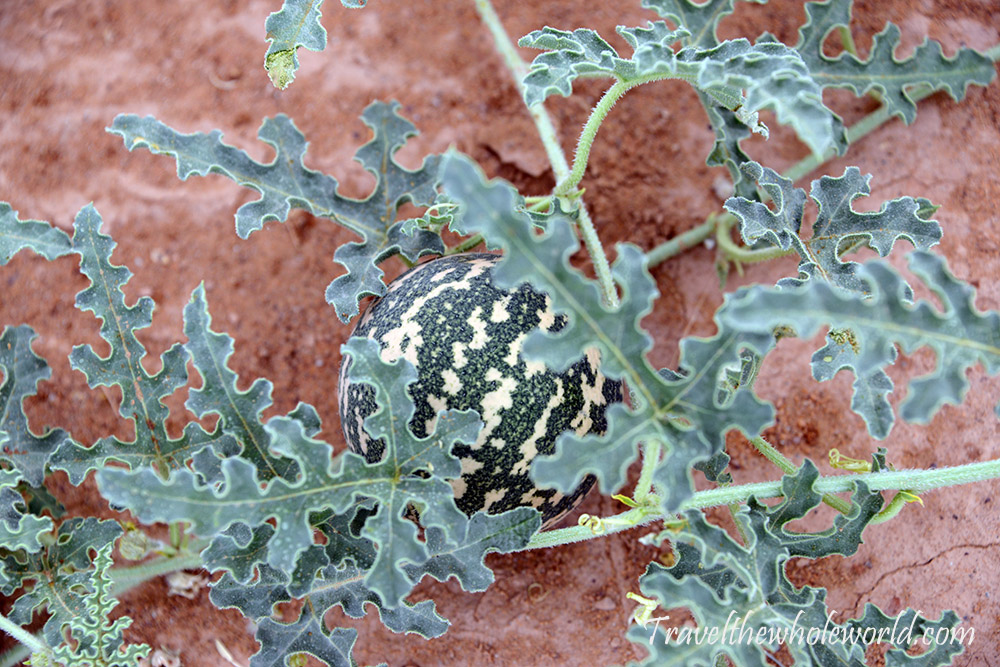
Whenever I encountered camels, they often seemed to be around these things that I started calling desert melons. I had first seen one years earlier in Sudan and thought someone must have dropped it. A round green fruit looked completely out of place sitting in the middle of a desert.
Apparently they really do grow here.
I cut one open and found that it even smelled a little like a melon. My friend immediately warned me not to eat it or touch the inside. That was good advice. Some desert gourds contain compounds that can cause serious irritation and illness, so this was definitely something better photographed than tasted.
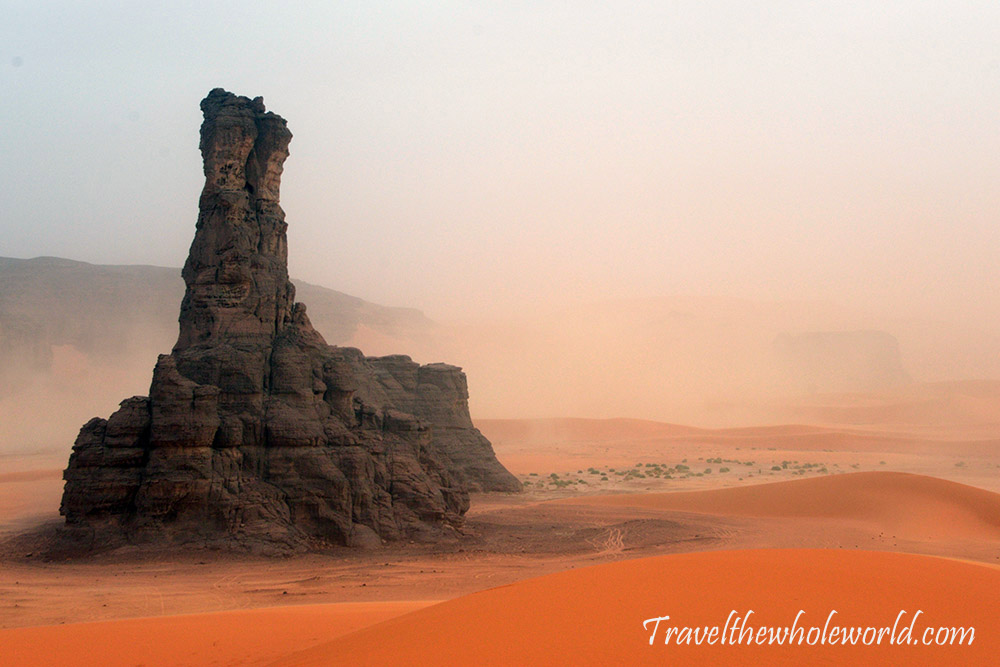
On my first night in the Sahara, we camped beneath massive sandstone formations. With the heavy clouds above us, one tower rose over the plains looking almost sinister.
Naturally, I stared at it from camp wishing I’d brought enough climbing gear to try reaching the top.
I figured the weather would improve by morning.
It didn’t.
The wind became stronger, and this time instead of carrying rain it carried sand. The evening before I had been able to see the tower and formations far beyond it. During the storm, visibility became so poor that even nearby terrain began disappearing into the haze.
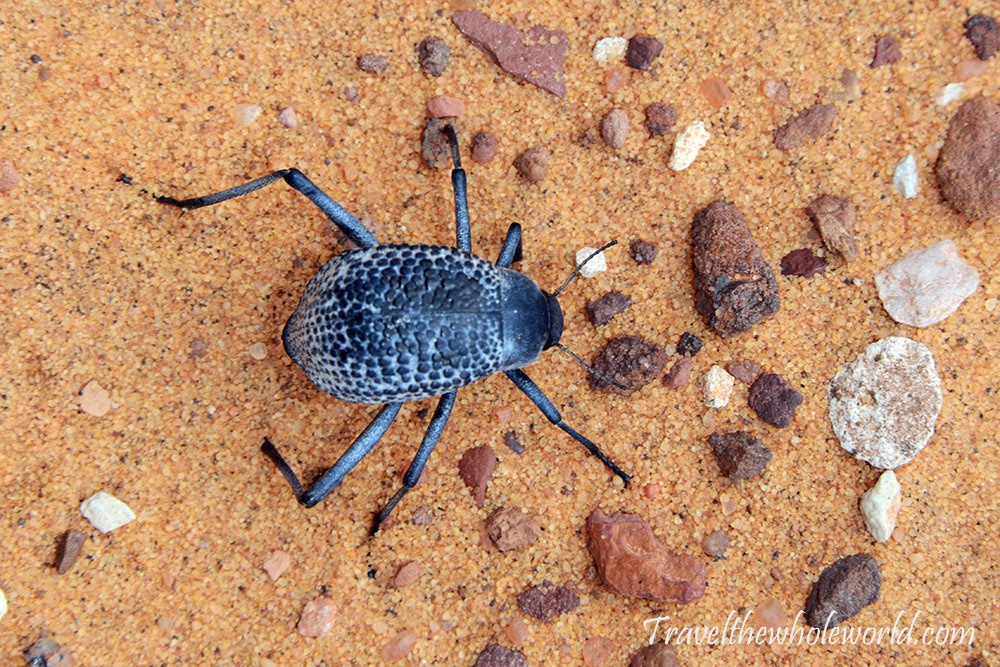
With the distant scenery hidden by sand, I started paying more attention to whatever was directly around camp.
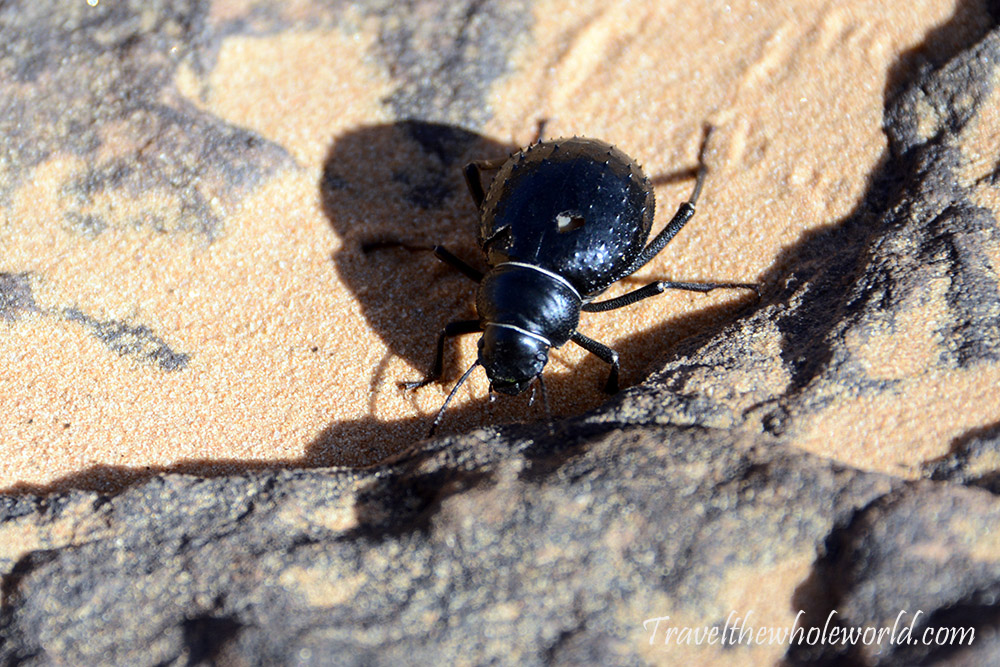
Before this trip I had somehow convinced myself scarab beetles were unique to the Sahara. They aren’t, and there are many different scarab species around the world. Even here I saw several types.
I called the one above my blue scarab. Whenever I found one, there usually seemed to be several others nearby. The darker scarab below was something I saw only once.
It’s amazing what you can find in the Sahara when you stop and look closely. A lot of it would be easy to miss if you were simply driving through.
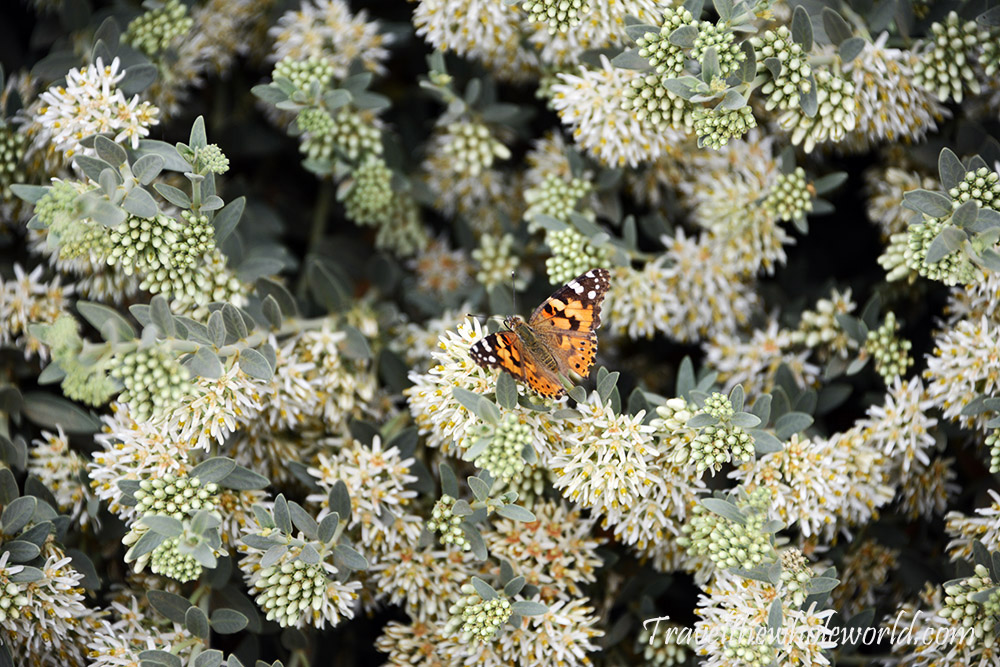
This butterfly was one of hundreds gathered around a small bush beneath a huge sandstone wall. If you saw only the photograph, it could have been taken in a garden almost anywhere. In reality it was surrounded by sand dunes and bare rock.
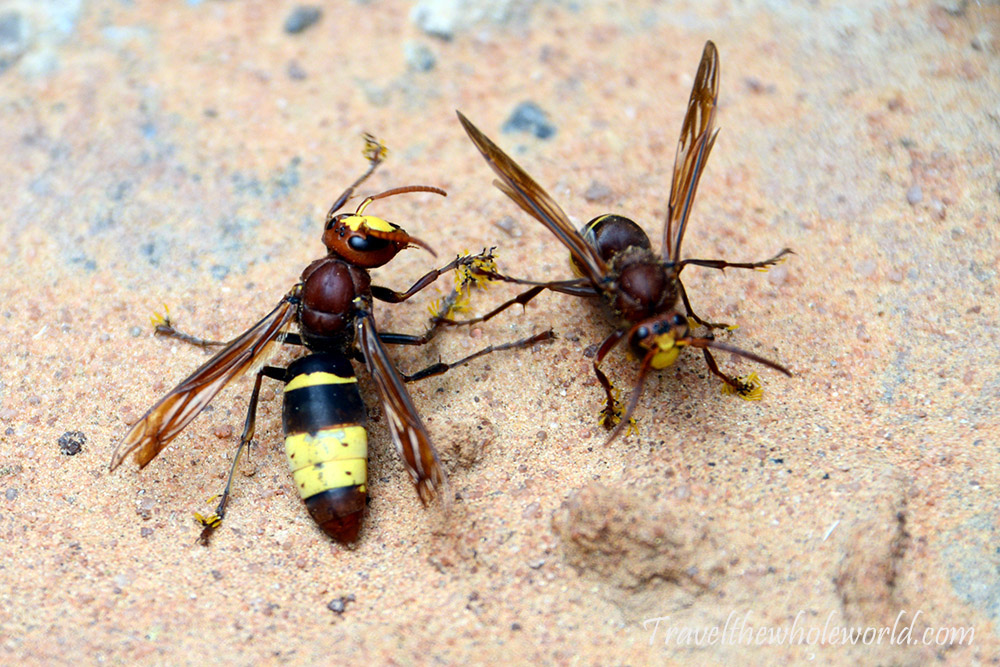
Wherever we found vegetation or a little moisture, insects suddenly seemed to appear.
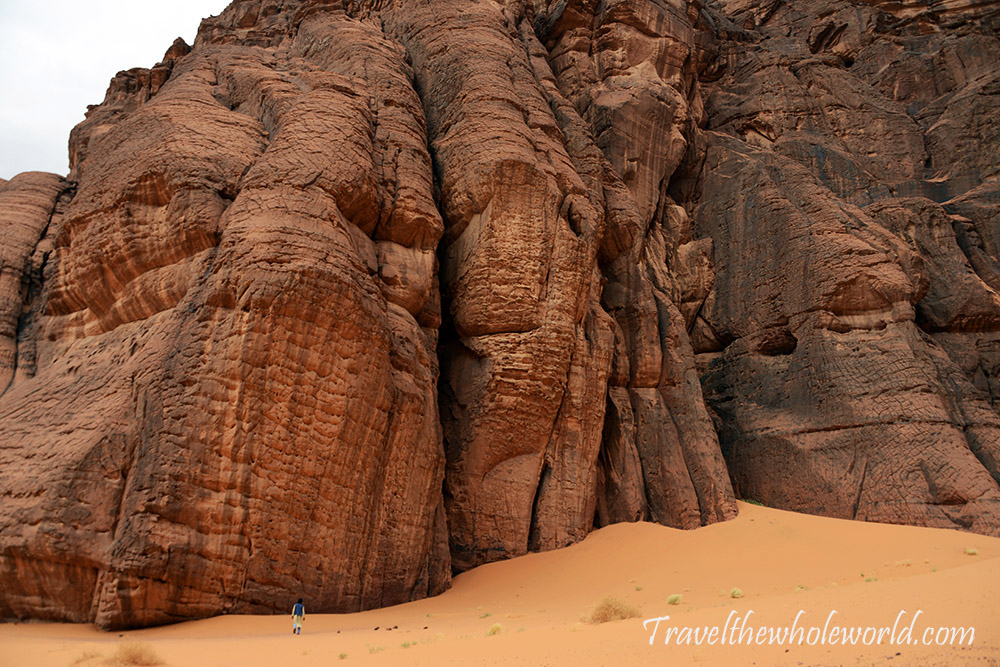
Even during the sandstorm, formations this enormous were impossible to miss once we got close enough.
Photographs hardly show their scale. If you look near the lower left of the image above, you can see my friend standing beneath the wall. Only then does it become obvious how enormous the formation really is.
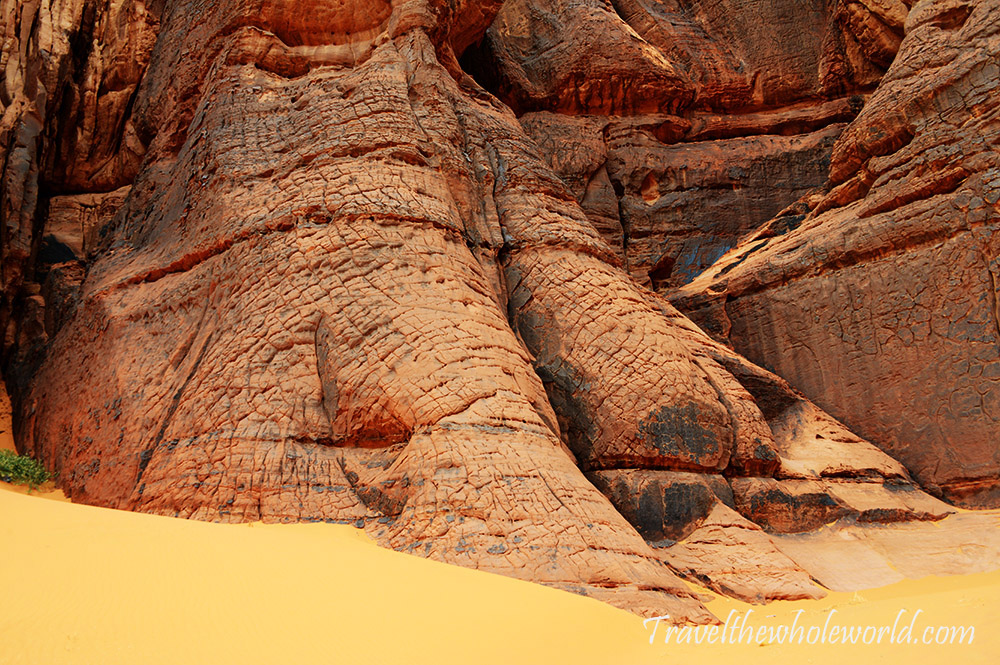
This was a closer look at one of the sandstone walls disappearing into the dunes. To me it looked less like a mountain and more like some enormous alien foot stepping into the sand.
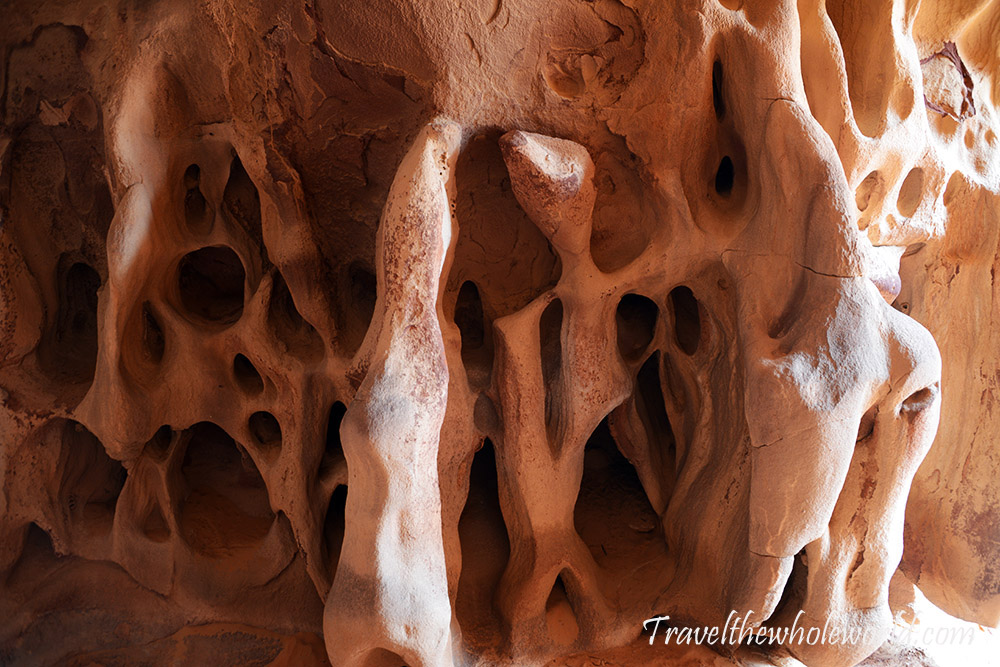
Some of the Sahara’s beauty was hidden in the details. Wind and sand had carved bizarre patterns across the sandstone that looked more like abstract artwork than geology.
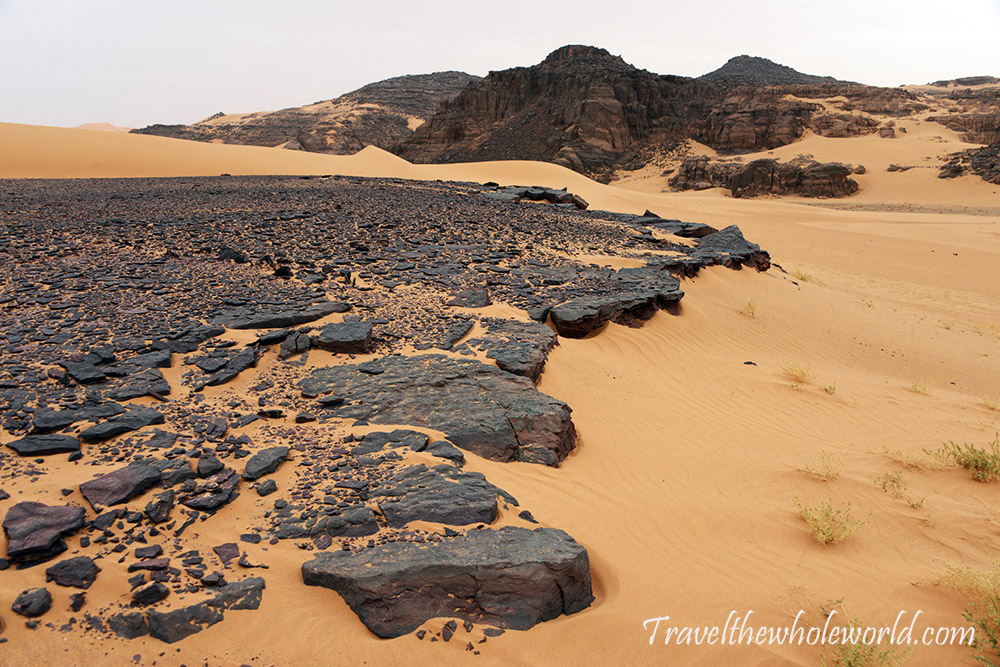
Not being a geologist gave me the freedom to invent my own names and explanations for some of the formations.
I called this “plate rock.” In several places it looked as though enormous flat sheets of stone had once rested over the desert floor and then gradually cracked into pieces as the landscape beneath them changed.
Whether my geological theory was remotely correct was another matter.
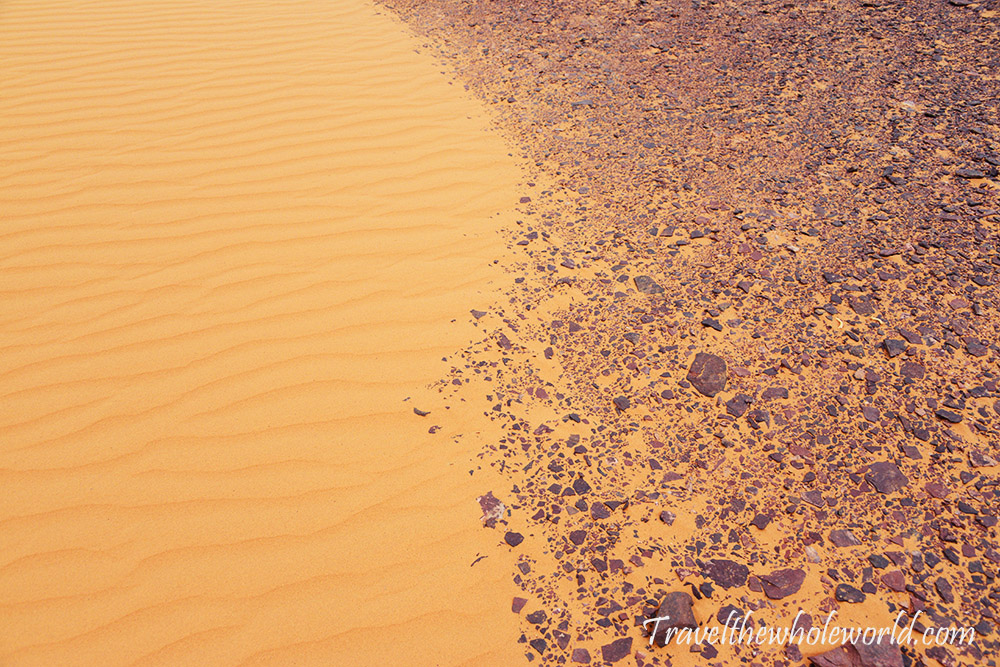
The sandstorm became bad enough that we lost an entire day of travel. We had planned to drive farther toward a campsite near the Libyan border, but instead we sheltered between large sandstone walls that offered at least some protection from the wind.
At first I was annoyed that everything I ate or drank seemed to be covered in sand. Eventually I just accepted it as part of the experience. I even discovered that if I didn’t bite completely down while chewing, I could avoid some of the awful grinding sound of sand between my teeth.
I still refused to completely waste the day.
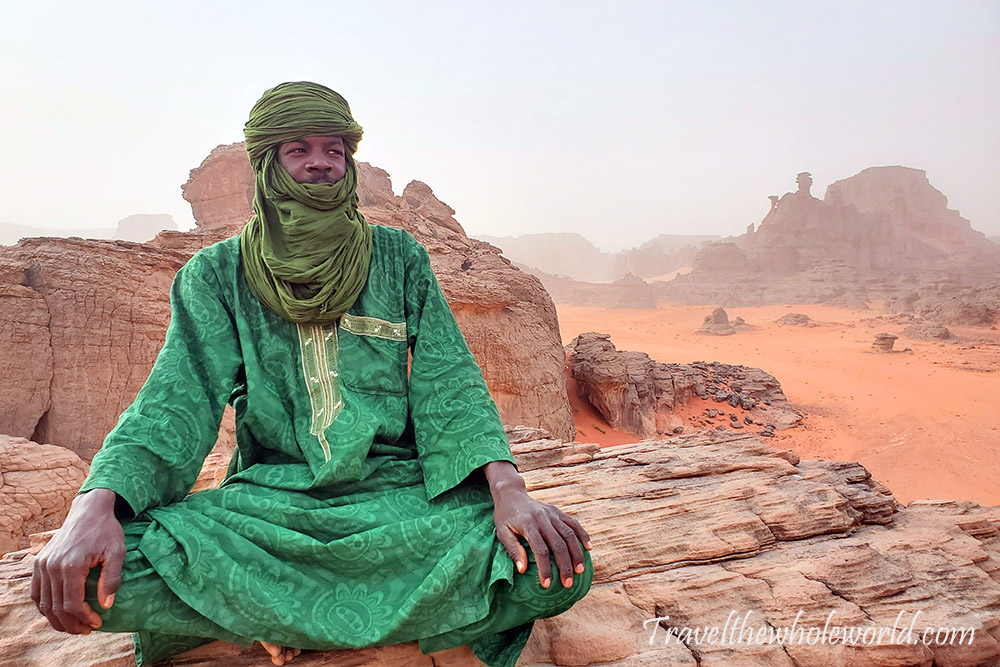
When the wind eased a little, I convinced my driver Moukadi to climb a small rock formation with me. Some of the moves were interesting, but the formation was short enough that nothing felt overwhelming. Once we reached the top, I took this photograph of him looking out across the desert.
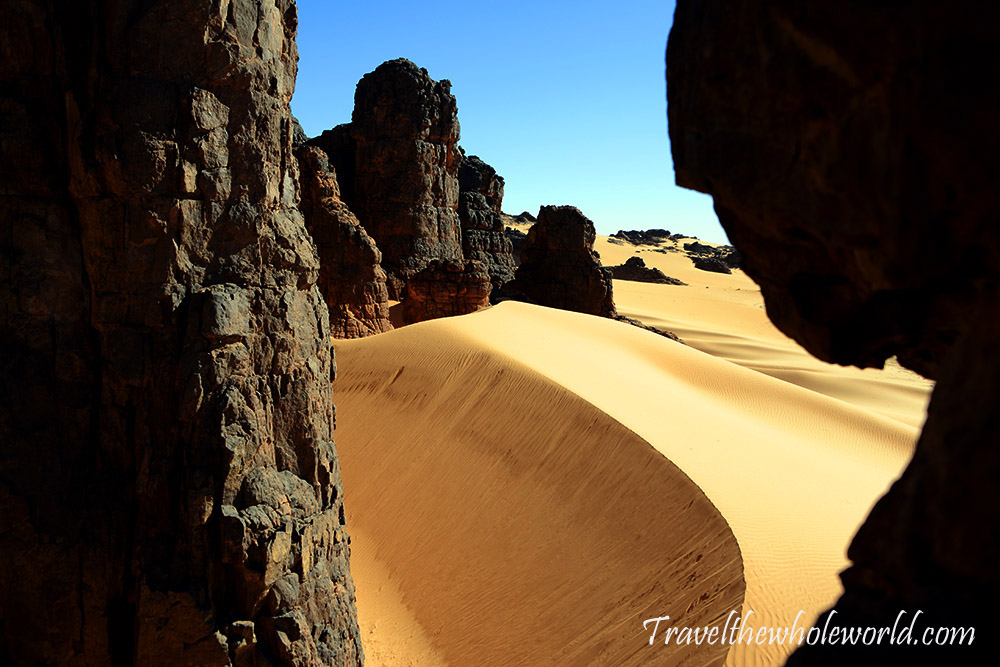
There were endless opportunities for short hikes and scrambles throughout this part of the Sahara, although the sand made everything more tiring than it looked.
I would have loved to do some real rock climbing, but much of the sandstone here wasn’t something I was willing to trust without knowing the rock better. There were still plenty of formations that could be explored safely without turning the trip into a climbing expedition.
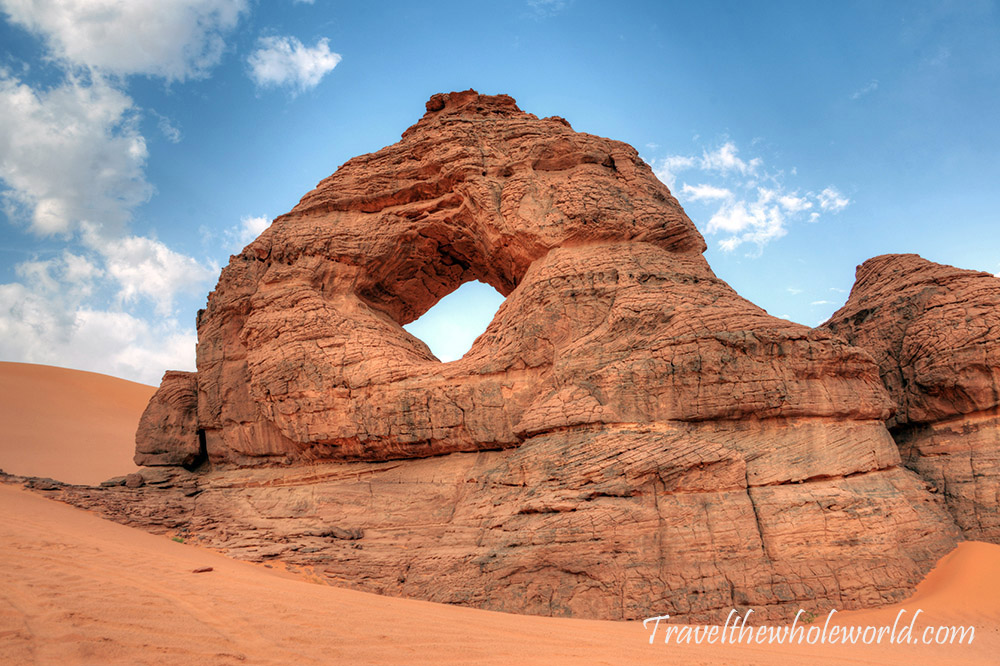
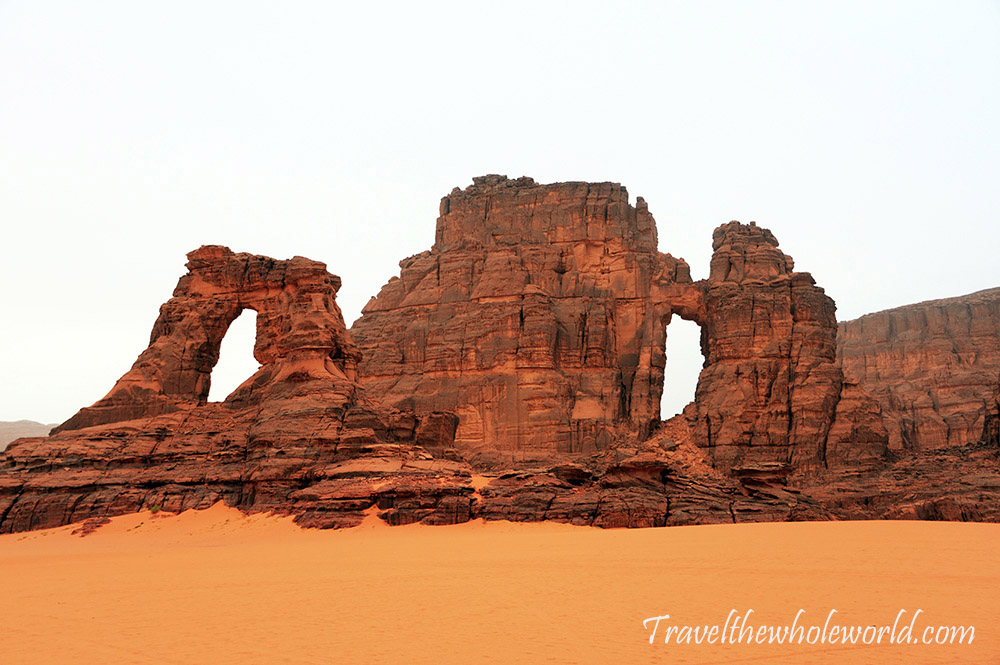
Sandstone erodes into some incredible shapes, and natural arches were everywhere in this region. They reminded me of the formations in the American Southwest, except here they rose out of the Sahara with nothing but desert around them.
During my hikes I saw surprisingly little wildlife. In many natural areas of the world it’s difficult to spend an entire day without seeing something moving. In the Sahara, that can happen easily.
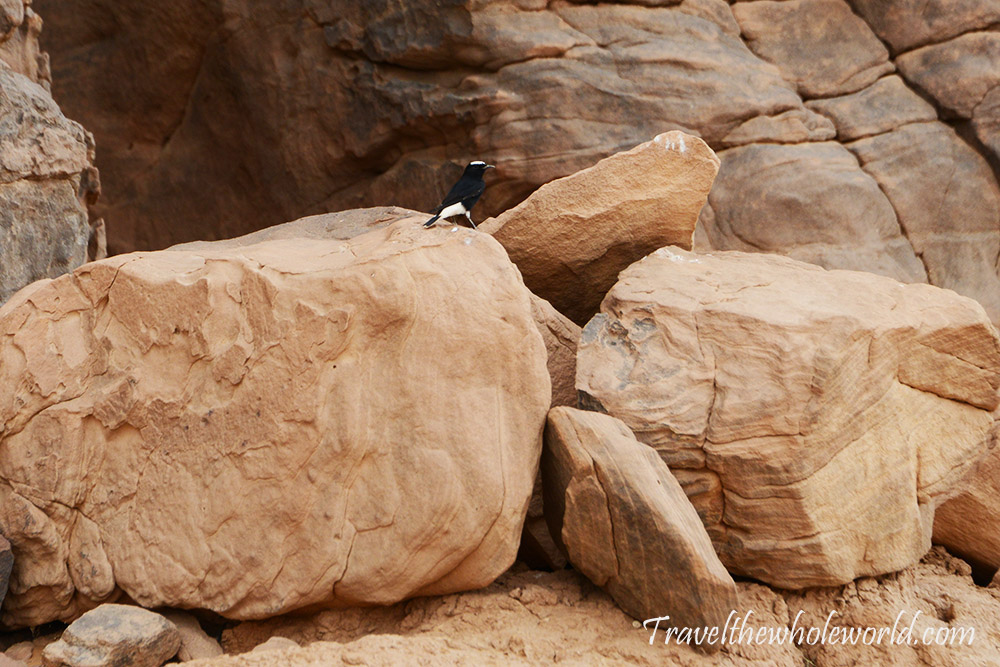
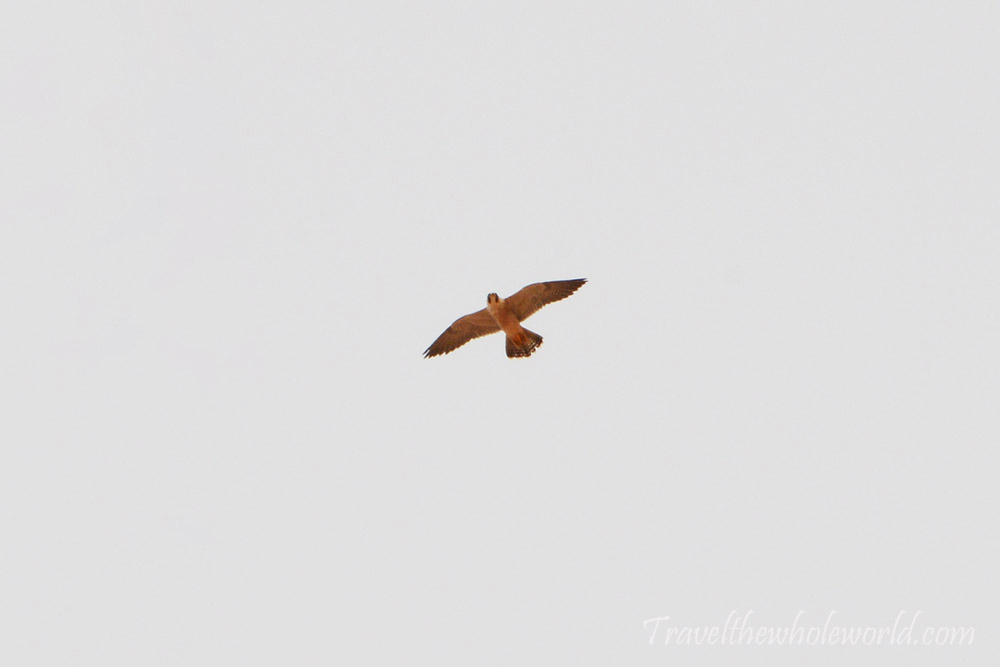
Much of the wildlife is better adapted to being active at night, but with some patience I still found quite a bit. This small bird was one of the animals I saw most frequently. The hawk below was much rarer—I spotted one only once.
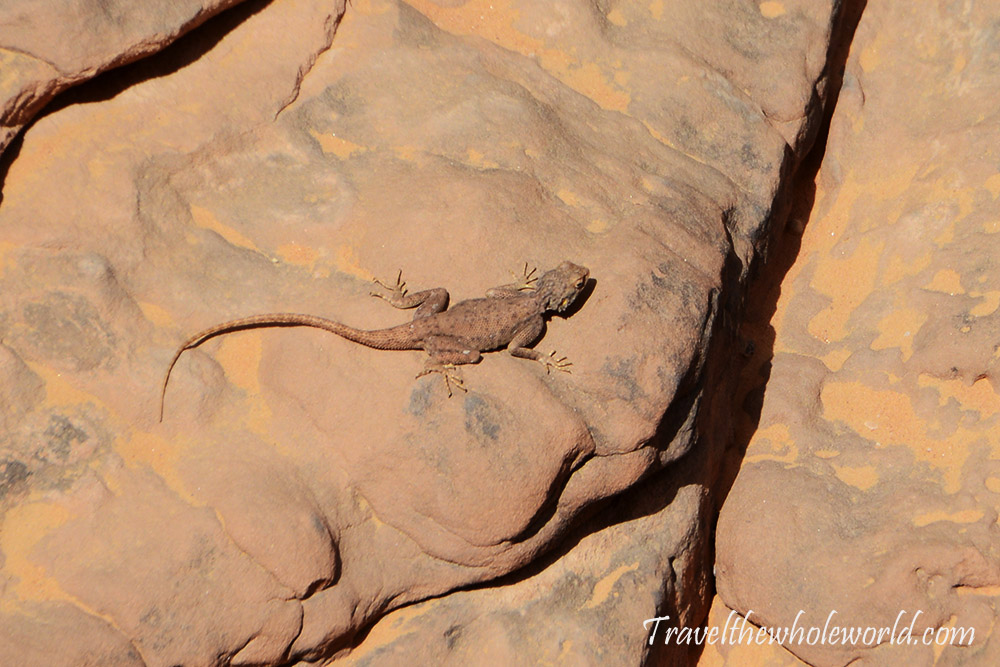
I saw several lizards of different sizes, but this was the only one I managed to photograph. I accidentally scared him while climbing up a water-polished section of rock that must turn into a waterfall during heavy rain.
He disappeared beneath some rocks, so I gave up and continued climbing. When I returned later, there he was again, sitting in the sun.
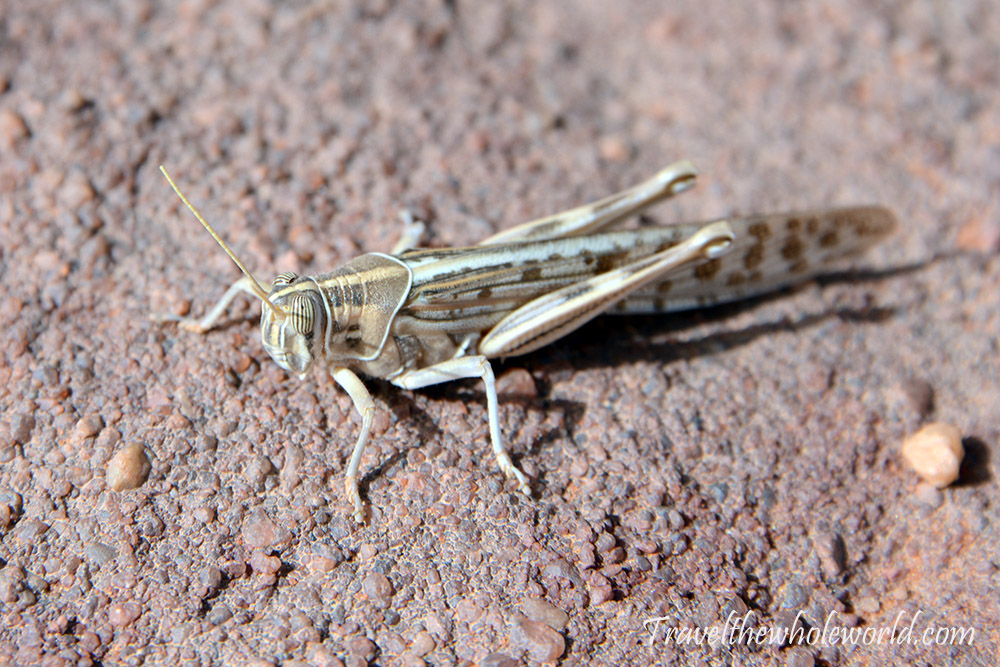
Probably waiting for a grasshopper.
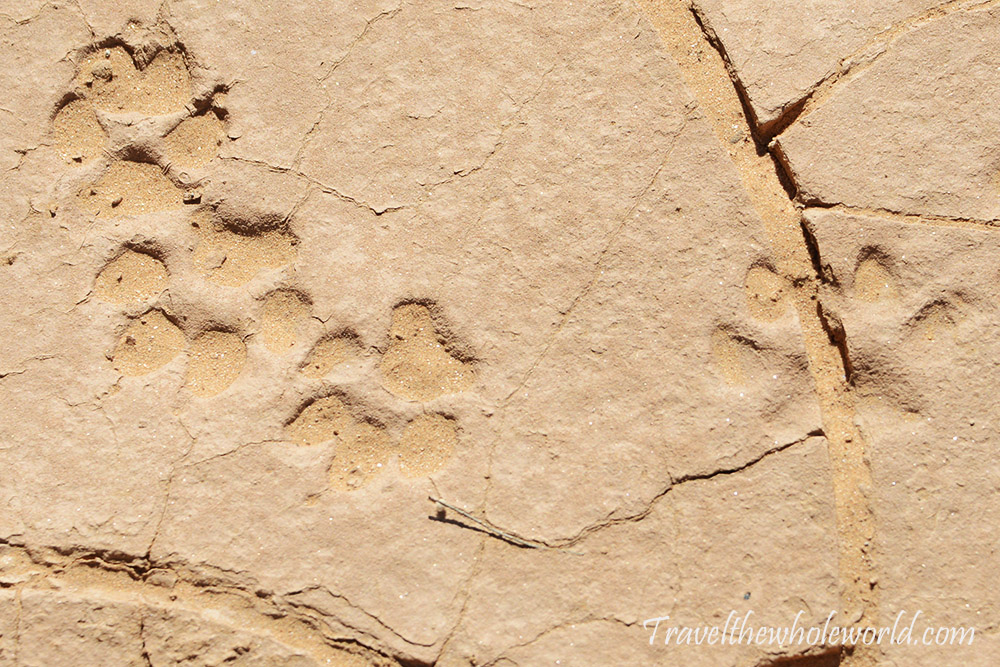
Other animals stayed hidden but left evidence behind. I often found fresh canine-looking tracks across the sand in the morning, presumably left during the night.
These older paw prints had been preserved in dried mud long enough for the ground around them to crack.
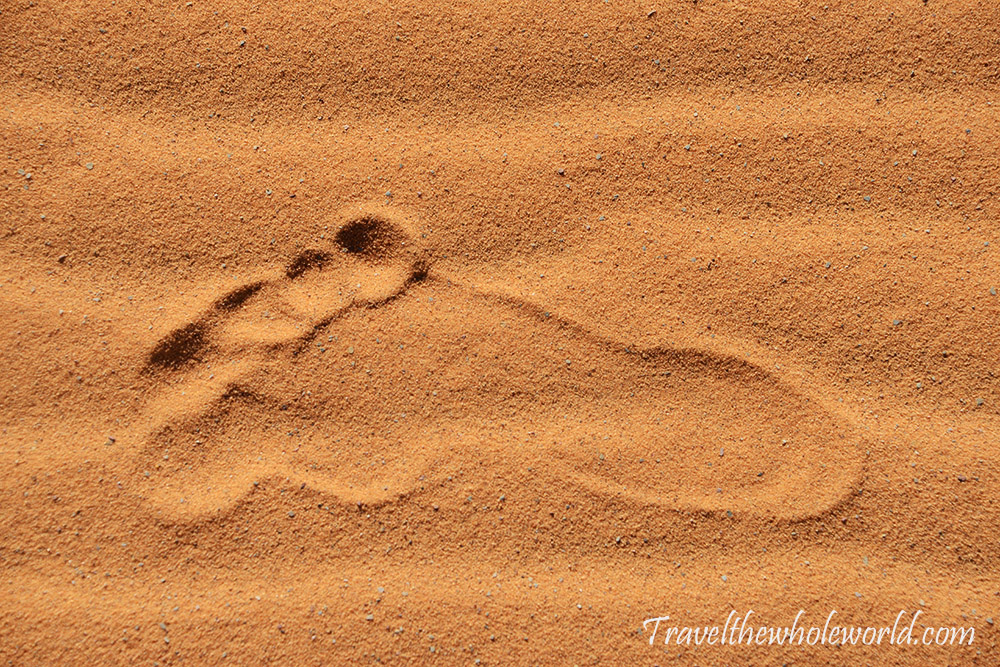
This unusual-looking footprint belonged to one of the locals traveling with us.
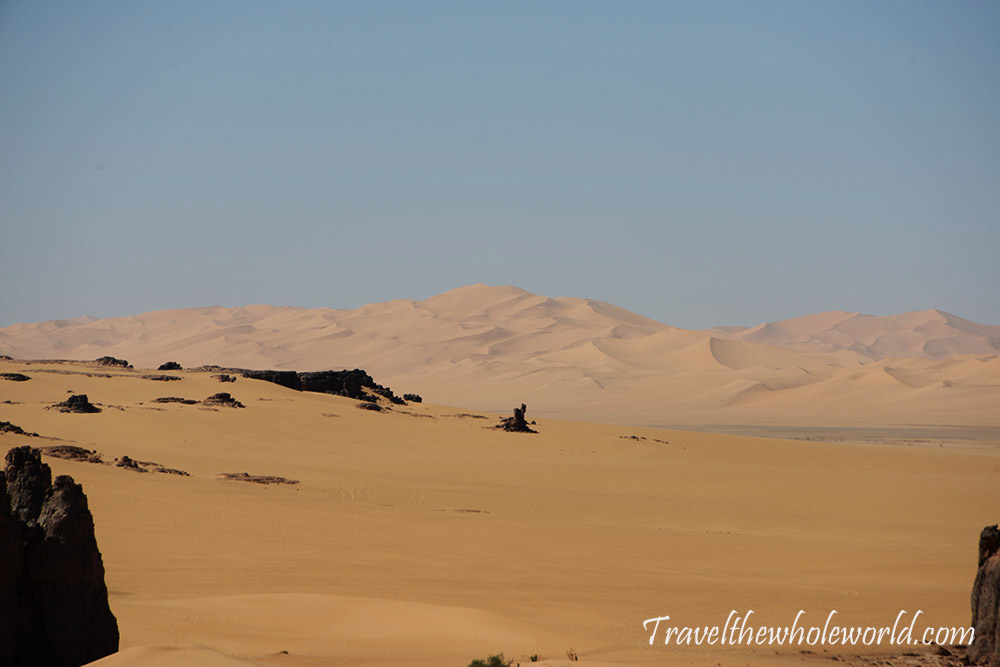
Some of the dunes here were enormous. I had already visited the giant dunes of Namibia, yet the scale of the Algerian Sahara still surprised me.
In places it was difficult to tell where pure sand ended and mountains buried beneath the dunes began. Entire ridges seemed to disappear under flowing layers of sand.
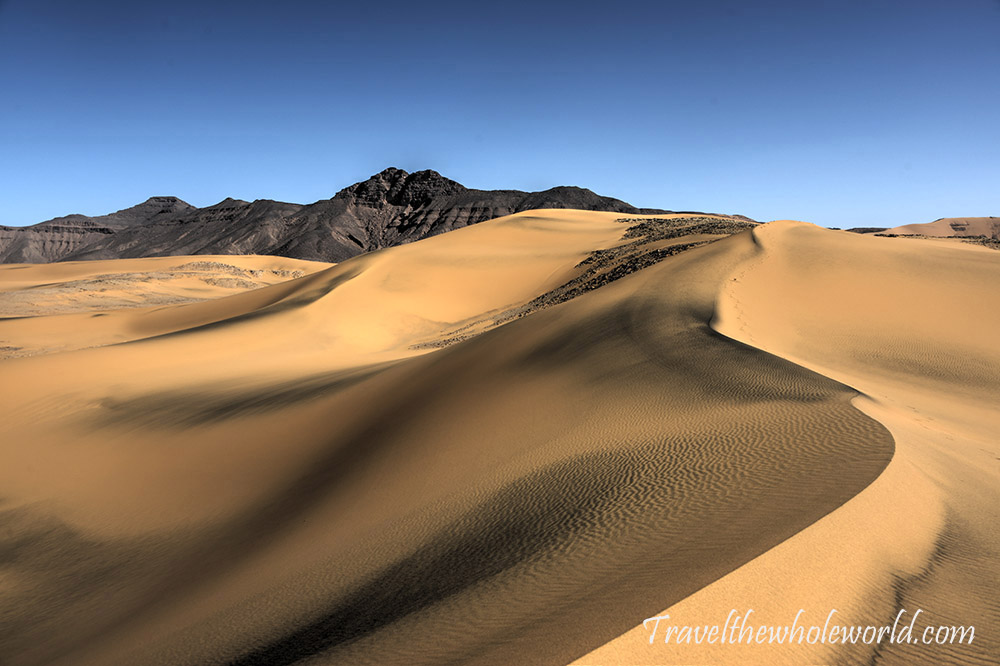
One day while driving toward a new campsite, I noticed an impressive peak rising above the desert. The summit looked rough enough that I wondered whether the final section might require a rope, but from a distance I guessed I could probably reach the top within about 90 minutes.
Naturally, that meant I had to try.
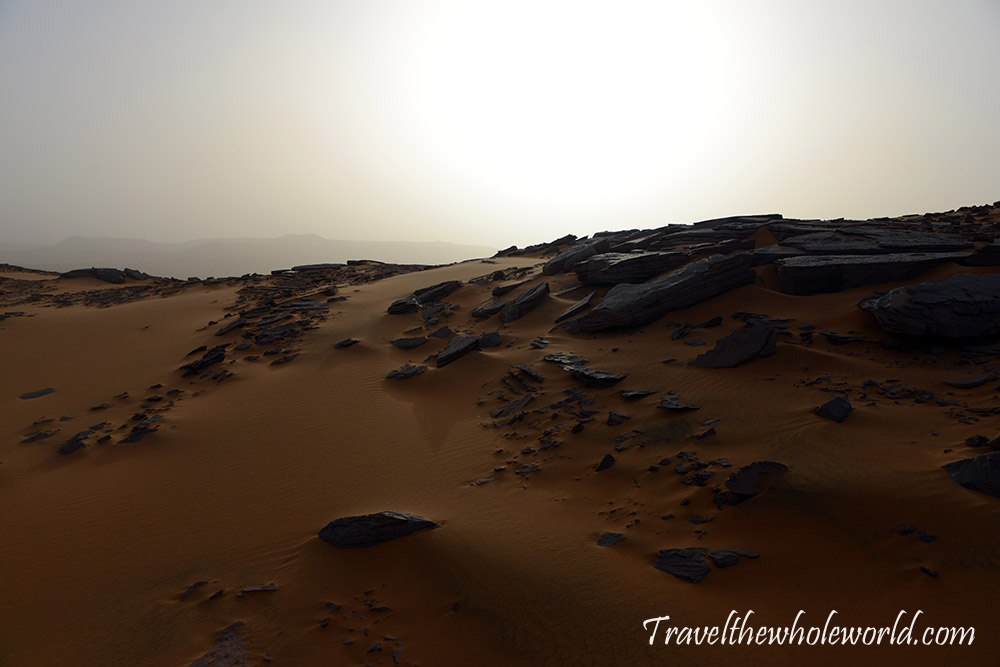
I left camp shortly after four in the afternoon and headed toward the mountain. My first objective was a long ramp of sand that climbed to the ridge.
From what I had seen while driving in, I figured I could gain the ridge, follow it north toward the summit, then simply retrace my route back to camp.
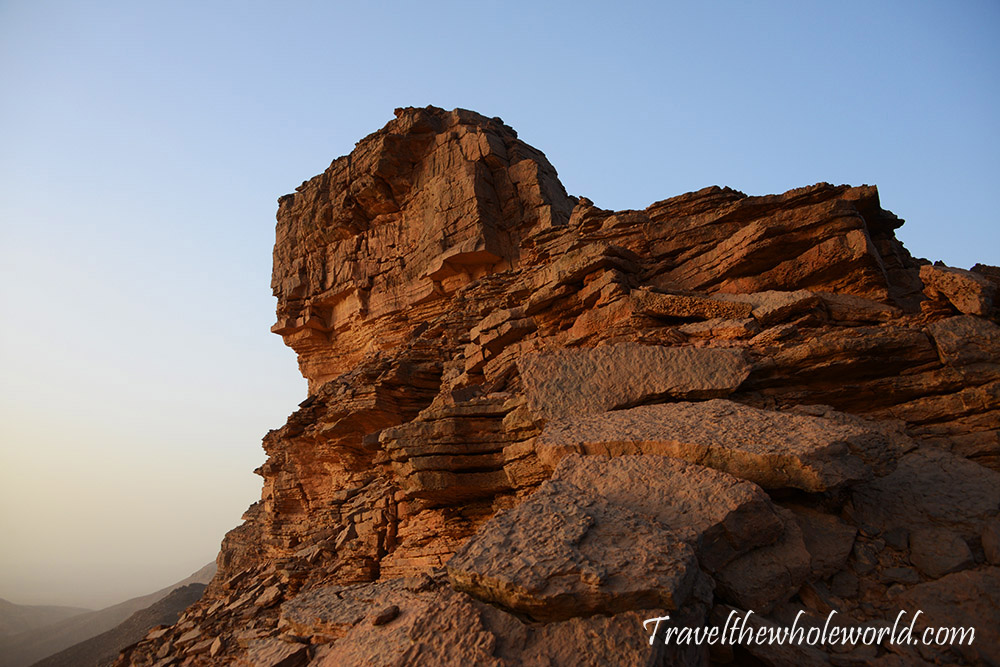
I wasn’t especially worried about getting lost because the route seemed straightforward, although I knew there was a good chance I’d be descending after dark.
Then I reached a false summit.
Luckily the real summit was only about another twenty minutes away. My bigger concern was the loose rock. Some of the blocks looked large enough that dislodging one could either injure me or destroy the route beneath it, so I avoided anything that looked questionable.
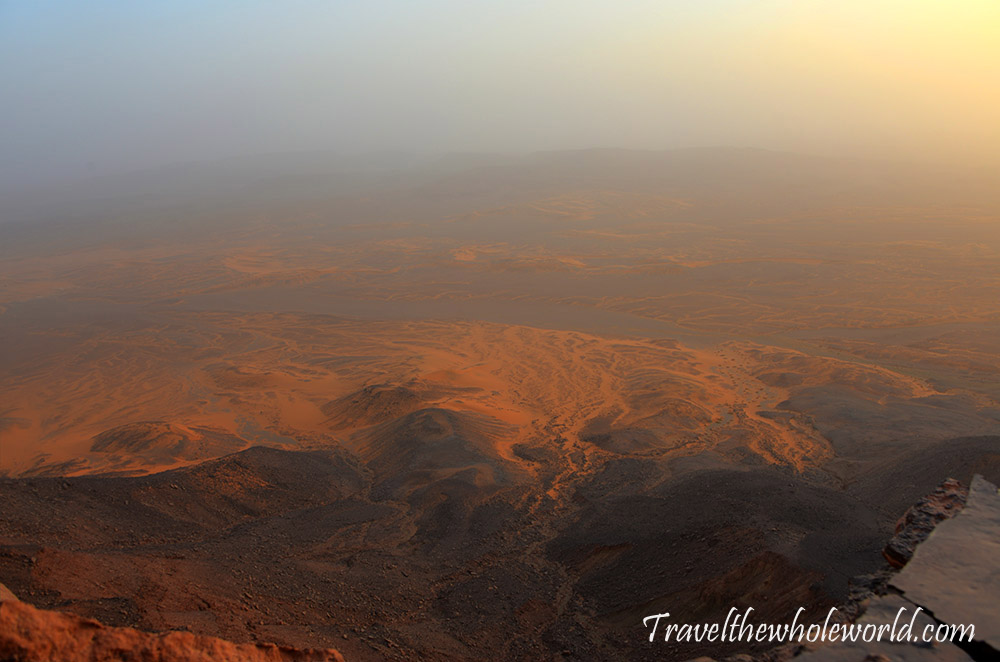
Before stepping onto the highest block, I inspected the rock carefully to make sure it wasn’t going to crumble beneath my weight.
Once I trusted it, I stood on top and looked out across the desert.
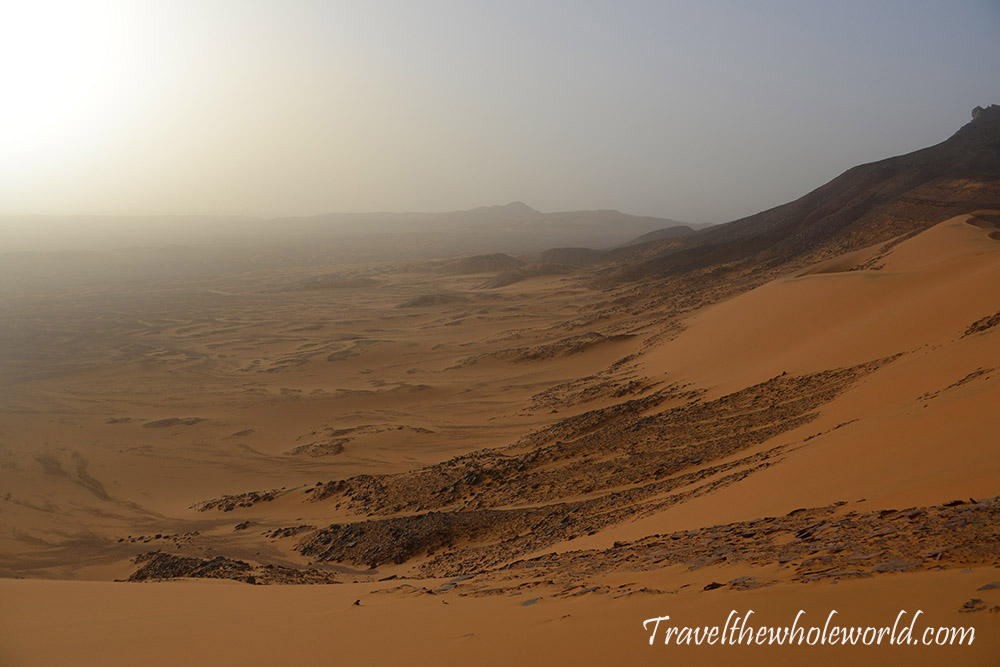
Visibility was limited, but in some ways that made the view even better. Different shades of sand and rock faded gradually into the haze, and some distant areas almost looked like water.
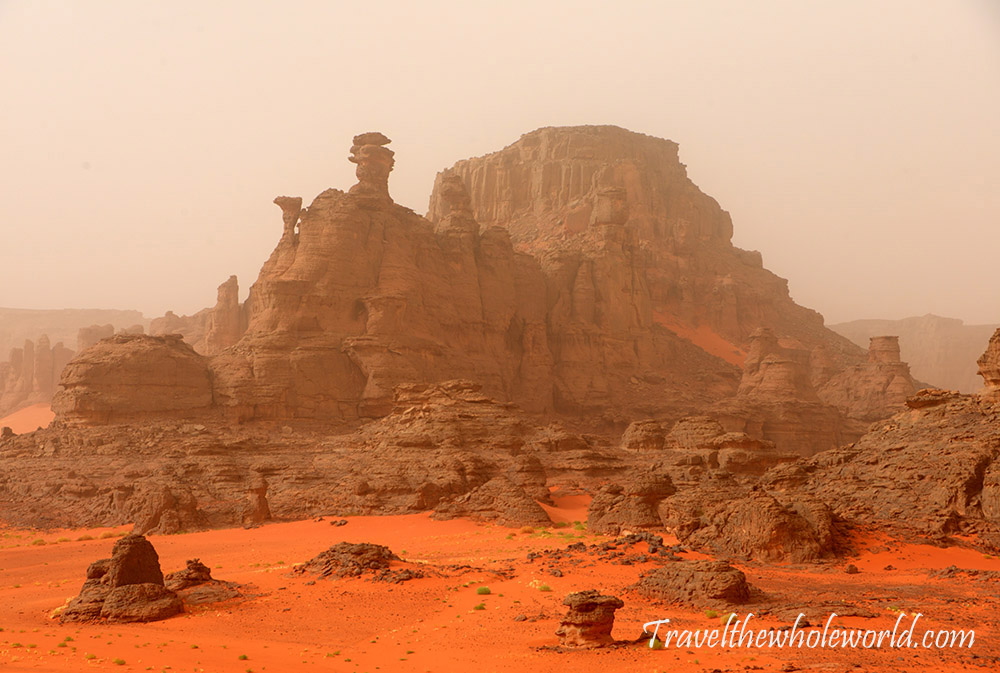
And finally, my favorite scene from the entire trip.
Of all the landscapes I’ve seen around the world, this remains one of the strangest. The photograph was taken during the sandstorm, when red sand filled the air and tinted the entire sky.
It barely looked like Earth.
Explore More of Algeria
Algiers • Constantine • Djanet • the Sahara