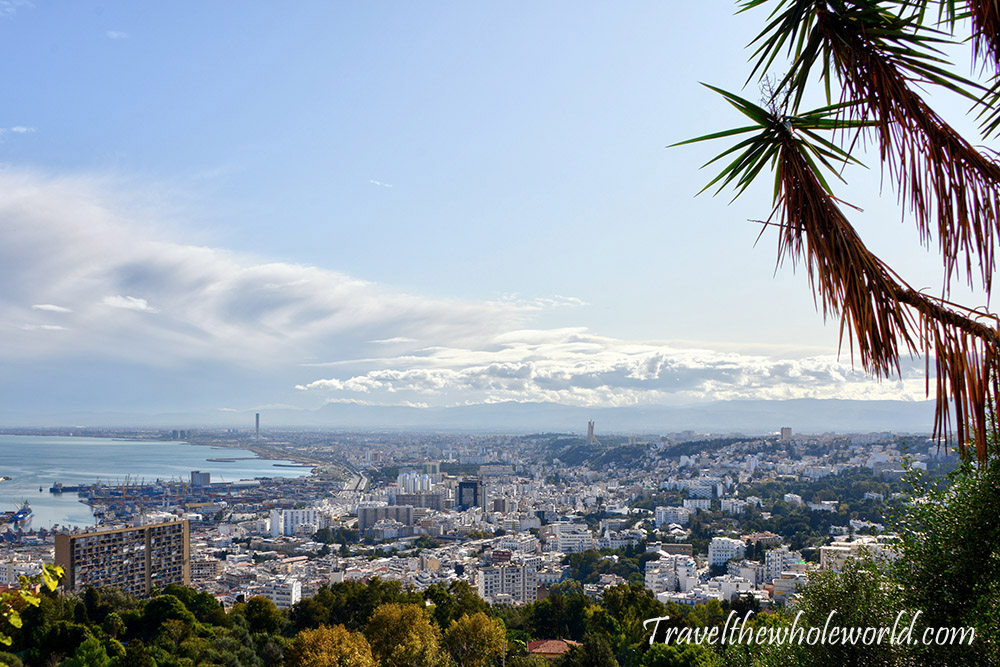
After my trip here, I came away thinking Algiers might be one of the most underrated cities in Africa. Sitting along the Mediterranean coast, the city combines French architecture, North African culture, Roman history, steep neighborhoods, and seemingly endless streets to explore. I really didn’t know what to expect before arriving, but Algiers ended up being full of surprises. Just look how beautiful it is!
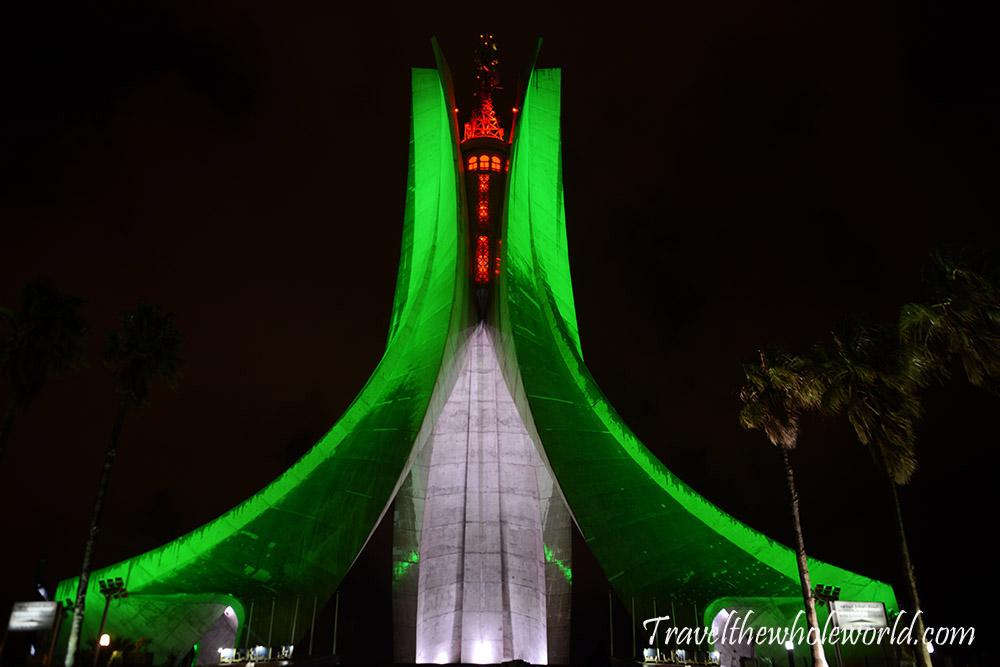
A little background on Algeria helps explain much of what you see around Algiers. France colonized Algeria in the 19th century and ruled it until Algeria finally gained independence in 1962 after a long and brutal war. Twenty years later, the enormous Martyrs’ Memorial was opened to commemorate those who died fighting for independence.
More than a century of French rule also left a major architectural and cultural influence on Algiers. French is still widely spoken alongside Arabic, which made traveling here a little more challenging for me as an English speaker.
My first day in Algiers started with me simply exploring on foot. I had no destination in mind, but naturally ended up heading toward the waterfront.
Within minutes of leaving my hotel, I somehow stumbled and kicked a curb while wearing flip-flops. When I looked down, my pinky toe was pointing at a very unnatural 45-degree angle.
Not a good start.
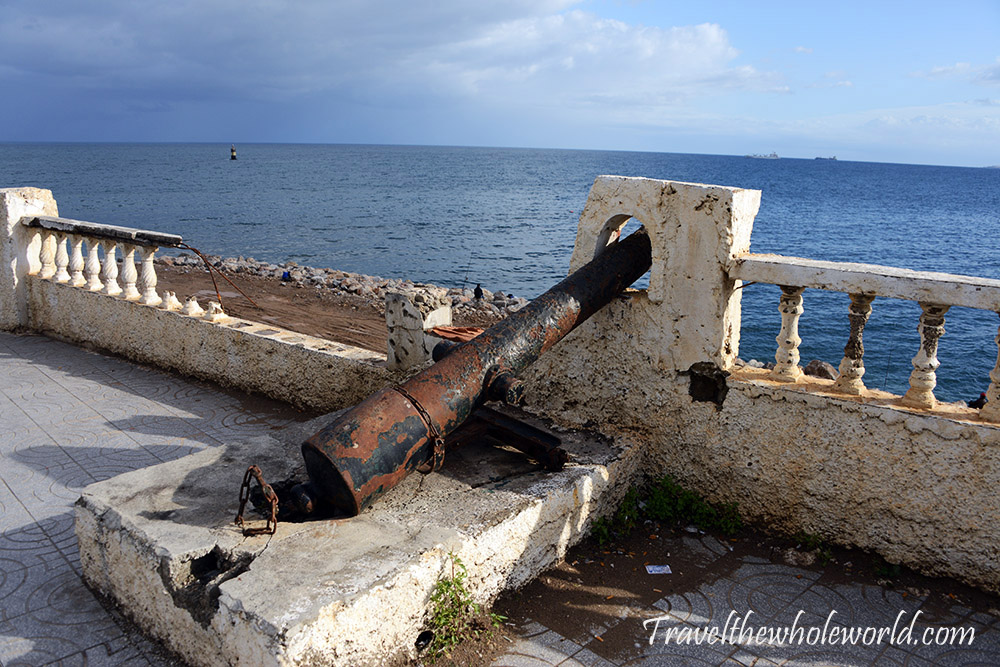
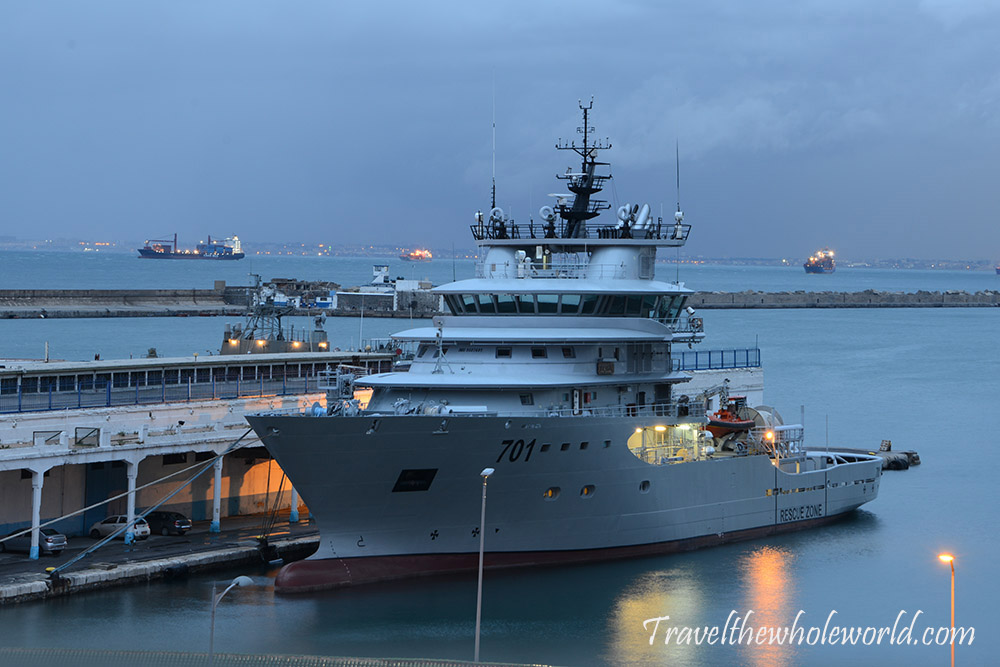
I put it back into place and continued my tour of Algiers with a limp. Along the waterfront I came across these old cannons overlooking the coast and the government ship below.
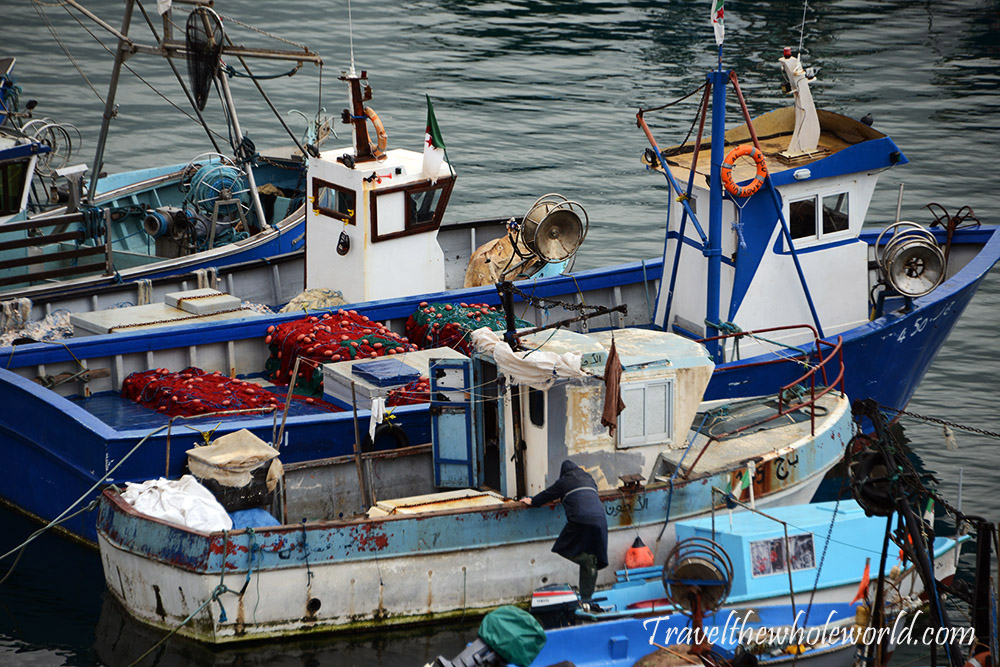
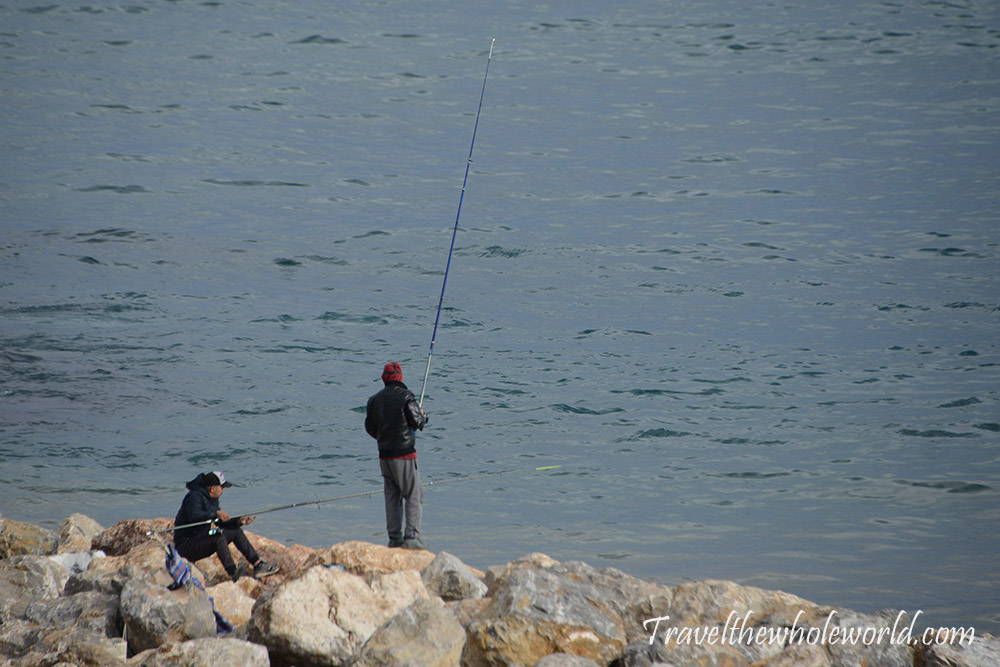
As I limped along the coast, I passed quite a few fishing boats around the port. Most were docked, although I saw a few out on the water and several people fishing directly from shore.
While taking one of these photos, a local man sitting on a bench suddenly started screaming at me. I stopped taking pictures and continued on my way. When I returned later, I saw him yelling at other people too, so apparently it wasn’t personal.
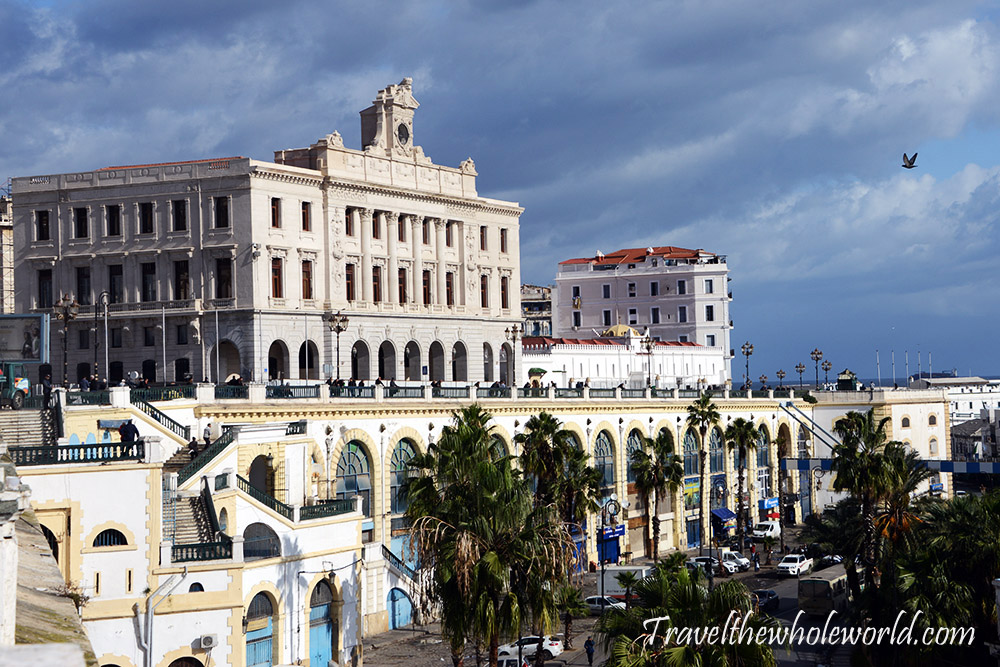
Eventually I reached one of my favorite parts of the city. Above is the Chamber of Commerce, and a short walk farther along the coast brought me to the lighthouse below. I had hoped I could walk all the way up to it and maybe even go inside, but it turned out to be part of a military area and was off limits.
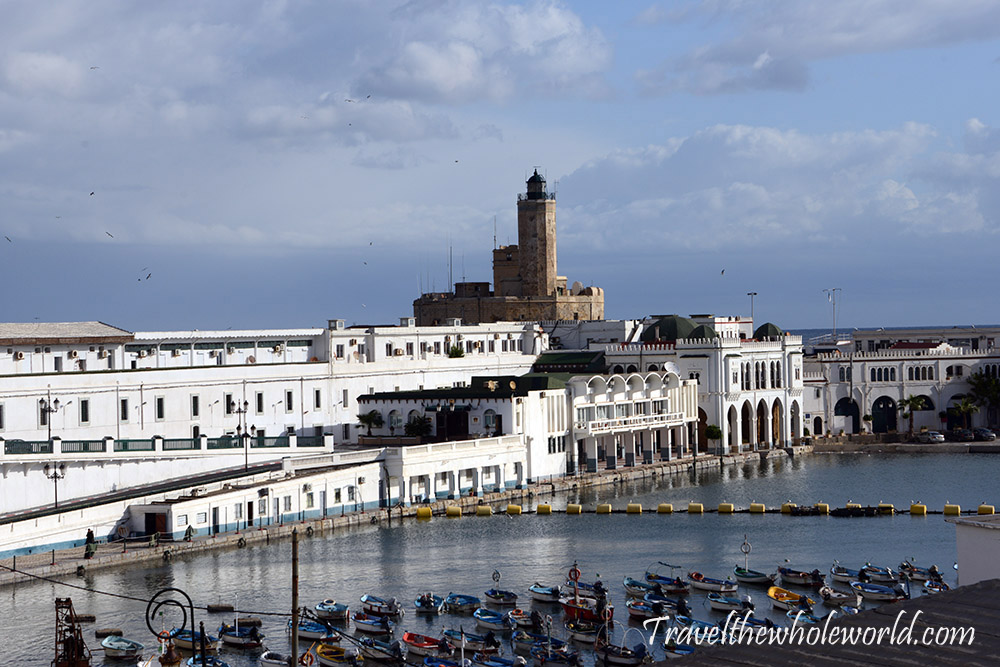
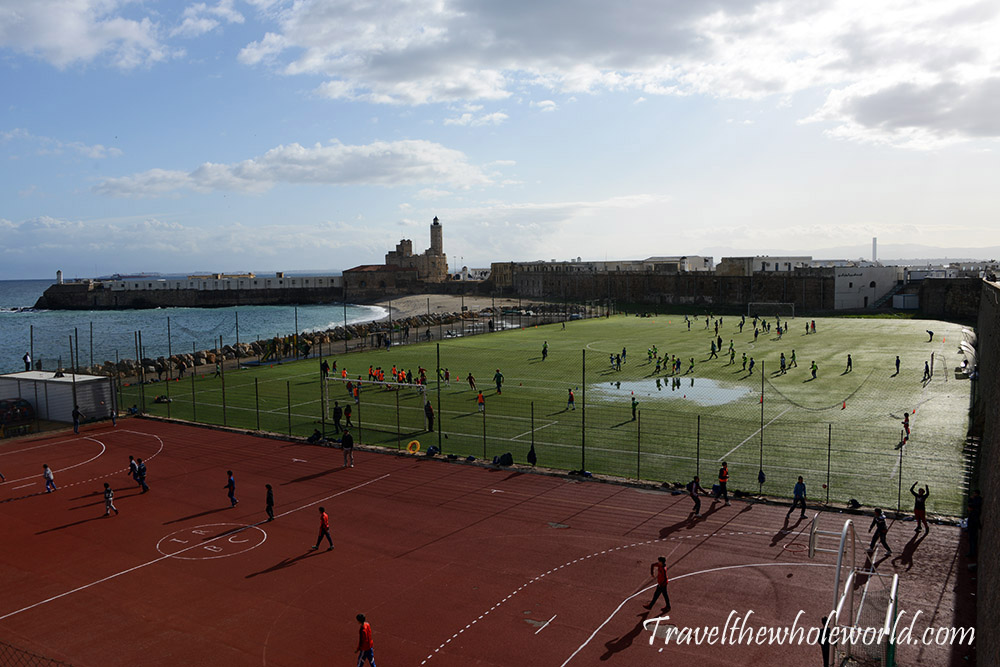
On the other side of the lighthouse was this massive soccer field with multiple groups of kids playing. It was hard to imagine a much better location for a soccer field, sitting right beside the Mediterranean with the lighthouse in the background.
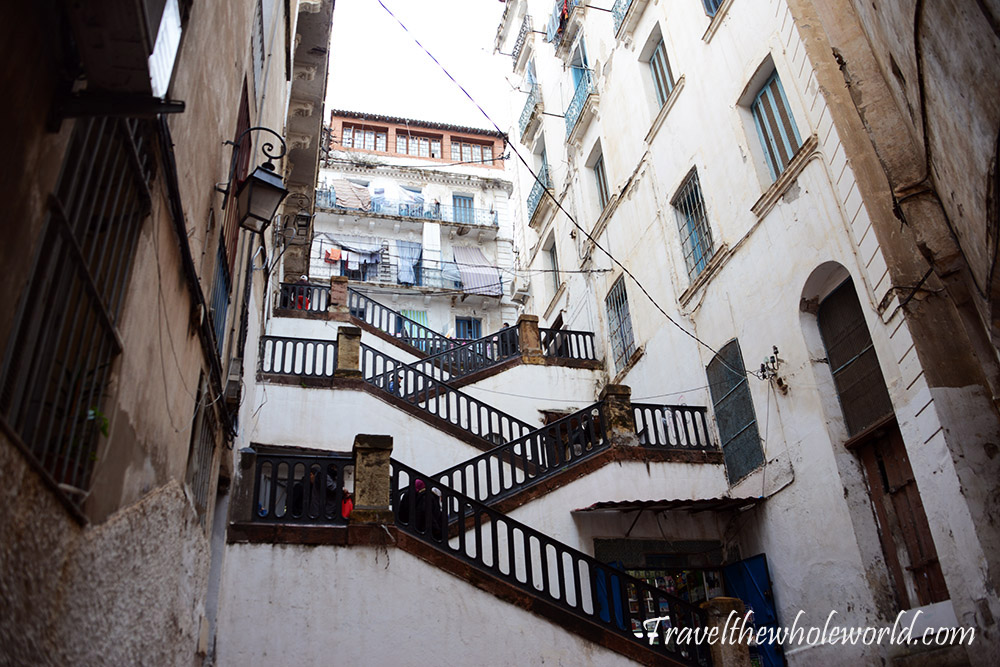
Don’t let the waterfront fool you though. Algiers is an extremely hilly city. Walk inland from the coast and the terrain rises quickly, with neighborhoods stacked above one another on the slopes.
The solution is stairs.
Lots and lots of stairs.
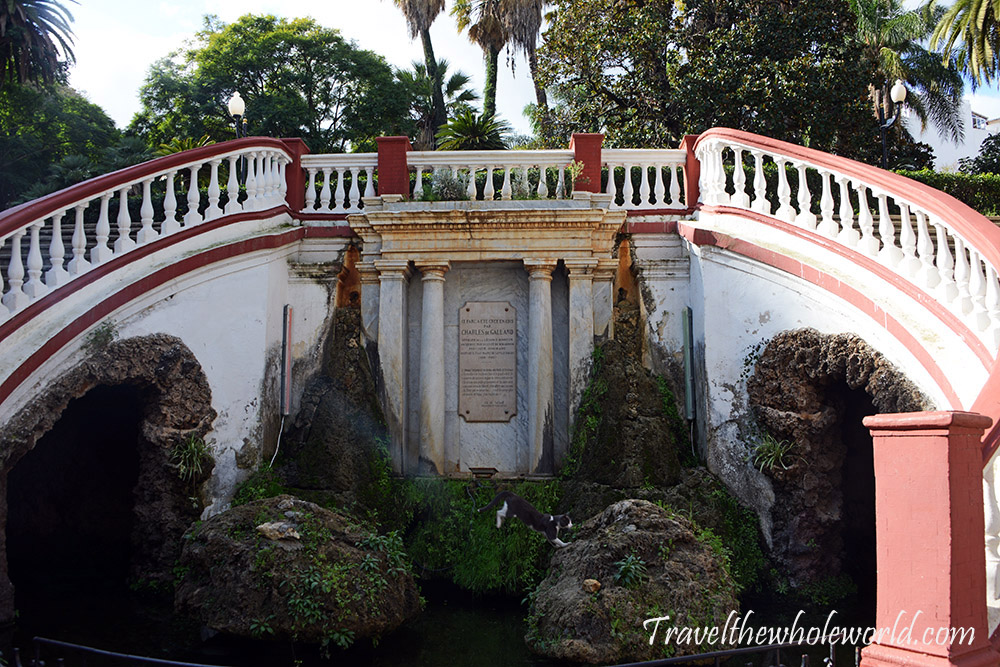
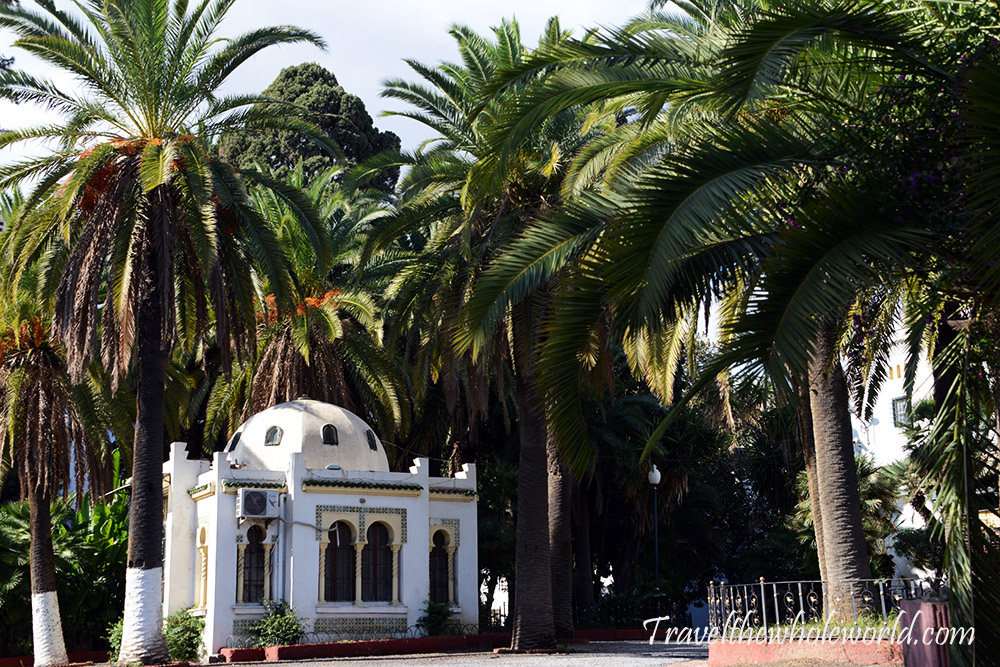
Even the city parks have to adapt to the hills. L’ancien Parc de Galland was easily my favorite. One entrance climbs from a lower street through an elegant staircase surrounding a fountain. Higher up are gazebos, palm trees, and quieter areas overlooking the city.
If you look closely at the photo above, you can even see a cat doing a bit of parkour around the fountain.
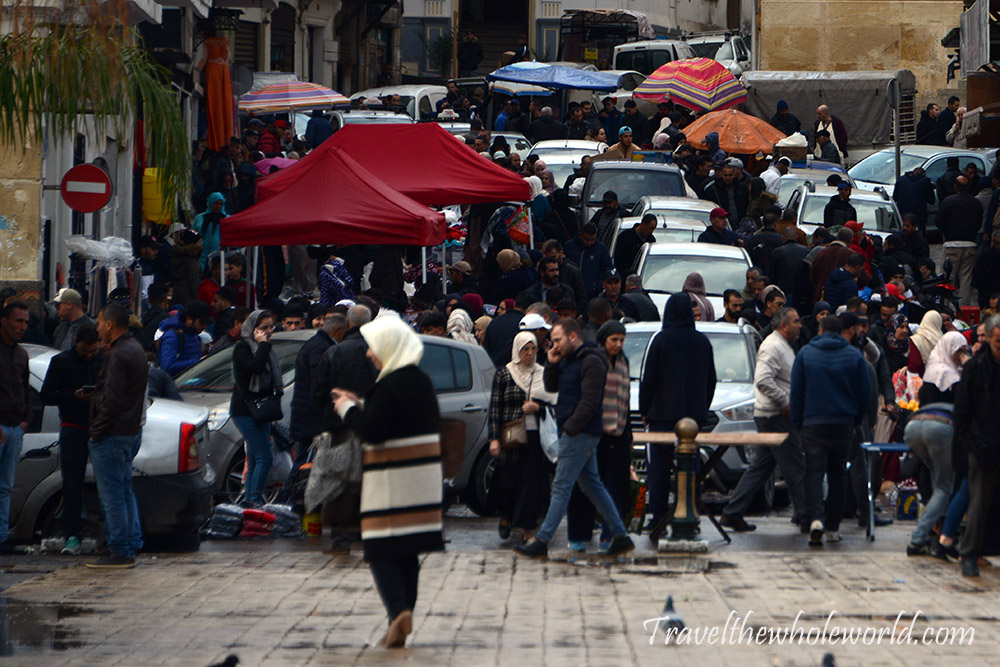
On one of my days in Algiers, I was lucky enough to have two local friends show me around. Without them I definitely would have missed some amazing places.
The Casbah wasn’t one of those places I would have missed, but I was glad to have locals with me after they warned me to watch out for thieves. I never felt unsafe during my entire trip through Algeria, and compared with some of the crowded markets I’ve visited around the world, this didn’t strike me as the place where I’d finally get successfully pickpocketed.
Still, I always listen to the locals, so I was extra cautious.
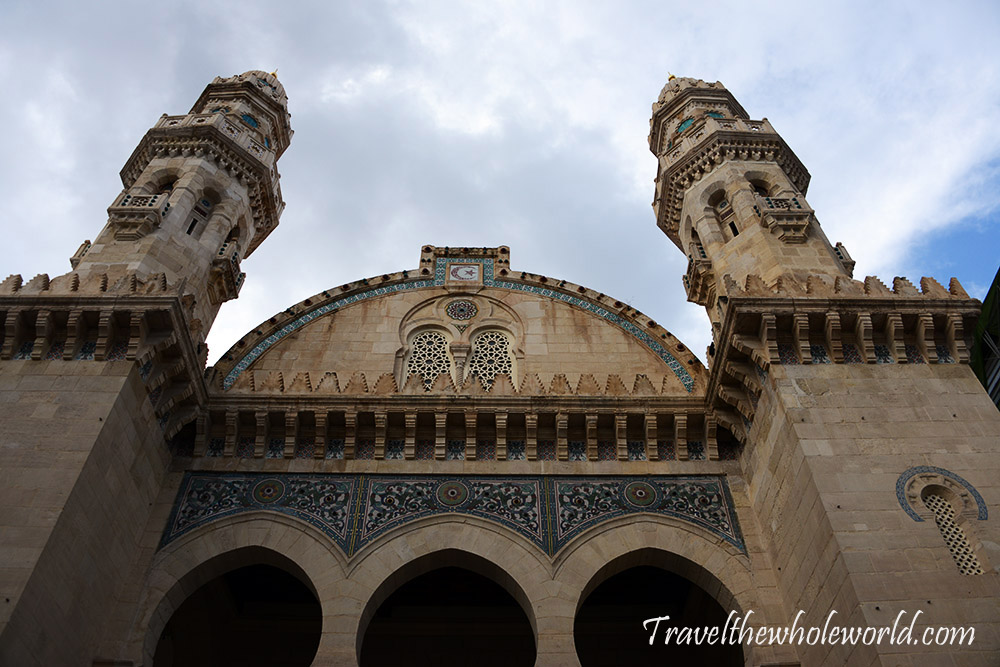
Inside the Casbah is the most beautiful mosque I saw during my travels through Algeria. Ketchaoua Mosque has stood here for centuries, surrounded today by the tightly packed streets and buildings of the old city.
That’s also what makes it so difficult to photograph. I definitely could have done a better job, but there are almost no places nearby where you can stand far enough away to properly appreciate the entire building.
The mosque also reflects Algeria’s complicated history. During French colonial rule it was converted into a cathedral, and Christian crosses once stood where you see Islamic architecture today. After Algeria regained its independence, the building became a mosque again. Not long before my visit it had undergone major restoration work, including repairs to minarets that had deteriorated badly enough to become dangerous. By the time I arrived, it had been beautifully restored.
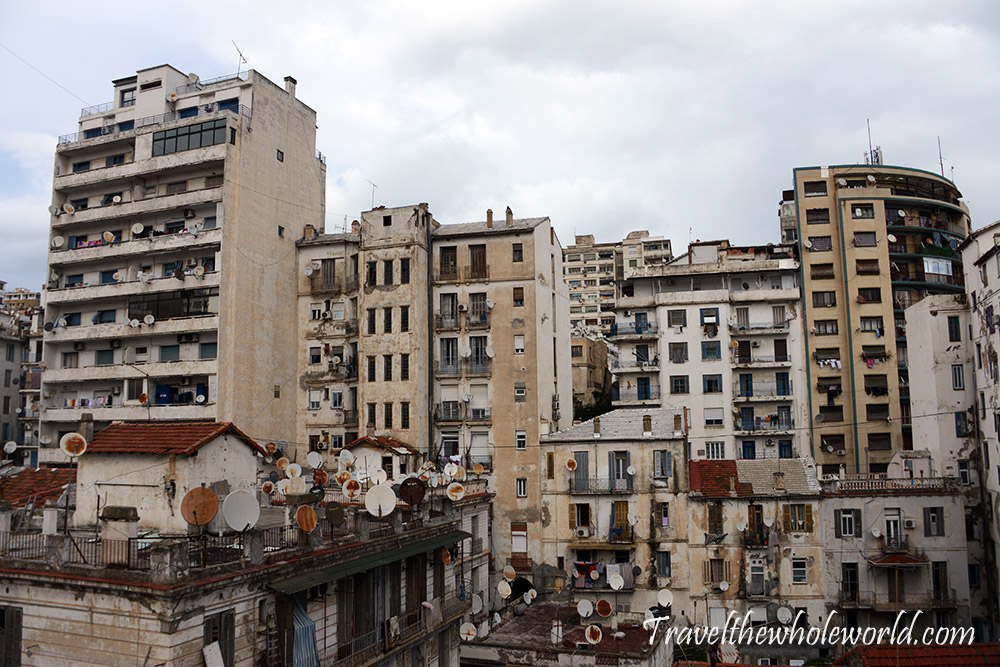
Some parts of Algiers were definitely in need of restoration, but nothing that made the city feel particularly run down to me. More importantly, I never felt unsafe during my time here. The photo above was taken from my hotel room, where I was surrounded by residential apartment buildings.
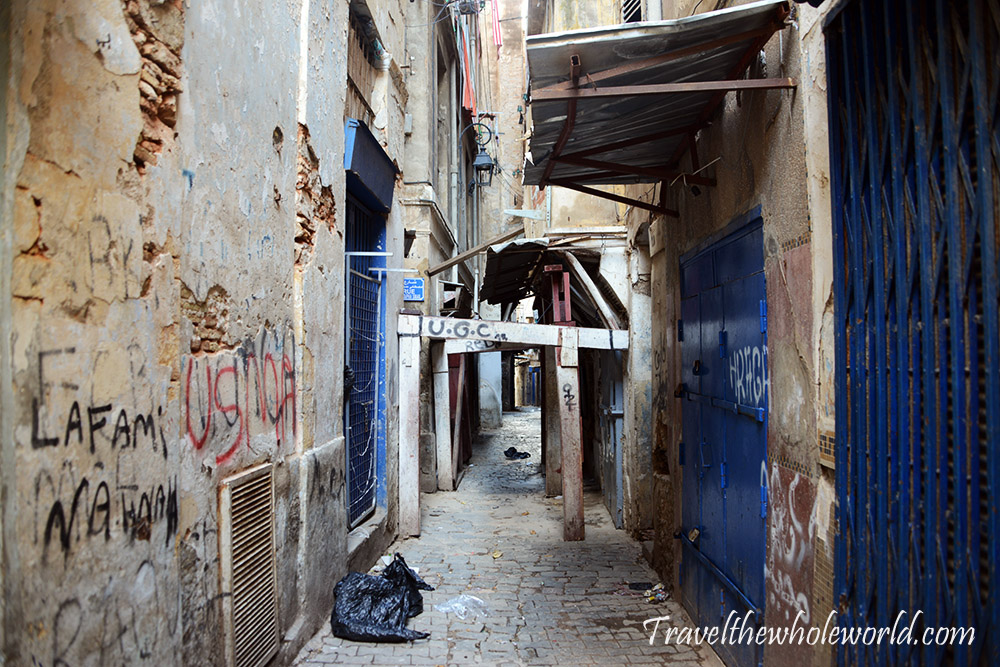
Below is one of the random alleys I passed through while exploring.
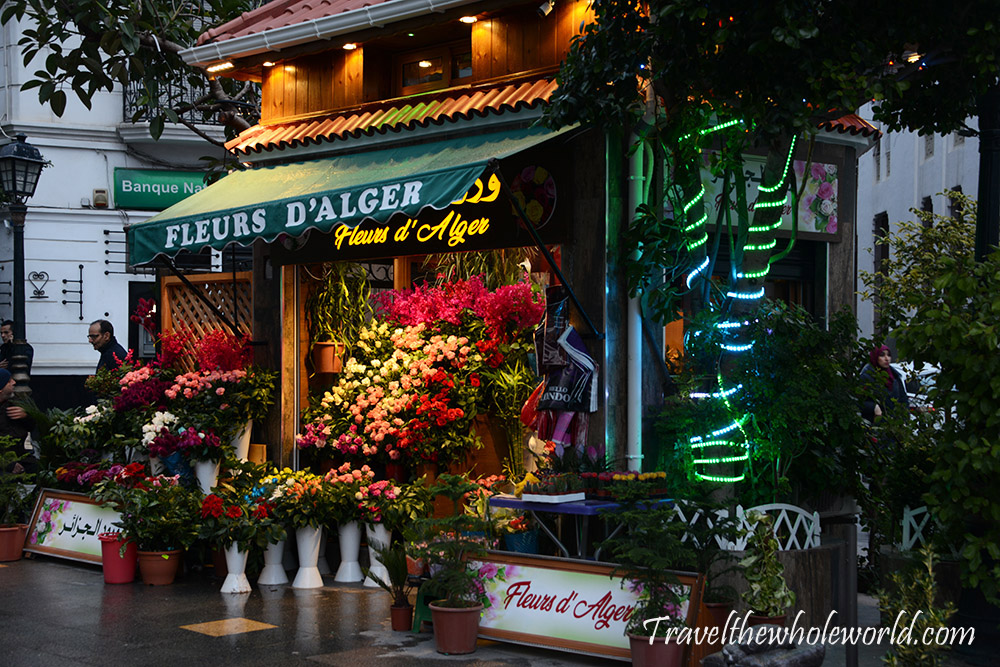
Here are a couple scenes from the more modern side of Algiers. This small flower shop was along one of the busy pedestrian streets filled with stores and restaurants.
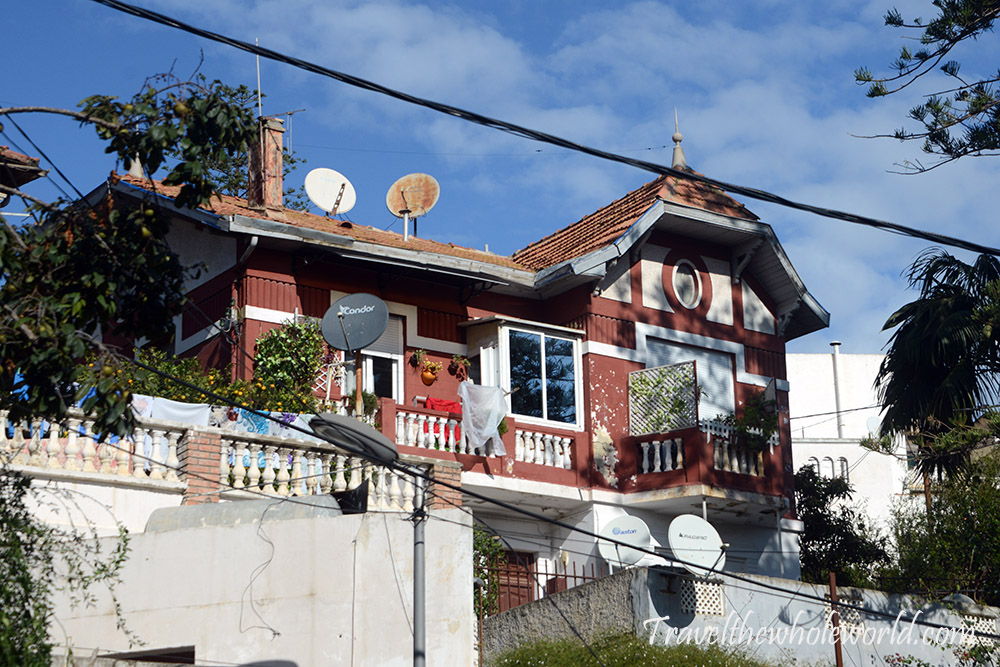
When I first arrived, some of these streets were lined with police because of ongoing protests, but they seemed completely indifferent to my presence. Below is a random Western-looking house I came across that seemed strangely out of place among the surrounding buildings.
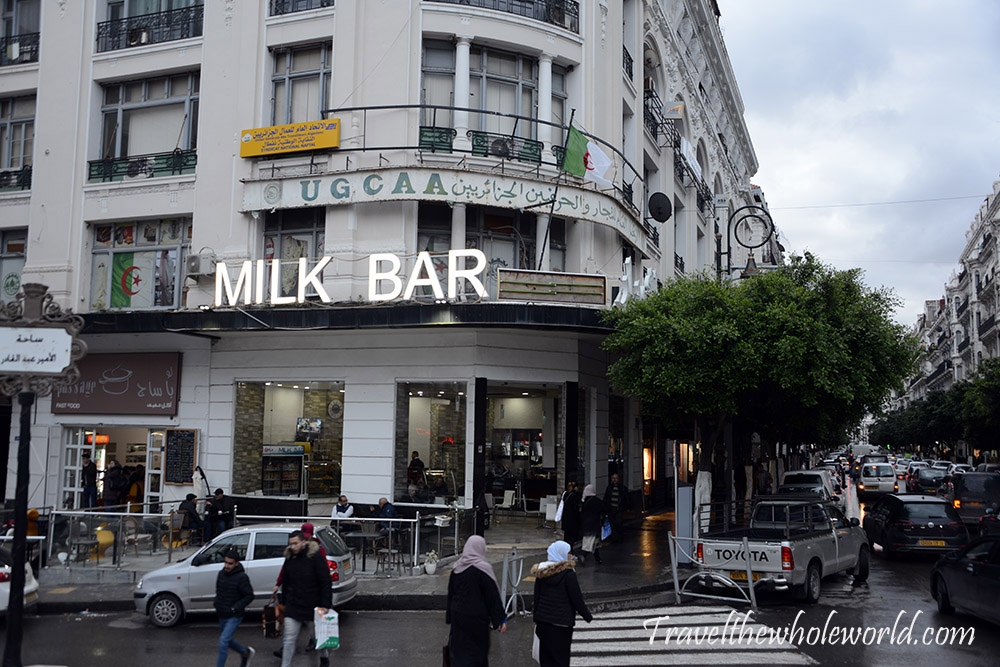
Not far from the flower shop was the Milk Bar. I had walked past it earlier and almost stopped for lunch or a snack without giving the place much thought. Later I returned with my friends, who told me about its much darker history.
During the Algerian War of Independence, a bomb was planted here as part of a coordinated attack in 1956. The explosion killed and injured civilians inside the cafe. It was strange realizing that somewhere I had casually considered stopping for food had been the site of an event tied to one of the most violent periods in Algeria’s modern history.
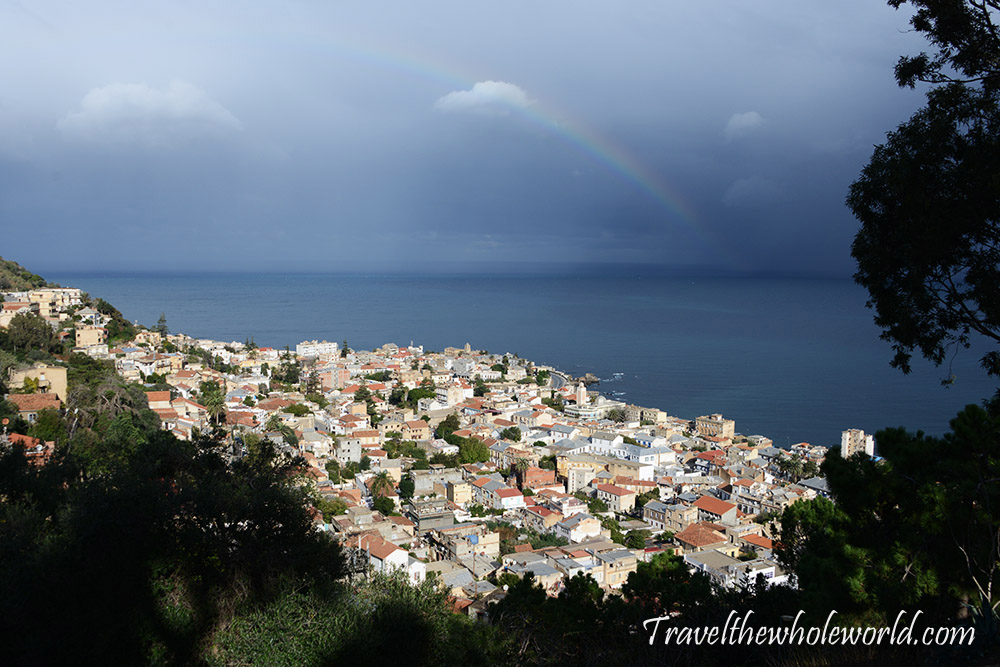
On a happier note, here’s another picturesque view of Algiers with a full rainbow stretching over the Mediterranean.
Algiers is such a large and varied city that its neighborhoods can feel completely different from one another. One moment you’re climbing steep streets surrounded by buildings in the heart of the city, and a few miles away you’re standing in a beautiful coastal neighborhood looking out across the sea.
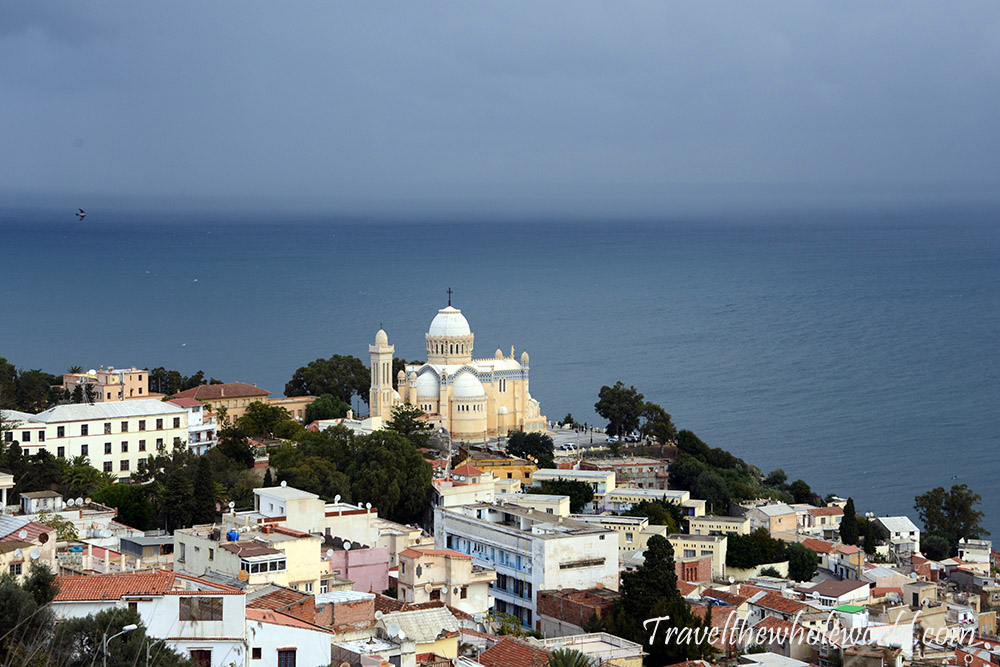
My friends took me farther north along the coast to Notre-Dame d’Afrique. The basilica was built during the 19th century and sits high above the Mediterranean, combining Roman and Byzantine influences in its architecture.
It was another example of just how many layers of history exist around Algiers. Mosques, colonial churches, Ottoman neighborhoods, French architecture, and modern Algeria all overlap throughout the city.
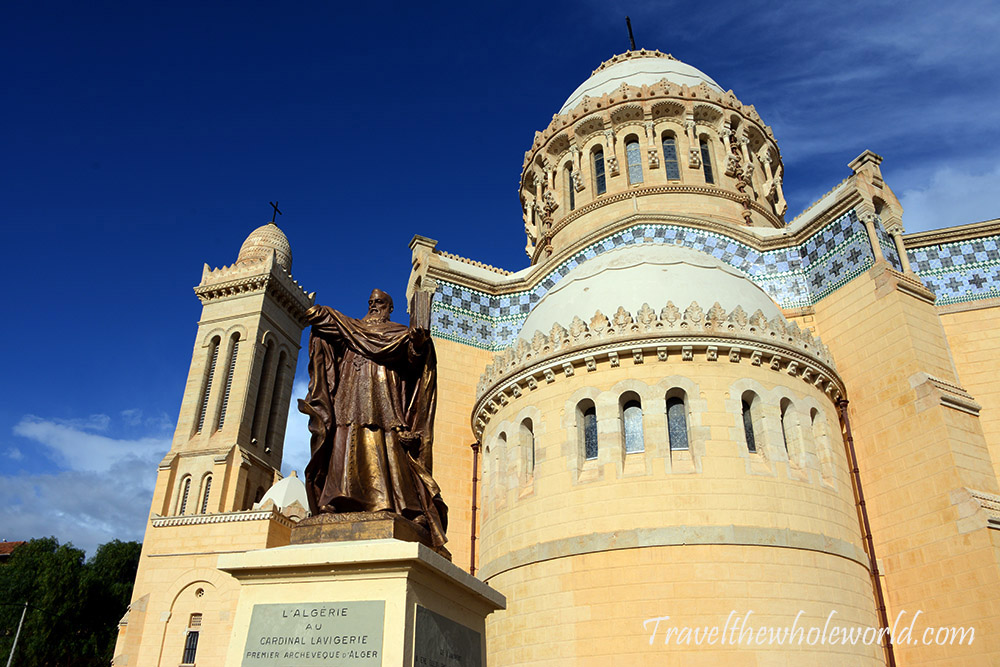
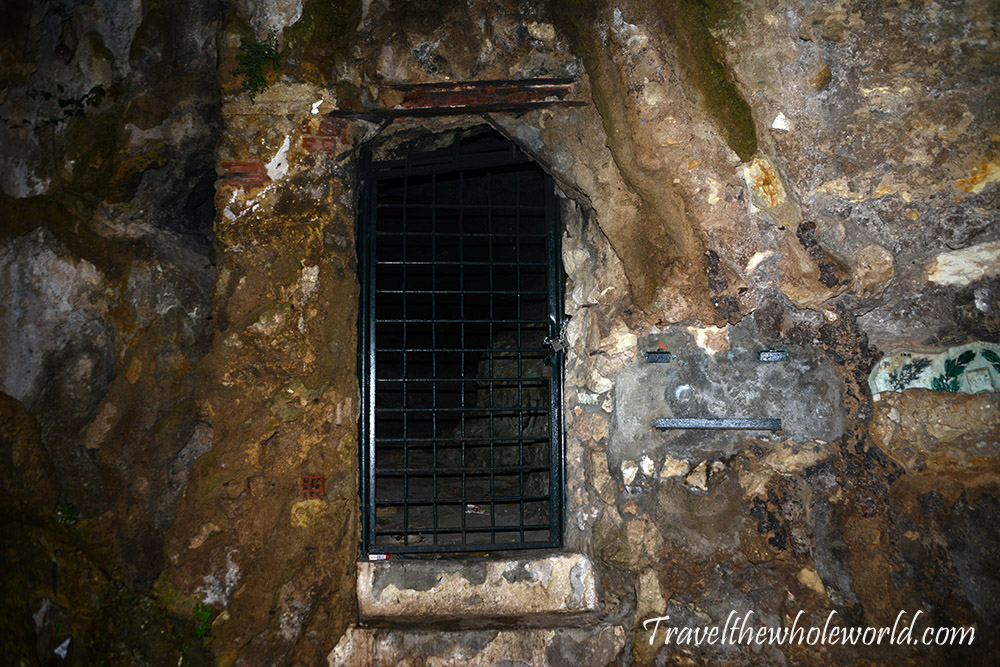
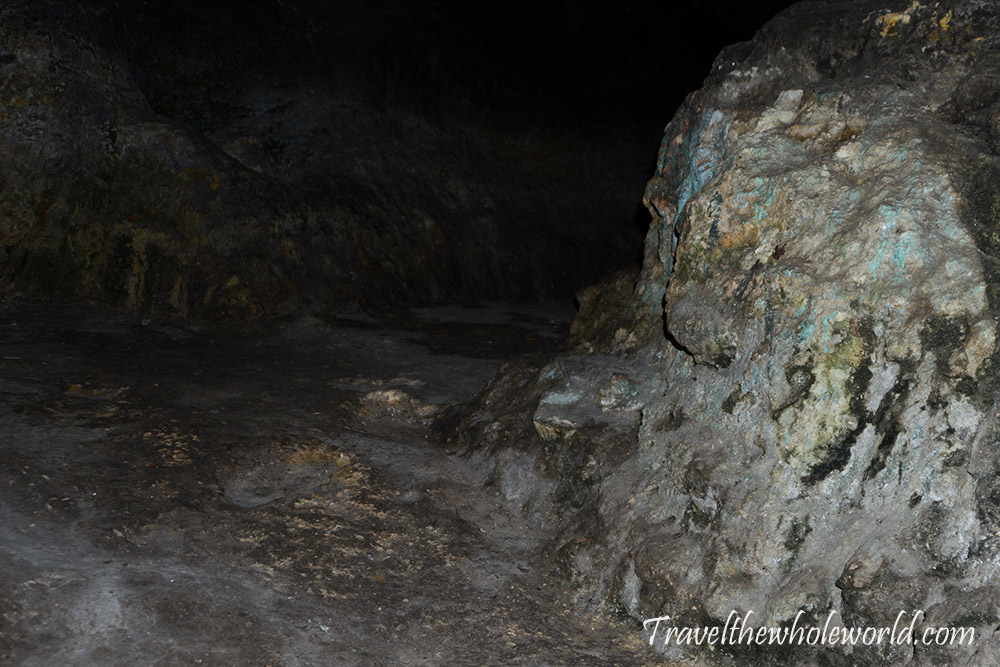
Notre-Dame d’Afrique was the first place my friends took me that day, but the last stop was probably the most interesting to me. I had absolutely no idea before coming here that Miguel de Cervantes, the author of Don Quixote, had once been held captive in Algiers.
Cervantes was captured in 1575 and spent about five years as a captive in Algiers before eventually being ransomed and returning to Spain. Seeing a place associated with that period of his life was something I never expected to find while wandering around Algeria.
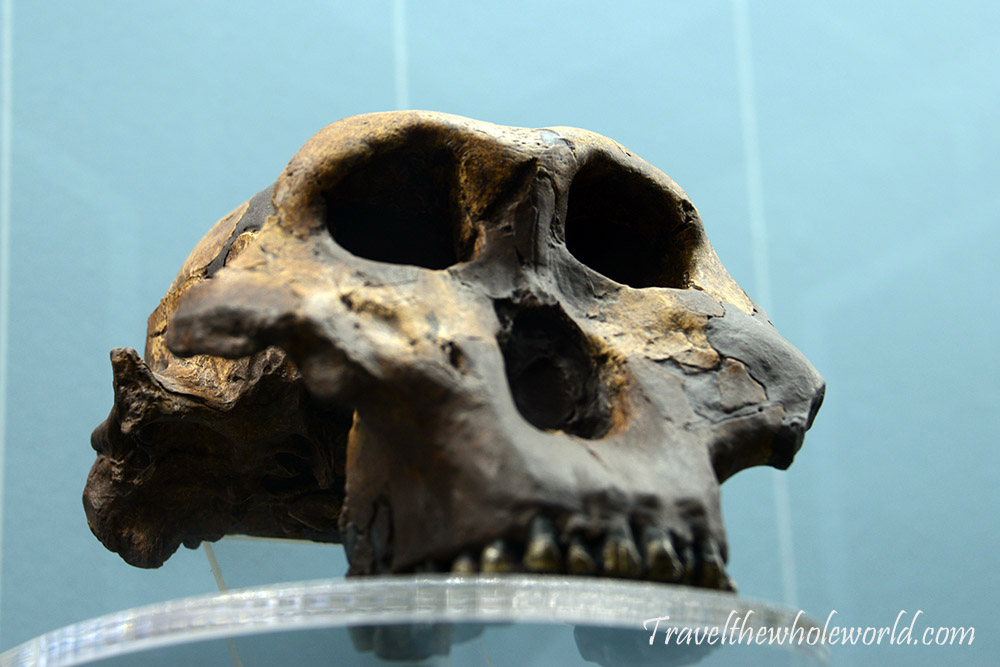
If you like museums, Algeria is a fantastic country for them. I visited several reasonably priced museums during my trip, but my favorite was the Museum of Antiquities in Algiers. The collection covers an enormous span of history, from ancient humans through the civilizations that later occupied North Africa.
Above is an ancient skull from the collection, followed below by more recent human skulls.
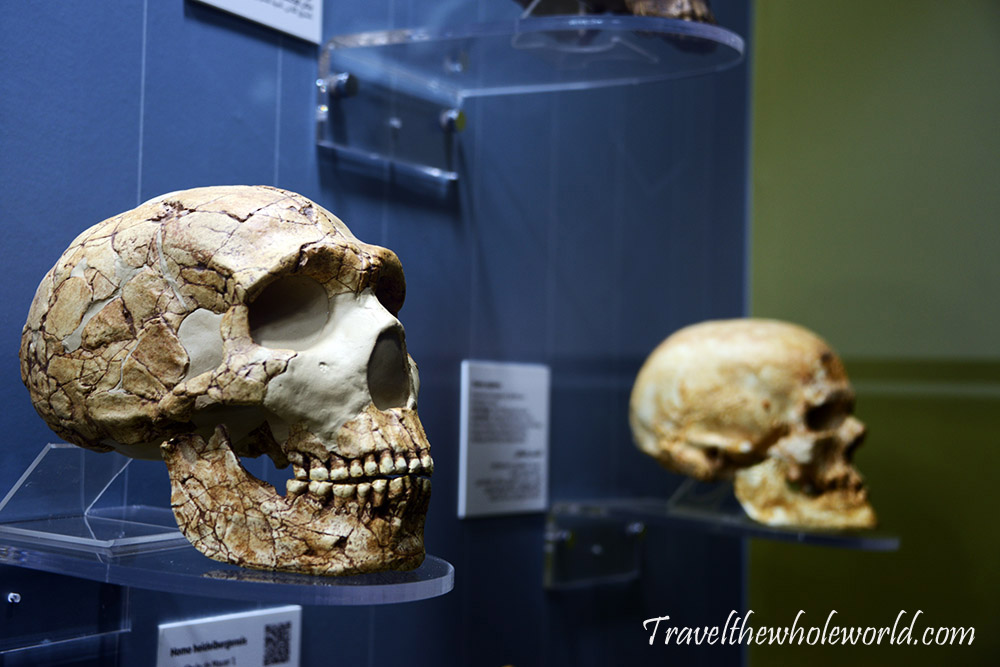
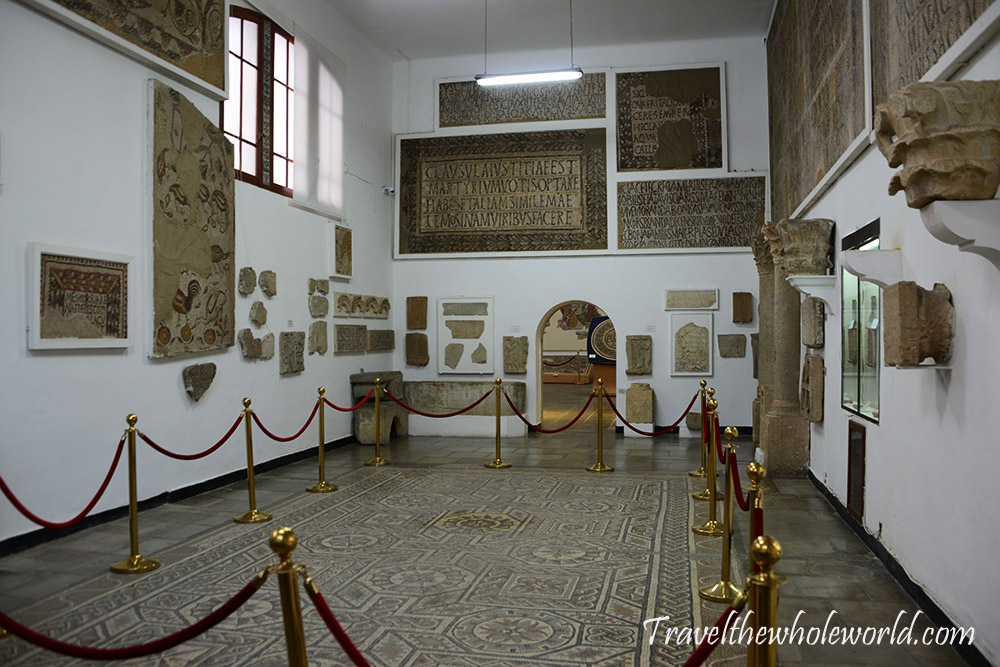
The museum covers many different periods, but the Roman collection was what impressed me most. Much of northern Algeria was once part of the Roman world, and the ruins and artifacts left behind are incredible.
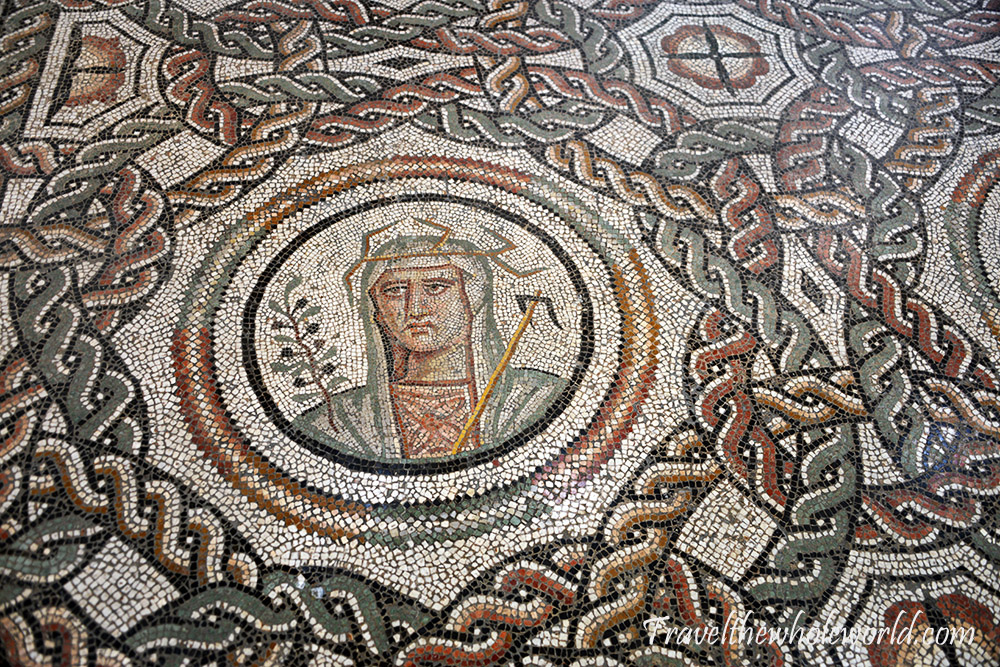
The mosaic below is only a section of a much larger work known as the Mosaic of the Four Seasons, from Ain Beida near Timgad. Nearly two thousand years later, the amount of detail still visible is remarkable.
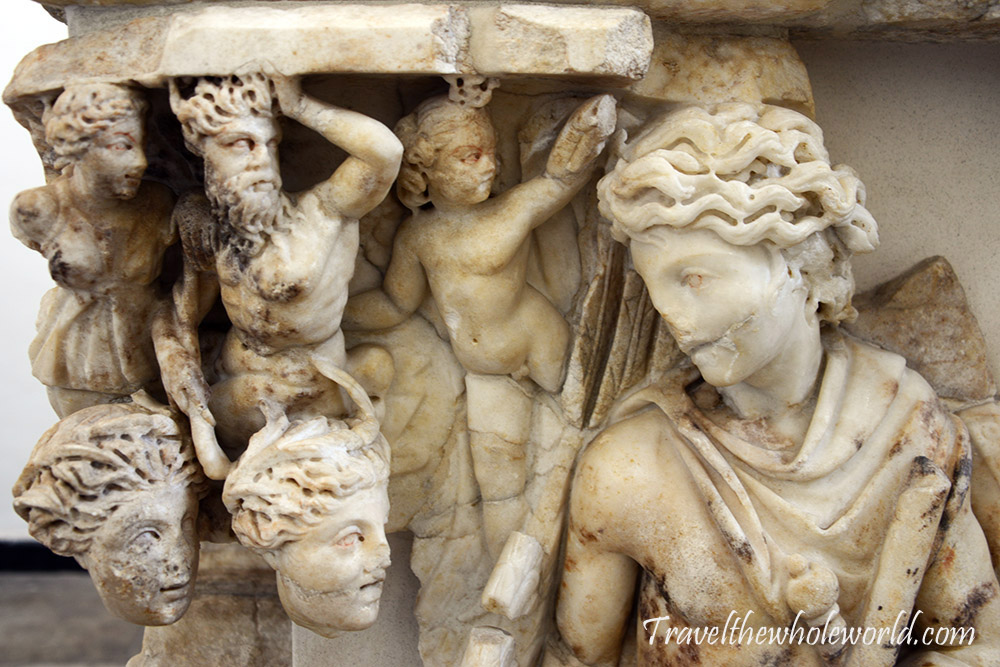
Above is the Sarcophagus of Bellerophon, discovered at Azeffoun in 1934. Some Roman sarcophagi were decorated with the head of Medusa, which was used as a protective symbol intended to ward off evil.
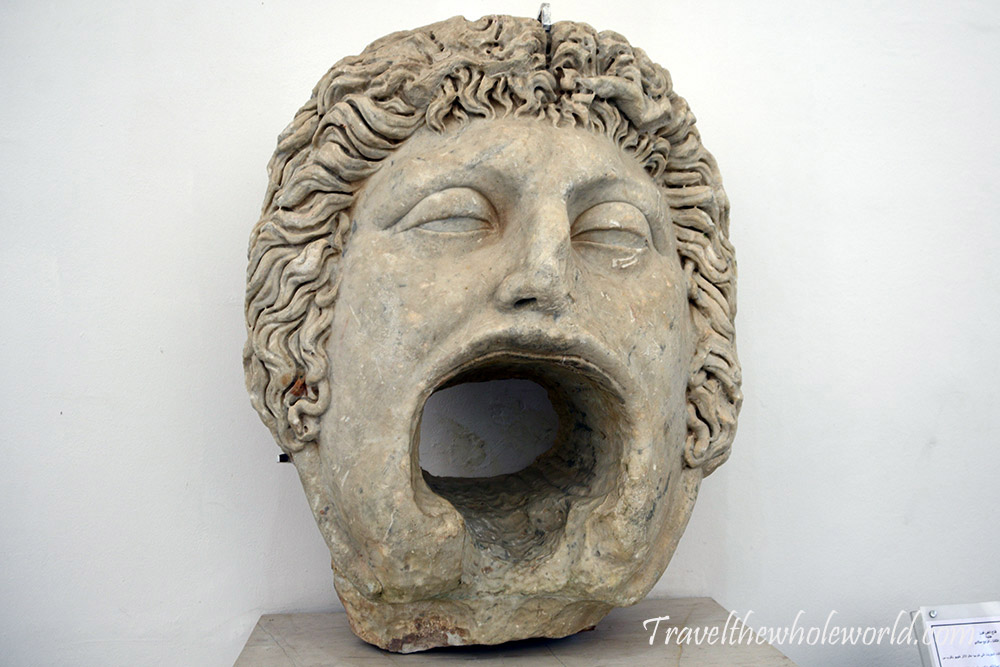
The statue below is a Gorgon from a fountain at the ancient city of Hippo Regius. My local friends told me an incredible story about the statue disappearing and later being recovered from the home of former Tunisian president Zine El Abidine Ben Ali after he fled Tunisia.
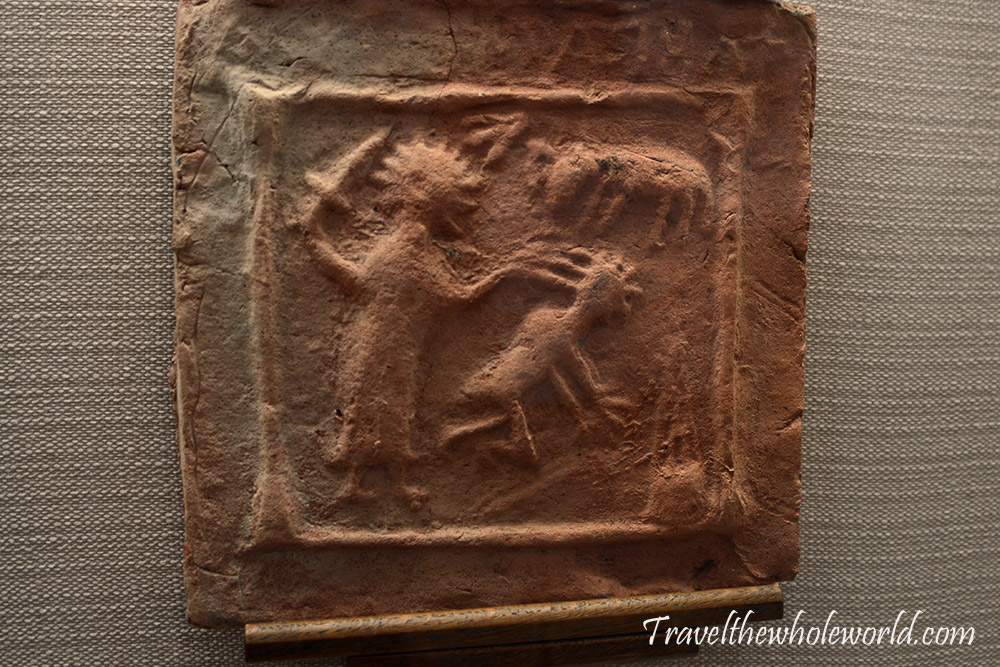
Lastly, my friends pointed out the story depicted in this piece. It shows Abraham preparing to sacrifice his son before God intervenes and a ram is sacrificed instead. Versions of this story appear in the Abrahamic religions and remain especially important in Islam, where the sacrifice is commemorated during Eid al-Adha.
Algiers ended up being far more interesting than I expected. I came here after exploring the Sahara, but instead of the capital feeling like somewhere I simply needed to pass through before leaving Algeria, I found myself wandering the city for days. Between the Mediterranean coast, the Casbah, museums, colonial architecture, mosques, parks, and random pieces of history I never expected to find, Algiers became one of my favorite surprises of the entire trip.
Explore More of Algeria
Algiers • Constantine • Djanet • the Sahara