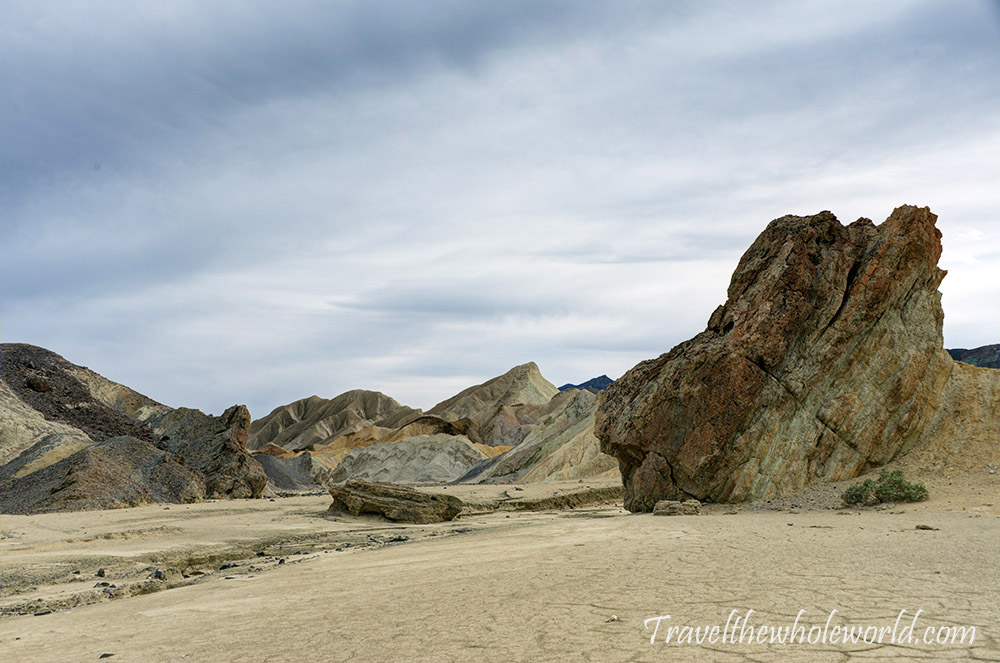
I’ve been to Death Valley twice, with each visit being over 15 years apart! Both times I seem to have forgotten how big the place is. Death Valley is actually the largest national park in the United States outside of Alaska. At around 5,000 square kilometers, Death Valley is larger than some of the world’s smallest countries.
For those who have no plans to ever see Death Valley, they might imagine a desolate wasteland with not much to do. The photo above is one of the first I took on my return to Death Valley.
Death Valley gets its name from the 19th century, when the California Gold Rush was taking place. Many settlers moved west in hopes of finding gold and becoming rich. Some of them made the unfortunate choice of trying to cross Death Valley.
Death Valley holds the record for the world’s highest officially recorded air temperature at 134°F (56.7°C). Although even hotter temperatures may have occurred in places like the Sahara, Death Valley remains famous as one of the hottest places on Earth.
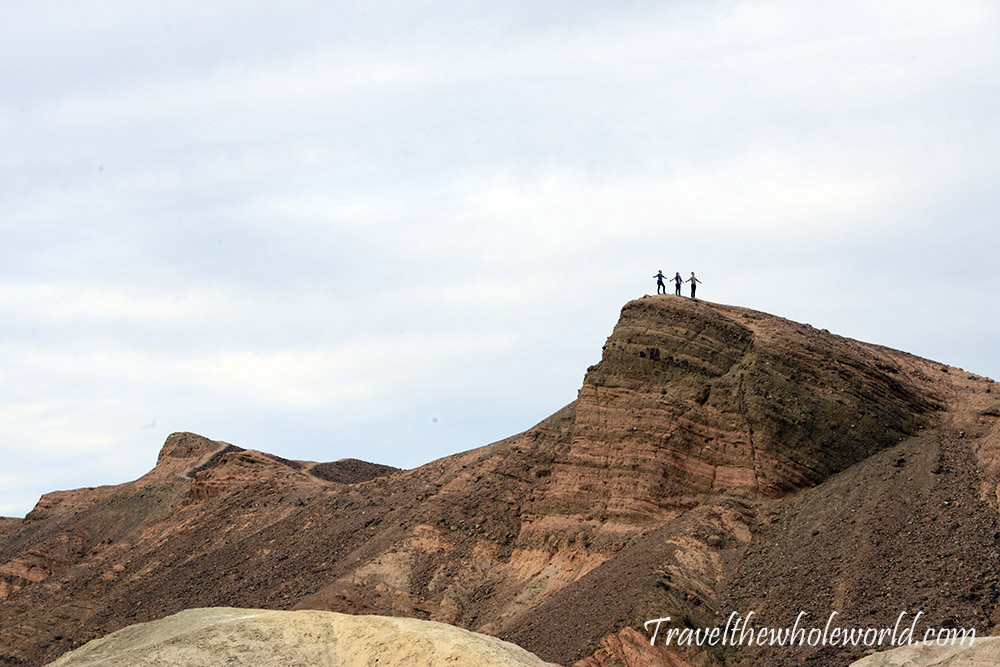
Unless you also want to torture yourself and experience the extreme heat, winter is by far the best time to visit. You can do hikes like these guys without worrying nearly as much about dying of heat exhaustion!
The Desert Landscape
Death Valley is a vast desert, but certainly not a wasteland. During each visit I wanted to see the famous area called the Racetrack, where stones mysteriously seem to leave behind tracks in the sand despite being too large to move by humans. The Racetrack area is some four hours from where I was located, so at eight hours round trip it’s a dedicated day!
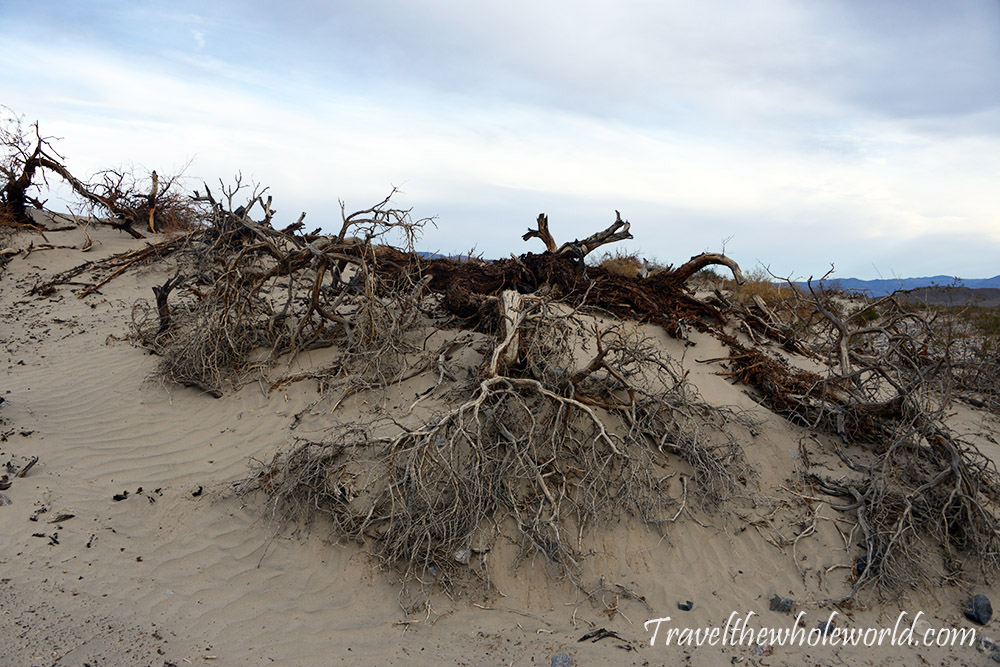
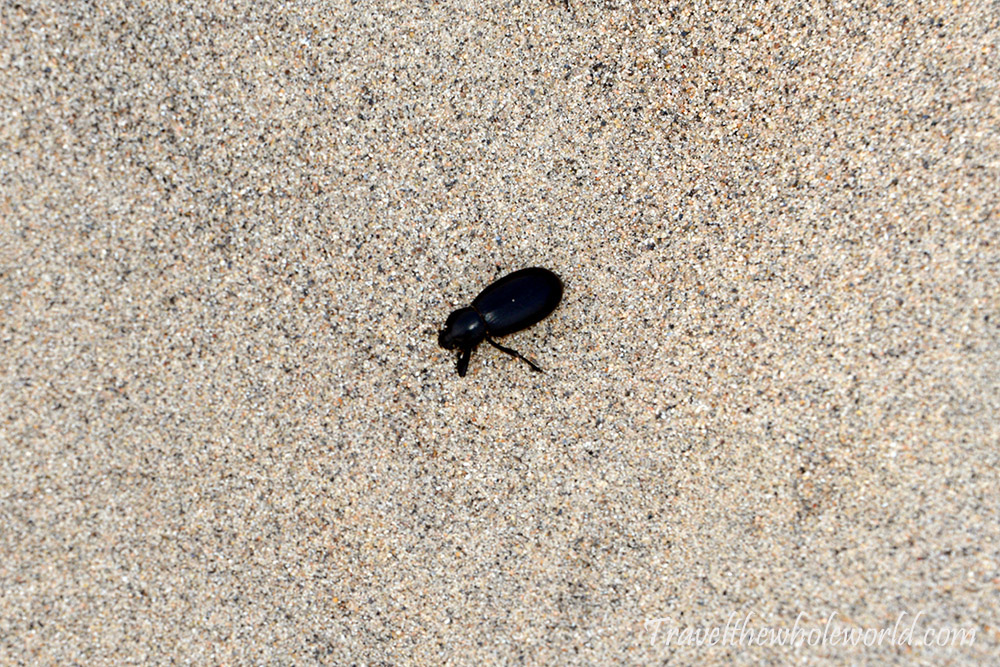
I was stuck visiting mostly the central parts of Death Valley, but as diverse as this place is, anywhere you go you’ll find something unique. These two pictures probably represent what most people might think of when they imagine Death Valley: empty desert with some dead trees, or this failed beetle below.
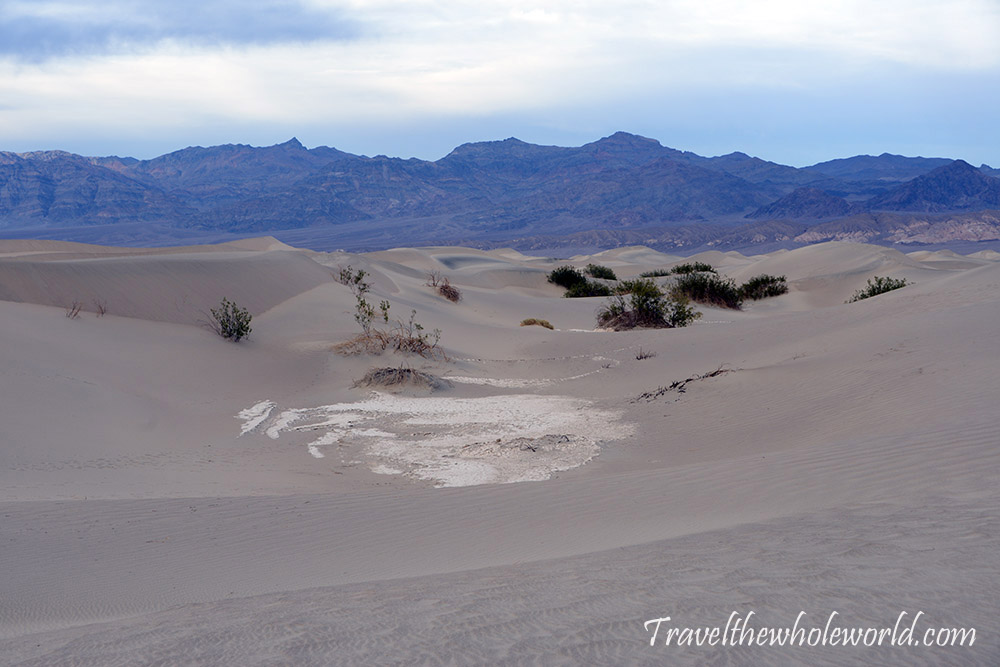
Death Valley is so diverse that I’d almost say you need a full week to properly see everything it has to offer. There are peaks here that top 10,000 feet (3,000 meters) and are snow-covered in the winter. Some of the rockier mountains are home to bighorn sheep and other wildlife, while the lowest point in North America is found here as well.
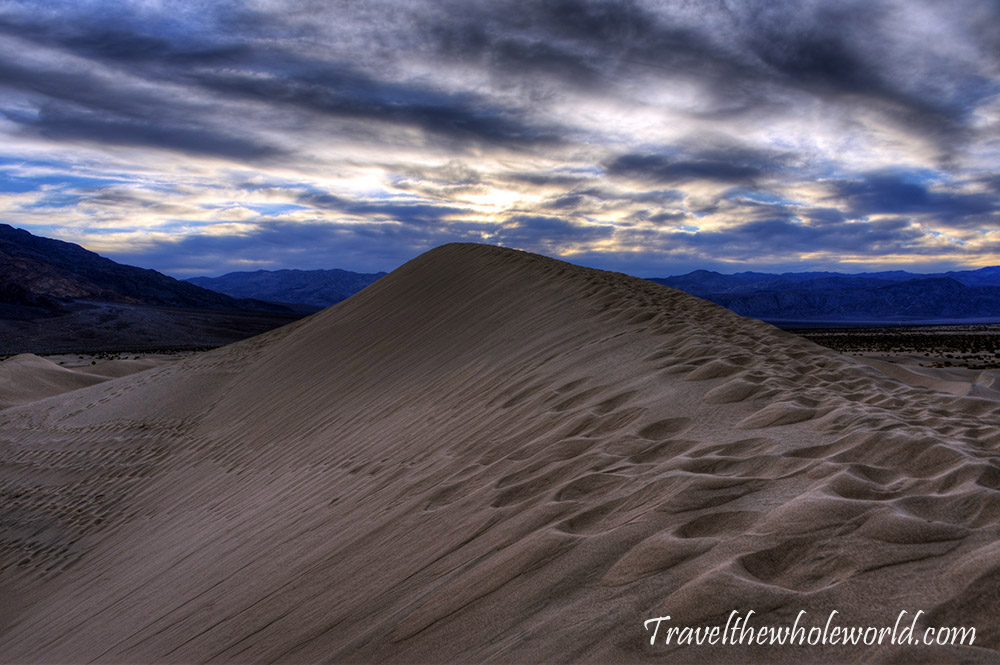
Both times I visited the Mesquite Flat Sand Dunes, and on my return I did a long hike through them in order to reach some of the highest dunes.
Hiking the Mesquite Flat Sand Dunes
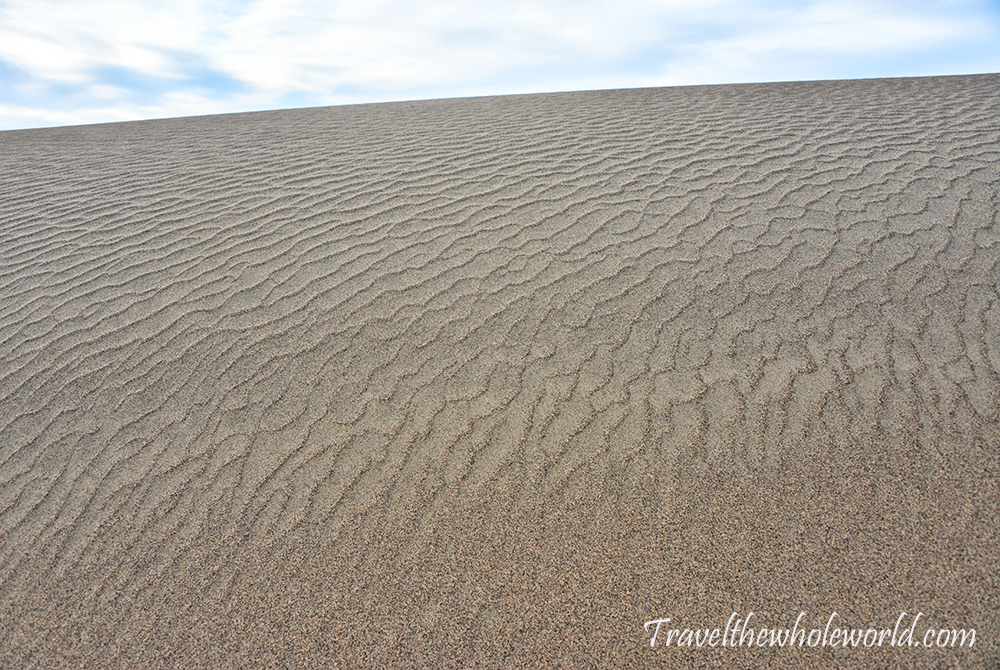
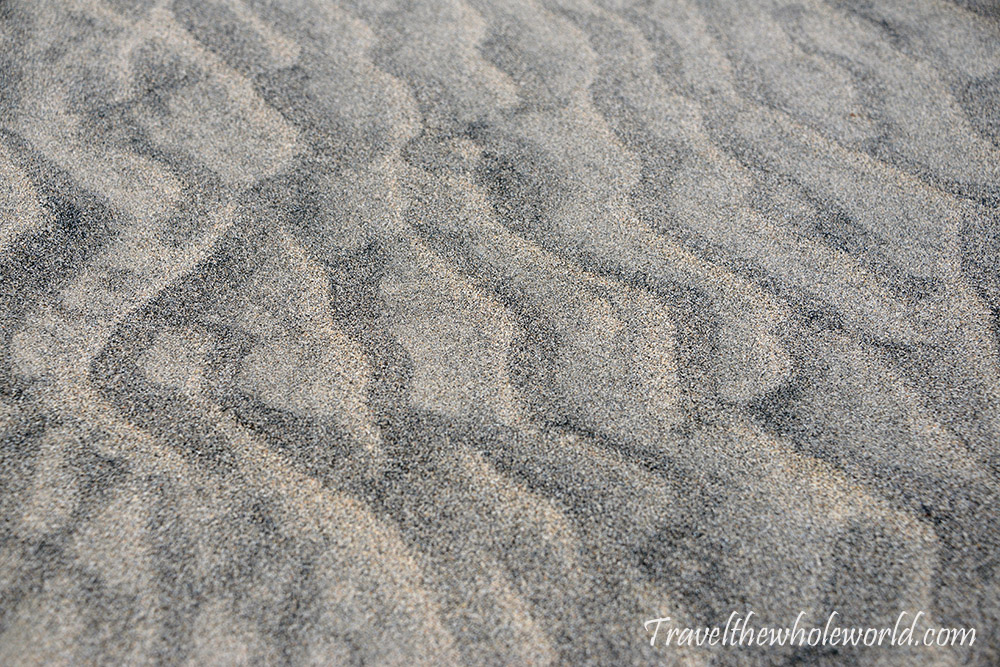
During the hike I couldn’t help but take note of some of the windswept patterns in the sand. There were plenty of footprints from other hikers that ruined some of the sights, but there also seemed to be areas that people hadn’t ventured into yet!
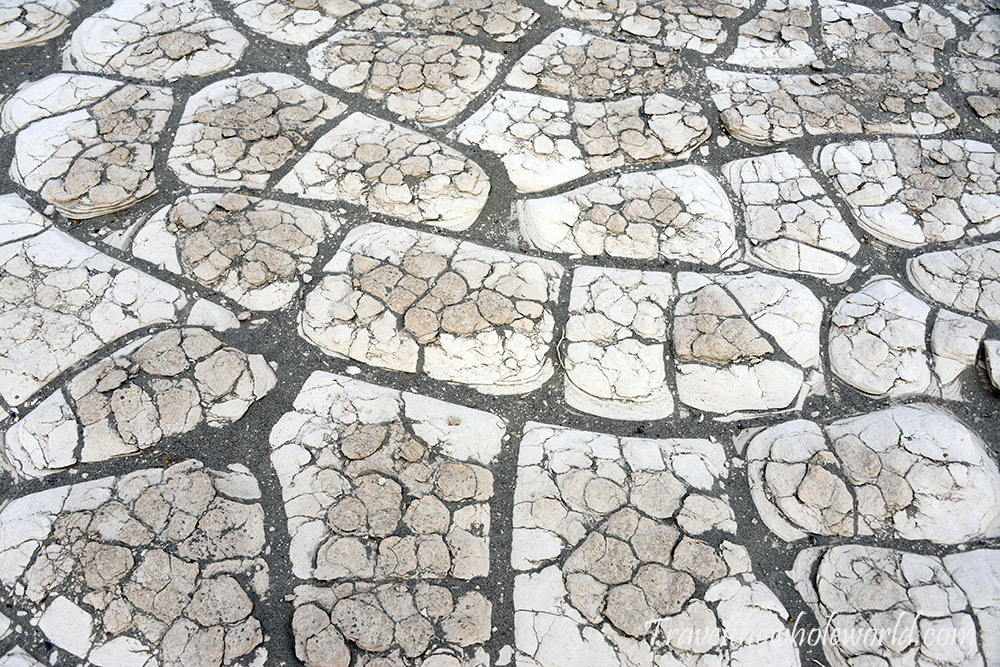
Occasionally I’d cross some interesting areas of dried-out water holes. None of these areas were huge and only took a few minutes to cross at most. All of them were located at the bottom of the dunes, so my assumption is that during a rare heavy rainstorm, small, short-lived pools of water form before drying out.
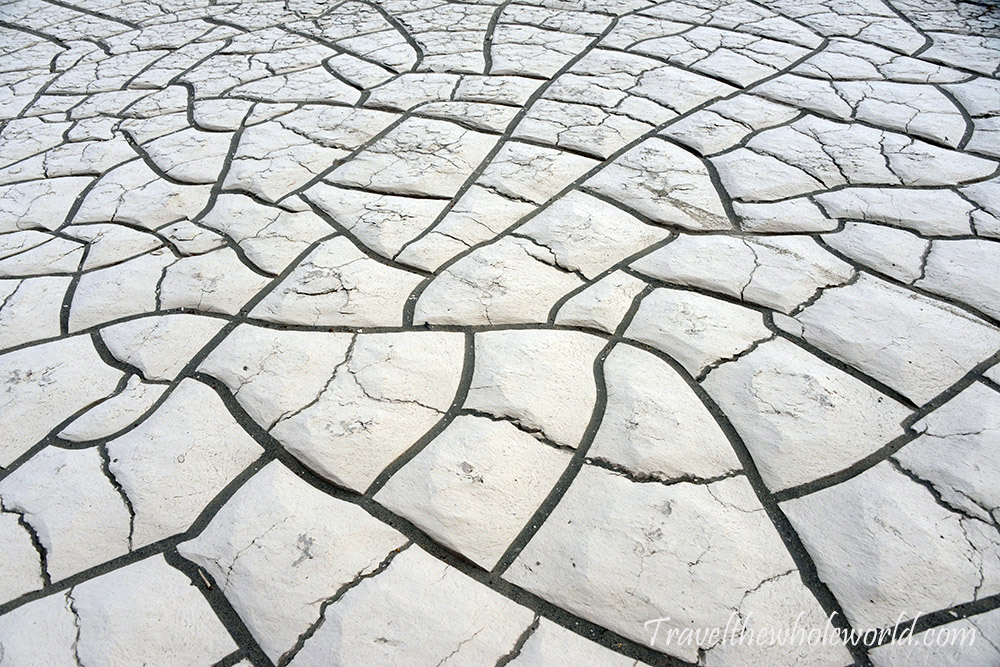
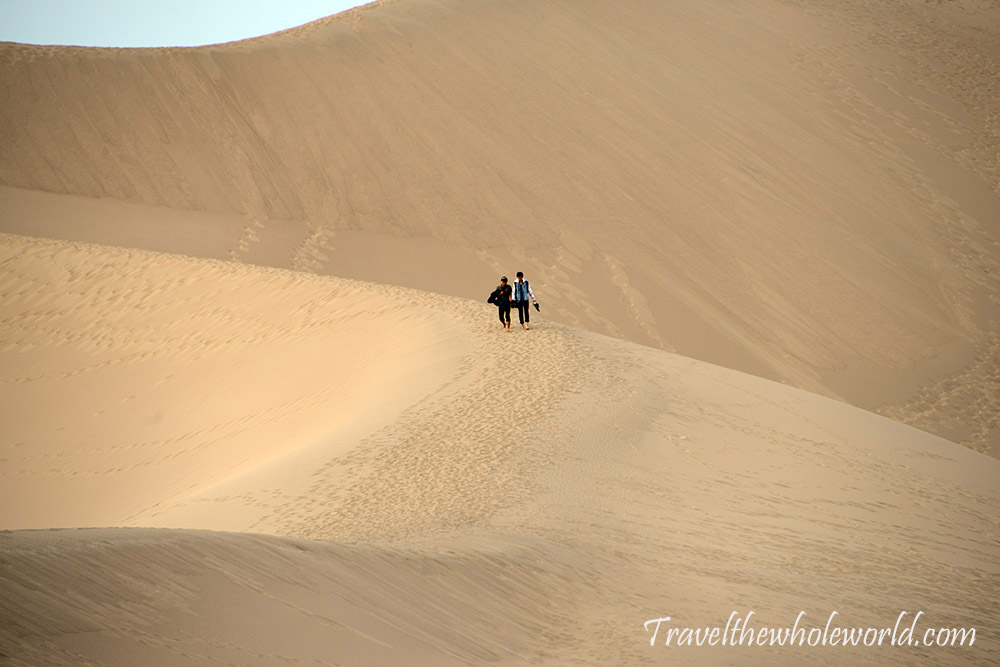
For whatever reason, most people I talk to don’t seem to like deserts or sand dunes. As a kid I always wanted to visit them and felt intrigued by such bizarre landscapes. Climbing the sand dunes was a bit annoying. Before long my shoes were full of sand, and for each step forward I took I slid half a step back.
But I was happy being in a place that looked more like a planet from Star Wars than my own country. Many people liked climbing the dunes and then simply sliding or running down like this girl below. Another large sand dune in the distance had a group of people constantly cheering at the top, and I wondered if they were all sandboarding.
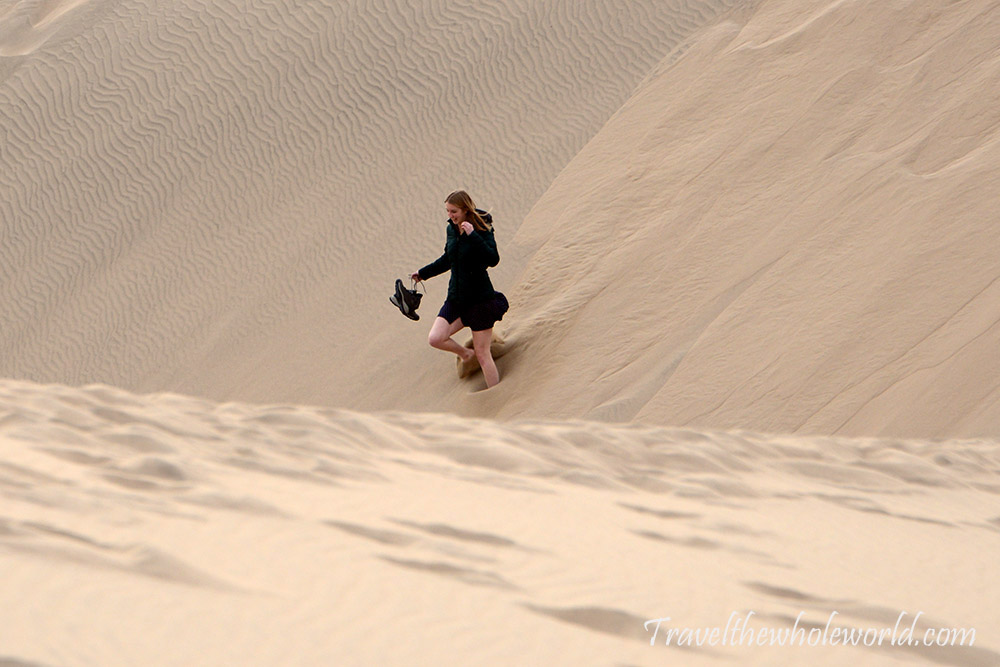
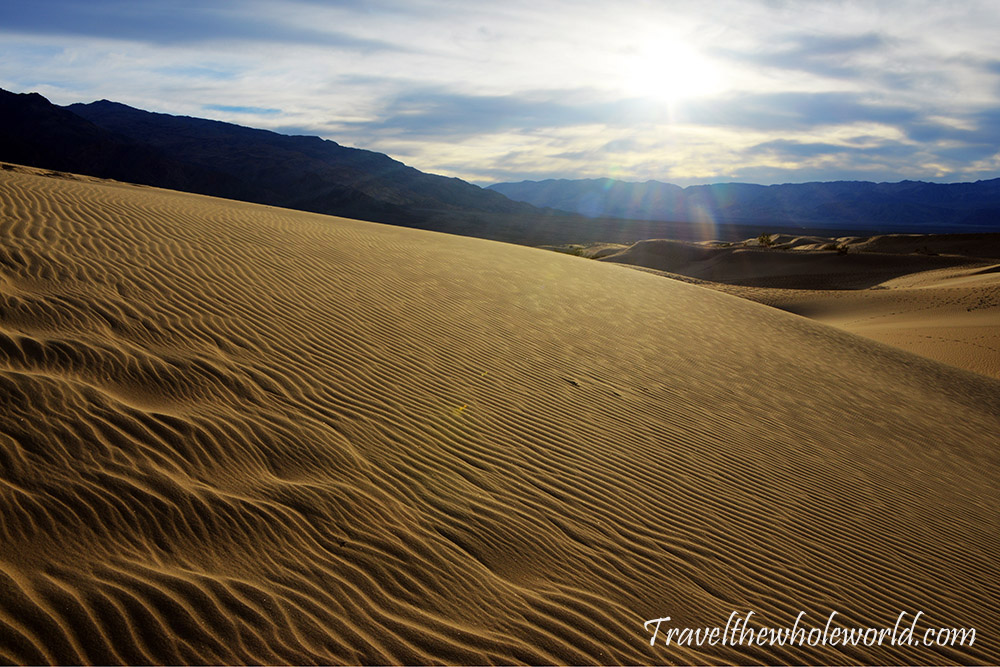
I was hoping to catch a spectacular sunset from the top of the dunes, but it didn’t look promising. Instead of giving it a chance, I enjoyed having the highest part of the dunes to myself and watching the sun lower in the sky. I was happy to be back at the car by darkness anyway, so I have no regrets about not watching it cross the horizon.
The photo above shows some more of the amazing dunes in Death Valley, and the photo below was about as dark as it got before I headed out.
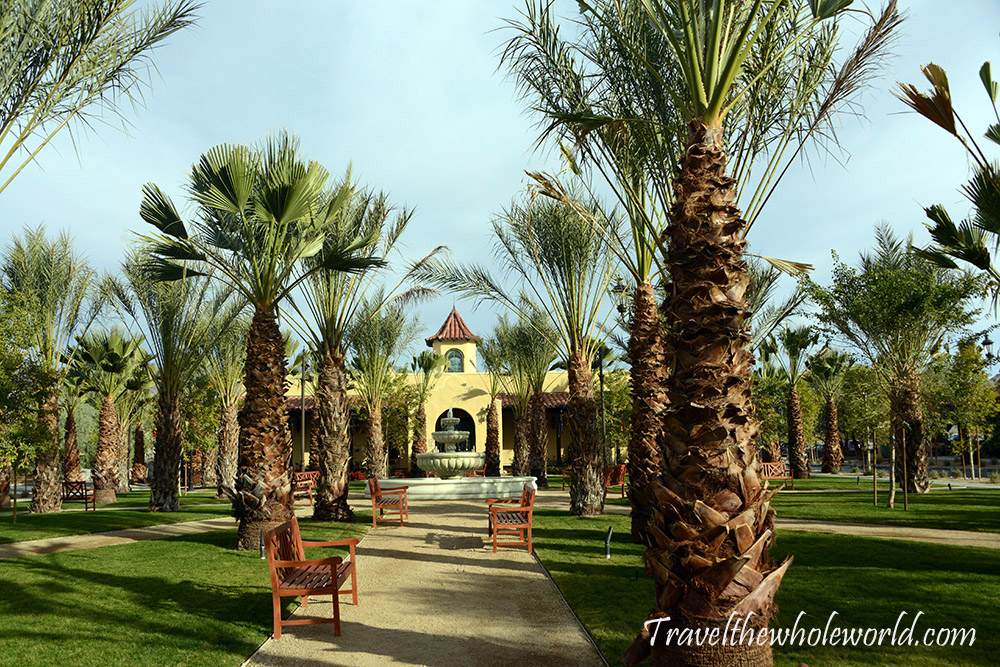
Death Valley Ranch
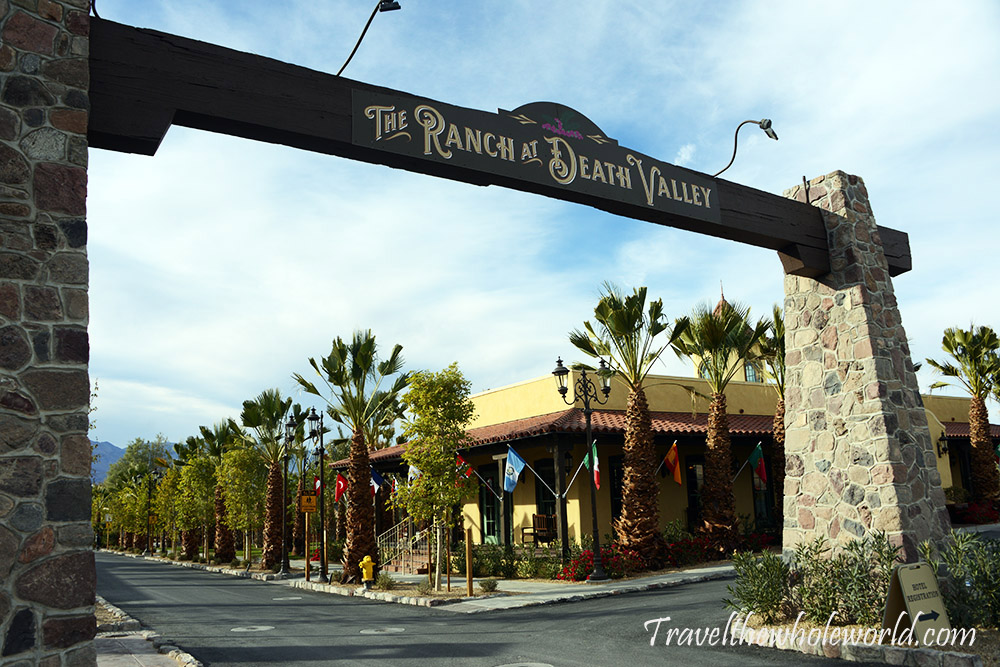
It’s easy to forget that Death Valley is a national park and not a wilderness. That means that despite the enormous size of the place, there is still plenty of infrastructure such as hotels, restaurants, and even a post office! I didn’t stay at any of the hotels and might save that for a more dedicated trip.
These two pictures are from the Death Valley Ranch, which looked to be one of the nicer places to stay. I’d love to have photographed the restaurant with its Wild West-looking bar, but it was a challenge with all the people inside!
Zabriskie Point
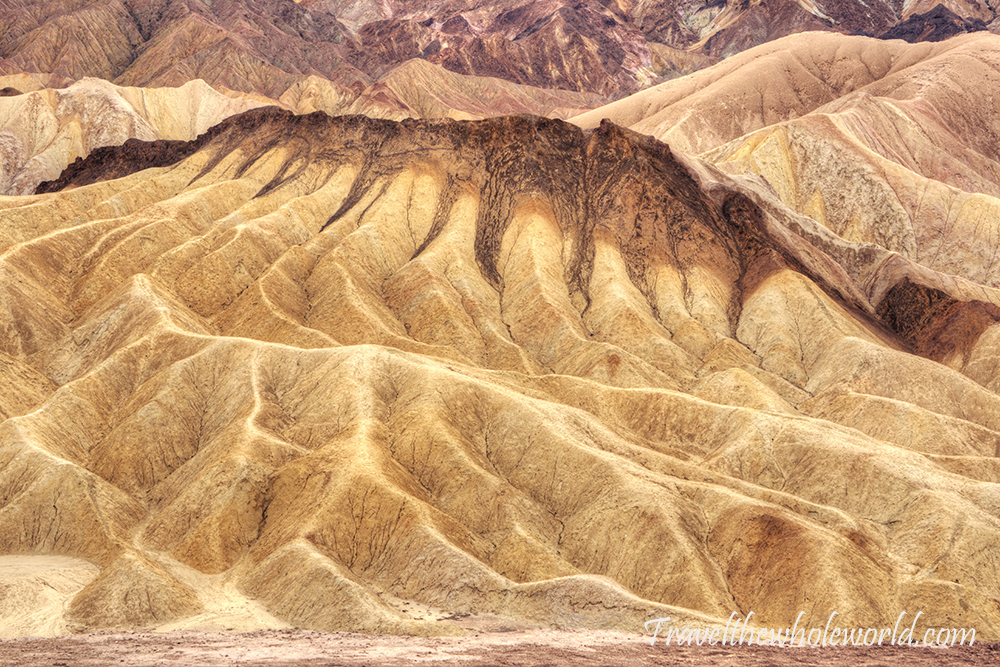
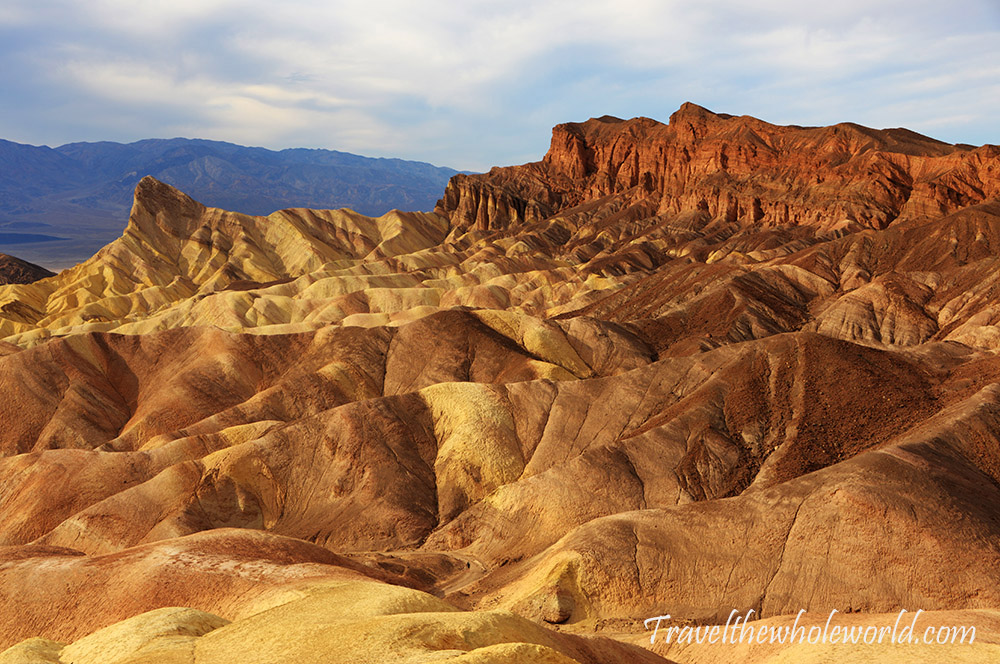
Lastly, here are two photos of one of my favorite places in Death Valley, Zabriskie Point. This area is known for its colorful rock formations and amazing views. Nearly every feature here has a name. In the photo below, the small spire on the left is known as Manly Beacon, while the reddish rock formation to the right is called the Red Cathedral.
Explore More of California
Mt. Whitney • Crescent City • Death Valley • Joshua Tree • Los Angeles • San Diego • the Redwoods