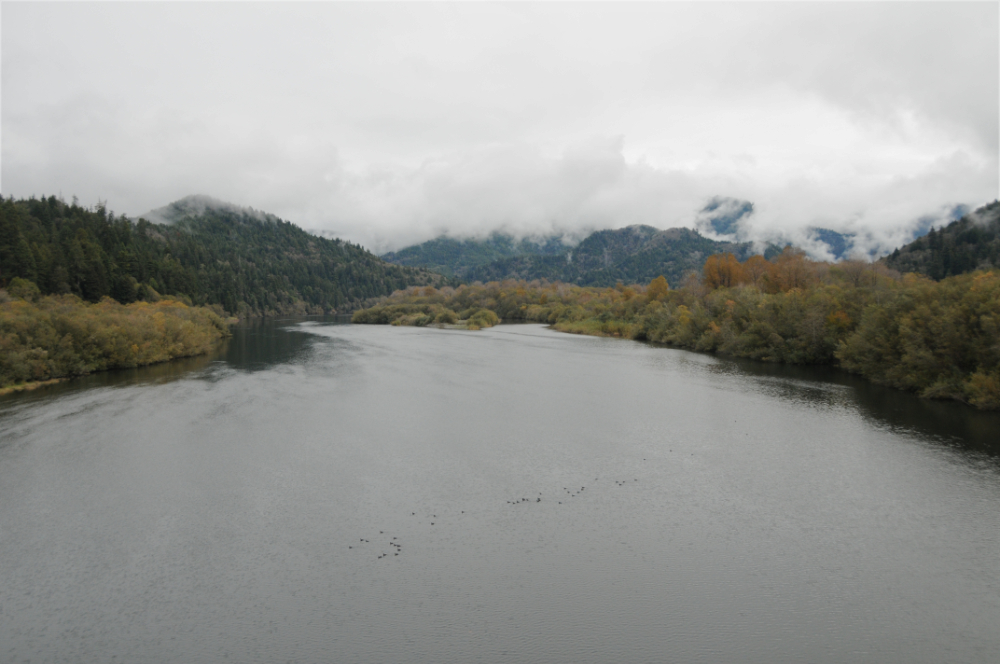
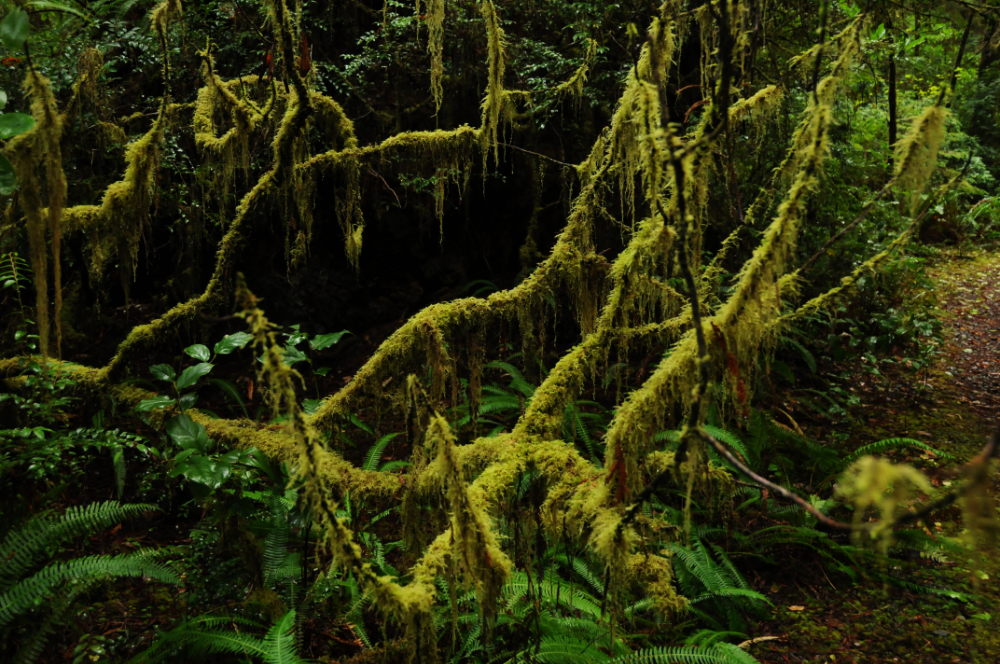
I entered the northern areas of Redwood National and State Parks from Crescent City. The short drive from there took me over the Klamath River seen above and through stretches of mossy coastal forest. I had always imagined the redwoods growing right along the exposed coastline, but the forests I encountered were generally set back from the immediate shore in the cool, damp coastal environment.
Elk Meadow
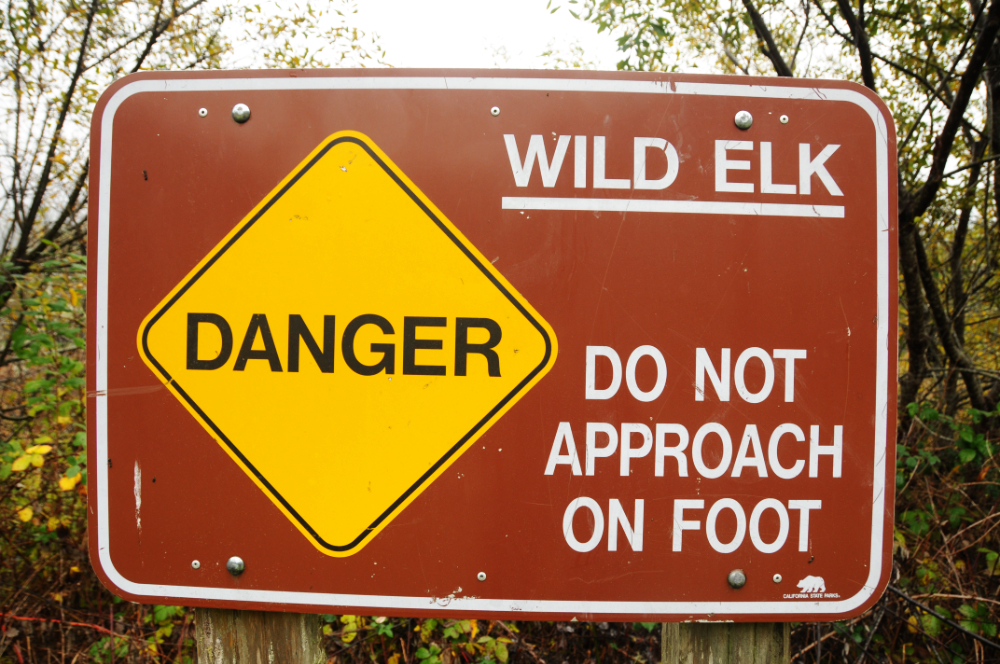
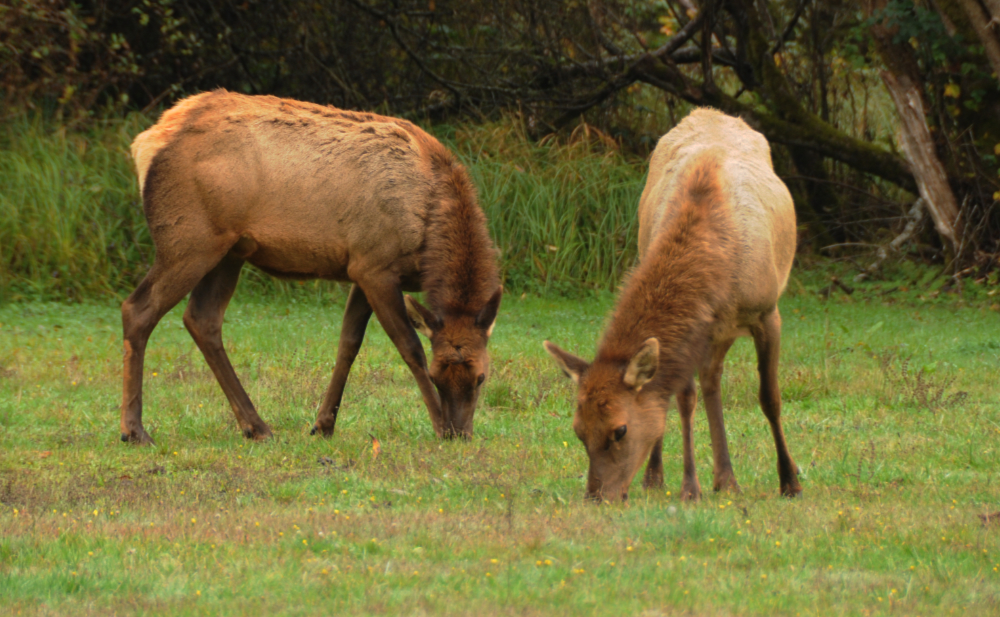
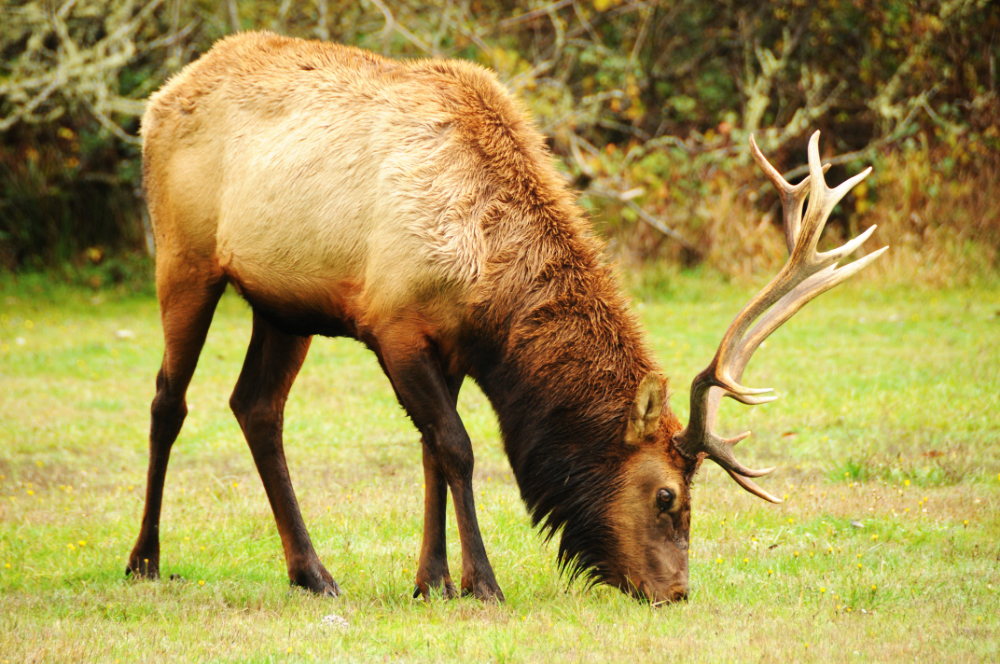
One of the best places to visit in the redwoods is Elk Meadow, an area known for Roosevelt elk. They are completely wild animals and potentially dangerous, as the warning sign above makes clear. Although they frequently disappear into the woods, they also graze in the open meadows where you can get some great views!
Hiking Among the Redwoods
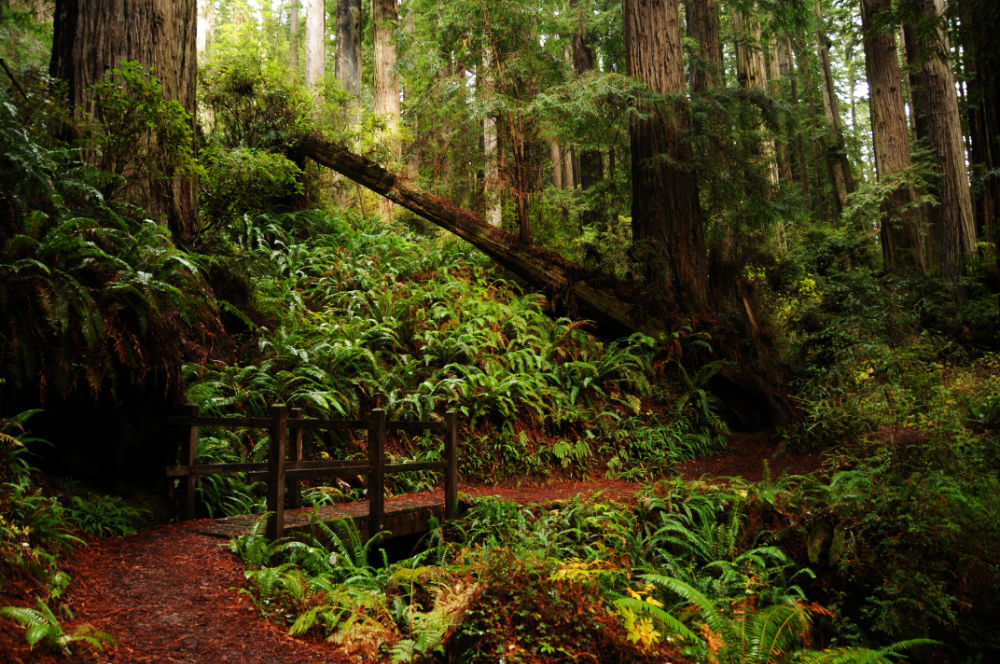
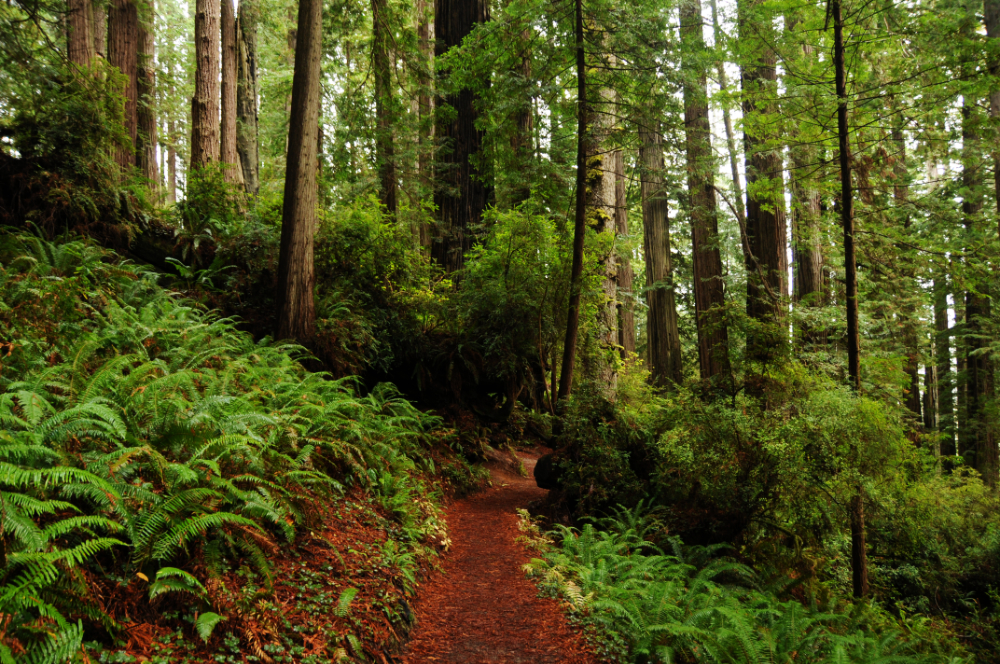
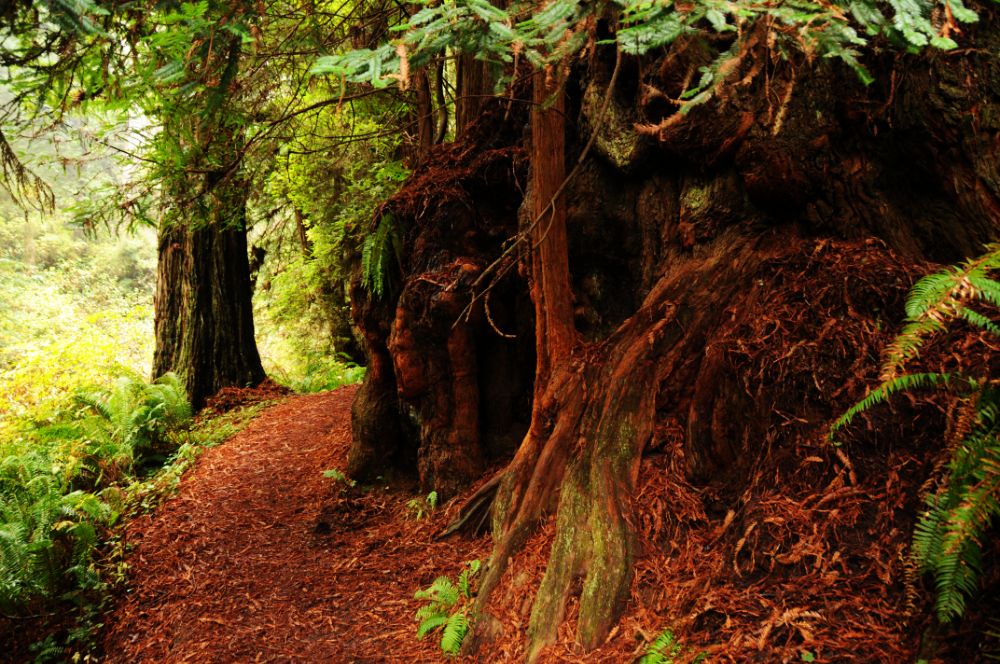
After a short drive I found some parking and tried a short trail that was only a few miles long. I loved the reddish ground against the dark green leaves in this forest. Even without the giant trees in view, this place was unique and beautiful.
It’s hard to tell how gigantic these trees are without any perspective, so near the bottom of this page I have a photo of myself standing in front of one. The tree below was one of the larger ones I had seen, followed by the massive roots of one that had fallen over.
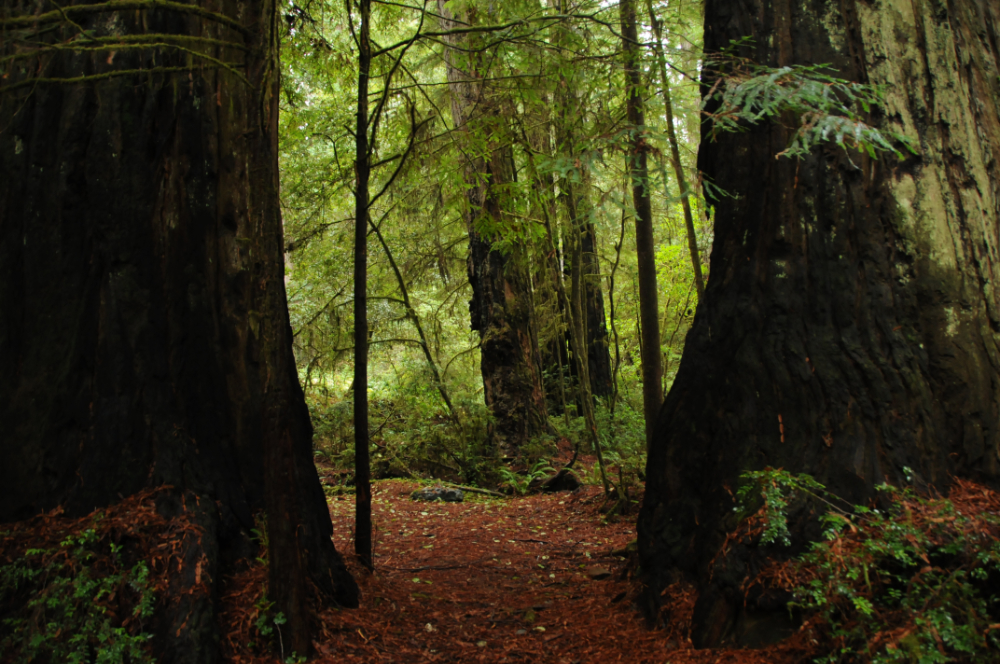
A Burned-Out Redwood
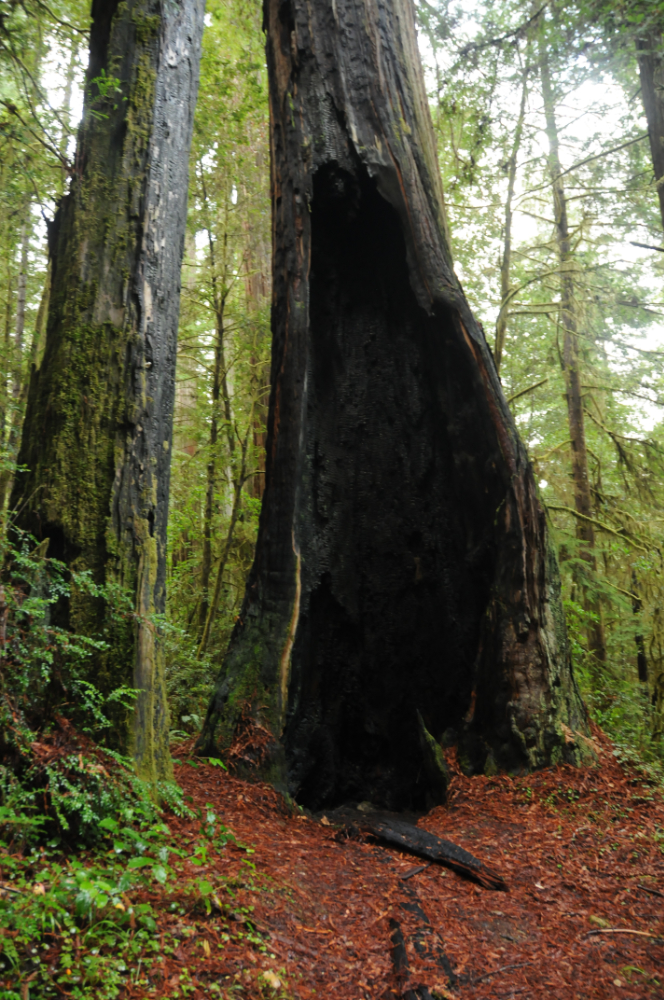
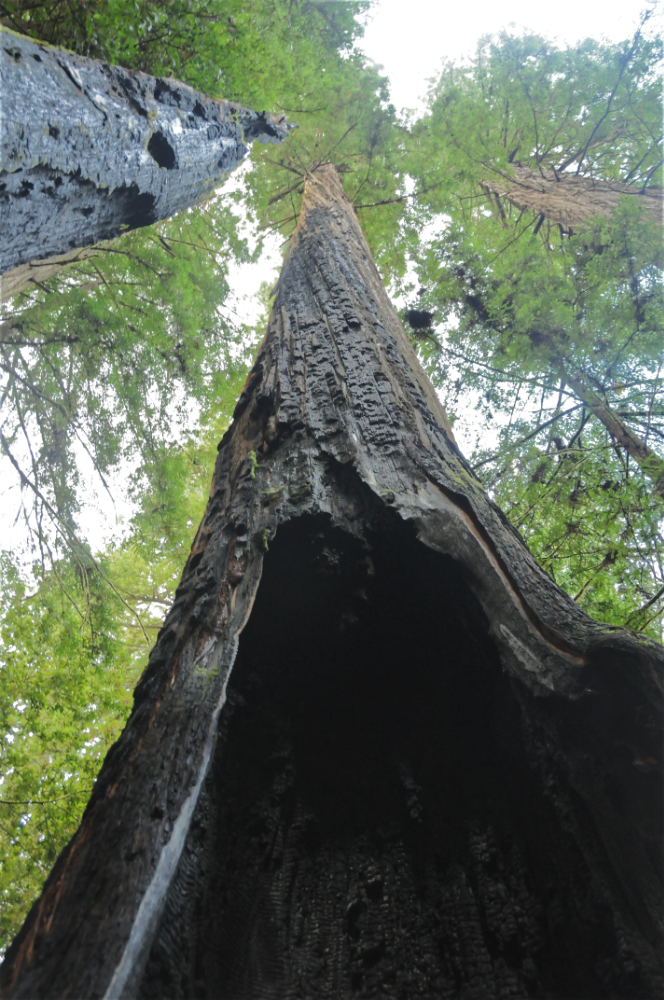
On a longer trail I did later, I came across this giant redwood whose entire inside had burned out. It’s hard to get perspective from these photos, but you could easily stand more than half a dozen people inside this tree. It seemed that the only thing holding the tree up was its outer walls and bark. What was even more amazing to me was that when I looked up, the very top of the tree was green and looked completely healthy.
Plants of the Redwood Forest
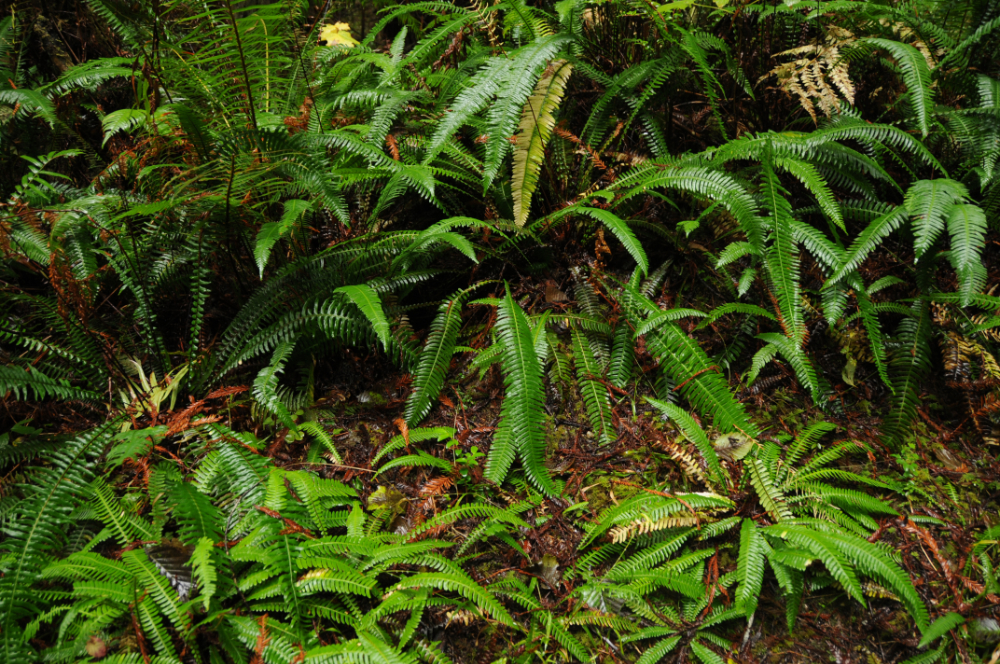
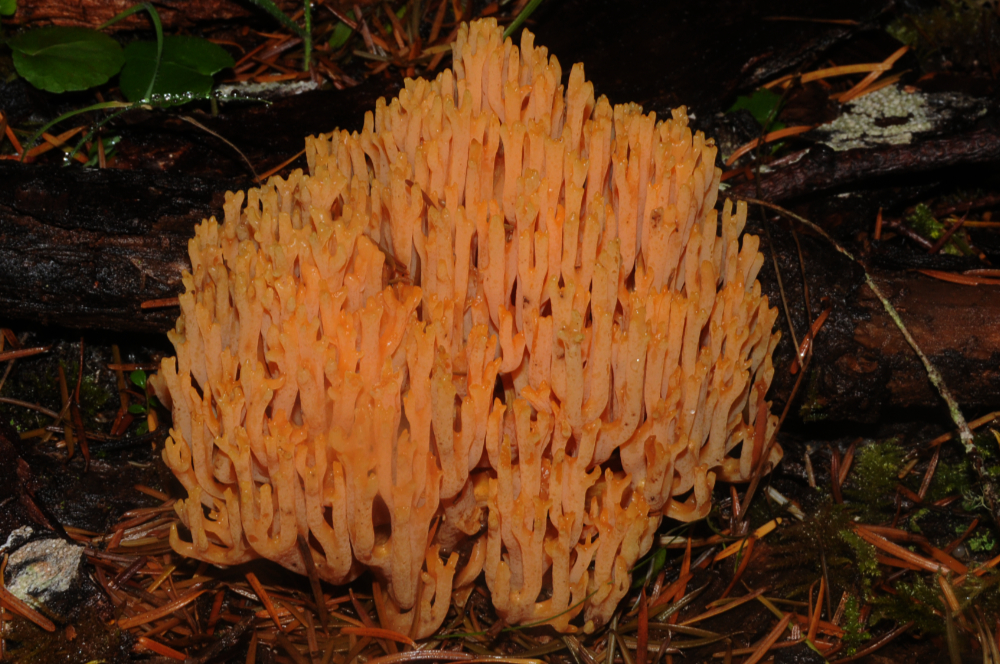
As I hiked higher in elevation, I began to see different types of plants. The dark green ferns were found near the beginning of the trail, while this strange fungus appeared higher up. I saw several of these in the area, ranging from this light orange color to white.
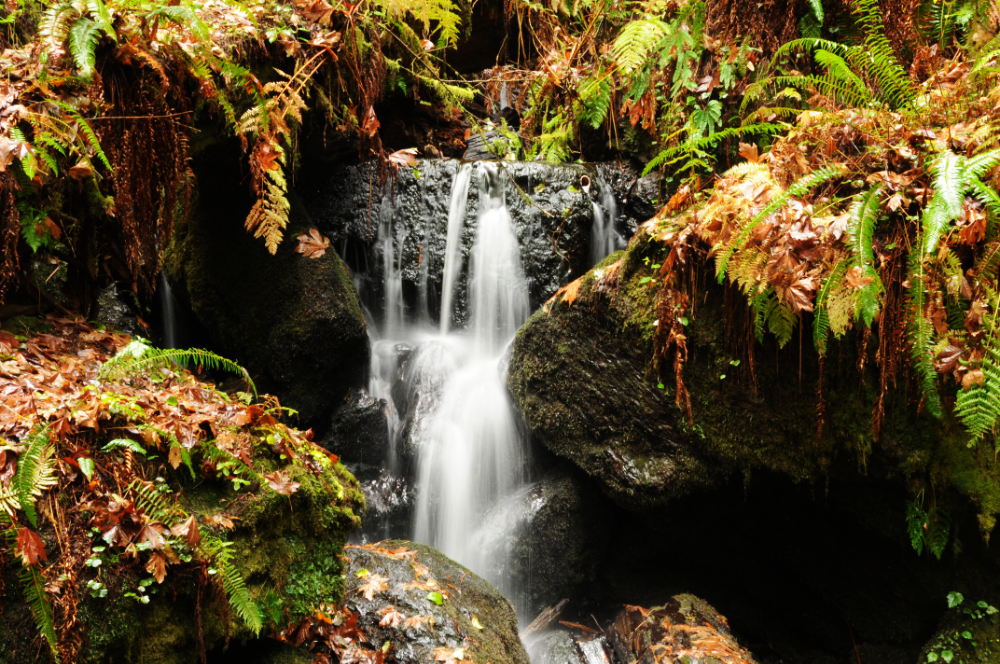
The damp forest also supported wildflowers and lush vegetation. This trillium growing near a small cascade was another reminder that there was much more to these forests than the enormous redwoods themselves.
Higher Into the Mountains
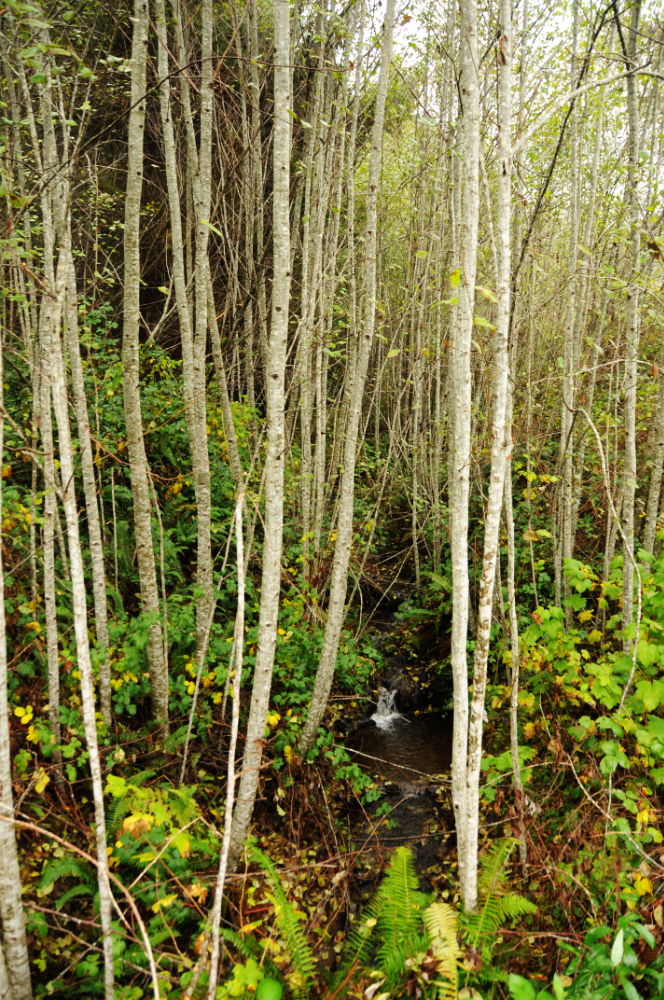
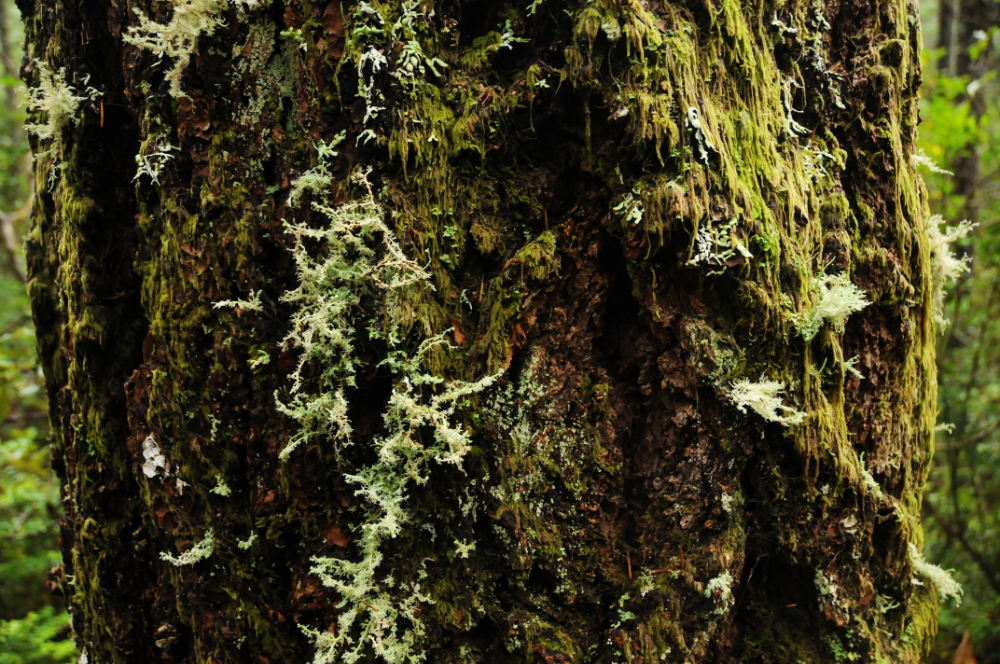
I hiked high enough into the mountains that I eventually left the redwoods behind. Instead of the tall giants, the forest changed to smaller, skinnier trees. The area was still damp with humidity, and I crossed several small streams. Above are one of the small creeks I passed and one of the larger trees covered in moss and lichen.
Red-Tailed Hawk
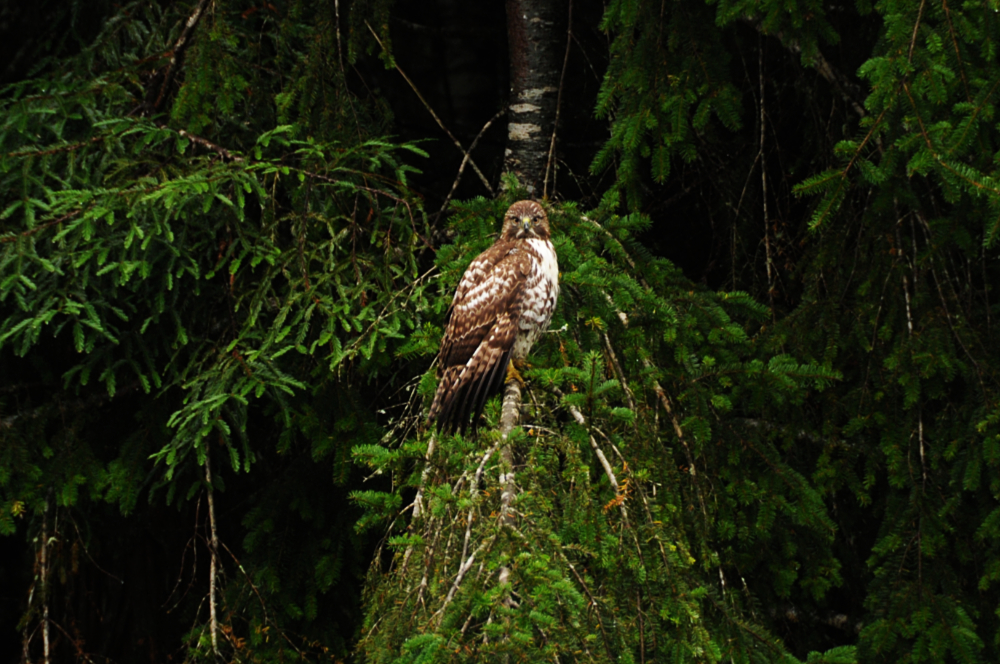
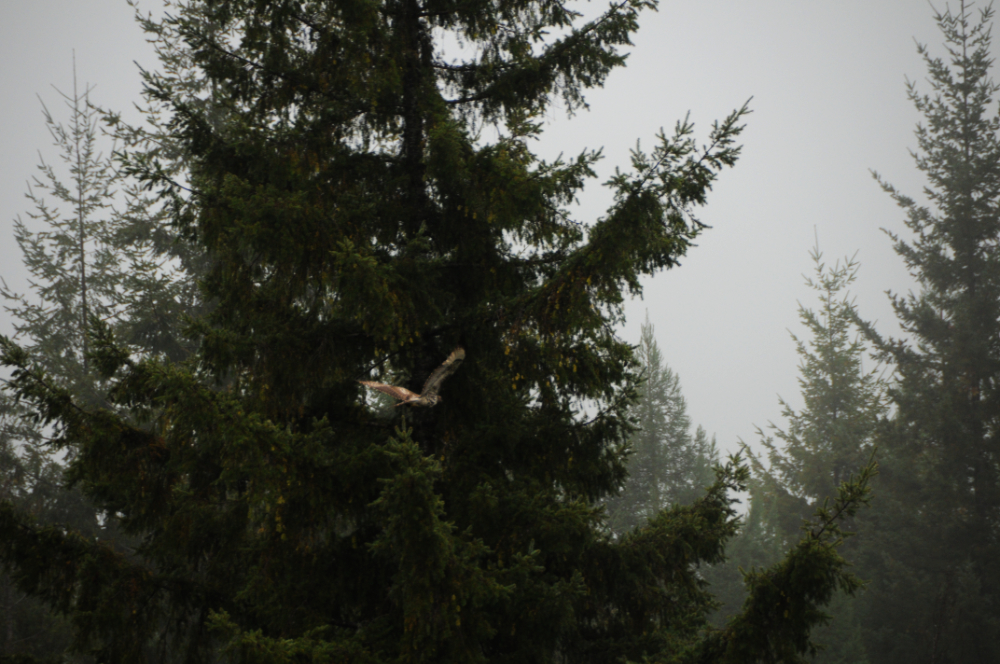
One of the widespread birds of prey found in this part of California is the red-tailed hawk. I feel like I rarely get any half-decent shots of large birds, so I was happy with what I got here. Red-tailed hawks live across much of North America and feed heavily on small mammals, although their diet can include birds, reptiles, and other prey. This one tolerated me taking its photo for about a minute before finally taking off.
The Scale of the Redwoods
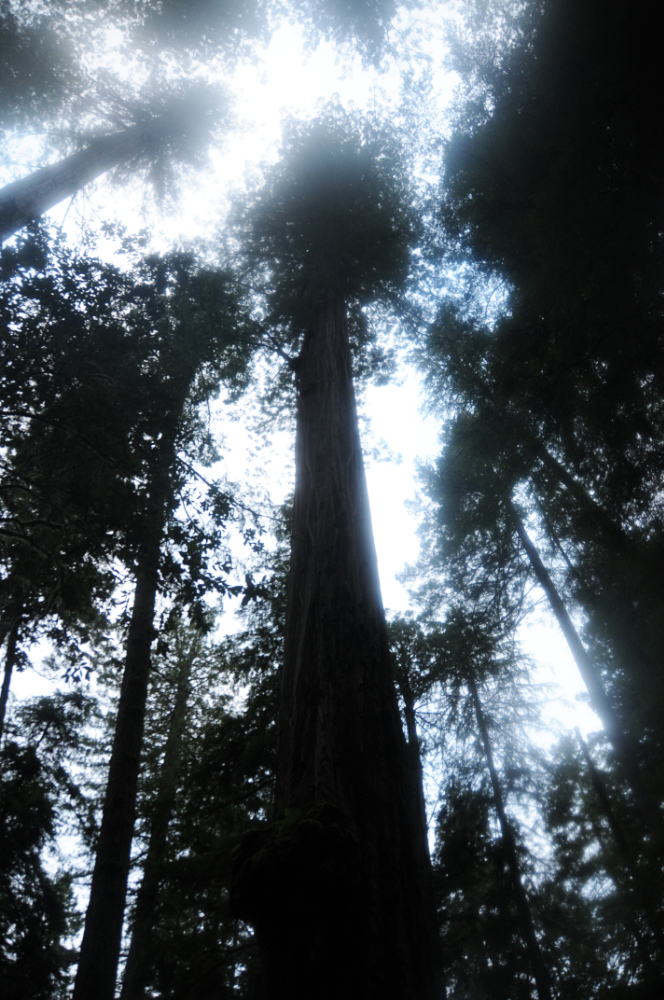
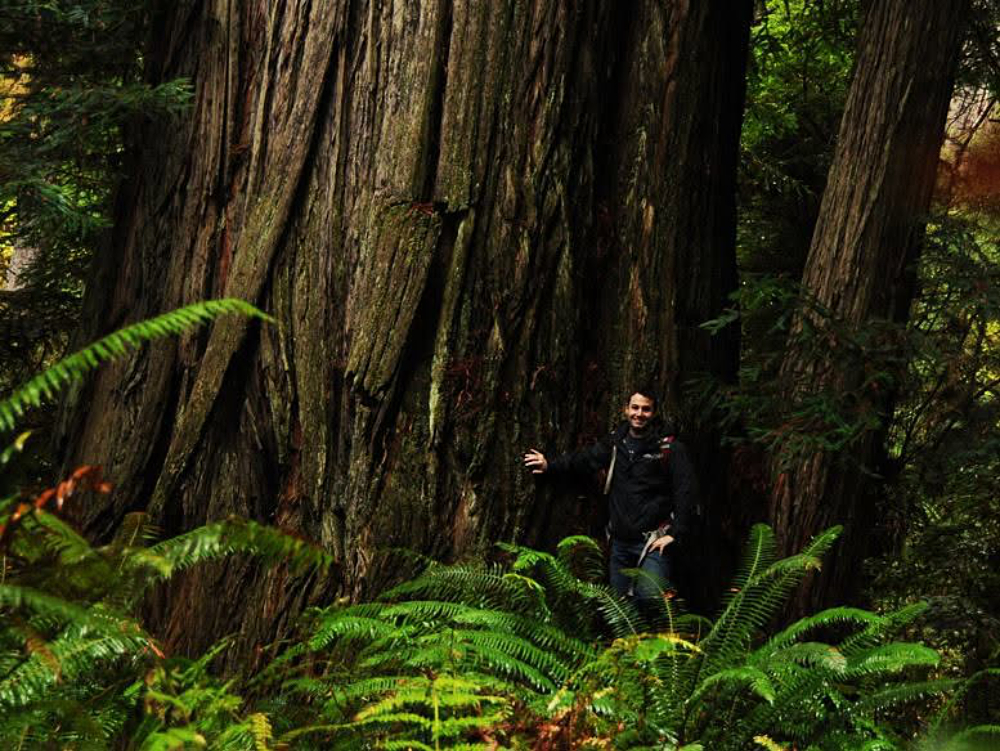
The longer trail I did at the end wasn’t a loop, so I had to descend back down into the redwoods again. For my final two pictures, I thought I’d show one of the tallest trees I photographed here, followed by one of the largest I came across, with myself standing in front of it for perspective.
Almost all of the large redwoods I saw were enormous at the bottom, including the tree I had photographed earlier with the burned-out trunk. I was especially interested in seeing the trees that you can drive your car through, but it turned out those were hours south. I had no idea the redwood forests stretched across such a large area!
Explore More of California
Mt. Whitney • Crescent City • Death Valley • Joshua Tree • Los Angeles • San Diego • the Redwoods