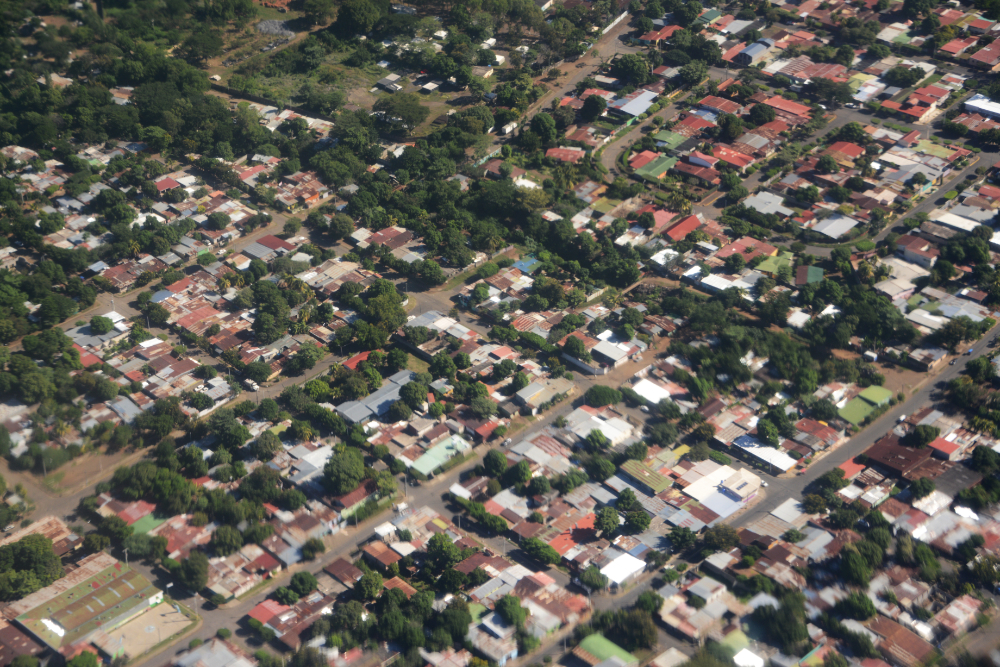
Managua was my introduction to Nicaragua, and the country made an impression before my plane even landed. Looking out the window, I could see the volcanic landscape that defines much of western Nicaragua. The capital itself looked surprisingly spread out, with neighborhoods of low-rise buildings stretching across the landscape rather than the dense skyline I might have expected from the country’s largest city.
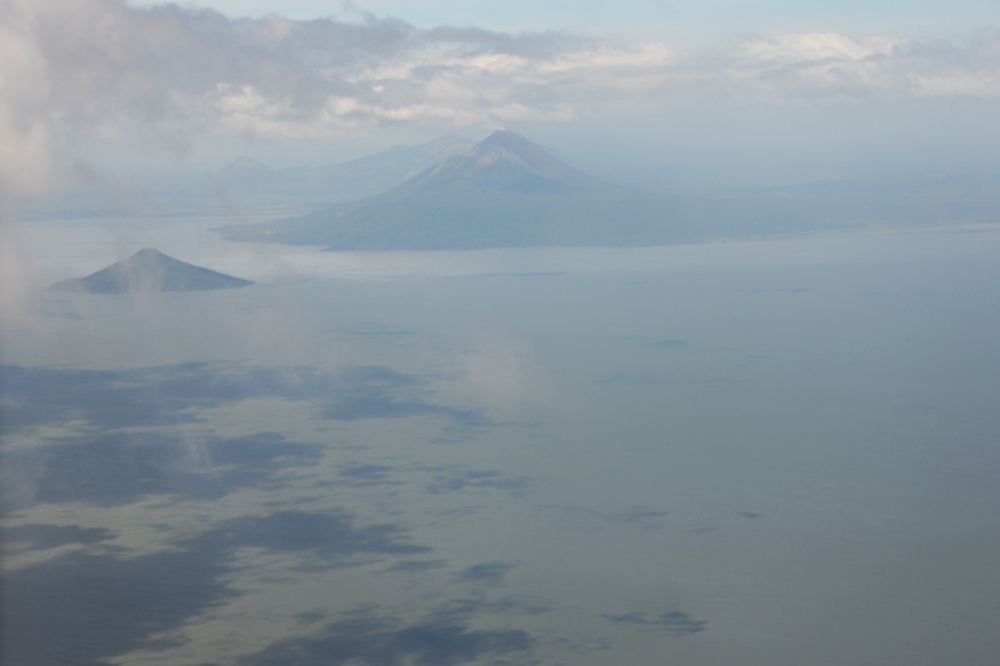
Managua is a very different city from Nicaragua’s better-known colonial destinations. A series of earthquakes, particularly the devastating disaster of 1972, transformed its urban landscape. Instead of a single compact historic center, the city developed around widely separated commercial districts, residential neighborhoods, monuments, and public spaces. That layout can make sightseeing less straightforward, but I found considerably more to explore than I initially expected.
Everyday Life in Managua
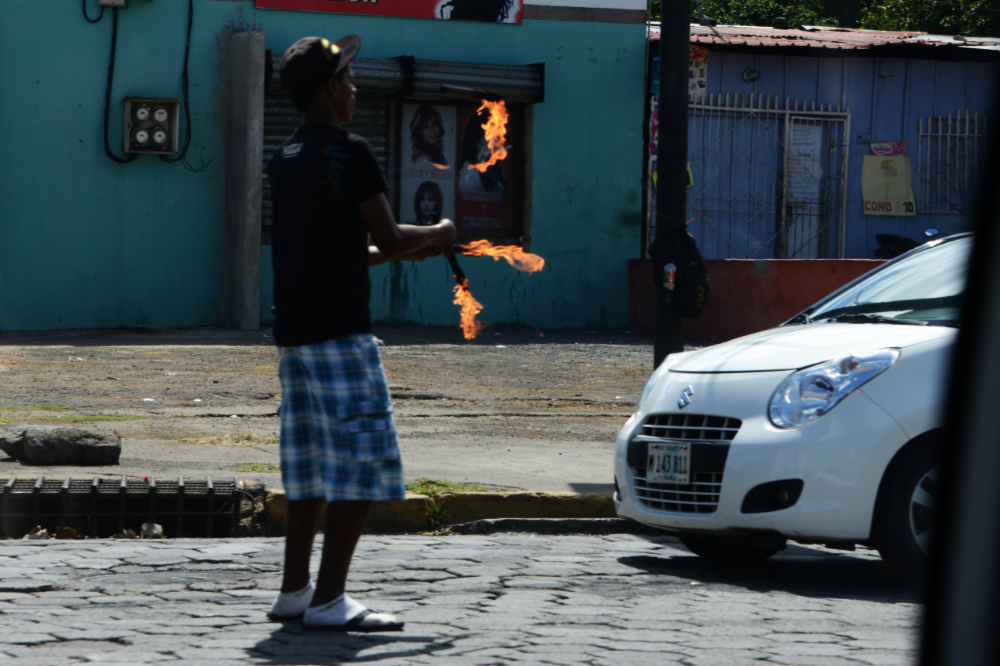
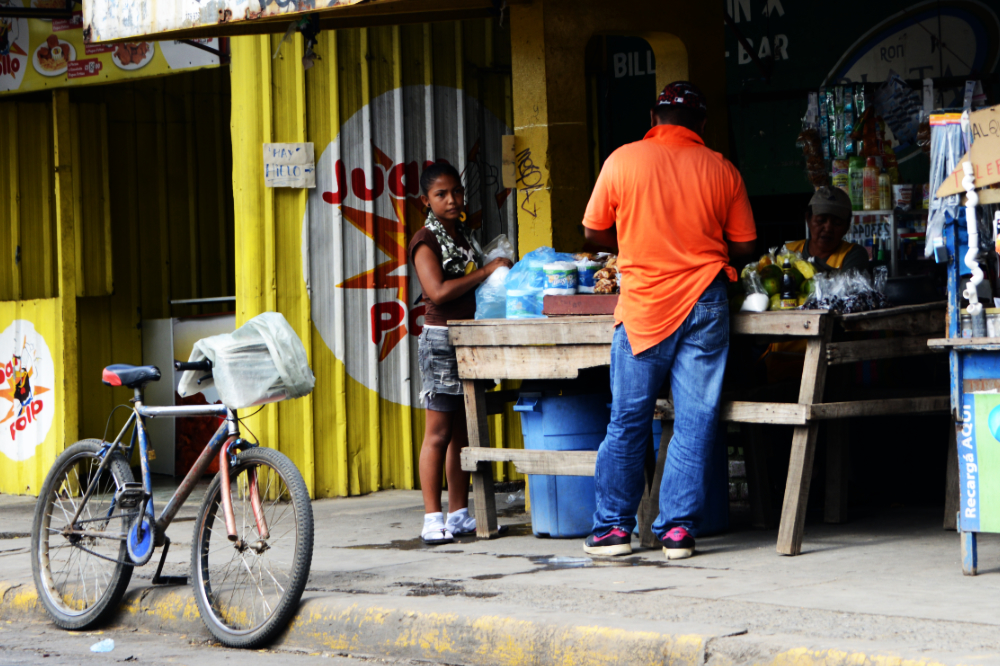
One of the first things I noticed was how much activity took place along Managua’s streets. There were vendors, pedestrians, performers, and people going about their daily routines. At several intersections, I saw street entertainers performing for passing motorists, including people juggling fire. At one point, I even watched a performer standing on another person’s shoulders as they moved down the road.
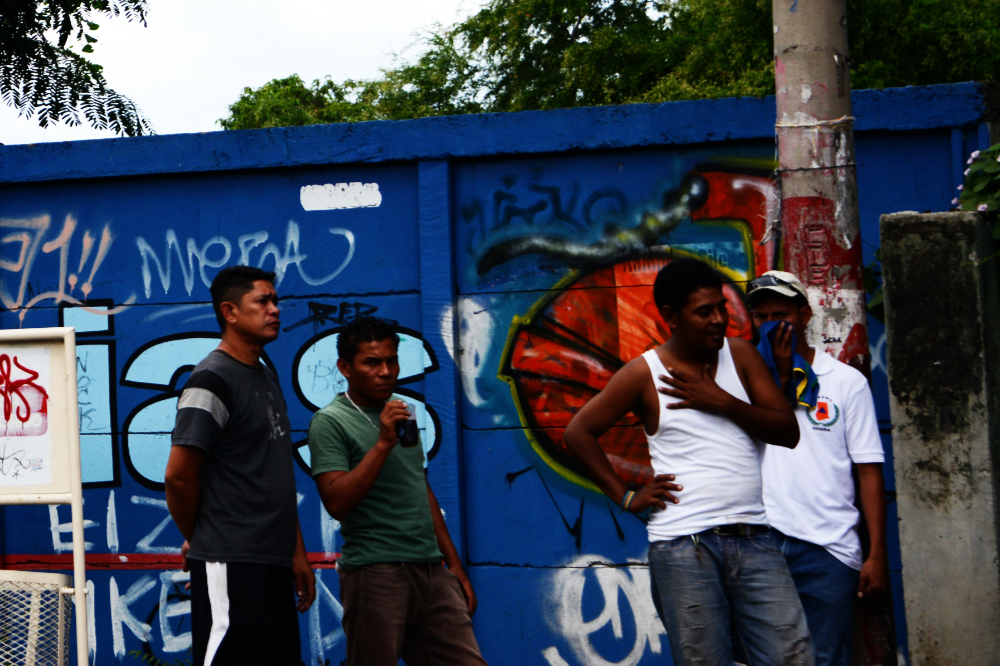
Managua’s economic contrasts were also immediately apparent. Many neighborhoods consisted of small, modest houses, and some streets had visibly limited infrastructure. Yet other areas contained modern shopping centers, restaurants, and entertainment districts. Traveling through the city revealed a much more varied urban environment than the view from the airplane had suggested.
Transportation and Shopping
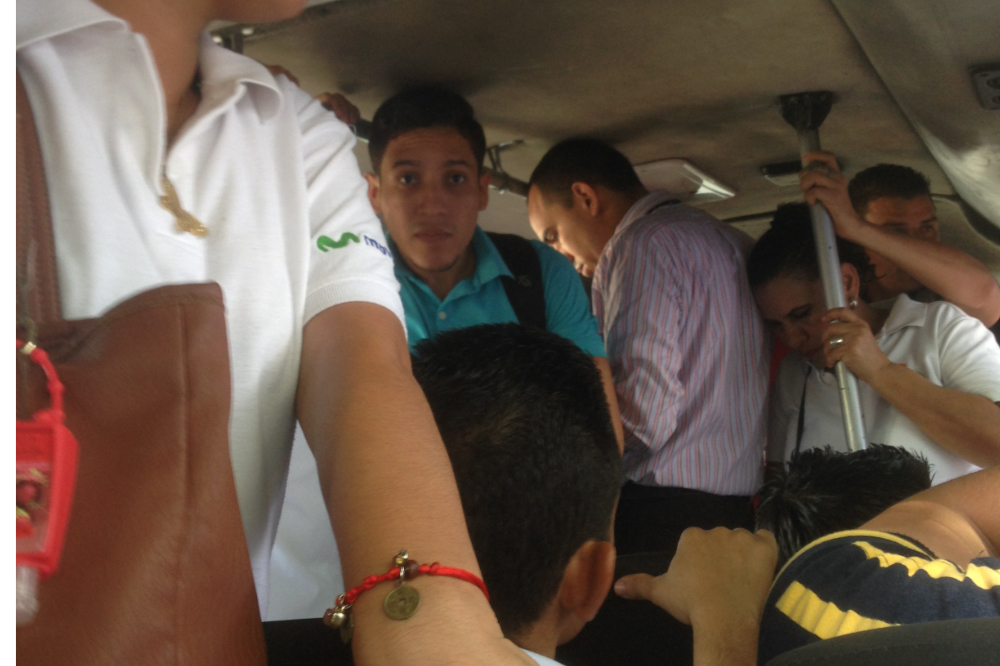
Getting around Nicaragua was remarkably inexpensive during my visit. I traveled by bus several times, including journeys lasting hours that cost very little. Within Managua, taxis were often more convenient because the city’s attractions were so spread out. I generally negotiated fares before getting into a taxi, which helped avoid confusion over the price.
Although some parts of Managua appeared quite poor, its shopping malls could have been in almost any major city. I visited one primarily because it was within walking distance of my accommodation and made a convenient landmark when directing taxi drivers. Since I was traveling in late November, Christmas decorations were already everywhere.
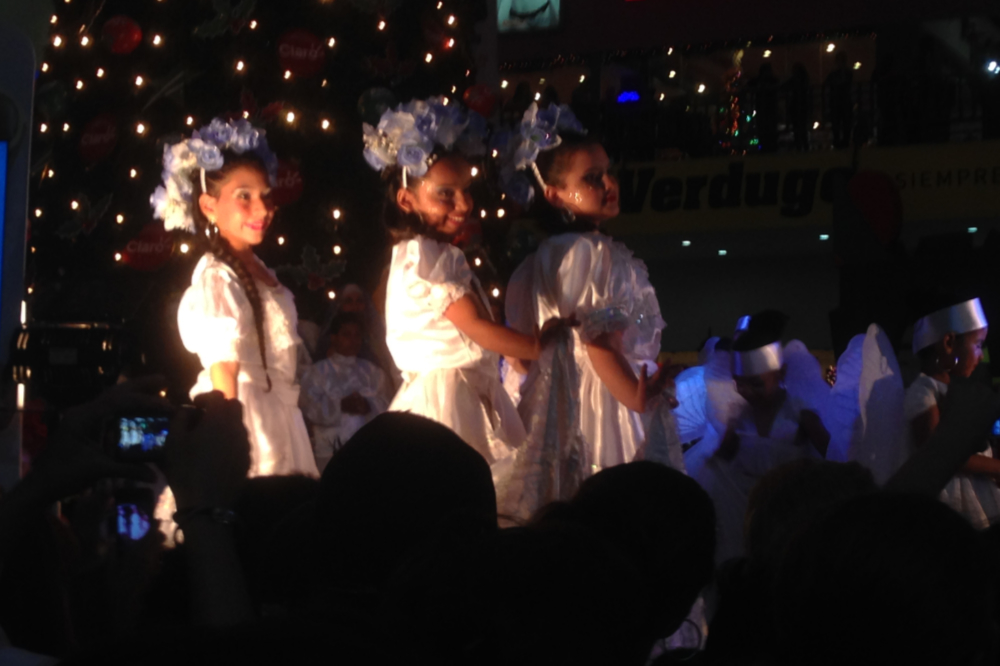
There were also advertisements for something called “Black Weekend,” apparently a local variation on the Black Friday shopping promotions familiar in the United States. At one mall, I came across what looked like a beauty pageant or dance performance. It was an unexpected reminder that Managua had a modern commercial and entertainment scene alongside its traditional markets and neighborhoods.
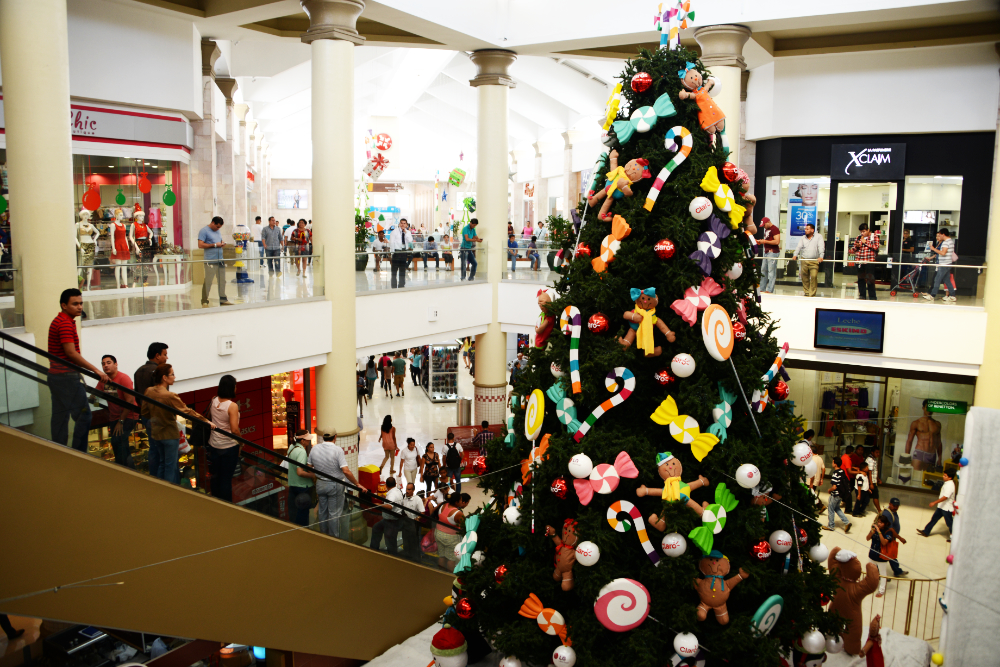
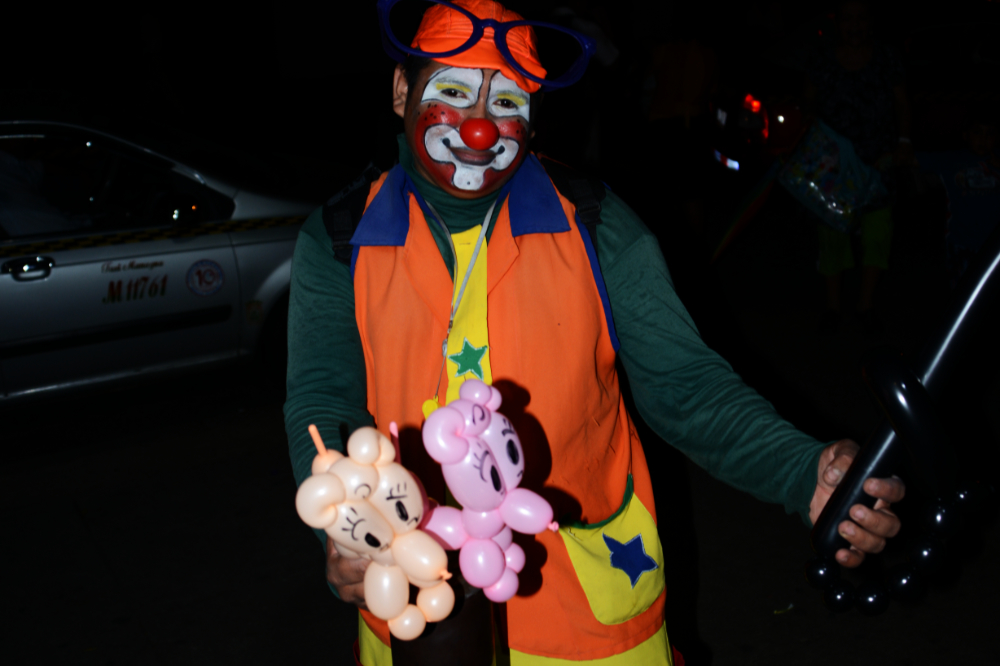
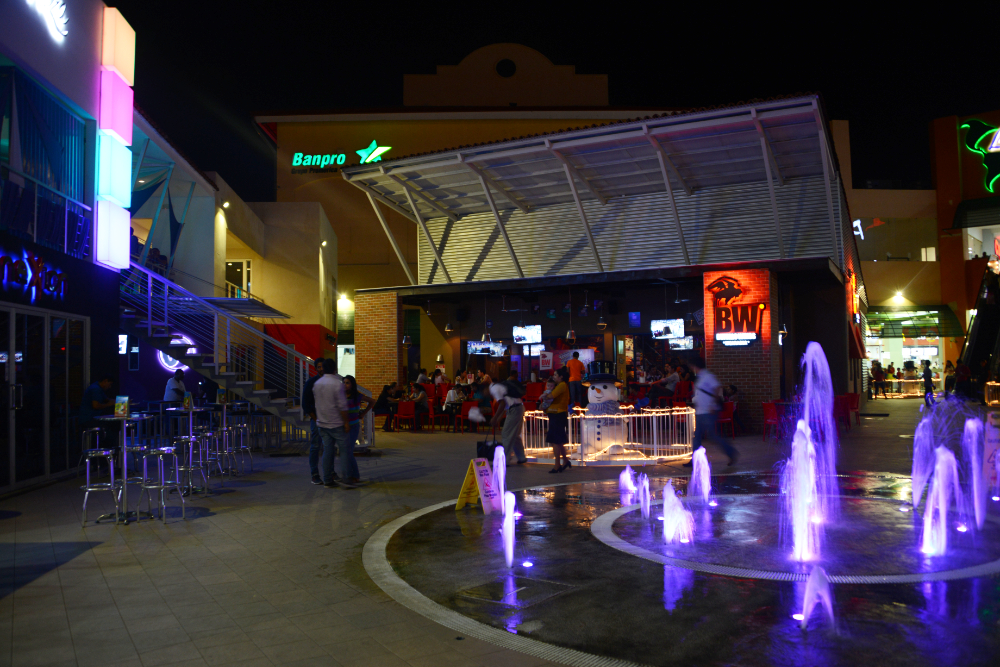
Outside one of the malls was a newer entertainment area with restaurants and clubs. The surroundings were noticeably more developed than some of the neighborhoods I’d passed earlier, and there was a visible police and security presence. Inside the mall were familiar international fast-food chains, while the nearby streets had more local restaurants and businesses.
Managua’s Old Cathedral
For historical sightseeing, one of the most interesting areas was around Avenida Bolívar and the old city center. This part of Managua contains museums, public monuments, and the remains of its historic cathedral. Officially known as the Catedral de Santiago, the Old Cathedral is one of the city’s most recognizable landmarks.
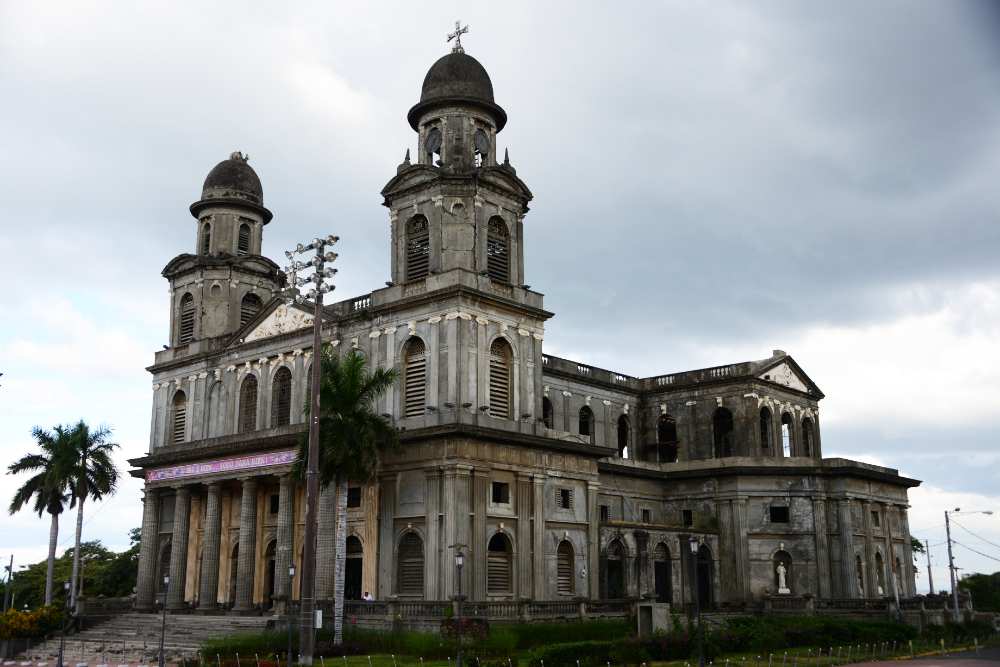
The cathedral survived the destructive earthquake of 1931 but suffered severe damage during the earthquake of December 1972. Although its exterior remained standing, the structure was no longer considered suitable for regular worship. When I visited, the building still looked surprisingly complete from a distance, but a closer inspection revealed substantial deterioration.
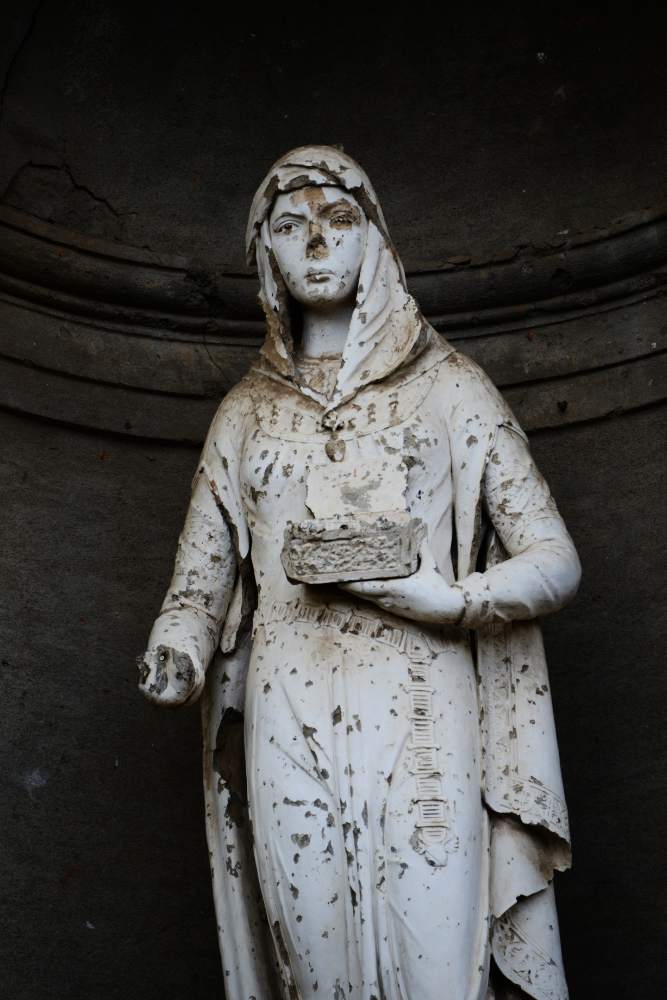
The damaged cathedral is a reminder of how profoundly earthquakes have shaped Managua. Unlike many Central American capitals, the city never fully reconstructed its original historic center. Much of its subsequent development spread outward, leaving the Old Cathedral as a prominent monument to the city that existed before 1972.
The New Metropolitan Cathedral
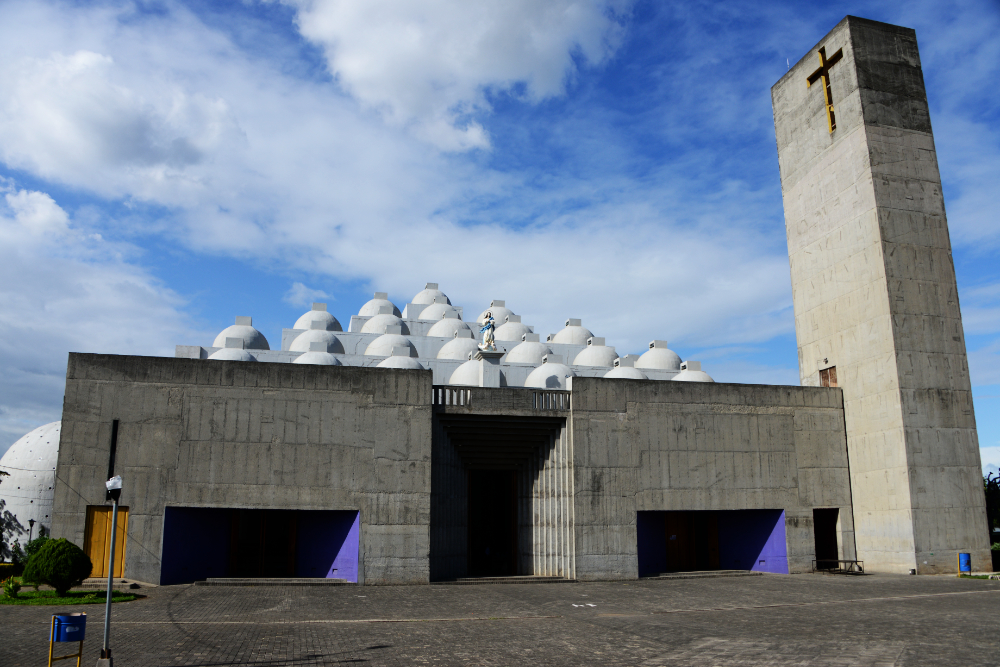
Managua’s replacement cathedral could hardly look more different from its historic predecessor. The Metropolitan Cathedral of the Immaculate Conception, completed in 1993, has a modern design distinguished by numerous rounded roof domes. Its unusual architecture makes it one of the most distinctive religious buildings in Central America.
One of my more amusing experiences in Managua happened while trying to visit it. I was staying within walking distance of the cathedral but hadn’t realized that the unusual building nearby was actually the church I wanted to see. I flagged down a taxi, negotiated a fare, and climbed inside. The driver then took me only a couple of blocks before stopping and announcing that we’d arrived!
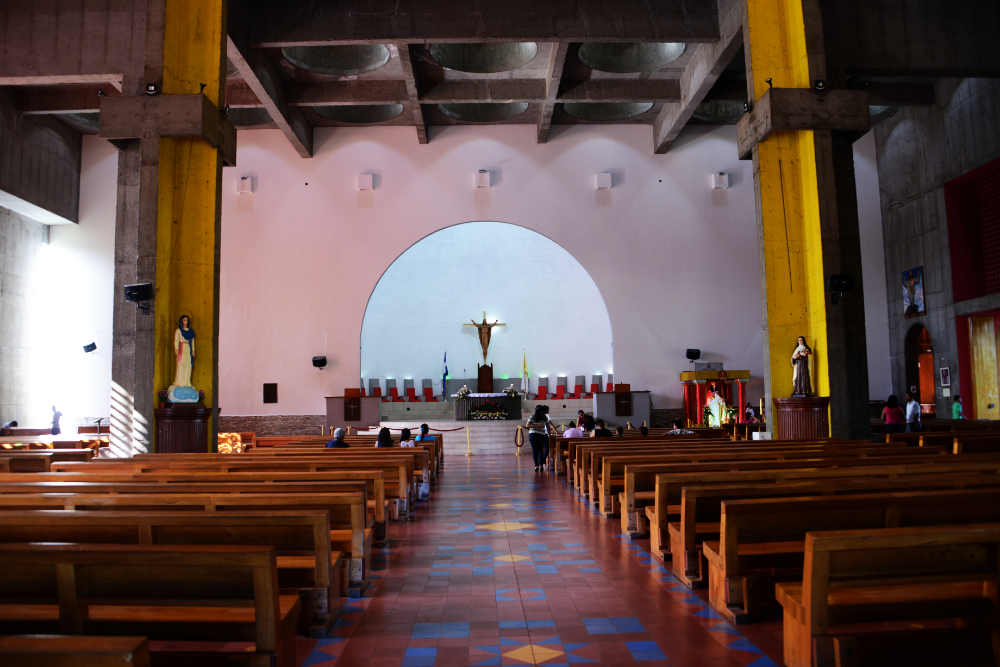
The interior was just as unusual as the exterior. Instead of the long vaulted ceilings and traditional ornamentation associated with older cathedrals, this building has broad open spaces, modern structural forms, and an arrangement of domes that creates a very different atmosphere.
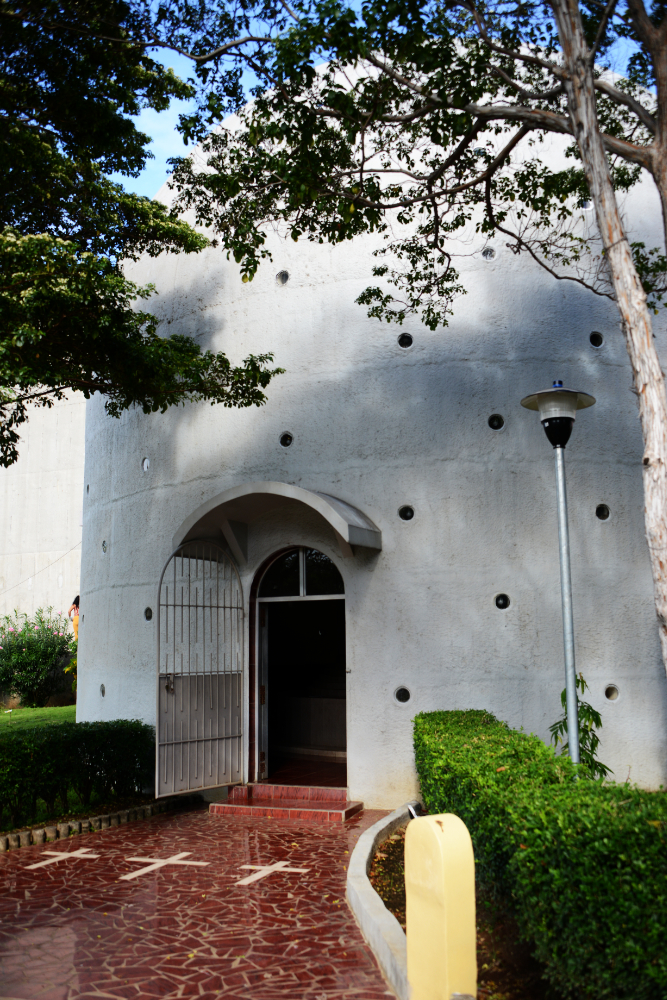
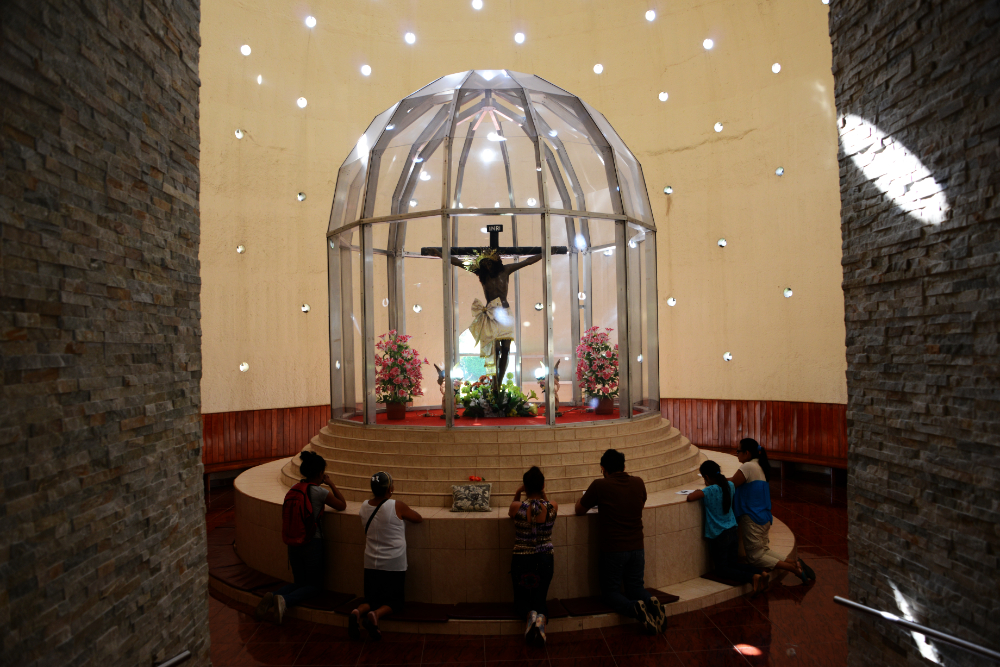
There were also smaller spaces for prayer and reflection. Whether someone appreciates its unconventional design or prefers traditional cathedral architecture, the building is certainly memorable. I was glad I visited, even if the taxi ride to get there was probably the shortest of my entire trip.
Nicaragua’s National Museum
Near the Old Cathedral is the National Palace of Culture, which houses Nicaragua’s National Museum. Its collections introduce visitors to the country’s Indigenous civilizations, archaeological heritage, colonial history, and artistic traditions. I was particularly interested in the pre-Columbian exhibits.
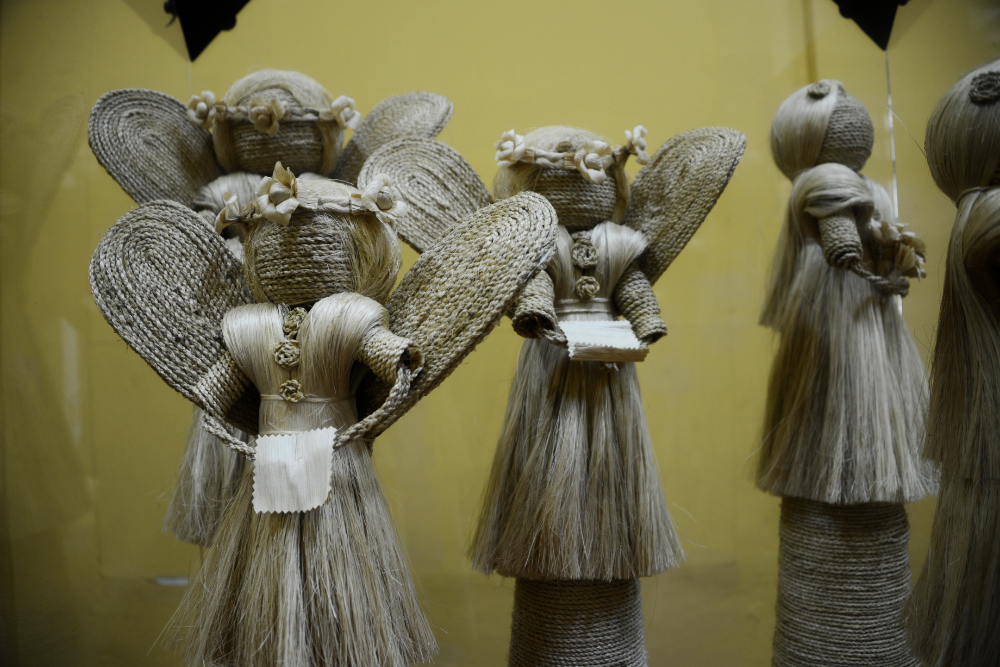
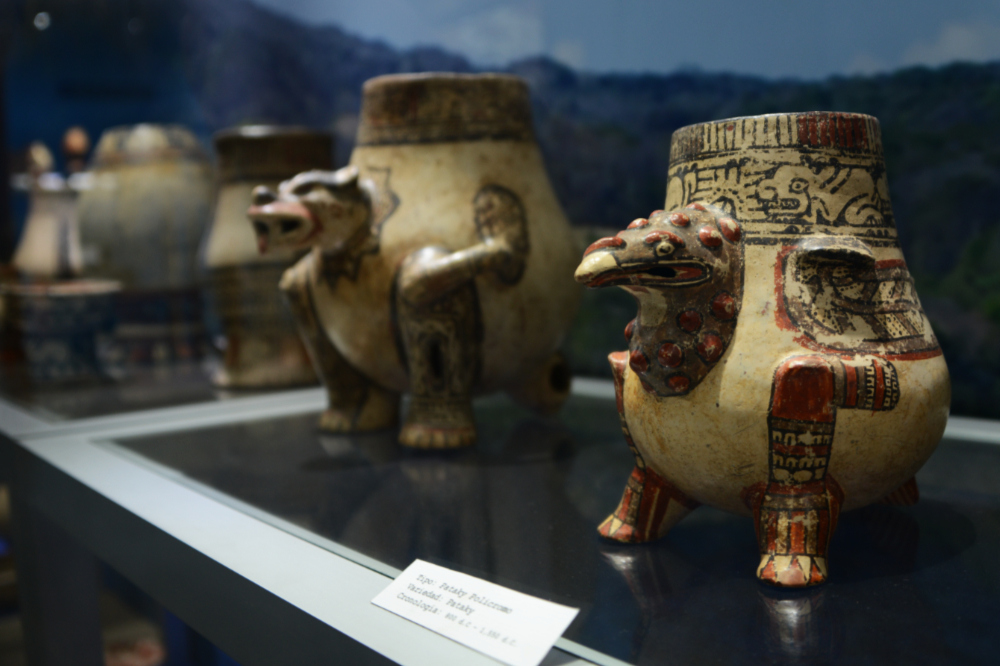
The archaeological collections included pottery, figurines, and other objects associated with the peoples who inhabited Nicaragua before European colonization. I also remember a collection of smoking pipes decorated with animals native to the region. These artifacts provided a glimpse into the cultures that existed long before the arrival of the Spanish.
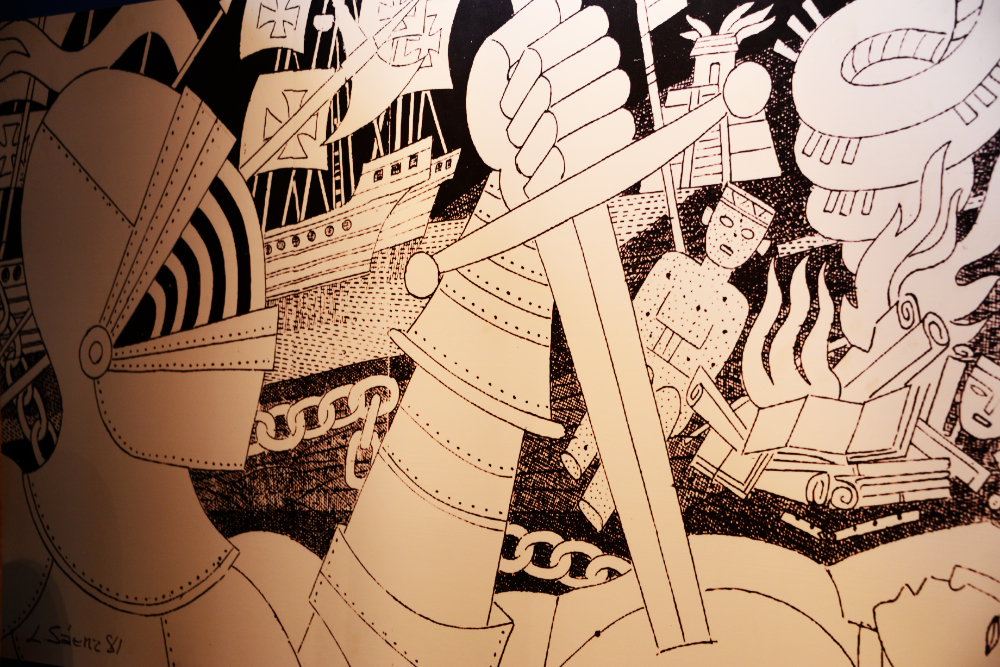
Other displays addressed the Spanish conquest and the enormous changes it brought to Nicaragua’s Indigenous population. Beginning in the early sixteenth century, Spanish colonization transformed the region through warfare, forced labor, disease, and the establishment of colonial settlements. The museum’s historical exhibits helped connect these events with Nicaragua’s later development.
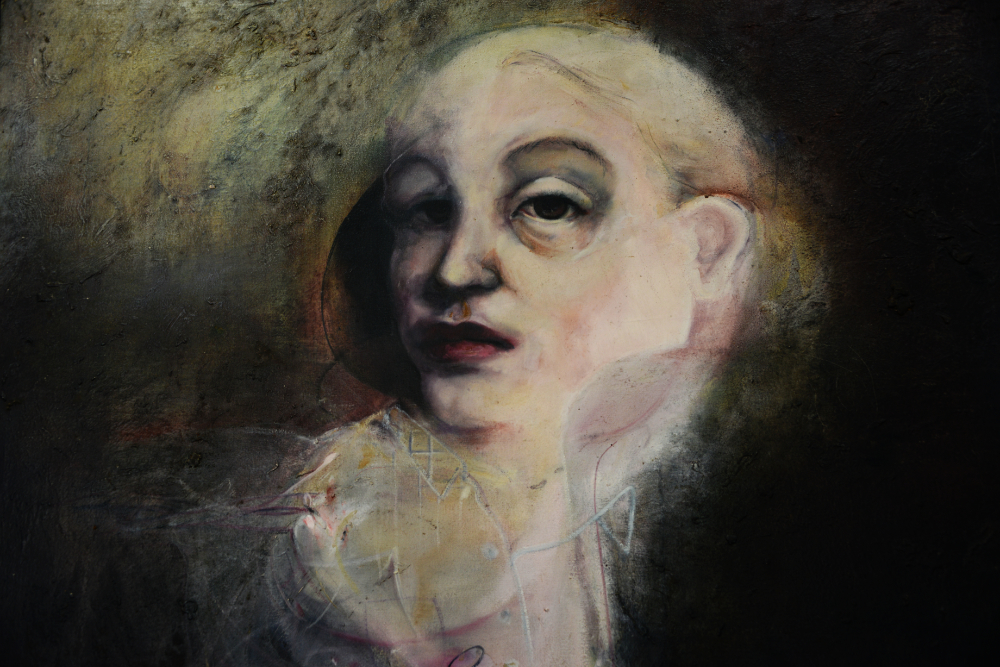
One painting reminded me of a similar work I’d seen while traveling in Mexico. Its dark style and the subject’s stern expression gave it a particularly imposing appearance. I always enjoy visiting museums while traveling because they provide historical context for the places I’m exploring, and Managua’s National Museum was no exception.
Huellas de Acahualinca — Ancient Human Footprints
One of Managua’s more unusual attractions is the archaeological site known as Huellas de Acahualinca. Here, ancient human footprints were preserved in volcanic material thousands of years ago. The tracks provide rare physical evidence of people moving across the landscape long before Nicaragua’s recorded colonial history.
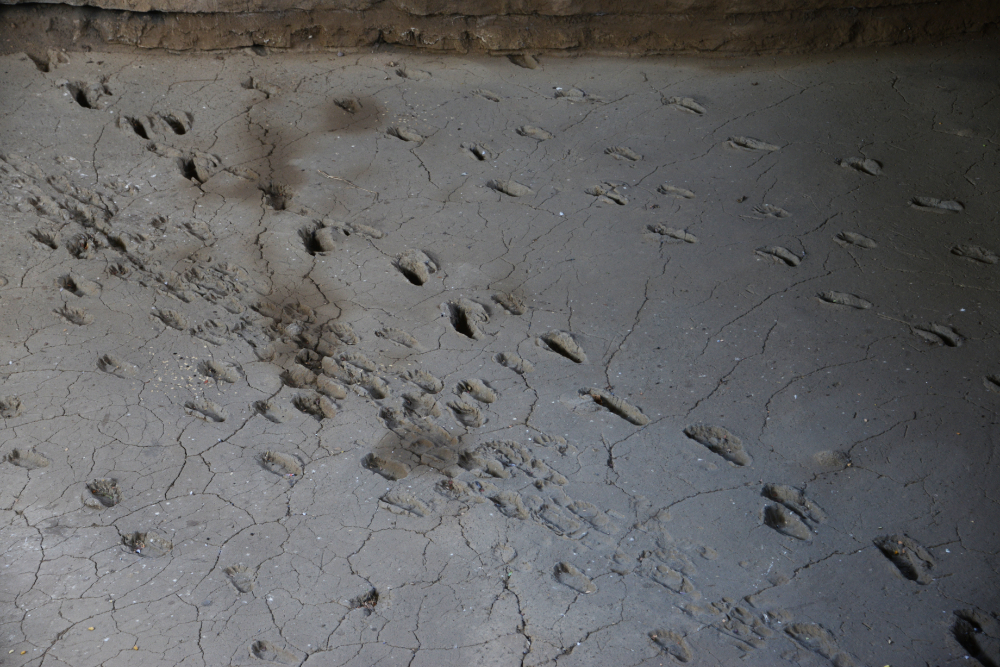
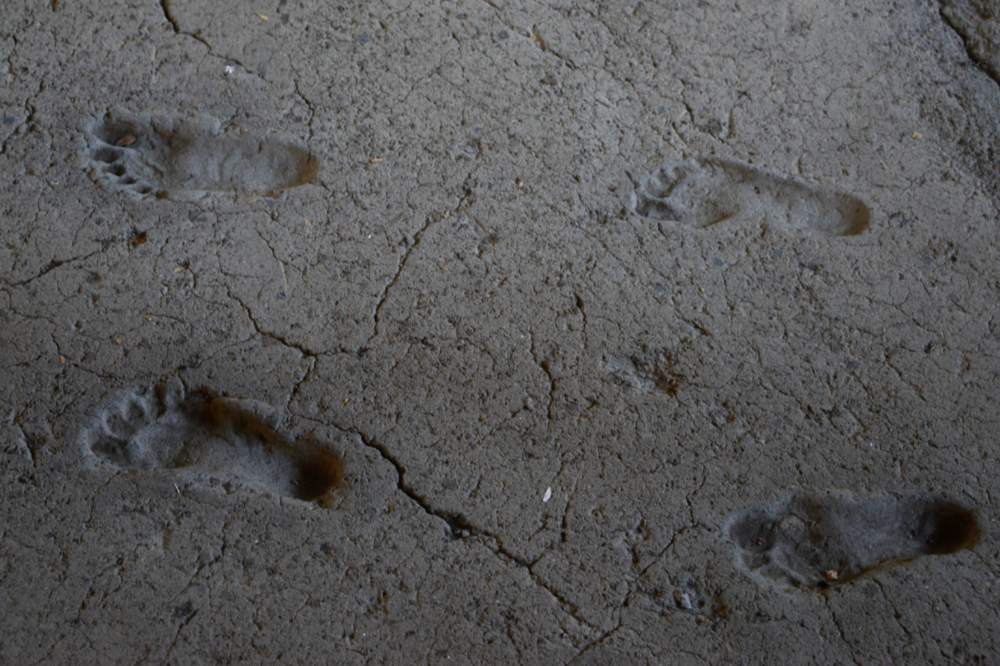
The footprints are generally dated to roughly 6,000 years ago, although their precise age has been debated. They were preserved when people walked across a surface of volcanic mud or ash that later hardened and was buried beneath additional sediment.
One early interpretation suggested that the people were fleeing a volcanic eruption. However, the spacing and arrangement of the footprints indicate ordinary walking rather than a panicked escape. Whatever brought these people across the area, their tracks survived for millennia and offer a remarkable connection to Nicaragua’s distant past.
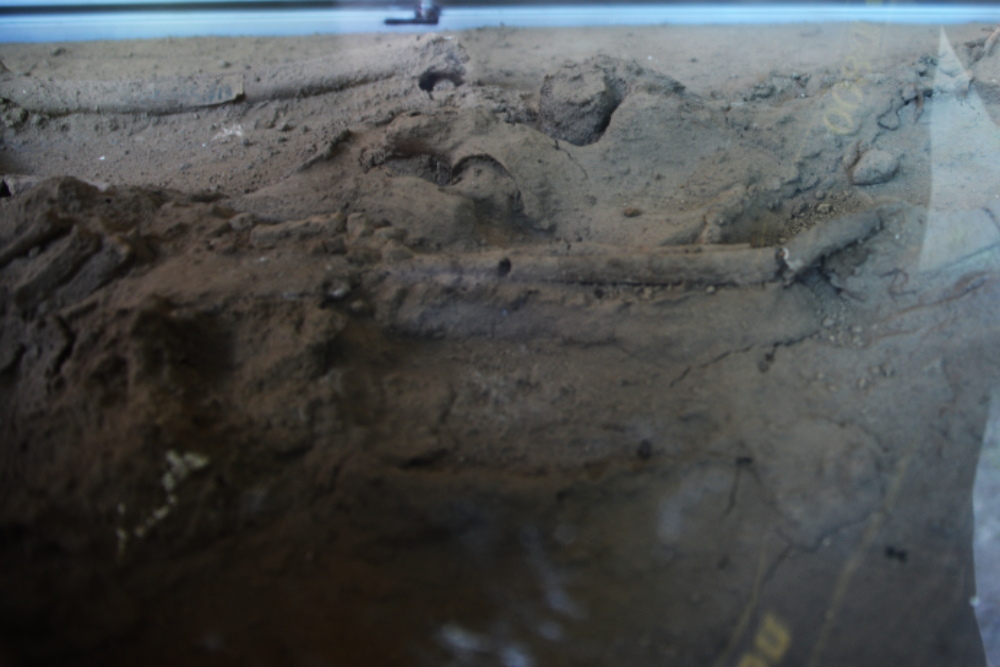
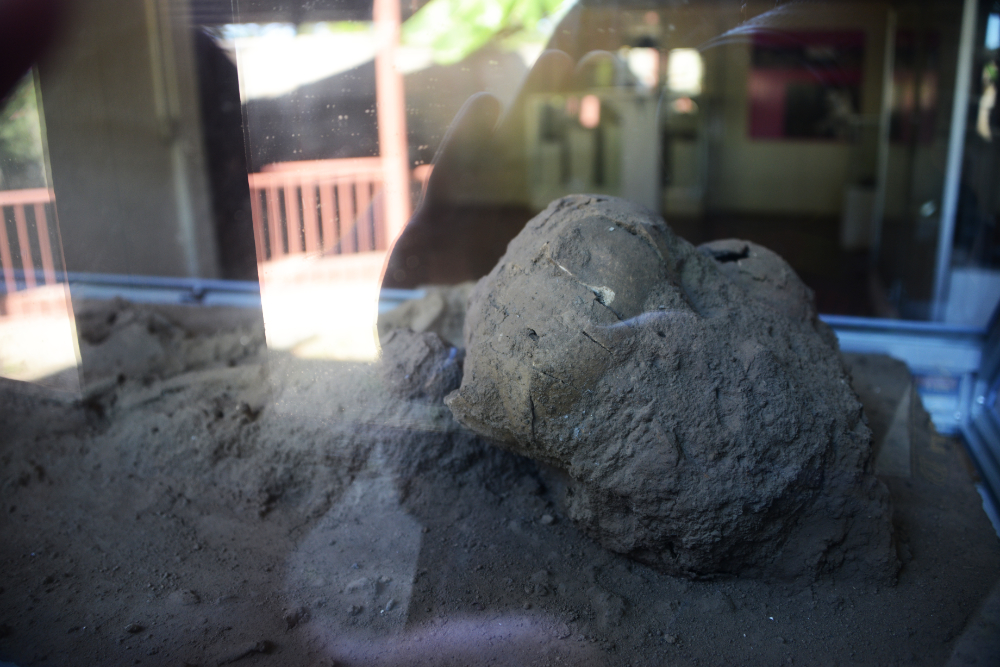
The museum also contained small rooms with archaeological artifacts and exhibits about the surrounding area. Unfortunately, the staff didn’t have the key to one of the rooms when I visited. Instead, they explained the exhibits while pointing through a window.
Photographing objects through both a window and a glass display case was difficult, but I managed to capture these skeletal remains. I was told that the remains belonged to a pregnant woman, although I wasn’t able to independently verify that identification.
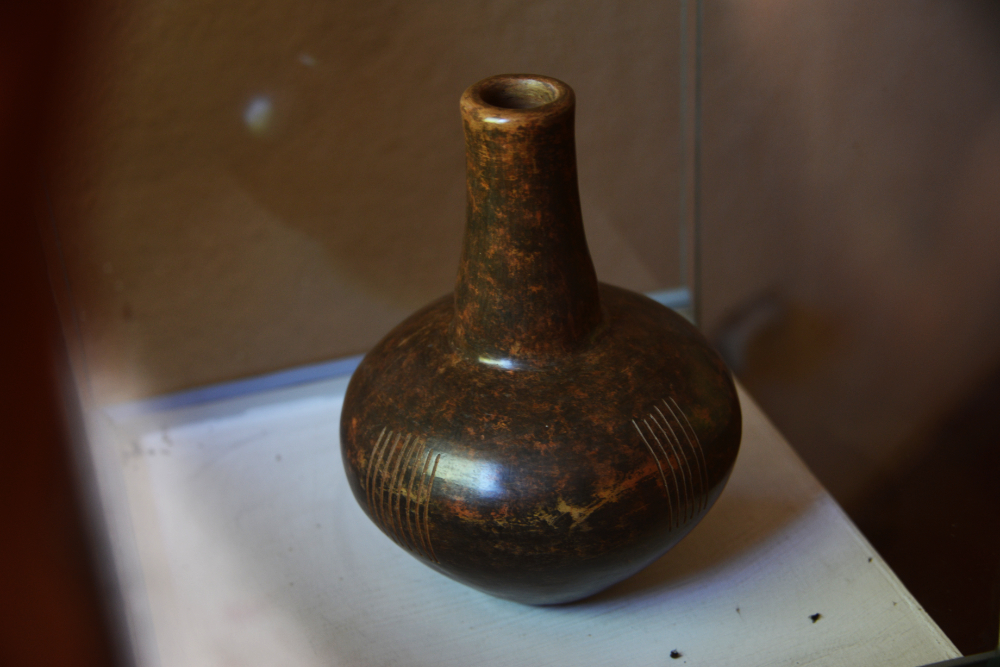
The pottery was much easier to photograph. These objects were presented as examples of the region’s ancient material culture and offered another perspective on the people who lived in Nicaragua long before the modern city of Managua existed.
The 1972 Managua Earthquake
Another section of the museum focused on the earthquakes that have repeatedly affected Nicaragua’s capital. The most consequential in modern times struck on December 23, 1972, destroying much of central Managua and leaving hundreds of thousands of residents homeless.
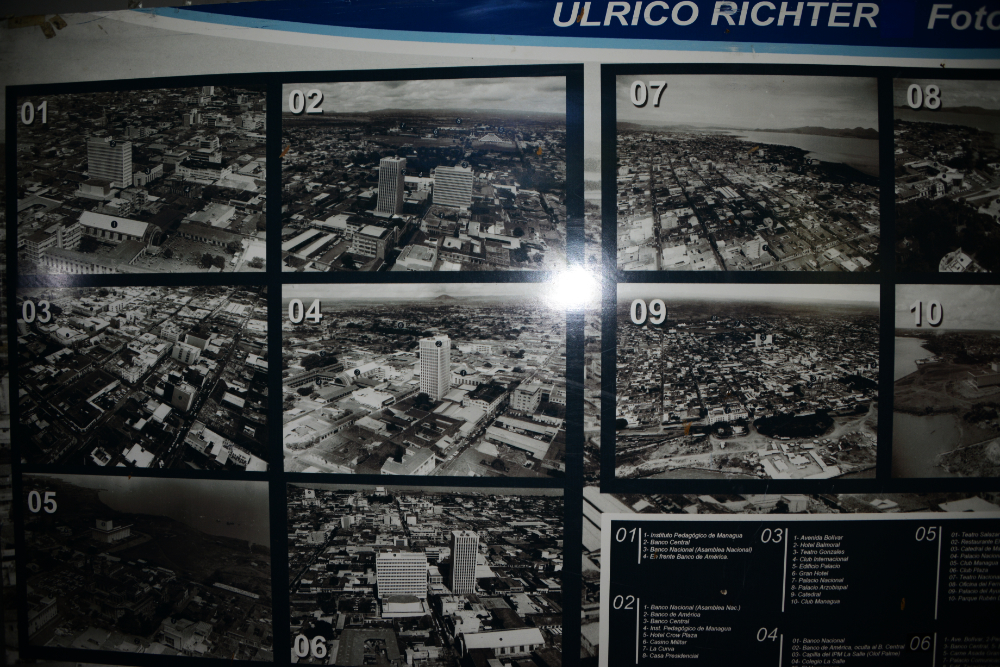
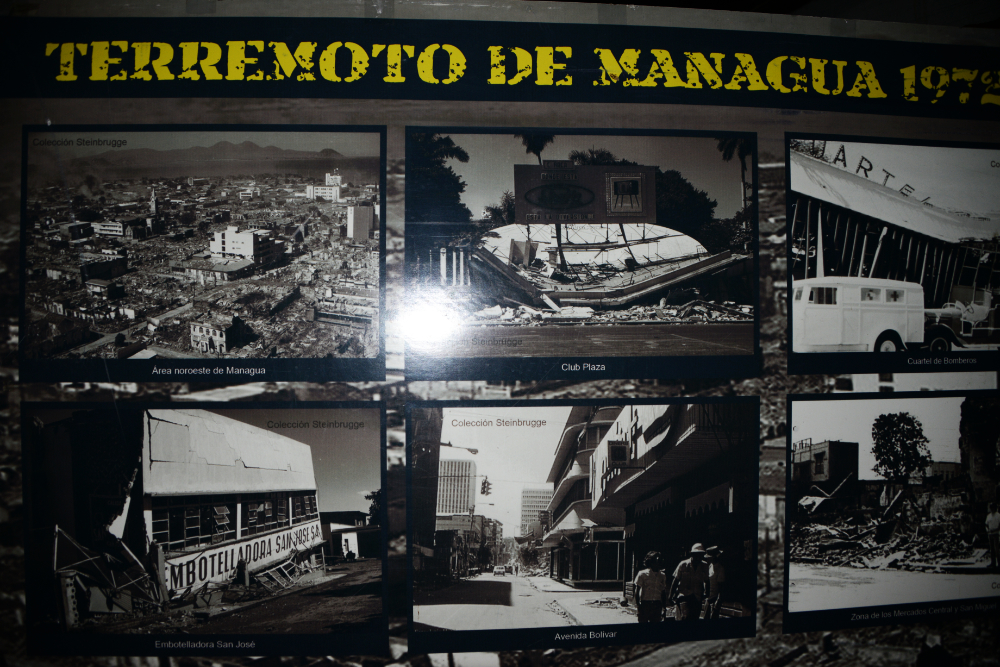
The photographs illustrated the dramatic difference between Managua before and after the disaster. The earthquake killed thousands of people and severely damaged the city’s historic and commercial center. Rather than reconstructing the original downtown in its entirety, Managua expanded into a more dispersed urban area. Seeing these historical photographs helped explain the unusual layout I’d noticed when first arriving.
Tiscapa Lagoon and Views Over Managua
Another of my favorite places in Managua was Tiscapa Lagoon, a volcanic crater lake surrounded by a hilltop park near the center of the city. The elevated location provides broad views across Managua and offers a different perspective on the capital’s sprawling neighborhoods.
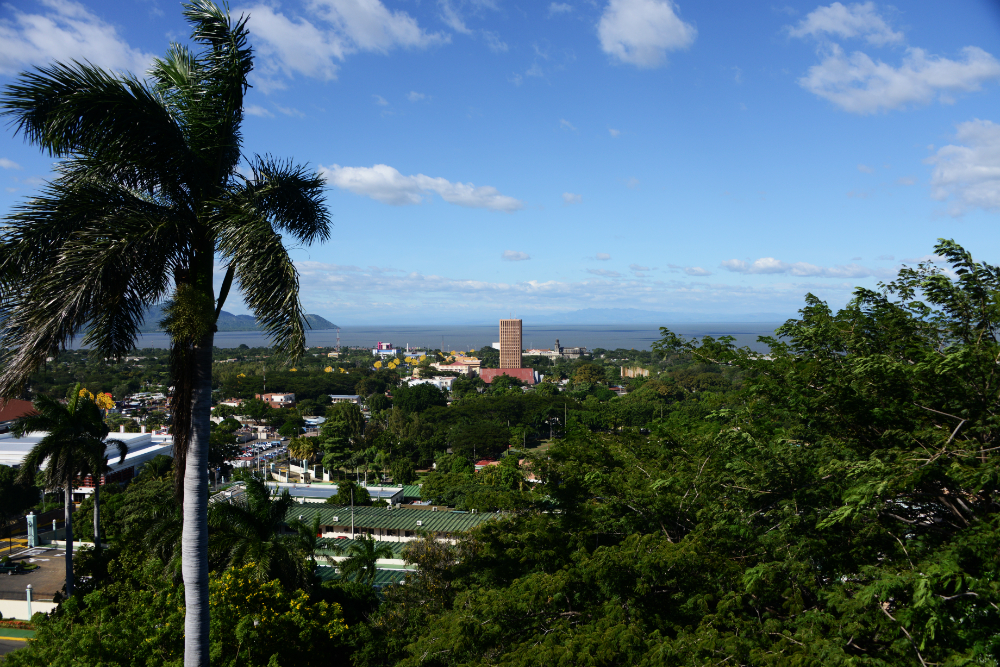
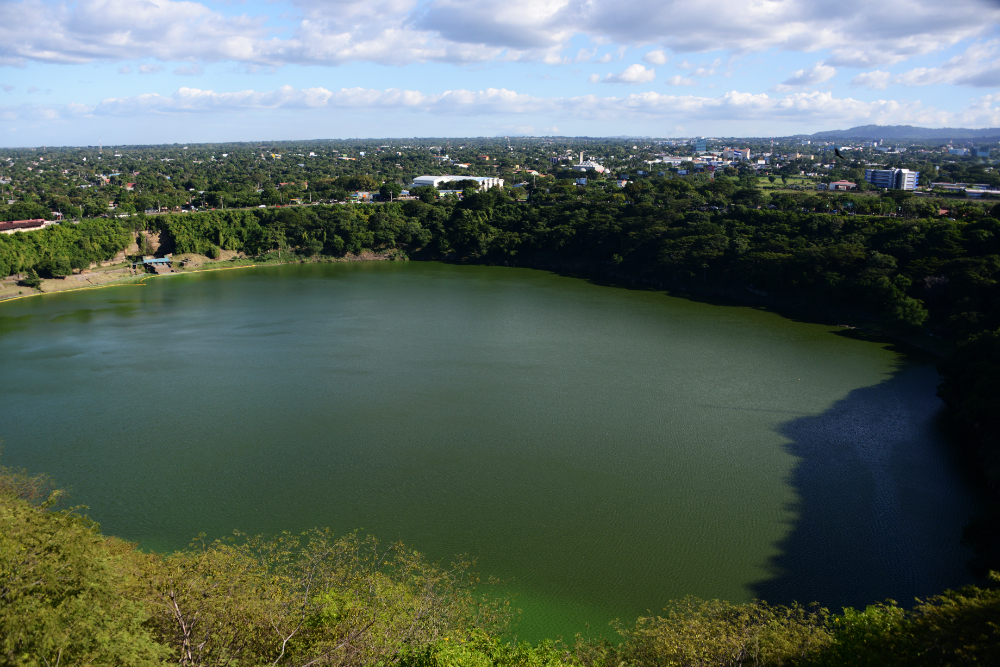
The lagoon occupies an old volcanic crater, and the surrounding area contains monuments connected to Nicaragua’s history. During my visit, it also served as a recreational destination where people could enjoy the views and spend time outdoors.
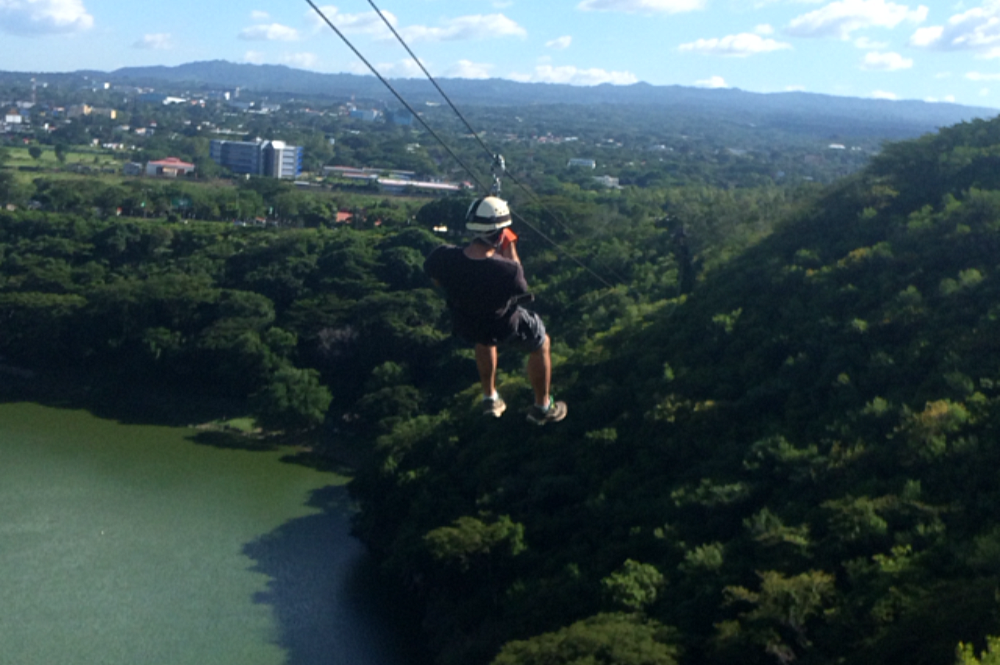
What I hadn’t expected to find was a zip line. For less than $20, I was able to ride a series of three zip-line sections descending toward the lagoon before being driven back to the top. The final section carried me directly over the water, making it one of the most memorable activities I did in Managua.
Monuments and Nicaraguan History at Tiscapa
After finishing the zip line, I returned to the hilltop to explore the monuments. One of the most recognizable is the enormous silhouette of Augusto César Sandino, the Nicaraguan revolutionary leader who fought against the United States military presence during the late 1920s and early 1930s.
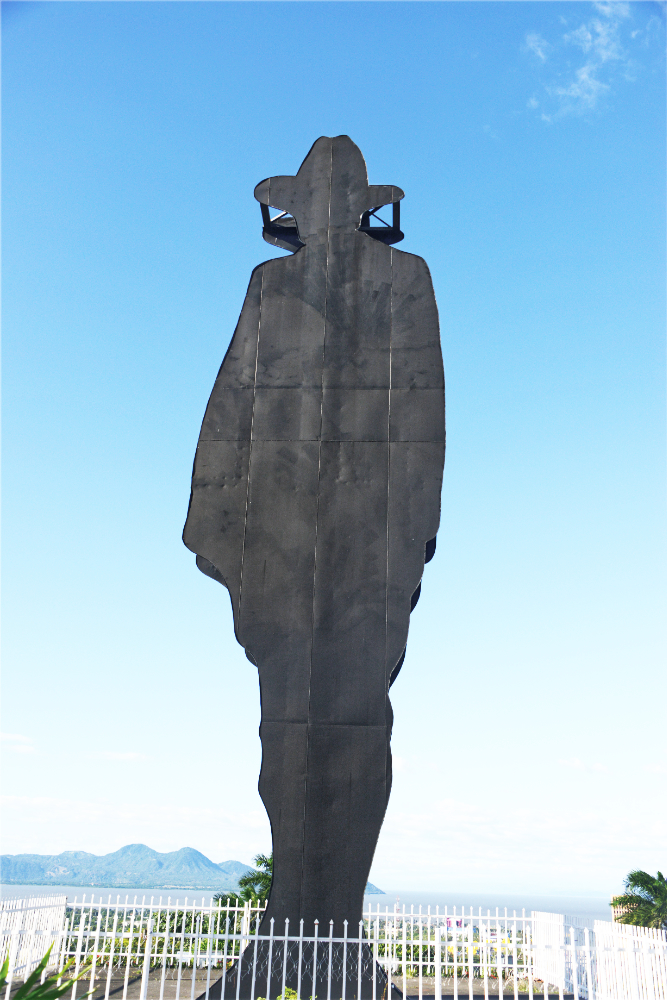
Sandino became a powerful symbol of Nicaraguan nationalism and resistance to foreign intervention. He was assassinated in 1934 after meeting with government officials, and the Sandinista movement later adopted his name. His silhouette overlooking Managua reflects his continuing prominence in the country’s political history.
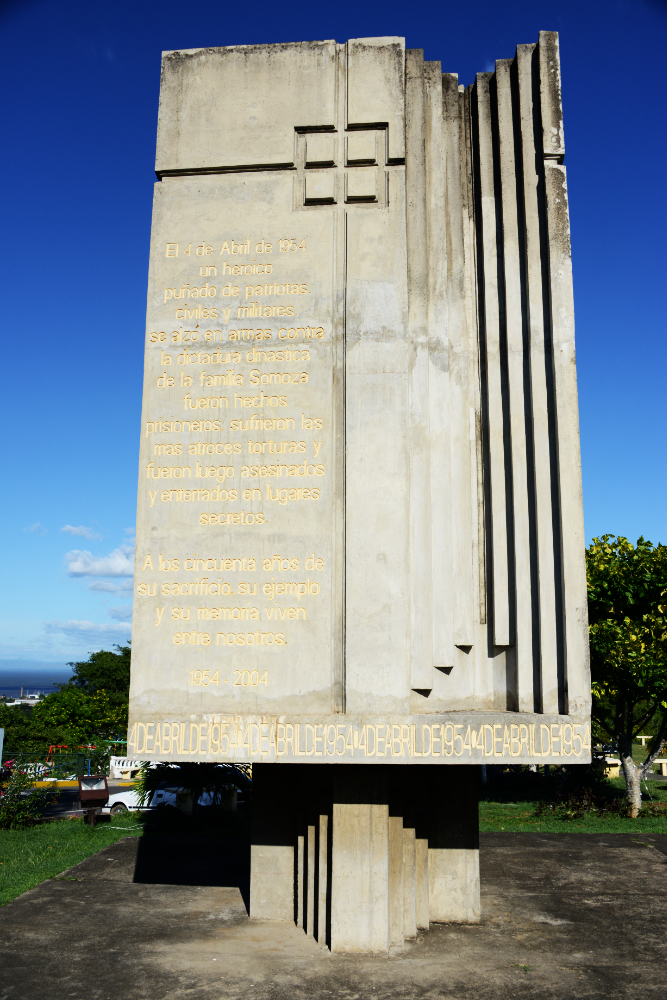
The Tiscapa area also has connections to the Somoza dictatorship, which dominated Nicaraguan politics for much of the twentieth century. The hilltop once housed military and security facilities associated with the regime, and memorials in the area recall periods of political repression and conflict. These historical layers make Tiscapa more than simply a scenic viewpoint.
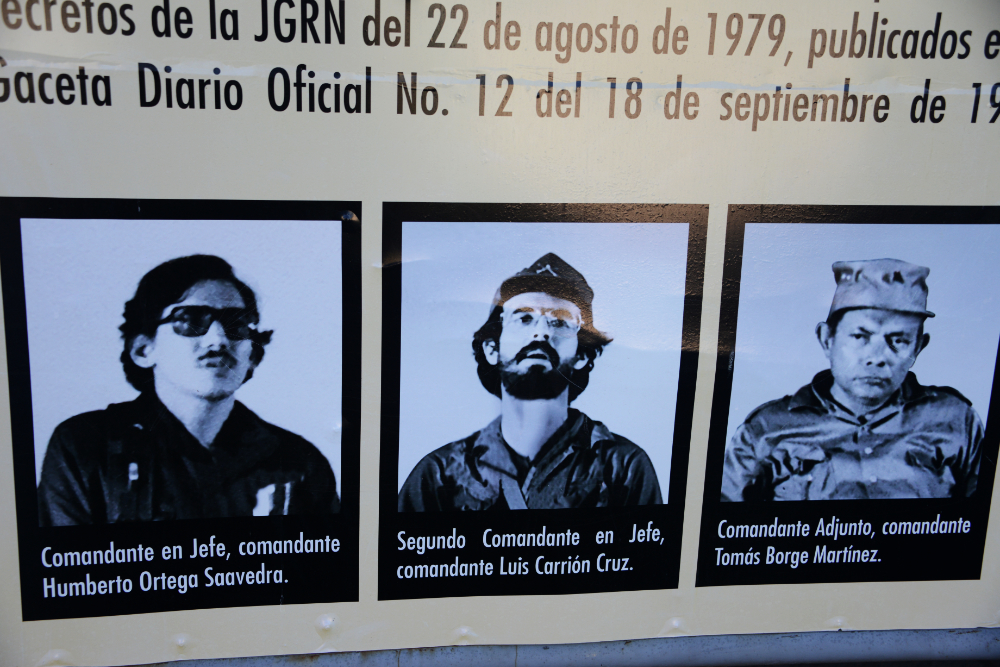
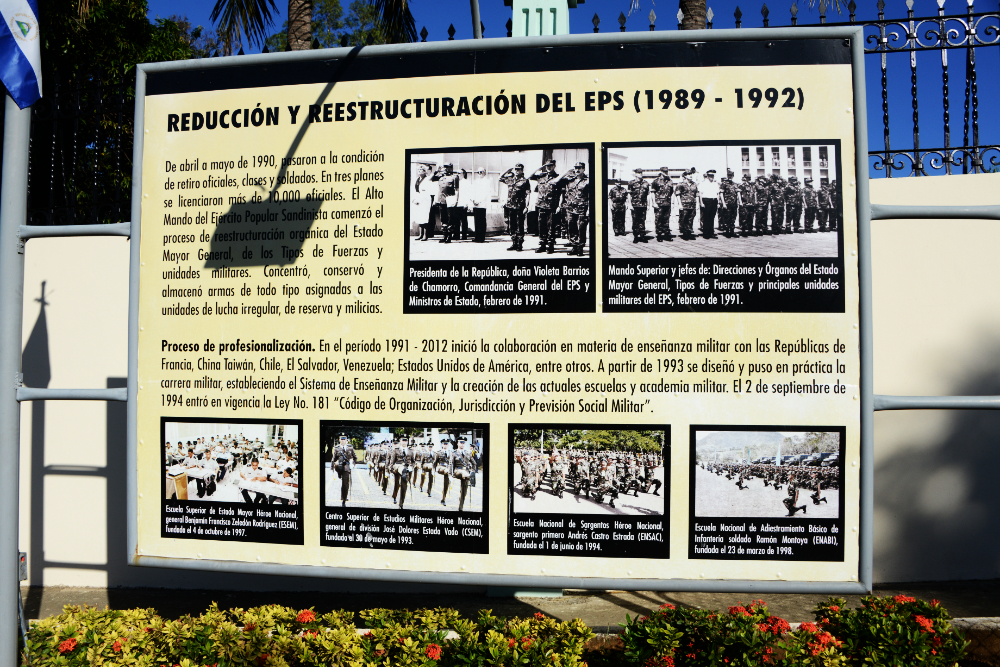
Walking down from the lagoon, I passed what appeared to be an important military complex. Displays along the road presented episodes from Nicaragua’s military and political history. It made the walk back toward central Managua feel almost like an outdoor museum.
Christmas Decorations Along Avenida Bolívar
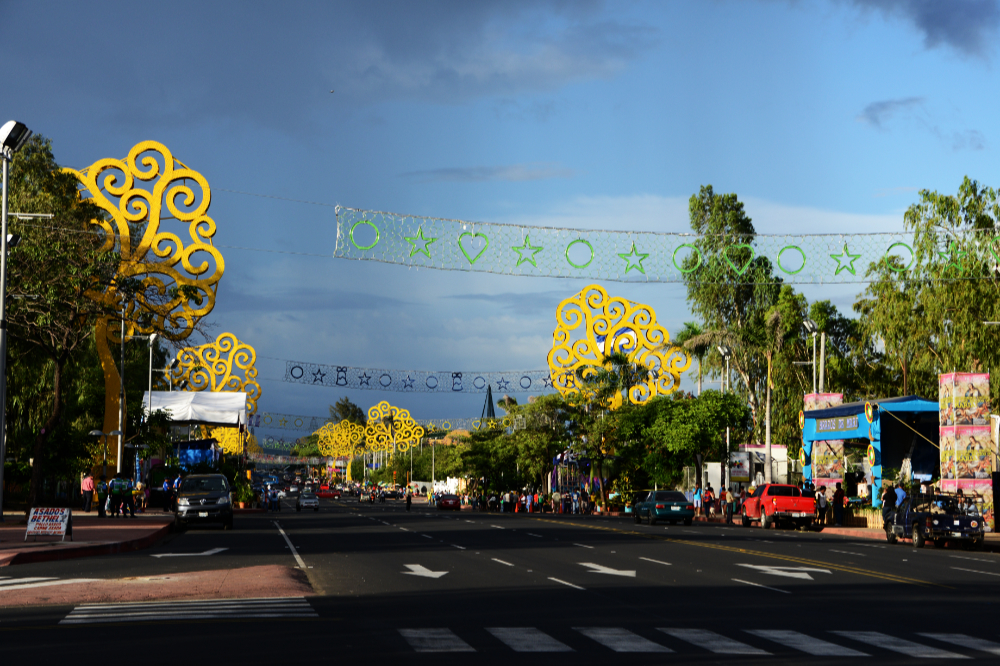
Because I was visiting at the end of November, Managua was already preparing for Christmas. I had noticed elaborate decorations while passing through Avenida Bolívar in a taxi, so I made a point of returning on foot to explore them properly.
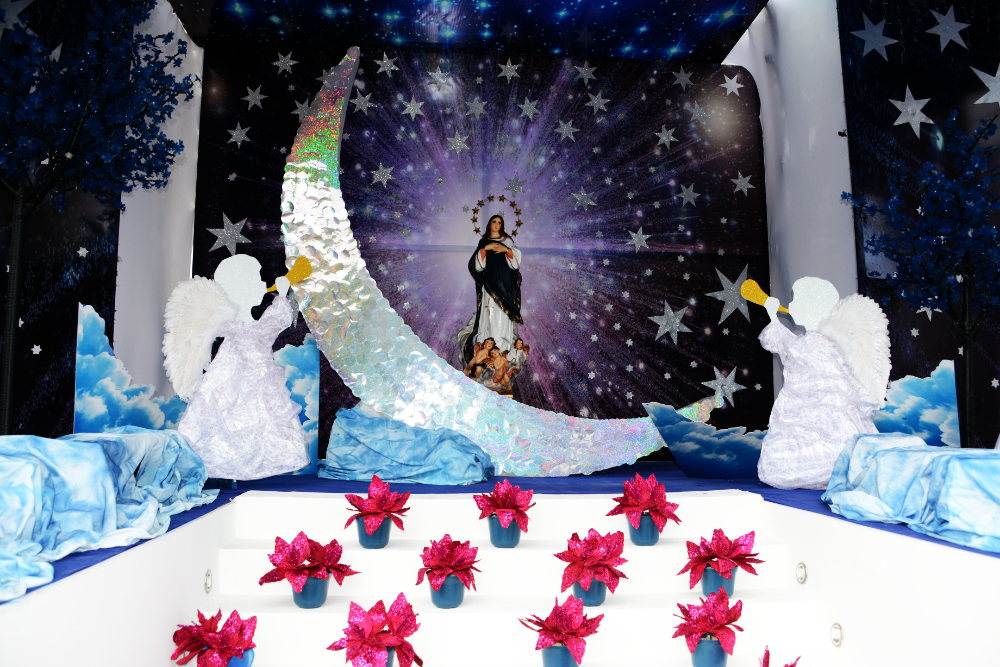
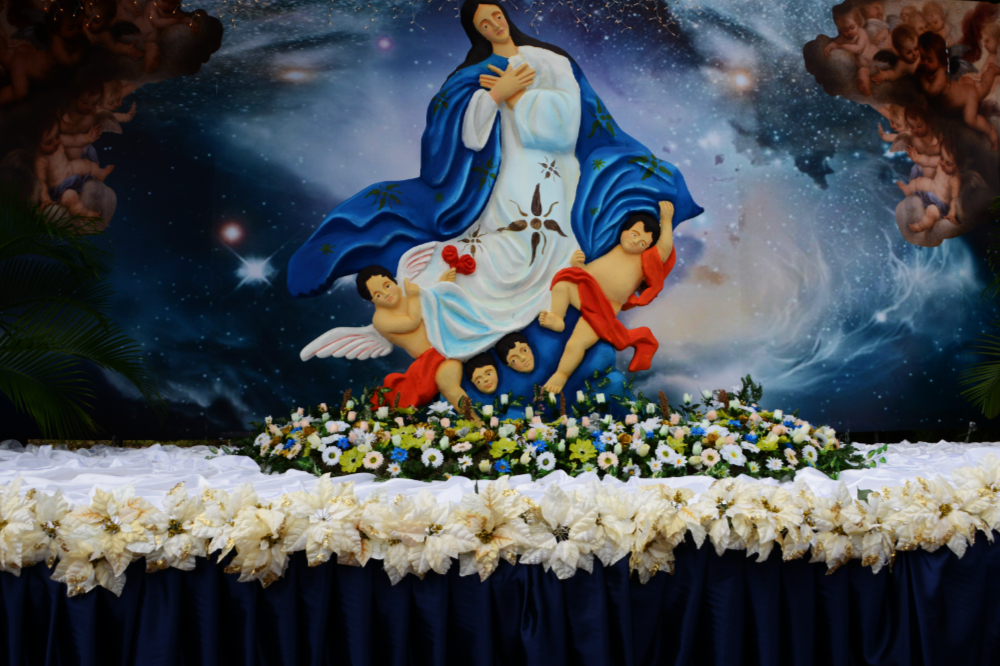
Rather than consisting entirely of shopping promotions and commercial decorations, a long stretch of the avenue was filled with elaborate nativity scenes. Some were traditional representations of the Christmas story, while others incorporated tropical plants, regional architecture, and details that made them distinctly Nicaraguan.
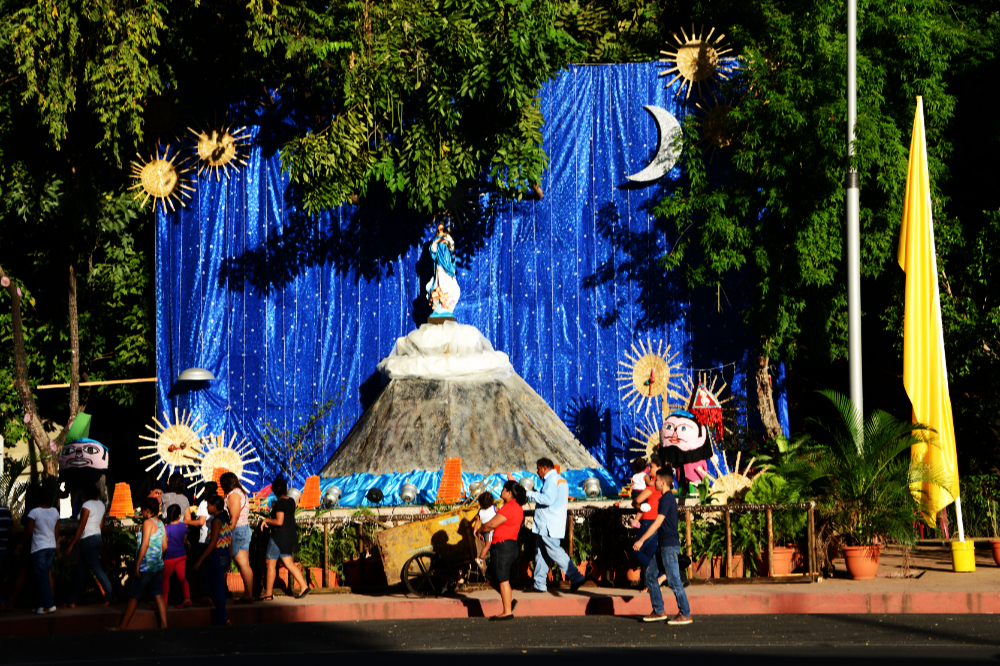
It was interesting to see how much effort had gone into the displays. The decorations transformed an otherwise busy urban avenue into a seasonal attraction, with families and visitors stopping to look at the different scenes.
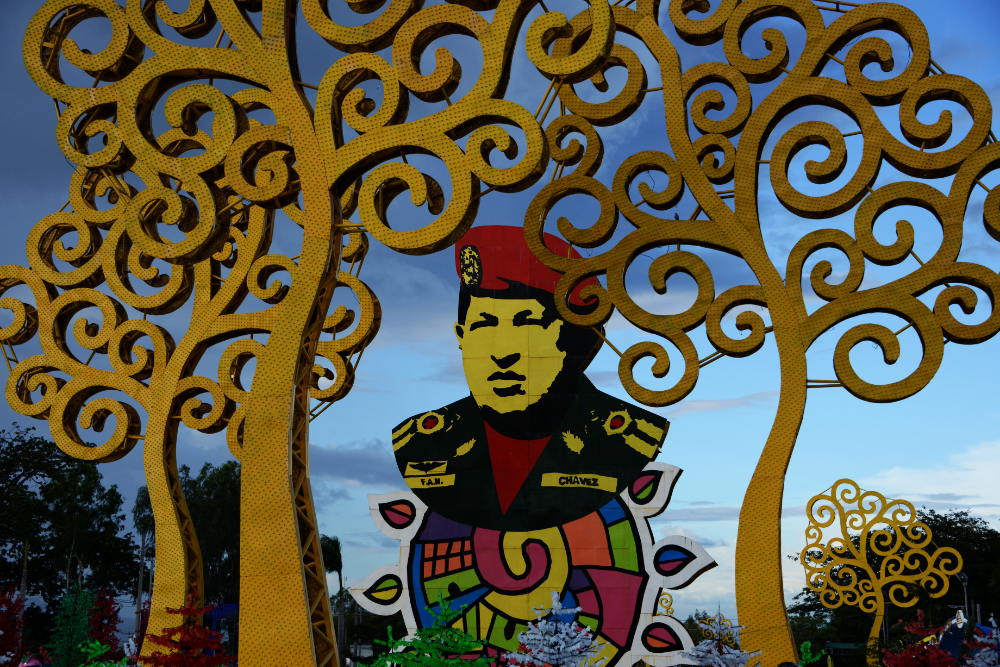
One particularly unexpected sight among the Christmas decorations was an enormous portrait of Hugo Chávez, the former president of Venezuela. Nicaragua’s Sandinista government maintained close political ties with Chávez and his administration, and the portrait was a visible reminder of those relationships. It certainly wasn’t something I’d expected to find in the middle of a Christmas display.
Managua’s Christmas Street Celebrations
The holiday festivities became even livelier during my final weekend in Nicaragua. These celebrations took place near my guesthouse rather than along Avenida Bolívar. I initially had no idea what was happening until my taxi encountered blocked streets and could go no farther.
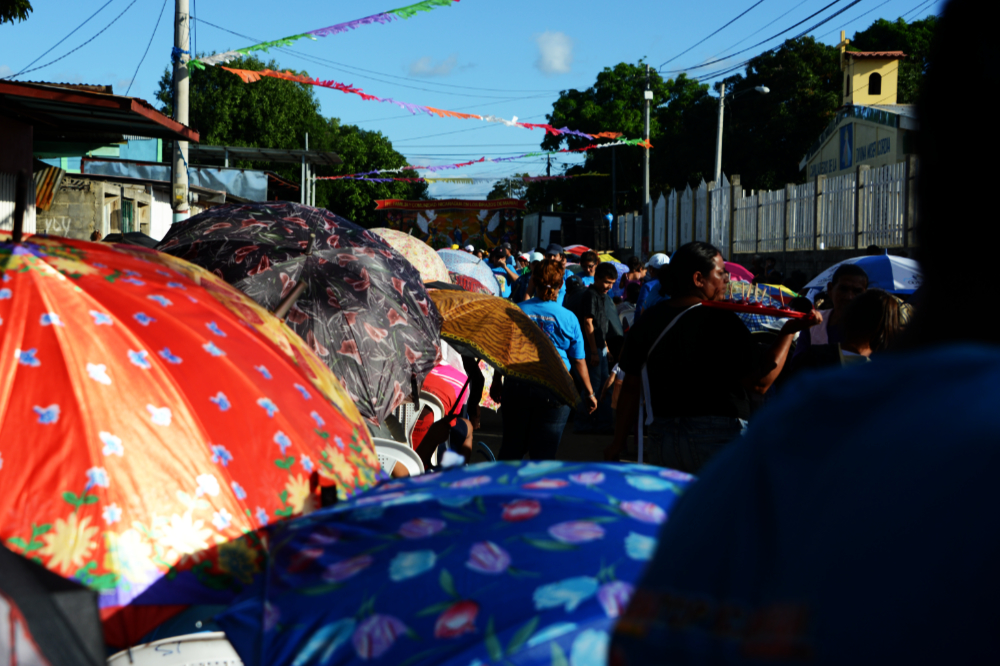
I got out a few blocks away and walked the rest of the way, eventually discovering live music, parades, and crowds filling the streets. The atmosphere was almost like a Christian-themed Mardi Gras, with people gathering to celebrate the beginning of the Christmas season.
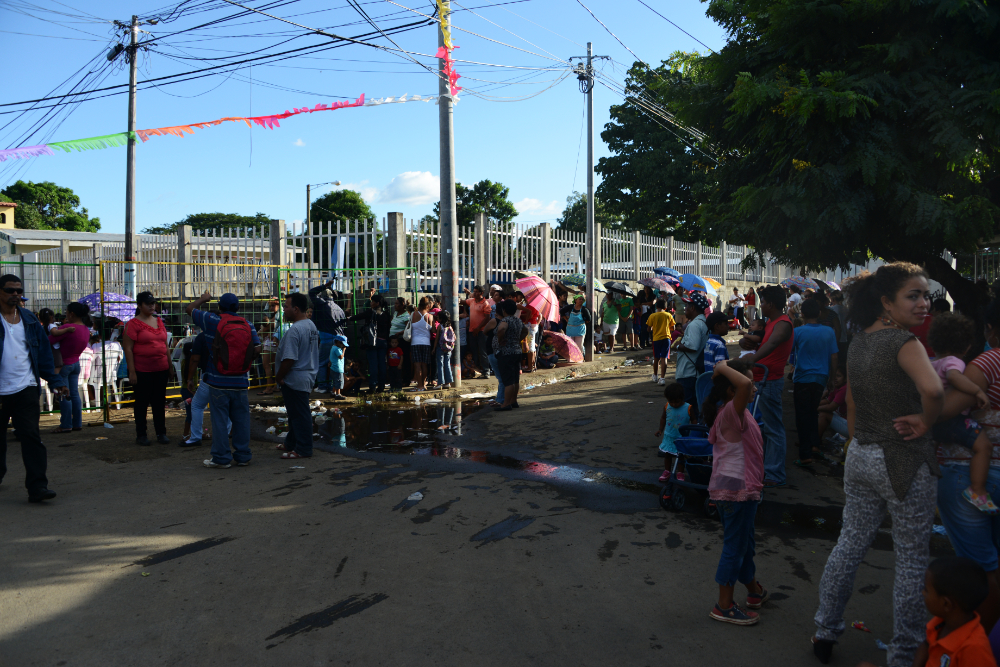
After I took this photograph, the woman standing on the right came over and jokingly told me not to take any more pictures of her. I’d just returned from a small road trip and was feeling too lazy to head all the way downtown again, so I unfortunately missed the first full night of the larger Christmas celebrations.
Managua might not have the colonial charm of Granada or the natural scenery of Ometepe, but I found it far more interesting than a simple airport stopover. Between its earthquake history, unusual cathedrals, archaeological museums, volcanic lagoon, political monuments, and lively street celebrations, the capital offered a fascinating introduction to Nicaragua.
