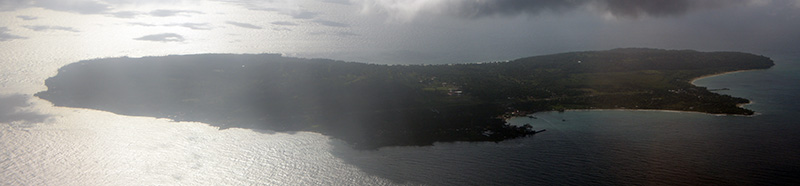
Nicaragua’s Corn Islands sit in the Caribbean Sea and feel very different from the country’s Pacific side and mainland interior. The population has strong Afro-Caribbean roots, and English-based Creole has traditionally been widely spoken alongside Spanish. Coming from mainland Nicaragua, I kept catching myself wanting to greet everyone in Spanish even though English was often the easier language to use.
The Corn Islands are made up of Big Corn Island and Little Corn Island, both of which are quite small. Big Corn is the more developed of the two, while Little Corn is even smaller and has traditionally had almost no motorized traffic. The photo above shows Big Corn Island from the air.
Even though Central America has a long Caribbean coastline, I usually picture places like Jamaica, Cuba, or the Dominican Republic when I think of the Caribbean. The Corn Islands felt much closer to that world than to mainland Nicaragua. The local accents, Afro-Caribbean culture, music, and atmosphere reminded me far more of Jamaica than Managua.
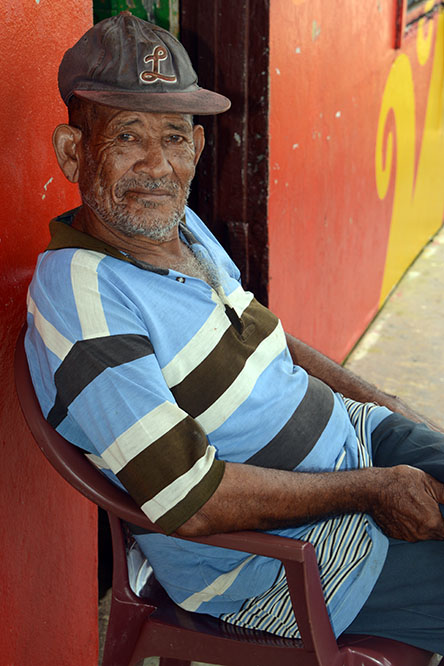
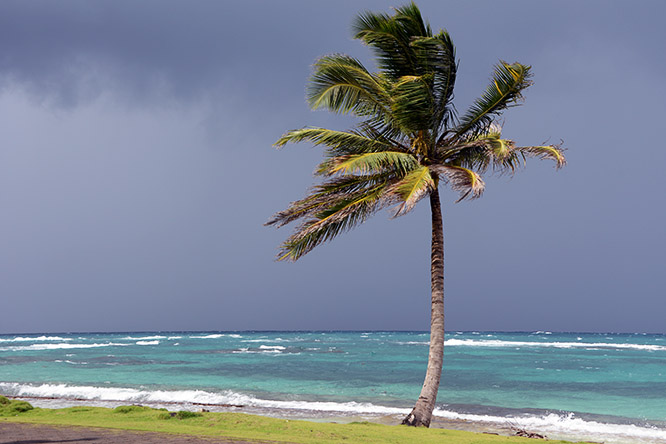
The man above was kind enough to let me take his photograph. In the store behind him I heard two locals arguing in English Creole, and if you dropped someone into that scene without telling them where they were, I think a lot of people would have guessed Jamaica. The second photo shows the Caribbean just before a nasty storm rolled in. The weather looked harmless at first, but within about ten minutes the rain came down hard.
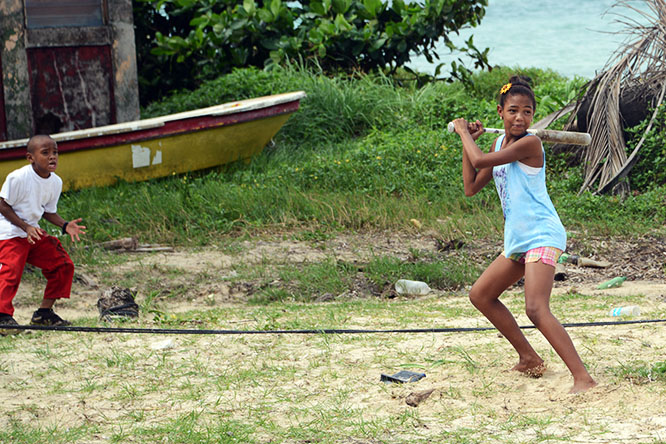
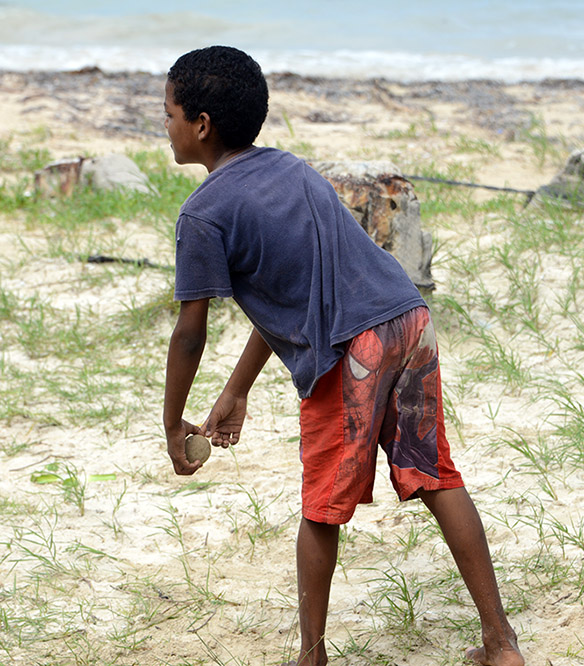
Like in many other parts of the Caribbean, baseball is hugely popular on the Corn Islands and seemed to compete easily with soccer. There are organized games during the week, but even just walking around the island I saw people playing casually. These kids had a little game going right beside the beach. :contentReference[oaicite:0]{index=0}
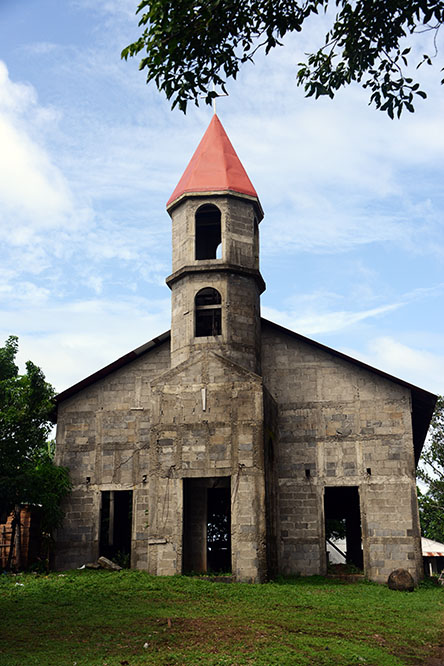
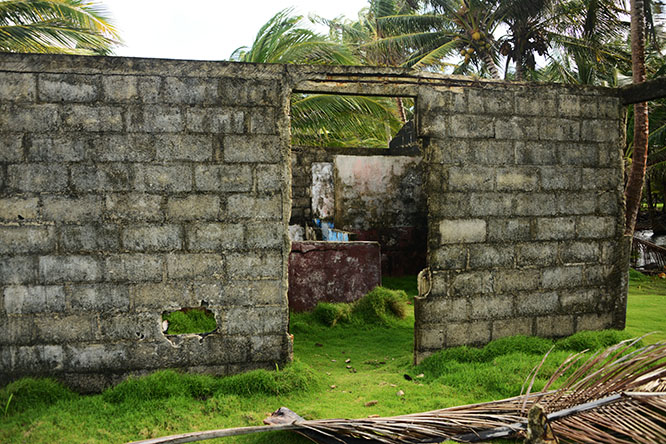
Big Corn Island had a mix of humble houses, unfinished buildings, and a few structures that looked abandoned. I was never completely sure whether the church above was under construction or had simply been left unfinished, although the red-painted tower looked too fresh for it to have been abandoned for long. Several buildings closer to the water were definitely empty and slowly being reclaimed by the tropical vegetation.
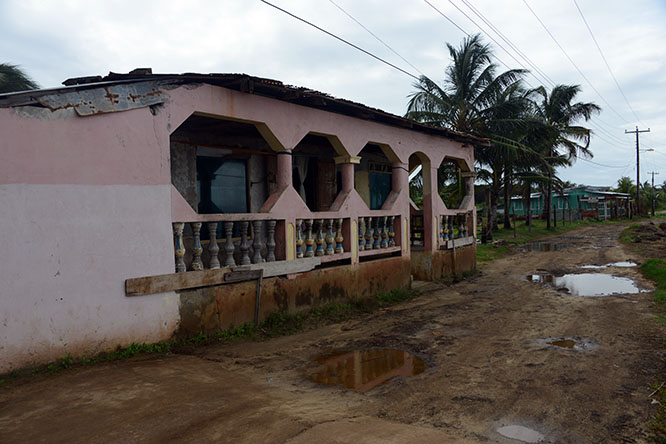
Most of the island’s infrastructure is simple, and that contrast is part of what gives the Corn Islands their character. You have beautiful Caribbean water and palm trees right beside very modest homes and buildings. The house above was nicer than many I passed and had a large family preparing lunch outside.
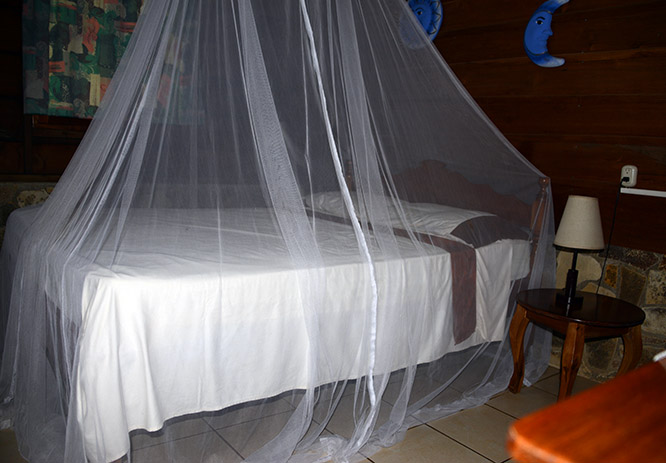
As a traveler, though, you can choose anything from extremely basic accommodation to something considerably more comfortable. I stayed at a place owned by an Italian couple who were incredibly friendly and made excellent food. My room was close to the center of town and only a few feet from the ocean. At night I could hear the waves crashing outside as if I were camping directly on the beach.
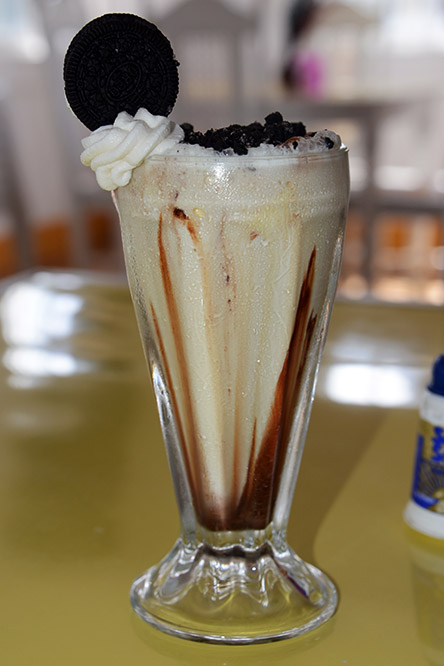
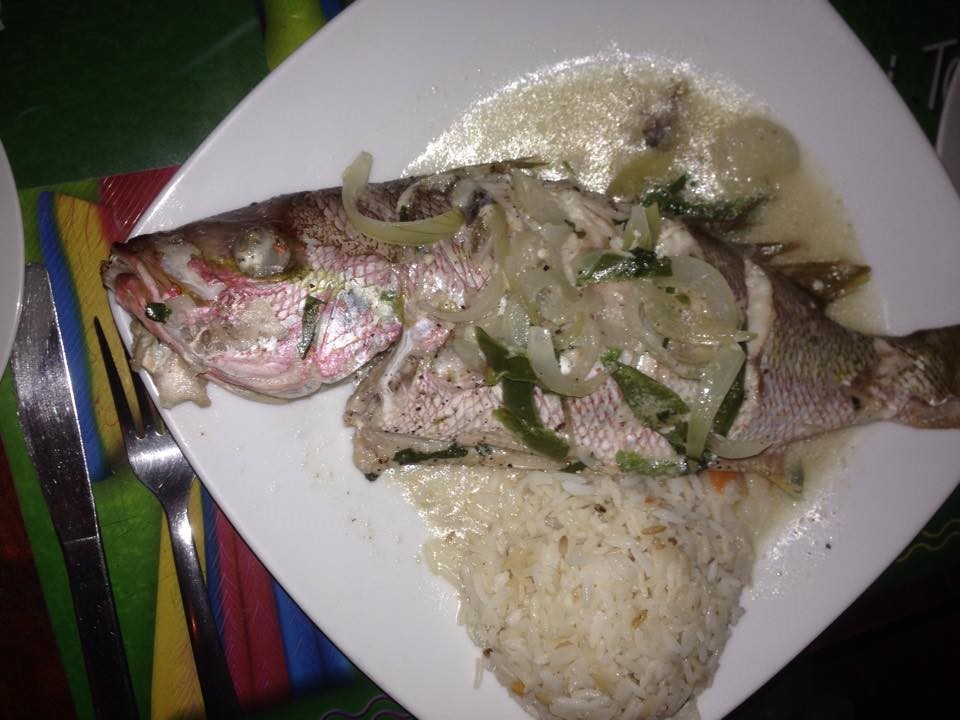
You won’t find many chain restaurants or stores here, which I actually liked. I stopped at a local ice cream shop and ordered a shake, and they brought me the giant monster above. I’m not really into seafood, but anyone who is will have plenty of fresh options. I met a few other Americans while traveling and went out to dinner with them one evening. The restaurant itself was simple, but sitting right beside the water with a cool breeze at night was all it needed. I went with a jalapeño chicken dish while someone else ordered the fish above.
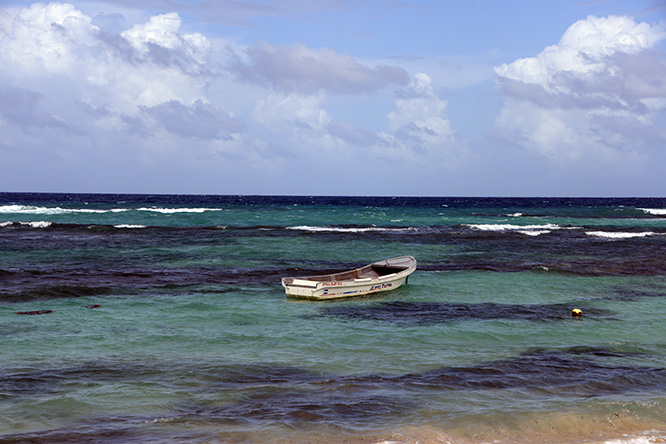
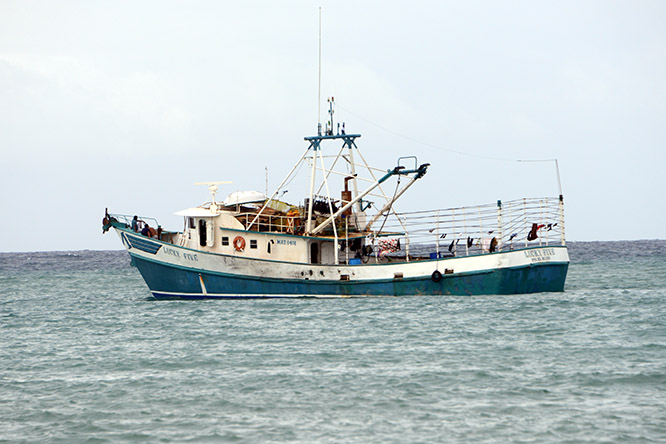
Tourism brings money to the islands, but fishing is one of the most obvious parts of the local economy. Boats of every size line the coast, from tiny fishing boats to larger commercial vessels. I tried to make it over to Little Corn Island but never did. The ferry filled up, so anyone planning to go should arrive early and be prepared to spend at least one night there rather than assume a day trip will work.
Private boats can also be hired if you want more flexibility, although naturally they’ll cost much more than the public ferry.
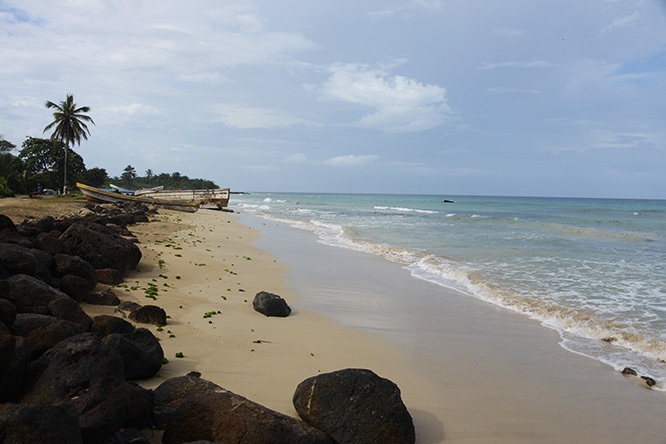
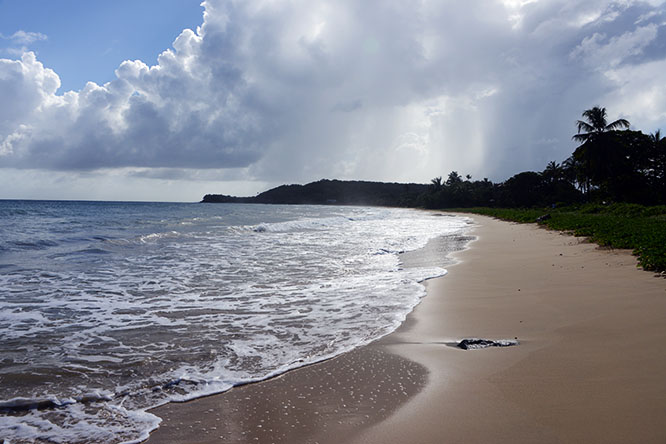
The most obvious things to do on the Corn Islands are swim, snorkel, scuba dive, or simply walk along the coast. I occasionally saw private-property signs near the shoreline, but for the most part there were plenty of places where you could stop and jump into the water.
The first photo above was taken on the western side of Big Corn Island, while the second shows Long Bay on the east coast. Just before reaching Long Bay I got caught in another downpour and stopped at a little taco shop for lunch. As soon as the rain ended, the clouds disappeared and I stepped back outside into hot Caribbean sunshine.
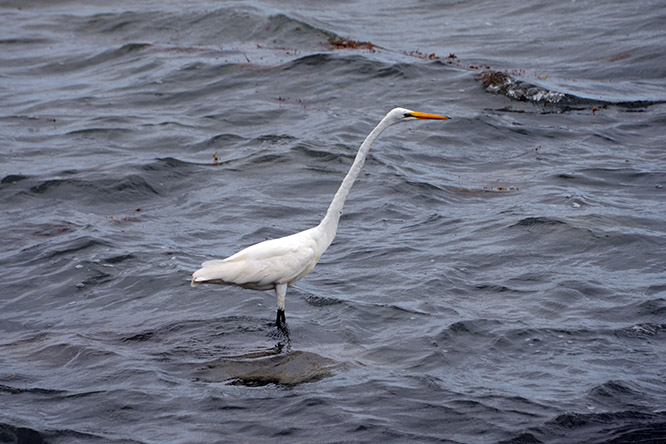
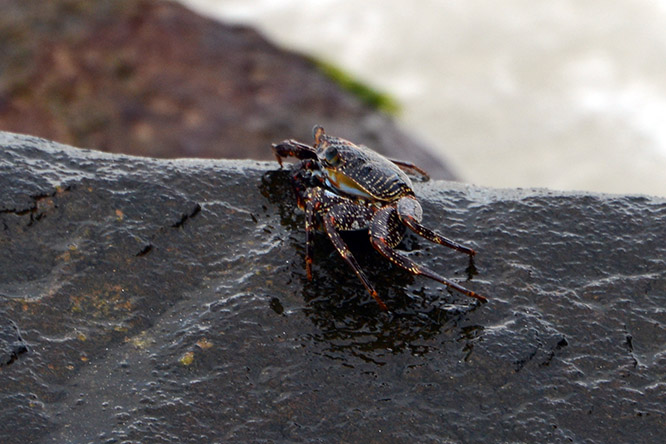
Along quieter stretches of coast I came across some of the same kinds of wildlife I seem to find near beaches all over the world. This white wading bird was hunting along the shore, while the crab on the right appeared to be enjoying the sun considerably more than I was.
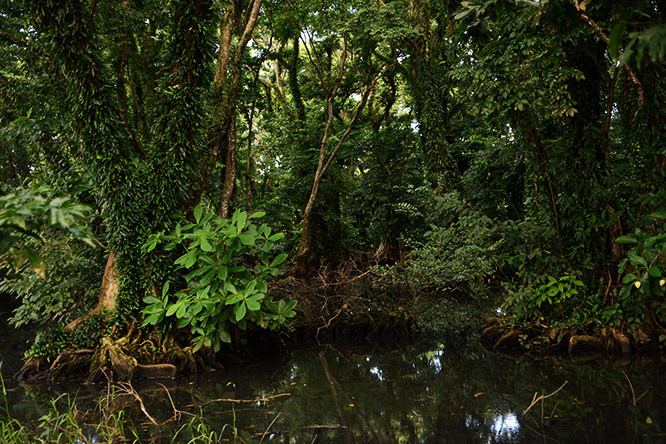
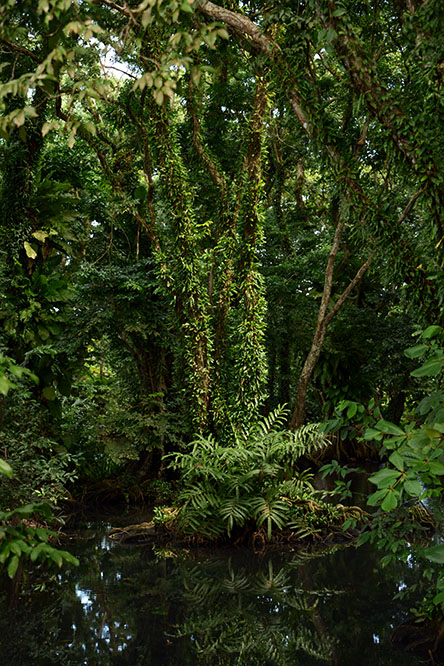
It wasn’t until after I left that I realized I had barely photographed the more developed parts of the island. I spent much more time focused on the coastline and natural areas. Big Corn Island has several inland swamps and wetlands, many of which appeared to be protected. I didn’t see much wildlife inside them, but the scenery alone made them worth stopping for.
I was under the impression that one of these wetlands had a hiking trail running through it, but if it did, I never managed to find the entrance.
Scuba Diving the Corn Islands
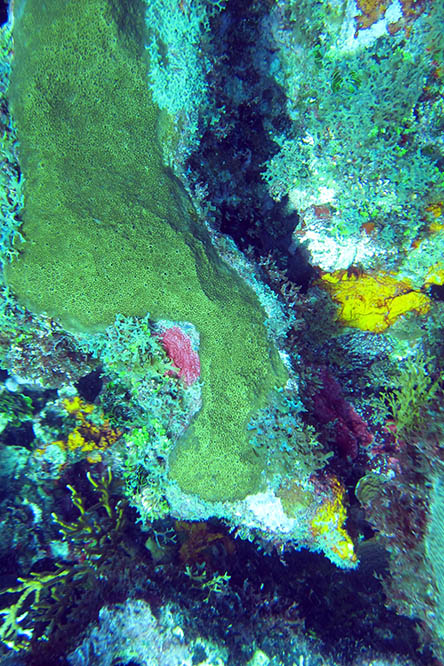
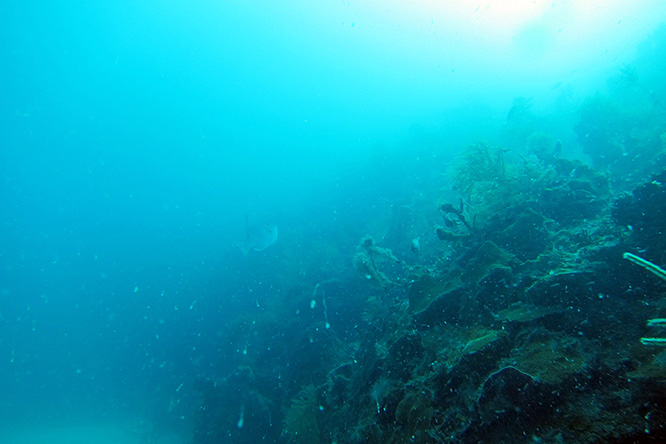
I had a few other things I wanted to do on the islands, but honestly I got lazy. Most of my time was spent enjoying the weather, randomly exploring Big Corn, and scuba diving. I’ve dived in several places around the world, and the Corn Islands definitely weren’t the best I’ve experienced. Visibility wasn’t especially good during my dives, which muted a lot of the underwater color.
Up close, though, the reef was much more impressive. The photo on the left shows how much of the dive looked from a distance, while the right shows how much brighter the coral became when I got close or moved into shallower water.
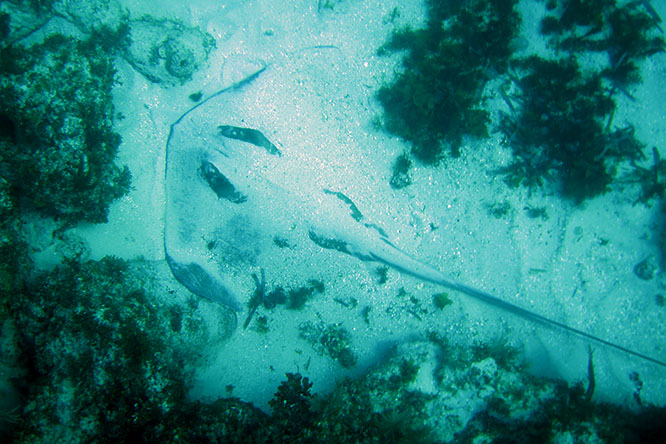
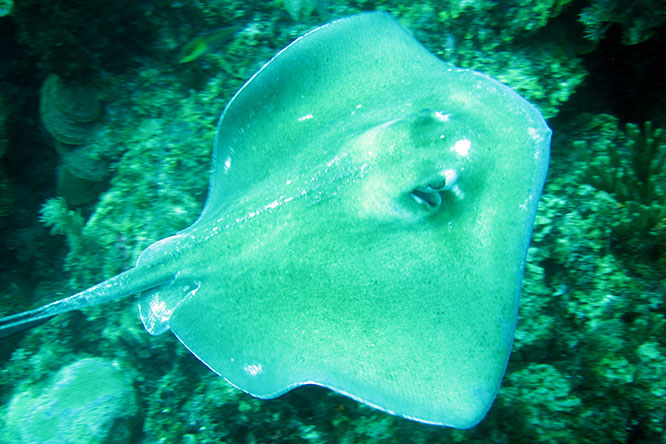
I’ve seen plenty of stingrays while diving, but this was the first time I approached one that had buried itself almost completely beneath the sand for camouflage. Stingrays are usually not aggressive, but their defensive barb can cause serious injuries if someone accidentally steps on or startles one. The divemaster eventually disturbed this one, and it slowly lifted off the bottom and glided away.
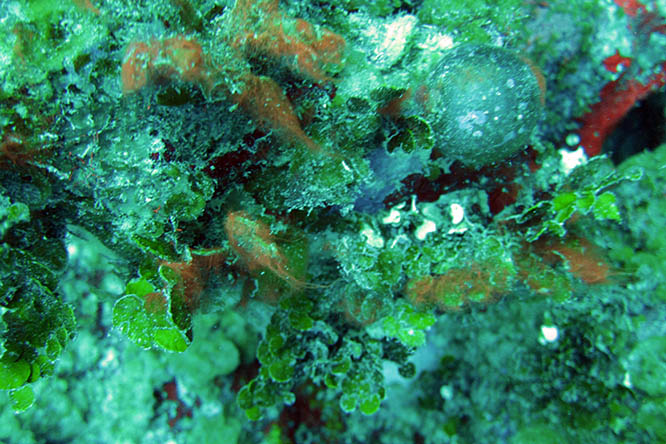
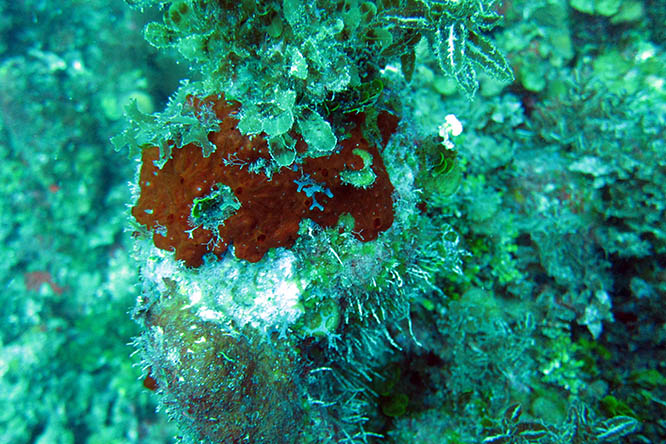
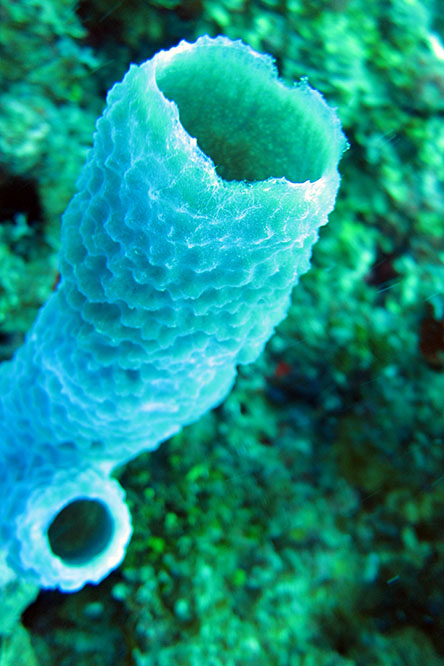
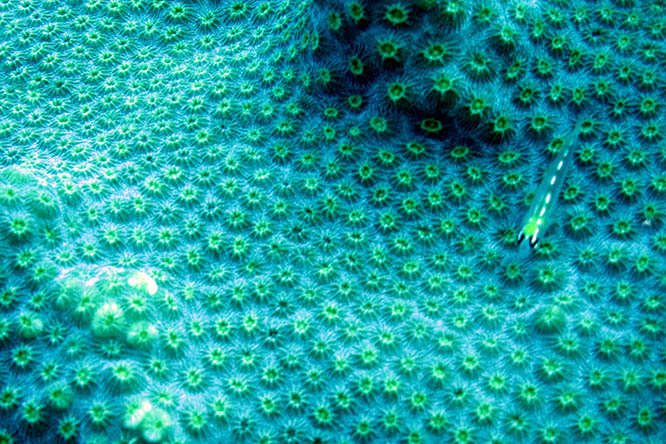
Some of the reef colors and coral formations were really impressive when I could get close enough to see them properly. Looking back at these photos makes me think this should have been one of my last scuba trips without a proper underwater camera. The scene with the fish above could have been an excellent shot with better equipment and clearer visibility.
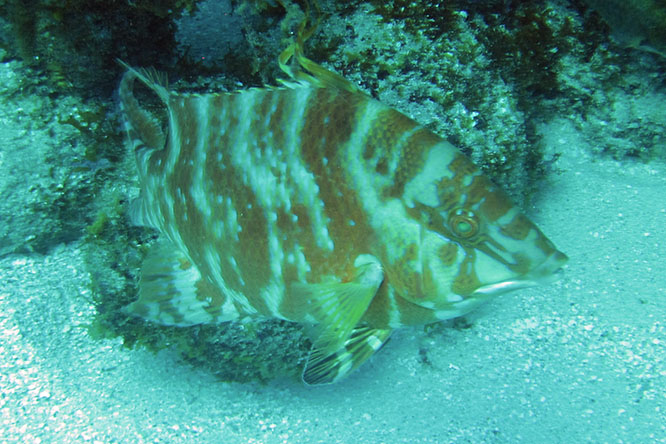
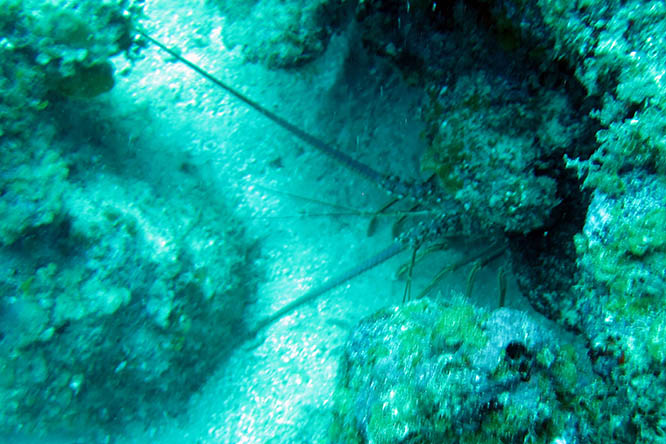
We descended to around 70 feet during the dives. Considering the depth, poor visibility, and limited light, some of the photos actually came out better than I expected. I never identified the orange fish above, but it let me get surprisingly close. On the right you can just make out the giant antennae of a lobster hiding inside the reef. I managed to get almost eye level with it, but either the lobster or I kicked up enough debris to ruin the clearer photos.
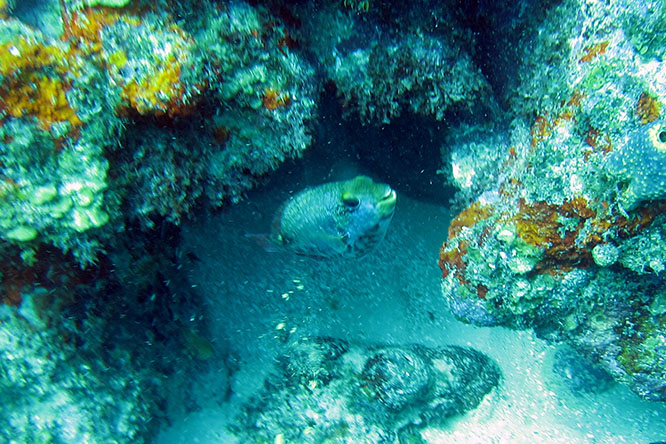
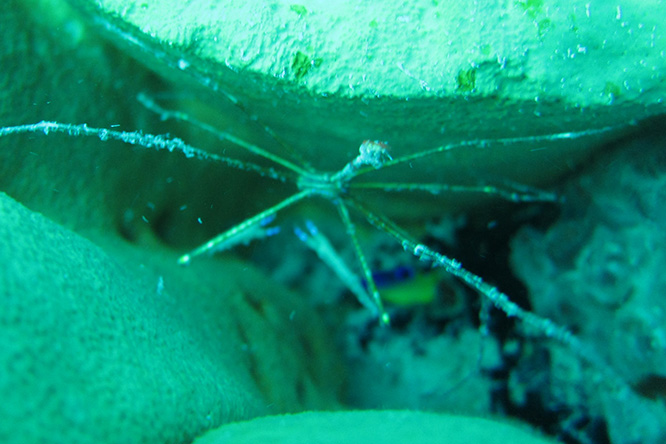
The fish on the left came out reasonably well surrounded by colorful coral. The crab on the right is the photo that bothers me most because it was one of the more unusual crabs I’ve ever seen while diving. It was extremely slender, had a strange-looking head, and bright blue claws, but the camera couldn’t capture what I was seeing in person.
The video above shows part of the dive from my GoPro. It was my first time using it underwater, and I learned afterward that mounting a camera on your head doesn’t necessarily mean it records what you’re looking at. At one point I was staring directly at the lobster, but the GoPro was angled slightly higher and mostly recorded the coral above it. I also spotted a medium-sized nurse shark from a distance during the dive.
The Corn Islands weren’t the best diving destination I’ve ever visited, but as a whole they were one of the most distinctive parts of Nicaragua. The Afro-Caribbean culture, English Creole, beaches, simple island life, tropical storms, and diving made the islands feel like a completely different country from the mainland.