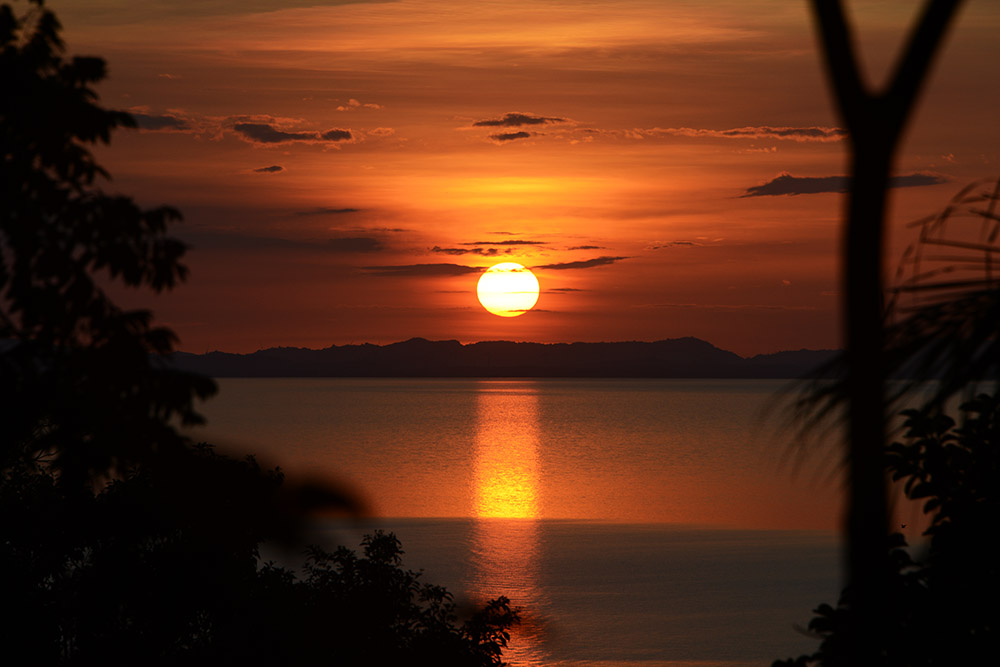
Nicaragua is the largest country in Central America, with an extraordinary variety of landscapes ranging from active volcanoes and tropical rainforests to enormous freshwater lakes and remote Caribbean islands. Its natural attractions reminded me of neighboring Costa Rica, where I first developed my passion for international travel nearly 20 years earlier. Both countries offer excellent opportunities for hiking, wildlife watching, and exploring dramatic scenery, but Nicaragua has a distinct history, culture, and atmosphere that make it a very different destination.
Returning to Central America was particularly meaningful because Costa Rica was where my first real travel adventure began. Exploring Nicaragua brought back memories of that trip and reminded me how much traveling has shaped my life since then. I was especially impressed by the diversity of places within a relatively small region. From the colorful colonial streets of Granada and the towering volcanoes of Ometepe to the tropical beaches of the Corn Islands, Nicaragua offered a remarkable combination of history, culture, and outdoor adventure.
Nicaragua’s history has been shaped by Indigenous civilizations, Spanish colonization, foreign intervention, revolution, and civil conflict. These influences remain visible throughout the country, from its colonial architecture to its political monuments and cultural traditions. More recently, political repression and unrest since 2018 have created additional challenges for residents and travelers. Despite these difficulties, Nicaragua remains a country of remarkable natural beauty and cultural interest, with destinations that offer experiences quite different from those found elsewhere in Central America.
Explore Managua
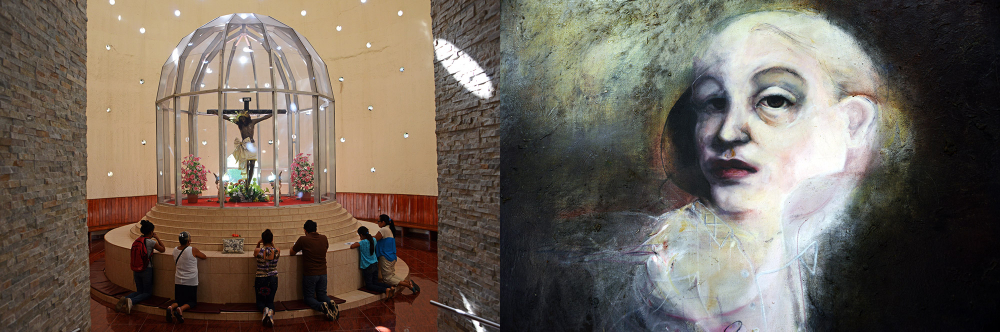
Managua is Nicaragua’s capital and largest city, situated along the southern shore of Lake Managua. Unlike the compact colonial centers of Granada and León, Managua is a sprawling city with widely dispersed neighborhoods, commercial districts, and government buildings. Its unusual layout is largely the result of the devastating 1972 earthquake, which destroyed much of the historic center. Rather than rebuilding the downtown area in its original form, the city expanded outward, leaving Managua with a distinctly different character from other Central American capitals.
Many of Managua’s most important attractions reflect the country’s turbulent history. The ruins of the Old Cathedral stand as a reminder of the earthquake, while the nearby Plaza de la Revolución has been the setting for major political events. The National Palace of Culture contains historical and cultural exhibits, and the modern Metropolitan Cathedral is notable for its unconventional architecture. Along the waterfront, Puerto Salvador Allende offers restaurants, entertainment, and views across Lake Managua. The city is also home to Mercado Oriental, an enormous commercial market that plays an important role in the local economy. Although Managua is often treated primarily as a transportation hub, it provides valuable insight into Nicaragua’s modern history, politics, and everyday urban life.
Explore Granada & Masaya Volcano
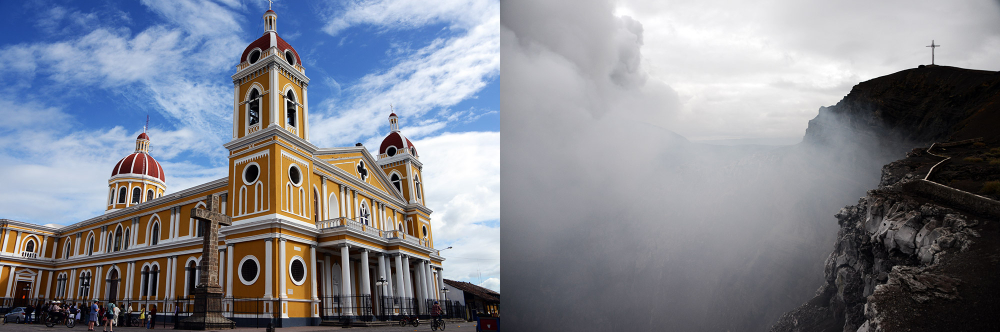
Founded by Spanish colonists in 1524, Granada is one of the oldest continuously inhabited European-founded cities in the continental Americas. Located on the northwestern shore of Lake Nicaragua, it is celebrated for its colorful colonial buildings, historic churches, tiled rooftops, and lively central plaza. Much of the historic center can be explored on foot, with narrow streets connecting landmarks such as Granada Cathedral, La Merced Church, and the Convento San Francisco. Restored colonial houses, courtyards, cafés, and small hotels contribute to the city’s appeal, making Granada one of Nicaragua’s most popular cultural destinations.
Granada is also surrounded by some of the country’s most impressive natural attractions. Just offshore, the Isletas de Granada form an archipelago of hundreds of small islands created from volcanic debris, with boat excursions offering views of tropical vegetation, lakeside homes, and birdlife. Northwest of the city, Masaya Volcano National Park protects an active volcanic complex dominated by the Santiago crater. During periods of heightened activity, visitors have been able to observe glowing lava within the crater, although volcanic conditions and access restrictions change over time. Together, Granada’s colonial architecture, Lake Nicaragua, and the nearby volcanoes create one of the most rewarding combinations of history and natural scenery in the country.
Explore Ometepe
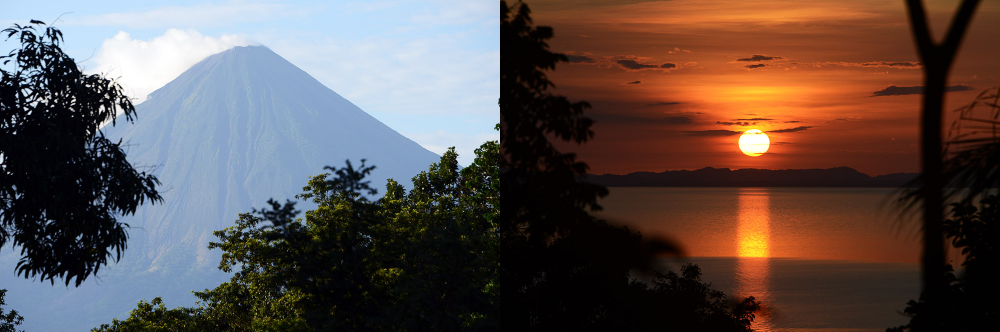
Ometepe is a volcanic island rising from the waters of Lake Nicaragua, formed by two imposing volcanoes connected by a narrow strip of land. Concepción, the taller peak at approximately 1,610 meters (5,282 feet), is an active volcano with a steep, nearly symmetrical cone that dominates the island’s skyline. Maderas, at approximately 1,394 meters (4,573 feet), is covered in dense forest and vegetation, with a crater lagoon near its summit. The contrasting landscapes of the two volcanoes, surrounded by the vast freshwater lake, make Ometepe one of the most recognizable natural landmarks in Central America.
Much of Ometepe’s appeal lies in its outdoor activities and rural atmosphere. Hiking trails lead through agricultural land, tropical forest, and steep volcanic terrain, while kayaking, cycling, horseback riding, and freshwater swimming offer less demanding ways to explore the island. The forests support monkeys, birds, and other wildlife, and several archaeological sites contain pre-Columbian petroglyphs that reflect the island’s long history of human settlement. Climbing either volcano is a serious undertaking, with steep slopes, changing weather, and muddy trails making local guides advisable. Beyond the adventure activities, Ometepe’s small villages, farms, and lakeside scenery provide a quieter side of Nicaragua that contrasts with its larger cities.
Explore the Corn Islands
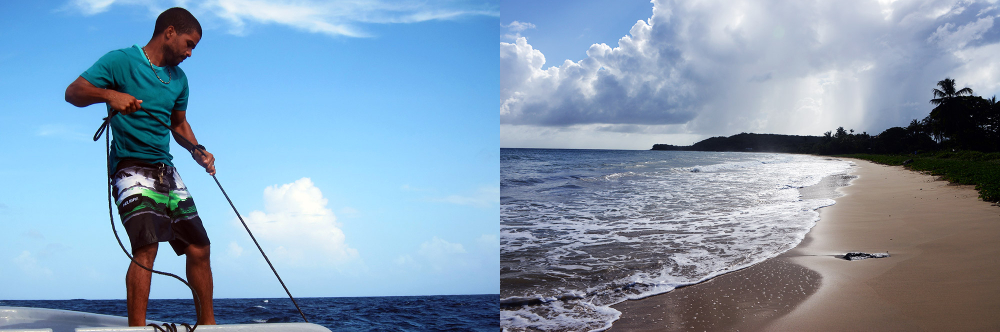
The Corn Islands lie in the Caribbean Sea off Nicaragua’s eastern coast, offering a tropical setting that feels distinctly different from the country’s Pacific lowlands and volcanic interior. The two islands, Big Corn Island and Little Corn Island, are known for their sandy beaches, palm-lined shores, coral reefs, and clear Caribbean waters. Their culture reflects a strong Afro-Caribbean heritage, with English and English-based Creole commonly spoken alongside Spanish. This linguistic and cultural identity sets the islands apart from much of mainland Nicaragua, where Spanish is the dominant language.
Big Corn Island is the larger and more developed of the two, with paved roads, motorized transportation, an airport, and a range of accommodations and restaurants. Little Corn Island has a quieter atmosphere, with narrow footpaths, limited infrastructure, and no conventional motor vehicle traffic. Both islands attract visitors interested in swimming, snorkeling, fishing, and scuba diving. The surrounding reefs support colorful coral formations, tropical fish, rays, crustaceans, and other marine life, while offshore dive sites such as Blowing Rock are particularly well known among divers. With their relaxed pace, distinctive Caribbean culture, and opportunities to explore the underwater environment, the Corn Islands provide a striking contrast to Nicaragua’s colonial cities and volcanic landscapes.
