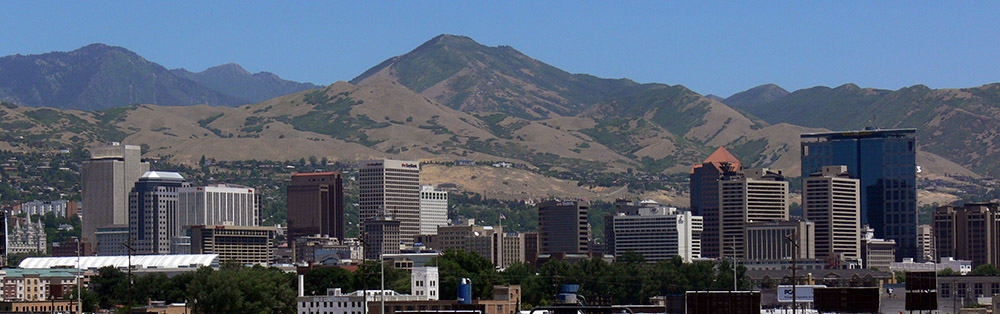
Above is a panoramic view of Salt Lake City, Utah, taken when I first visited way back in 2008. I returned again in 2012 and spent a few weeks in the surrounding suburbs. Salt Lake City is both the capital and largest city in Utah, sitting in a broad valley between the Great Salt Lake and the Wasatch Mountains. The city itself isn’t particularly large, but its metropolitan area stretches for dozens of miles along the Wasatch Front.
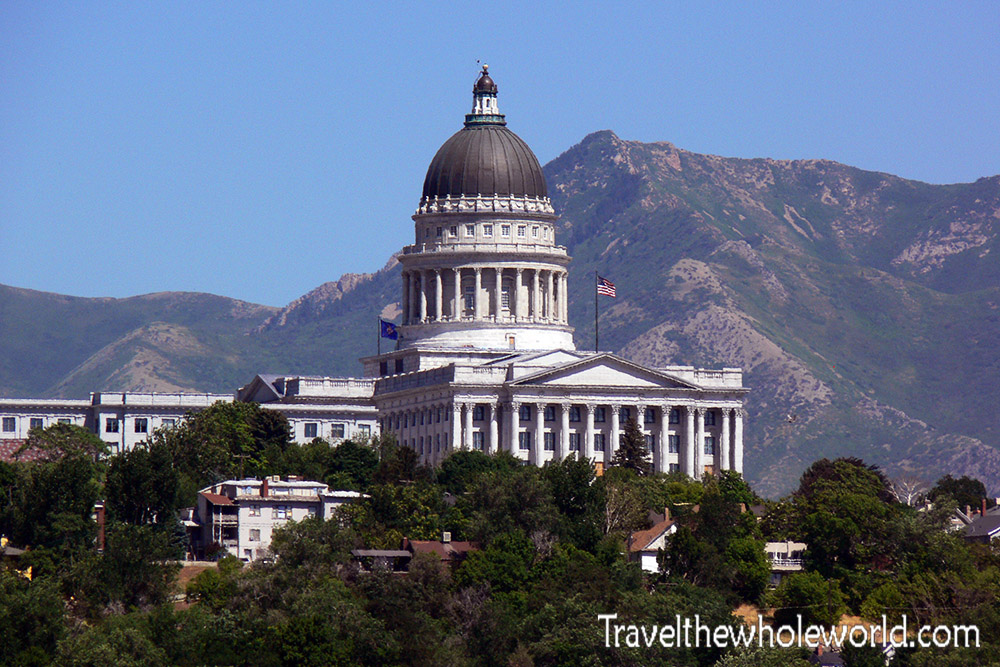
Above is the Utah State Capitol, which sits on a hill overlooking downtown Salt Lake City. Completed in 1916, the building is located in the appropriately named Capitol Hill neighborhood and has a great position above the center of the city.
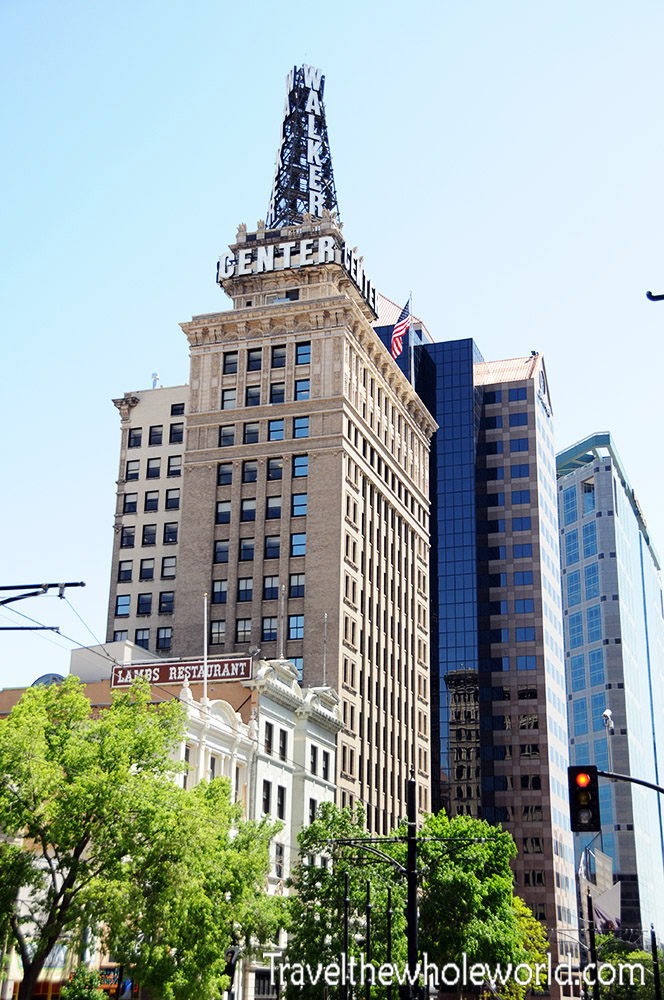
Downtown Salt Lake City has a mixture of historic buildings and modern high-rises. Despite being the center of Utah’s largest metropolitan area, I found much of the city surprisingly open and uncrowded.
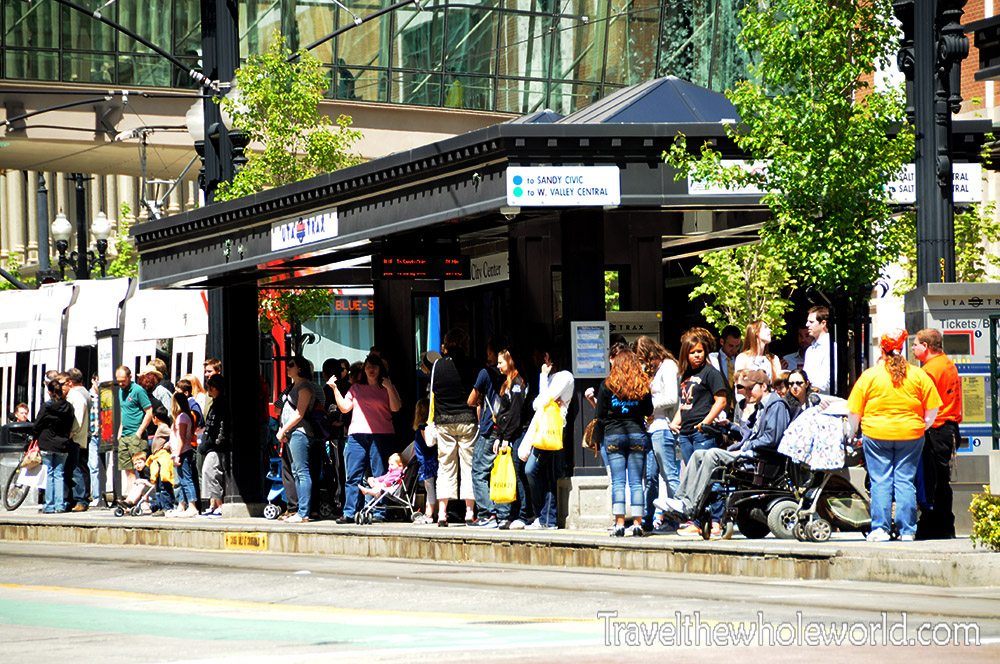
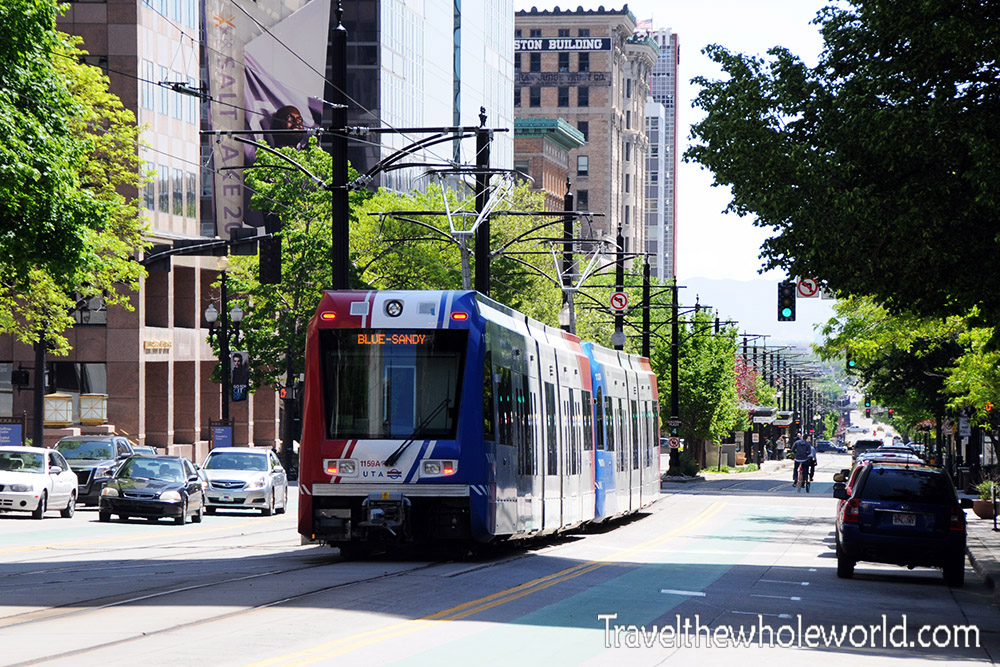
Salt Lake City also has a light rail system that connects downtown with many surrounding areas. Combined with the city’s unusually wide streets and bus network, it helps make the center feel considerably less congested than many other American cities of comparable metropolitan size.


Utah and Salt Lake City are closely connected with the history of the Church of Jesus Christ of Latter-day Saints. The church was founded by Joseph Smith in the 1830s, and its early members faced years of hostility and persecution as they moved westward through the United States. After Joseph Smith was killed in Illinois in 1844, Brigham Young eventually led thousands of Latter-day Saint pioneers farther west in search of a place where they could establish their own community.
In 1847, the first group of pioneers entered the Salt Lake Valley. Brigham Young is traditionally associated with the declaration, “This is the right place,” after seeing the valley. Above is This Is the Place Heritage Park, which commemorates the arrival of the pioneers and the early settlement of Utah. July 24, the date the first pioneers entered the valley, is now celebrated throughout Utah as Pioneer Day.
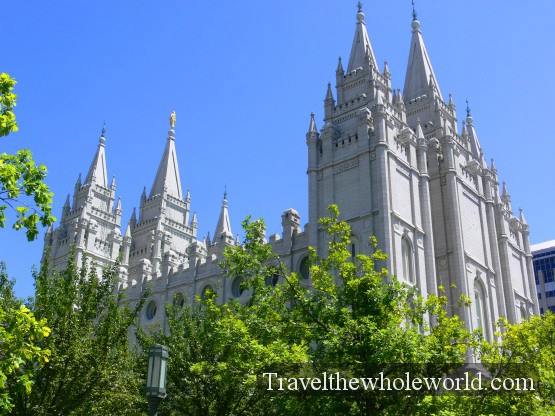
At the center of Salt Lake City is Temple Square, one of the most important locations in the Church of Jesus Christ of Latter-day Saints. The city was essentially laid out around this area by its early settlers. Above is the Salt Lake Temple, probably the most recognizable landmark in the city.
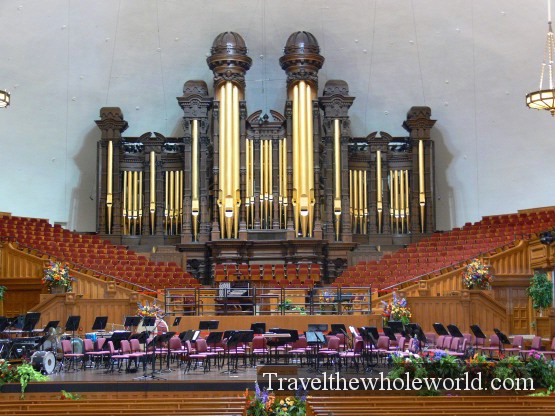
While the temple itself is sacred space with access restricted to church members who meet certain requirements, other buildings around Temple Square can be visited by the public. Above is one of the impressive organs I photographed during my visit.
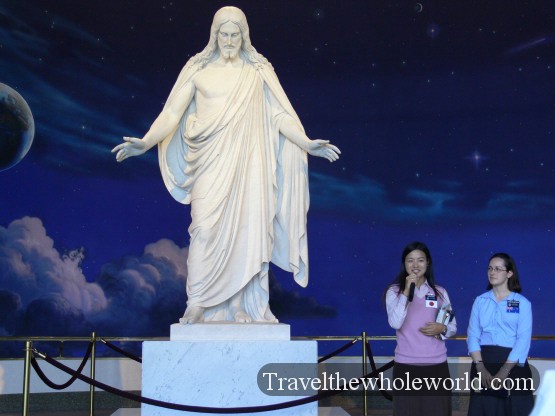
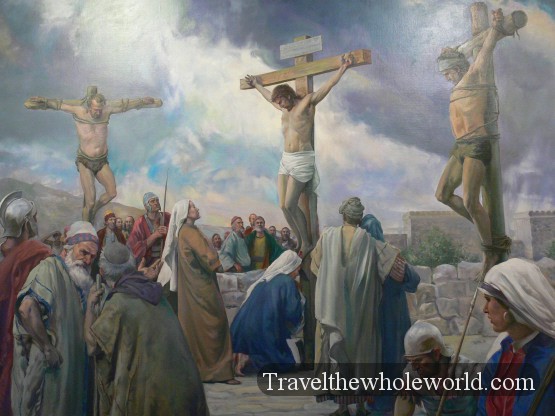
The church has since spread throughout the world, and visitors to Temple Square encounter missionaries from many different countries. The grounds contain numerous exhibits and works of religious art, including the Christus statue above and large paintings depicting scenes from Christianity and church history.
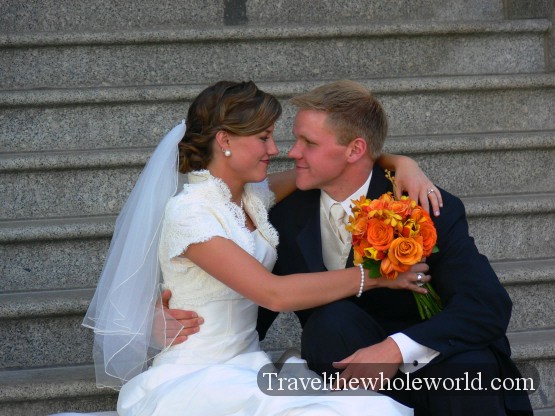
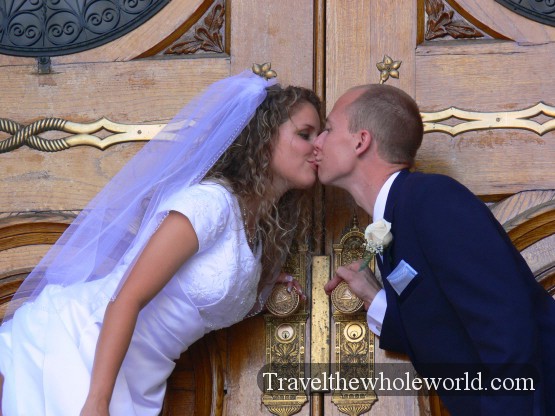
Marriage also has an important place in the Latter-day Saint faith, and the Salt Lake Temple has historically been an extremely popular location for temple marriages. When I visited on a Saturday in late June, wedding parties seemed to be everywhere around Temple Square.
The church’s history with plural marriage is probably one of its best-known controversies. The practice was officially discontinued by the mainstream church in the late 19th and early 20th centuries, although some small fundamentalist groups that are separate from the Church of Jesus Christ of Latter-day Saints continued the practice.
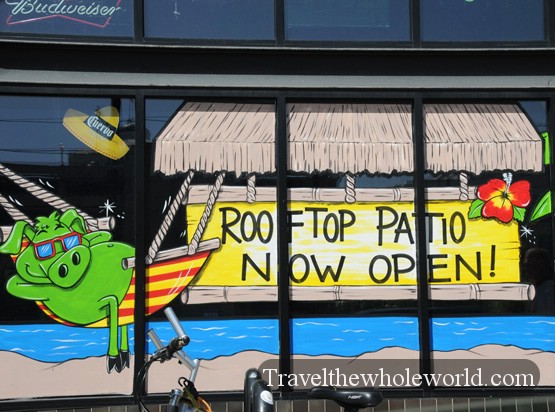
Before visiting, I had the impression that Salt Lake City’s nightlife might be almost nonexistent because of Utah’s reputation for restrictive alcohol laws and the influence of the LDS Church. Driving around downtown showed me otherwise. There were plenty of restaurants and bars, including rooftop places like the one above. Utah does have some unusual alcohol regulations compared with many other states, but alcohol certainly isn’t difficult to find in Salt Lake City.
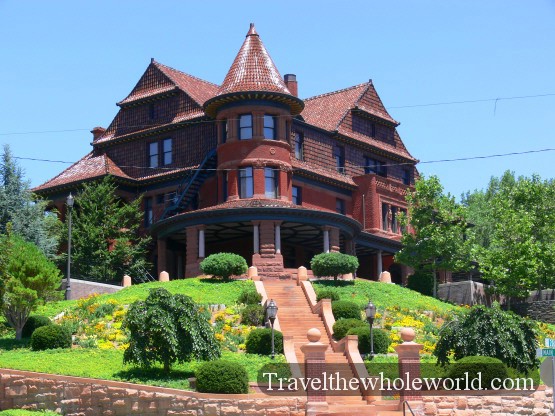
Something else I couldn’t help noticing while driving around were some of the enormous houses. Much of the city and its surrounding neighborhoods seemed clean and well maintained, and the mountains rising immediately behind the metropolitan area give Salt Lake City a setting unlike most other major American cities.
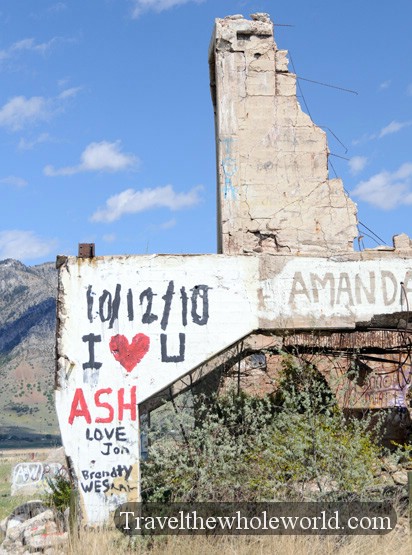
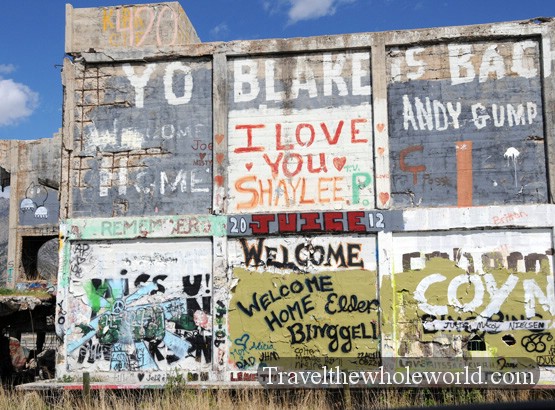
While driving outside Salt Lake City I came across this random abandoned structure along the highway that had apparently become an accepted place for graffiti and messages. Nearly every surface was covered, from people declaring their love for each other to messages welcoming veterans of the Iraq and Afghanistan wars home.

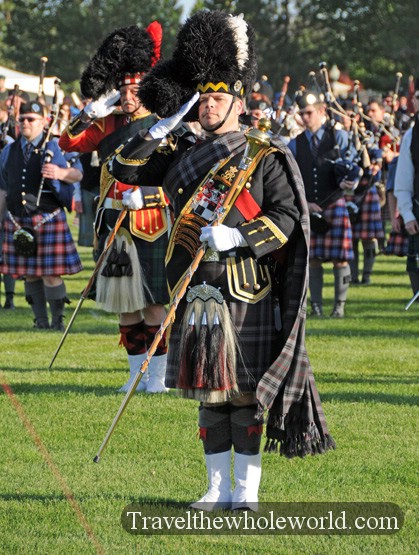
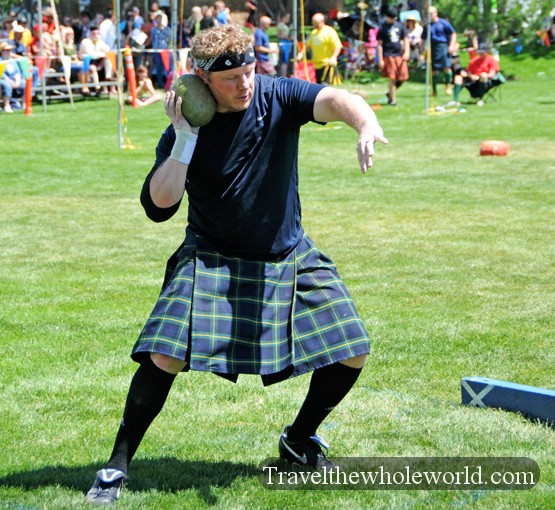
During one of my longer stays in the Salt Lake City area, I was based south of the city for a few weeks for work. That gave me the opportunity to experience some things I probably would have missed as a normal tourist. Along with going out for dinner, seeing movies, and hiking some nearby trails, one weekend I went to an annual Scottish festival.
The festival lasted several days and included Scottish food, music, dancing, ceremonies, and traditional Highland sports. Above are some of the events I watched, including Scottish dancing and athletic competitions. I wasn’t expecting to come to Utah and end up at a Scottish festival, which is exactly the kind of random experience I tend to remember from longer trips.
Explore More of Utah
Arches National park • Bryce Canyon • Salt Lake City • the Salt Lake • the Uintas Mountains • Zion National Park