Vardzia: Georgia’s Medieval Cave City
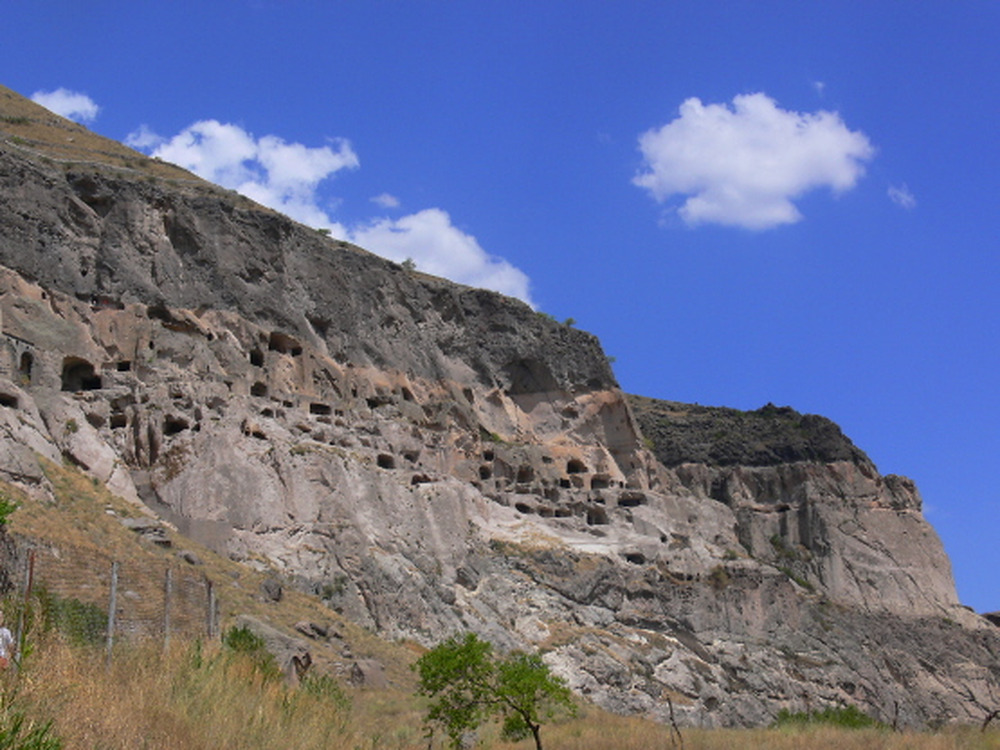
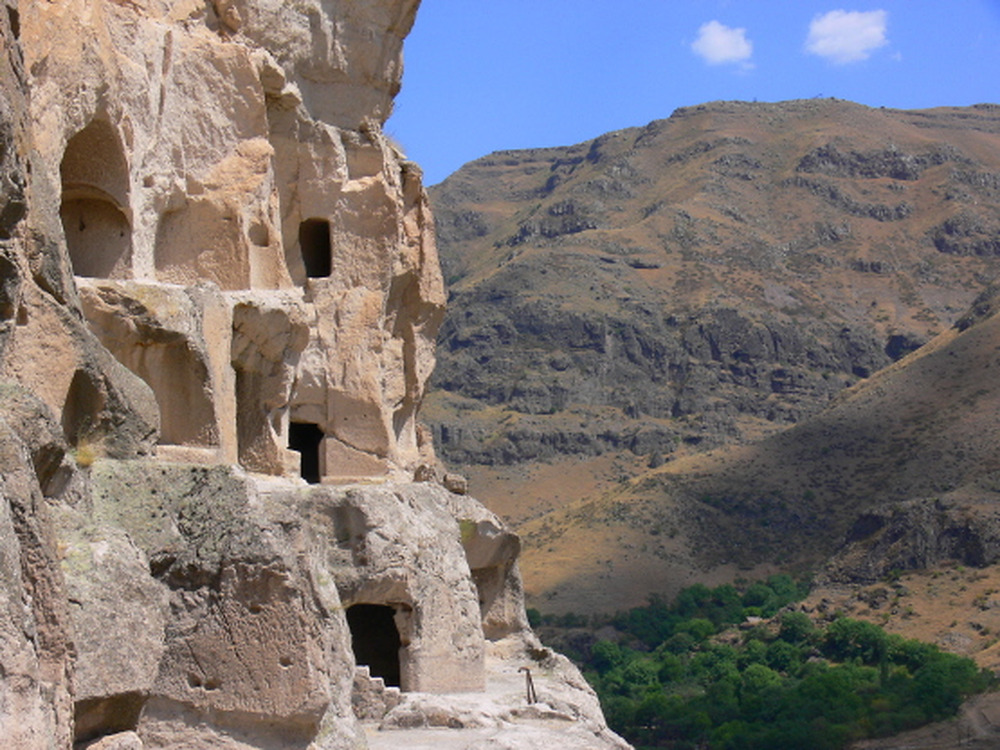
One of the most impressive historical sites I visited in Georgia was Vardzia, an enormous medieval cave complex carved into the side of a mountain in the southern part of the country. Similar in concept to the much older rock-cut city of Uplistsikhe, Vardzia is larger in scale and was constructed during Georgia’s medieval golden age. The sight of hundreds of openings spread across the mountainside is remarkable, especially when you consider how much work went into excavating the complex using medieval tools.
Construction began during the reign of King George III in the 12th century and continued under his daughter, Queen Tamar, one of the most celebrated rulers in Georgian history. Vardzia served as a fortified monastic complex and refuge during a period when the Georgian kingdom faced threats from neighboring powers. Its remote location and elaborate network of chambers and passageways provided both protection and space for religious life.
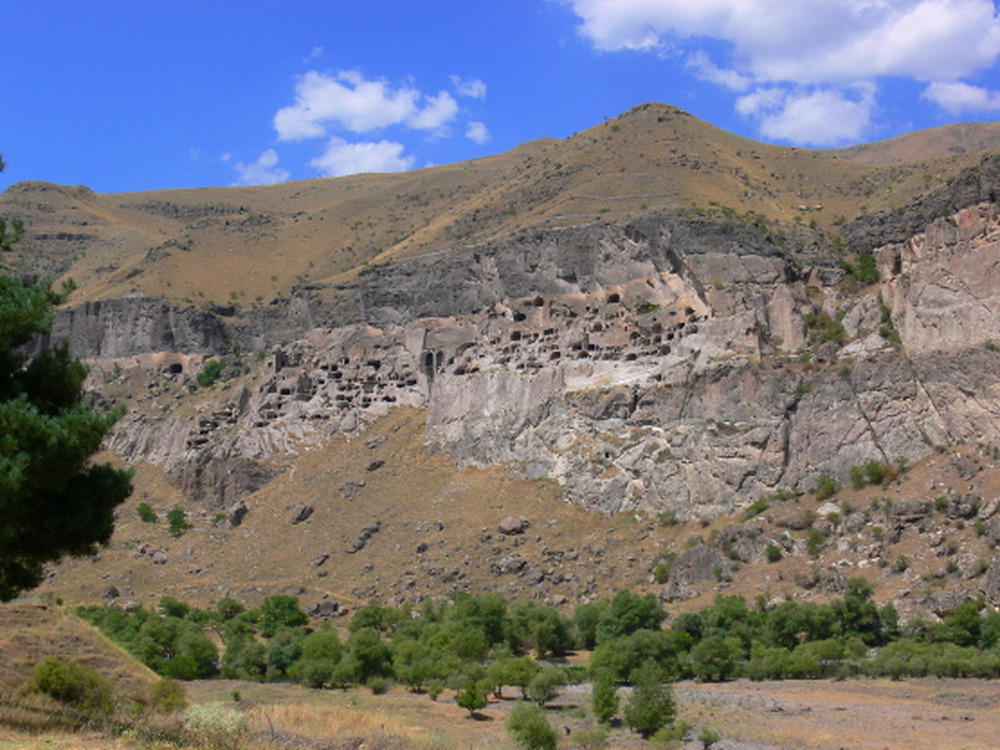
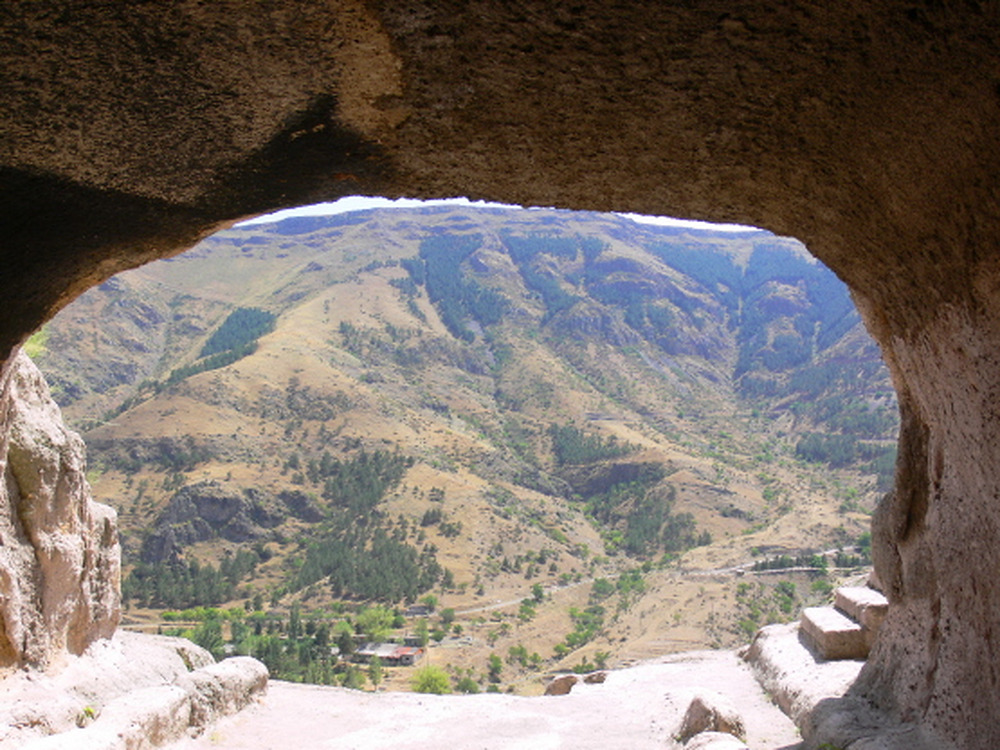
Much of Vardzia was originally enclosed within the mountain, but a powerful earthquake in 1283 caused part of the outer rock face to collapse. This exposed many of the chambers and corridors that visitors can see today. What was once a more concealed complex became a dramatic series of openings scattered across the cliff, revealing the extraordinary scale of the medieval construction.
Exploring Vardzia’s Ancient Rooms and Stairways
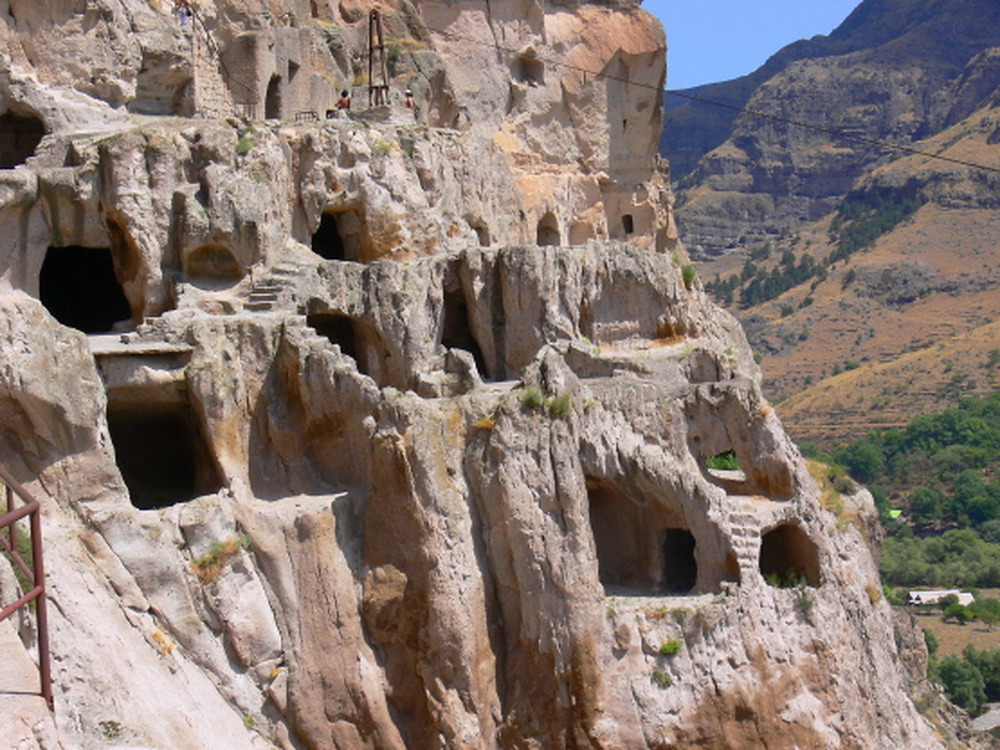
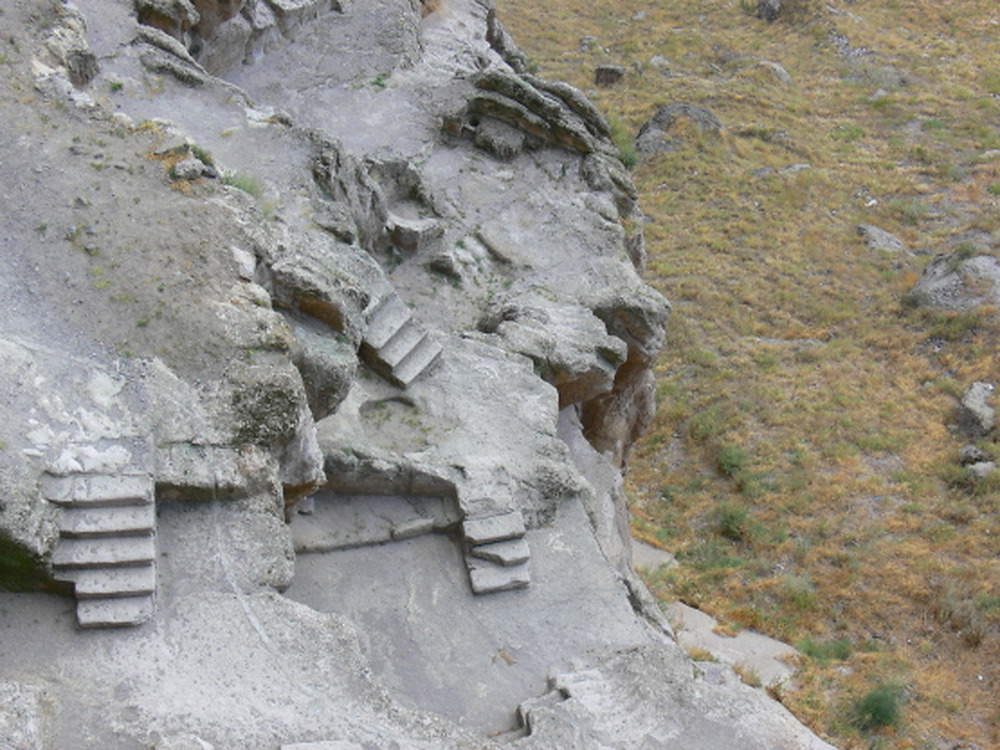
At its height, Vardzia contained thousands of rooms and spaces distributed across numerous levels of the mountainside. These included living quarters, chapels, storerooms, and facilities needed to support the people who lived and worked within the complex. The inhabitants also developed systems for supplying water and moving between different parts of the settlement.
Walking through Vardzia today involves climbing steep stone steps, entering chambers cut directly into the rock, and following narrow passages between different levels. I found it fascinating that so much of the site remained accessible. Rather than viewing the ruins from a distance, I could walk through the same spaces that people had used hundreds of years earlier.
Secret Tunnels and Hidden Passages
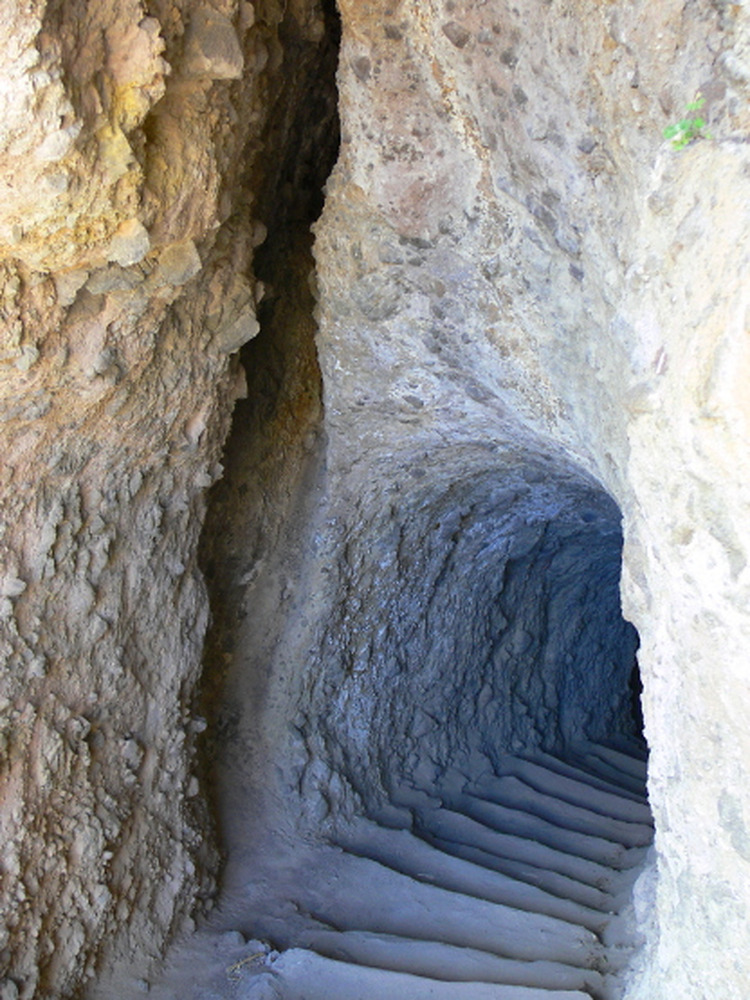
One of the most interesting features of Vardzia is its network of internal passageways. Some of these tunnels connected different levels of the complex, allowing residents to move through the mountain without having to travel along exposed exterior paths. In a fortified settlement, this would have been particularly valuable during times of danger.
The narrow tunnel pictured above gives an idea of how confined some of these passages can be. Exploring them was one of my favorite parts of visiting Vardzia, because they reveal how extensively the medieval builders adapted the mountain for both everyday life and defense.
Churches and Religious Life at Vardzia
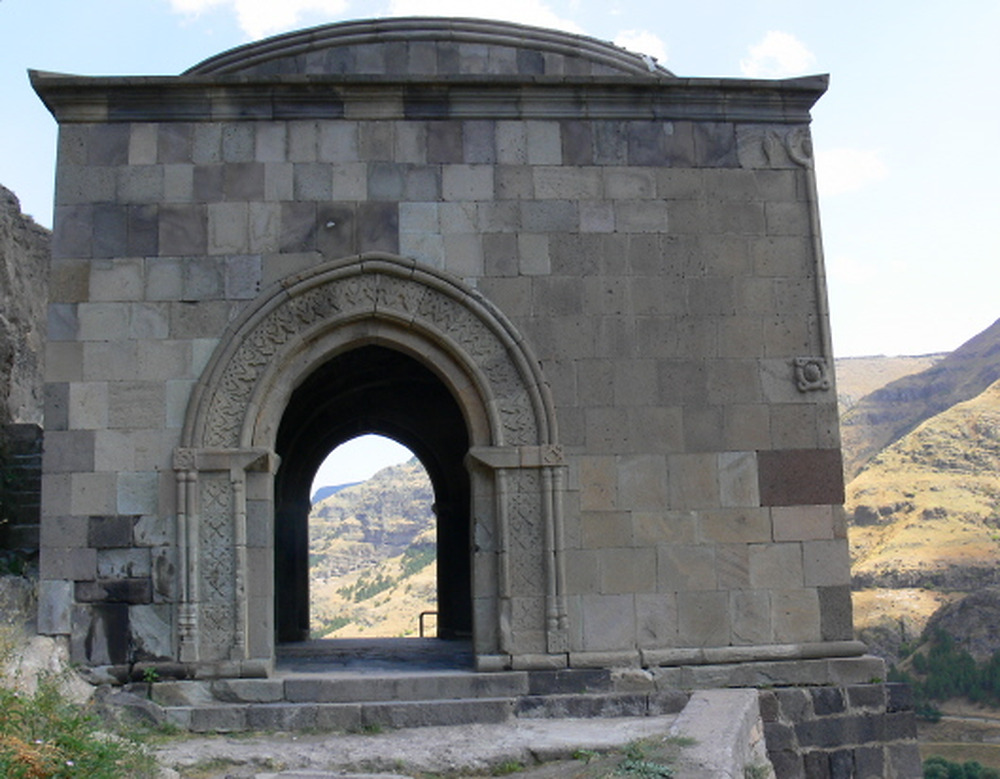
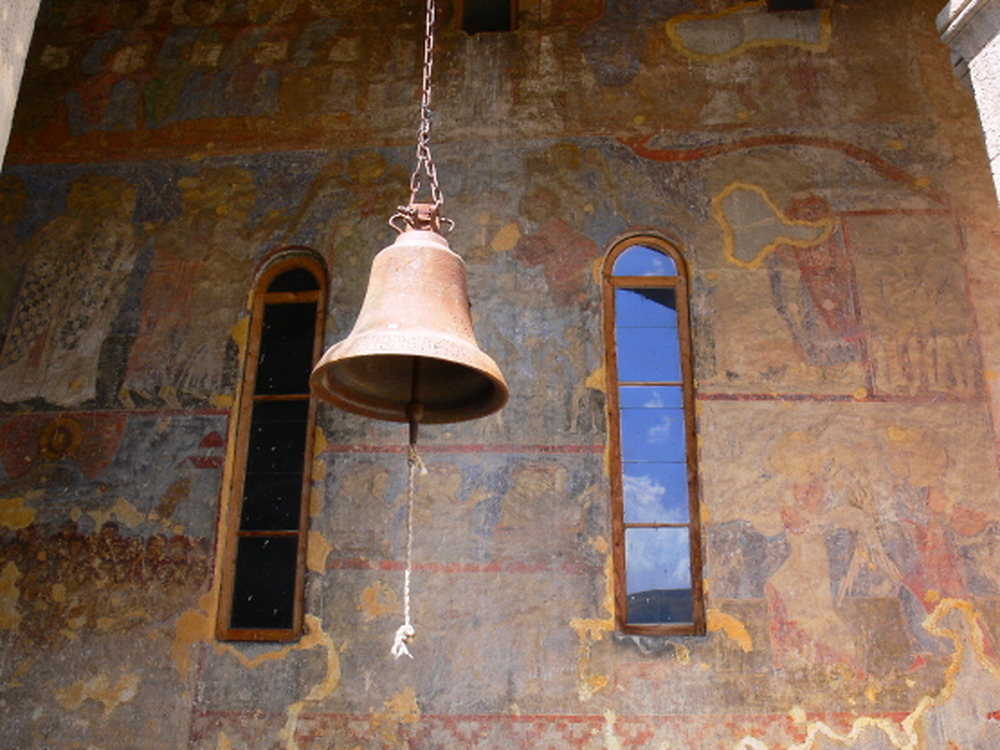
Although Vardzia is often described as a cave city, it was also an important religious center. The complex developed around a substantial monastic community, and Christian worship played a central role in its history. Churches and chapels were incorporated into the mountain alongside residential and practical spaces.
Some religious structures remain visible among the exposed chambers, while other features, including bells and surviving architectural details, provide reminders of the site’s monastic purpose. Vardzia was not simply a collection of caves used for shelter; it was a carefully organized settlement with religious, defensive, and residential functions.
Medieval Frescoes Inside the Church of the Dormition
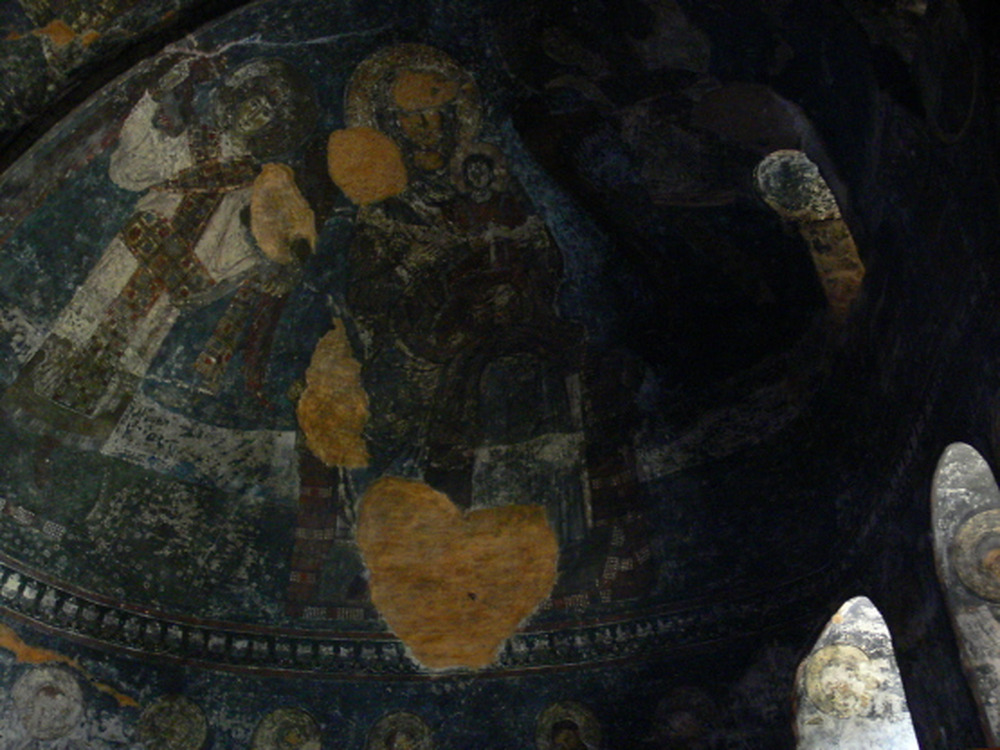
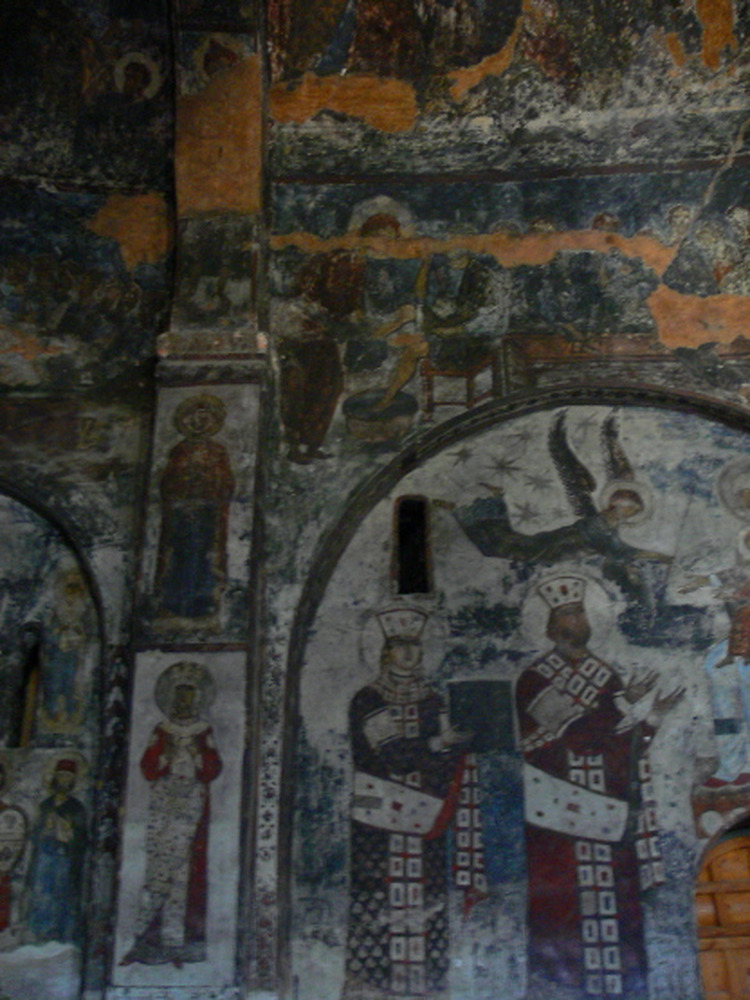
Among Vardzia’s greatest treasures are the medieval frescoes preserved inside the Church of the Dormition. Despite centuries of political upheaval, natural disasters, and the gradual deterioration of the cave complex, many of these religious paintings have survived. They provide a remarkable glimpse into Georgian art during the country’s medieval golden age.
The church is especially significant for its historic depictions of Queen Tamar and her father, King George III, the two rulers associated with Vardzia’s construction. Queen Tamar presided over a period of remarkable political and cultural achievement, and her reign remains one of the most celebrated chapters in Georgian history.
Seeing artwork like this still preserved inside a mountain was one of the highlights of my visit. The frescoes were a reminder that Vardzia was not merely an engineering achievement or a defensive refuge, but also an important center of medieval Georgian religious and cultural life.
Of all the historic sites I explored in Georgia, Vardzia was among the most memorable. Its enormous scale, interconnected cave chambers, ancient stairways, and surviving artwork made it particularly rewarding to explore. The combination of medieval history and the dramatic mountain setting makes Vardzia one of the country’s most extraordinary archaeological and architectural landmarks.
Explore More of Georgia
Borjomi • Gori • Tbilisi • Uplistsikhe • Vardzia
