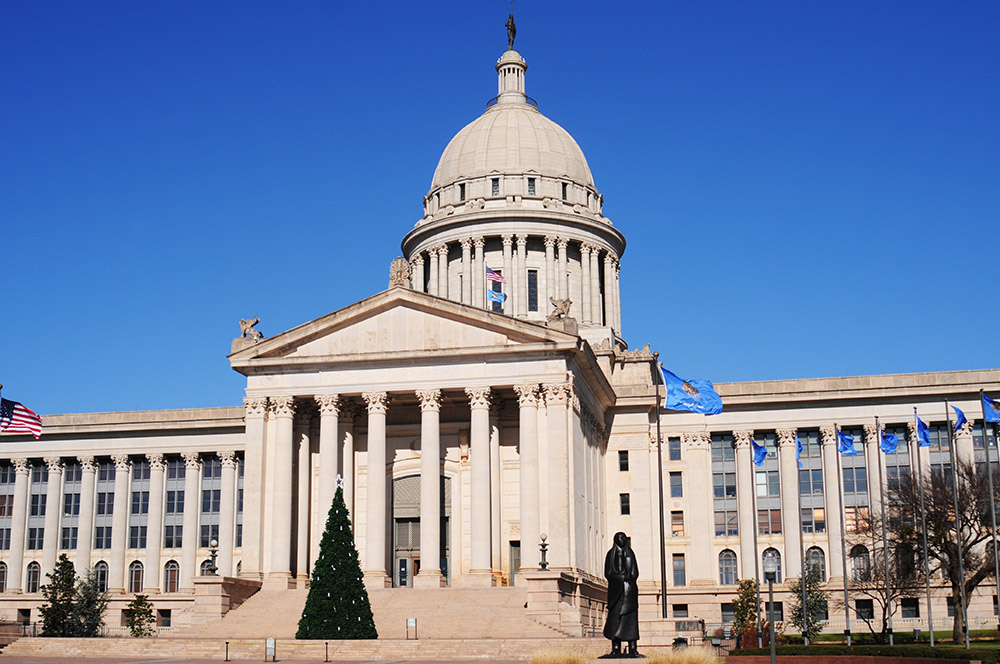
Oklahoma City is both the largest city and the capital of Oklahoma. Before visiting, I expected it to be on the small side, but I was way off. The city was considerably larger than I imagined and ended up surprising me throughout my visit. Above is the Oklahoma State Capitol, the usual place I like to start when visiting a state capital. Oklahoma has a long history with the oil industry, and one unusual feature of the capitol grounds is that oil wells have actually operated on the property.
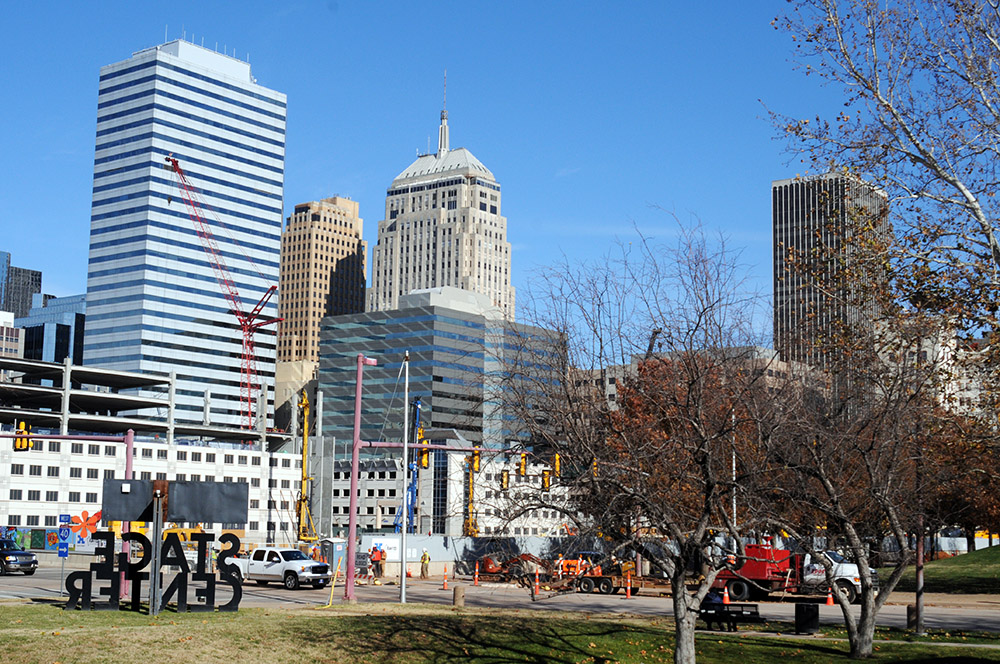
I don’t have a great photograph showing the entire skyline, but downtown Oklahoma City was much larger than I expected. I had pictured a few medium-sized buildings and relatively empty streets like some other state capitals I’ve visited. The streets actually were pretty quiet during my visit, although I was there on a freezing winter weekend, which probably had a lot to do with it.
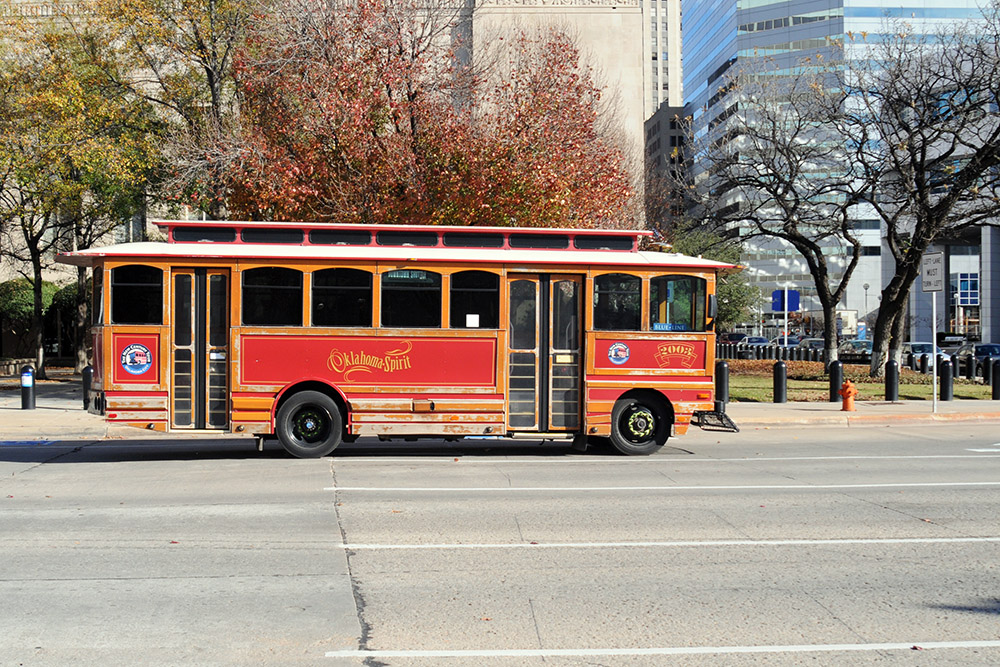
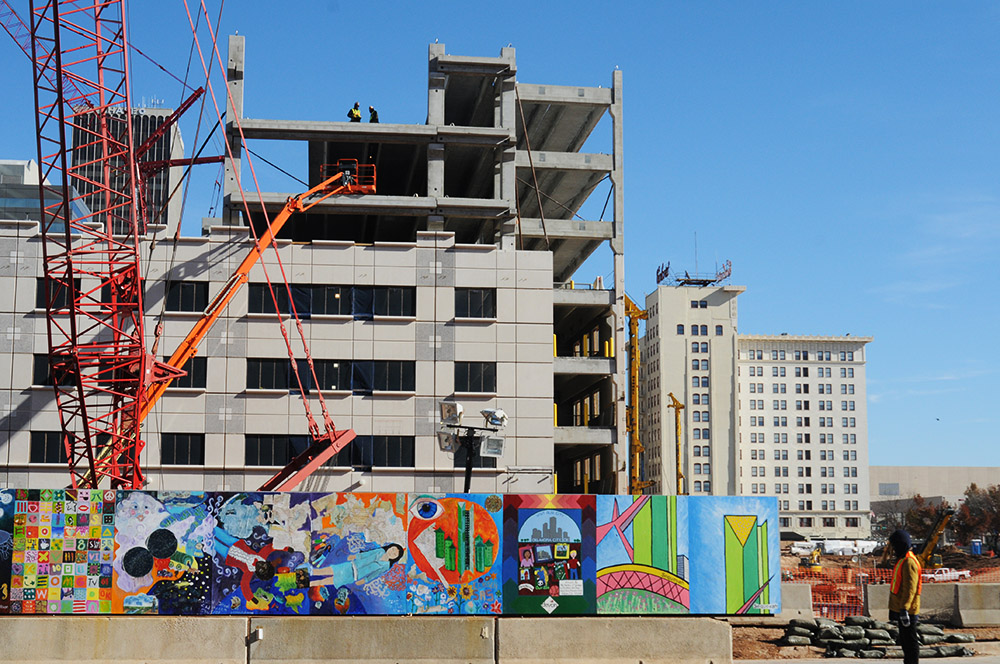
Overall, I was pretty impressed with Oklahoma City. Downtown seemed clean and much of it had a relatively new look, with construction underway during my visit. The city has continued adding new public spaces and landmarks since then, including the Skydance Bridge, which hadn’t yet opened when I was there. I’d like to eventually return during warmer weather and see how different the city feels with more people outside.
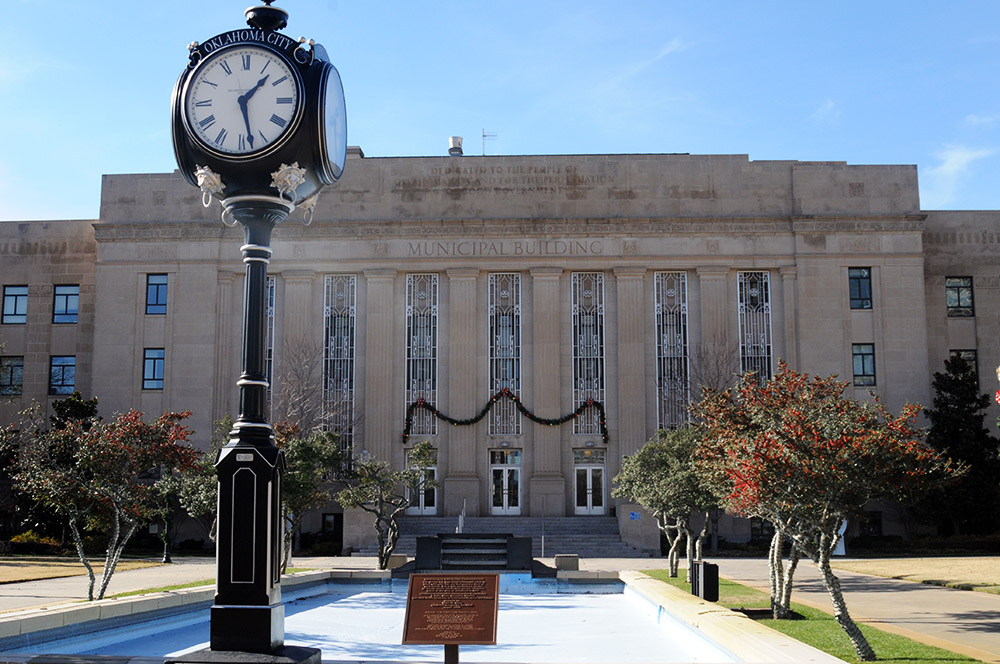
Harn Homestead
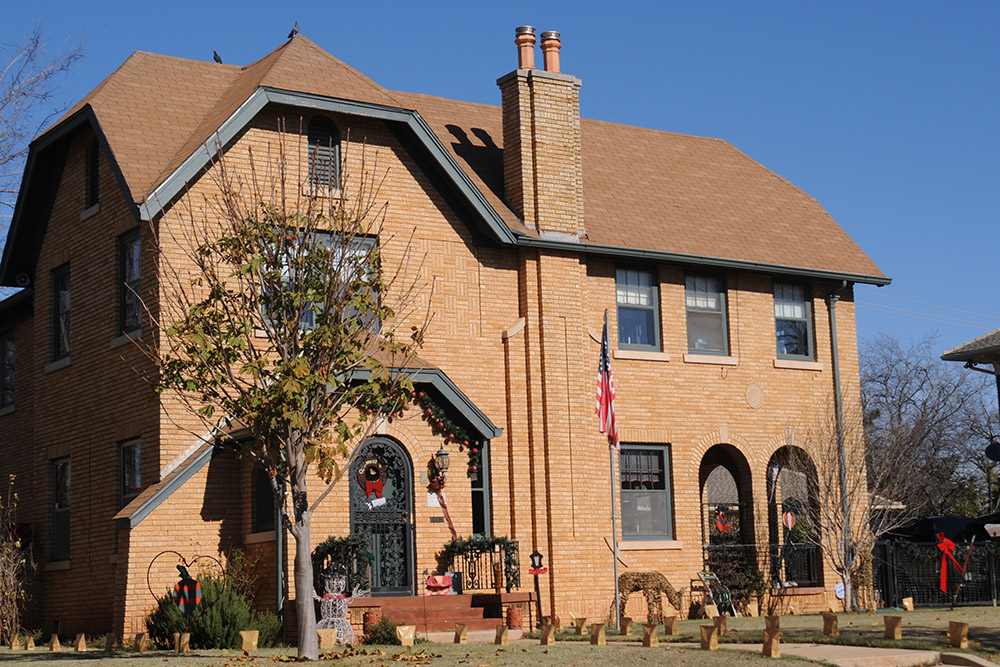
Near the state capitol is Harn Homestead, a historic property dating to the early years of Oklahoma City. The Harn family arrived following the Land Run era, and their property has been preserved as a museum showing what life was like around the time Oklahoma City was developing in the late 19th century. I didn’t go inside during this trip, something I regret now, but I did stop to see the property.
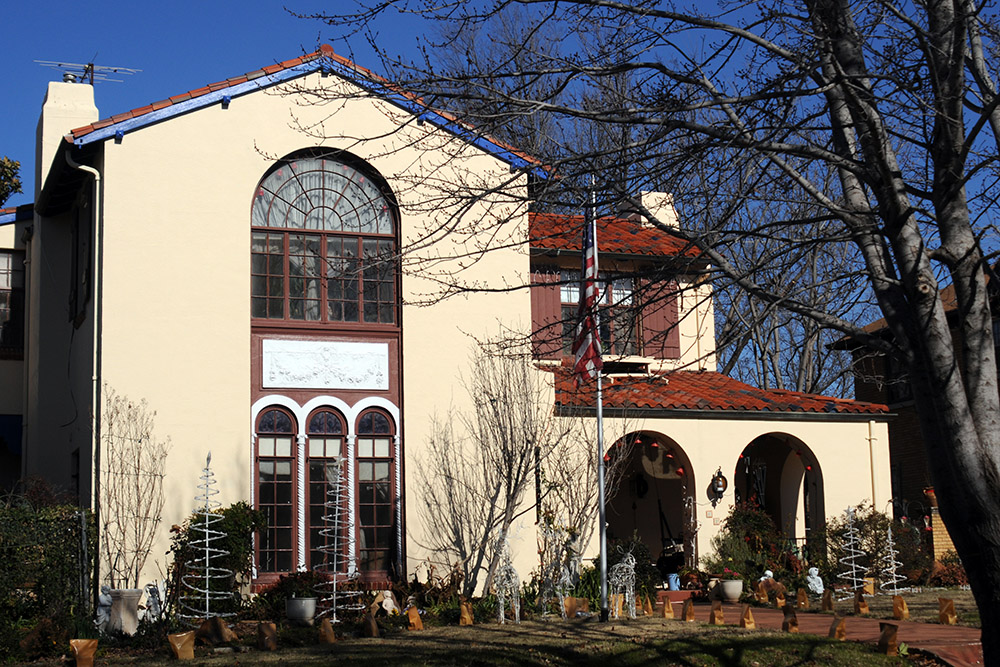
Arts District & Myriad Gardens
Oklahoma City is divided into several districts, and I spent some time exploring the area around its museums and performing arts venues. There were enough museums, theaters, public art, and other attractions that someone particularly interested in museums could easily devote a large part of a weekend to this part of the city.
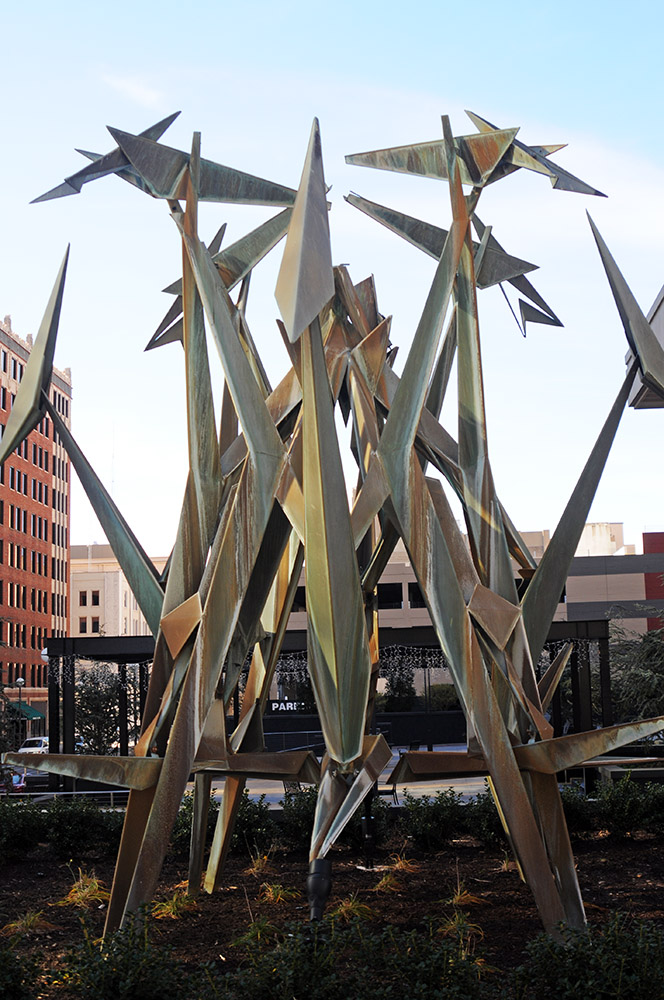
I definitely skipped a few things that I probably should have visited in Oklahoma City, particularly some of the galleries and museums. Instead, I wanted to stay outside and explore on foot even though it was winter. That at least led me to some interesting public art, including the piece photographed above, which was one of my favorites that I came across while walking around the city.
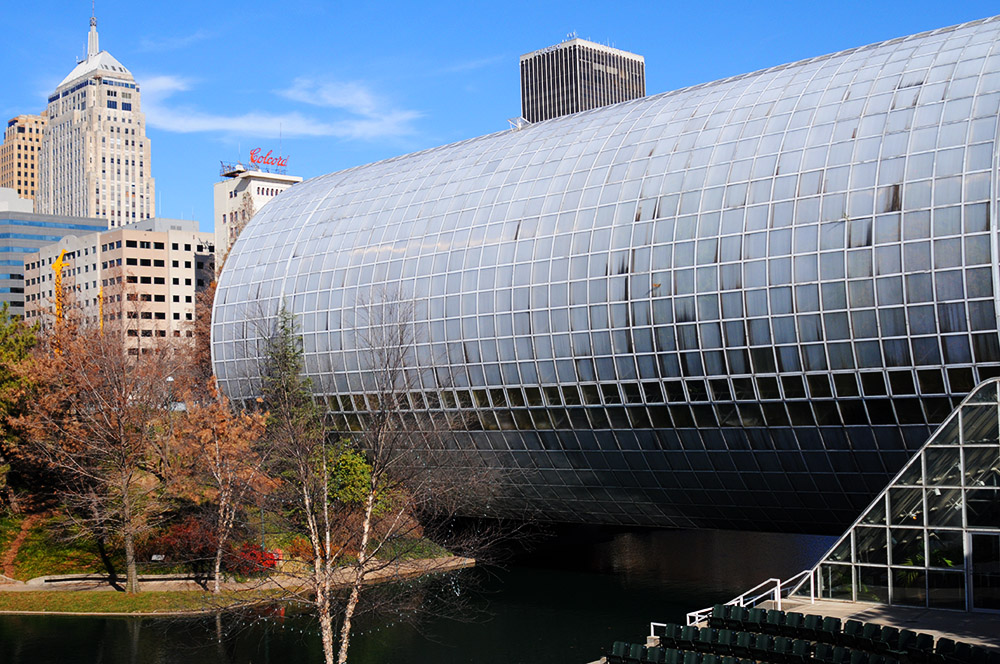
One place I did make sure to visit was the Myriad Botanical Gardens. Its most distinctive feature is the large conservatory, where a warm indoor environment supports tropical plants even during Oklahoma’s cold winters. After walking around outside in freezing temperatures, stepping inside felt like entering a completely different climate.
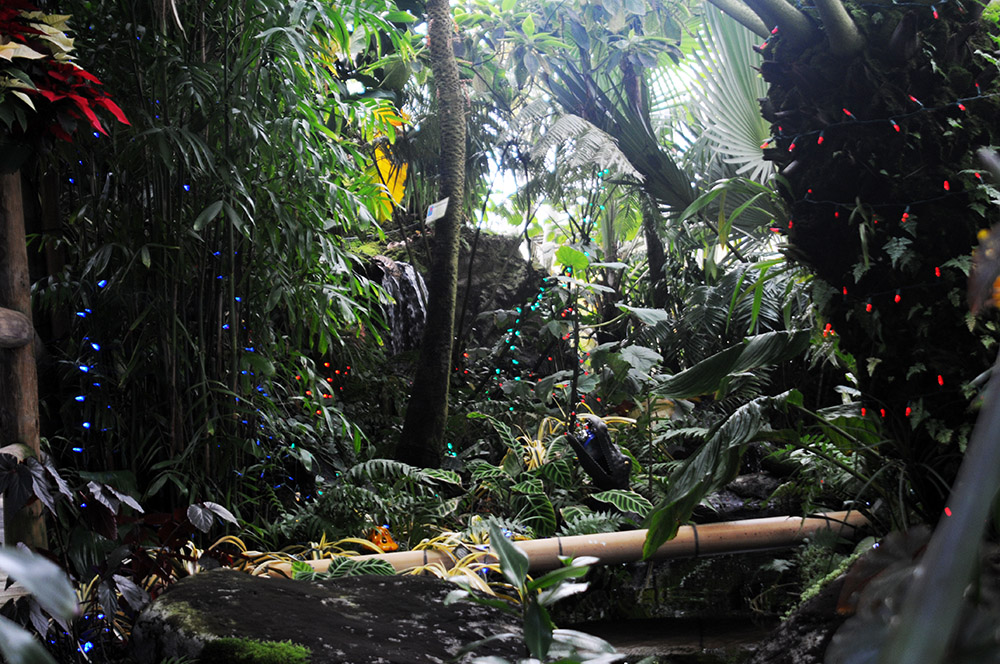
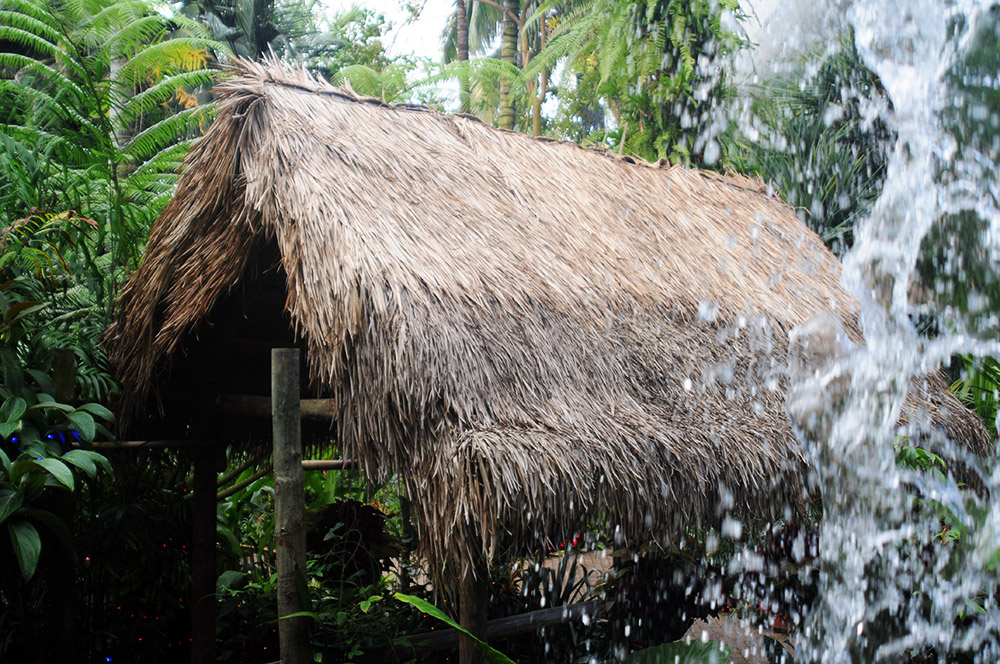
Inside were full-grown trees and a huge variety of tropical vegetation. For anyone who hasn’t traveled to the tropics, the conservatory provides a surprisingly convincing taste of that environment right in the middle of the Great Plains.
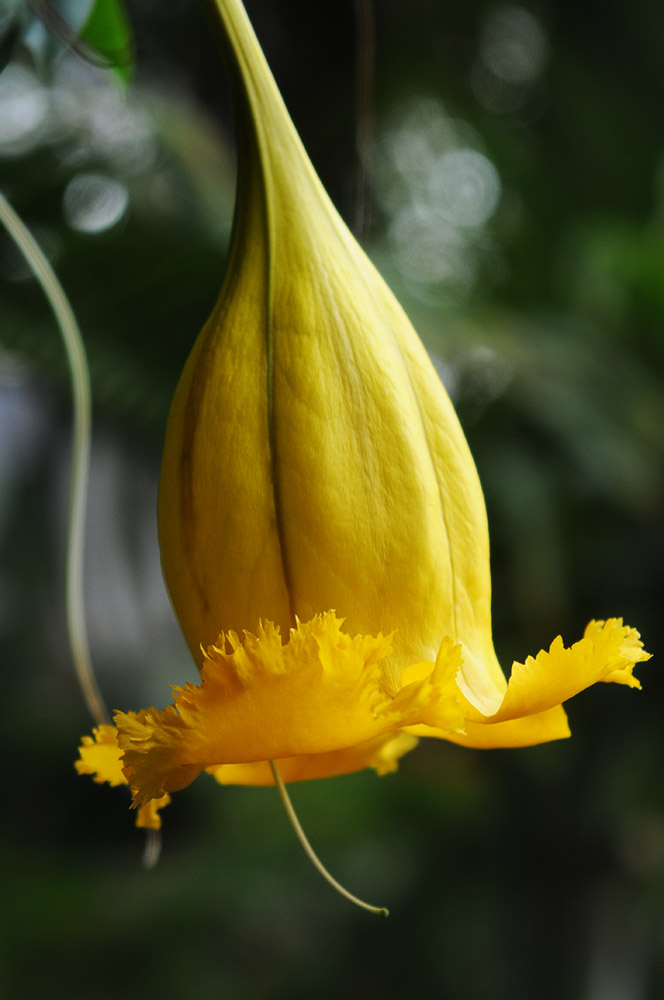
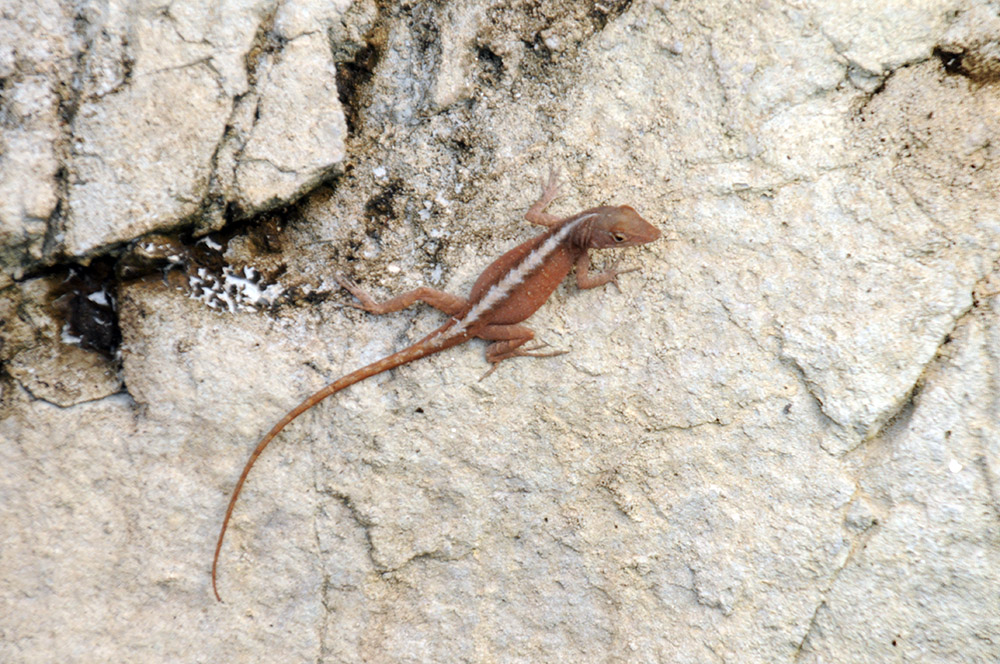
There were far too many different plants for me to photograph everything, so this unusual yellow flower was one that caught my attention. There was also a little wildlife living among all the vegetation. I spotted butterflies and managed to photograph this small lizard running around inside the conservatory.
Bricktown
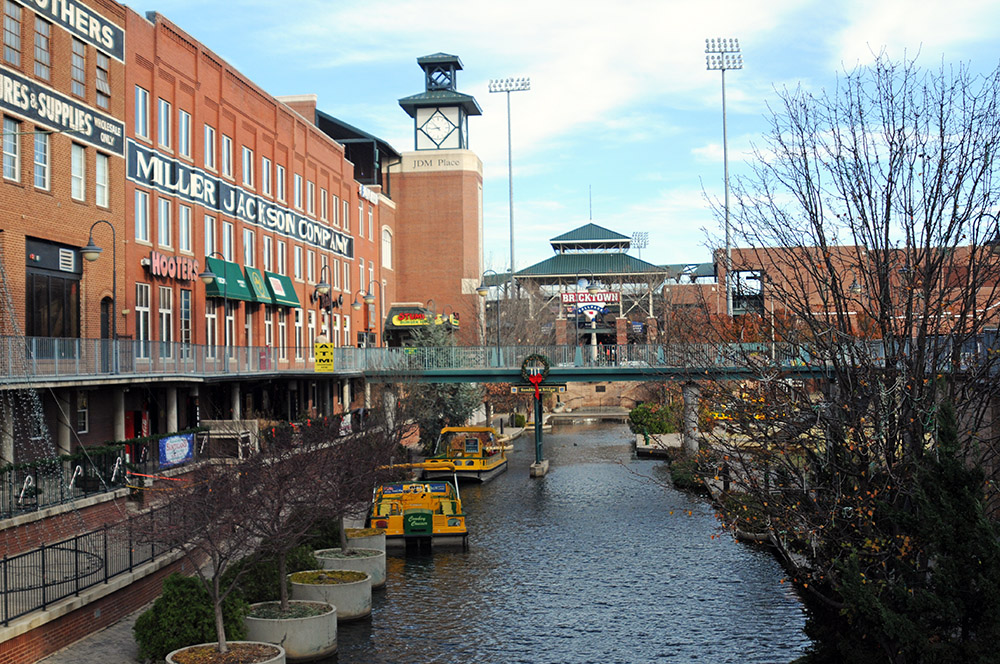
Another part of Oklahoma City I explored was Bricktown. The former warehouse district is filled with brick buildings that have been converted into restaurants, bars, entertainment venues, and shops. A canal also runs through part of the neighborhood, with boats carrying visitors through the district. I didn’t make it back here at night, but I imagine that’s when Bricktown really comes alive.
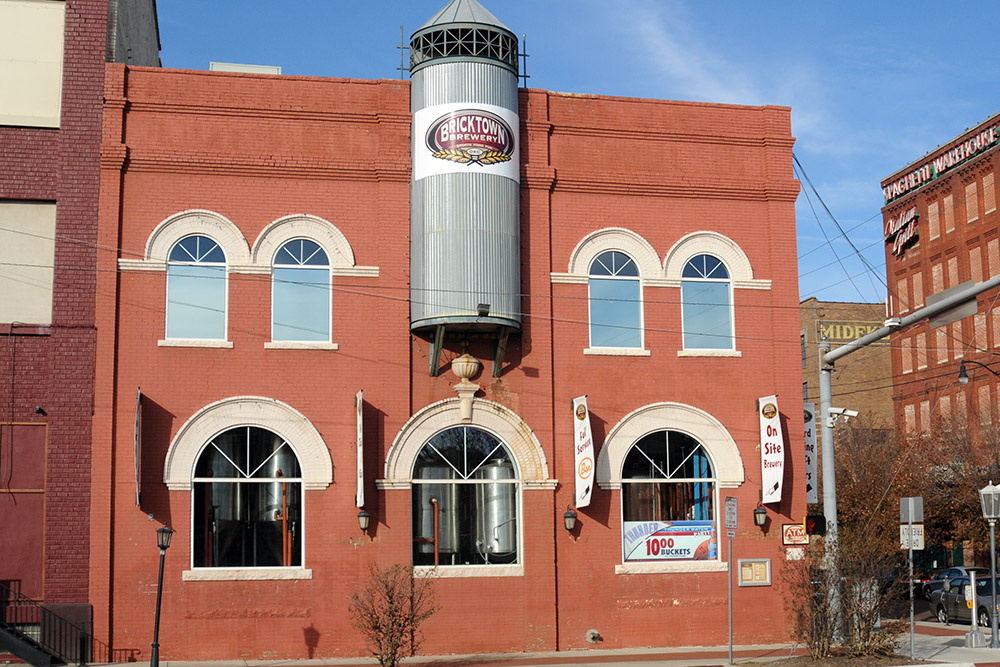
Above is the original Bricktown Brewery, which opened in the early 1990s as the neighborhood was beginning its transformation. It’s a good example of how many of Bricktown’s older industrial buildings have been given a completely different purpose.
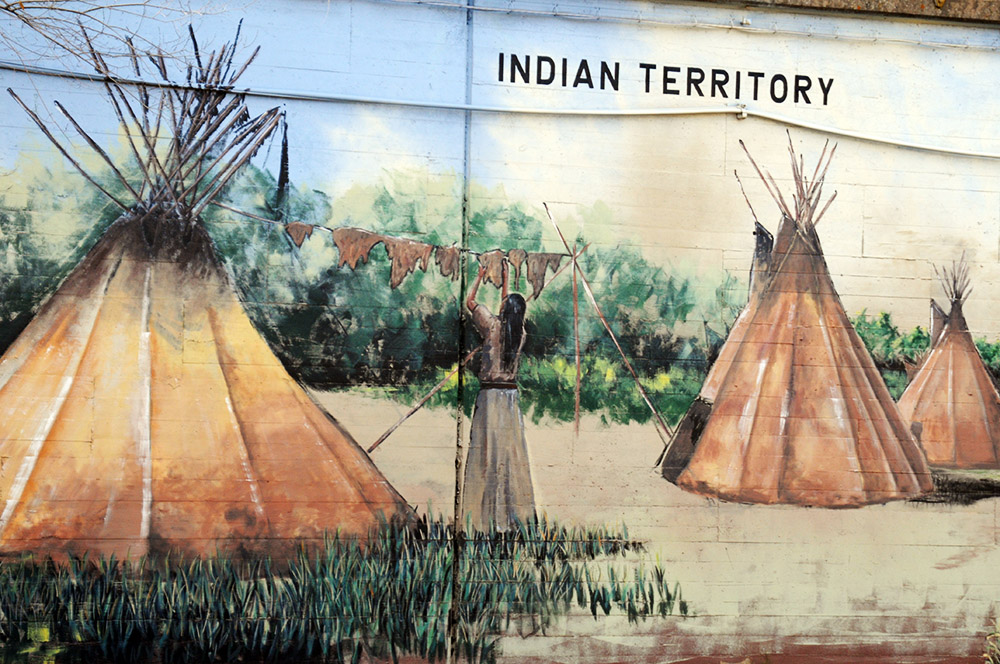
I always enjoy finding large murals while exploring cities, and this one in Bricktown immediately caught my attention. The scene depicts Native American life on the Great Plains, fitting for a state with an especially rich and complex Native American history and dozens of federally recognized tribal nations.
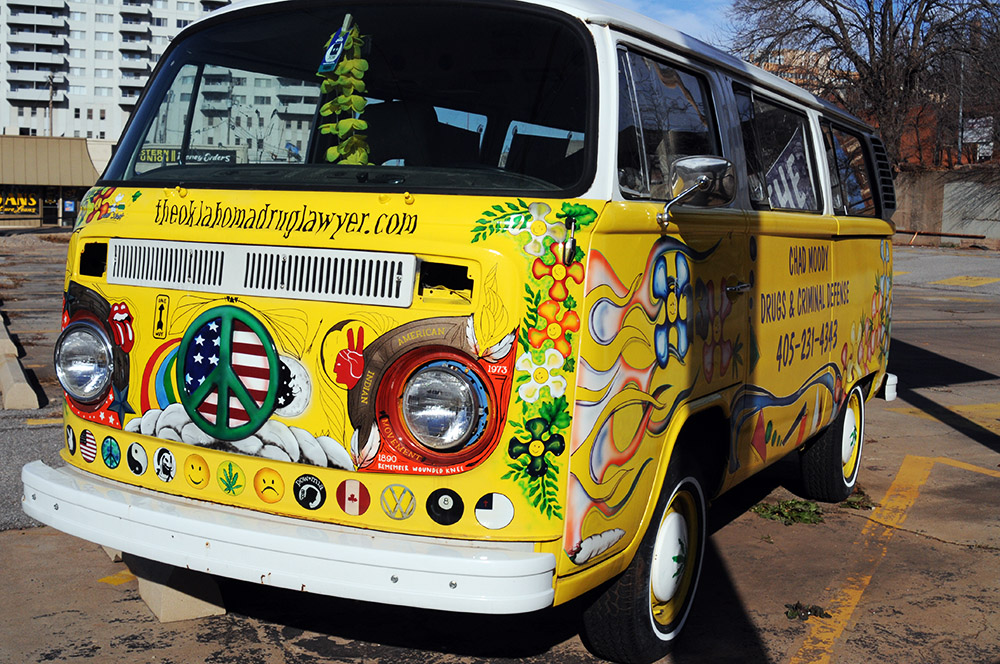
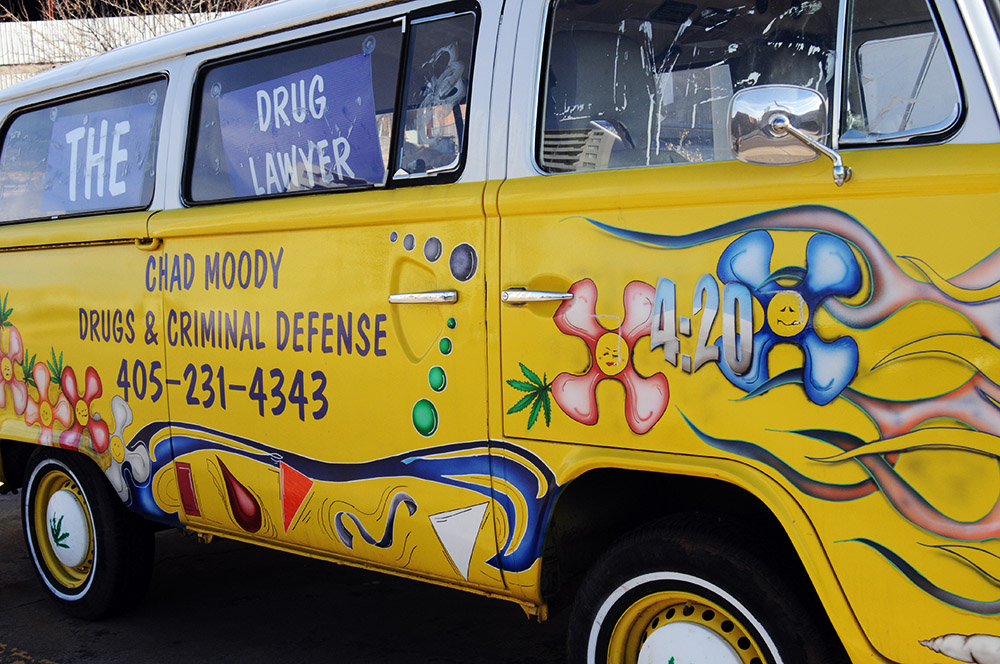
While exploring Oklahoma City on foot, I also came across one of the more unusual advertisements I’ve seen during my travels. This brightly painted van belonged to a lawyer advertising his services for drug-related cases. Between the bright yellow paint, flowers, 4:20 references, and other imagery, there was absolutely no confusion about the type of legal work he specialized in.
Oklahoma City National Memorial
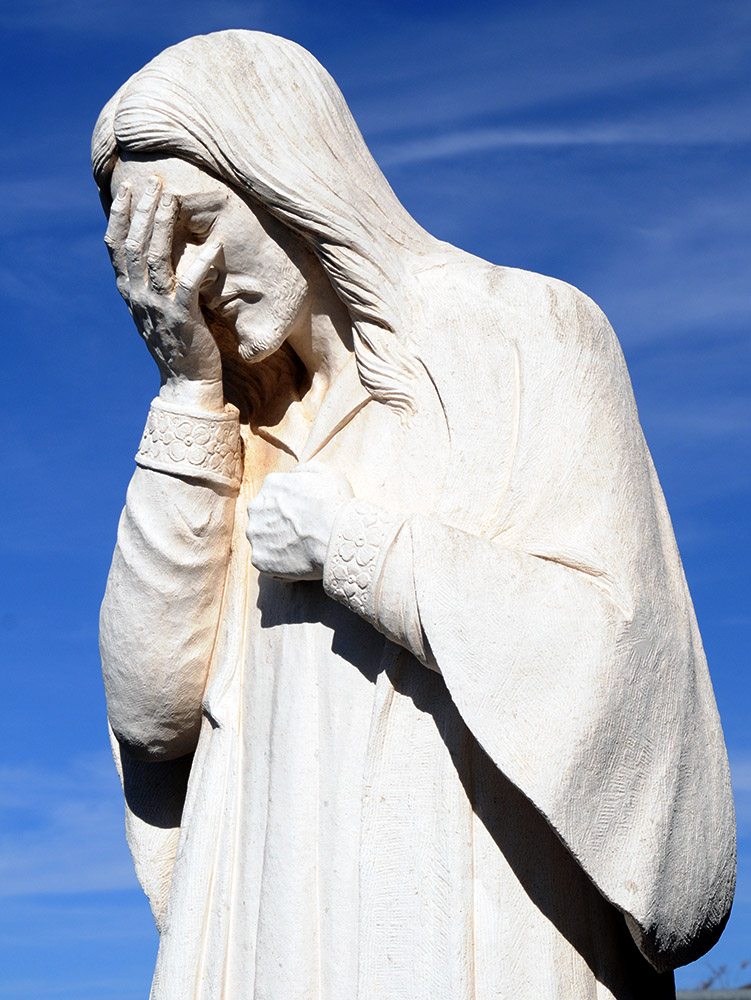
The most serious part of my visit was the Oklahoma City National Memorial, which commemorates the victims of the April 19, 1995 bombing of the Alfred P. Murrah Federal Building. At 9:02 that morning, a truck bomb exploded outside the building, killing 168 people and injuring hundreds more. I was 13 years old at the time and still remember my class being interrupted as we watched the story unfold on television. Visiting the site years later brought those memories back.
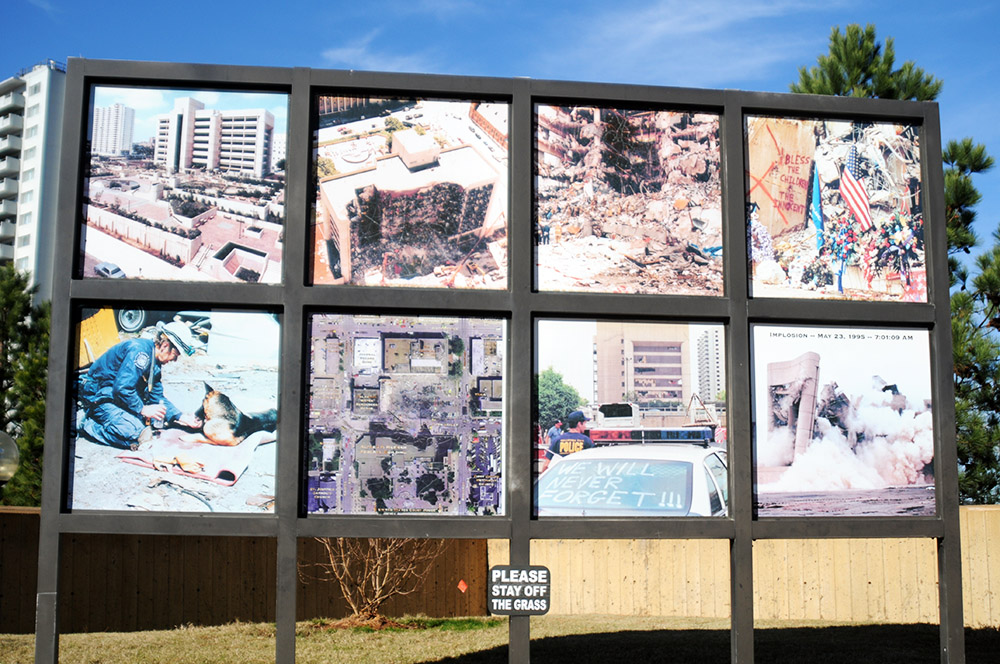
Photographs from immediately after the bombing show the enormous destruction caused by the explosion. Timothy McVeigh was arrested later that day after being stopped by an Oklahoma Highway Patrol officer and was eventually convicted for carrying out the bombing. He was executed in 2001.
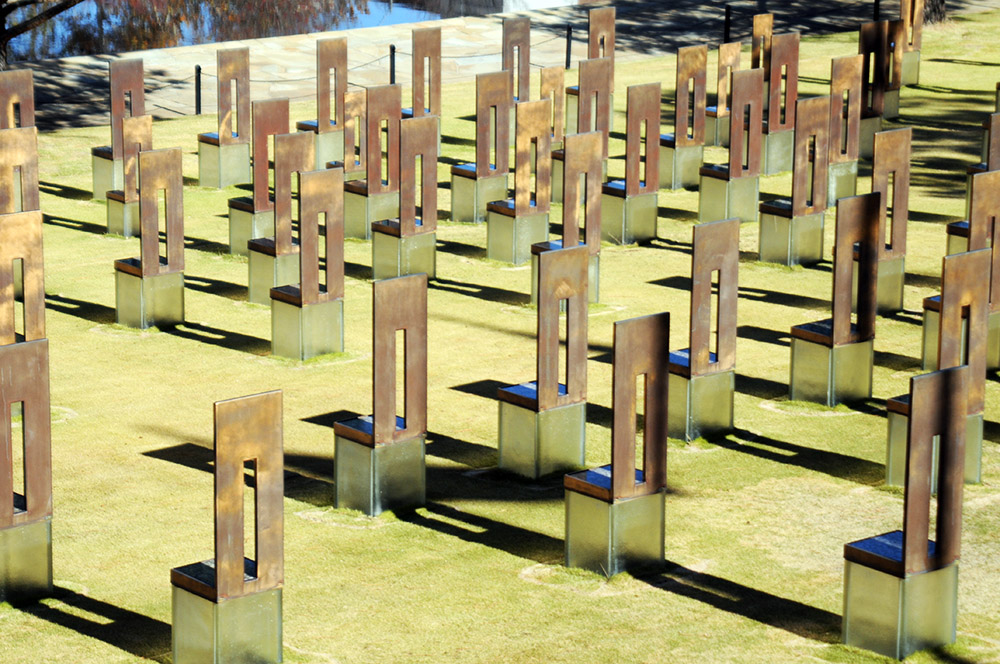
One of the most powerful parts of the memorial is the Field of Empty Chairs. There are 168 chairs arranged across the grounds, one representing each person killed in the bombing. Seeing all of them together gives a much stronger sense of the human scale of the tragedy than simply reading the number.
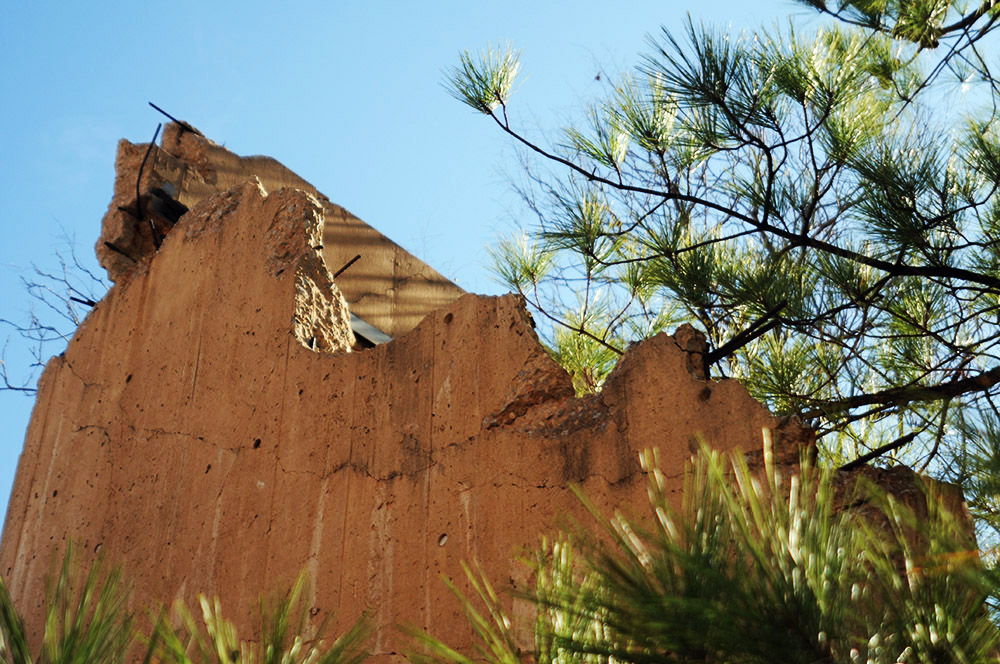
Parts of the original Murrah Federal Building were preserved within the memorial. The Survivor Wall contains sections of the building that remained standing after the explosion and is inscribed with the names of people who survived the attack.
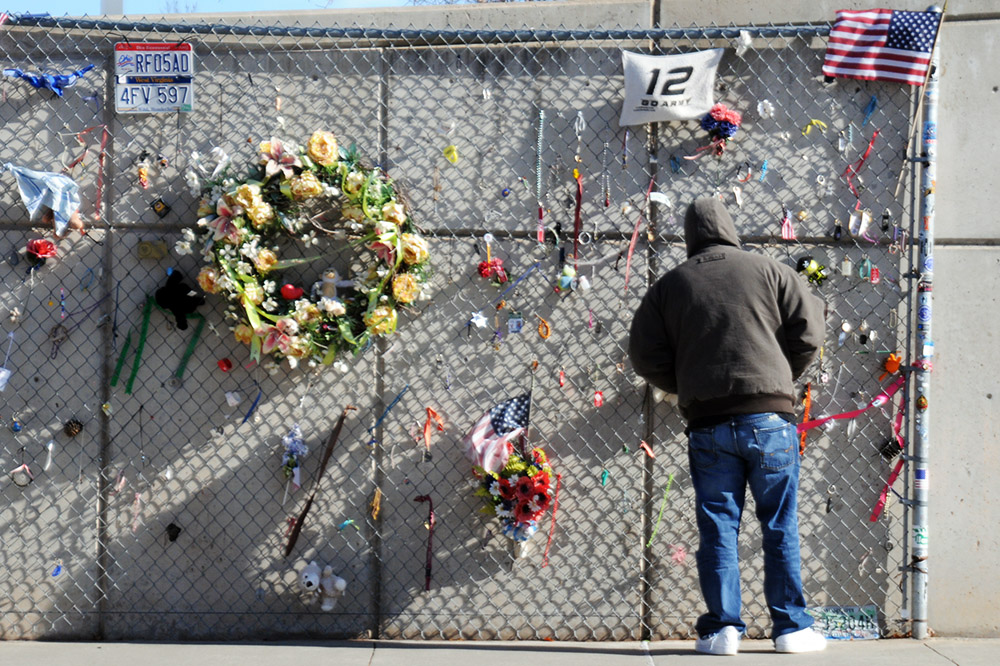
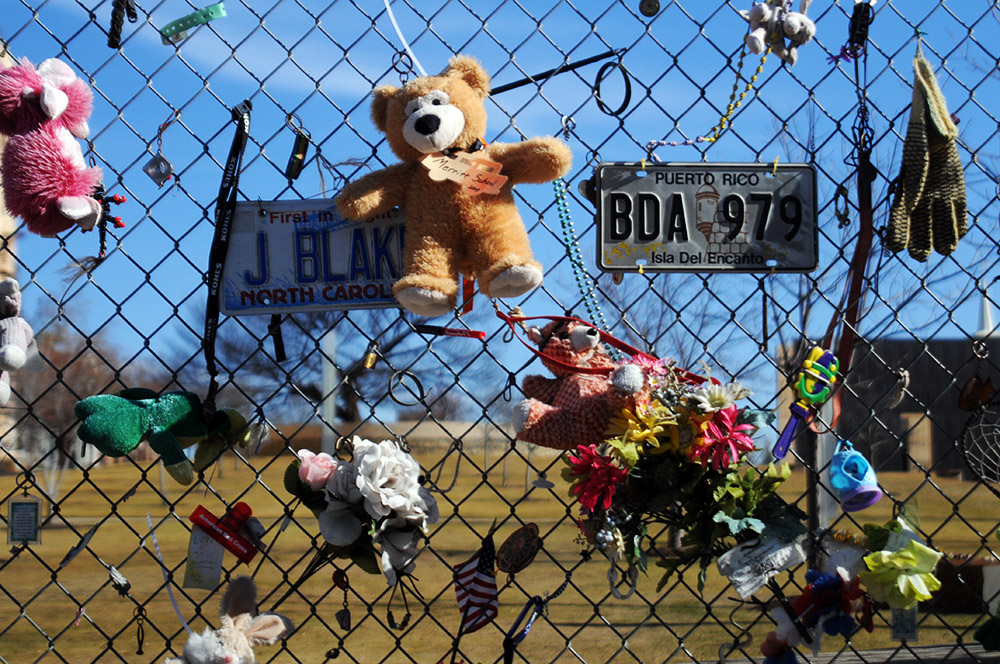
For me, some of the most touching things at the memorial were the personal objects and tributes left behind. Flowers, flags, stuffed animals, license plates, and other small items make the memorial feel much more personal than a traditional monument. They are reminders that behind the history and photographs were individual people and families whose lives were permanently changed that morning.
Explore More of Oklahoma
Oklahoma City • the Holy City • the Tallgrass Prairie • the Wichita Mountains • Tulsa