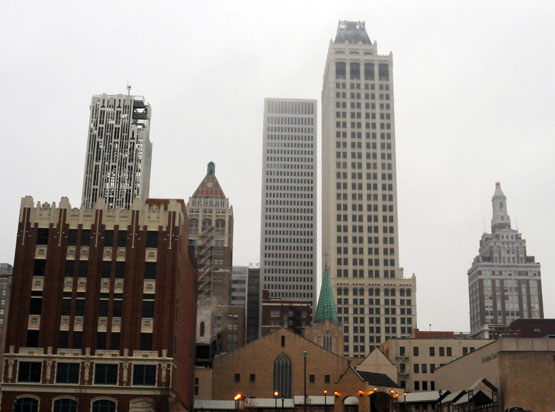
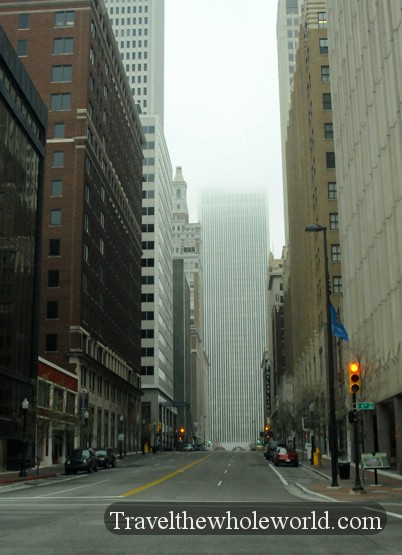
Tulsa is Oklahoma’s second-largest city, located in the northeastern part of the state. I enjoyed Oklahoma City more during this particular trip, but in all honesty I didn’t spend enough time in Tulsa to give the city a real chance. Once known as the “Oil Capital of the World,” Tulsa grew rapidly because of the petroleum industry, and that history can still be seen in the city today. Tulsa has since developed a much more diverse economy, while its museums, architecture, parks, and other attractions give me plenty of reasons to spend more time here on a future visit.
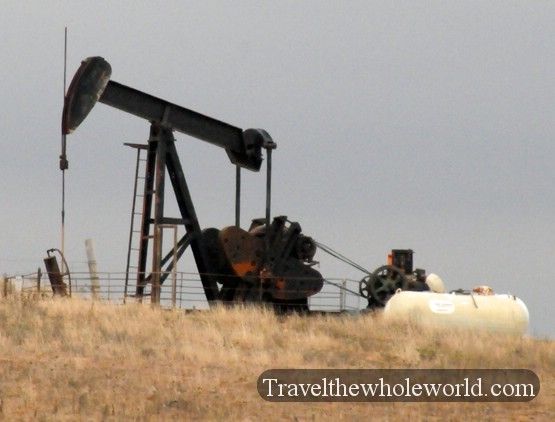
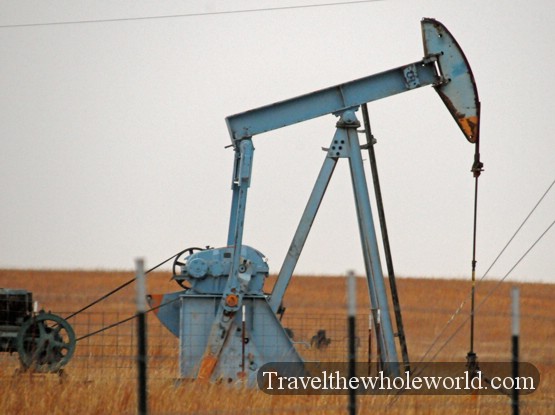
One thing that surprised me while traveling through Oklahoma was just how visible the state’s oil and natural gas industry could be. Above are two oil pumps I randomly came across while heading toward Tulsa, and similar equipment could sometimes be found surprisingly close to developed areas. Before visiting, I associated Oklahoma much more with ranching and farming, so seeing the energy industry firsthand gave me a different perspective on the state’s economy and the industries that helped cities like Tulsa grow.
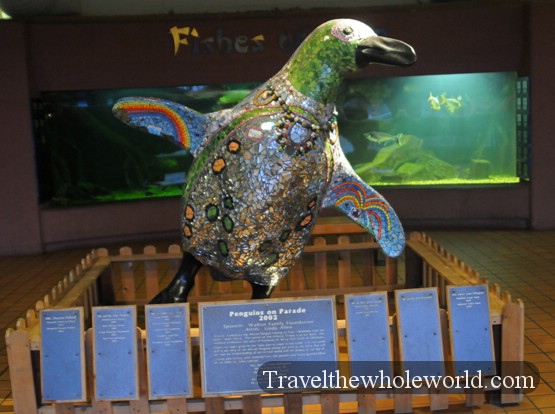
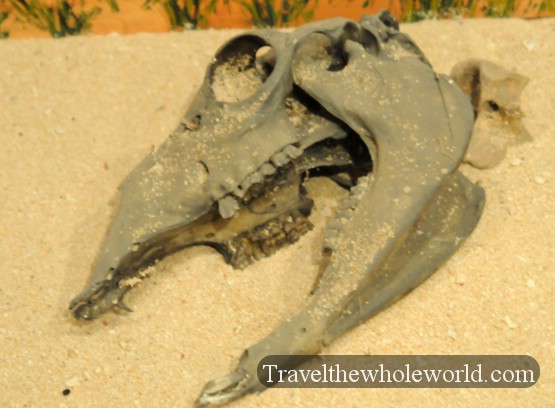
The Tulsa Zoo was probably where I spent the most time during my visit. The zoo is divided into different environments and exhibits representing wildlife from around the world, which made it easy to spend several hours exploring. Above is one of the penguins, while the skeleton on the right belonged to an extinct camel-like animal that once lived in North America.
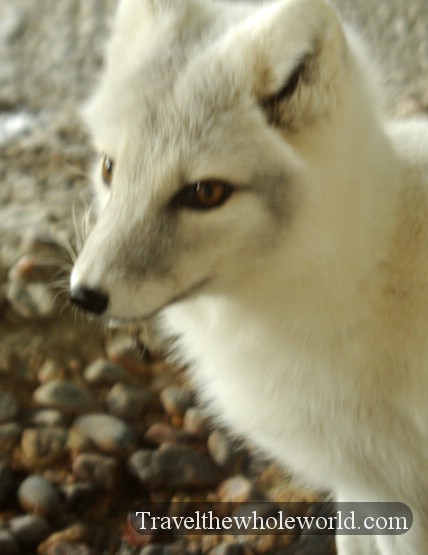

Above on the left is an Arctic fox, while the bird on the right was roaming freely through an indoor rainforest exhibit. That bird ended up providing one of the more memorable moments of my visit. After I took its picture from a distance, it immediately started coming toward me. I could tell it wasn’t particularly happy with my attention, but I decided to take another photo anyway. Apparently that was one photo too many, because it promptly attacked me!
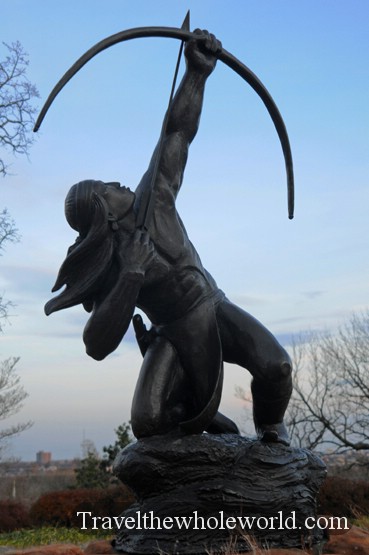
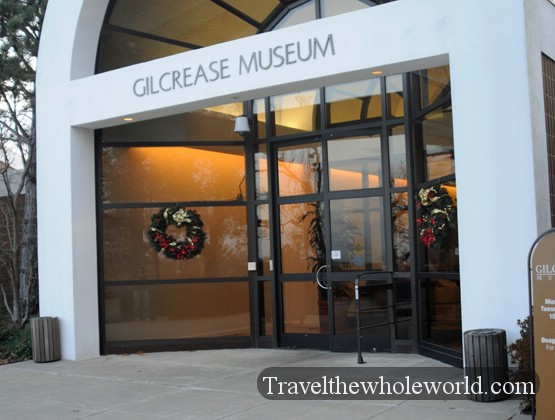
Another highlight was the Gilcrease Museum, which has an extensive collection devoted to the art, history, and cultures of the American West. During my visit, much of what I saw consisted of large paintings depicting the 19th-century West, including Native Americans, cowboys, and landscapes. The museum also contained a large collection of historical artifacts that helped provide a much broader picture of life and history in the region.
My visit to Tulsa was fairly short, and between the zoo and Gilcrease Museum I only saw a small part of the city. There’s clearly more here than I had time to experience, particularly Tulsa’s historic architecture, neighborhoods, and other museums. This is one of those places where I’d need another visit before forming much of an opinion about the city itself.