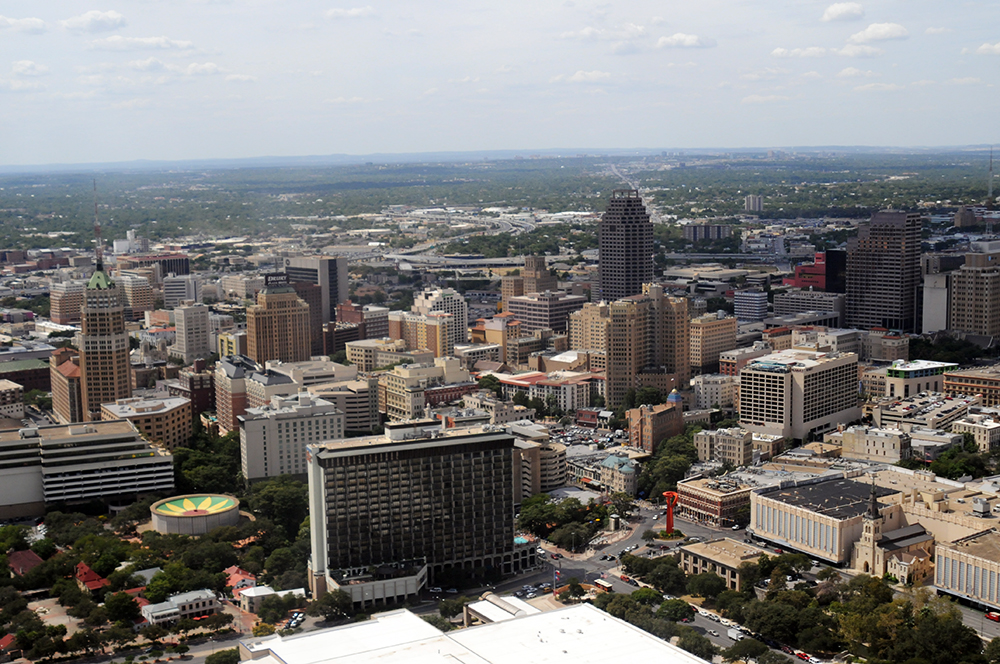
San Antonio is one of the largest and nicest cities in America, and if you could visit only one city in Texas, I’d probably recommend coming here. The city has one of the most beautiful downtown areas in the state along with some of the most interesting history in Texas. One of the best ways to get a bird’s-eye view is from the Tower of the Americas, where you can look out across the entire city.
The Alamo
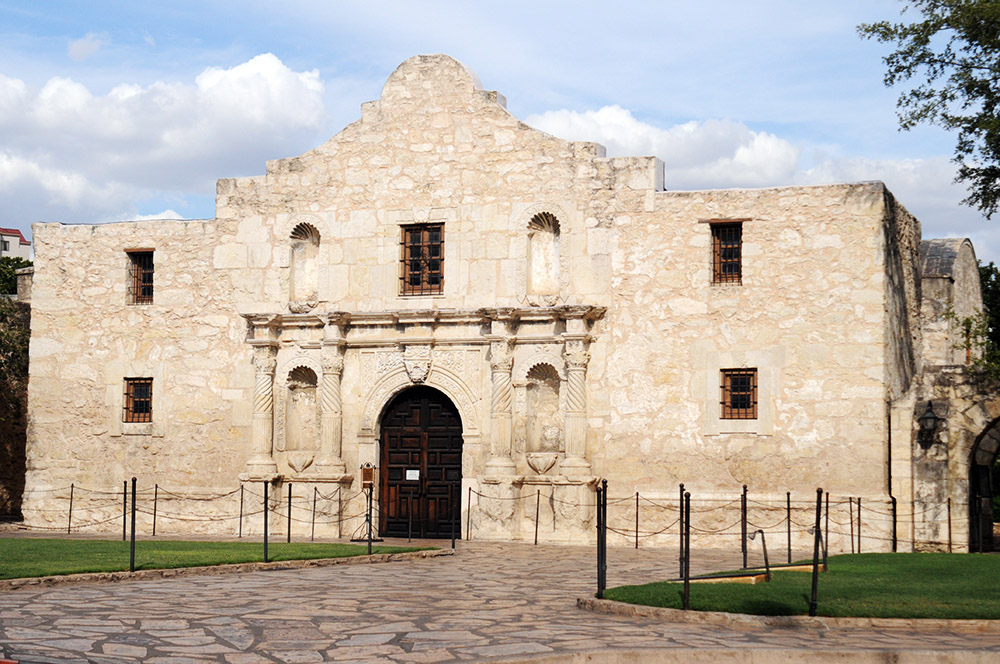
Texas has several historic Spanish missions, but none is more famous than the Alamo. Originally established as a Spanish mission in the early 1700s, the Alamo eventually passed from Spain to Mexico, then the Republic of Texas, and finally the United States.
By the 1830s, Texas was part of Mexico and tensions were growing between settlers in the region and the Mexican government under President Antonio López de Santa Anna. Those tensions eventually erupted into the Texas Revolution, and the Alamo became one of its most famous battlegrounds.
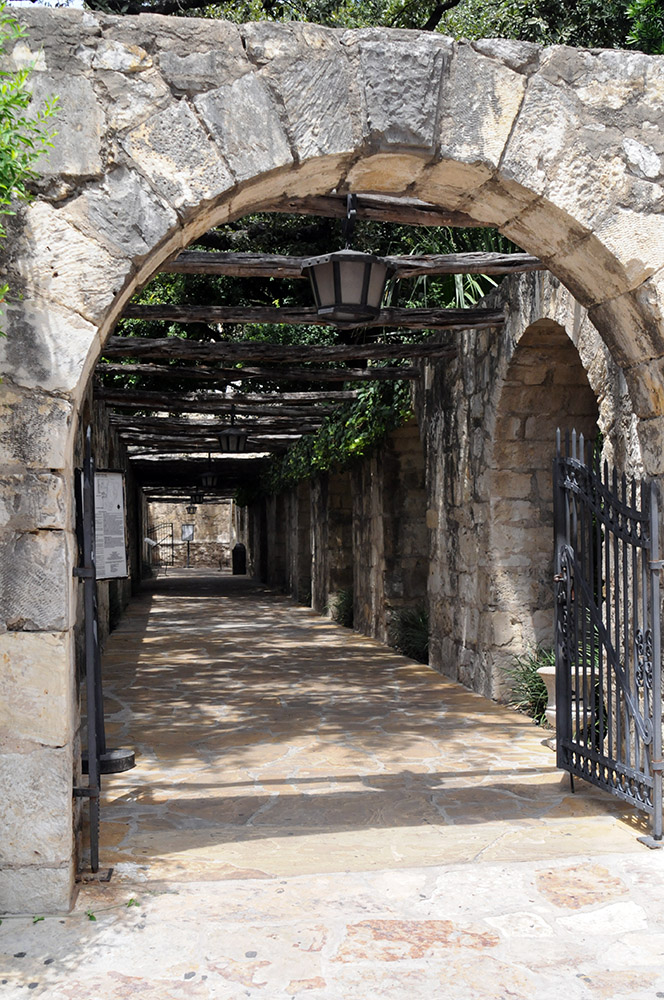
Texian defenders had occupied and fortified the Alamo when Santa Anna’s army arrived in San Antonio. After a siege lasting nearly two weeks, Mexican troops launched their final assault on March 6, 1836. The defenders were overwhelmed and nearly all of them were killed. The photo above shows the main entrance to the Alamo.
Instead of crushing the rebellion, news of the Alamo helped fuel support for the Texian cause. Only weeks later, Santa Anna’s army was defeated at the Battle of San Jacinto, securing Texas independence. The Republic of Texas remained an independent country from 1836 until joining the United States in 1845.
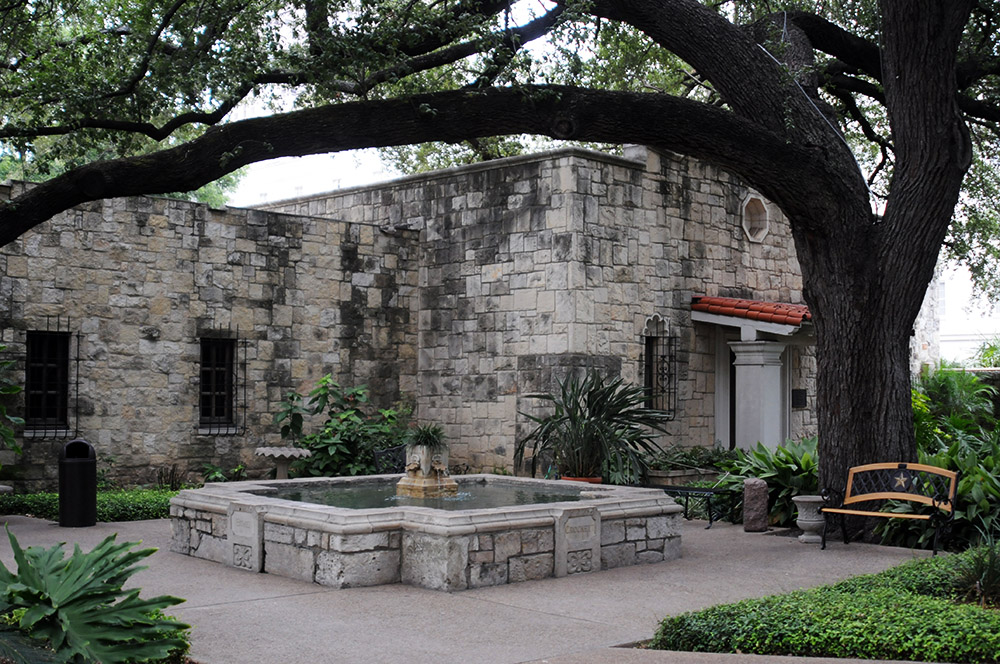
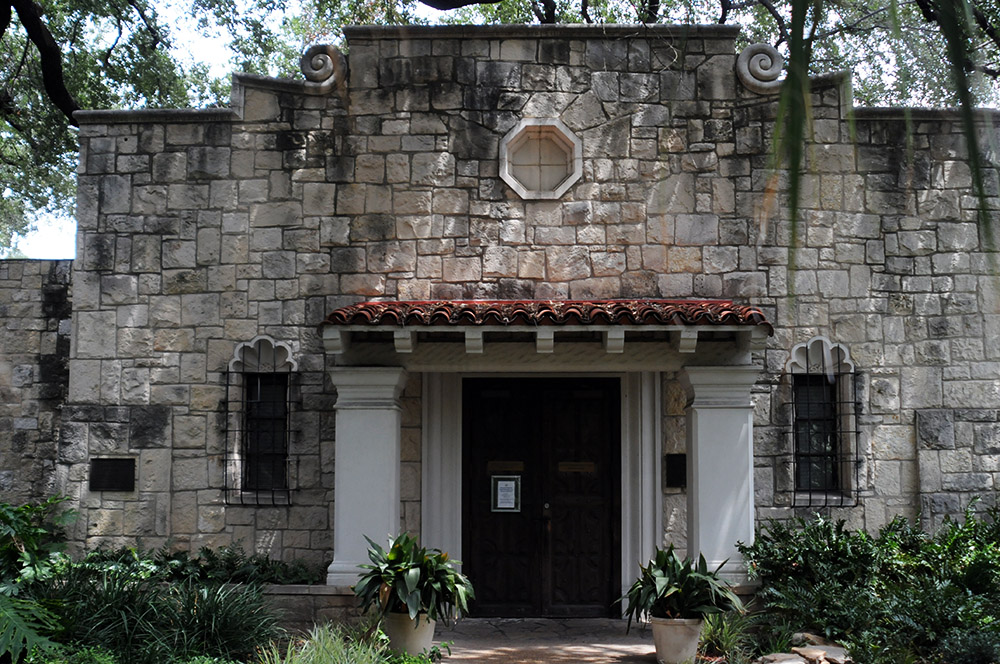
The grounds inside the Alamo are surprisingly peaceful today. With its stone buildings, gardens, and fountain, it’s interesting trying to imagine how different this place must have looked during the Spanish colonial period and the Texas Revolution.
Tower of the Americas
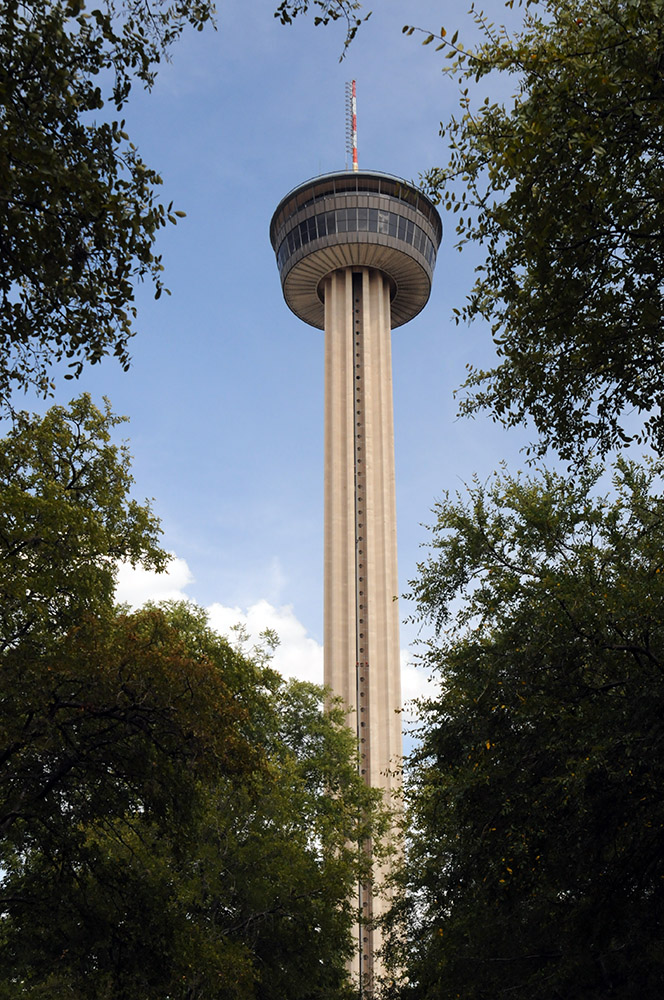
The Tower of the Americas is another major San Antonio landmark. The observation level rises high above downtown and provides panoramic views across the city. In addition to the views, the tower has a revolving restaurant and exhibits covering some of the history of Texas.
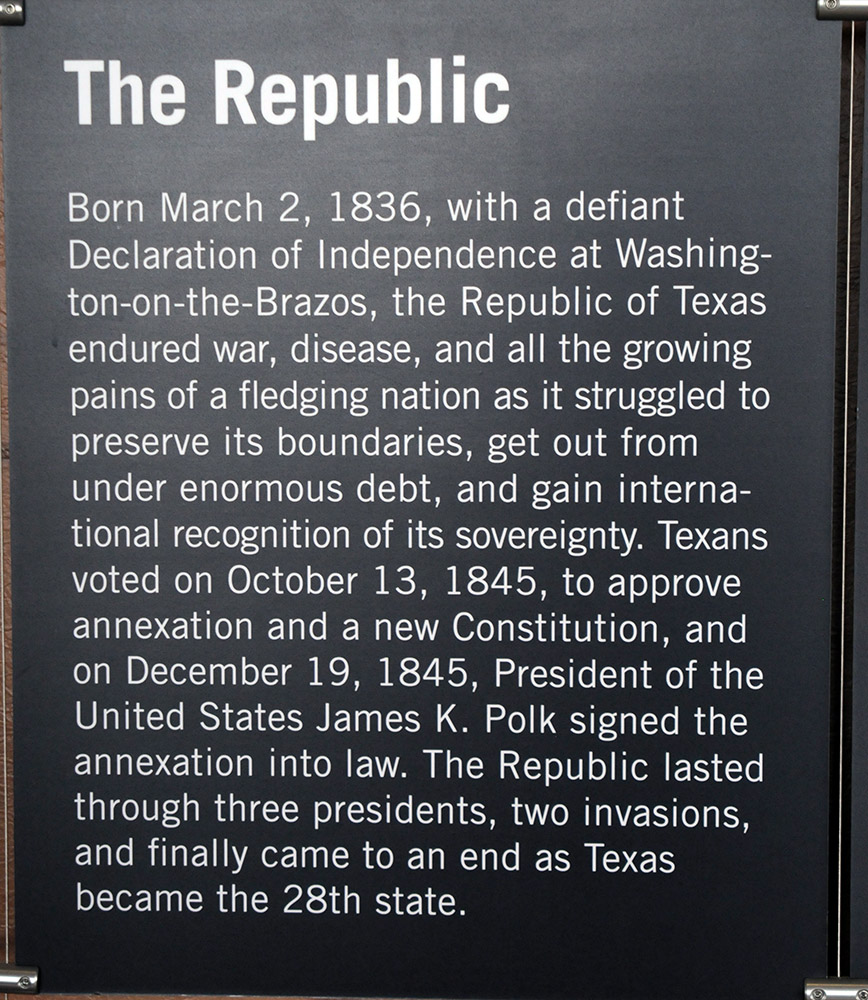
The historical exhibits cover Texas from the Spanish colonial period through independence, annexation by the United States, the Civil War, and more modern times. Texas existed as an independent republic for nine years before becoming part of the United States in 1845.

Market Square
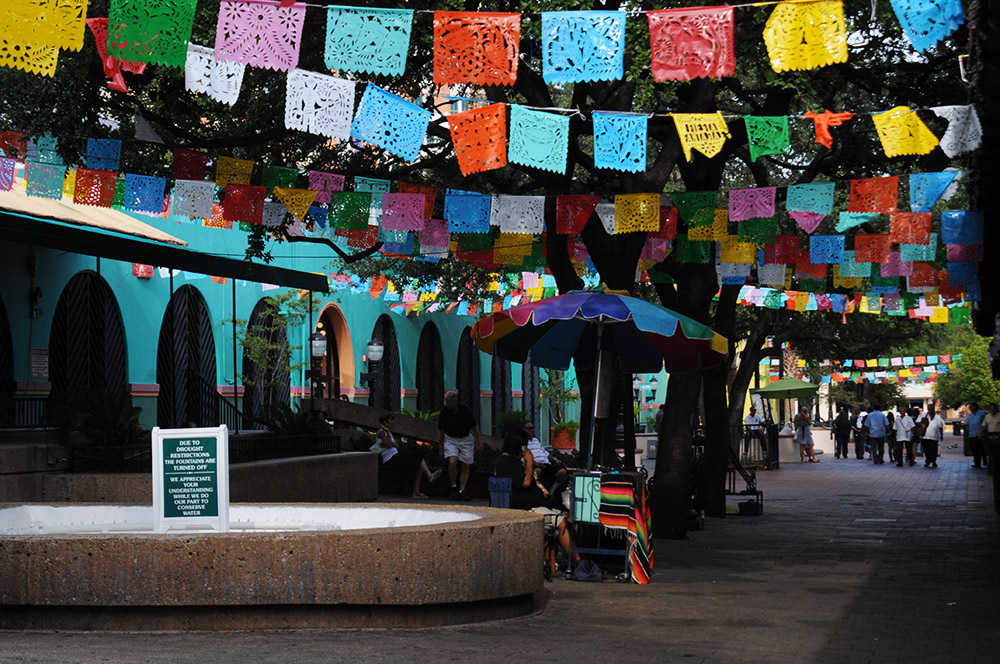
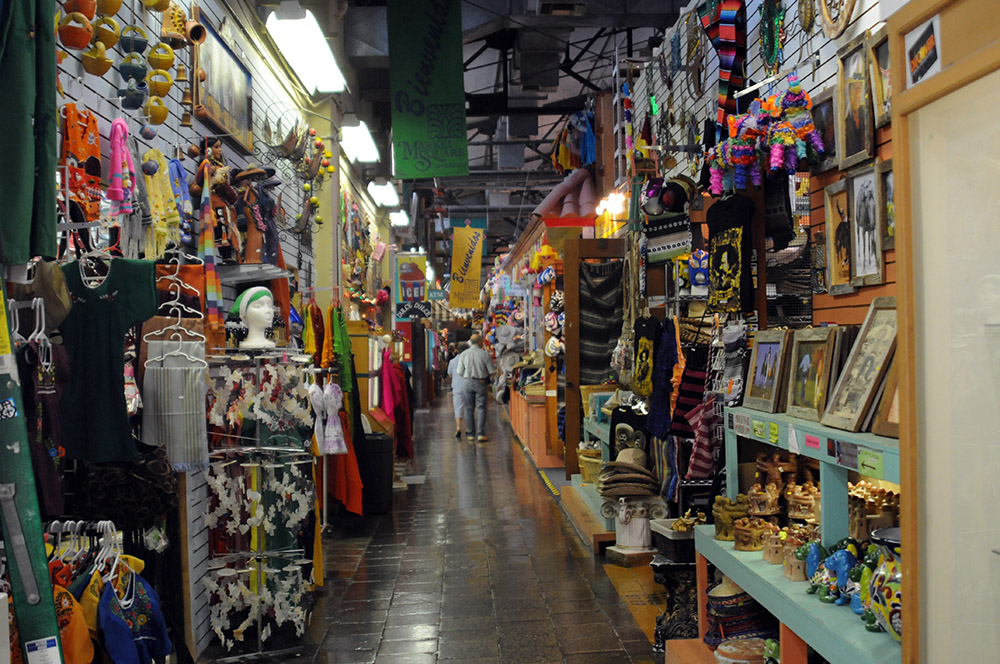
Next I headed to Market Square in the heart of the city. It’s one of San Antonio’s major tourist attractions and is known for its shops, restaurants, history, and festivals throughout the year. I’m not much of a shopper and almost never buy souvenirs, so personally I didn’t find too much to do here and only took a couple of photos. Still, it’s an extremely popular part of the city and worth walking through while exploring downtown.
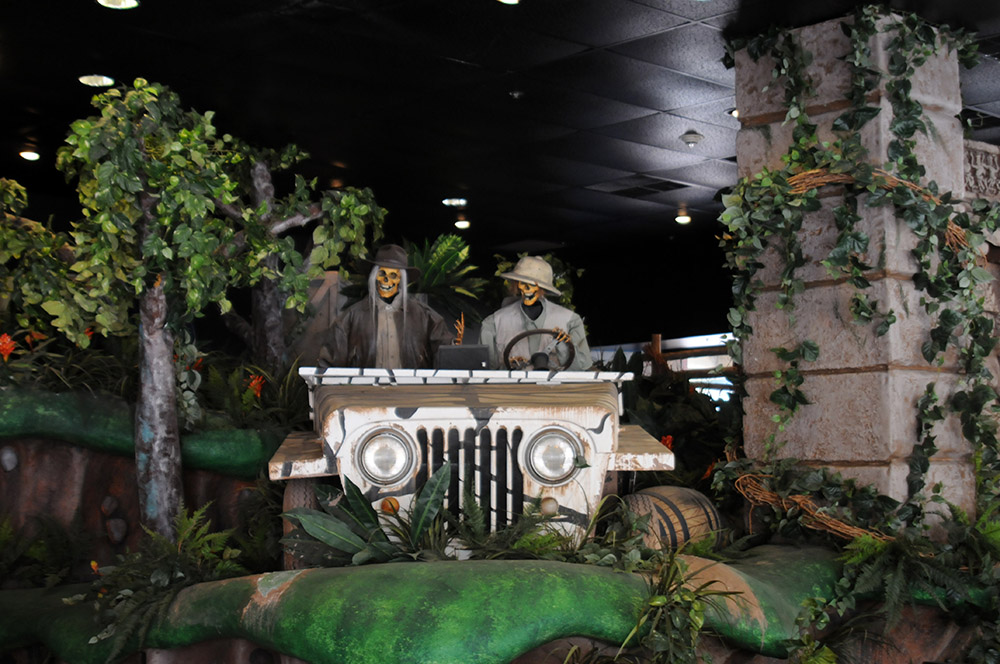
Another touristy area of downtown had small rides, theaters, and other attractions. Above is a Tomb Raider-themed attraction located right along the main street. There were several other amusement-style attractions nearby as well.
San Antonio River Walk
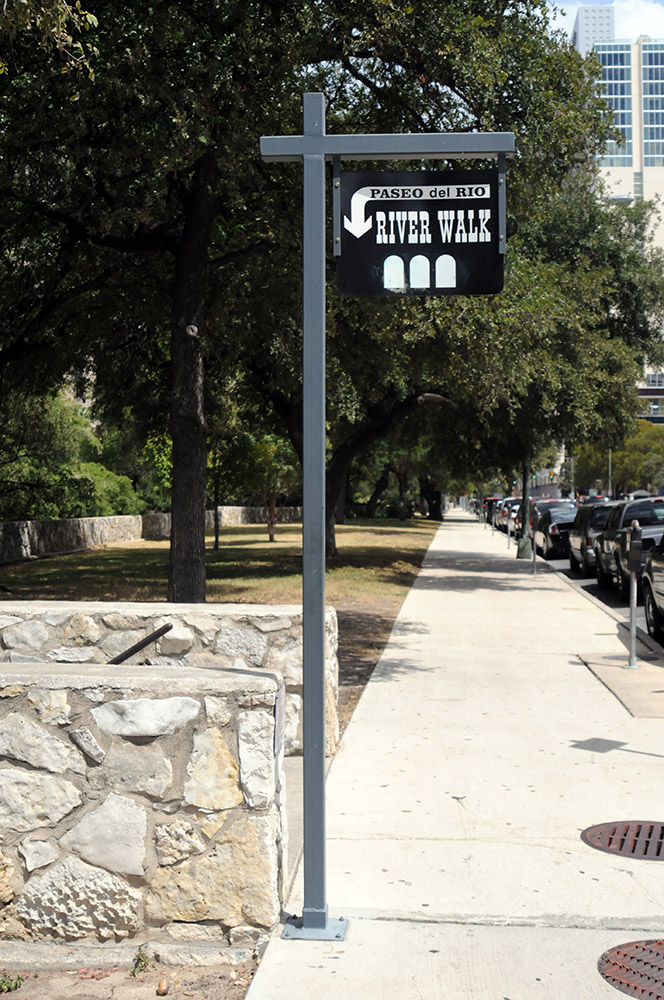
The biggest attraction in San Antonio is probably the River Walk, which runs below street level through downtown. You can walk around the streets above without realizing how much is hidden beneath you until you cross a bridge or come across one of the entrances leading down to the river. Above is one of the relatively simple signs pointing toward the River Walk.
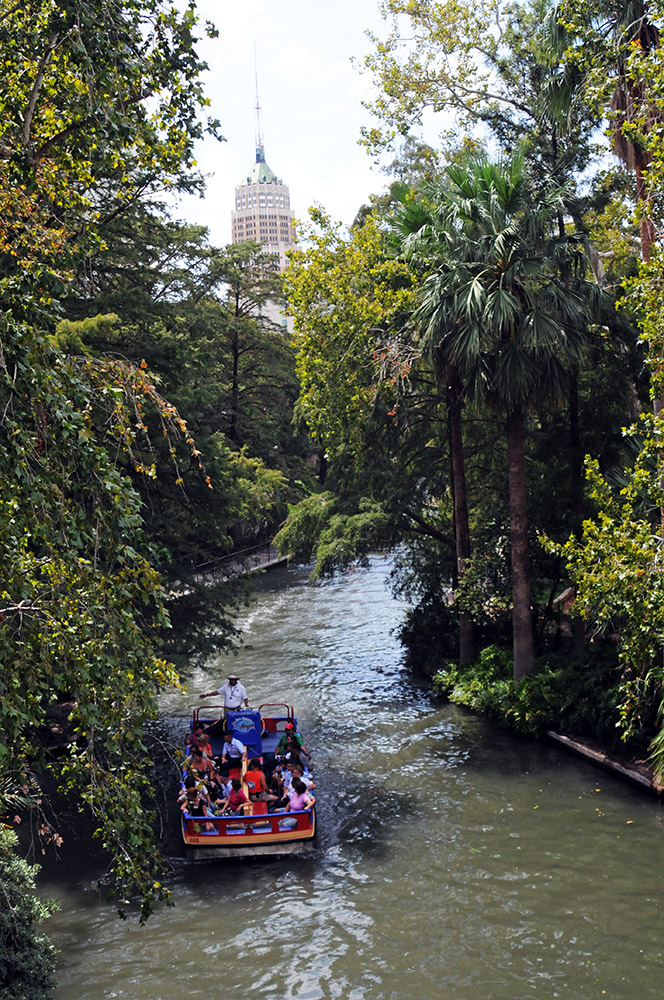
The River Walk stretches for miles and is lined with restaurants, bars, shops, hotels, and landscaped walkways. Boat tours are one of the most popular ways to explore the downtown section. You might expect the River Walk to be a relatively small attraction, but after walking around for several hours I felt like I’d still only seen part of it.
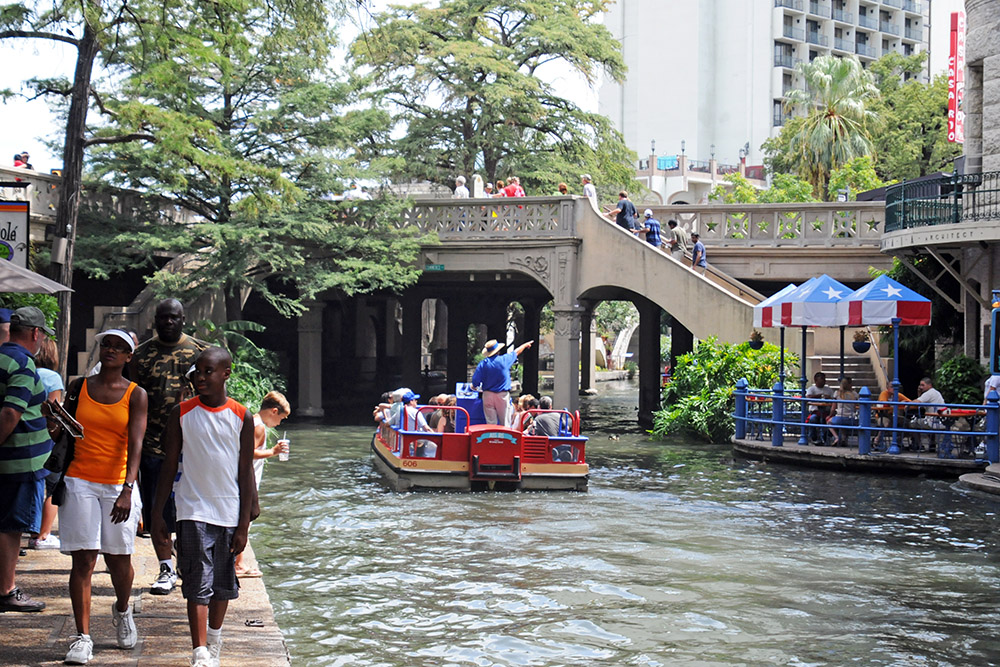
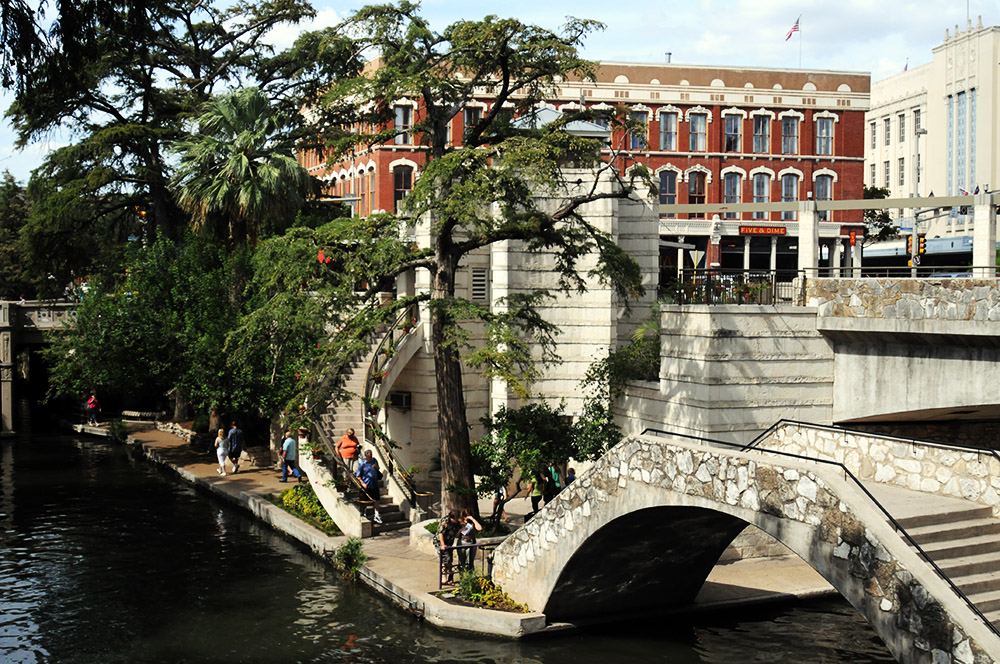
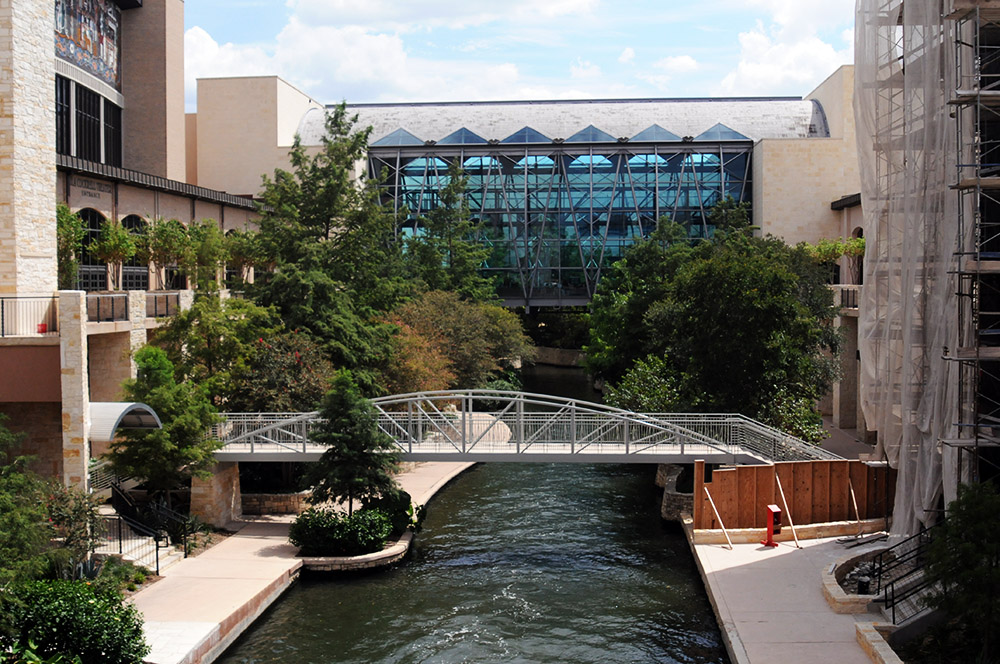
There are countless stairways and bridges connecting the River Walk with the streets above, and many of them are beautifully designed. Different sections pass restaurants, hotels, offices, gardens, and quieter stretches of the river. Sadly, I don’t think my photos really do the River Walk justice. It’s a unique place and becomes even more impressive at night when the walkways, bridges, trees, and restaurants are illuminated.
Spanish Colonial San Antonio
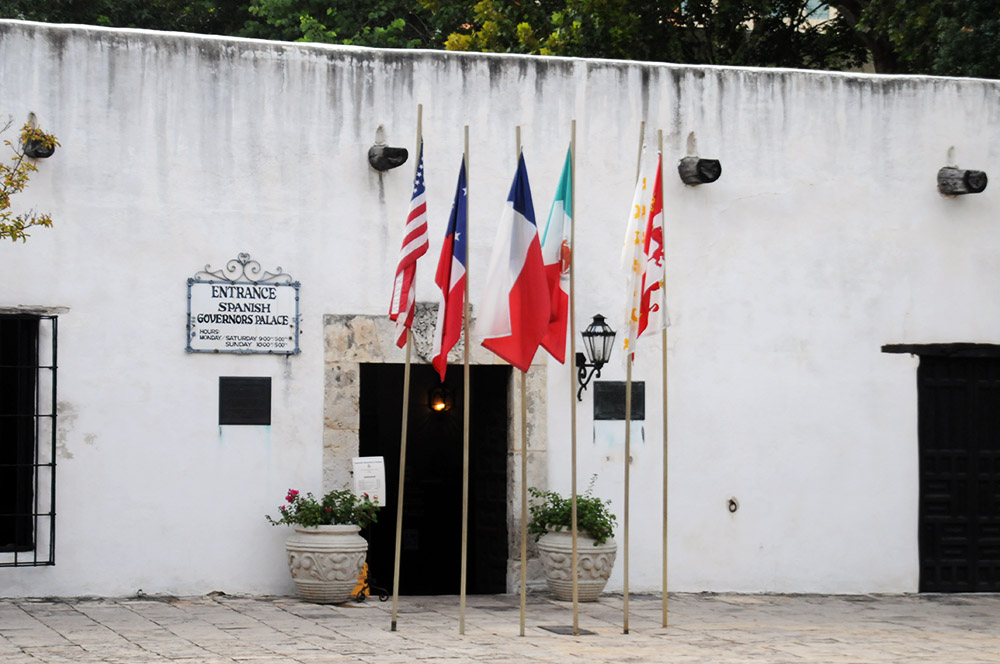
San Antonio has endless restaurants, bars, and nightlife, but I’ve always loved history, so some of my favorite places were the remnants of the city’s Spanish colonial past. One of these was the Spanish Governor’s Palace.
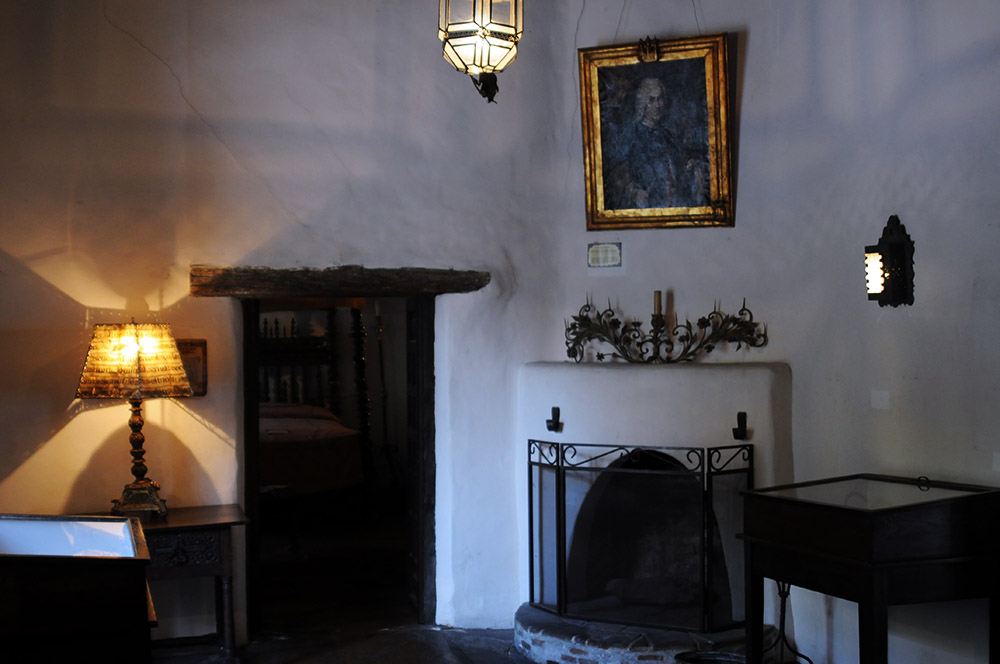
The Spanish Governor’s Palace dates to the early 1700s and is one of the best-preserved Spanish colonial buildings in San Antonio. Despite the name, it wasn’t actually a royal palace, but served as the residence and headquarters of the Spanish military commander stationed here. Today its rooms provide a glimpse into life during San Antonio’s colonial period.
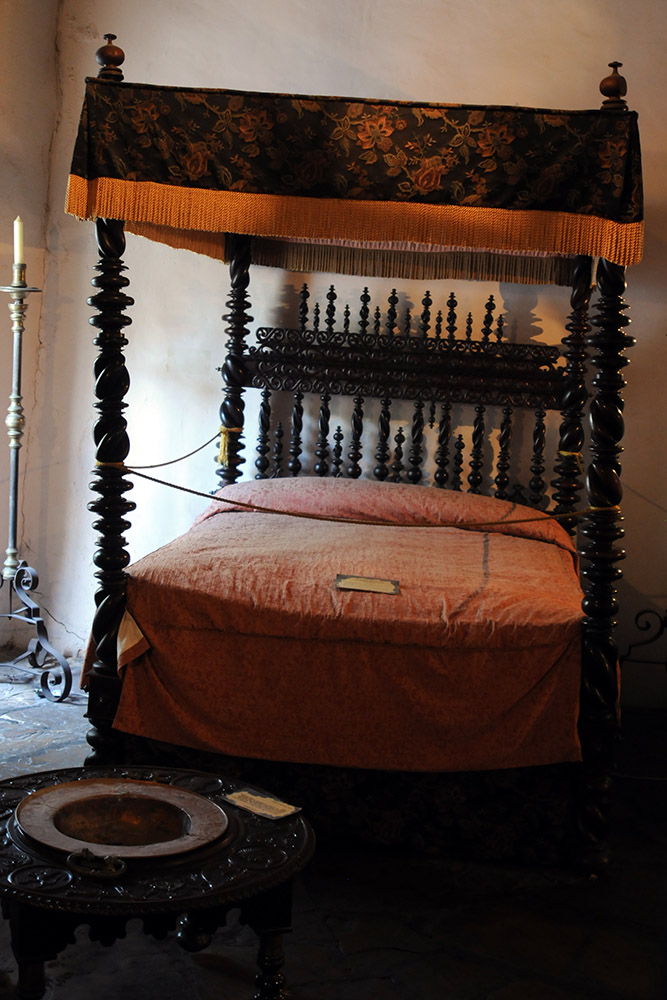
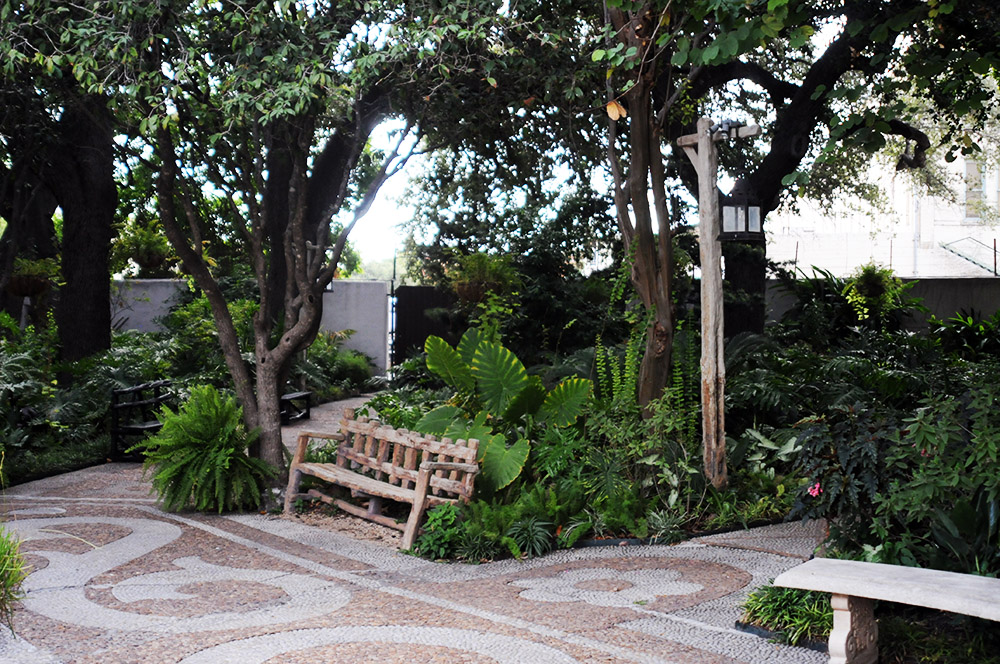
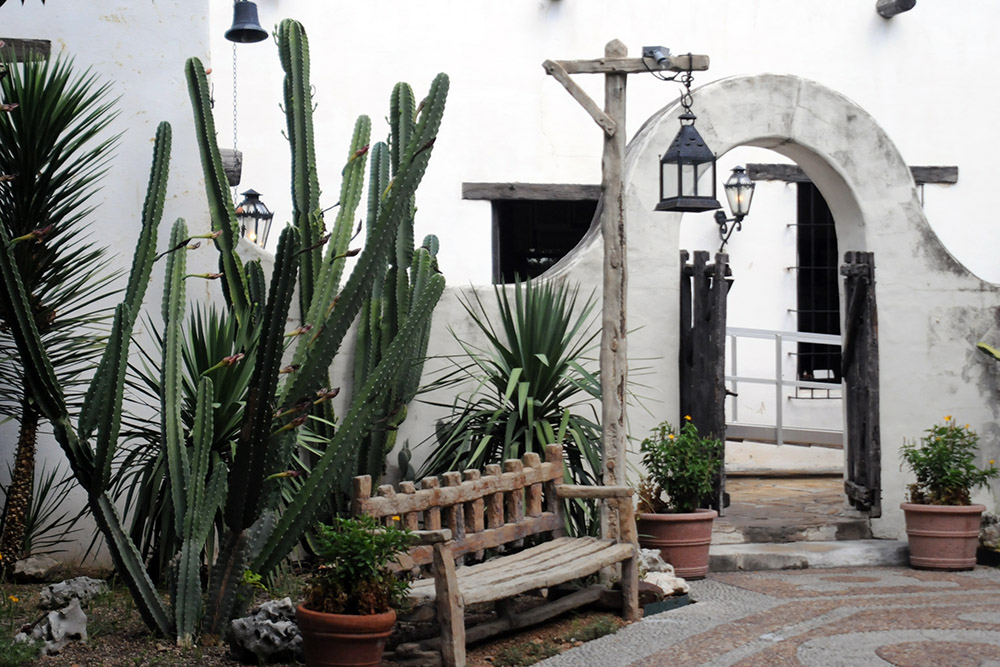
Some of the rooms and furniture are so old that they almost look haunted. The crooked bed above was probably the eeriest room in the small building. Behind the main structure is a beautiful enclosed garden. It’s obviously been maintained and restored over the years, but I imagine the courtyard provided a similarly relaxing escape centuries ago.
Mission Concepción
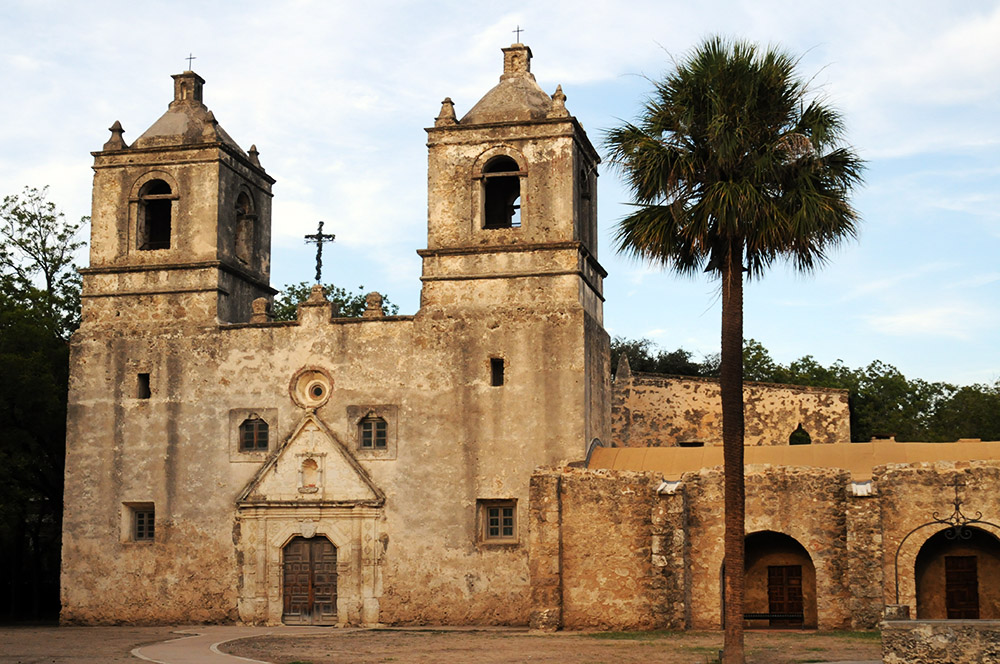
Since I’ve always been intrigued by the history of the Spanish Empire in the New World, I made it a point to visit some of the missions around San Antonio. Mission Concepción was one of the most impressive that I visited. The mission dates to the 1700s and remains one of the best-preserved Spanish colonial churches in the United States.
Mission San José
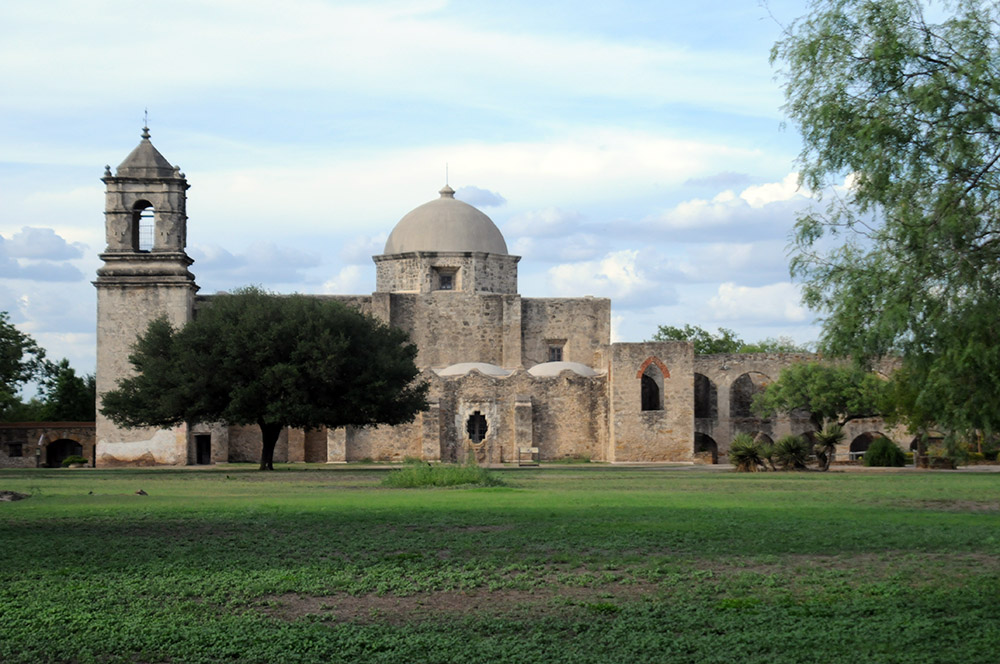
Another historic mission in San Antonio is Mission San José. Like the other Spanish missions in the region, it was established as part of Spain’s effort to expand its presence in Texas and convert Indigenous communities to Christianity.
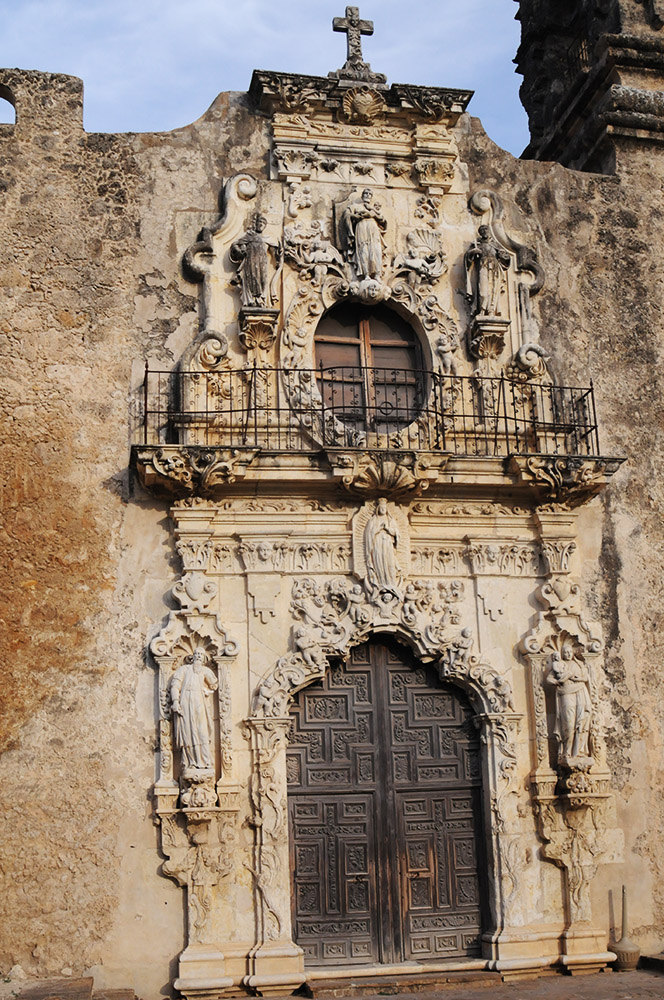
The photo above shows one of the entrances to Mission San José. Today the complex provides a look at how the mission community was organized, with historic rooms, exhibits, and surviving structures throughout the grounds.
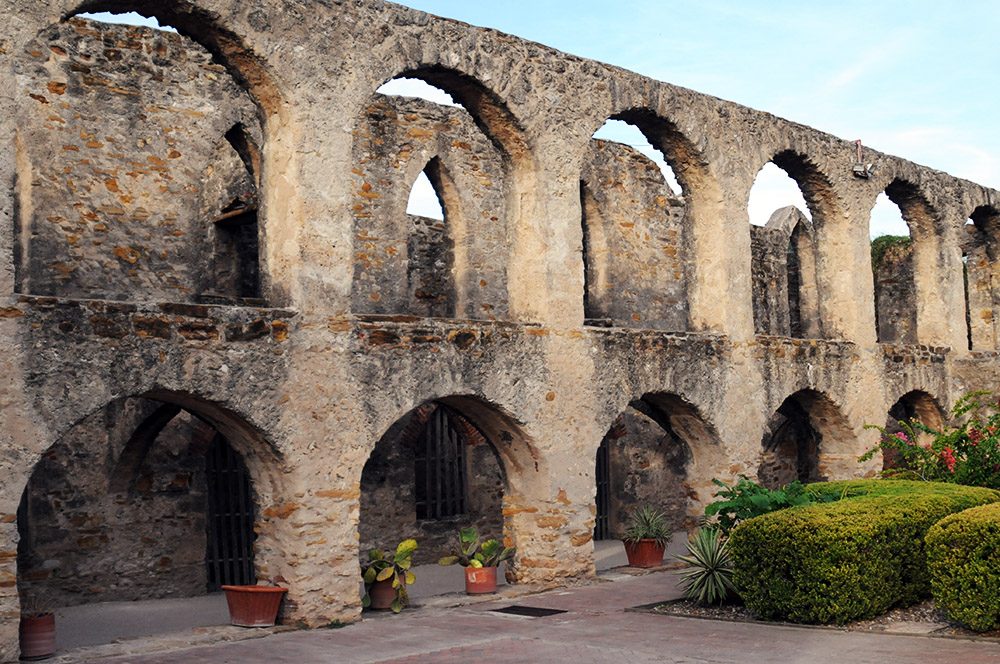
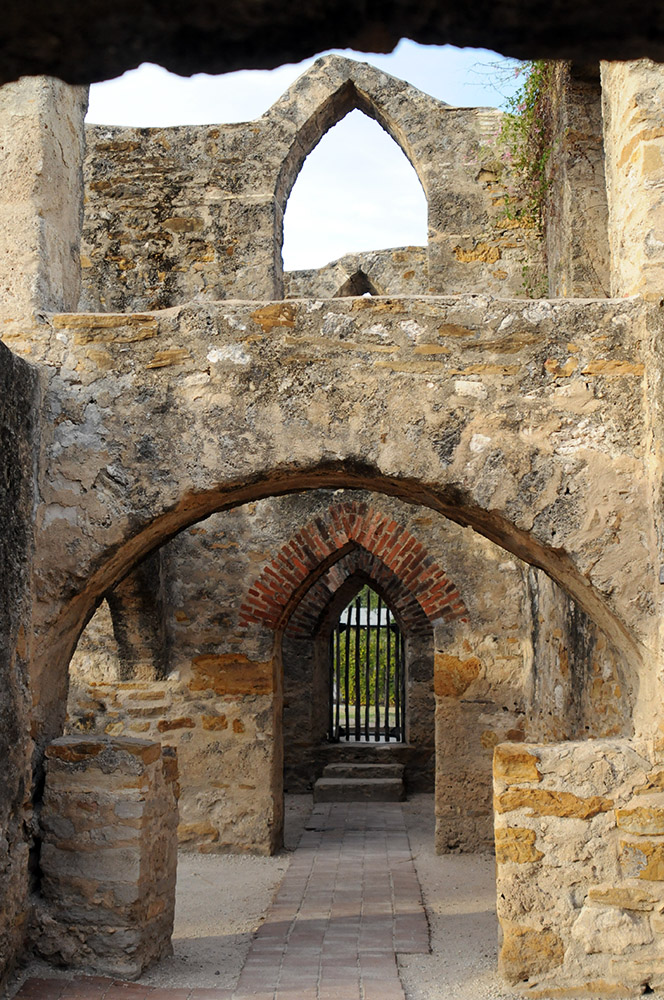
Mission San José was established in 1720 and grew into one of the largest Spanish missions in Texas. The complex once supported a substantial community protected within its walls. Along with the other San Antonio missions, it became part of a UNESCO World Heritage Site in 2015. Although many of the original structures have disappeared or been reconstructed over the centuries, the surviving church, walls, arches, and rooms are still impressive.
Explore More of Texas
Guadaloupe Peak • Austin • Big Bend • Dallas • El Paso • Fort Worth • Houston • San Antonio