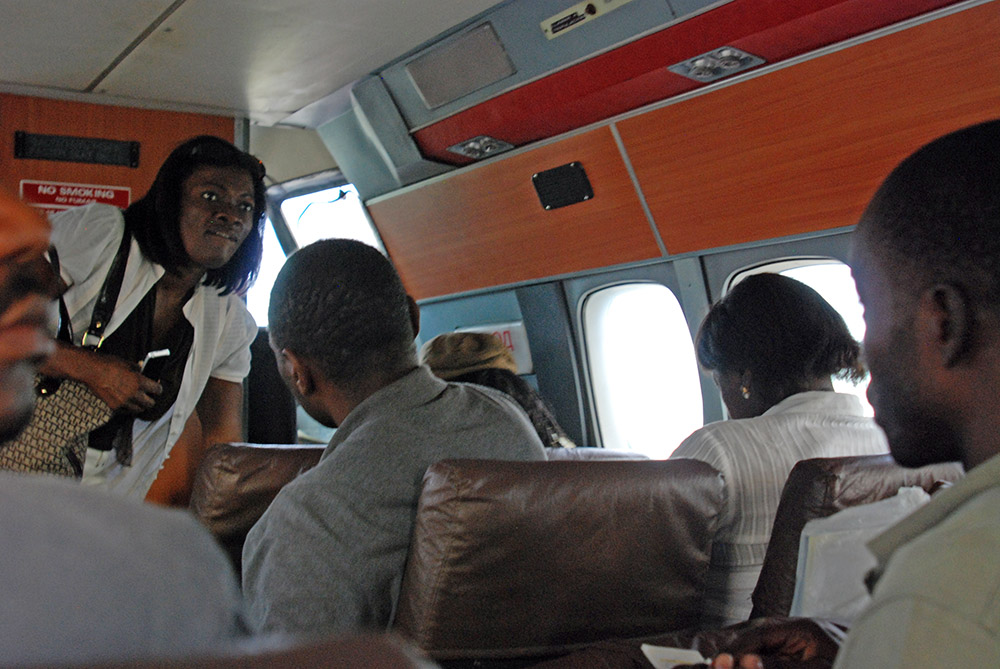
The short flight to northern Haiti also gave me another perspective on the journey into Cap-Haïtien, including the small aircraft that carried me across the country.
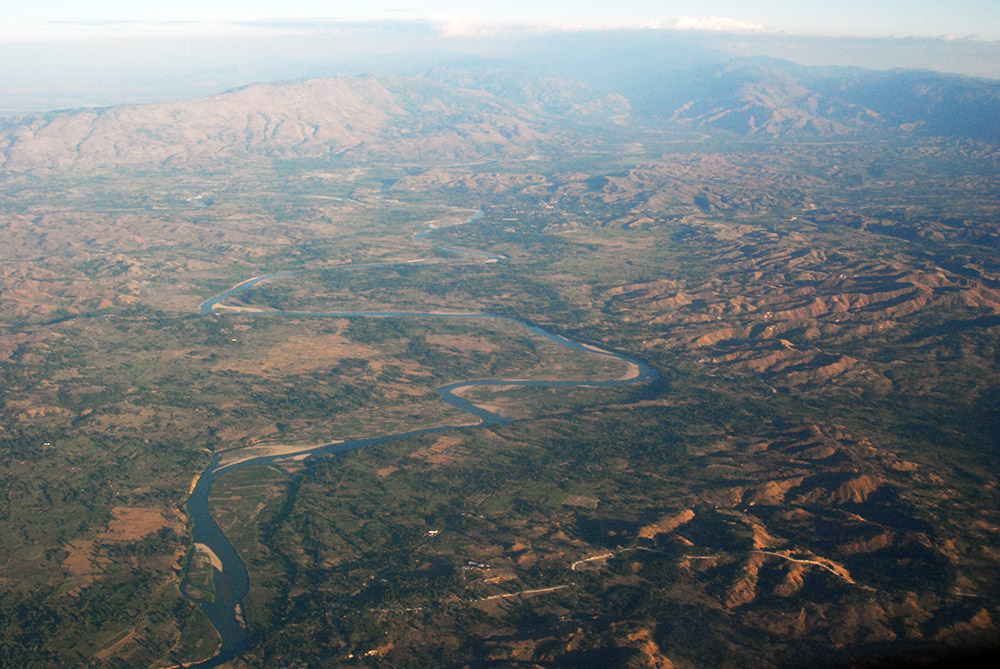
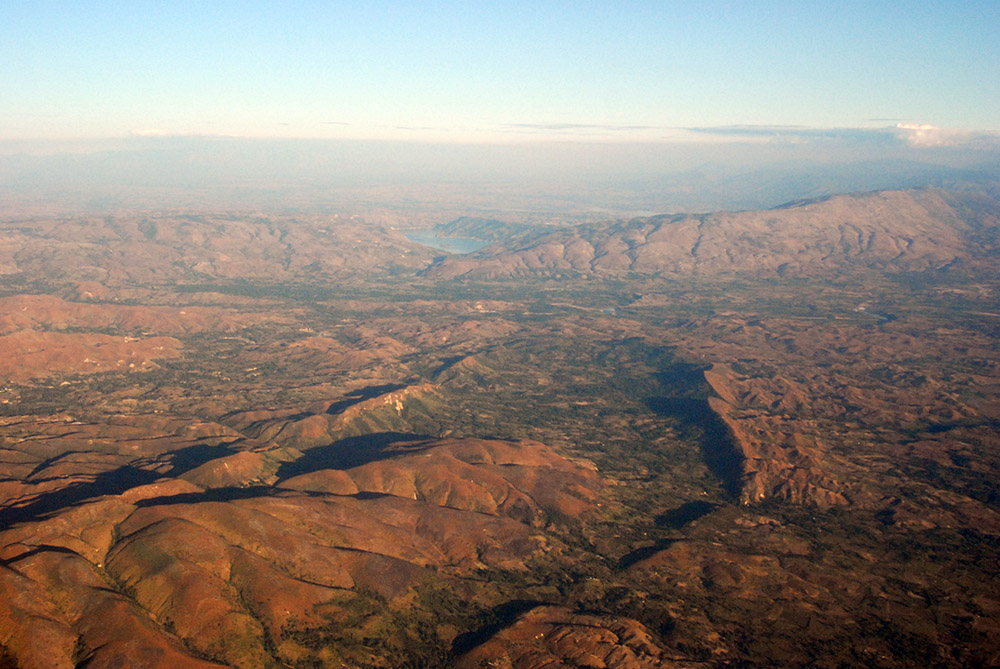
Although Haiti is a relatively small country, traveling by road from one city to another can take a surprisingly long time because of the mountainous terrain and winding roads. When I wanted to visit Cap-Haïtien, I decided to take a short flight from Port-au-Prince rather than spend most of the day traveling overland. The flight also gave me a chance to see Haiti’s mountains from above.
Haiti has experienced extensive deforestation over the centuries, and from the air I could see large areas where the mountains had relatively little tree cover. For years, a widely repeated claim suggested that only about two percent of Haiti remained forested, but later research showed the situation was much more complicated and that considerably more tree cover remained than that statistic suggested.
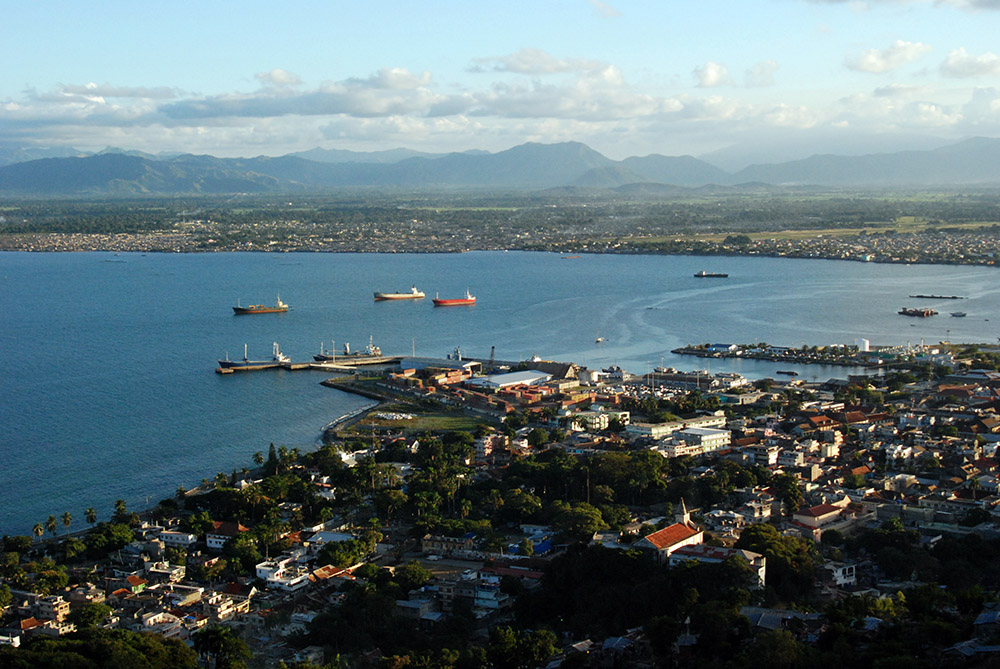
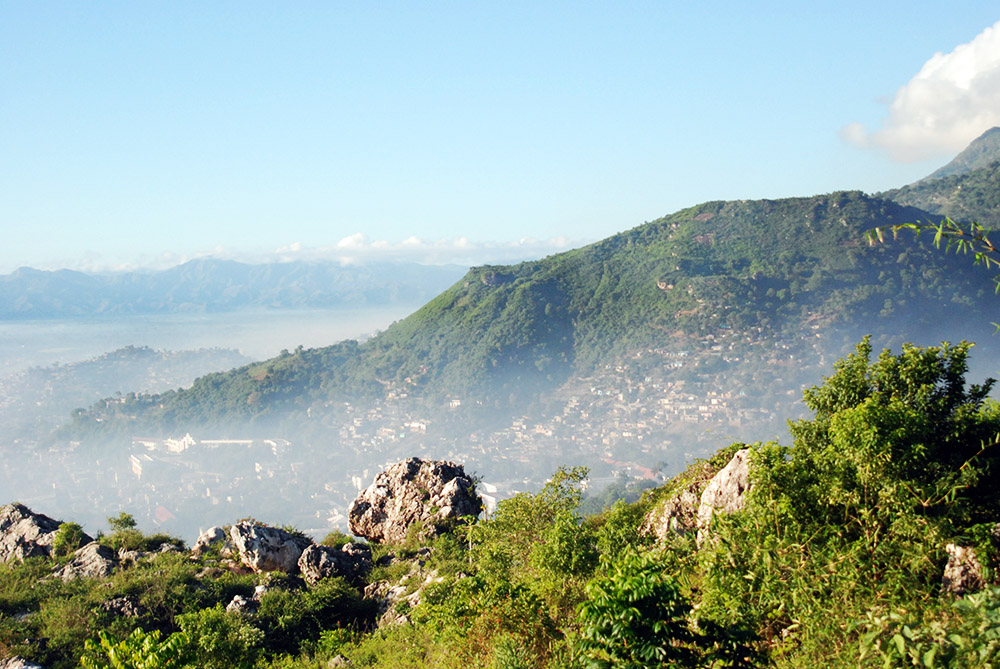
My favorite city in Haiti was Cap-Haïtien, located along the country’s northern coast. Surrounded by mountains and the Caribbean Sea, it was also one of the most scenic places I visited during my trip. Somehow my visit turned into as much of an outdoor adventure as a city tour. I found some trails in the nearby mountains and decided to explore them on my own.
During one hike through thick vegetation, I nearly walked straight into an older man carrying a machete. He seemed almost as surprised to see me as I was to see him, but he gave me a friendly smile and continued on his way. Eventually the trail rewarded me with the view above overlooking Cap-Haïtien.
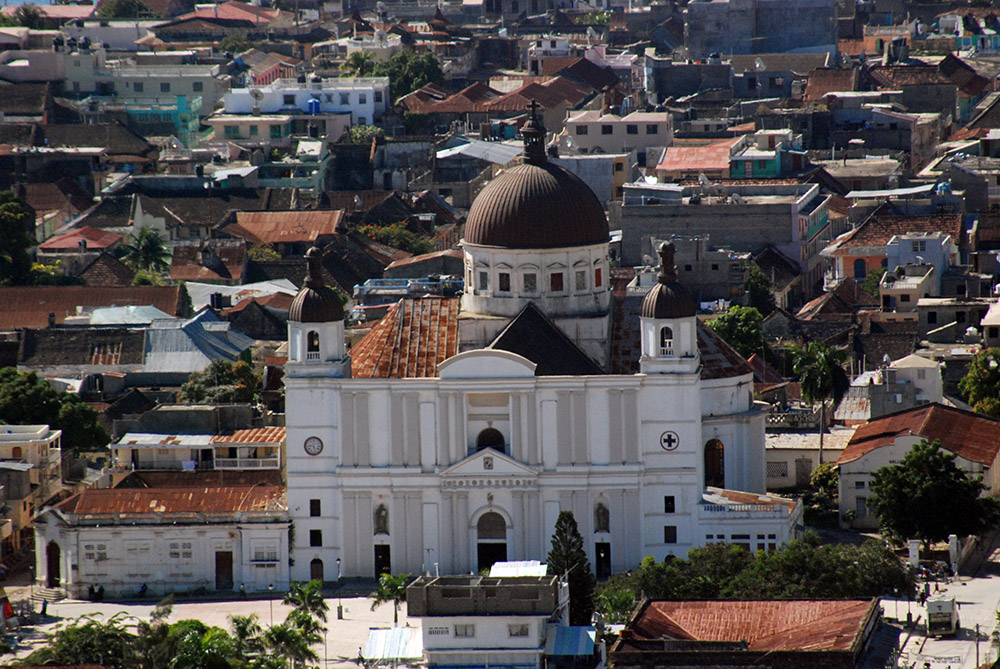
One mistake I made during my visit was not going inside the Cathedral of Notre-Dame de l’Assomption in the center of Cap-Haïtien. The cathedral stands on a historically important square in a city closely connected with the Haitian Revolution. Cap-Haïtien was known as Cap-Français during the colonial era, when it was one of the most important cities in the French colony of Saint-Domingue. The area around the cathedral witnessed some of the most important events in Haiti’s struggle against slavery and colonial rule.
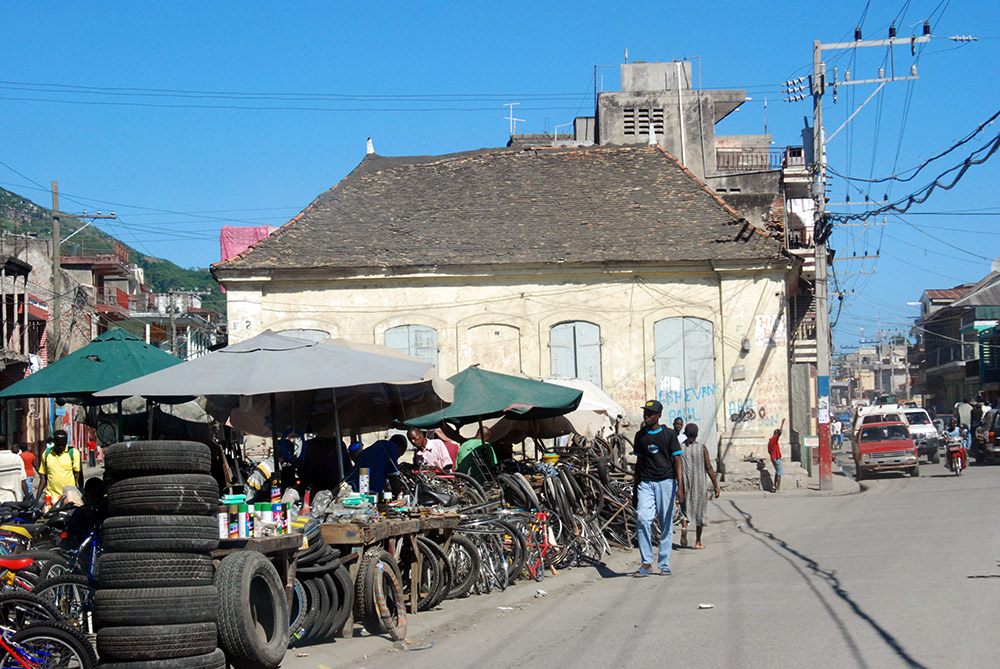
Walking through other parts of Cap-Haïtien, I found busy streets filled with tap-taps, pedestrians, motorcycles, markets, and small businesses. One place that caught my attention was this bike shop. Scenes like this were some of my favorite things to photograph because they captured ordinary life in the city rather than just its major attractions.
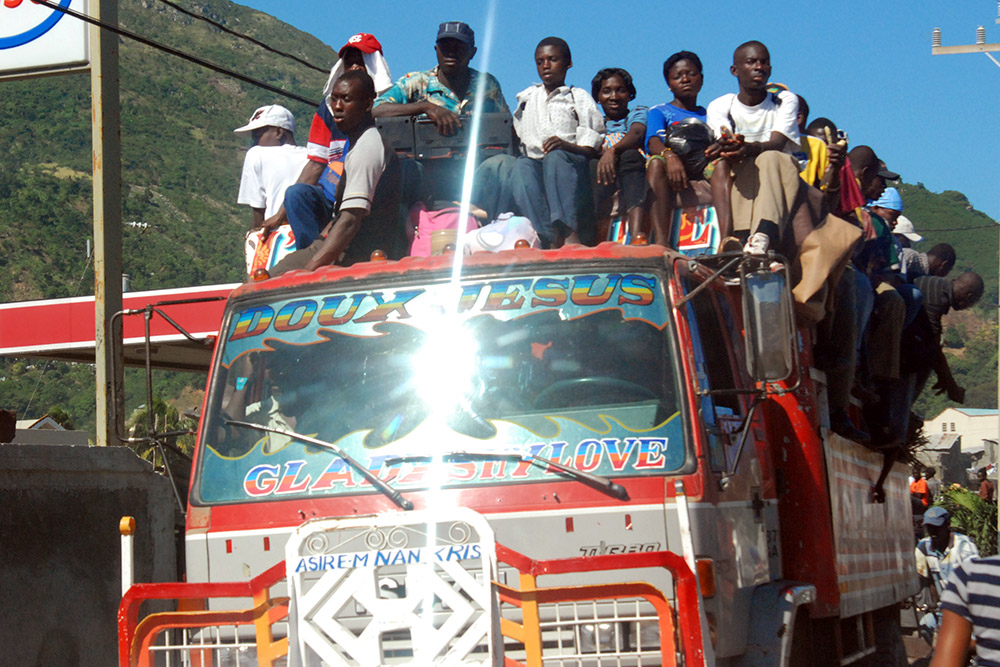
Tap-taps were a constant part of street life in Cap-Haïtien as well, sharing the crowded roads with motorcycles, pedestrians, and other local traffic.
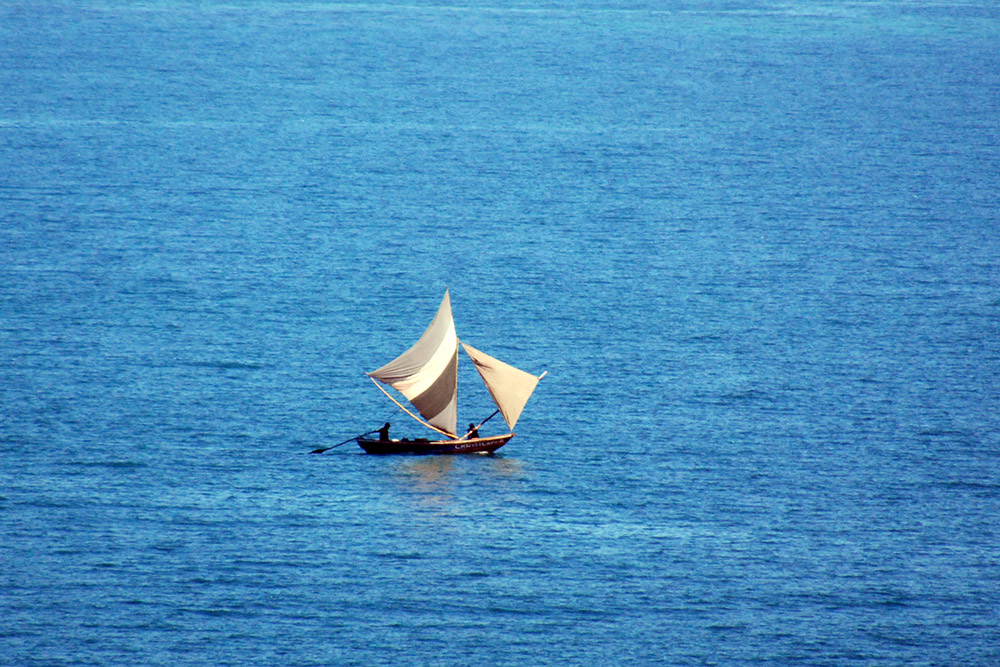
Cap-Haïtien also has an important seaport. Along with larger commercial vessels, I saw numerous small wooden sailing and fishing boats in the surrounding waters. There were probably about a dozen little sailing vessels similar to the one above in the bay when I visited.
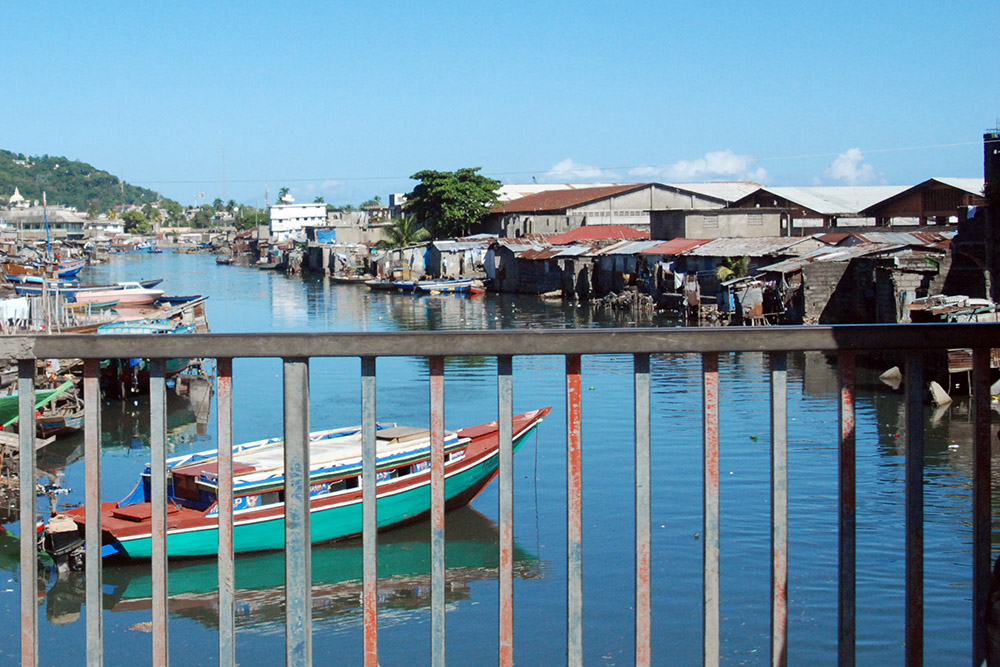
Waterways also run through parts of Cap-Haïtien and are used by smaller boats. This bridge was constantly packed with pedestrians and traffic, but the combination of the water, boats, mountains, and city made this one of my favorite parts of Cap-Haïtien.
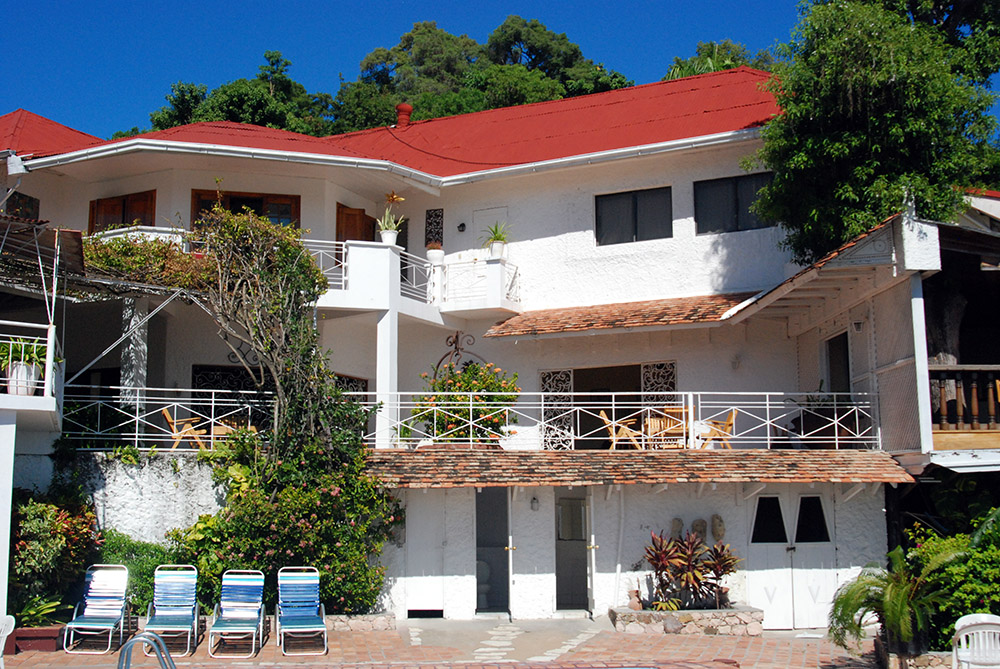
While I stayed in Cap-Haïtien, I spent my nights at this beautiful hotel. I appeared to be the only guest at the time, and supplies were sometimes limited. More than half of the things I tried to order from the menu weren’t available, although it still wasn’t quite as memorable as my restaurant experience in Pétion-Ville. At one point we also stopped at several gas stations only to discover they had sold out during a local fuel shortage.
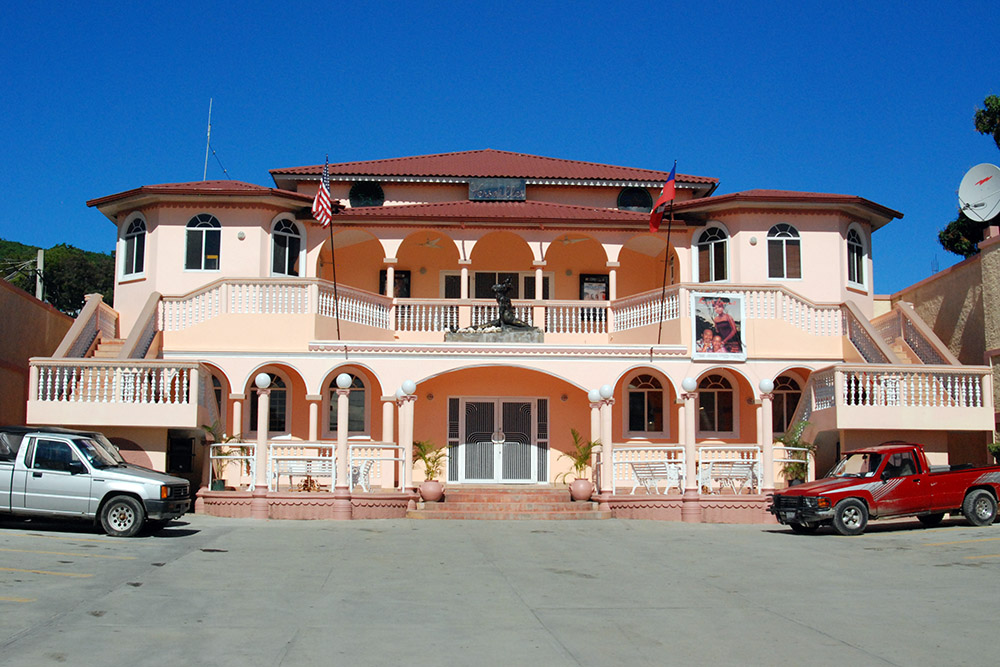
I came across this beautiful gated building in downtown Cap-Haïtien and was told by a local that it was a theater. I wasn’t entirely convinced, especially since both Haitian and American flags were flying outside, but I never did figure out exactly what the building was being used for.
After taking the photo, I stepped back and suddenly found myself surrounded by five or six men. One of them came within inches of my face while a woman passing nearby called out, “Photo! Photo!” I assumed she was trying to explain that I was simply taking a picture. The men stared at me for a moment and then backed away, and nothing happened. Whether there was ever any real danger or it was simply a misunderstanding, I’ll never know.
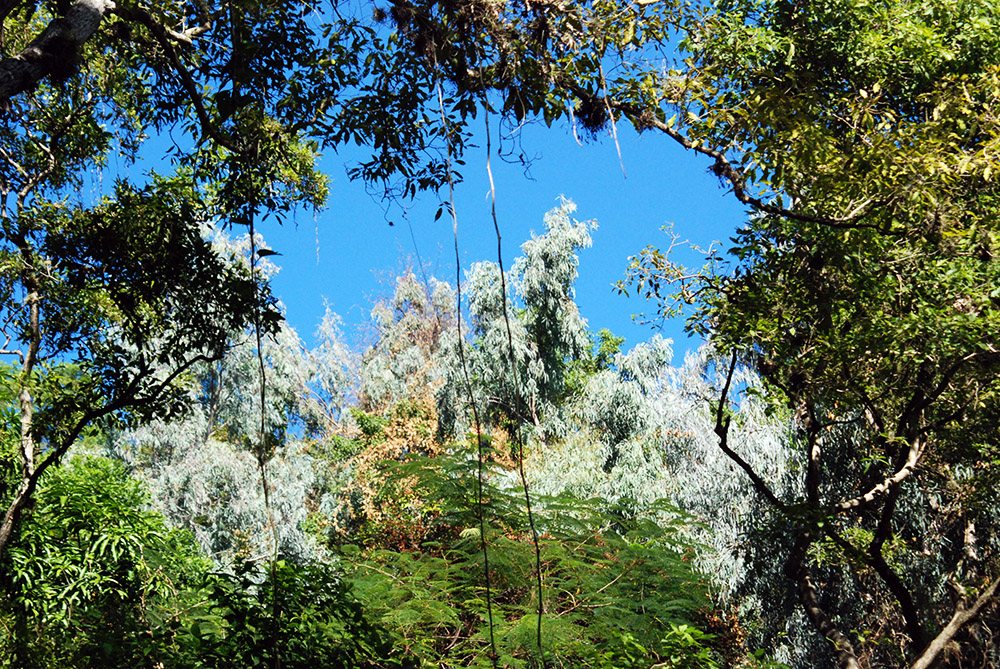
My remaining photos from northern Haiti focus more on the country’s natural scenery and wildlife. I spent a surprising amount of time hiking along small mountain trails near my hotel. Considering how close I was to Cap-Haïtien, some of the scenery felt remarkably remote.
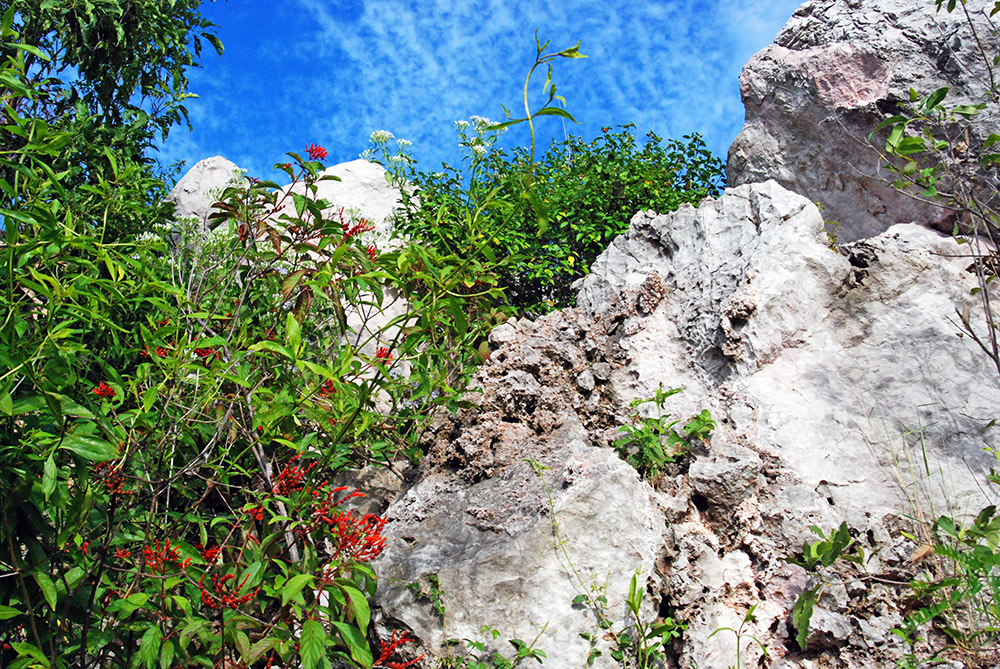
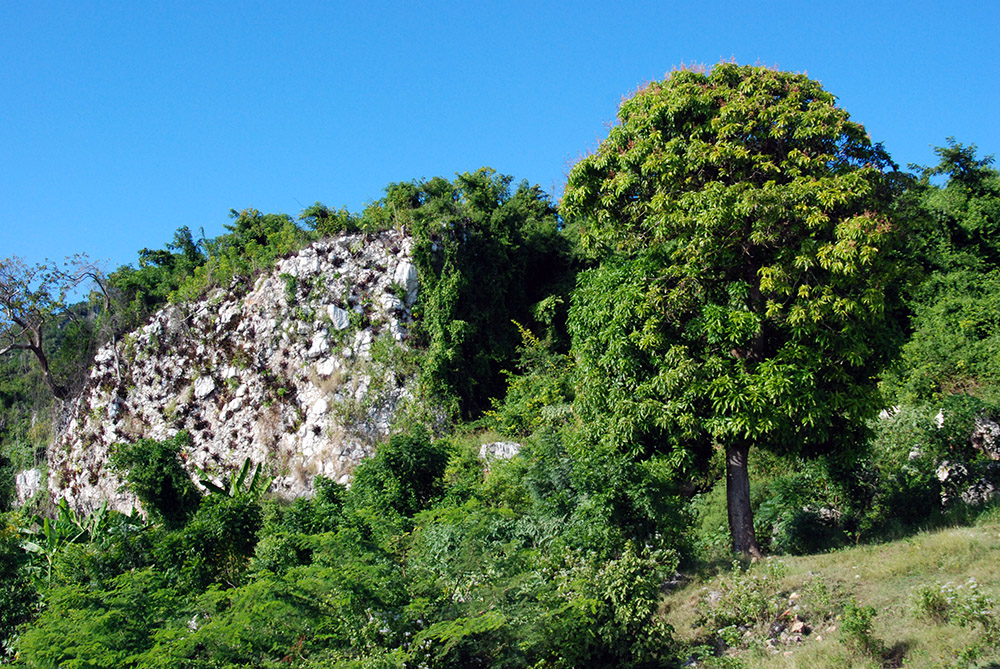
Higher along the trails, openings in the vegetation occasionally revealed broader views across the green hills surrounding Cap-Haïtien.
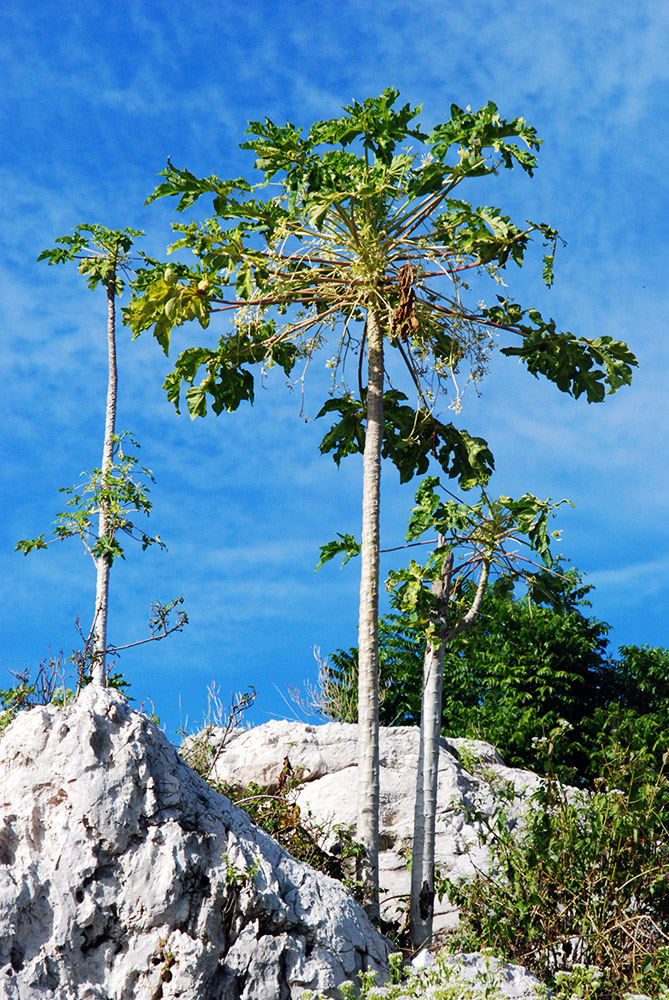
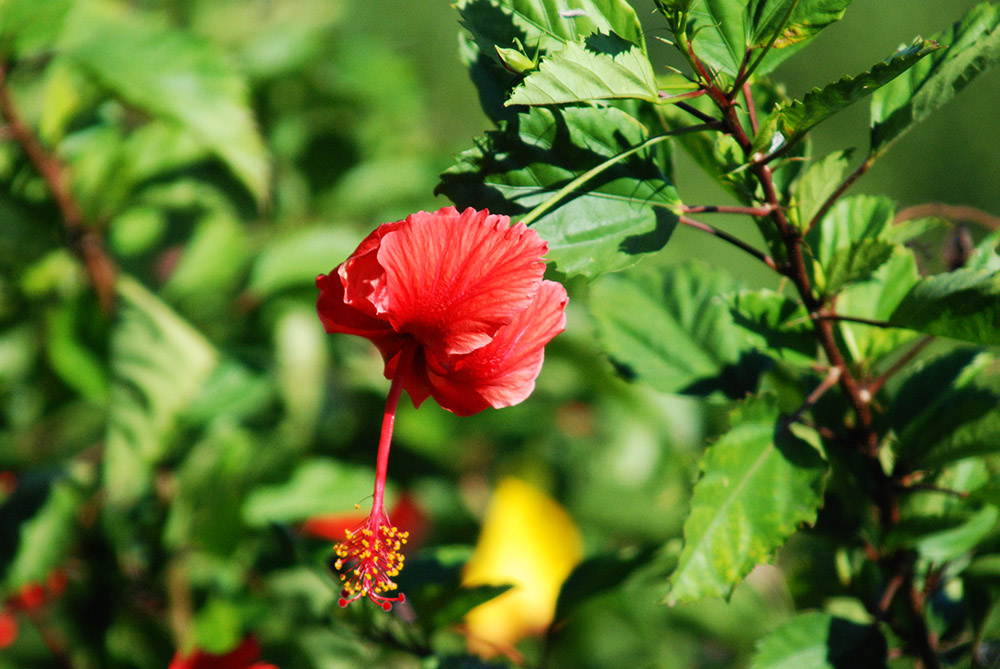
From the airplane I had seen plenty of mountains with sparse tree cover, but the landscape around Cap-Haïtien was noticeably greener in places. Along the trails I found areas with thicker vegetation, medium-sized trees, and colorful tropical plants and flowers.
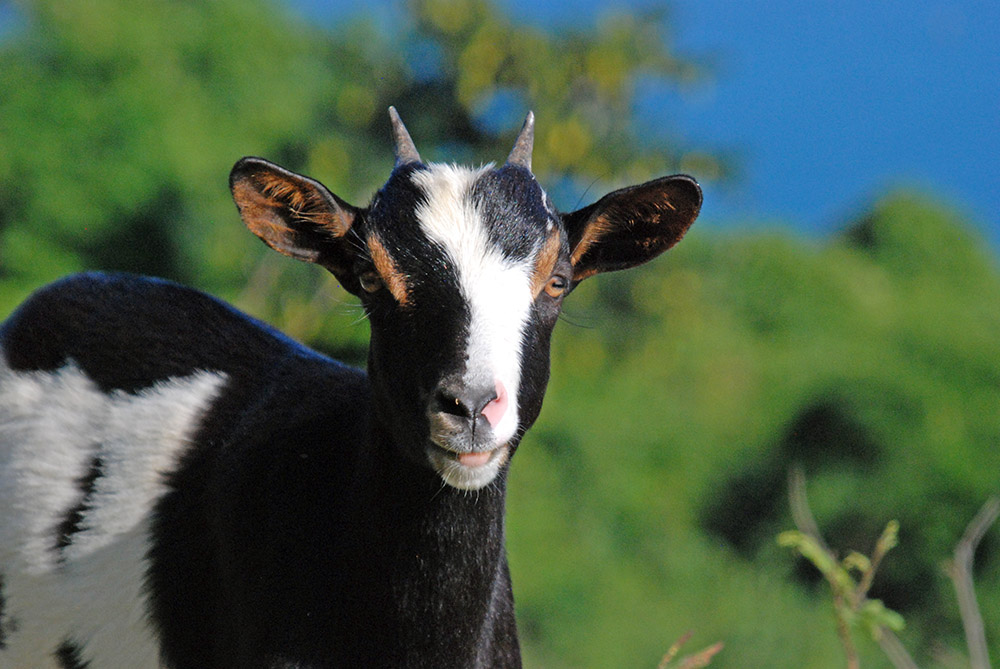
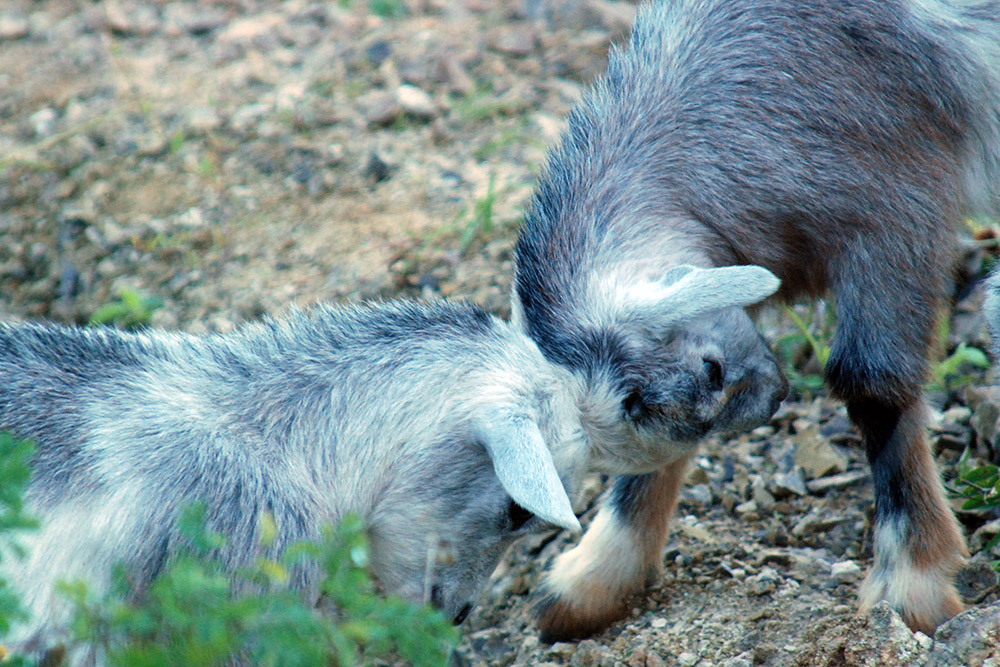
While hiking I came across about a dozen goats wandering along the trail. For a moment I wondered whether they were feral because they seemed completely indifferent to my presence, even when I got relatively close. Then I noticed that one had a broken tether dragging behind it, so they obviously belonged to someone nearby.
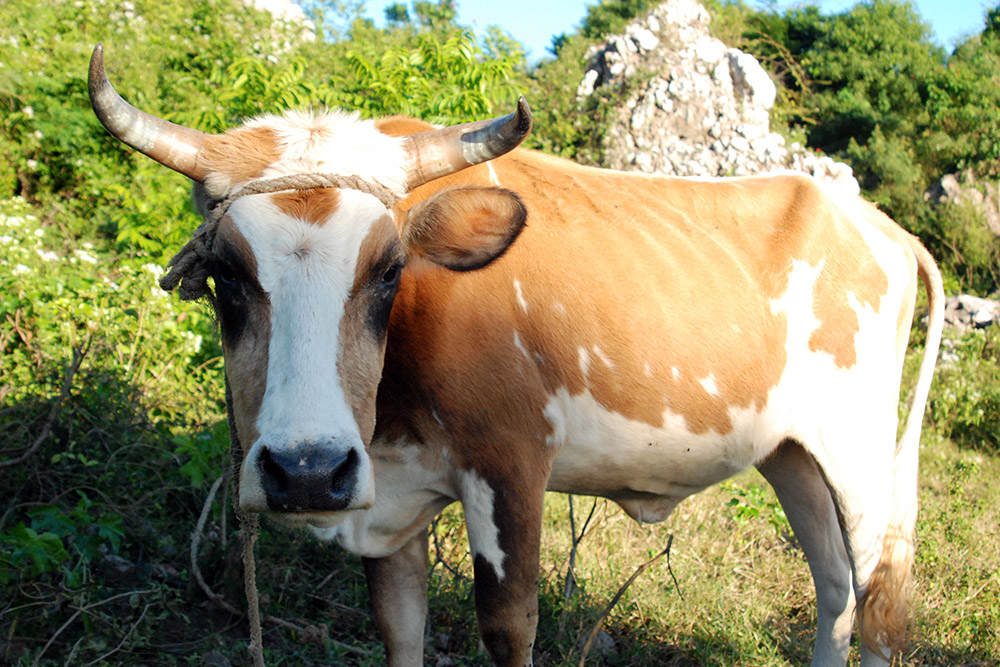
The trail went through some surprisingly steep and densely vegetated terrain. Goats seemed perfectly suited for it, but finding a bull up there was another story. Considering the trail I had taken to reach this spot, it almost seemed like dropping him off by helicopter would have been easier than leading him through the mountains.
Because the vegetation was so thick, I didn’t even see the bull until I nearly walked straight into him. Fortunately he was incredibly calm. He walked toward me and lowered his head, apparently more curious than bothered by my arrival. He honestly just seemed bored and happy to have some brief company.
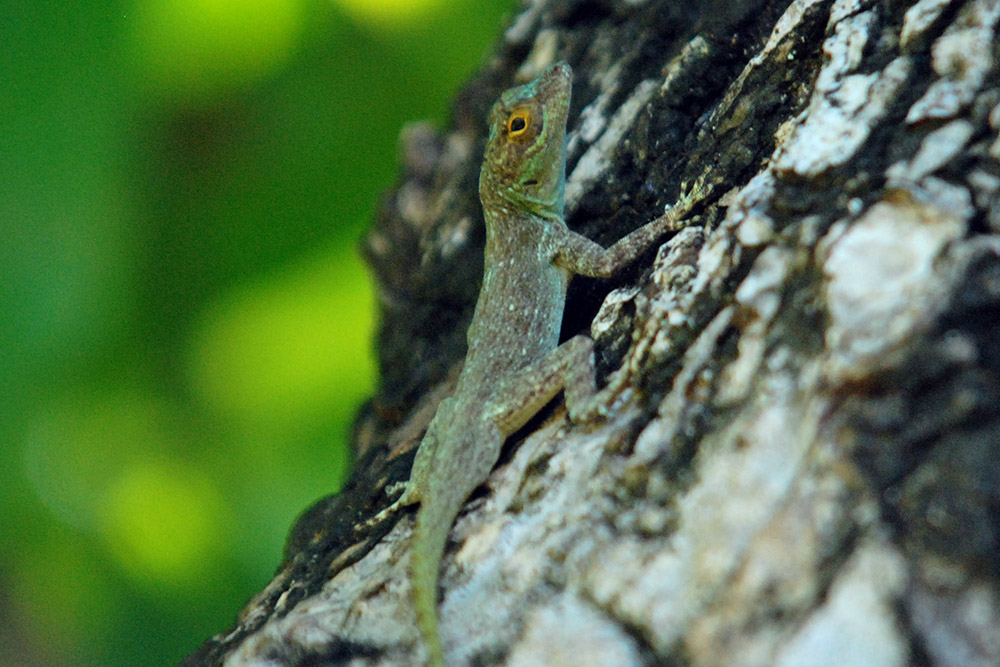
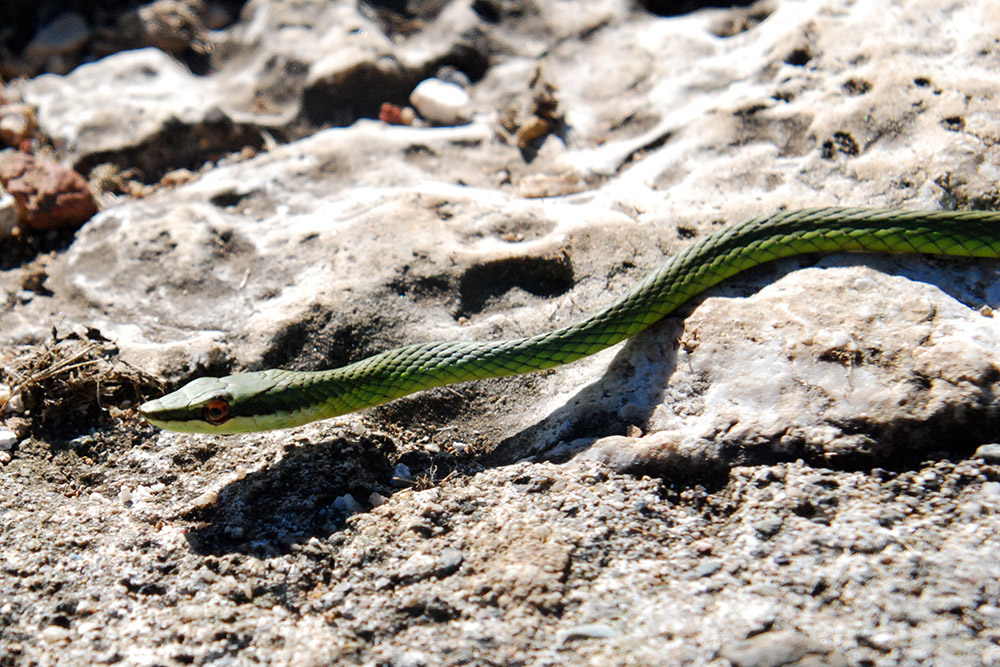
I also came across several reptiles during my hikes, including the lizard above and the snake below. I’m not sure which species either one was. A local told me the snake was called a “horse’s snake” and warned me that it was venomous. After returning home I tried searching for a species by that name but couldn’t find anything matching the description. Whatever its identity, I decided it was better to photograph it from a respectful distance rather than investigate too closely.
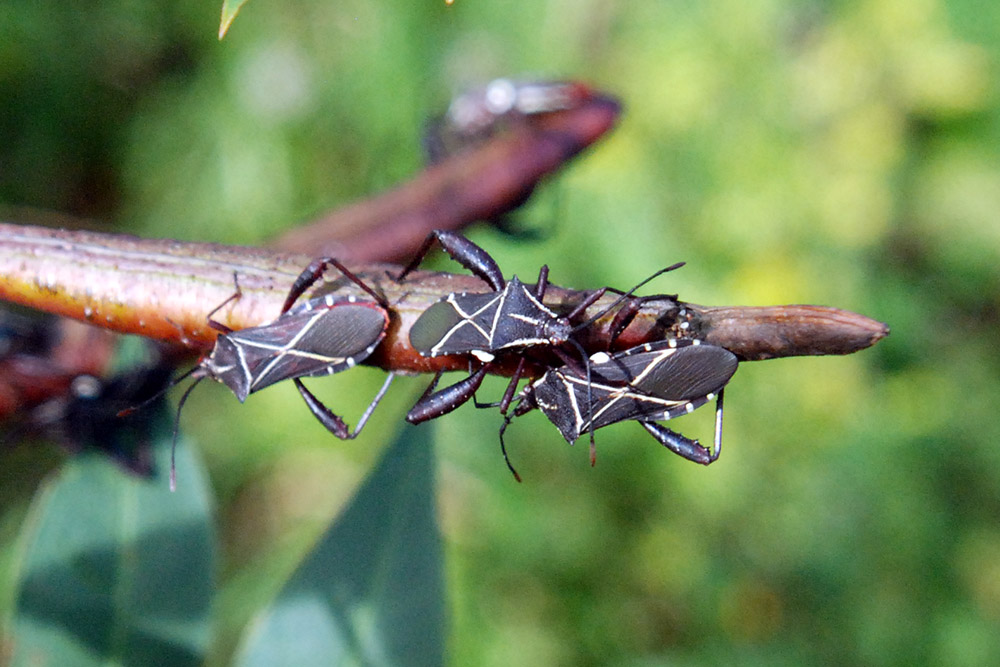
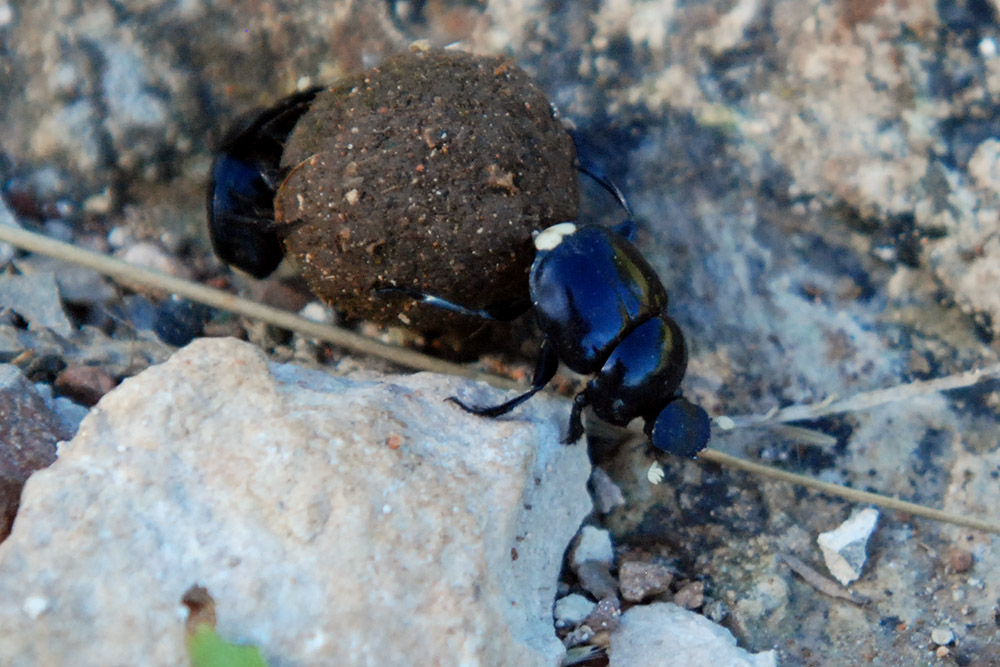
Lastly, I found these insects along the hiking trails. Stink bugs weren’t particularly exotic to me since I have them back home in Virginia, although one managed to spray me when I got too close. The dung beetles below were much more interesting because I had never seen them before.
If I return to Haiti, I’d like to spend more time exploring the country’s remaining forests, wetlands, and protected natural areas. Haiti wasn’t a destination I originally associated with wildlife or hiking, but some of my favorite memories from the entire trip ended up coming from the mountains and trails outside Cap-Haïtien.
Explore More of Haiti
Port Au Prince • Cap Haitien • Jacmel • the Citadelle