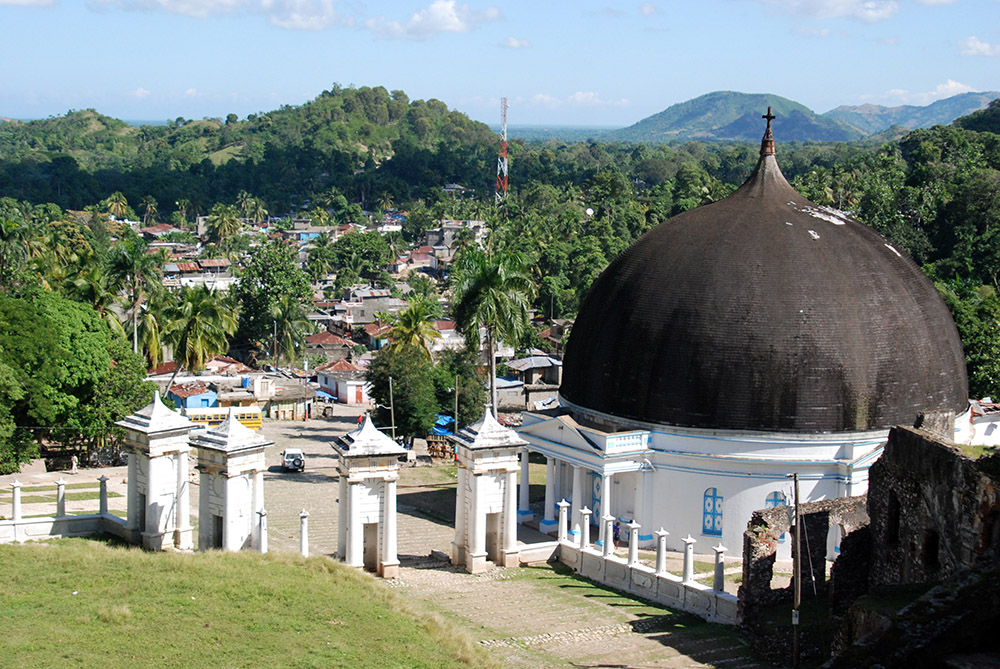
About an hour south of Cap-Haïtien is one of Haiti’s most interesting and historically important areas. Today, Milot is a relatively small town surrounded by the mountains of northern Haiti, but two centuries ago it stood at the center of a newly independent kingdom. The town is the gateway to both Sans-Souci Palace and the Citadelle Laferrière, two incredible monuments from the early years of Haitian independence.
I didn’t see many other travelers when I visited, although the people in Milot were clearly accustomed to visitors. Be prepared for plenty of souvenir sellers when you arrive, but once I made it beyond the village and onto the trail, I was mostly free to explore on my own.
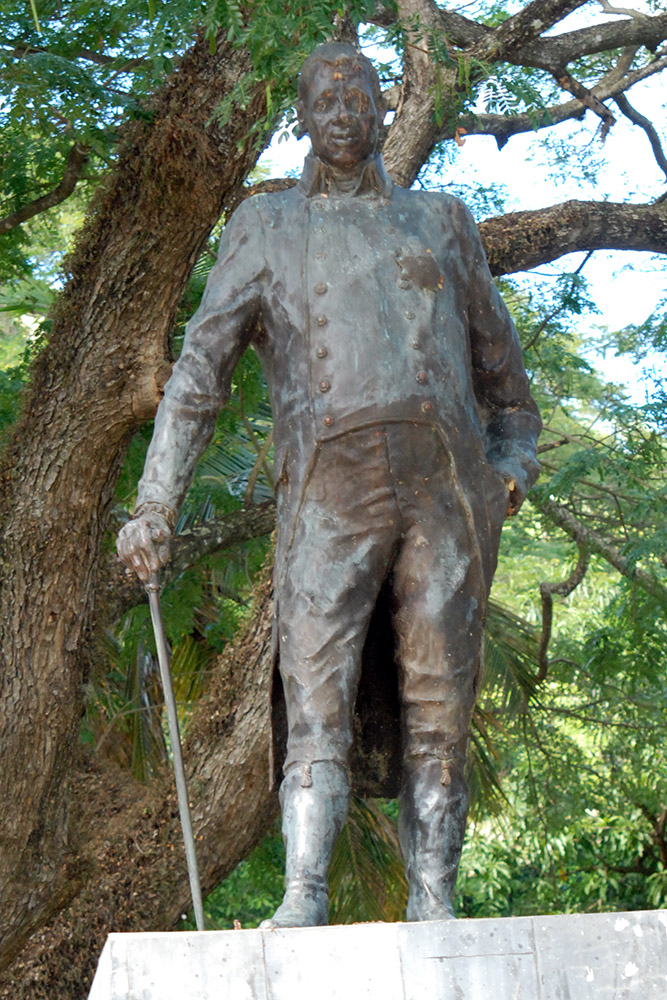
Following the assassination of Haitian revolutionary leader Jean-Jacques Dessalines in 1806, the young country became politically divided. Henri Christophe eventually controlled northern Haiti, while Alexandre Pétion governed a republic in the south. Christophe initially ruled as president before declaring the Kingdom of Haiti in 1811 and crowning himself King Henry I.
Christophe remains one of the most fascinating and controversial figures in Haitian history. He helped fight for Haiti’s independence and oversaw the construction of some of the country’s greatest landmarks, but his government also became known for authoritarian rule and a harsh system of compulsory labor. His statue still stands prominently in Milot.
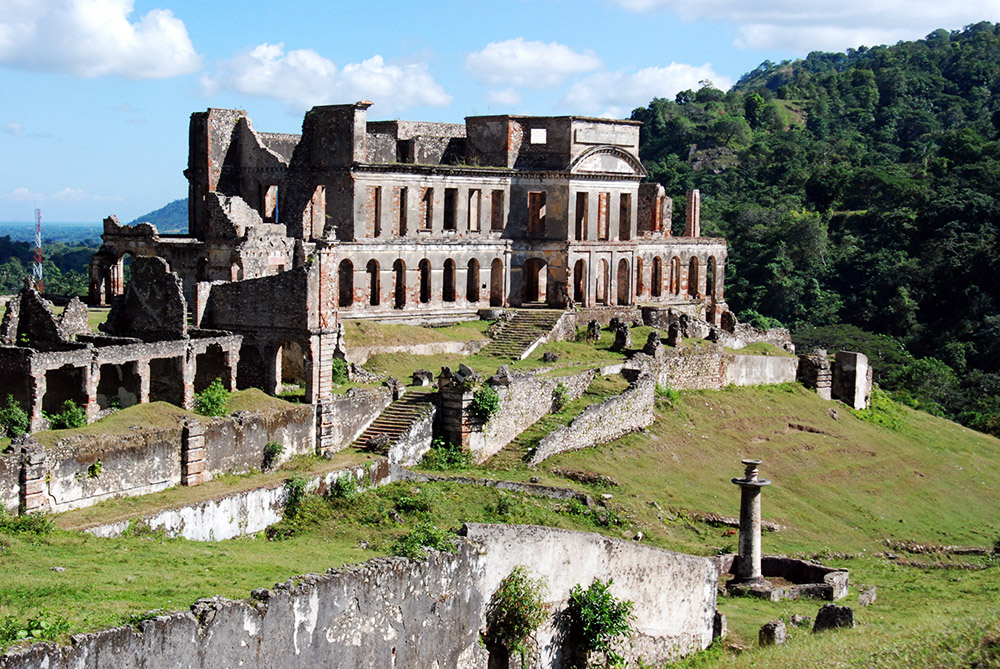
A short distance beyond the church and Christophe’s statue are the enormous ruins of Sans-Souci Palace. Completed in the early 19th century, Sans-Souci became the royal residence of Christophe and the political center of his kingdom. With its grand stairways, terraces, gardens, and surrounding buildings, the complex must have been an extraordinary sight when it was still intact.
The palace survived Christophe himself, but a devastating earthquake in 1842 destroyed much of the complex. It was never rebuilt, leaving behind the ruins that visitors can explore today.
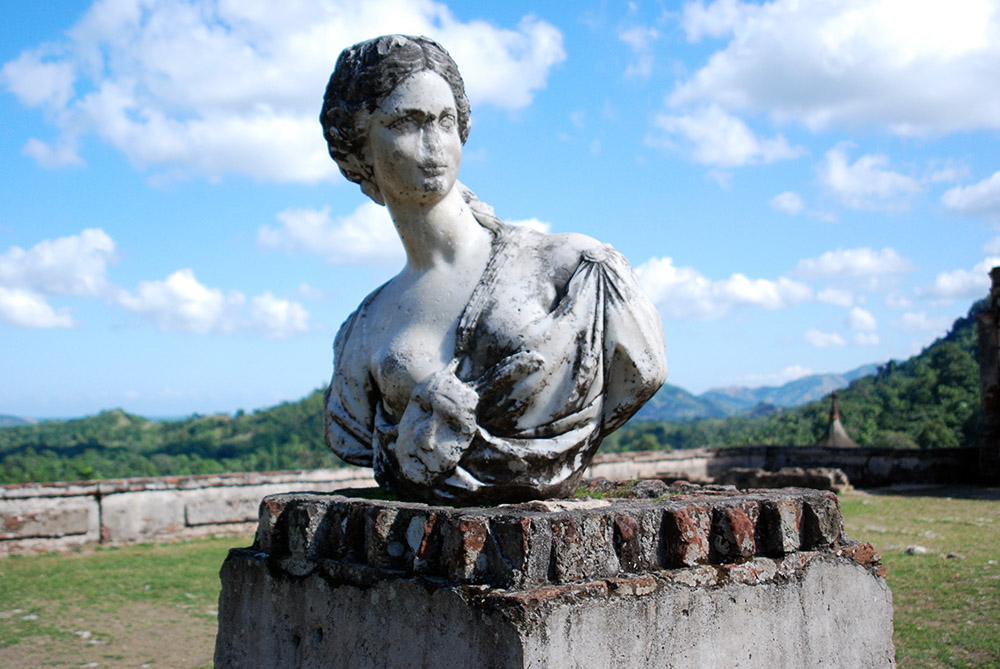
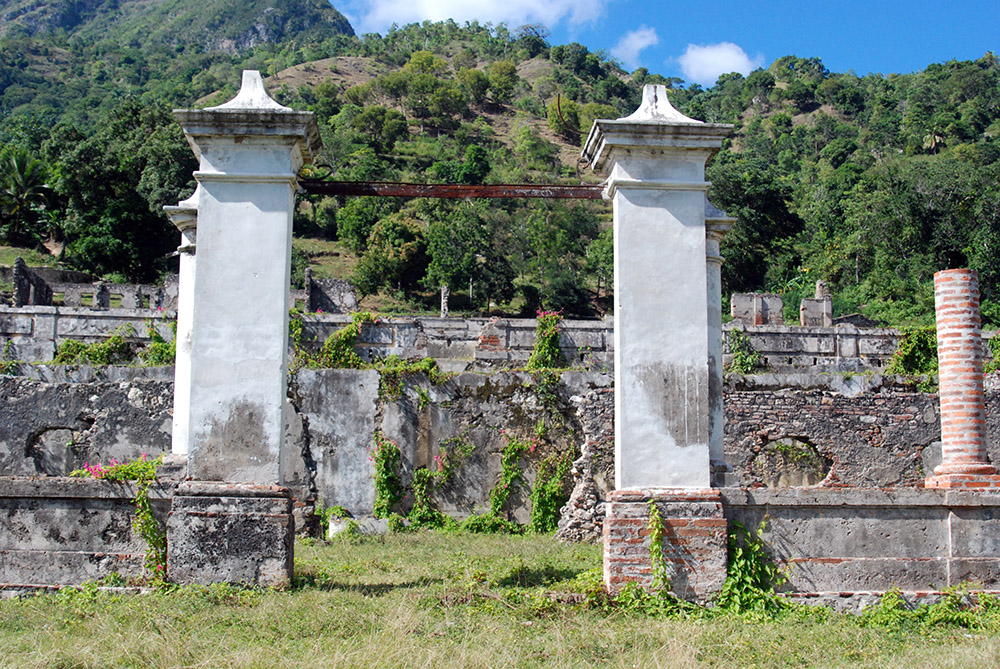
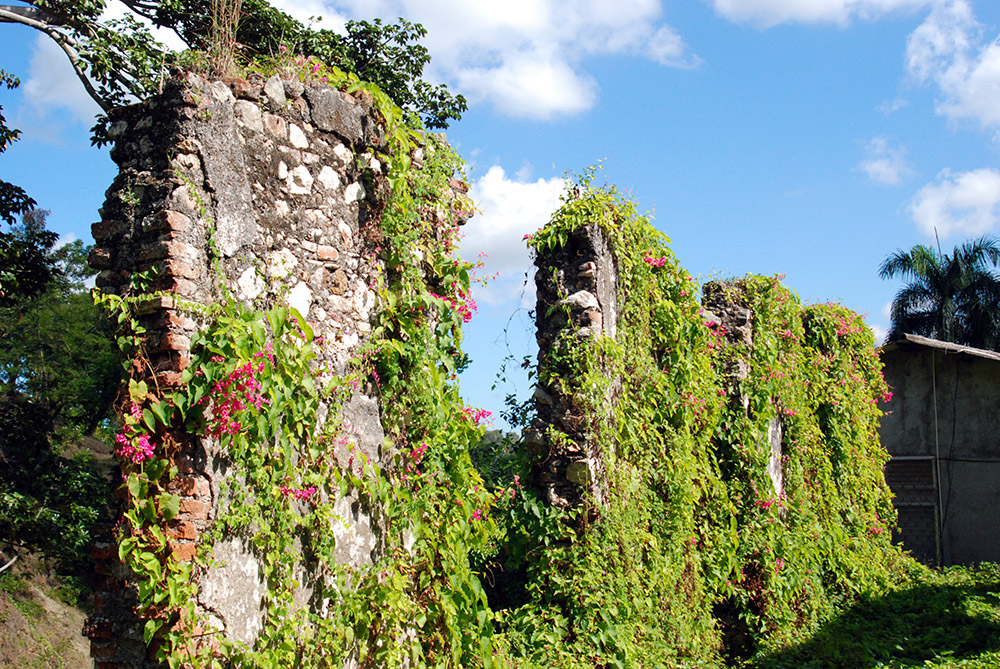
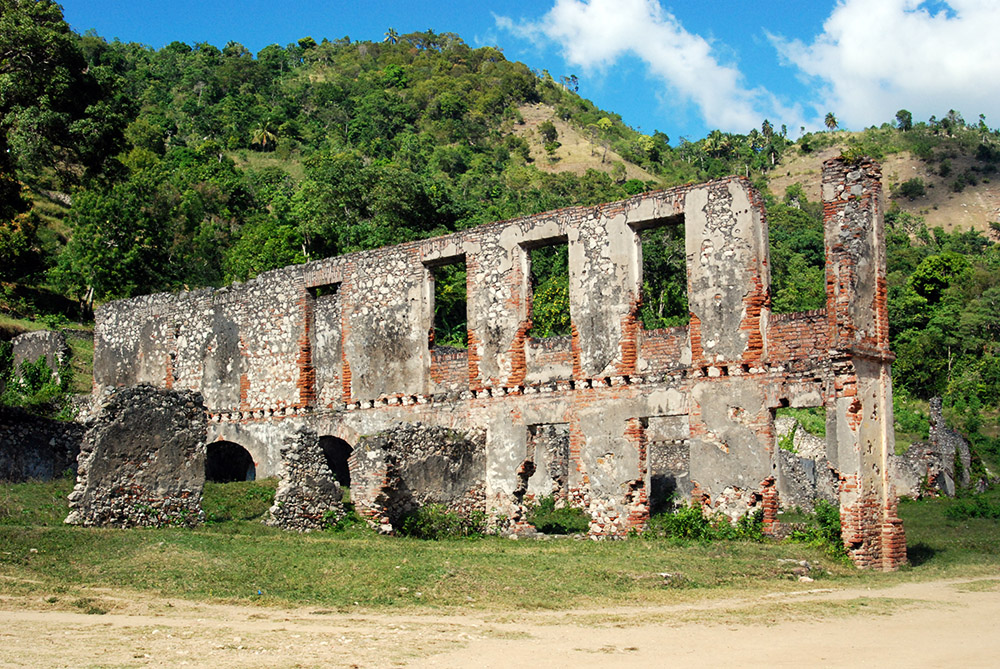
These next photos show some of the other structures around Sans-Souci. The main palace was only part of a much larger royal complex, and Christophe constructed numerous residences and fortifications throughout his kingdom. With almost nobody else wandering through the ruins during my visit, it wasn’t always obvious what each surviving structure had originally been used for. That actually made exploring the site more interesting, since there were ruins in almost every direction.
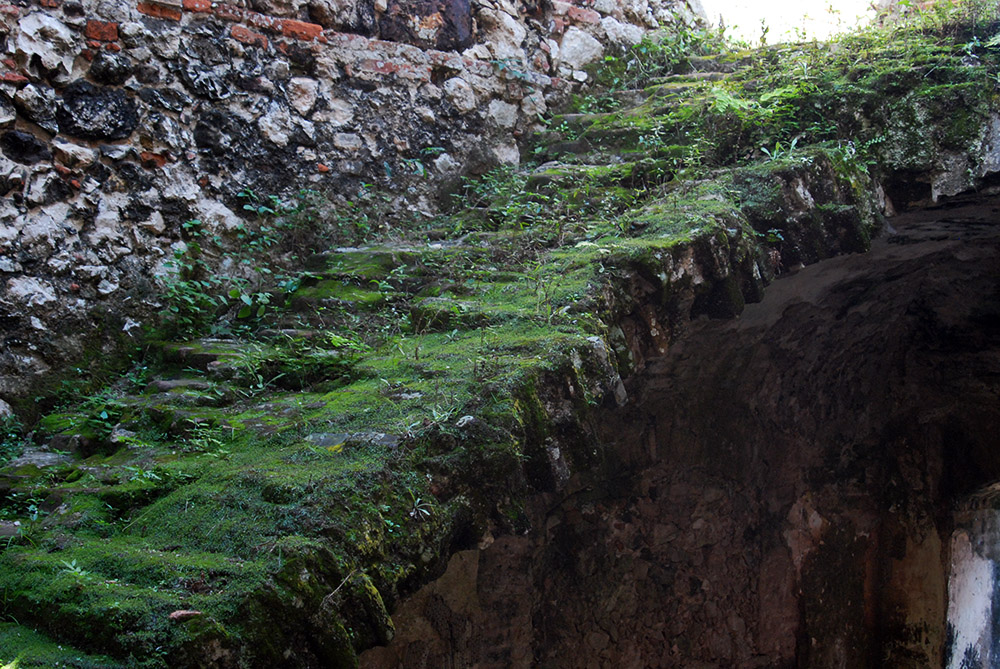
Inside one of the ruined buildings I came across these stairs leading toward the second floor. I briefly contemplated climbing them, but they looked considerably less trustworthy in person than they do in the photograph. Between not wanting to fall through an old staircase and not wanting to be responsible for helping a World Heritage Site crumble any further, I decided the ground floor was good enough.
The entire palace was remarkably quiet during my visit. With little more than birds and insects making noise among the ruins, it was strange trying to imagine the same place two centuries earlier as a royal palace filled with soldiers, servants, government officials, and members of Christophe’s court.
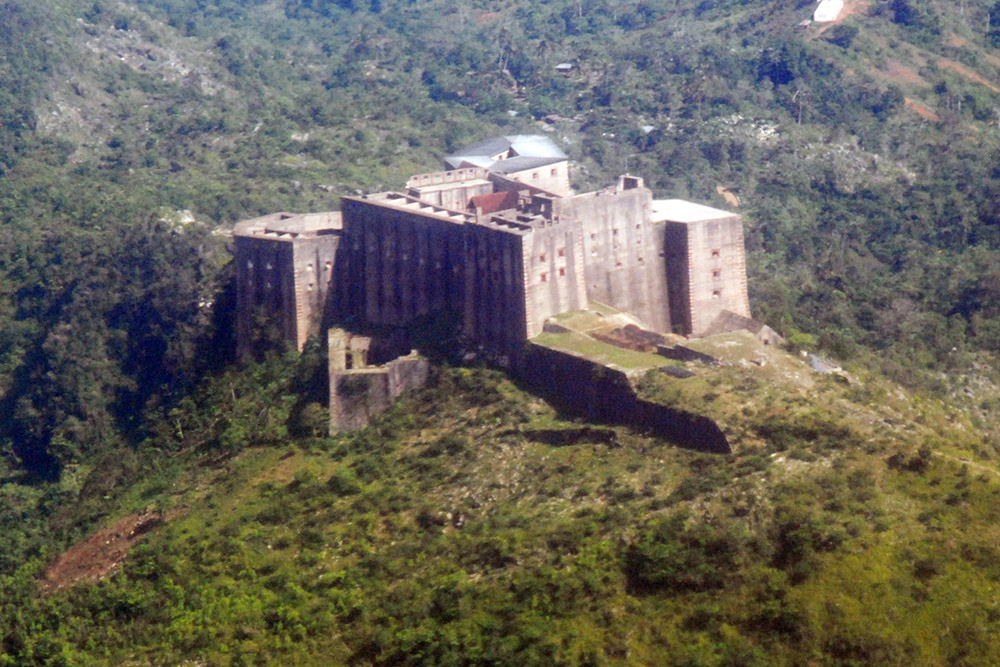
As impressive as Sans-Souci is, Christophe’s greatest architectural achievement stands high in the mountains above it. The Citadelle Laferrière was constructed following Haitian independence as part of a massive defensive system designed to protect the new country if France attempted to invade and restore slavery.
The fortress is an incredible achievement, although its construction also represents one of the darker contradictions of Christophe’s rule. Thousands of workers were subjected to compulsory labor while building his fortifications, and the conditions were extremely harsh. The result was a fortress on a scale that seems almost impossible when you see where it was built.
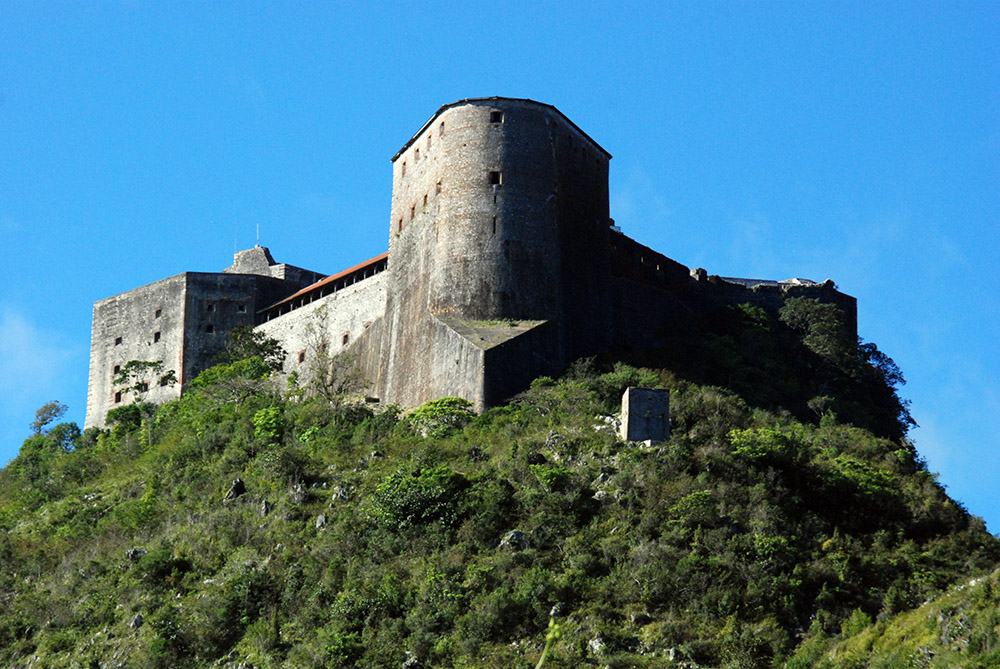
My first view of the Citadelle was actually from an airplane while flying into Cap-Haïtien. From the ground, its position high in the mountains makes getting a complete view surprisingly difficult. The photo above was one of the better angles I found while approaching it.
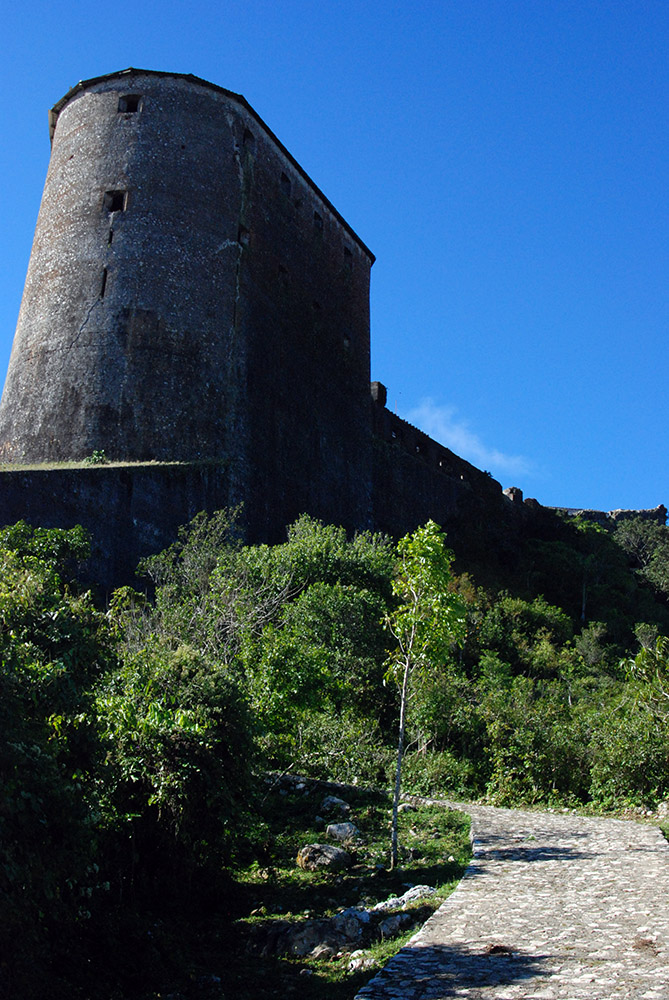
From another angle, the scale of the fortress became even clearer as its massive walls rose above the surrounding mountains.
Regardless of the difficult history behind its construction, standing beneath the Citadelle is an incredible experience. The fortress rises roughly 3,000 feet above sea level and dominates the surrounding mountains. Even before reaching the walls, its location alone makes you understand why Christophe believed it could serve as one of Haiti’s ultimate defensive positions.
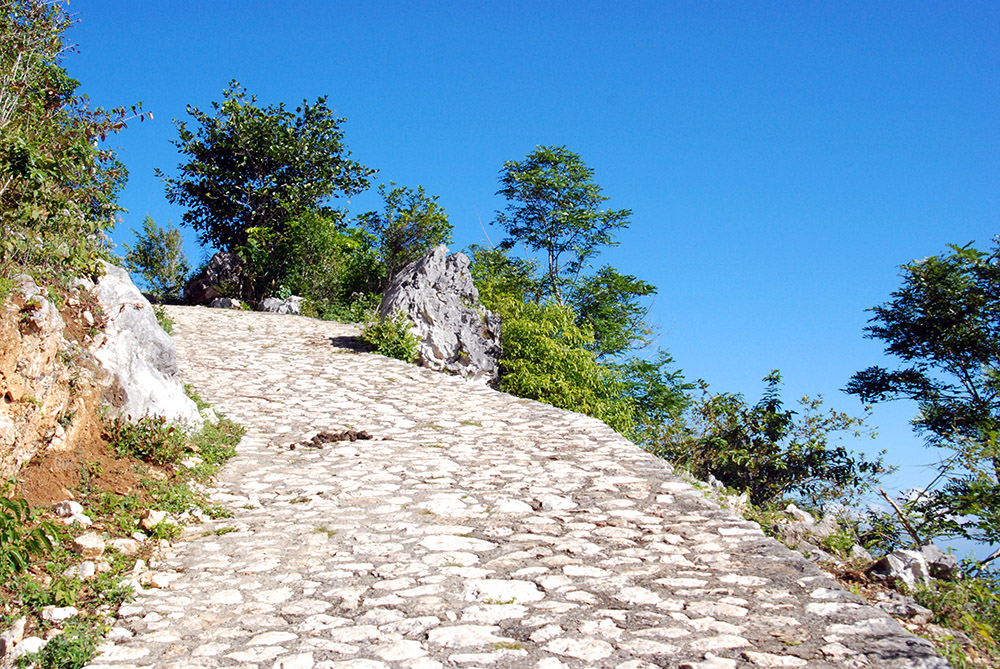
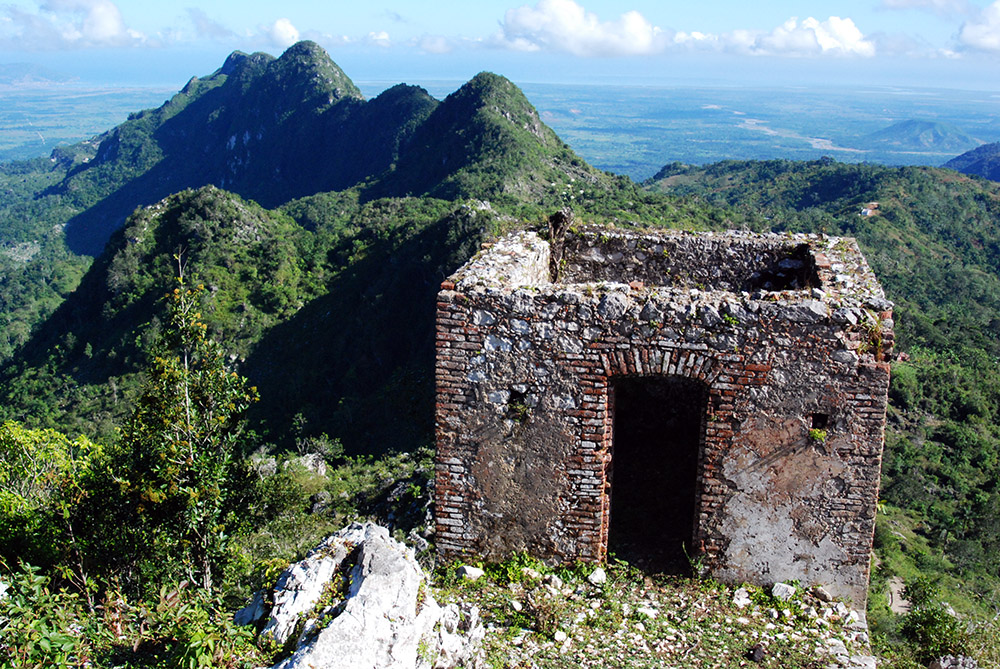
Getting there is part of the experience. After traveling up into the mountains, the final approach continues along a steep trail toward the fortress. Visitors who don’t want to make the climb on foot can usually find local residents offering horses for the journey. I continued upward on foot, passing this small guardhouse along the way.
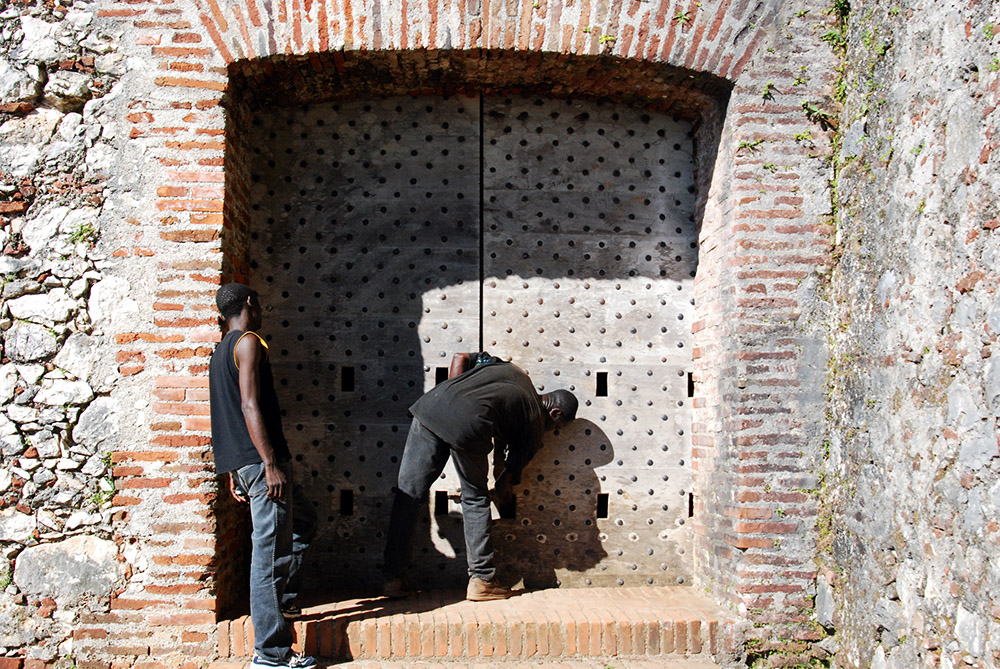
When I finally reached the Citadelle, I found a man outside who had the key to the fortress. After a small donation, he opened the entrance and I was able to head inside. The door currently installed at the entrance is modern, but the enormous original door was lying nearby inside the fortress.
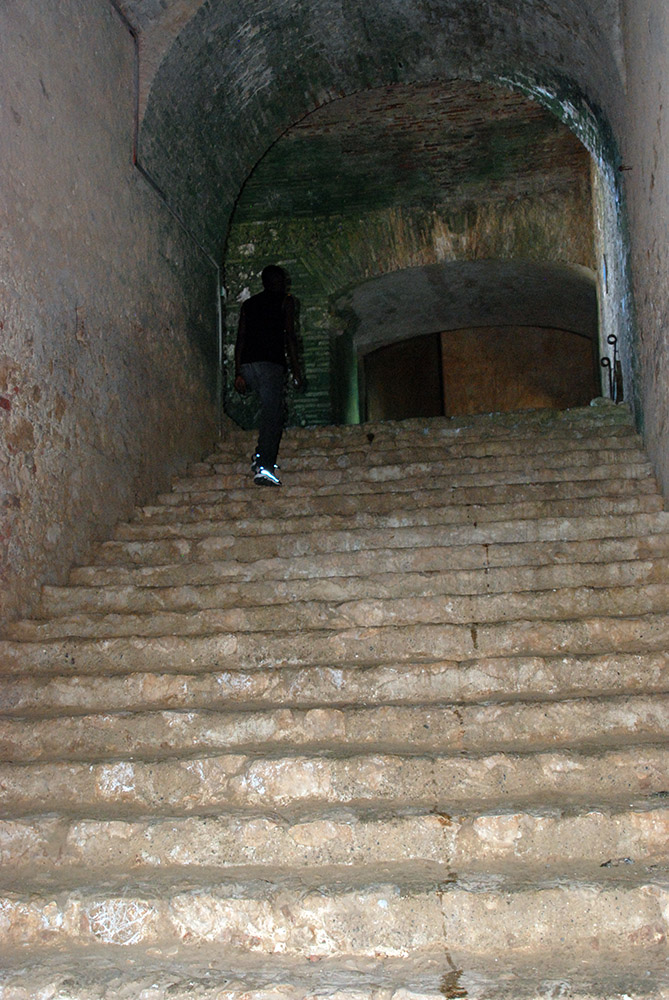
Parts of the Citadelle were so dark that I had to wait for my eyes to adjust before exploring. Even then, walking through unfamiliar corridors and stairways in near darkness made me wonder what I might stumble into. I took the photograph above using my flash while climbing one of the staircases.
The man in the photograph was a local who offered to be my guide. I told him from the beginning that I wasn’t planning to hire a guide, but that apparently wasn’t enough to discourage him from accompanying me anyway. After making my way through the interior, I eventually stepped back into daylight on the opposite side of the fortress.
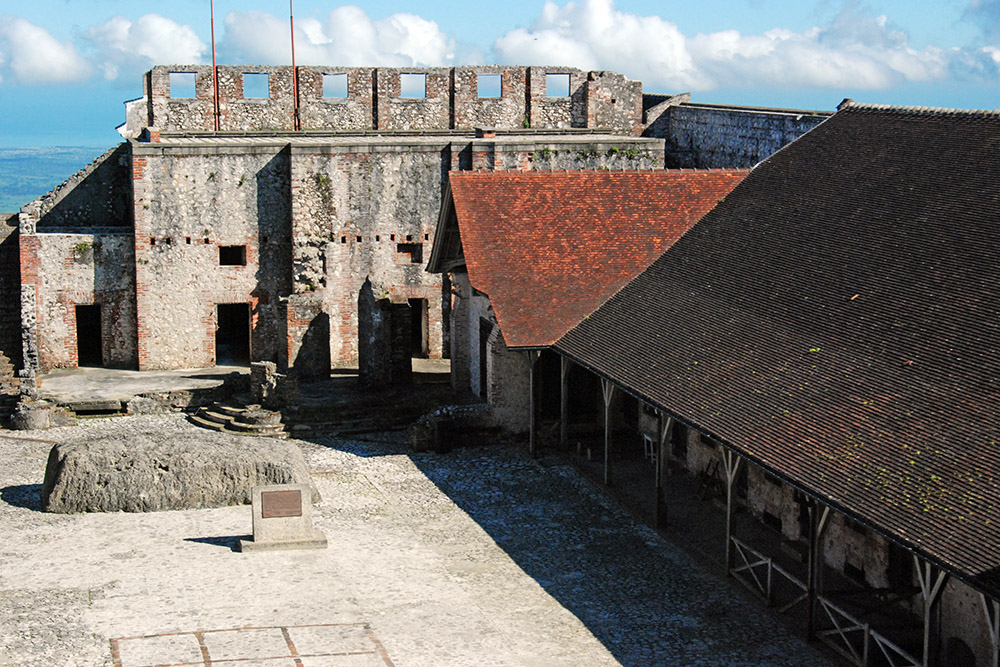
Other sections opened into courtyards surrounded by the heavy stone walls of the fortress.
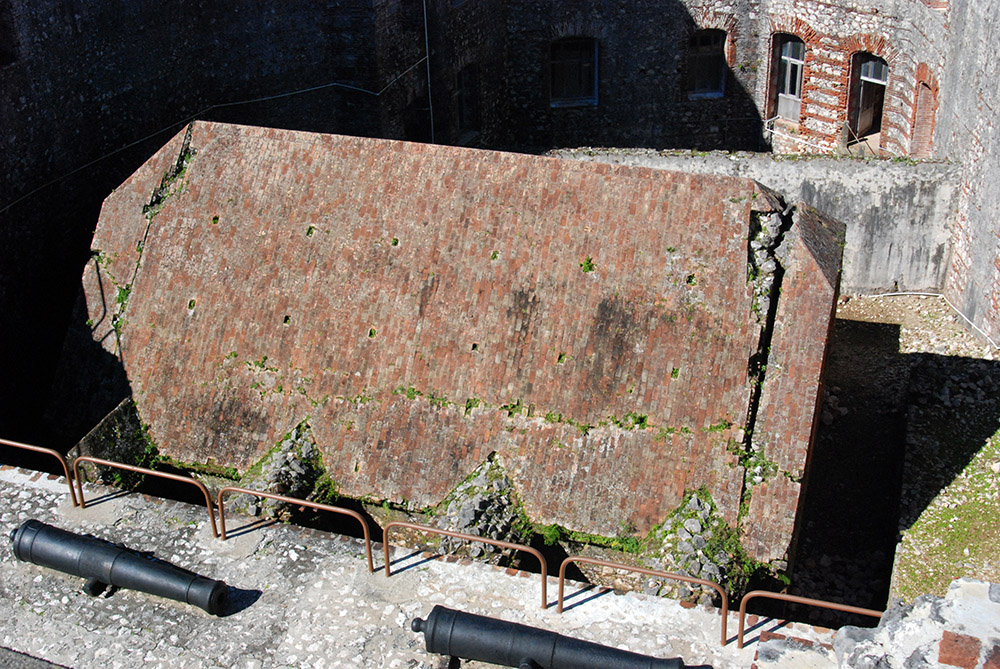
The Citadelle also contained spaces used to store the weapons and supplies needed to defend the fortress.
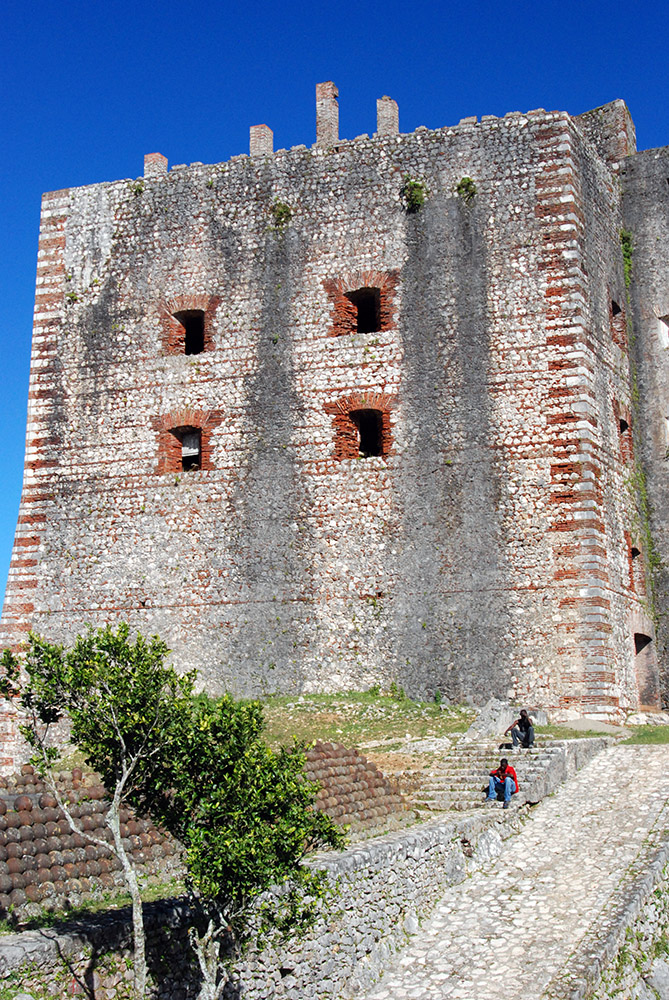
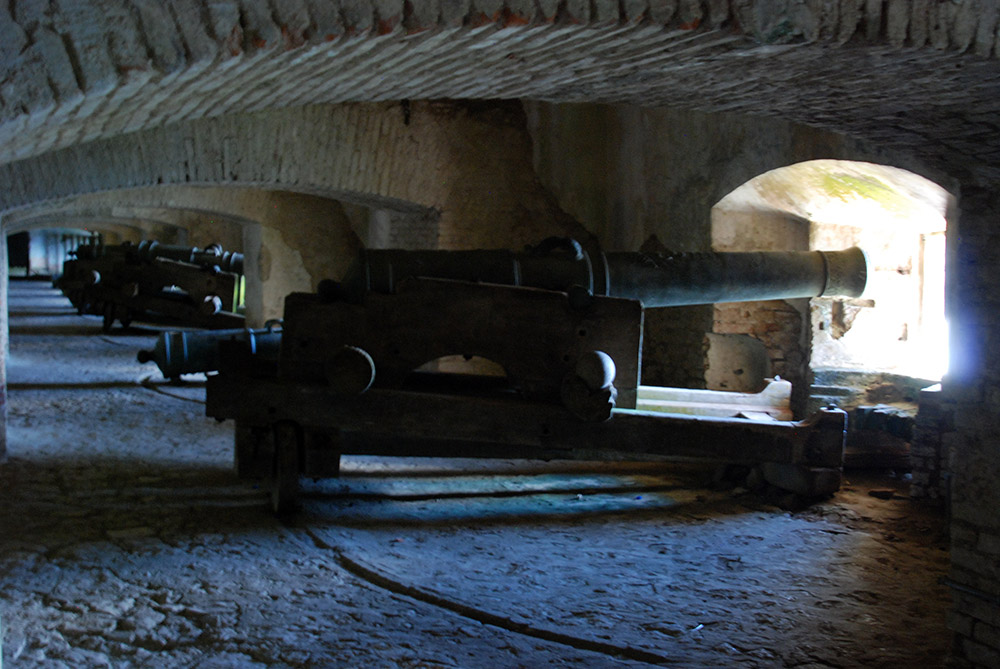
The interior is every bit as impressive as the exterior.
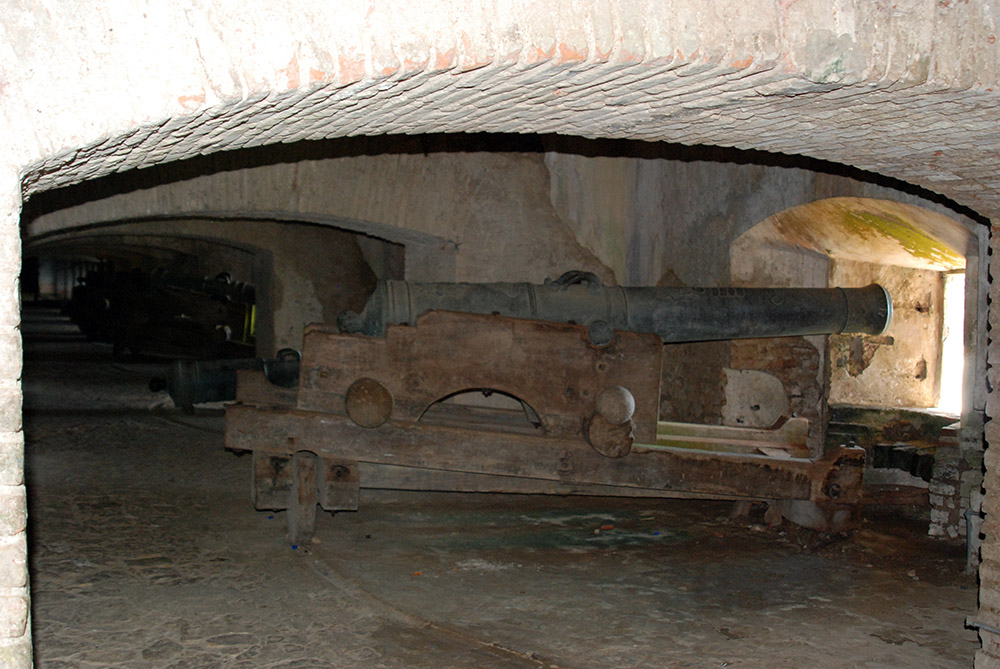
The number of surviving artillery pieces makes the defensive purpose of the fortress impossible to miss.
Rows of cannons still point through openings in the fortress walls, reminders of the invasion Christophe expected but that never came. Haiti’s leaders had good reason to fear France after independence. The Haitian Revolution had destroyed one of France’s richest colonies and permanently abolished slavery there, while the possibility of a French attempt to regain control remained a serious concern during the country’s early years.
The Haitian Revolution also had consequences far beyond Haiti. Napoleon’s failed attempt to restore French control over Saint-Domingue contributed to his abandonment of French ambitions in North America, followed by the Louisiana Purchase in 1803. That makes Haiti’s revolution an important part not only of Caribbean history, but of the history of the United States as well.
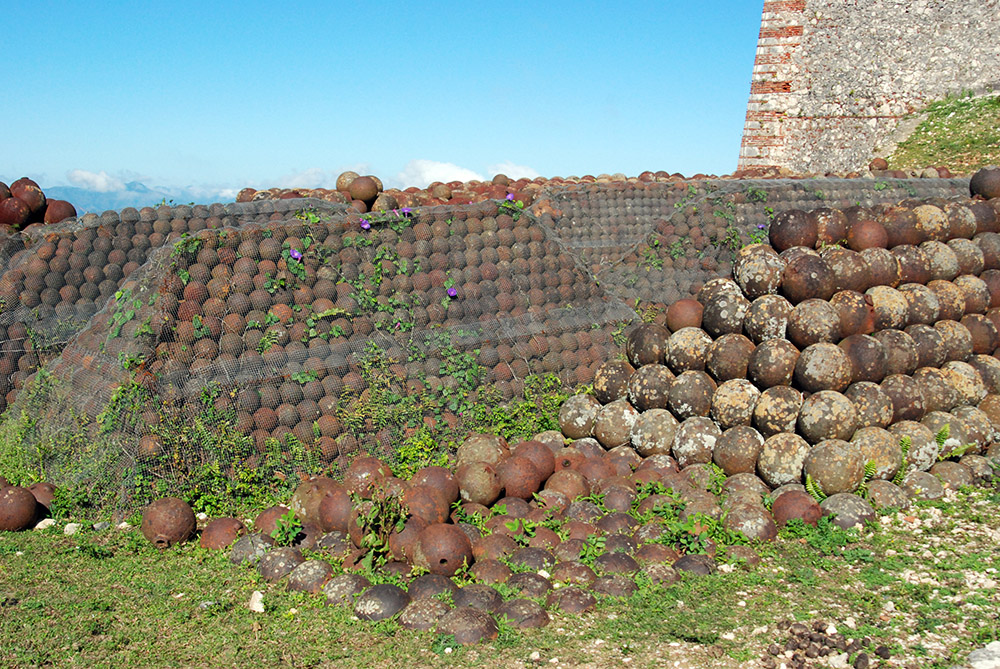
France never launched the invasion the Citadelle had been built to resist, but the enormous stockpiles of cannonballs show just how seriously Haiti prepared for that possibility. The fortress was equipped for a major siege, yet its cannons would never be needed for the battle its builders expected.
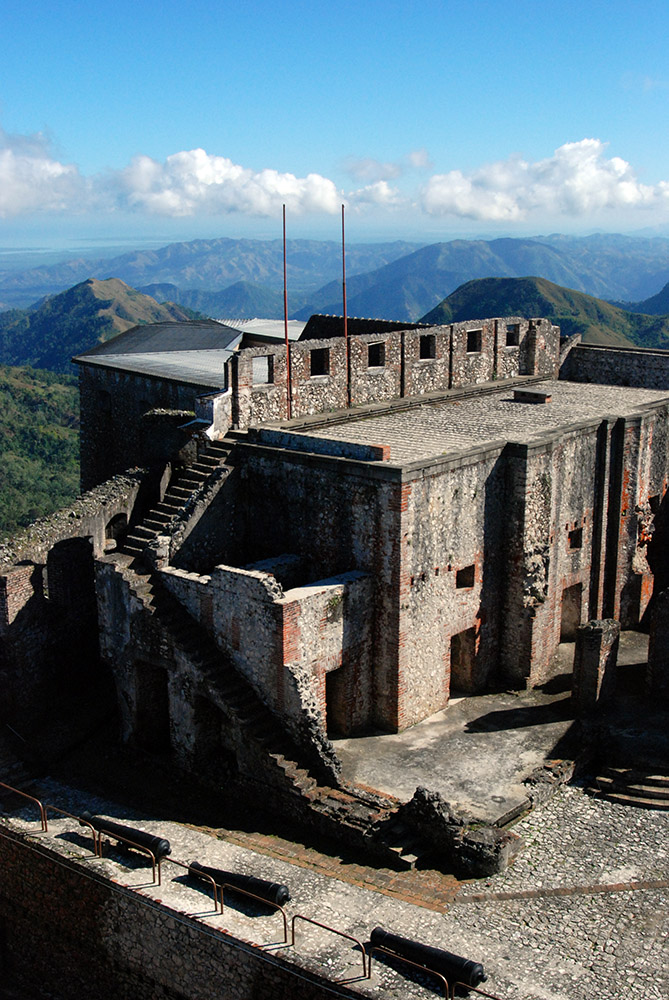
Exploring the upper portions of the Citadelle gave me some incredible views of the surrounding mountains. There were railings along some of the exposed sections, but other areas made it very clear just how high above the valley the fortress had been constructed. Standing near those enormous walls and looking down into northern Haiti was one of the highlights of the entire trip.
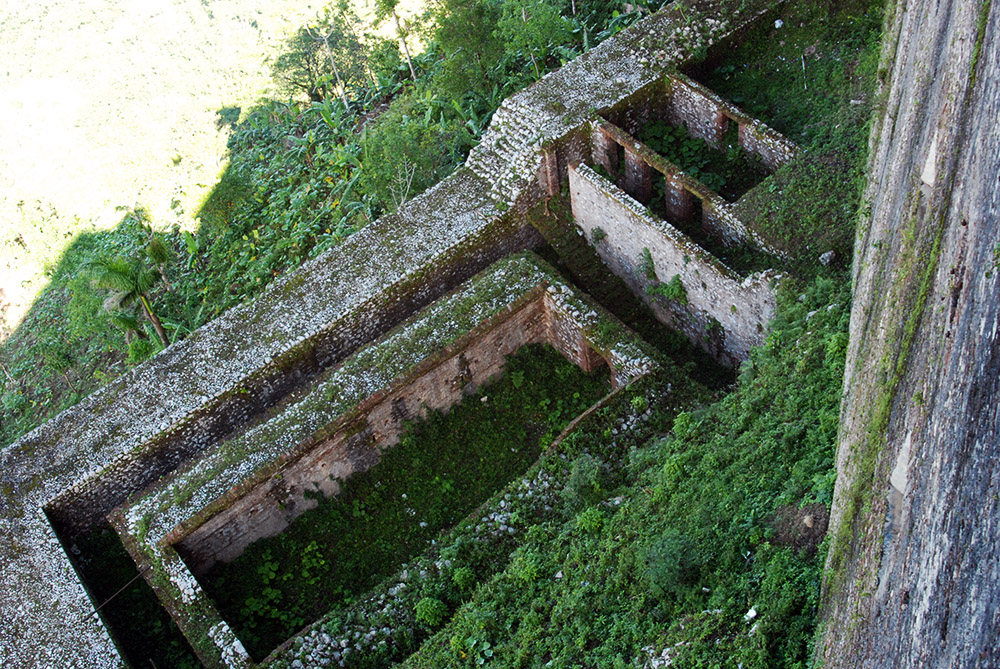
This photo was also taken from the upper part of the fortress and shows an area that wasn’t accessible during my visit. My unofficial guide told me the passage leading into it had been blocked for years. Naturally, being told that I couldn’t get somewhere only made me more curious about what was inside, but this was one part of the Citadelle I had to leave unexplored.
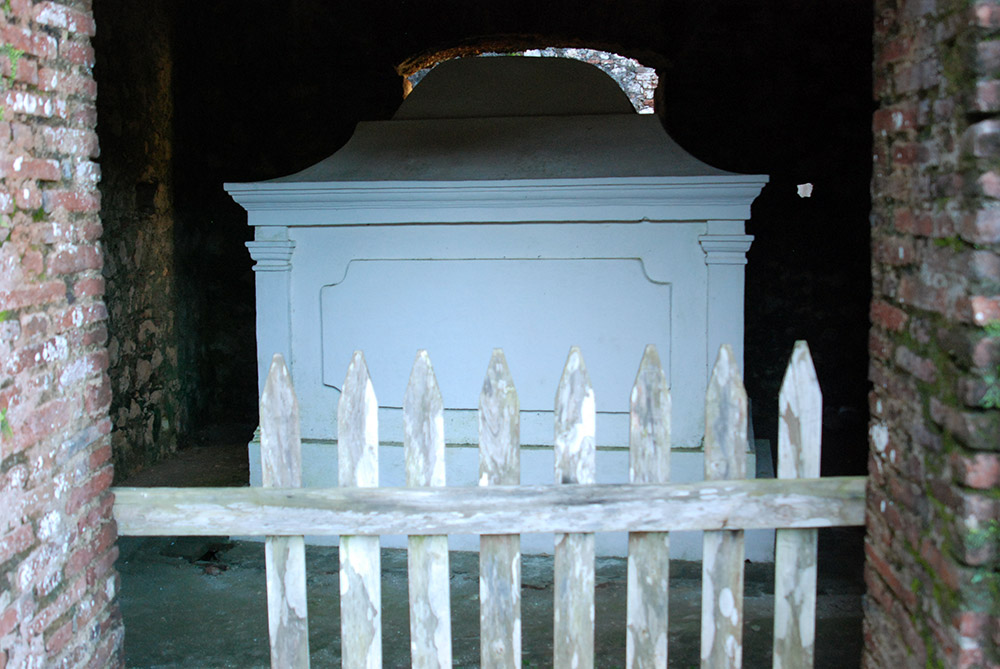
Henri Christophe never had to use his great fortress against a French invasion. By the end of his reign, his greatest threat came from within his own kingdom. His authoritarian rule and system of forced labor had created growing opposition, and after suffering a stroke in 1820, Christophe faced a rebellion among his own troops.
With his government collapsing around him, Christophe took his own life at Sans-Souci Palace. His son and heir was killed soon afterward, bringing the Kingdom of Haiti to an end. Christophe’s remains were taken to the Citadelle, where he was buried within the fortress he had spent so much effort building.
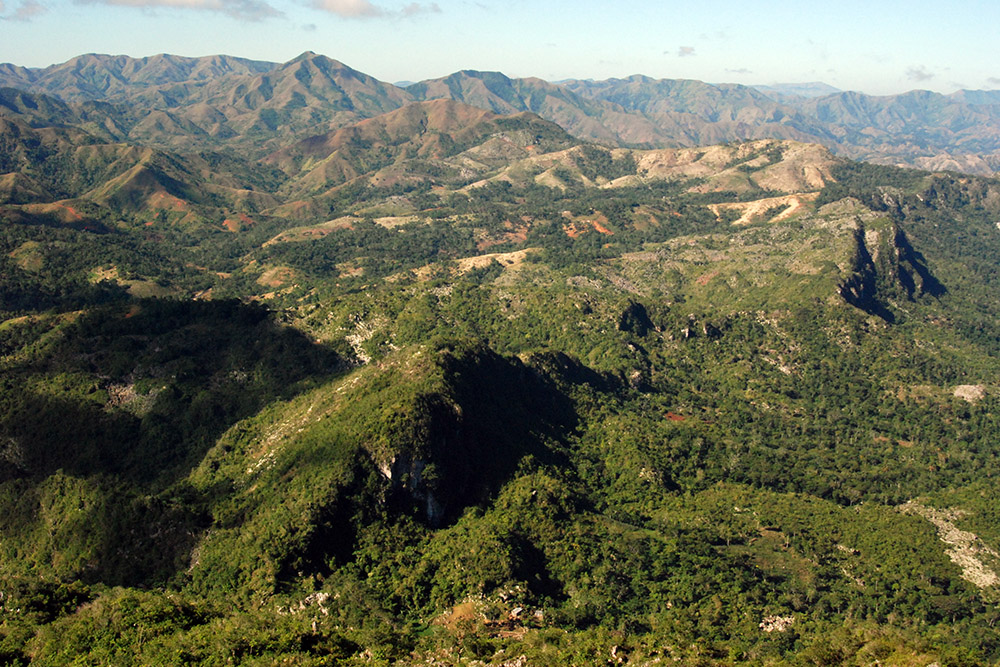
Standing at the Citadelle and looking across the mountains of northern Haiti was one of the most memorable moments of my trip. Sans-Souci and the Citadelle tell a complicated story of revolution, independence, ambition, authoritarian rule, and a new nation preparing to defend the freedom it had just won. Whatever you think of Henri Christophe himself, the scale of what was built here is extraordinary, and this remains one of the most impressive historic places I’ve visited anywhere in the Caribbean.
Explore More of Haiti
Port Au Prince • Cap Haitien • Jacmel • the Citadelle