Not far from La Paz, near Lake Titicaca, are the ruins of Tiwanaku, the center of one of the most important civilizations to exist in the Andes before the rise of the Inca. Tiwanaku developed over many centuries and eventually became the center of a powerful culture whose influence spread across parts of what are now Bolivia, Peru, and Chile.
The site I visited in Bolivia was the heart of that civilization. What remains today includes temples, enormous stone platforms, carved statues, ceremonial gateways, and other structures that give only a glimpse of how important this place once was.
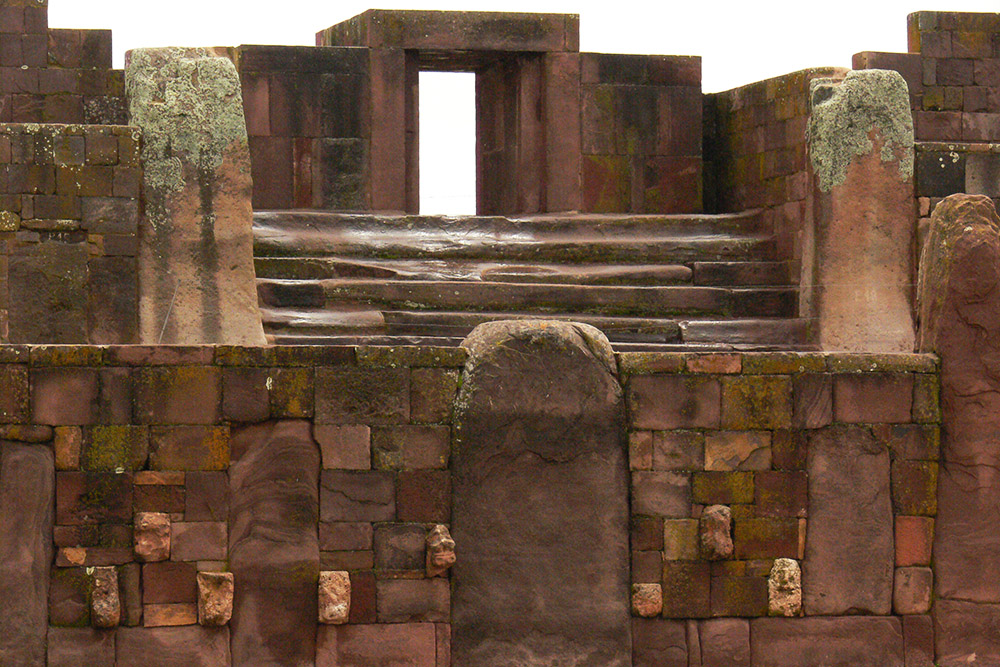
An Ancient Andean Civilization
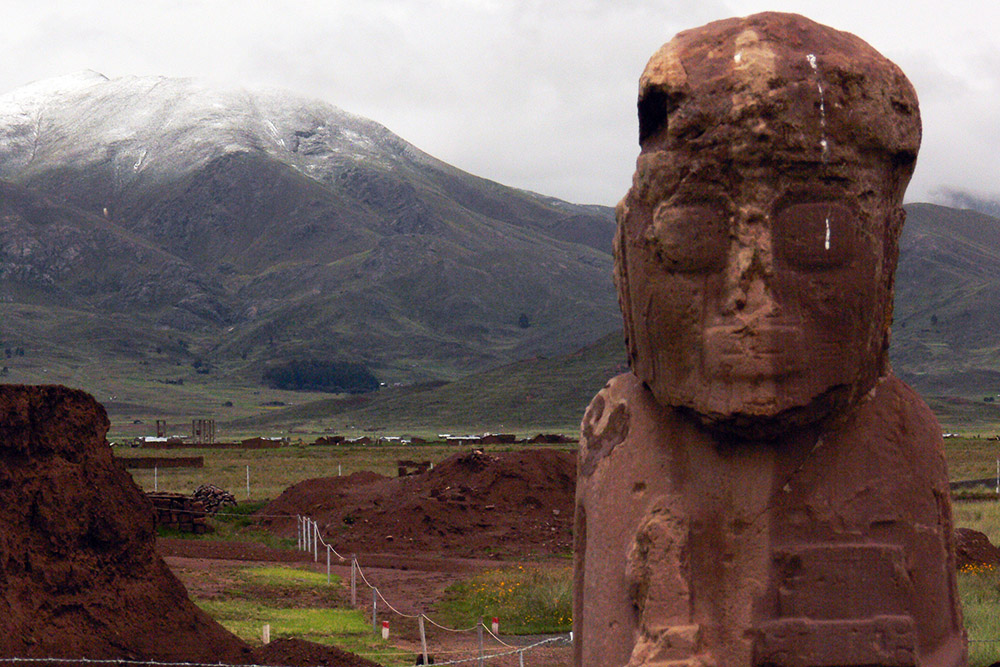
The people of Tiwanaku didn’t leave behind a written history that we can read today, so much of what we know about them has been reconstructed through archaeology. Even the name Tiwanaku is a later name for the site rather than one we know its original inhabitants used.
What they did leave behind was some remarkable stonework.
Large monoliths carved into humanlike figures stand throughout the archaeological site. More than a thousand years after Tiwanaku declined, many of these statues and structures are still standing.
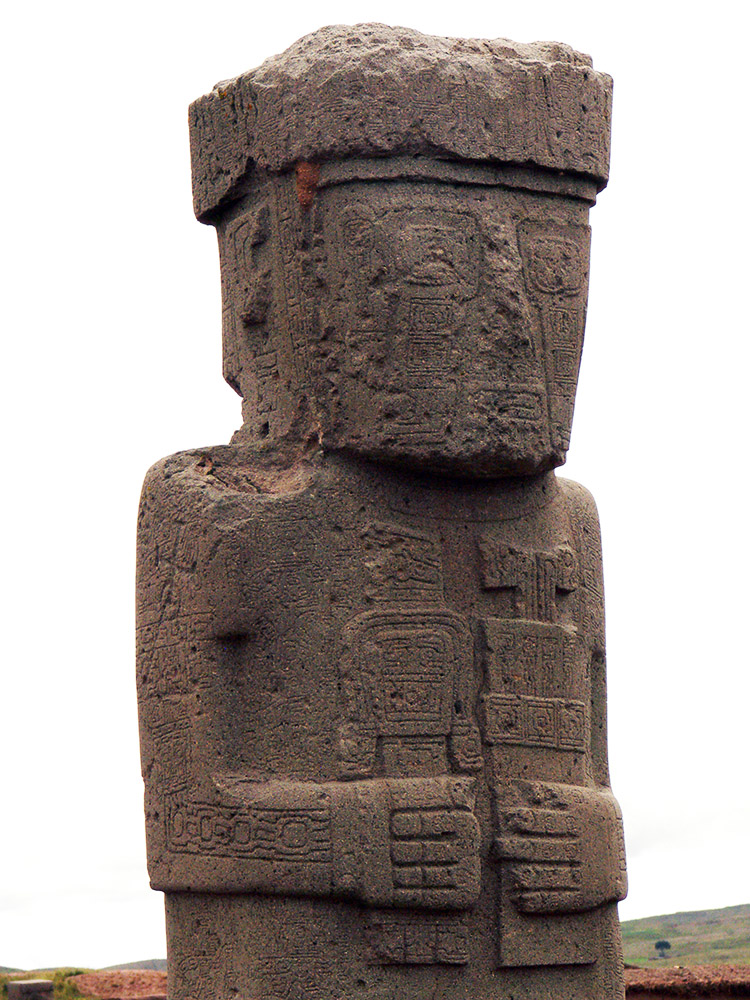
The Ruins of Tiwanaku
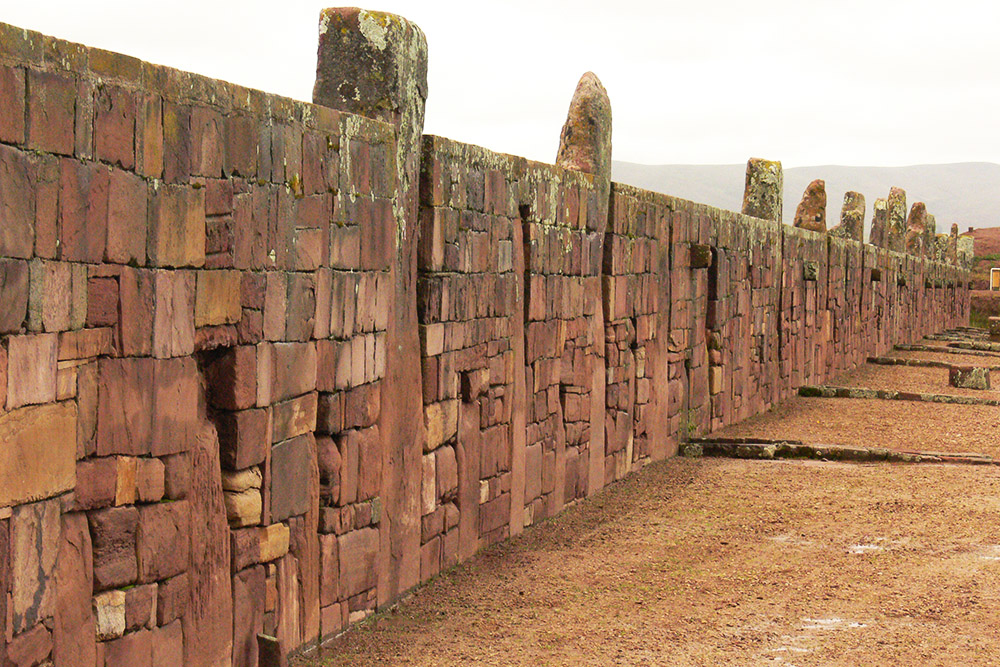
People lived around Tiwanaku for thousands of years, but the civilization associated with the monumental city developed much later and reached its greatest influence during the first millennium AD. That still puts its rise centuries before the Inca became the dominant power of the Andes.
The archaeological site is much larger than I expected. Some structures have survived better than others, but enough remains to imagine the scale and importance of the city at its height.
The Faces in the Walls
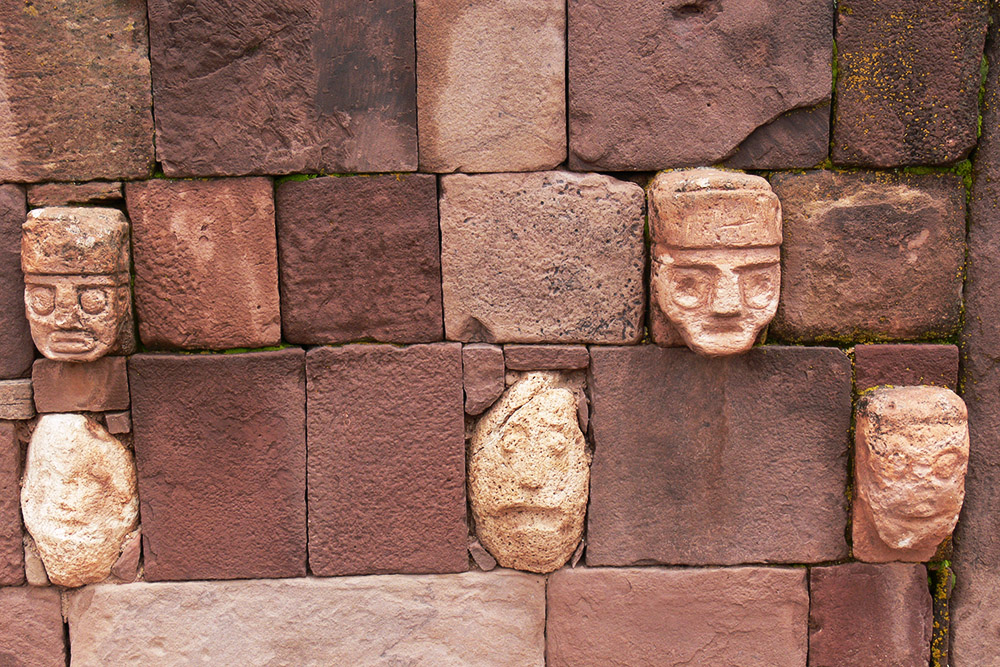
One of the strangest things I saw at Tiwanaku was this collection of carved stone heads protruding from the walls.
I never got a definitive explanation for exactly whom they represented. Different interpretations have been proposed for the faces, including ancestors, important individuals, or people representing different populations connected to Tiwanaku.
Whatever their original meaning, seeing dozens of different faces staring out from an ancient stone wall was one of the most memorable parts of the ruins.
The Gateway of the Sun
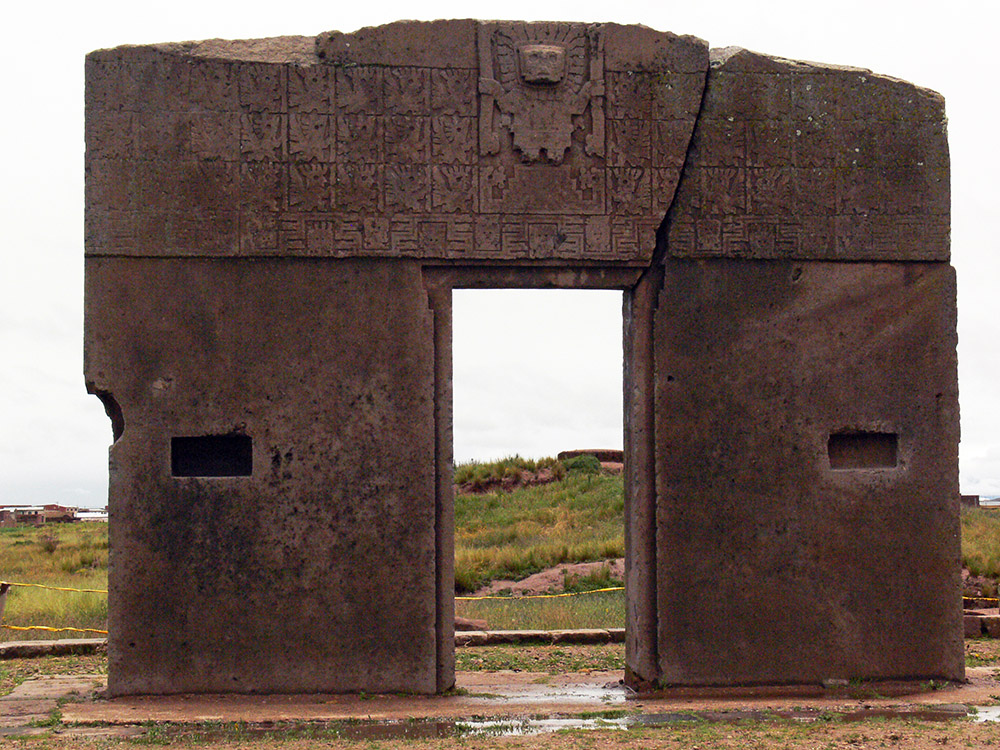
The most famous single structure at Tiwanaku is probably the Gateway of the Sun. Carved from a single piece of stone, the gateway is covered with elaborate reliefs surrounding a large central figure.
The meaning of the carvings is still debated. The central figure is often called the Staff God and has sometimes been associated with Viracocha, although identifying Tiwanaku’s ancient deity directly with the later Inca god isn’t certain.
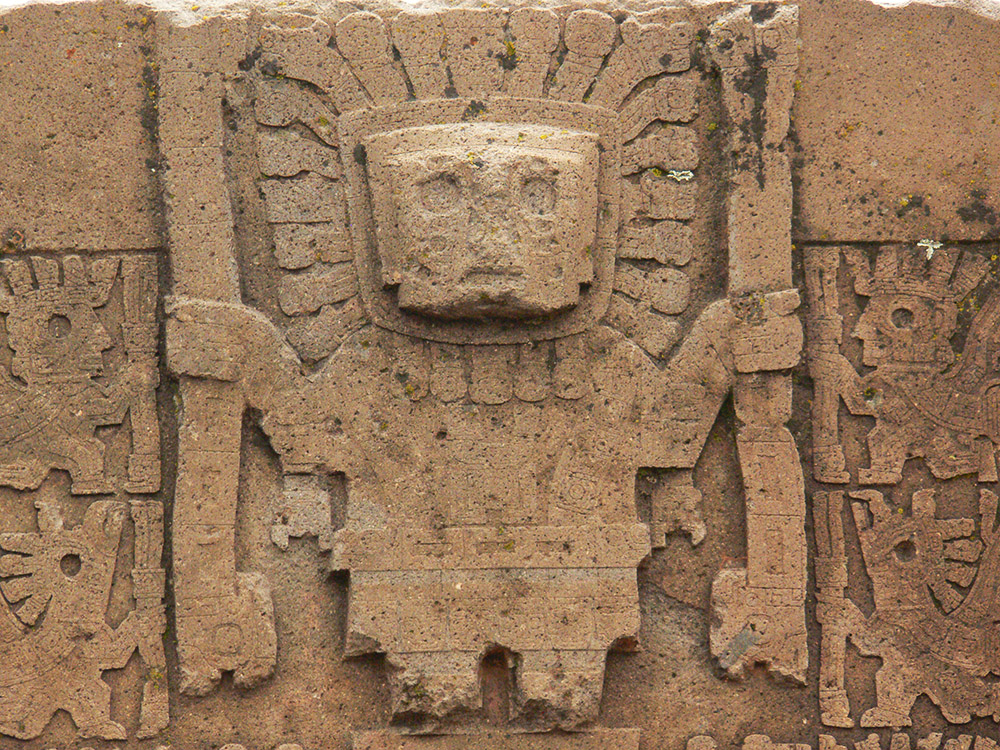
Whatever the figure represented to the people who carved it, the amount of detail preserved in the stone after so many centuries is impressive.
The Tiwanaku Museum
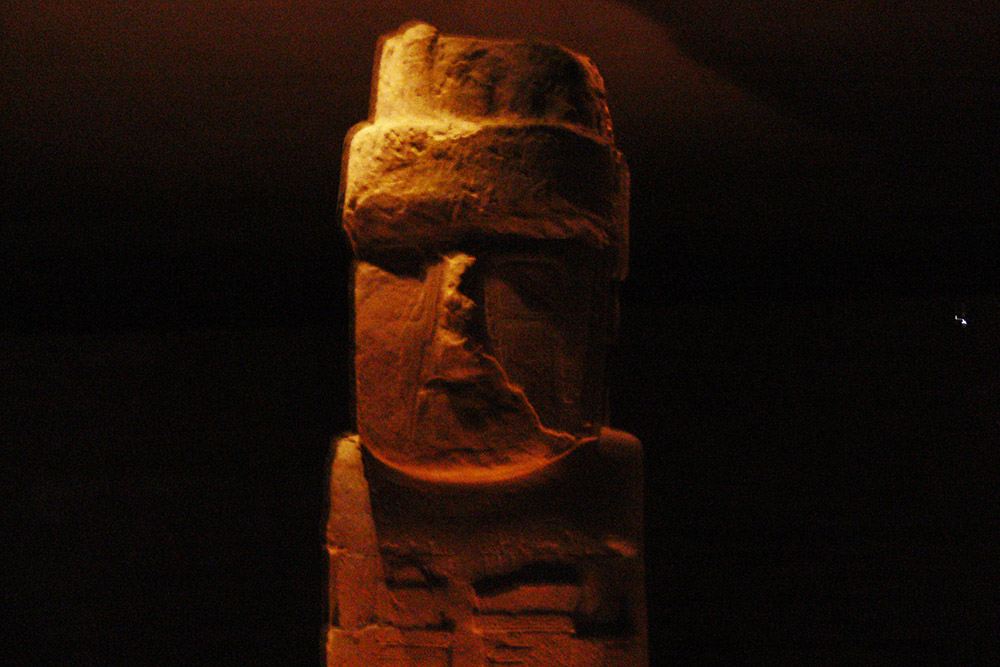
There is also a museum at the archaeological site containing artifacts recovered from Tiwanaku and the surrounding region. Some of the most impressive pieces are the enormous stone monoliths created by the civilization.
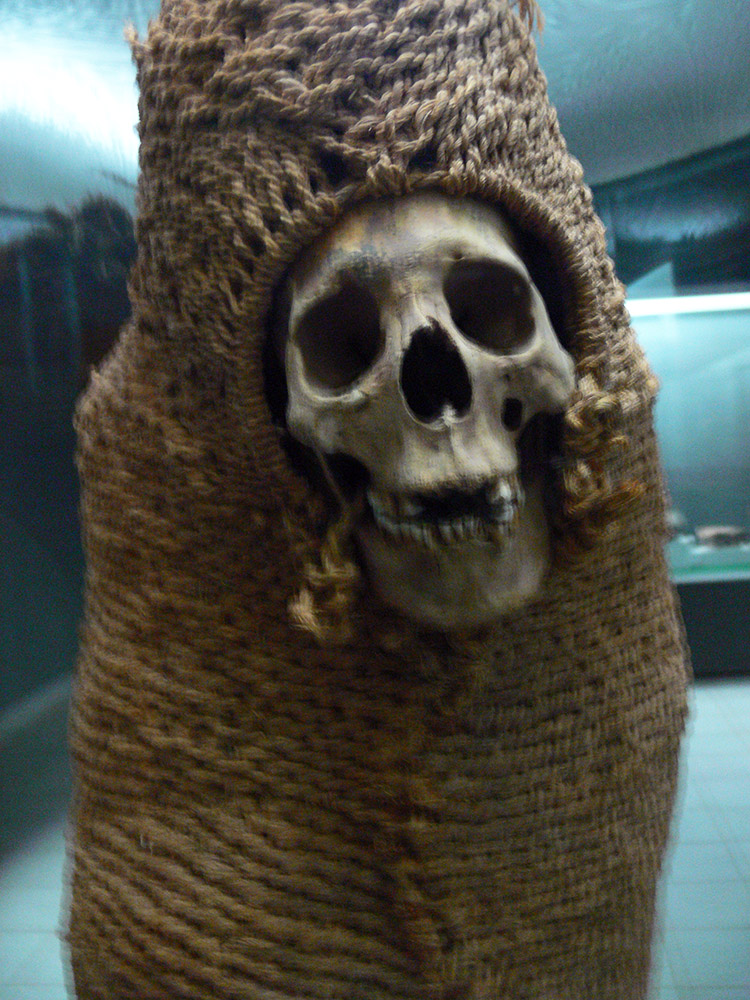
The museum also contained preserved human remains when I visited. Archaeological discoveries around Tiwanaku have provided researchers with evidence about burial practices, ritual activity, diet, health, and everyday life in the ancient city.
Visiting Tiwanaku from La Paz
Tiwanaku was one of the most interesting historical sites I visited in Bolivia. It is close enough to La Paz to make an easy trip, but culturally it takes you back more than a thousand years before the modern capital surrounding you today.
The Inca are easily the most famous civilization associated with the Andes, but visiting Tiwanaku was a reminder that major civilizations had already risen and fallen here centuries before the Inca Empire existed.
We may never know exactly what the people of Tiwanaku called their city, what every carved face represented, or precisely how they understood the figure above the Gateway of the Sun. For me, that mystery was part of what made walking through the ruins so interesting.