Lake Titicaca sits high in the Andes along the border between Bolivia and Peru. At roughly 3,800 meters, or 12,500 feet, above sea level, it is one of the highest large lakes in the world and is often described as the highest navigable lake used by substantial boats and commercial traffic.
Its size surprised me. Titicaca feels less like a normal mountain lake and more like a small inland sea, with towns, ferries, fishing boats, passenger traffic, and communities spread along its shoreline.
Lake Titicaca
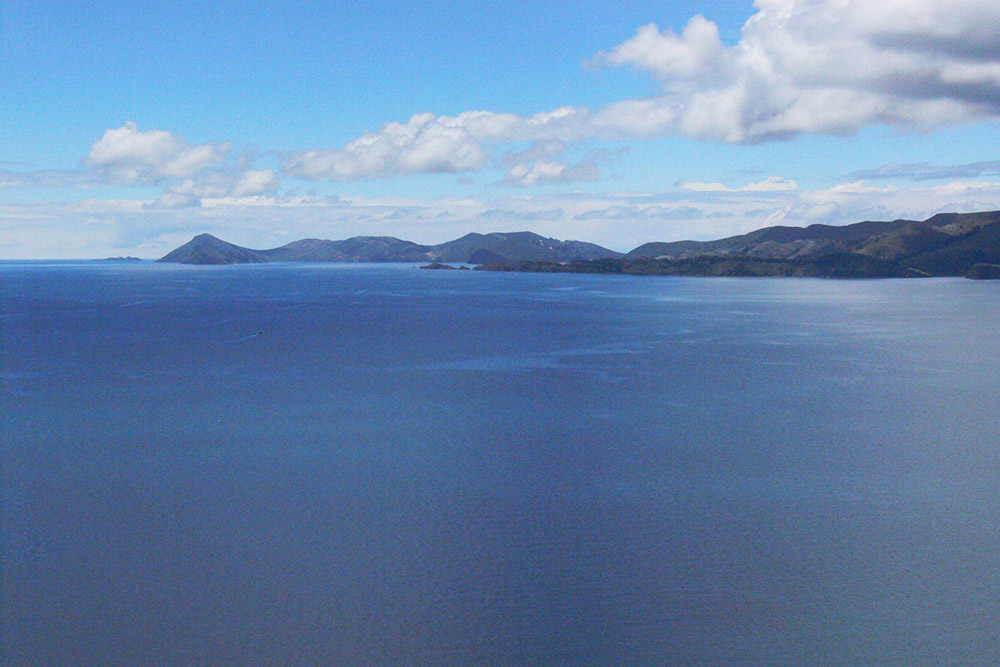
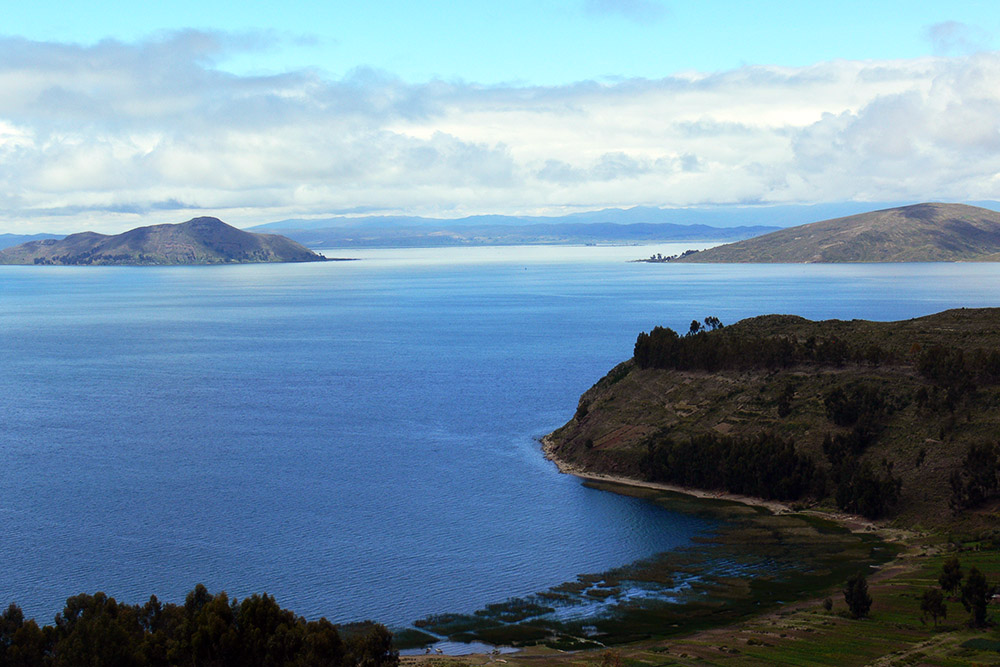
Despite the altitude, the lake is large enough to support transportation and trade between communities around its shores. Boats carry passengers and goods, while ferries move vehicles across narrower sections of the lake.
Life Along the Shore
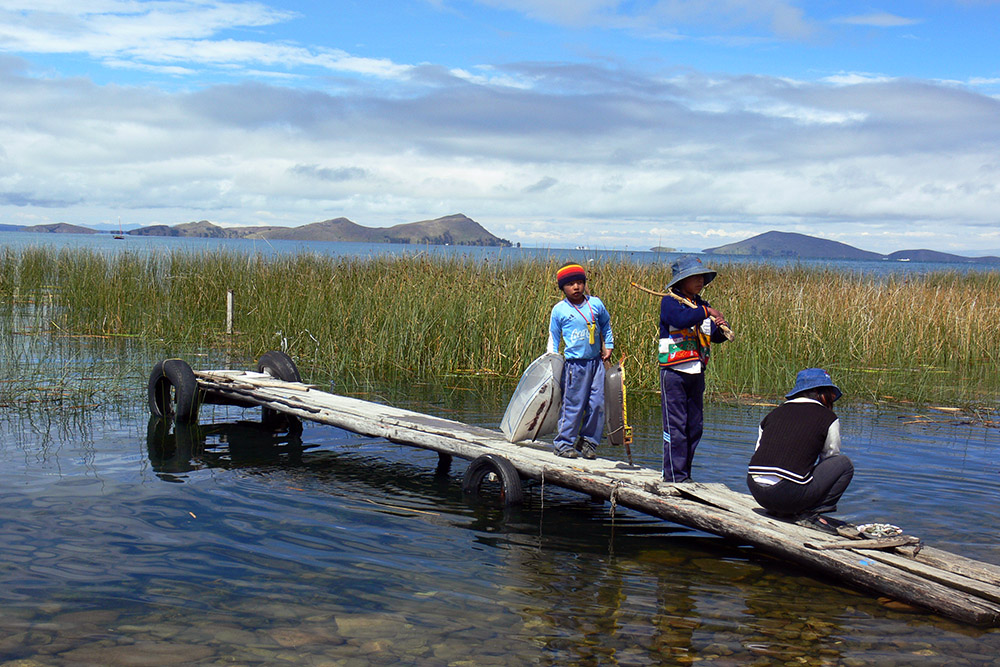
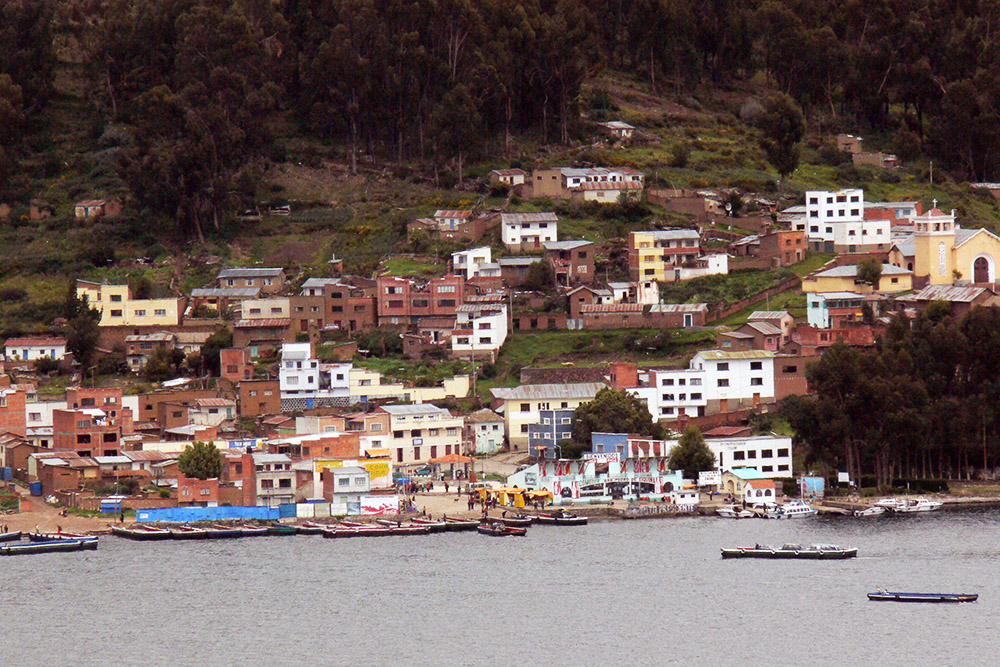
Small towns and villages appear along the shoreline, and much of everyday life is still tied directly to the water.
In one place I watched children fishing from shore. Elsewhere, simple ferries transported cars across a narrow section of the lake instead of forcing drivers to make a much longer trip around it.
Traditional Reed Boats
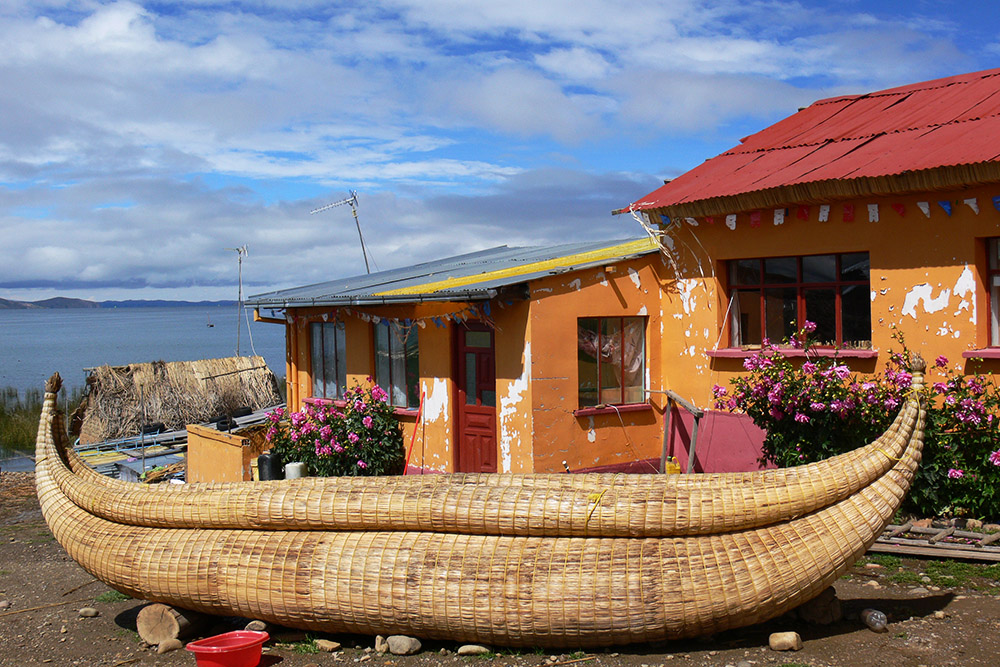
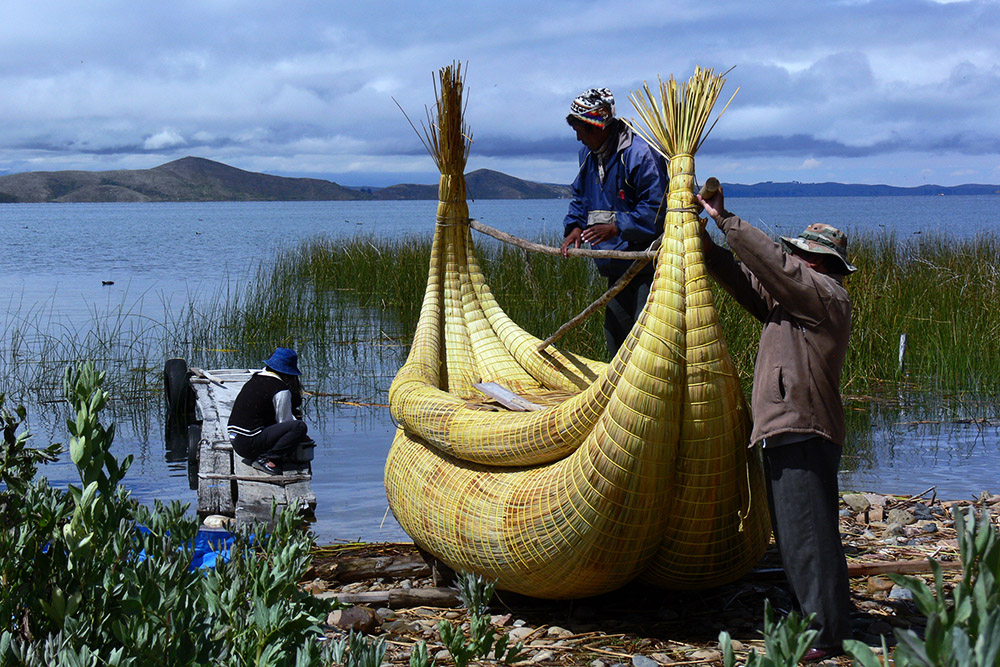
One of the most interesting traditions around Titicaca is the construction of boats from reeds growing along the shoreline.
Wood is scarce across much of this high-altitude landscape, so Indigenous communities developed boats using the materials available to them. Bundles of reeds were tied together to create vessels capable of navigating the lake.
The tradition still survives today. I saw one boat on display and another that looked like it was about to be launched into the water for the first time.
Copacabana
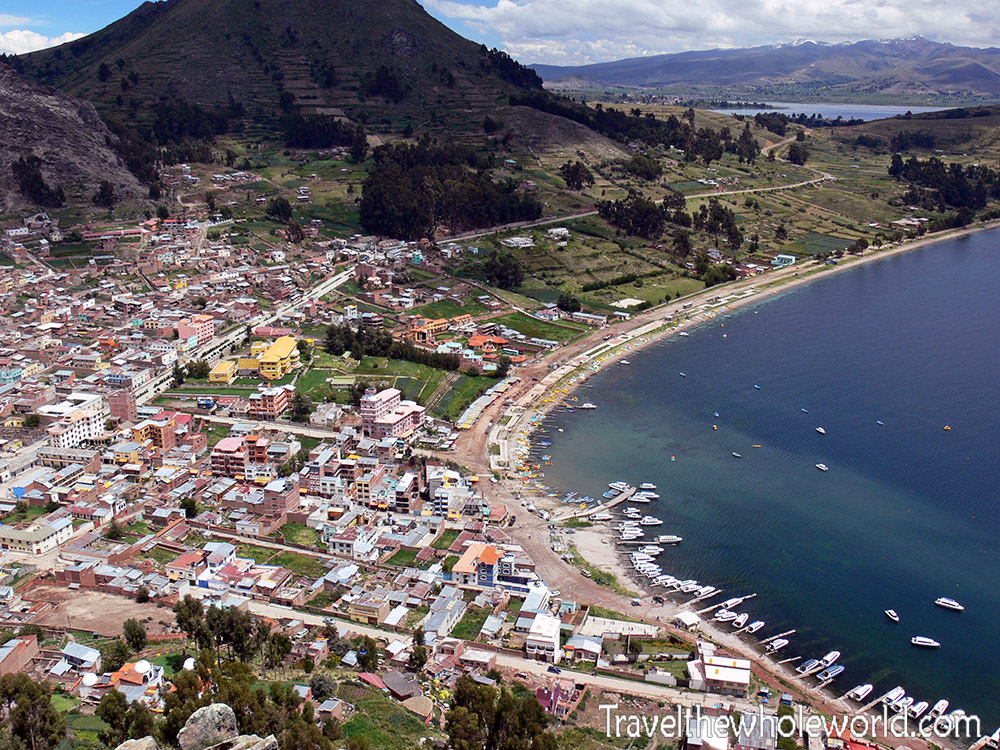
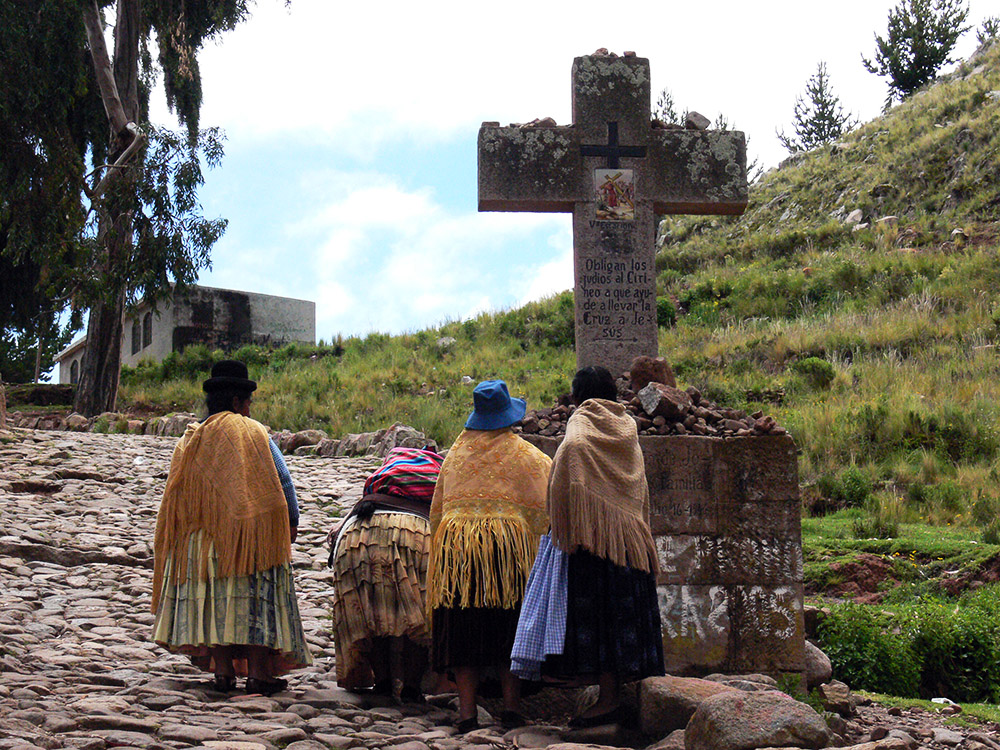
The main town I visited along the Bolivian side of Lake Titicaca was Copacabana, close to the Peruvian border.
Copacabana isn’t a large town, but its setting between the lake and surrounding mountains makes it one of the most scenic places I visited in Bolivia. It is also an important religious destination, with Catholic traditions existing alongside older Indigenous beliefs that have been connected with the lake for centuries.
The Basilica of Copacabana
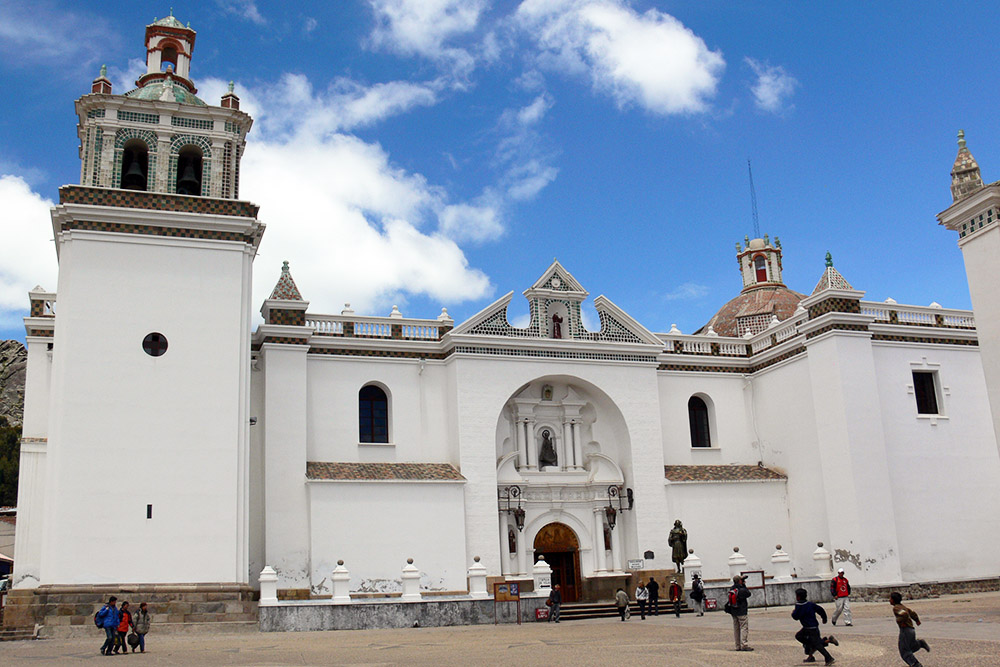
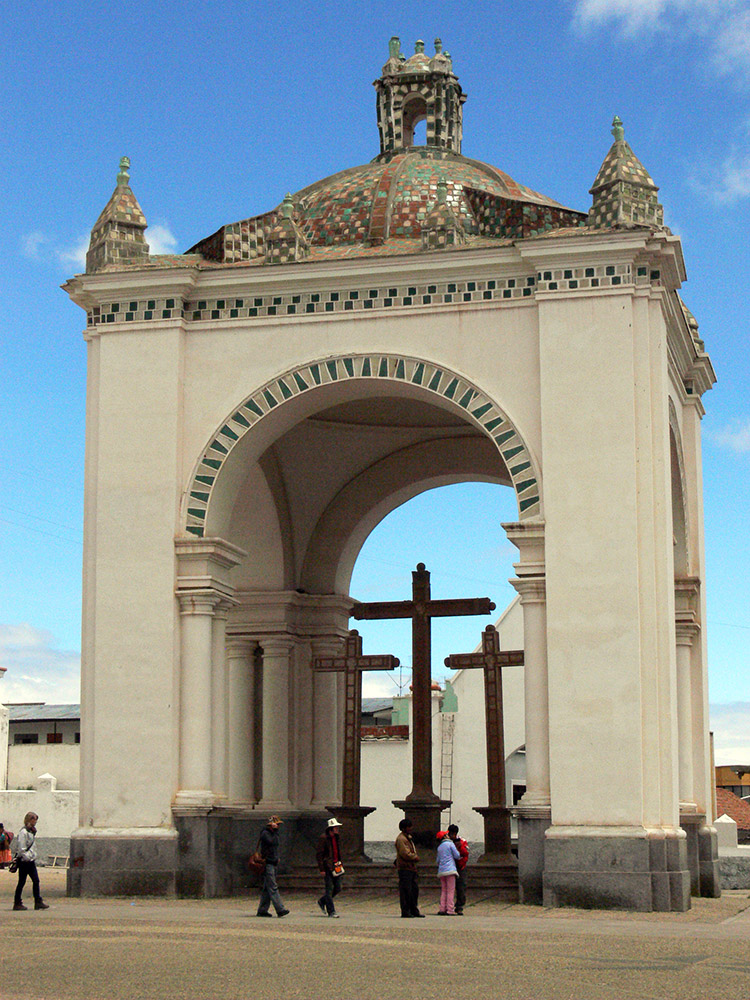
For such a small town, Copacabana has an unusually impressive basilica. The church dates back several centuries and remains one of Bolivia’s important Catholic pilgrimage sites.
What interested me more was the way Catholicism had blended with traditions that existed long before the Spanish arrived. Around Copacabana, religious customs often seemed to carry both Christian and Indigenous influences rather than fitting neatly into one or the other.
Climbing Above Copacabana
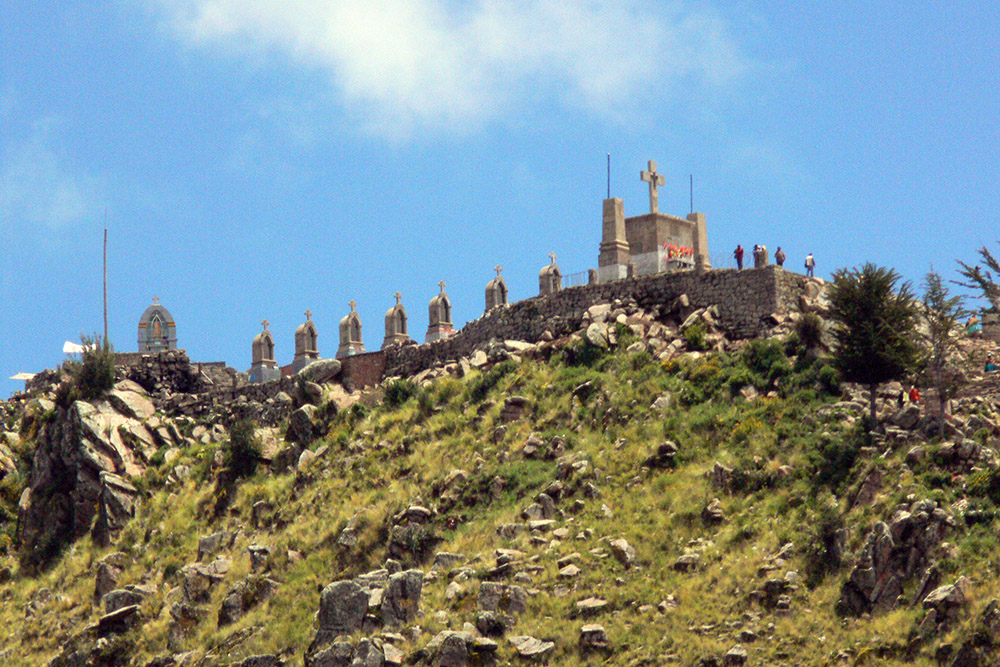
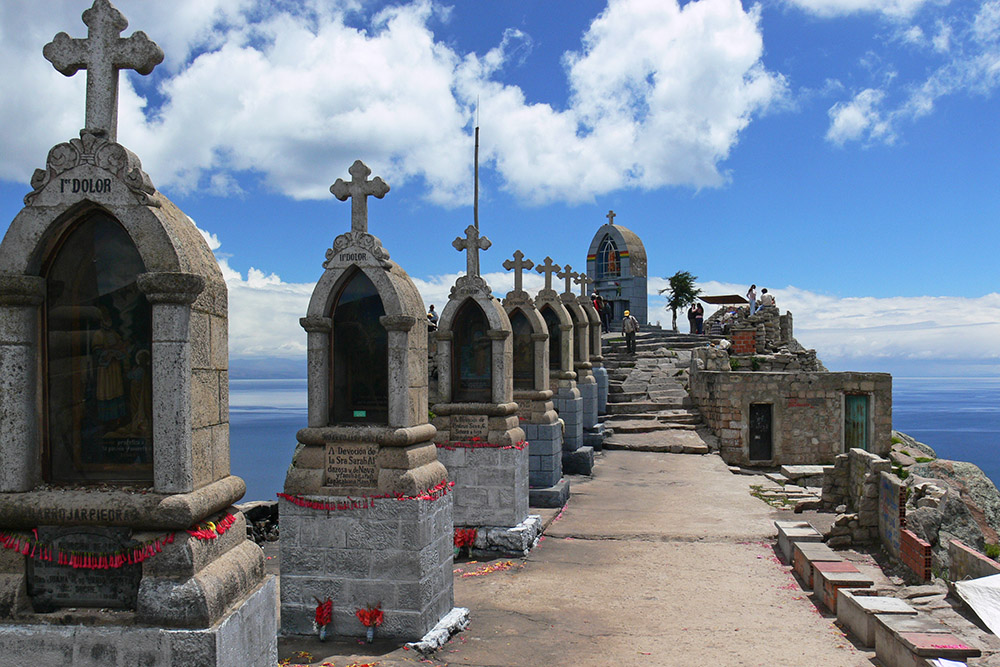
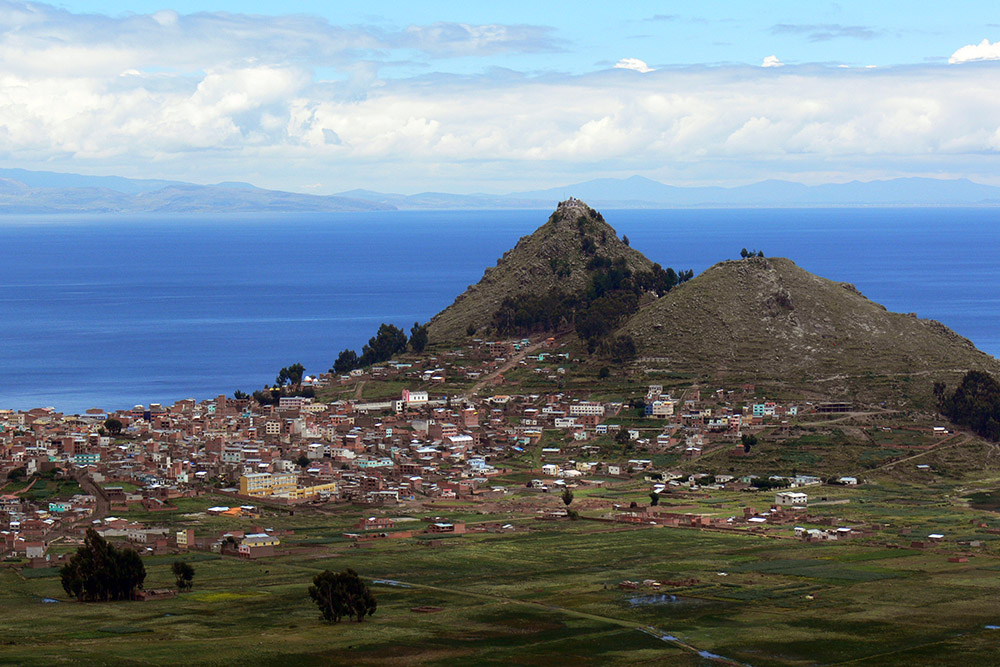
On one of the hills beside Copacabana is a large Catholic pilgrimage site overlooking the town and lake.
I hiked up to it for the view.
Normally, hiking uphill at more than 12,500 feet would be a pretty good way to discover just how badly altitude can affect you.
Fortunately, only a few weeks earlier I had climbed Aconcagua at nearly 23,000 feet.
For once, Copacabana felt like the lowlands.
A Festival in the Streets
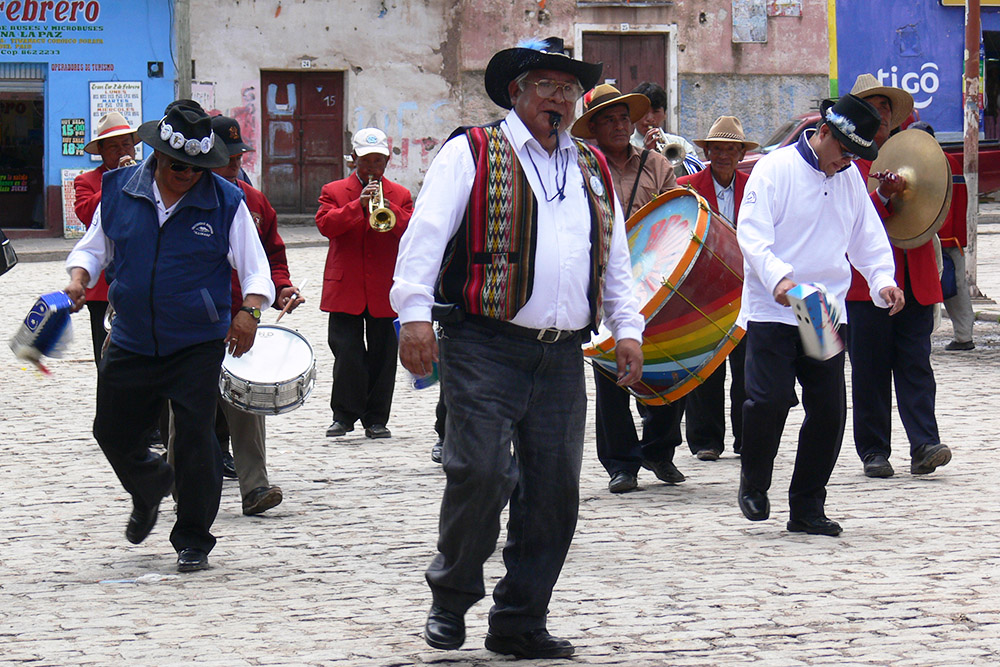
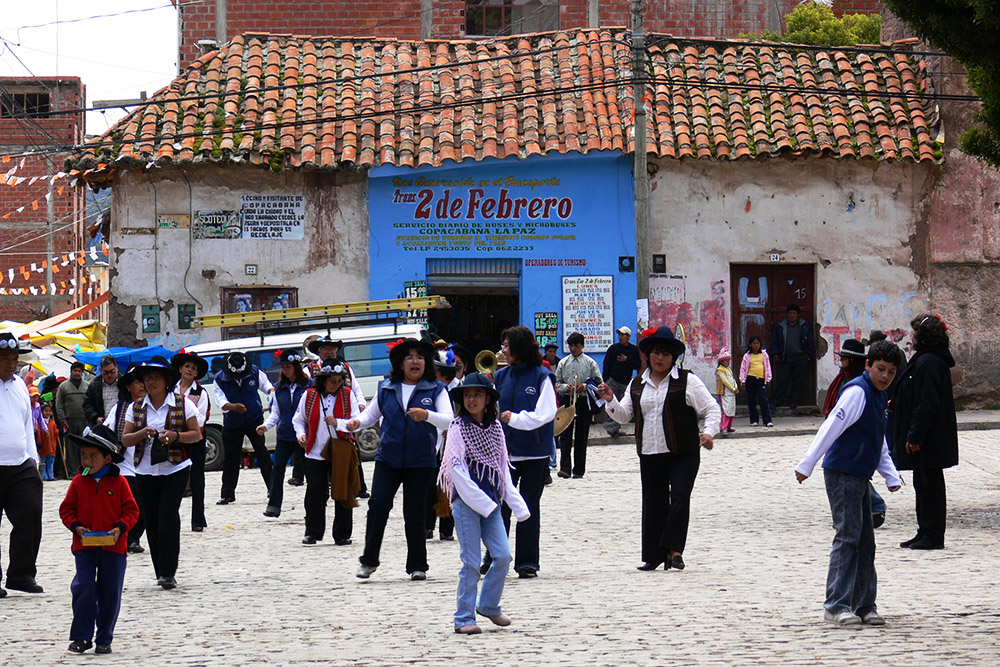
When I arrived in Copacabana, there was some kind of celebration taking place in the streets.
People were dancing, playing music, and moving through the town in small groups. I arrived on a Saturday and initially wondered if this was something that happened every weekend.
I never actually figured out whether I had stumbled onto a regular local event or a special festival.
Either way, it made a colorful town even more interesting.
My Time at Lake Titicaca
Lake Titicaca was another place in Bolivia where the landscape and culture were difficult to separate from one another. The lake itself is impressive simply because of its size and altitude, but what made it memorable for me were the communities that had adapted to living around it.
I saw children fishing along the shore, cars being moved across the water on simple ferries, traditional reed boats still being made, and religious traditions in Copacabana that blended influences from completely different periods of Bolivian history.
Then I climbed above town and looked down over what appeared to be an enormous blue sea sitting more than two miles above the ocean.
That’s not a view you get in many places.
Explore More of Bolivia
Copacabana & Titicaca • La Paz • Salar De Uyuni • the Bolivian Deserts • Tiwanaku