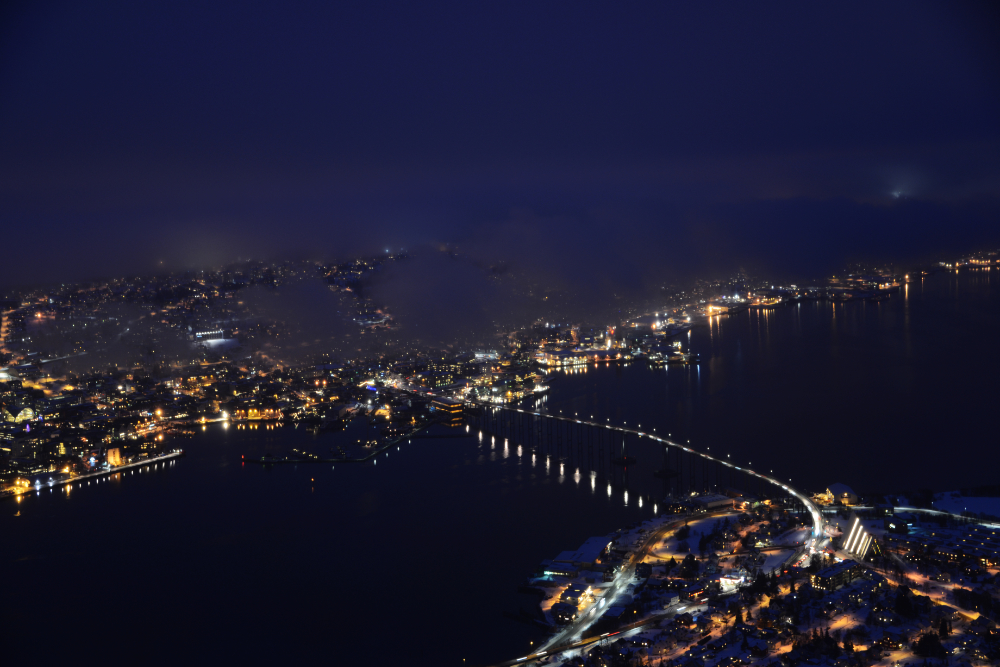
Located at nearly 70 degrees north, Tromsø took me farther into the Arctic than I had ever been. Despite its extreme latitude, the climate was surprisingly mild compared with places at similar latitudes in Alaska and Canada. During my winter visit, temperatures ranged from approximately 20°F to 35°F (-5°C to 2°C), and it was even above freezing at times.
Tromsø has become one of the most popular bases for exploring Arctic Norway. It has the infrastructure of a small city while being surrounded by mountains, fjords, and wilderness. Located well above the Arctic Circle, Tromsø experiences the midnight sun in summer and the polar night in winter. I arrived just after the winter solstice, primarily hoping to see the northern lights, although whale watching and exploring the surrounding Arctic landscape were also high on my list.
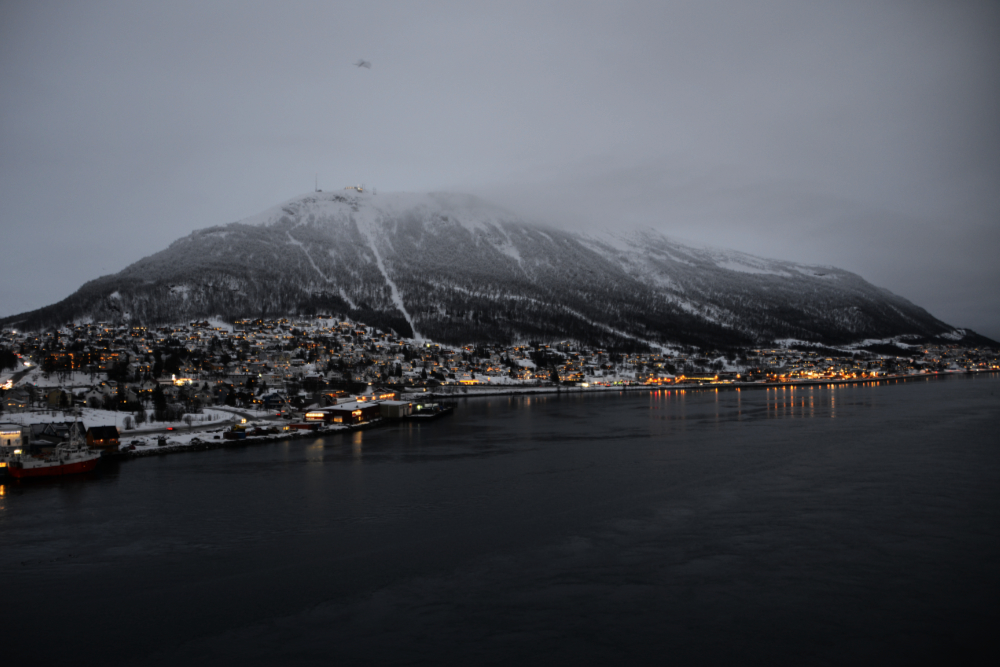
One of the best places to see Tromsø is from the mountain above Tromsdalen, reached by cable car from across the harbor. That’s where I took the opening photograph. From the top, there are sweeping views across the city, surrounding waterways, and mountains beyond. The cable car climbs more than 1,300 feet (400 meters) above the city, providing one of the most recognizable panoramas in northern Norway.
Under the right conditions, the northern lights can even be seen from around Tromsø itself. However, many visitors join excursions into the surrounding countryside, where darker skies and the possibility of escaping cloud cover improve their chances. I would eventually do exactly that, although the weather didn’t cooperate quite as I had hoped.
Polar Night in Tromsø
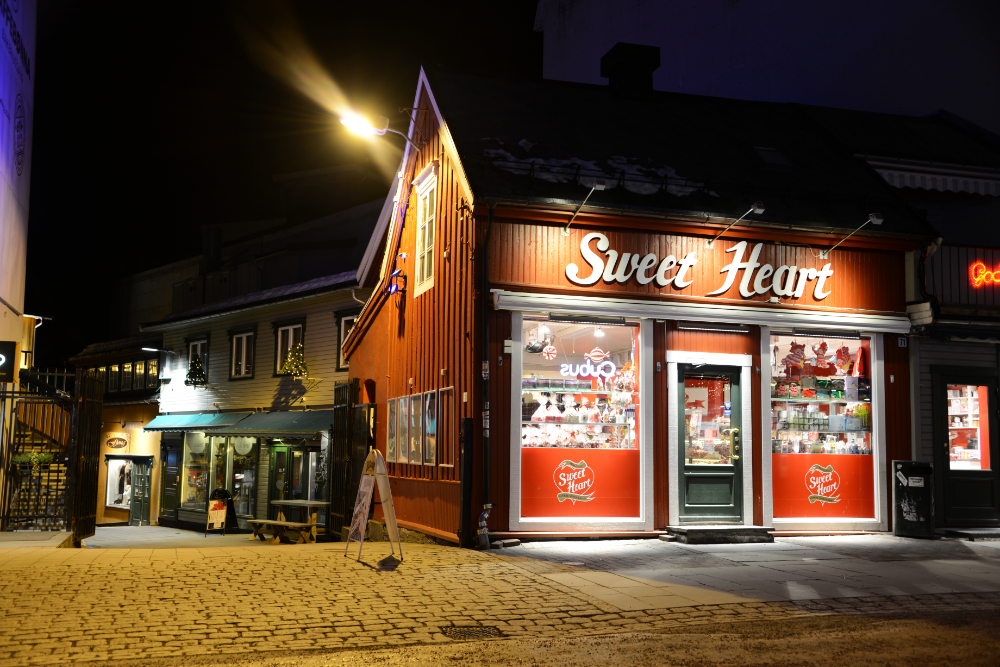
I visited Tromsø just after the winter solstice, when the sun doesn’t rise above the horizon. Instead, there are a few hours of twilight around the middle of the day. The photograph above might look like it was taken in the middle of the night, but it was actually around 3 p.m.
It feels strange at first to walk toward brightly illuminated shops expecting them to be closed, only to realize that this is simply a normal afternoon here. The city continues functioning much as it would anywhere else, despite the absence of a sunrise.
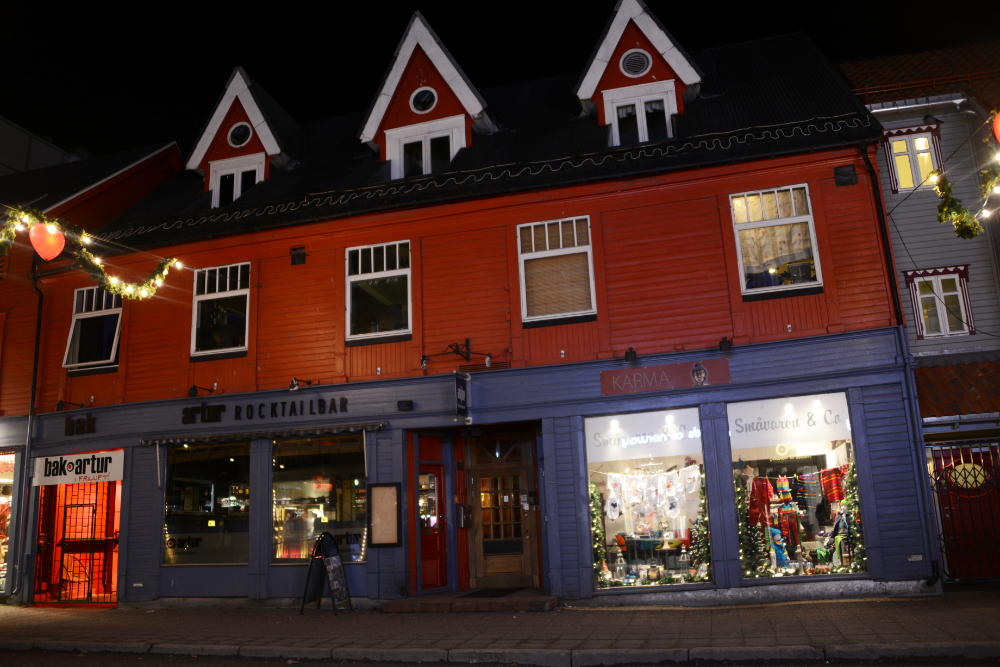
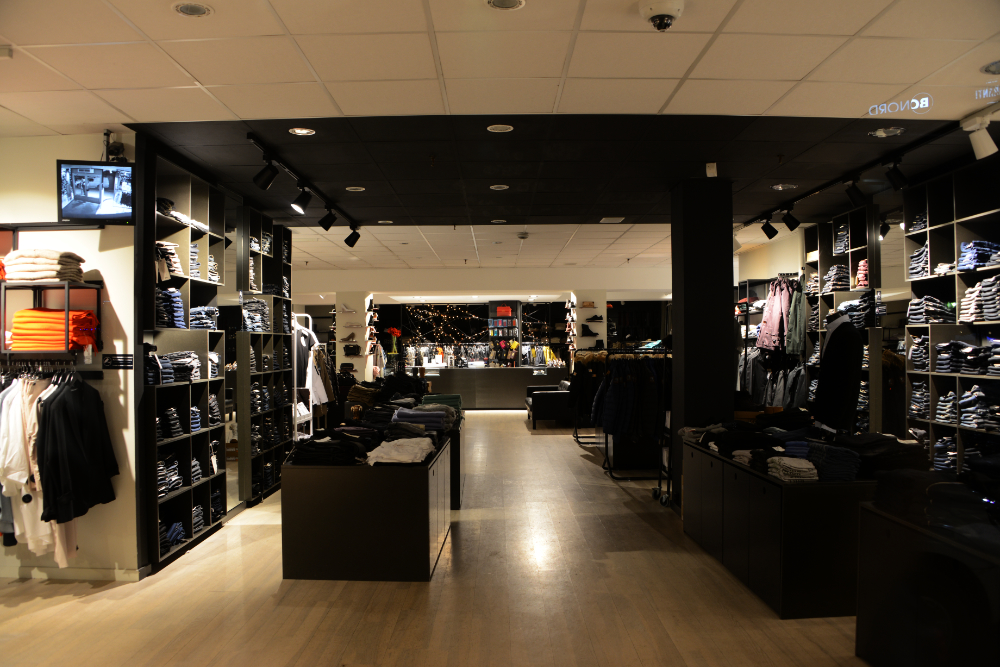
Once inside the stores, Tromsø feels much like any other Norwegian city. There are clothing shops, restaurants, supermarkets, and businesses catering to both residents and tourists. One thing that definitely stood out, however, was the price of almost everything.
Norway was already one of the most expensive countries I had visited, and Tromsø seemed particularly costly. The wool sweaters below were selling for around $500 during my visit!

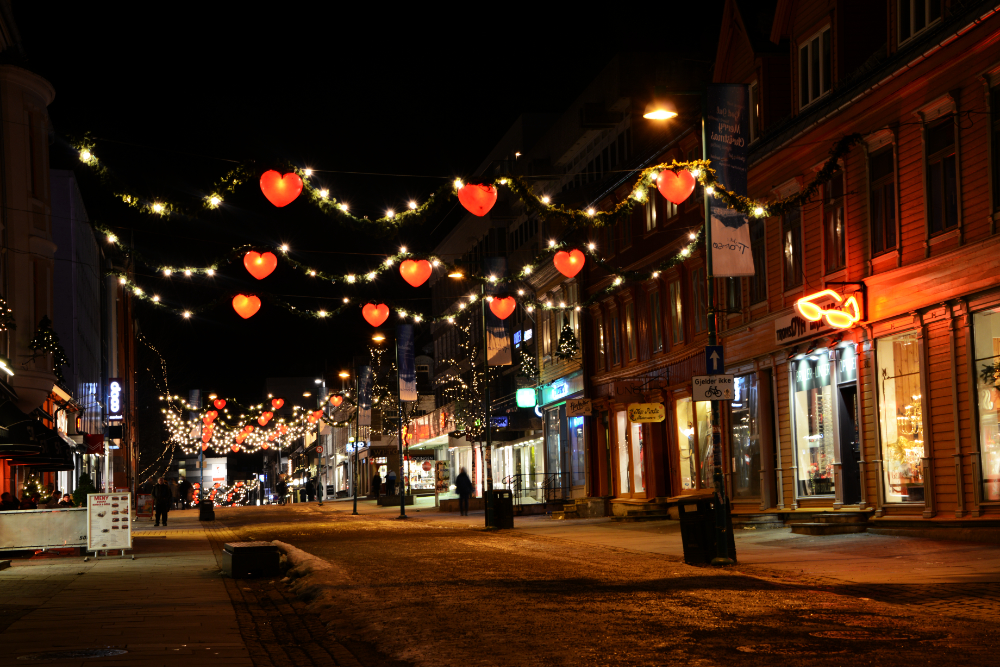
This is one of Tromsø’s main downtown streets during the polar night. Festive decorations hung across the street, although personally I would have welcomed even more light. Visiting for a week was one thing, but living through weeks without a sunrise would definitely take some adjustment.
At the same time, there was something fascinating about experiencing a city where the daily rhythm wasn’t dictated by daylight. Even when it was dark outside, people were shopping, going to restaurants, and carrying on with their usual routines.

Despite being so far into the Arctic, Tromsø is very much a functioning city rather than an isolated northern outpost. Walking around downtown, I came across shops, restaurants, nightlife, street art, and all the other things you’d expect to find in a city much farther south.
The Cost of Visiting Tromsø
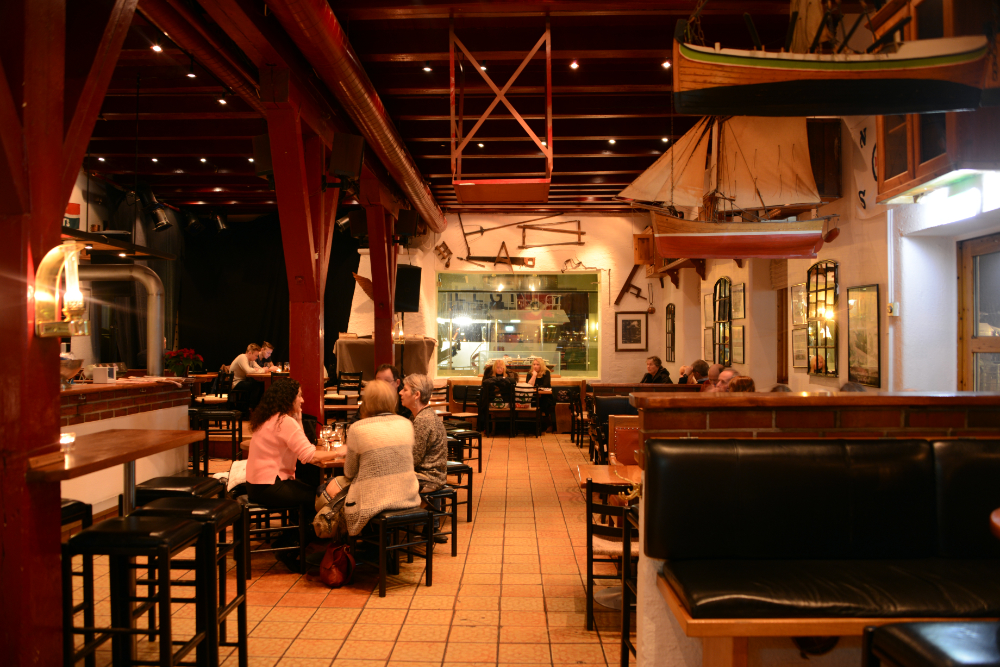
The biggest downside of Tromsø for me was the cost of eating out. I remember finding restaurants where an ordinary lunch could cost around $50, while even a hamburger at one of the cheaper places I found was roughly $35. Those were the prices during my visit, and eventually I decided that eating every meal in restaurants simply wasn’t worth it.

I ended up buying some of my meals from grocery and convenience stores instead. Even there, the prices surprised me. I photographed the drinks below because a 1.5-liter bottle of Coca-Cola cost around $5 at the time.
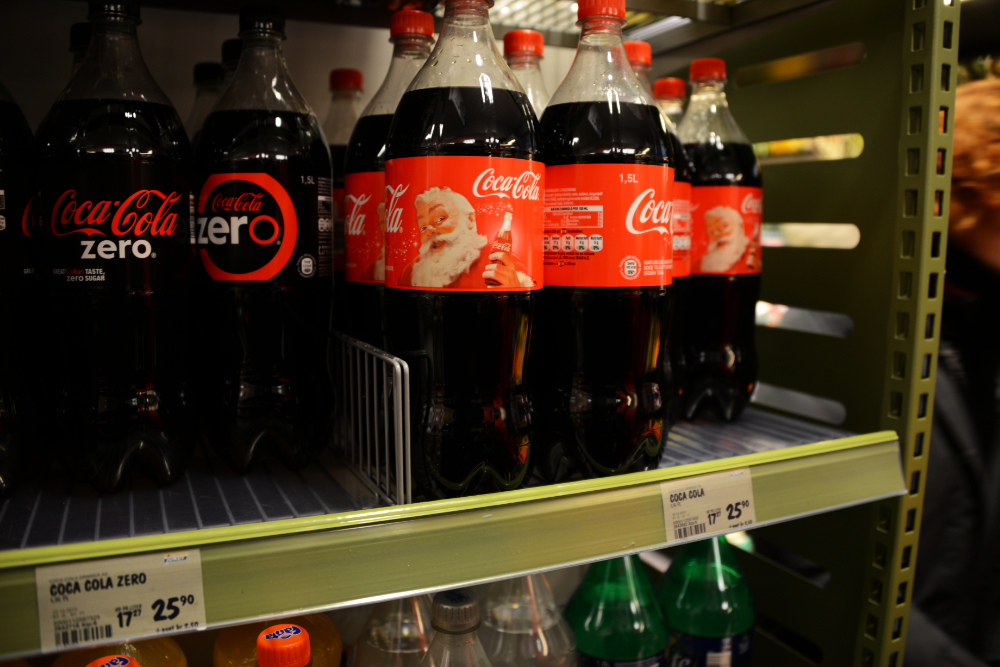
Tromsø remains one of the most expensive places I’ve personally traveled. Fortunately, there were plenty of things to enjoy without spending much money, and finding meals at grocery stores made the trip considerably more manageable.
Exploring Tromsø and Its Arctic Landmarks
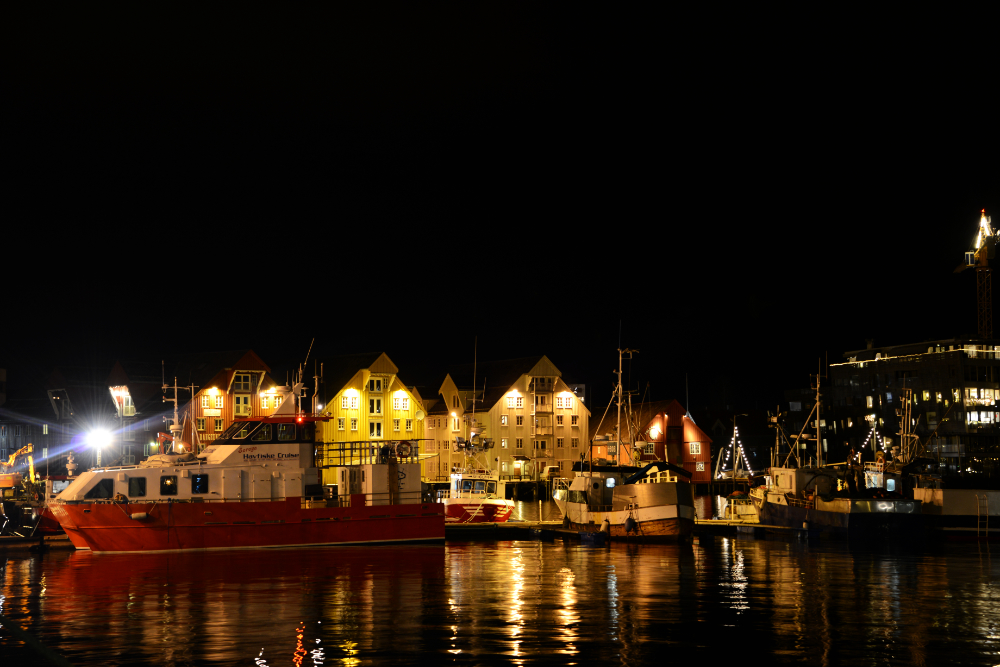
Luckily, one of my favorite things to do while traveling is simply walk around and explore, which doesn’t cost anything. During winter, I found the harbor to be one of my favorite parts of Tromsø. The waterfront was more brightly illuminated than some other parts of the city, and even during the polar night I could make out the mountains and fjords surrounding it.
The harbor also serves as a departure point for various Arctic excursions, including sightseeing cruises and whale-watching trips. Although Tromsø feels like a modern city, its waterfront makes it clear how closely connected the community remains to the sea.
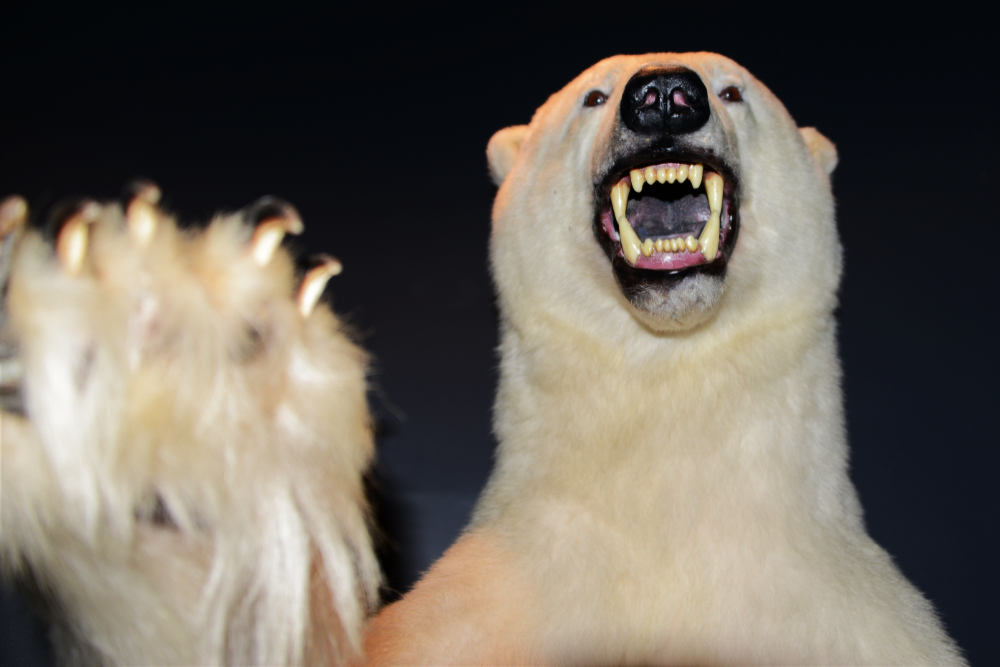
And what about polar bears? Despite its Arctic location, Tromsø itself isn’t a polar bear destination. For most travelers, the closest encounter in town will be something like this stuffed polar bear I found displayed inside a hotel.
Anyone hoping to see wild polar bears in Norway generally needs to travel much farther north to the Svalbard archipelago, where the animals inhabit the surrounding islands and sea ice.
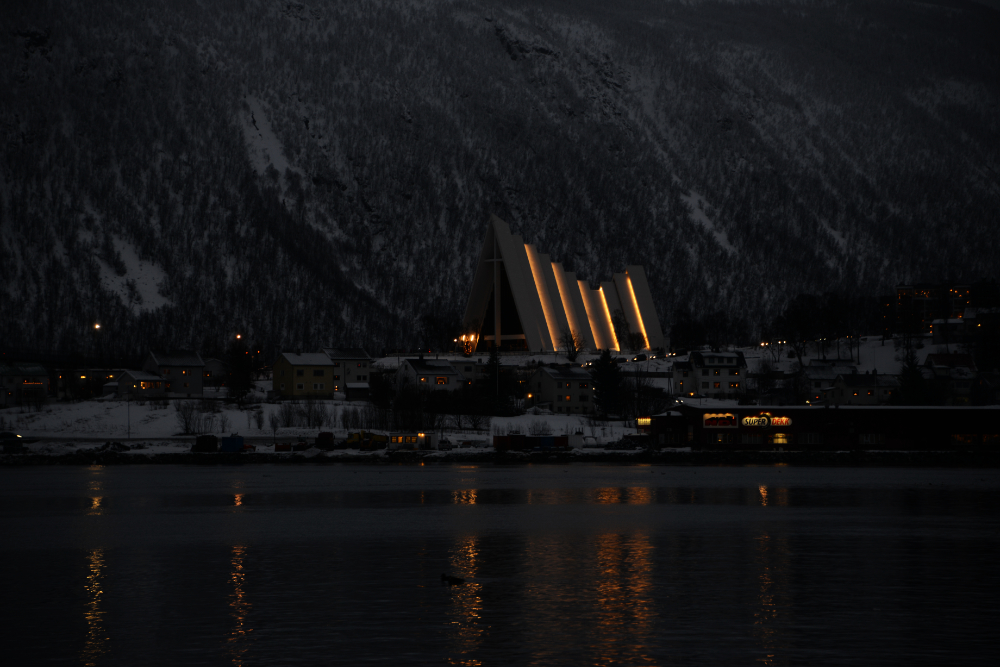
Across the harbor in Tromsdalen is one of the area’s most recognizable landmarks, the Arctic Cathedral. Despite its name, it’s actually a parish church rather than a cathedral. Completed in 1965, the building is famous for its striking triangular architecture and enormous stained-glass window.
Its design resembles a series of sharp, angular peaks, making it particularly distinctive against the snow-covered mountains surrounding Tromsø.
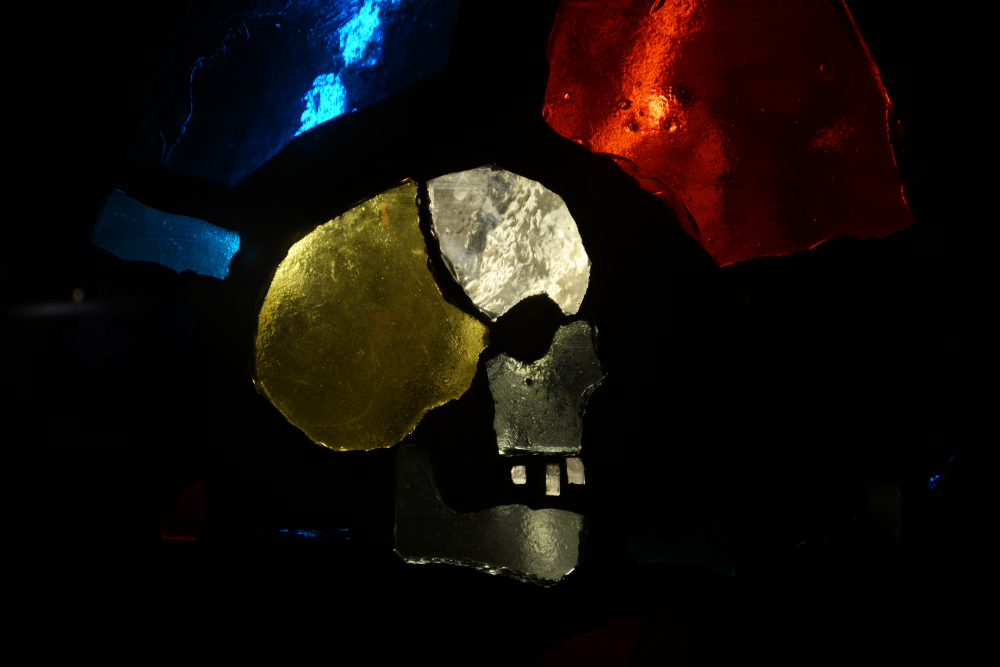
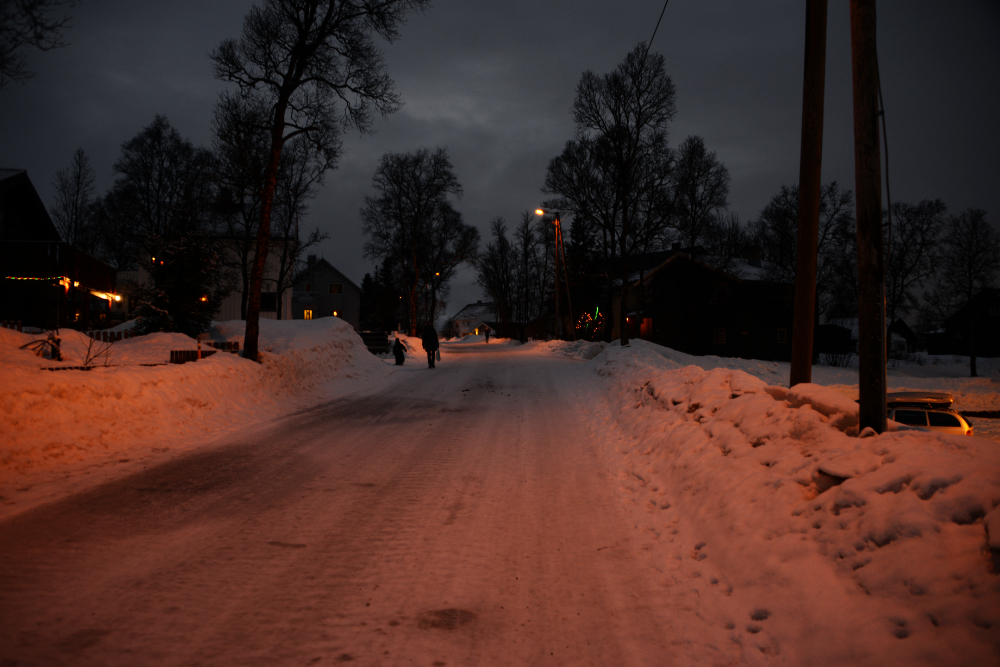
To reach the Arctic Cathedral, I walked across the Tromsø Bridge into Tromsdalen. This is also where you’ll find the cable car that climbs the mountain overlooking the city.
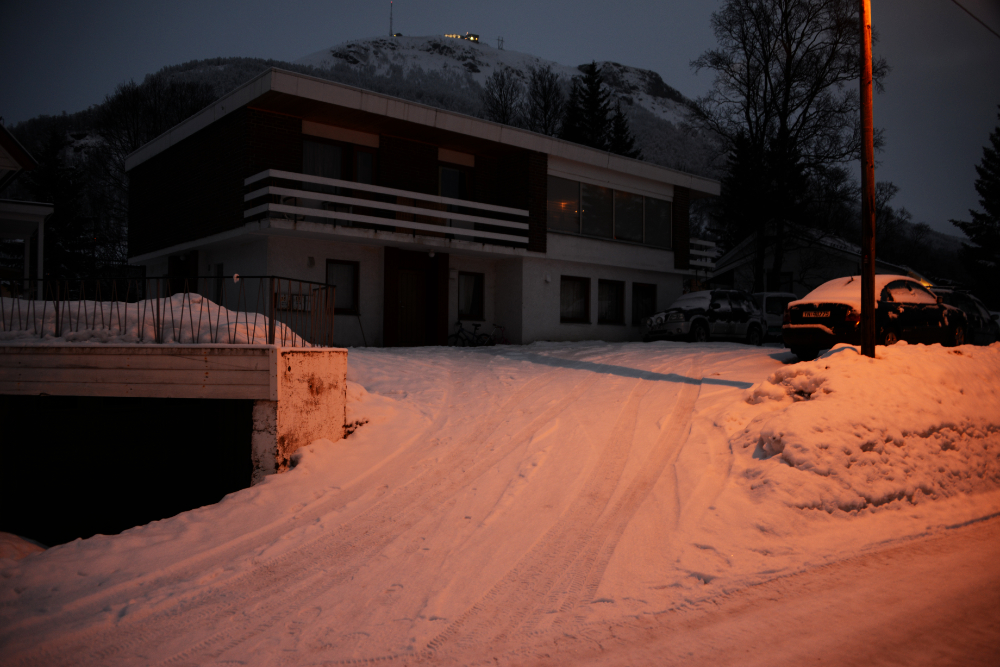
I wandered through the neighborhood around midday, during the brightest part of the winter twilight. Snowfall like this would cause chaos back home, but here it was simply part of everyday life. Houses, roads, and sidewalks were surrounded by snow, yet everything seemed to continue functioning normally.
Polaria Arctic Experience Center
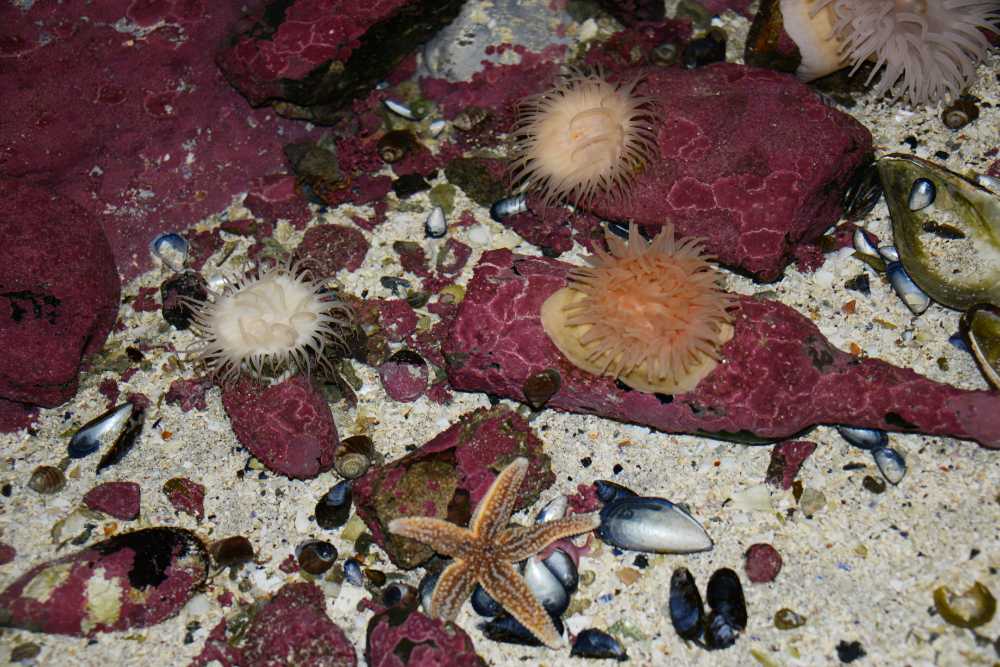
After going up the mountain, one of my favorite attractions in Tromsø was Polaria. This Arctic experience center and aquarium features exhibits about northern Norway, the northern lights, Arctic wildlife, and Svalbard.
Its aquariums also offer a glimpse beneath the cold waters surrounding northern Norway, where some of the invertebrates are surprisingly colorful. Given the frigid environment outside, I hadn’t expected to see such a variety of marine life.
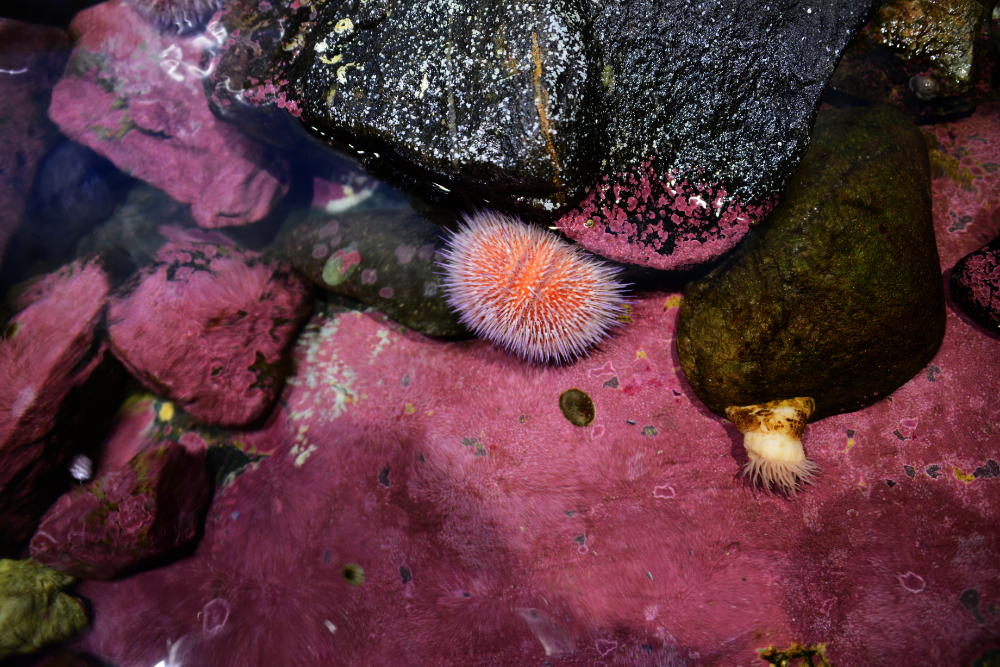
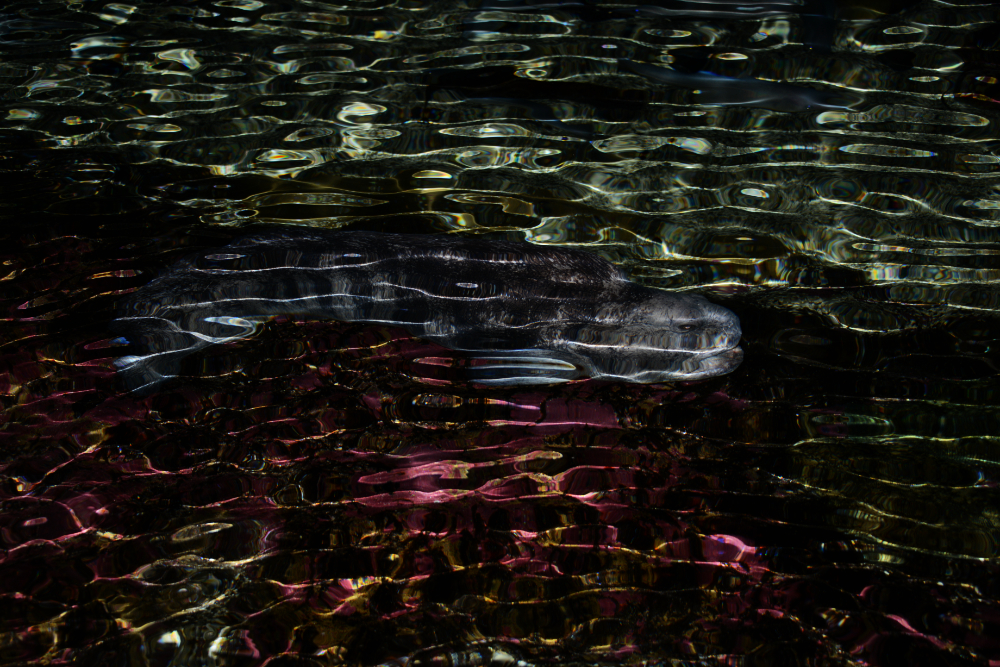
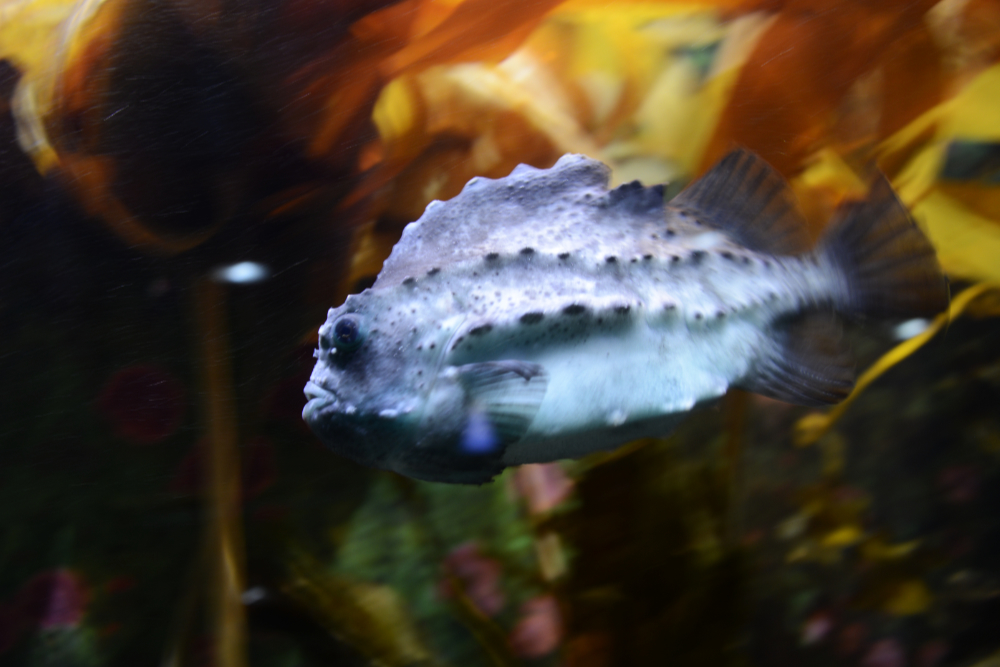
The fish themselves weren’t quite as colorful as some of the other marine life, but they were interesting to see up close. The large fish above was difficult to photograph because I was looking down into open water, while the one below was much easier to see through the side of its tank.
That guy looked more like a rock with fins to me!
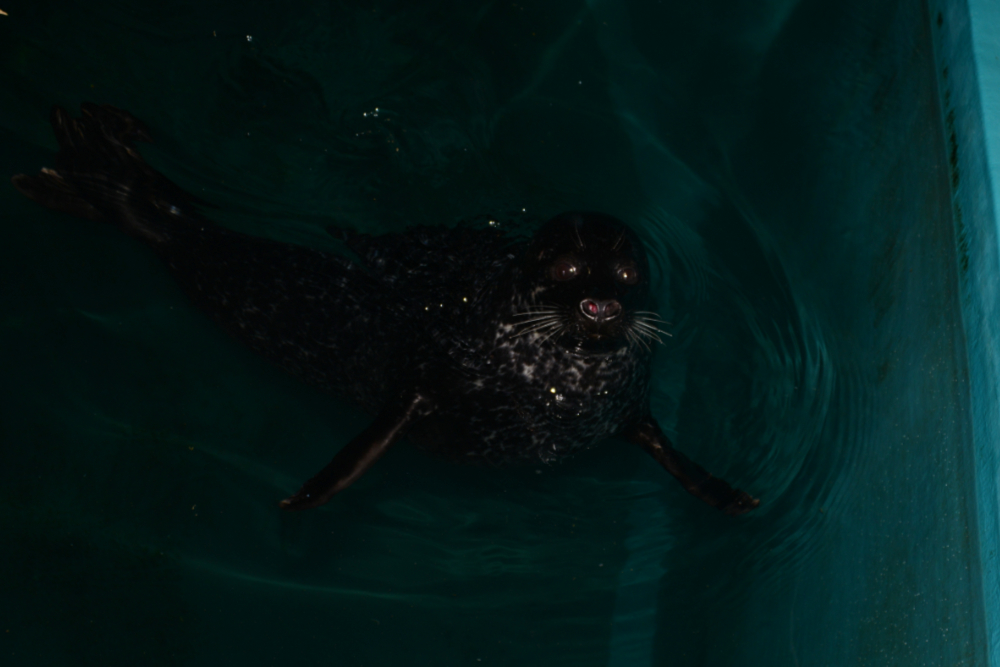
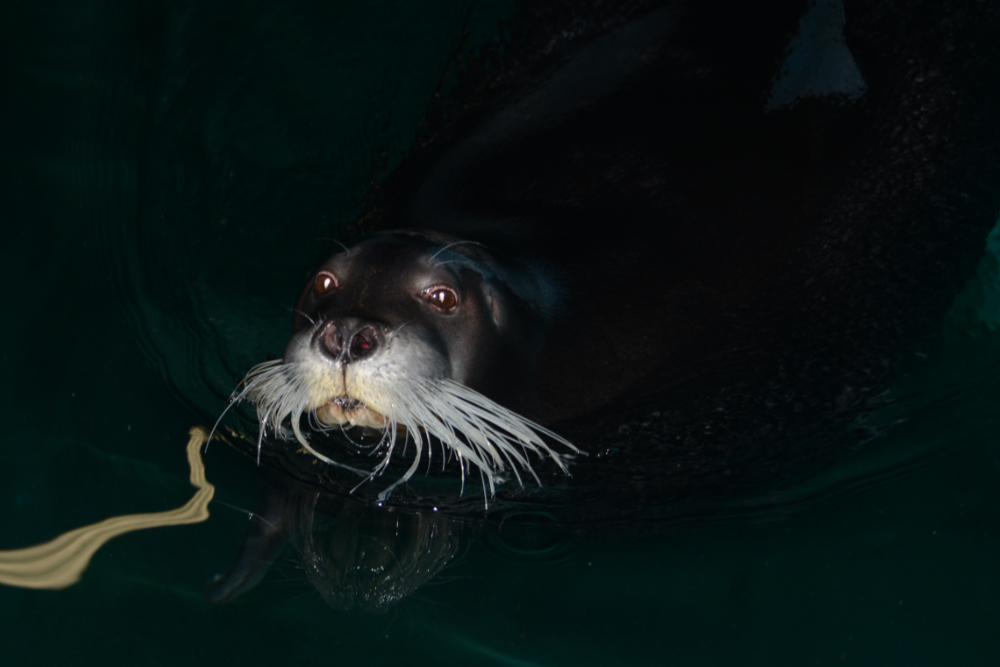
One of Polaria’s highlights during my visit was its bearded seals. I missed the scheduled feeding because I chose to spend the brief daylight hours outside exploring Tromsø, but I returned later and still had plenty of time to watch them swimming through the pool.
Bearded seals are native to Arctic waters and are well adapted to life in cold marine environments. Watching them swim was one of the most enjoyable parts of the aquarium, especially after spending so much time surrounded by the Arctic scenery they naturally inhabit.
Whale Watching in the Arctic Fjords
Although Tromsø itself was fascinating, much of what drew me to northern Norway was the opportunity to explore the surrounding Arctic wilderness. During my visit, I joined a whale-watching cruise through the fjords, hoping to see humpback whales feeding in the cold northern waters.
In other parts of Scandinavia, I’ve gone reindeer and dog sledding, stayed in an ice hotel, and even tried ice karting. Many of these activities can be found throughout the region, but Norway’s long, mountainous Arctic coastline makes it especially appealing for cruises through the fjords.
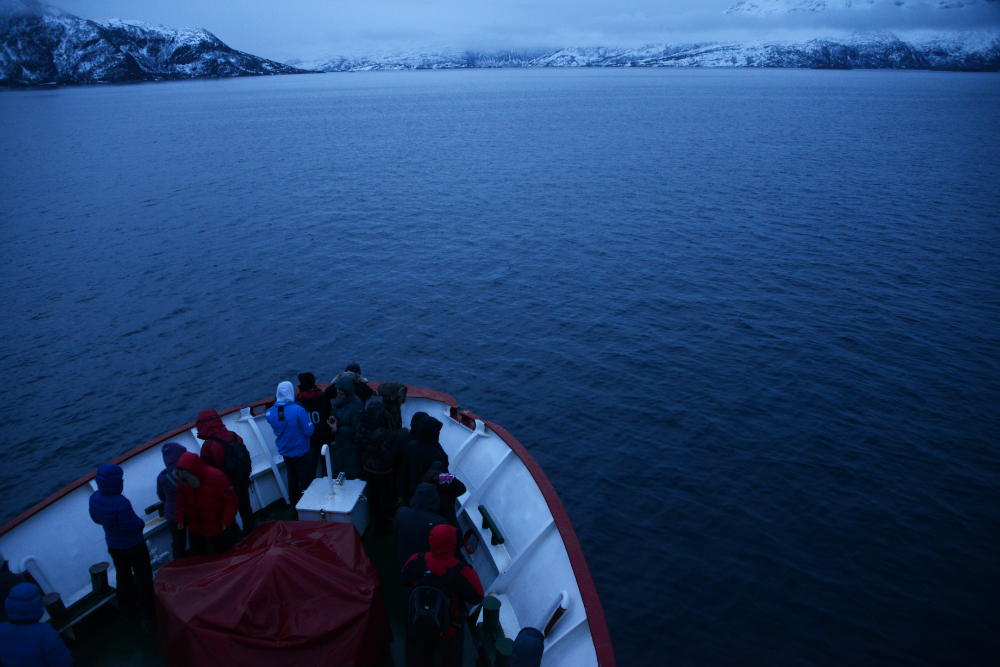
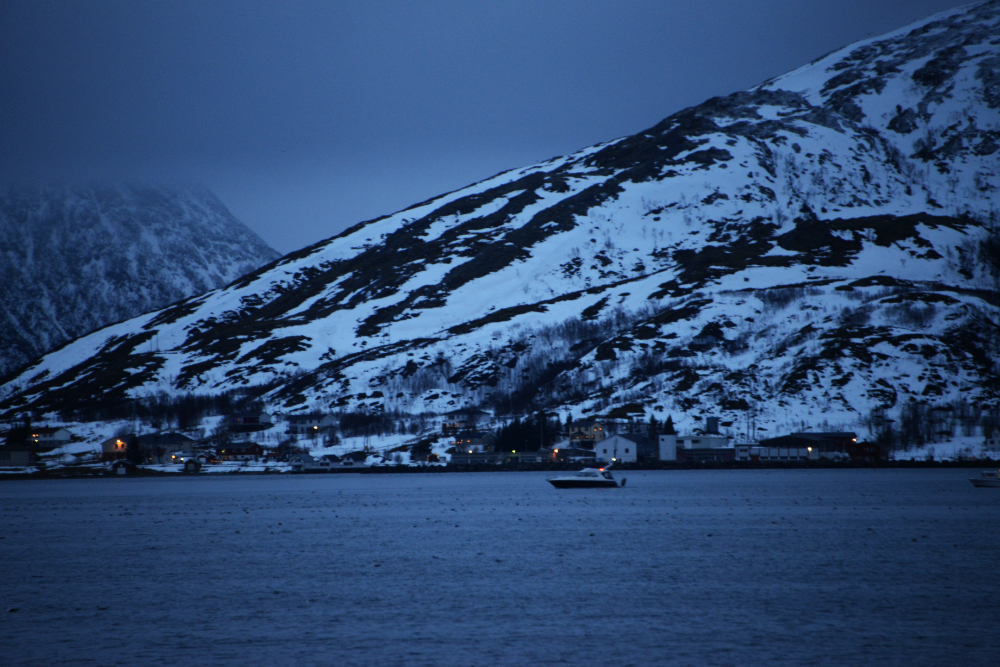
The cruise took place at the end of December and focused mainly on humpback whales. These enormous marine mammals spend part of the year feeding in productive northern waters before migrating thousands of miles toward warmer breeding grounds.
As we traveled away from Tromsø, we passed isolated homes and small communities scattered along the fjords. The combination of steep mountains, dark water, and tiny settlements made the journey memorable even before we encountered any whales.
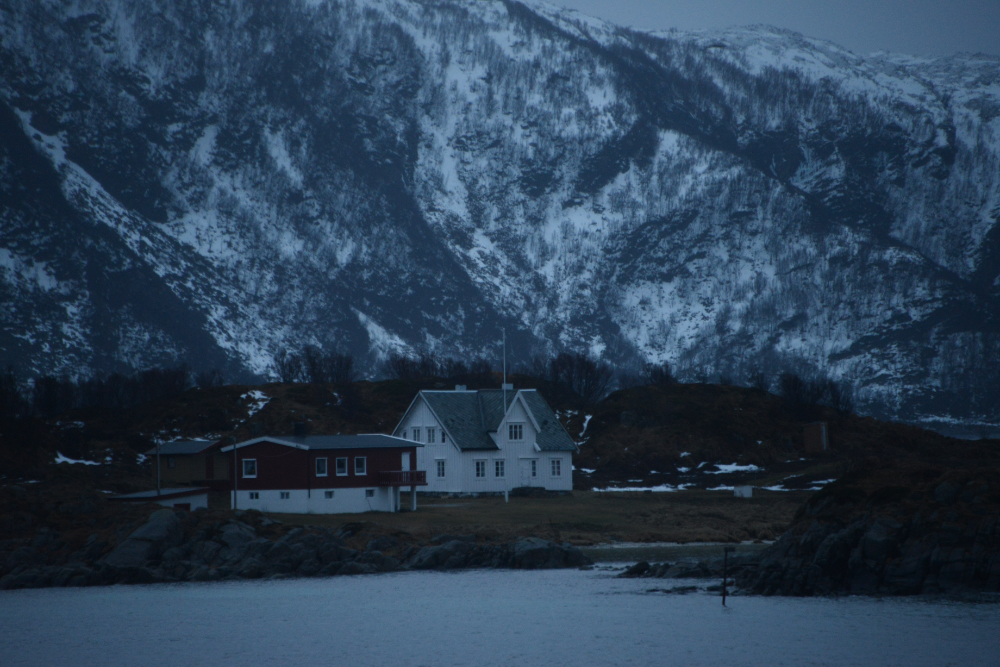
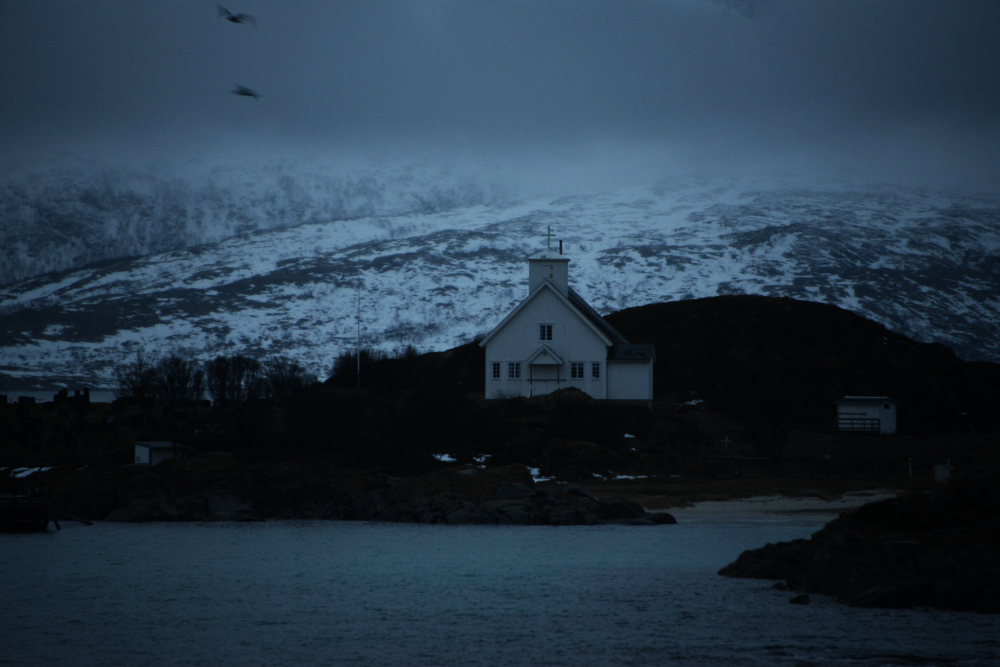
Living this far north, surrounded by mountains and water, seemed like a completely different lifestyle from anything I’m used to. I imagine the long summer days must be beautiful, although I don’t think I’d enjoy spending an entire winter this far into the Arctic!
Some of these homes appeared remarkably isolated, with few visible signs of neighboring communities. The scenery was spectacular, but it also made me appreciate how different everyday life must be in such a remote environment.
Humpback Whales in the Arctic
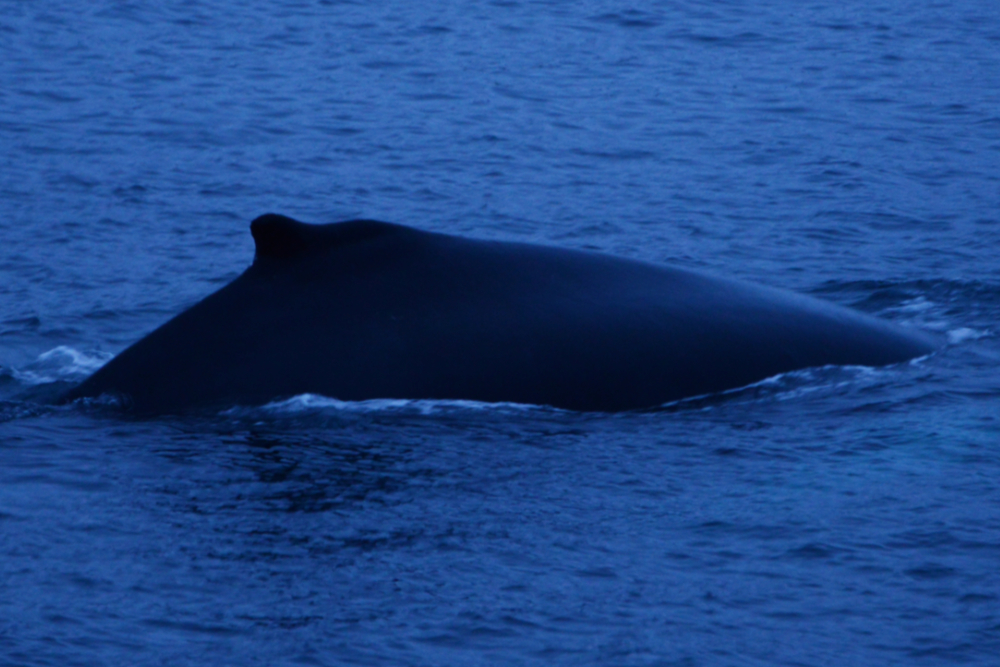
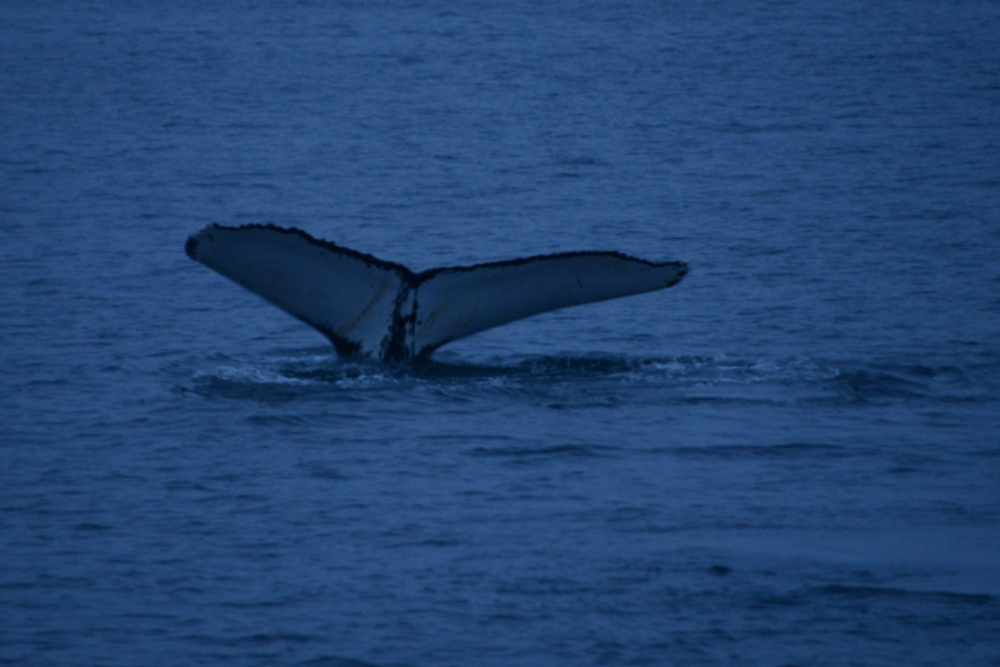
Almost a decade earlier, I had taken some terrible photographs of humpback whales in Antarctica, mostly because my camera at the time was pretty limited. I always planned to redeem myself, but photographing whales in northern Norway presented a completely different problem.
I visited just after the winter solstice, when the sun doesn’t rise above the horizon. Around midday there is still a period of twilight, but to a camera it’s extremely dark, and increasing the ISO introduces a lot of noise into the photographs.
So once again, my whale photographs weren’t exactly award-winning, but the experience itself was excellent. There were plenty of humpbacks around us, and the scenery made the trip worthwhile even without perfect photography. Above, one humpback can be seen surfacing while another lifts its tail before disappearing beneath the water.
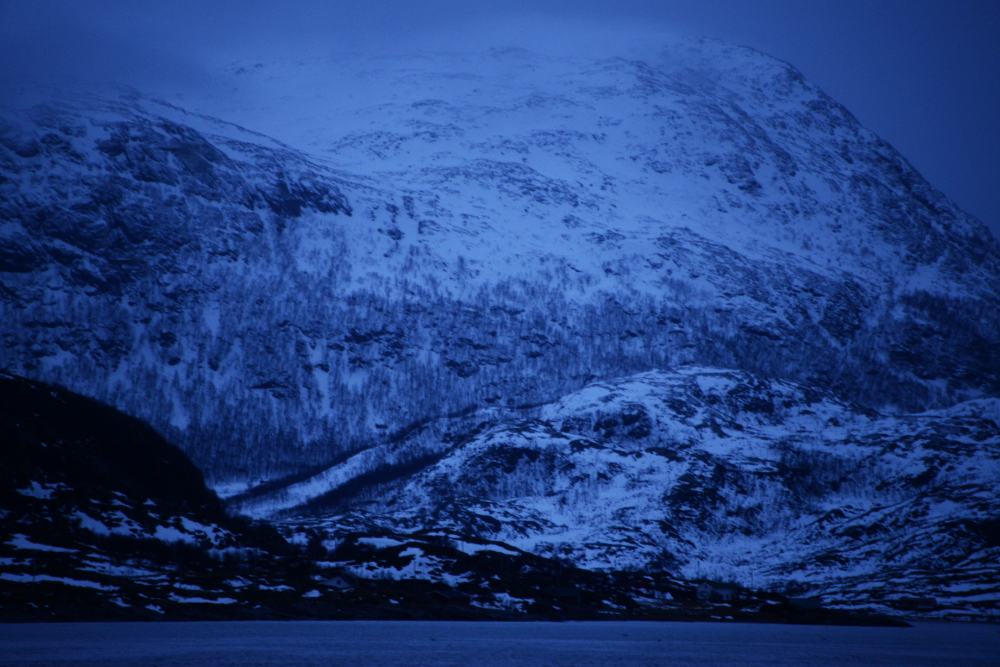
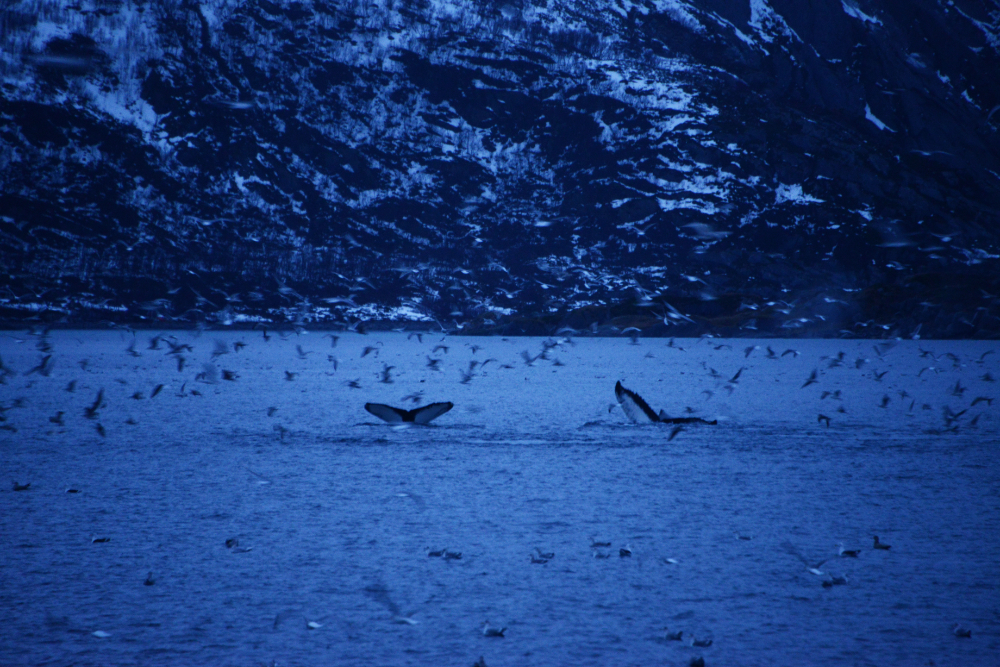
Being surrounded by steep Arctic mountains while watching humpbacks feed made this one of my favorite experiences in northern Norway.
I also got to watch the whales use a technique known as bubble-net feeding. The whales dive beneath schools of fish and release bubbles that help concentrate the fish into a tighter group before rising toward the surface to feed. Watching such enormous animals work together to capture relatively small fish was fascinating.
The seabirds quickly figured out what was happening too. Whenever the whales started feeding, large groups of gulls gathered overhead, hoping to take advantage of the fish being pushed toward the surface.
Even with the difficult lighting conditions, this was easily one of the highlights of my Arctic travels.
Hunting the Northern Lights
Above all else, my main goal in the Arctic was to see the northern lights. The aurora borealis had been something I wanted to witness for years, and traveling to northern Norway during the polar night seemed like an ideal opportunity.
Of course, being far north doesn’t guarantee a spectacular display. Auroras depend on solar activity, and even when the lights are active, clouds can obscure them completely. With that in mind, I joined an organized excursion that took us away from Tromsø in search of darker skies and hopefully better weather.
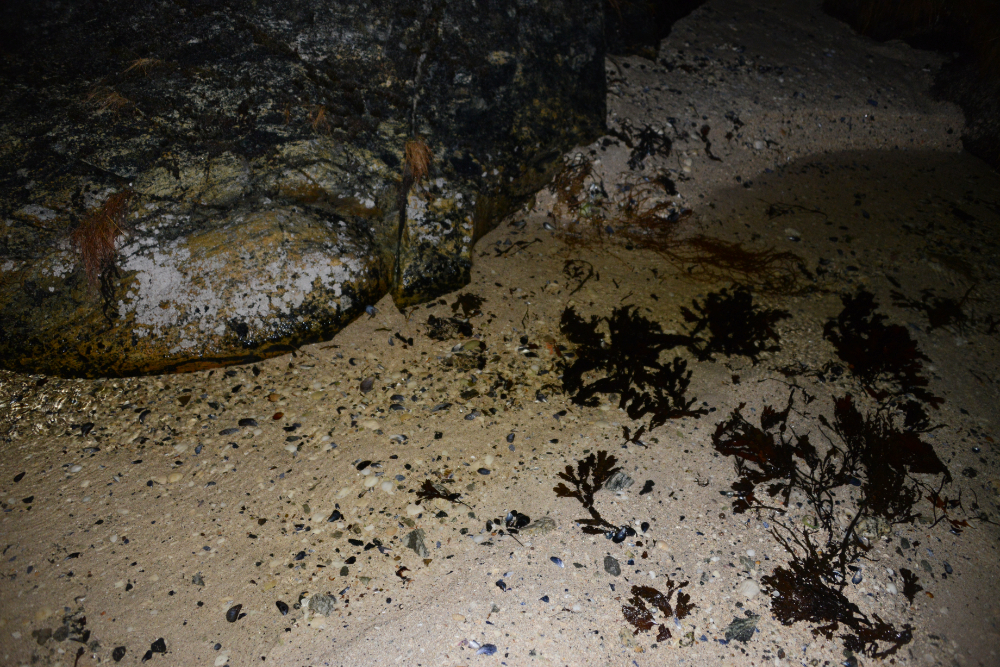
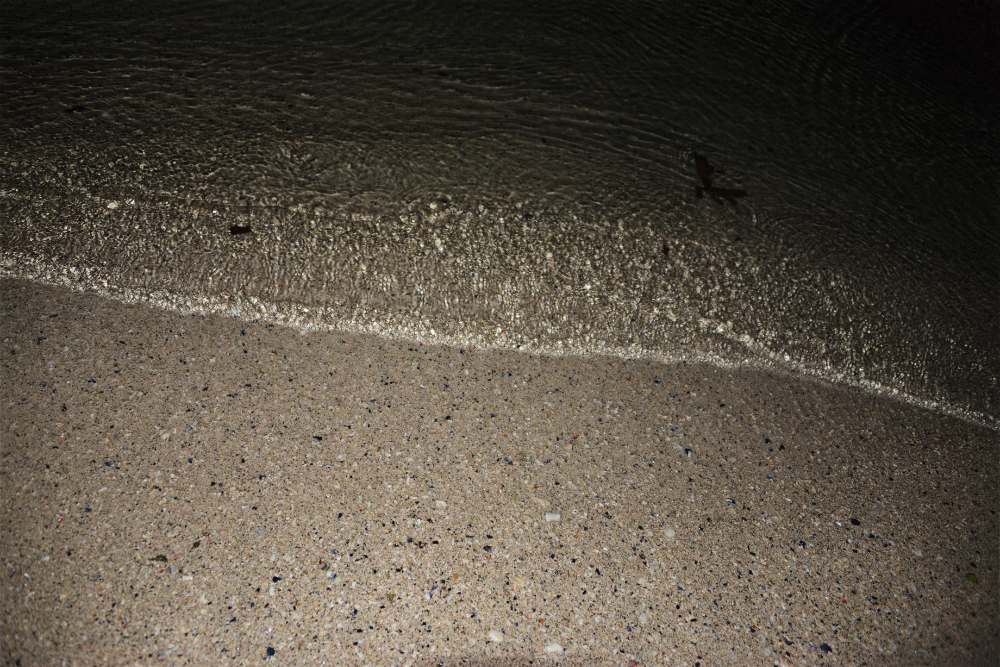
Our excursion brought us to a quiet shoreline outside Tromsø, where the lack of artificial lighting offered a better chance of seeing the aurora. Almost immediately, my camera picked up a faint green glow that was much easier to see in the photograph than with my naked eye.
The forecast suggested the sky might clear, so I felt confident that patience would eventually pay off. It wasn’t exceptionally cold, only a few degrees below freezing, but standing around waiting eventually became boring.
I wandered along the shoreline and tried taking photographs despite the darkness. The water was incredibly clear, and along the edge of the beach, waves had frozen around shells and other debris.
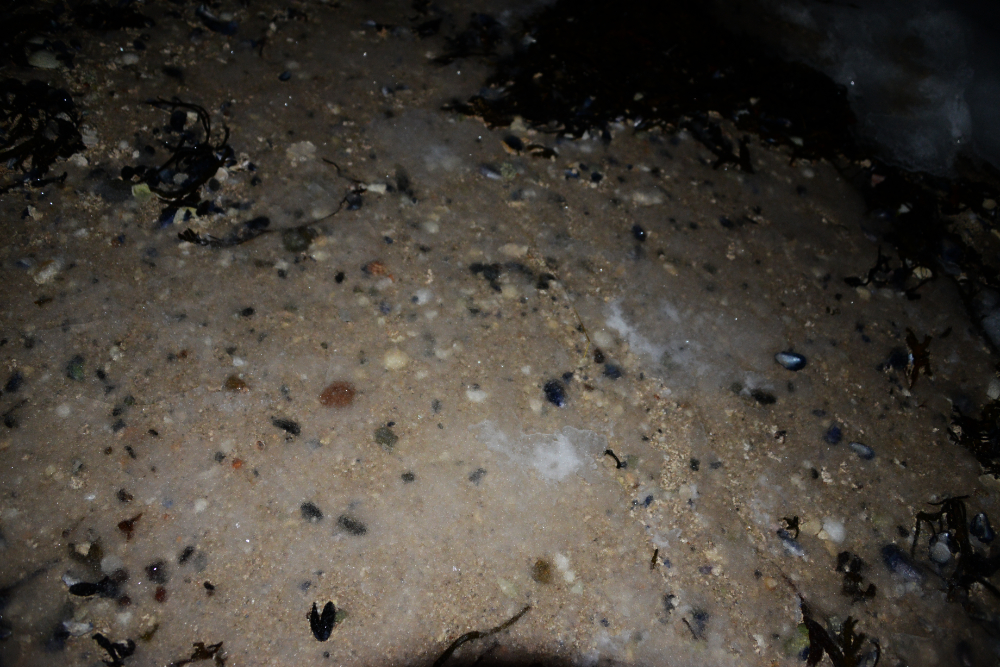
Unfortunately, the clouds only became thicker as the night went on. After nearly two hours of waiting, the faint display below was about the best view of the northern lights I managed to capture.
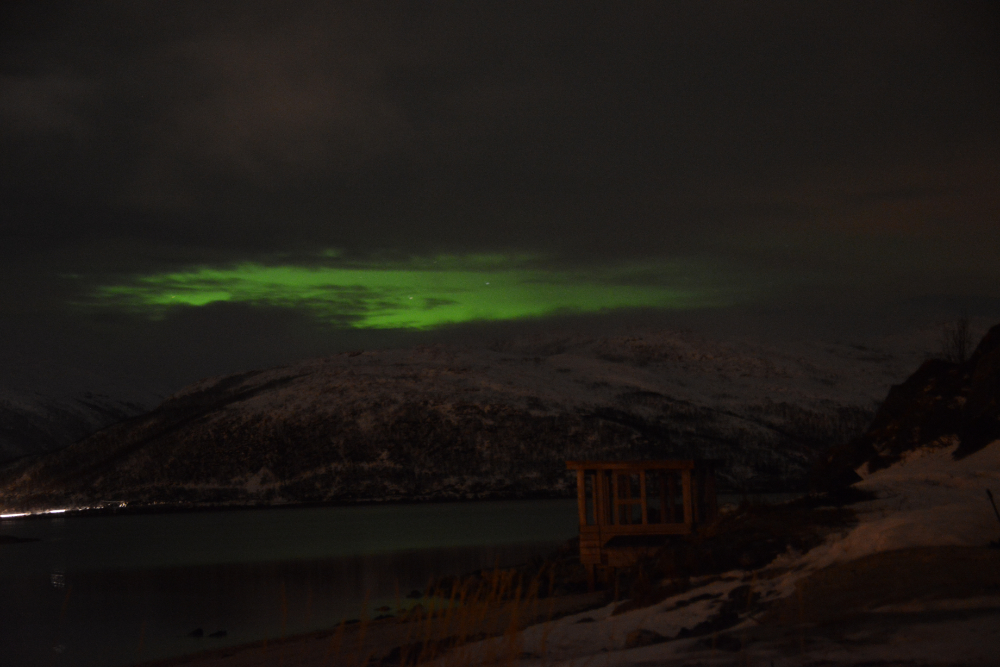
Despite spending roughly two weeks in the Arctic, the aurora never gave me the spectacular show I had hoped for. It was disappointing, especially considering that seeing the northern lights had been one of my main reasons for traveling so far north.
Still, the experience reinforced something I’ve learned from traveling: nature doesn’t operate on a schedule. You can choose the right season, travel to the right location, and make every reasonable effort to improve your chances, but the final result is never guaranteed.
Final Impressions of Tromsø
Although the northern lights didn’t live up to my expectations, Tromsø turned out to be a fascinating destination. Experiencing the polar night, exploring a city nearly 70 degrees north, watching humpback whales feed beneath snow-covered mountains, and cruising through isolated Arctic fjords made the journey memorable for reasons that went well beyond the aurora.
The city itself was more developed than I had expected, with interesting museums, distinctive architecture, and a beautiful waterfront. The biggest drawback was unquestionably the cost, but much of what I enjoyed most involved simply walking around or appreciating the surrounding landscape.
I’d happily return to northern Norway, particularly for another opportunity to see the northern lights under better conditions. I’d also be interested in visiting during summer, when the midnight sun transforms the same mountains and fjords into an entirely different landscape.
Explore More of Norway
Tromso • Trondheim
