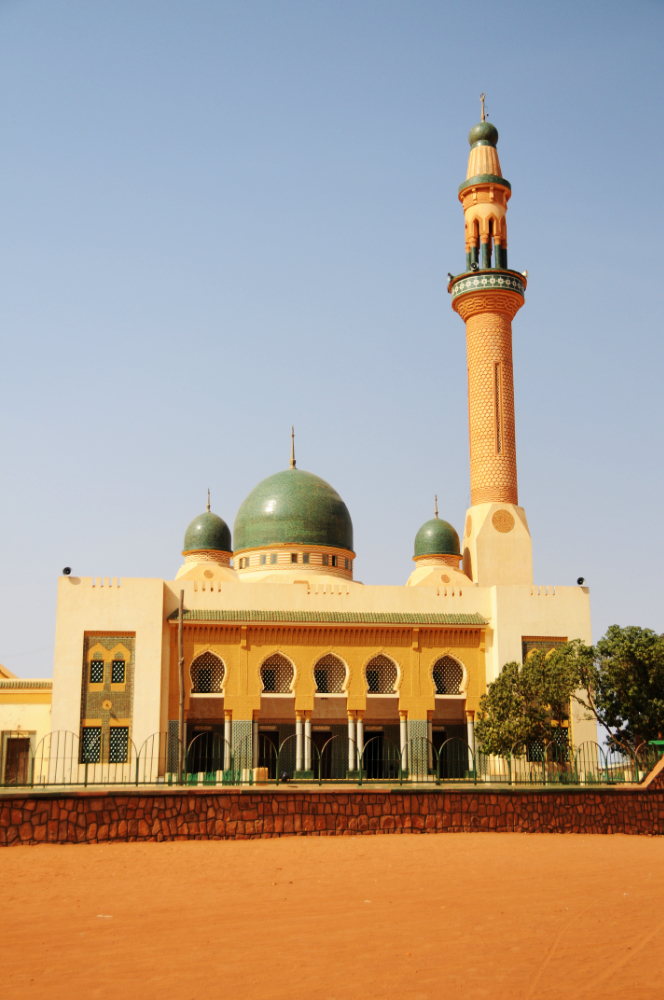
Niamey is the capital and largest city of Niger, situated in the southwestern part of the country along the Niger River. Niger is predominantly Muslim, although Christian communities are also present, particularly in some of its larger cities. One of Niamey’s most recognizable landmarks is its Grand Mosque, an enormous complex that stands among the country’s most important places of worship.
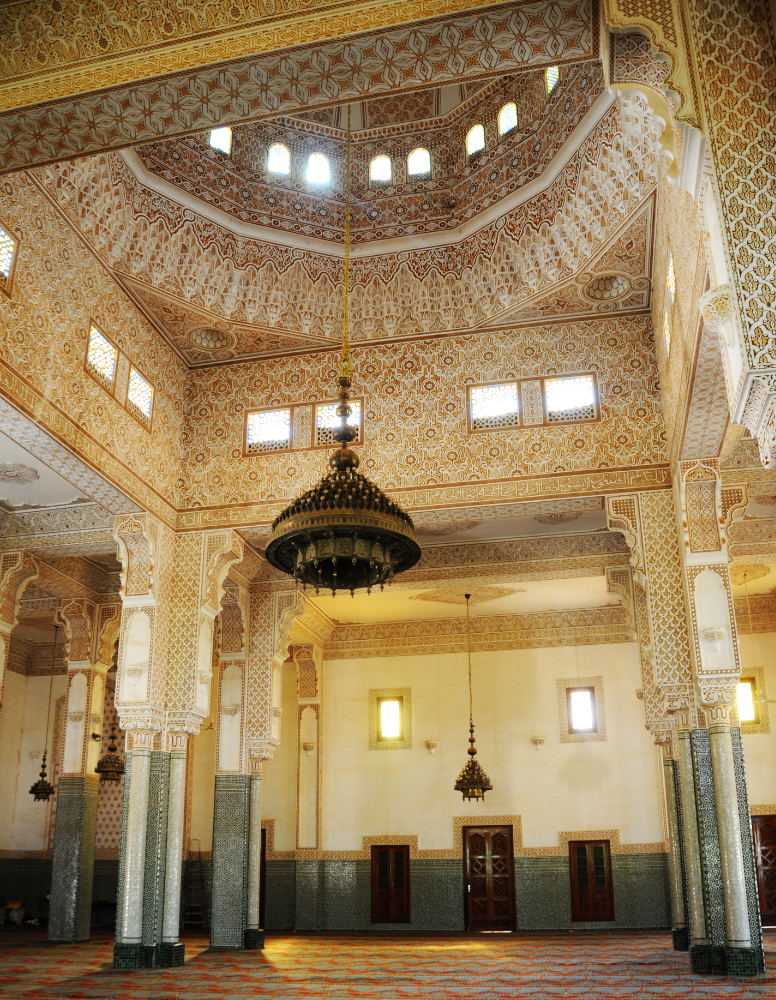
Inside, I visited the main prayer area for men. One of the more interesting things I learned was that the mosque had been constructed with support from Libya under Muammar Gaddafi. I discovered this when I asked where some of the marble had been imported from. I was told that the materials had been donated by Libya as a gift to Niger. It was an unexpected connection between the two countries, and one I probably wouldn’t have learned about without asking.
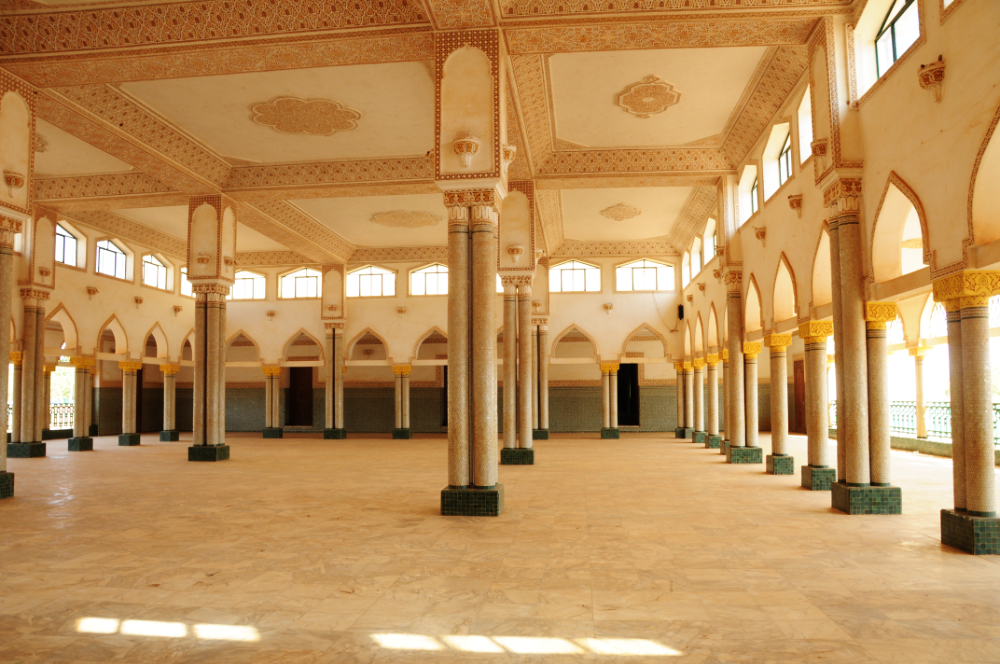
The mosque also contains separate areas designated for female worshippers. I was shown a prayer room for women, along with another area on the second floor that I was told was used by younger girls. Exploring the different sections gave me a better appreciation of the size and organization of the complex.
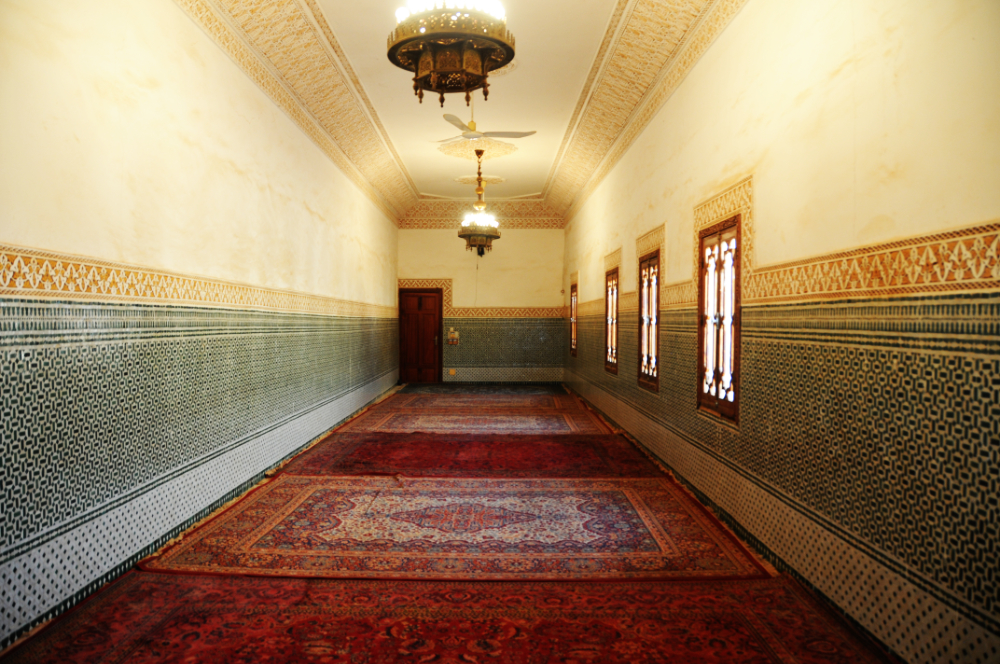
The hallways and additional prayer spaces made the mosque feel even larger than it appeared from outside. It was one of the first places I visited in Niamey and an interesting introduction to the city’s religious and architectural heritage.
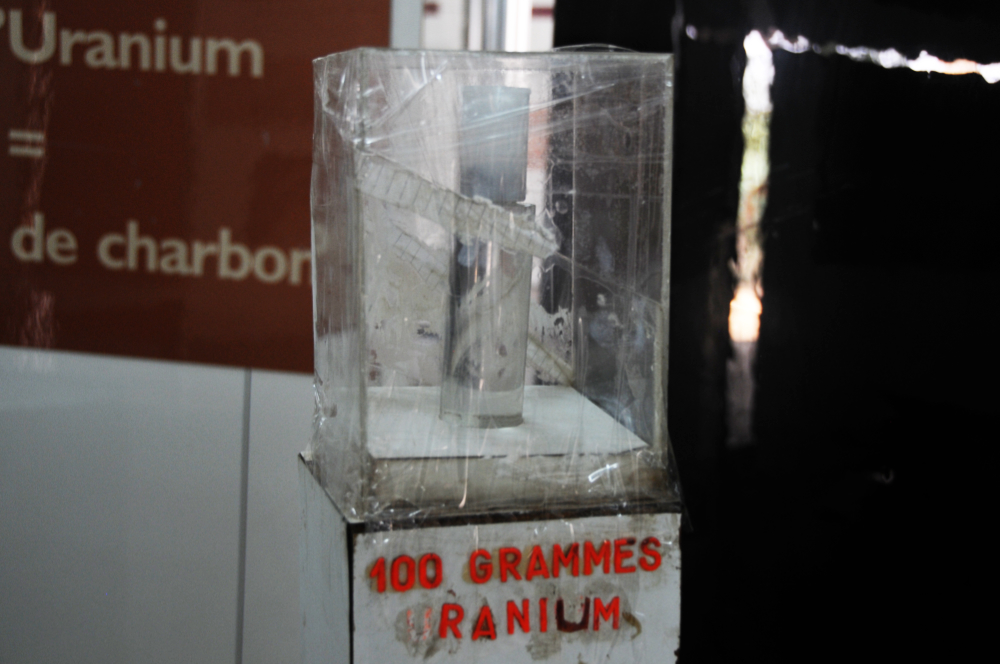
Another interesting place to visit in Niamey is the National Museum of Niger, a large complex with exhibits covering the country’s culture, history, wildlife, and natural resources. One thing I hadn’t fully appreciated before arriving was Niger’s importance as a uranium producer. The country has extensive uranium deposits, particularly in its northern regions, and France has historically been one of the principal destinations for its uranium exports.
One display contained a sample labeled as 100 grams of uranium. Naturally, I asked whether I could buy it, but unfortunately it wasn’t for sale. What made the exhibit even more memorable was the container itself, which appeared to be cracked and held together with tape. I couldn’t imagine coming across another display quite like it, so despite the restrictions on indoor photography, I managed to sneak a picture.
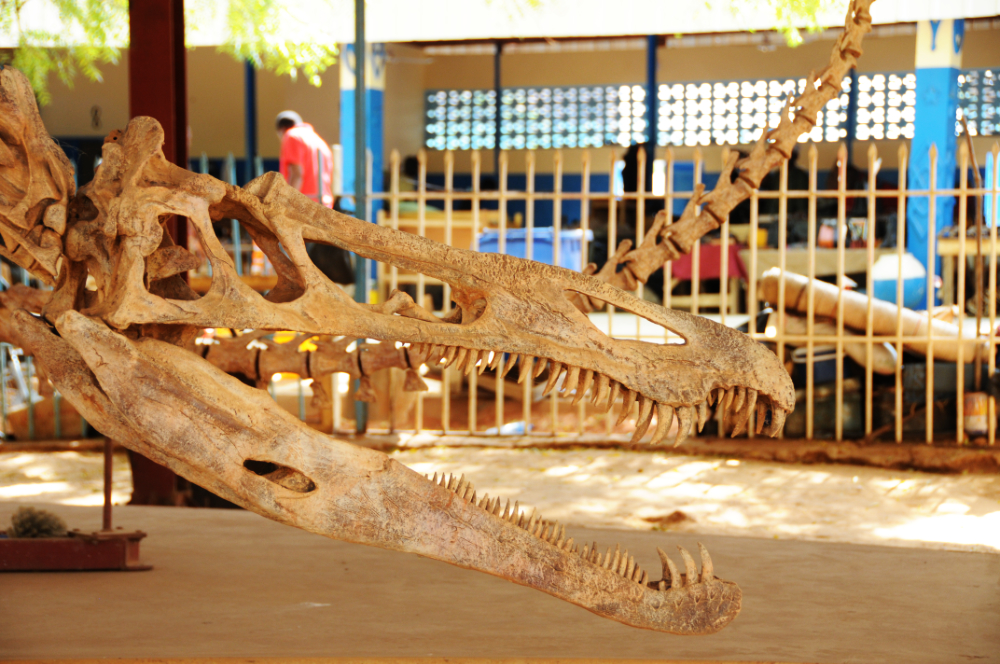
The museum also has an impressive collection of dinosaur fossils and skeletons. Niger has produced several important paleontological discoveries, including fossils of dinosaurs that lived in the region millions of years ago, when its environment was dramatically different from the desert landscapes seen today.
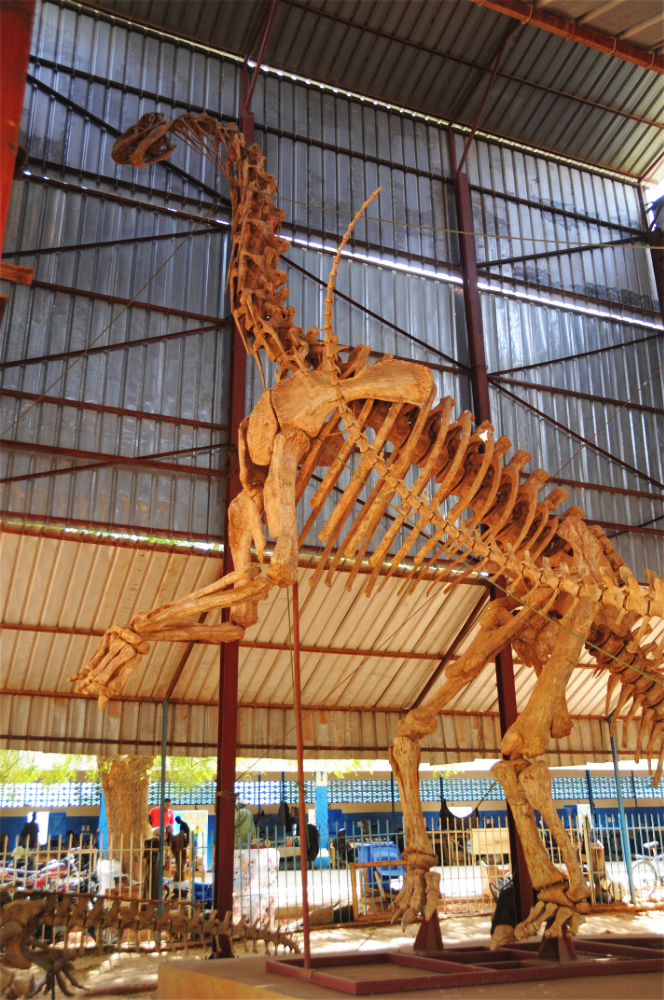
Much of the museum is organized into separate buildings or small structures, each devoted to a different subject. Other exhibits included traditional weapons, examples of daily life among Niger’s ethnic communities, historic currency, and cultural artifacts. Unfortunately, photography wasn’t permitted inside many of these sections, so I don’t have photographs of everything I saw. Even so, the museum was worth visiting for the range of subjects it covered.
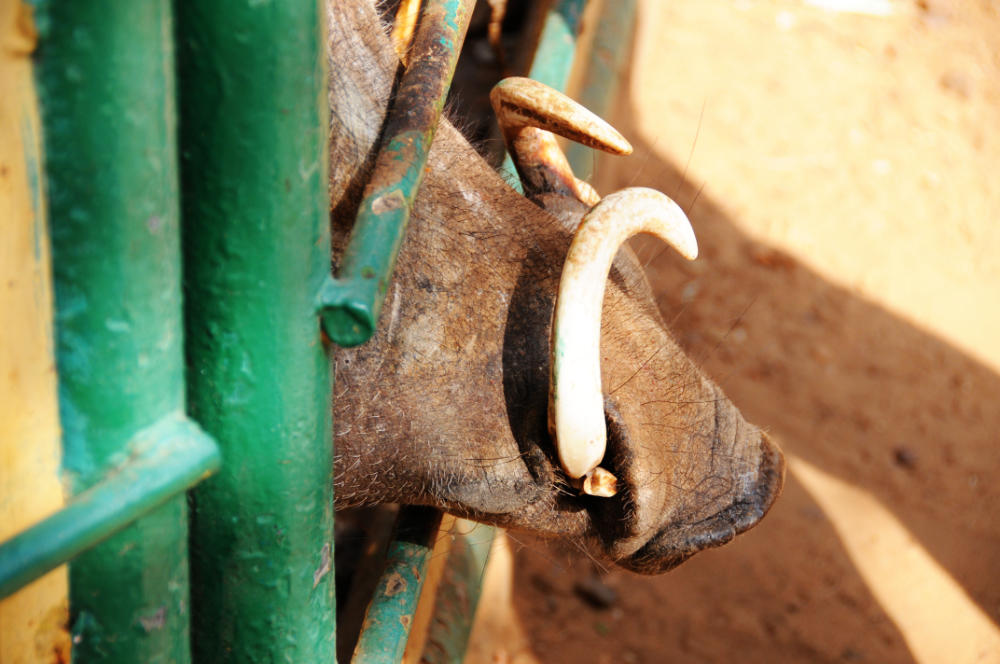
The National Museum complex also includes a zoo. Before visiting, I had been warned that the conditions could be depressing because of the small enclosures, and unfortunately that turned out to be true. Many of the animals were kept in spaces barely larger than a jail cell, with nowhere near enough room to run or move naturally. The zoo did have a variety of wildlife, including warthogs, hyenas, lions, birds, reptiles, and even two hippopotamuses, but seeing so many animals confined to such limited spaces was difficult.
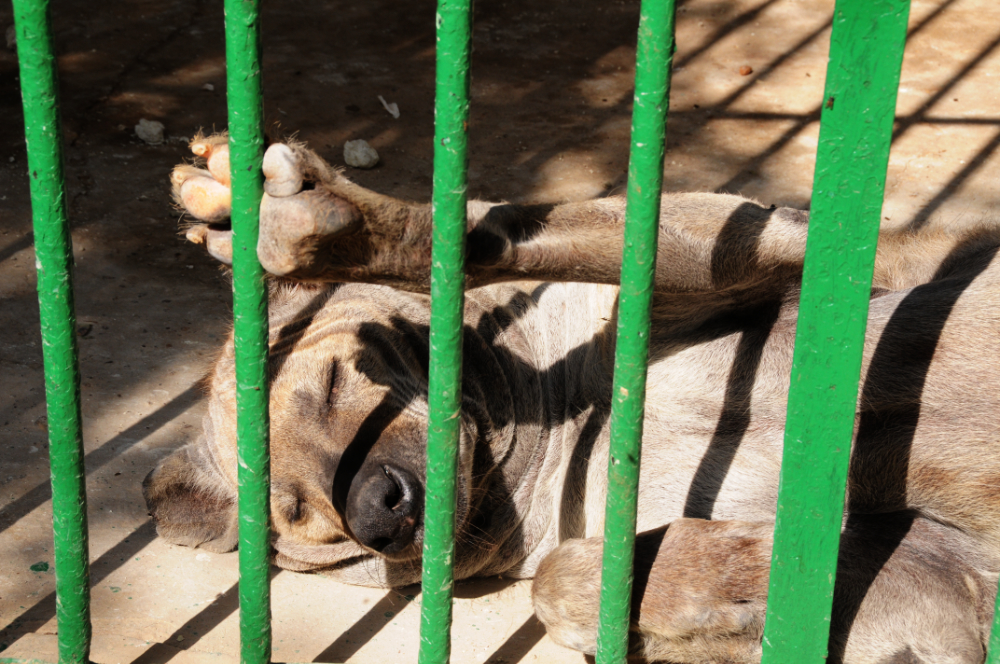
The hyenas were among the larger carnivores on display. Seeing animals accustomed to roaming large territories confined to small cages made the contrast between their natural habitats and their living conditions especially noticeable.
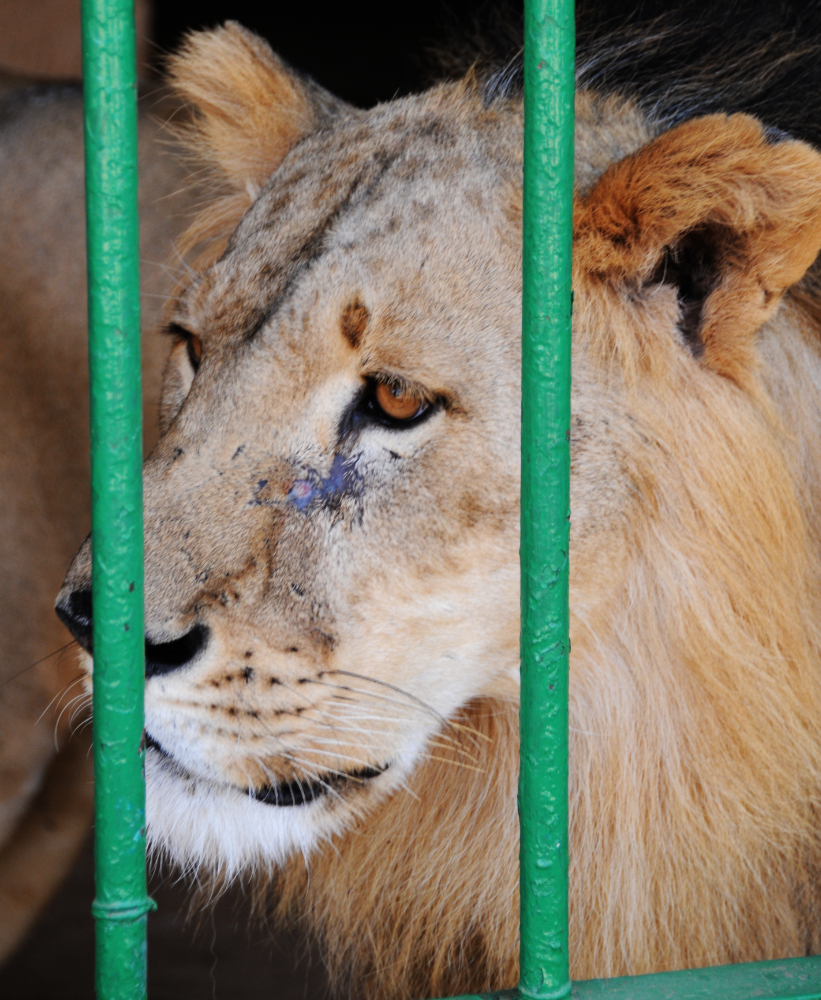
One of the most memorable moments occurred when I approached the lions. They suddenly became excited and began roaring, setting off a chain reaction among the nearby monkeys. Within moments, the monkeys were screaming in a frenzy. The noise was extraordinary, although it didn’t make me feel any better about the cramped conditions.
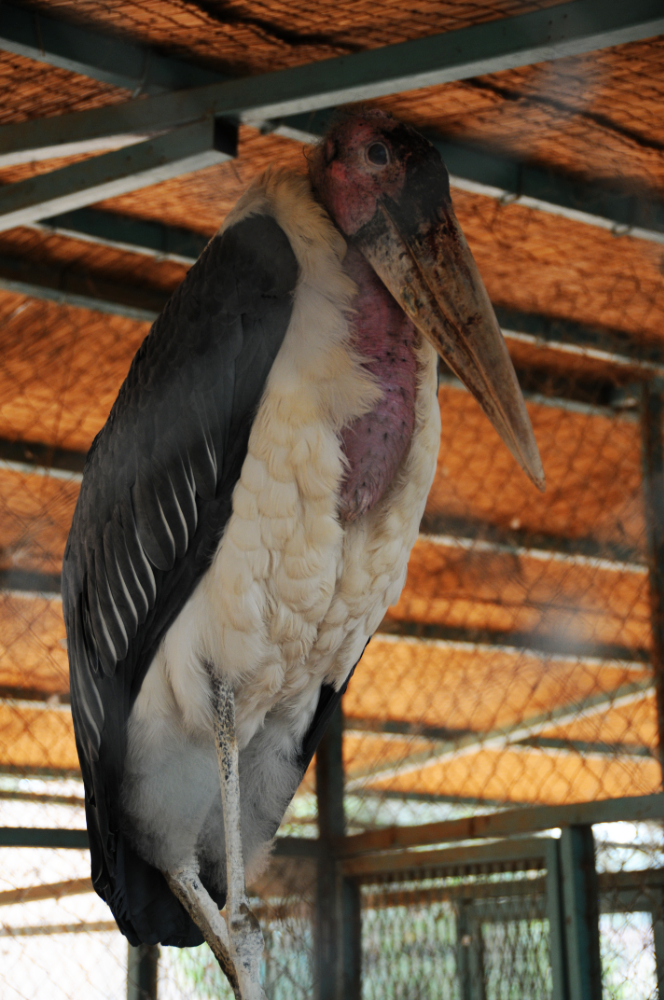
The zoo also had several unusual birds, including this enormous stork. Some were certainly more attractive than others, although their unusual appearances made them interesting to photograph regardless.
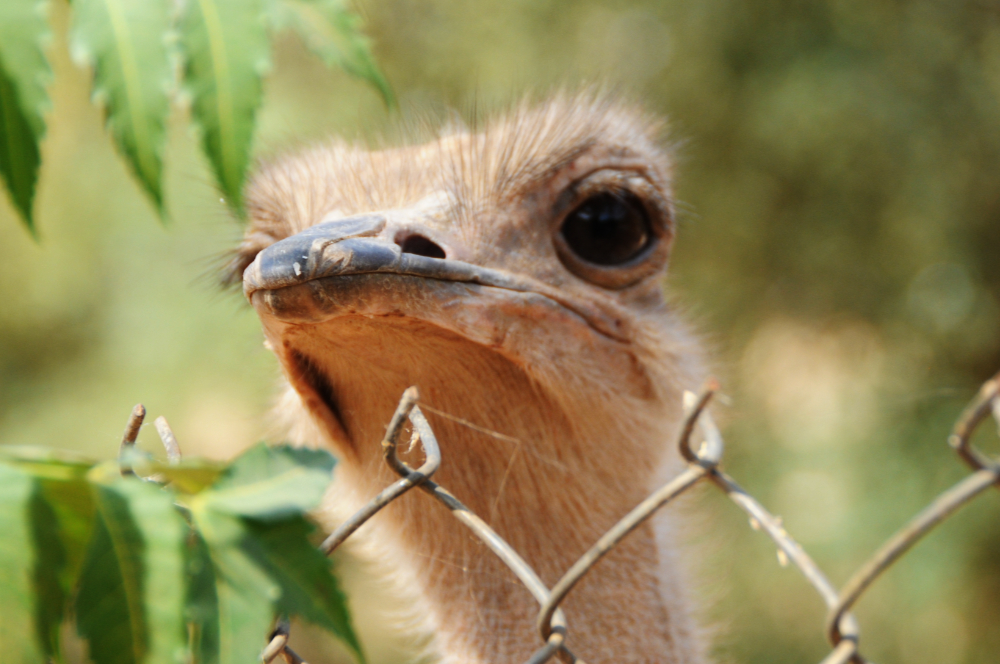
Apparently, visitors were allowed to feed certain animals under the supervision of zoo employees. One worker took me over to an ostrich, picked up a branch, and let the bird eat leaves from it. It was an unexpected opportunity to see one of these enormous birds feeding at close range.
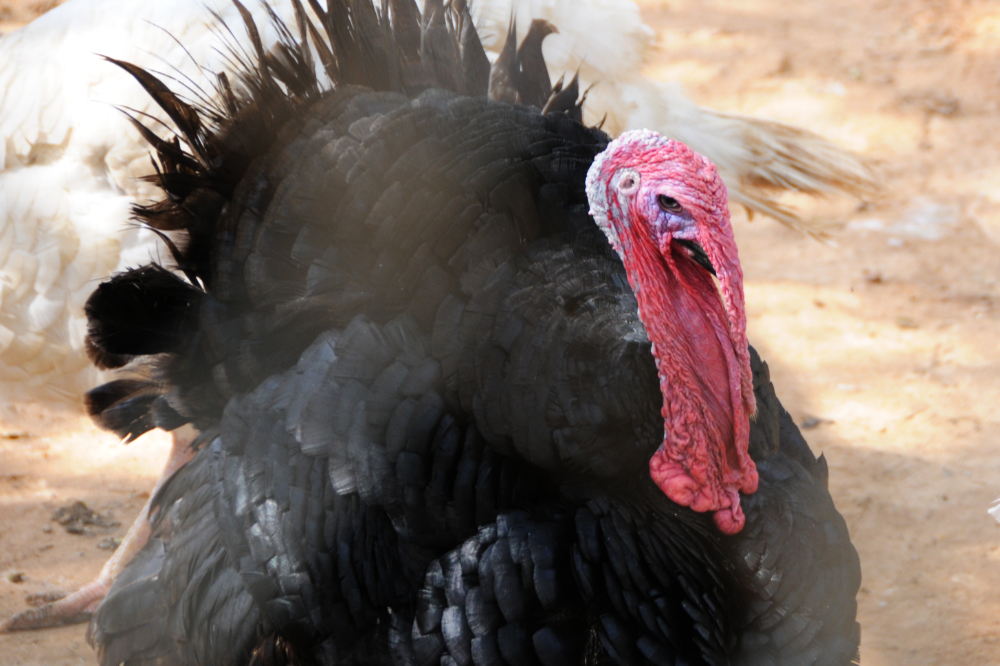
Not every bird at the zoo was particularly photogenic. This one was certainly distinctive, though, and I couldn’t resist taking a picture. Between the storks, ostriches, and other birds, there was a surprisingly wide range of species to see.
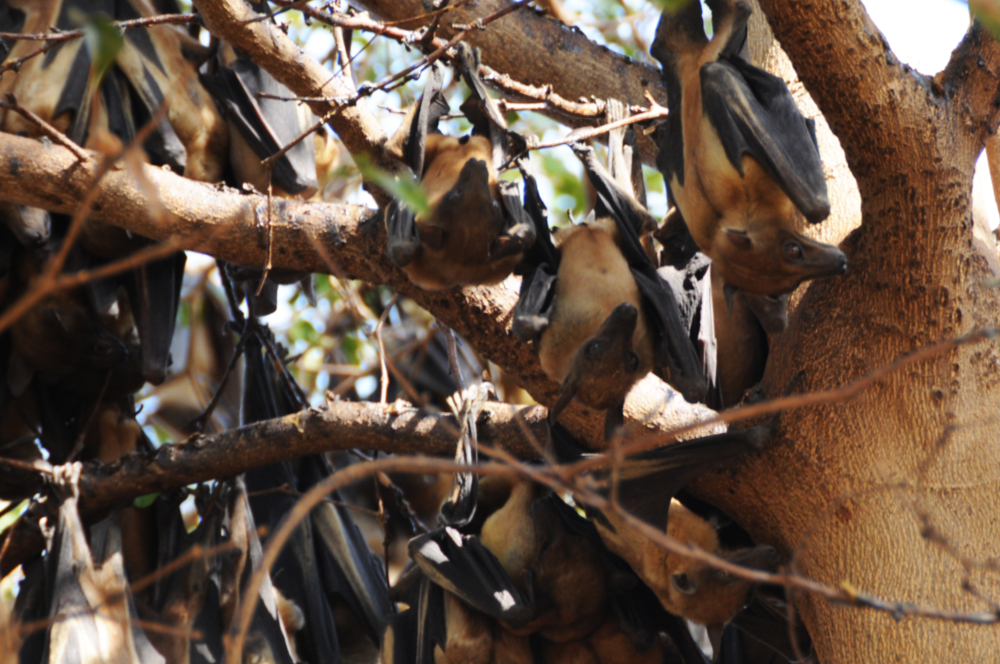
Ironically, the most impressive animals I encountered in Niamey weren’t in the zoo at all. Along one of the city’s major streets, I came across a grove of trees filled with hundreds of wild African fruit bats. The trees served as a daytime roost, with bats hanging from the branches in large numbers. I discovered the colony entirely by chance while walking through the city.
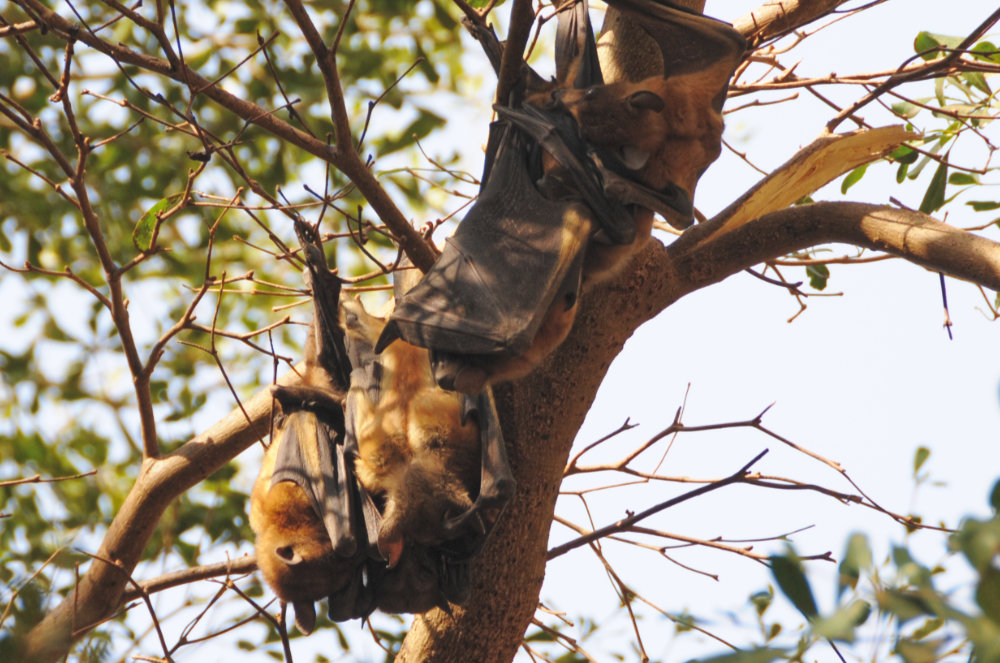
I was trying to get a particularly good photograph when a security guard approached and ordered me to stop taking pictures and leave. I never found out exactly why photographing the bats was a problem, but at least I had managed to get a few shots first. Fruit bats are fascinating animals, especially because of their foxlike faces, which distinguish them from many of the smaller bats people are more accustomed to seeing.
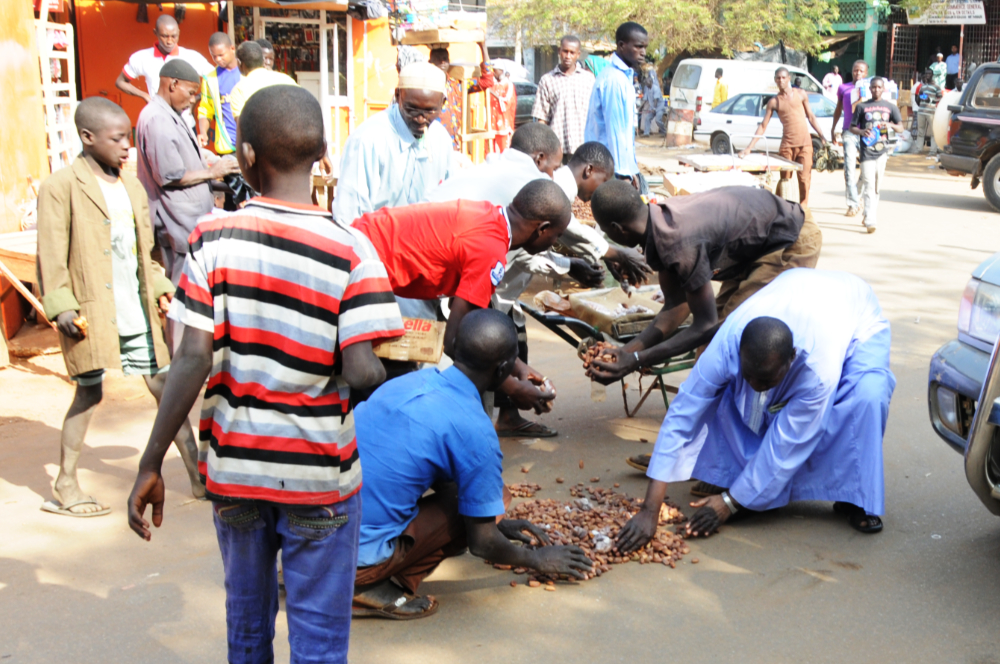
Most visitors to Niamey eventually make their way to one of the city’s markets. By this point in my West African journey, however, I had already visited so many markets that I wasn’t particularly motivated to explore another. Nevertheless, I went for a look and witnessed an unexpected scene when a car struck a wheelbarrow loaded with nuts, spilling its contents across the ground. It was probably the most memorable thing I saw at the market that day.
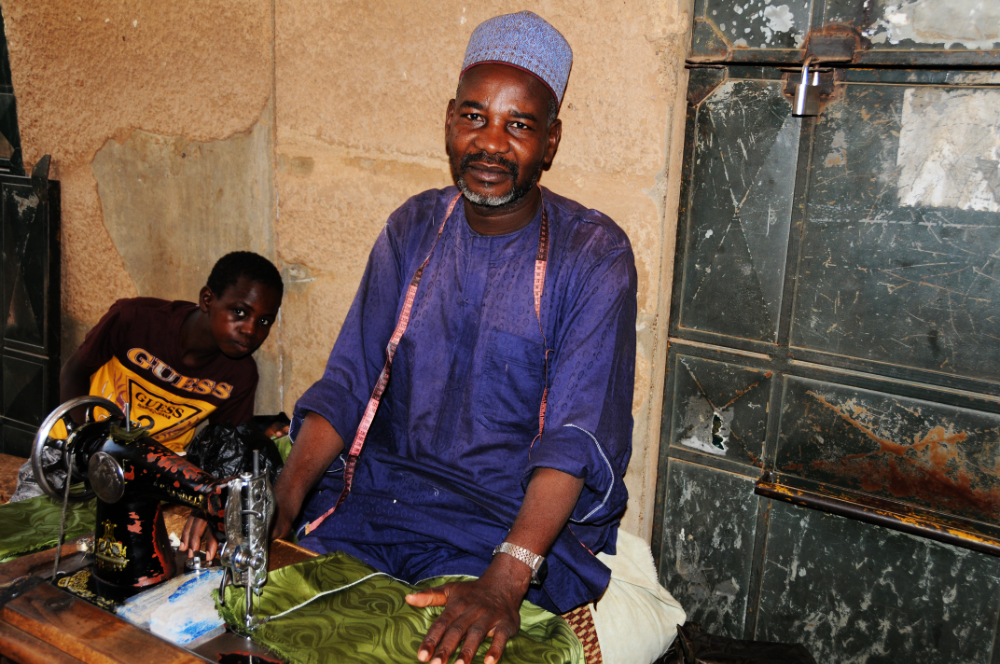
One of the vendors working with clothing noticed my camera and asked me to take his photograph. Encounters like this were common during my travels through West Africa, where people were sometimes just as interested in my camera as I was in photographing the markets. I had already visited the markets of Zinder before reaching Niamey, and those offered plenty of additional opportunities to document everyday life in Niger.
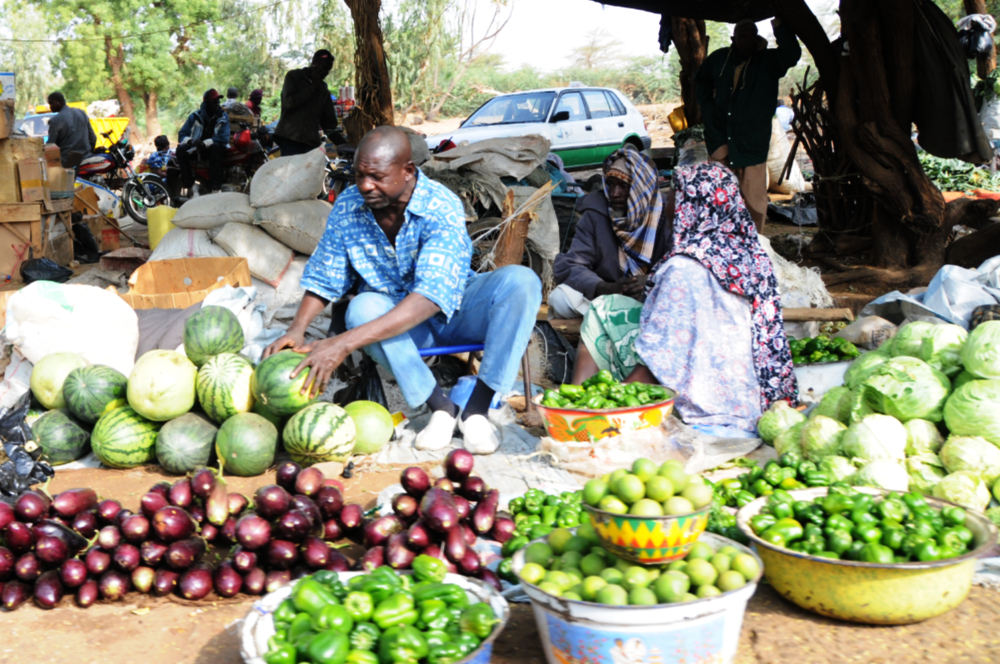
Fresh produce was another part of the market scene, with fruit and other goods sold by local vendors. Although I had become somewhat tired of visiting markets by this stage of the trip, they remained among the best places to observe everyday commerce and meet people in the cities I traveled through.
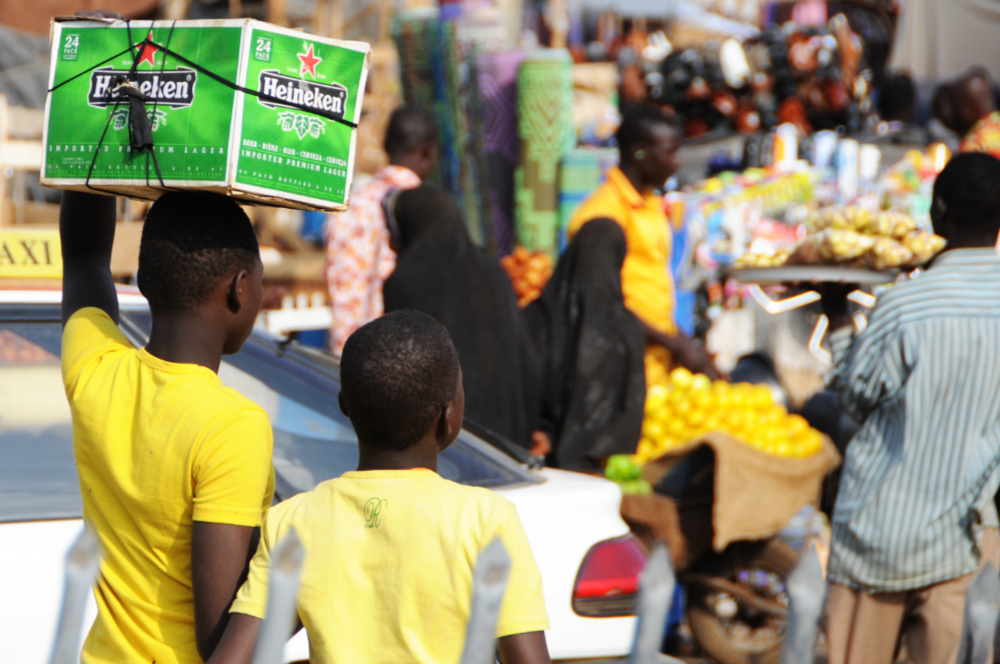
Despite Niger’s predominantly Muslim population, alcoholic drinks could still be found in parts of Niamey, particularly in establishments catering to expatriates and international visitors. It was another small reminder of the mix of cultures and lifestyles present in the capital. Between the mosque, museum, wildlife, and markets, Niamey offered considerably more to explore than I had initially expected.
