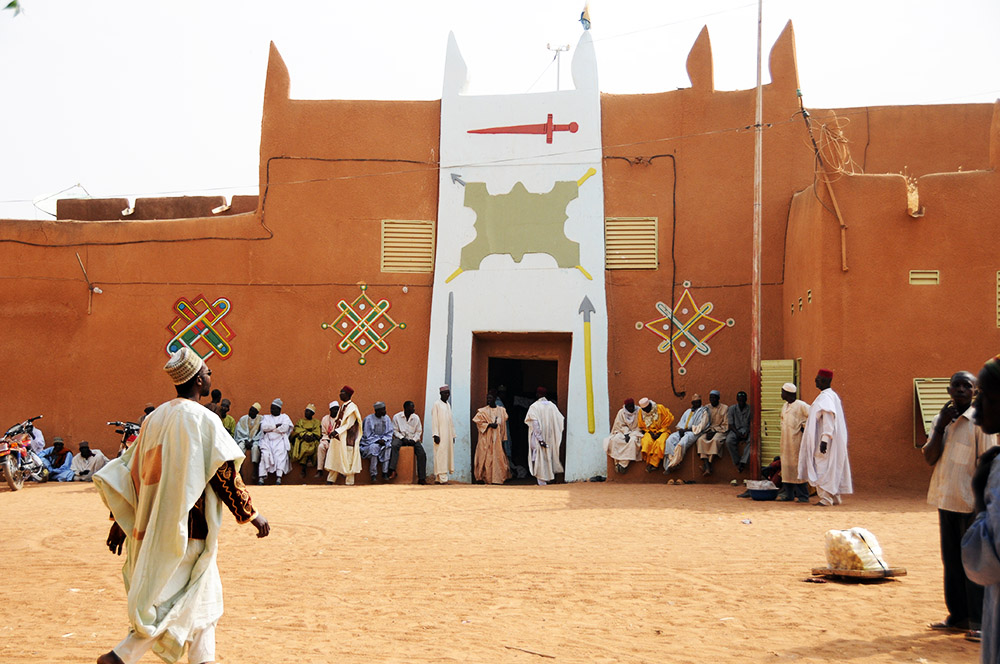
Niger is a vast, landlocked country in the heart of West Africa, with much of its territory stretching deep into the Sahara Desert. Before visiting, I expected the trip to be defined mostly by hardship and difficult travel. Instead, what stood out most were the people I met along the way. Both locals and expats were incredibly welcoming, and Niger ended up surprising me far more than I expected.
The country combines Saharan landscapes, traditional cities, Islamic culture, and the greener communities along the Niger River. Political instability and conflict in parts of the region have greatly reduced tourism over the years, but my own trip gave me a chance to experience several very different sides of the country. From meeting the Sultan of Zinder to exploring the Niger River and its surrounding landscapes, it became one of my more memorable experiences in West Africa.
Explore Niamey
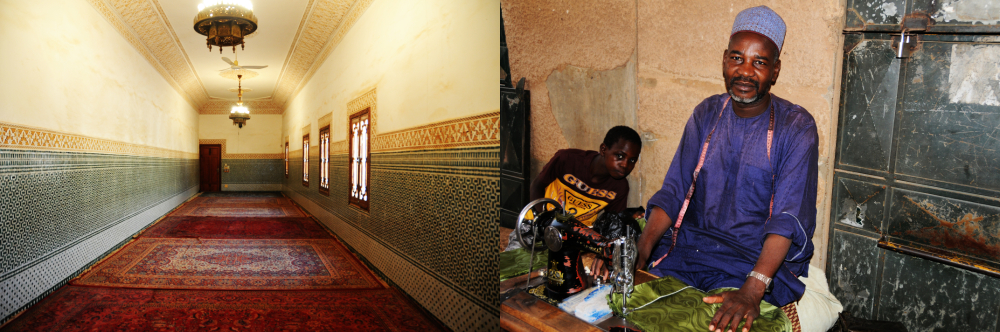
Niamey is Niger’s capital and largest city, situated along the banks of the Niger River in the southwestern part of the country. The city serves as Niger’s political, economic, and cultural center, with bustling markets, mosques, museums, restaurants, and neighborhoods that offer a glimpse into everyday life. The Grand Mosque and National Museum are among its best-known landmarks, while the markets provide an introduction to the country’s diverse communities and traditions.
The Niger River is one of Niamey’s defining features, bringing water and green vegetation to an otherwise dry Sahelian landscape. Beyond the capital, the surrounding region is home to the last naturally occurring population of West African giraffes, found around Kouré and nearby areas southeast of the city. These endangered animals are among Niger’s most remarkable wildlife attractions.
Explore Zinder
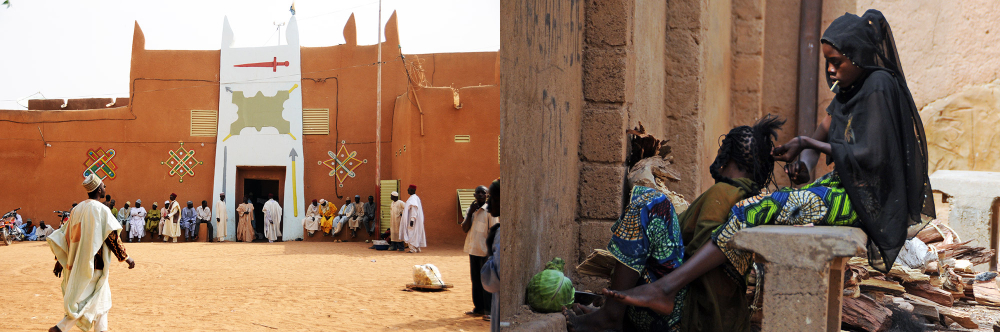
Zinder, Niger’s former capital, is one of the country’s most historically significant cities. Located in southern Niger, it developed as an important center of trade and political power along routes connecting the Sahel and Sahara. The old city is particularly known for its traditional Hausa architecture, with intricately decorated mud-brick buildings, narrow streets, mosques, and colorful markets that distinguish it from the more modern capital of Niamey.
Among Zinder’s most important landmarks is the Sultan’s Palace, the historic seat of the Sultanate of Damagaram. Rather than being simply a preserved museum, the palace remains associated with an active traditional institution. The surrounding Birni quarter retains much of the city’s architectural heritage, offering visitors an opportunity to explore a distinctive part of Niger’s history and culture.
Explore the Niger River & Sahara Desert
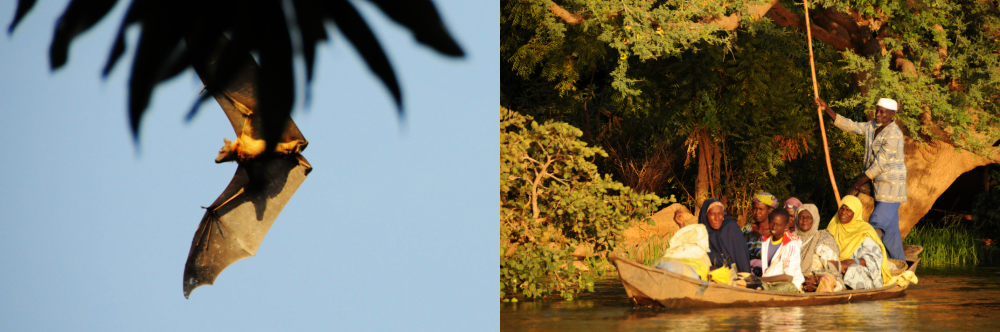
Although much of Niger is dominated by the arid Sahel and Sahara Desert, the Niger River creates a remarkably different environment in the southwest. One of Africa’s great waterways, the river supports farming communities, fishing villages, wetlands, and a variety of wildlife. Its banks provide important habitat for birds, hippopotamuses, and crocodiles, while seasonal changes in water levels influence agriculture and daily life throughout the region.
Farther north and east, Niger’s landscapes transition into the vast Sahara, where sand dunes, rocky plateaus, and remote desert settlements extend across much of the country. The Aïr Mountains and Ténéré Desert are among its most dramatic natural regions, while the river valley remains a vital source of water and life. Together, these contrasting environments illustrate the extraordinary geographical diversity of Niger, from the greener southwest to the immense desert interior.
