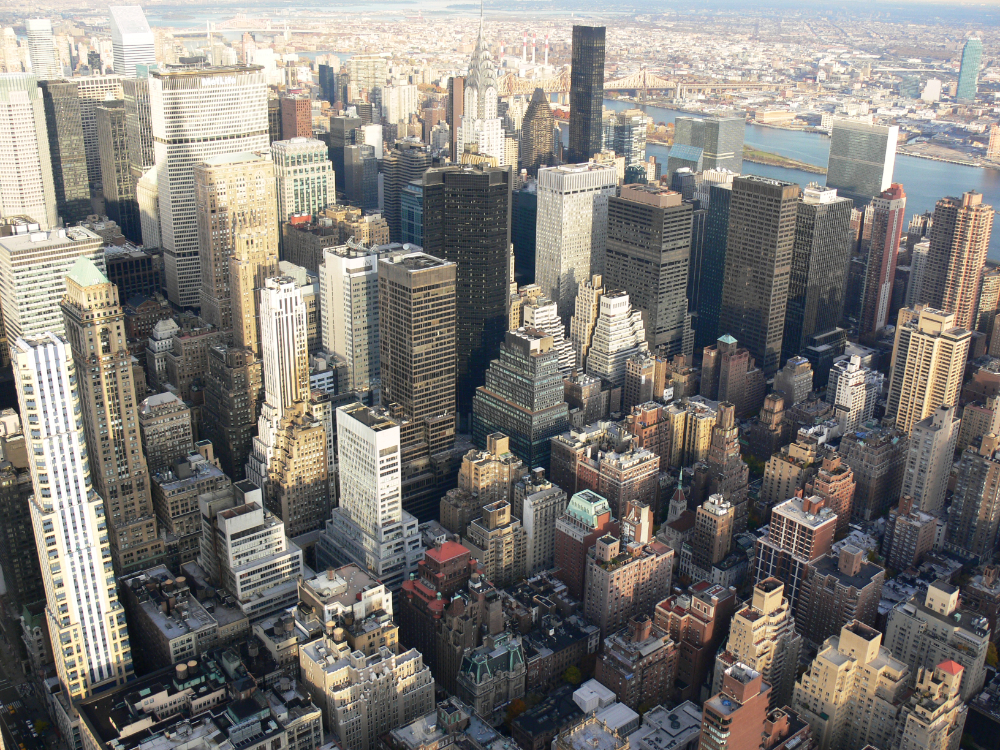
New York is one of America’s most recognizable states, home to the country’s largest city, important historical landmarks, and vast areas of wilderness. For millions of immigrants arriving from Europe during the late 19th and early 20th centuries, New York Harbor was their first glimpse of the United States. Today, the state remains a fascinating combination of urban culture, historic communities, and natural landscapes.
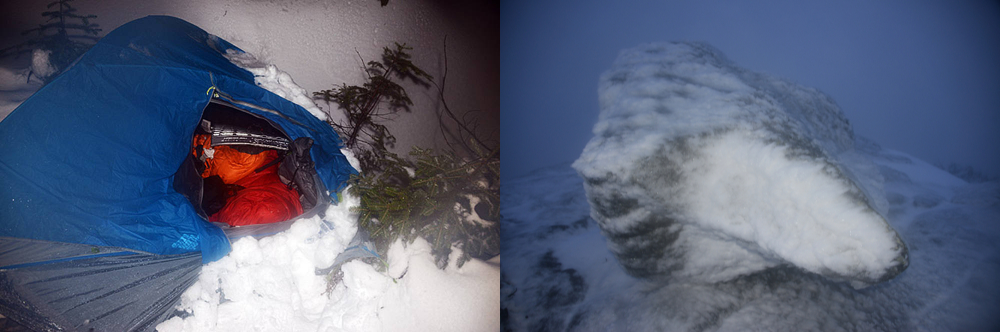
My travels through New York have taken me from the crowded streets and towering skyscrapers of Manhattan to the much quieter capital of Albany. I’ve also climbed Mount Marcy, the highest peak in the state, during a challenging winter trip through the Adirondack Mountains. These experiences revealed just how different one part of New York can be from another. There is still plenty I’d like to explore, particularly western New York and Niagara Falls.
Explore New York City
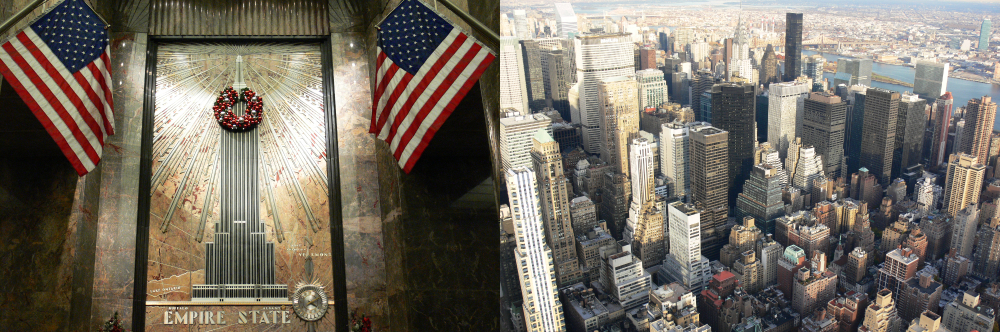
New York City is the largest city in the United States and one of the world’s most influential centers of finance, culture, entertainment, and international commerce. Its five boroughs—Manhattan, Brooklyn, Queens, the Bronx, and Staten Island—contain an extraordinary variety of neighborhoods, architecture, and attractions.
Some of the city’s most recognizable landmarks include the Statue of Liberty, Empire State Building, Central Park, Times Square, Broadway, and the World Trade Center. Historic immigration sites such as Ellis Island provide insight into the city’s role in American history, while its museums, restaurants, theaters, and diverse communities offer countless opportunities for exploration. Although New York’s reputation was once strongly associated with high crime rates, the city has changed considerably since its more troubled decades. Its enormous scale and variety make it a destination that could easily occupy visitors for weeks.
Explore the Adirondacks
Far from the crowded streets of New York City, the Adirondack Mountains occupy an enormous wilderness region in northern New York. Adirondack Park encompasses more than six million acres, making it one of the largest protected landscapes in the contiguous United States. Its forests, lakes, rivers, and mountain ranges provide opportunities for hiking, camping, paddling, fishing, and wildlife watching.
The region is particularly famous for its 46 traditional High Peaks, including Mount Marcy, the highest point in New York at 5,344 feet (1,629 meters). During the warmer months, the mountains attract hikers seeking forest trails and expansive summit views. Winter transforms the Adirondacks into a far more demanding environment, with deep snowfall, freezing temperatures, strong winds, and challenging alpine conditions. For experienced winter hikers and mountaineers, the mountains offer a dramatically different adventure from the state’s urban destinations.
Explore Albany
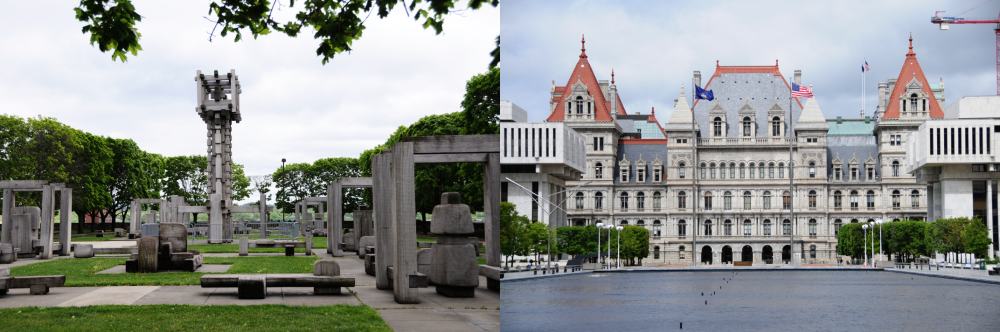
Albany, the capital of New York State, sits along the Hudson River in the eastern part of the state. With approximately 100,000 residents, it is considerably smaller and quieter than New York City, but its history stretches back to the early Dutch colonial settlements of the 17th century. The city became New York’s permanent state capital in 1797 and remains an important center of state government.
Among Albany’s most distinctive landmarks is the New York State Capitol, an elaborate 19th-century building notable for its unusual combination of architectural styles and lack of a traditional capitol dome. Nearby Empire State Plaza features modern government towers, landscaped open spaces, memorials, and the striking performing arts center known as The Egg. Historic downtown streets and the city’s position along the Hudson River add to its character, while its location makes Albany a convenient starting point for exploring the Hudson Valley, Adirondacks, and surrounding communities.
