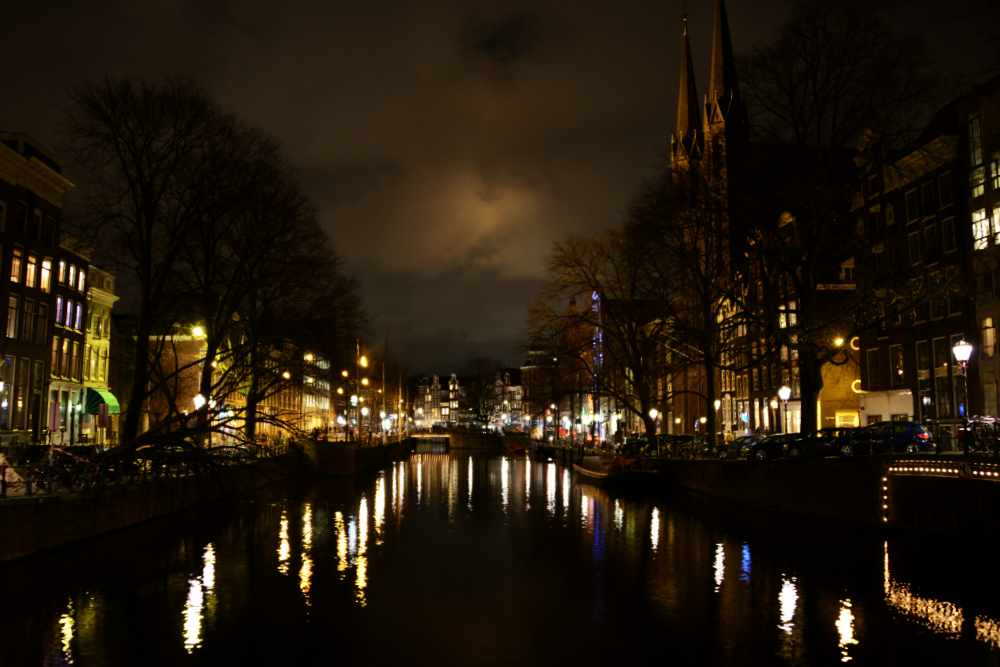
In my early days of traveling, I was always confused about the difference between the Netherlands and Holland. I eventually learned that Holland isn’t actually another name for the entire country, although it’s commonly used that way. North Holland and South Holland are two of the Netherlands’ twelve provinces and include some of the country’s best-known cities, including Amsterdam and The Hague.
The Netherlands is known for its historic cities, picturesque canals, cycling culture, world-class museums and remarkably flat landscape. Much of the country lies at or below sea level, and centuries of water management have helped shape its distinctive geography. It’s also a country I’ve returned to several times over the years. My first visit was brief and unplanned, but later trips gave me the opportunity to explore more of Amsterdam, as well as The Hague and Eindhoven.
Explore Amsterdam
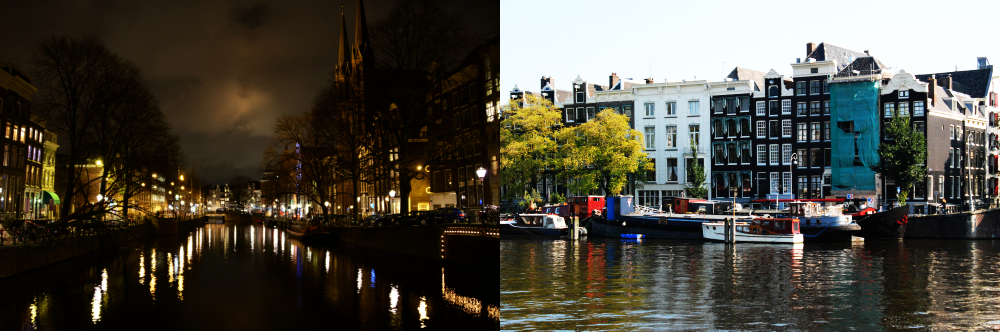
Amsterdam is the capital and largest city of the Netherlands, famous for its historic canals, narrow merchant houses, museums and lively nightlife. Much of its distinctive canal network dates to the 17th-century Dutch Golden Age, when Amsterdam developed into one of Europe’s most important commercial centers. Today, the historic canal district is recognized as a UNESCO World Heritage Site.
Beyond its picturesque waterways, Amsterdam is home to some of the country’s most significant cultural attractions, including the Rijksmuseum, Van Gogh Museum and Anne Frank House. Its extensive cycling infrastructure, traditional houseboats, bustling squares and distinctive cafés make it one of Europe’s most recognizable cities. The city’s famously liberal reputation attracts international attention, but its rich history, architecture and cultural institutions offer far more to explore.
Explore The Hague
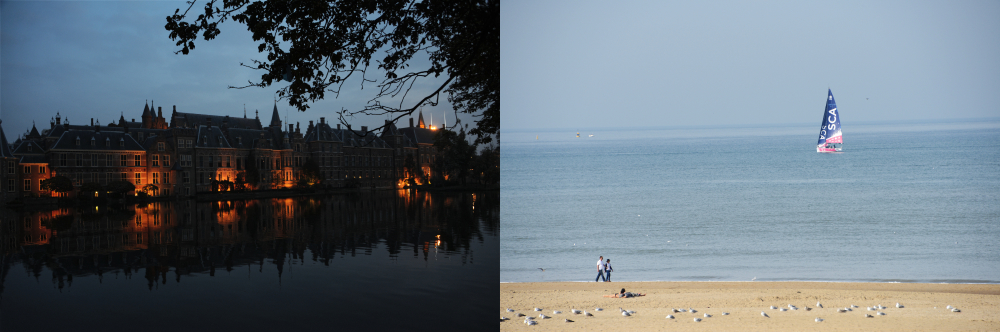
The Hague is the seat of the Dutch government and one of the world’s most important centers for international law. Although Amsterdam is the constitutional capital, The Hague is home to the Dutch parliament, government ministries and many foreign embassies. The city’s Peace Palace houses the International Court of Justice and the Permanent Court of Arbitration, reinforcing its international reputation as a center for diplomacy and justice.
Beyond its political importance, The Hague offers historic architecture, royal residences, museums, restaurants and lively shopping districts. Visitors can explore the medieval Binnenhof complex, discover the city’s World War II history or visit the historic Gevangenpoort prison. Nearby Scheveningen provides a completely different atmosphere, with sandy North Sea beaches, a lively waterfront promenade and seaside attractions.
Explore Eindhoven
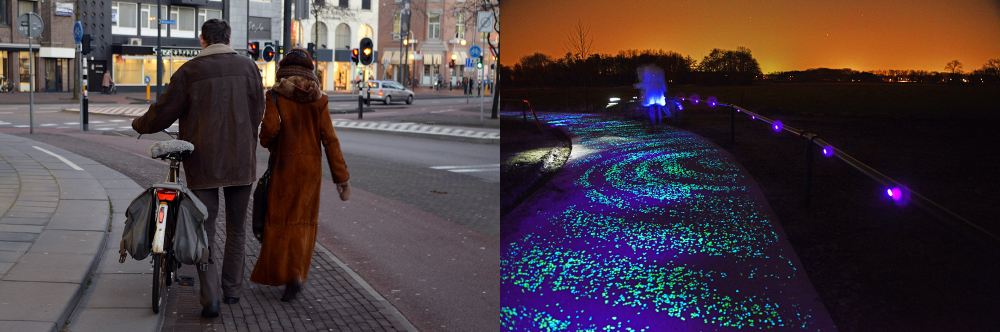
With a history stretching back more than 800 years, Eindhoven grew from a small medieval settlement into one of the Netherlands’ leading centers for technology, engineering and design. Philips was founded here in 1891 and played an enormous role in shaping the modern city, transforming Eindhoven into a major industrial center known for electronics and innovation.
Today, Eindhoven remains closely associated with high-tech industries, research and education, particularly through Eindhoven University of Technology and the surrounding Brainport region. Former industrial buildings have been transformed into museums, creative spaces, restaurants and cultural venues, while the city’s contemporary architecture reflects its ongoing transformation. Eindhoven offers a different perspective on the Netherlands, emphasizing modern design and technological innovation rather than the historic canals and traditional architecture found in many of the country’s better-known destinations.