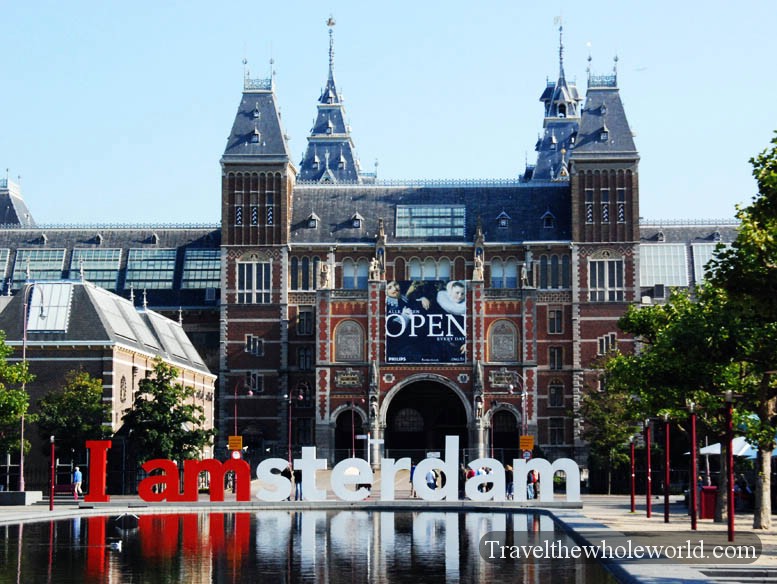
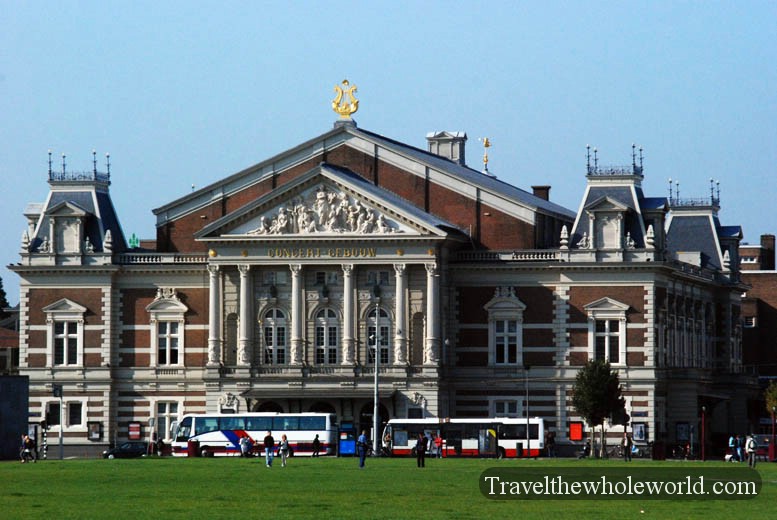
On both of my trips to Amsterdam, I began by exploring the Museumplein, or Museum Square. When I visited, the famous “I amsterdam” sign stood in front of the Rijksmuseum and had become one of the city’s most recognizable photo spots.
The Rijksmuseum contains an enormous collection of Dutch art and history, while nearby is the Concertgebouw, one of Amsterdam’s great concert halls. Its Dutch name literally translates to something as unglamorous as “concert building,” which doesn’t exactly do the place justice.
I skipped the museums during my first trip, but when I returned I kept my promise to myself and spent nearly an entire day exploring them. Amsterdam has enough museums that I eventually gave them their own page: Explore Amsterdam Museums.
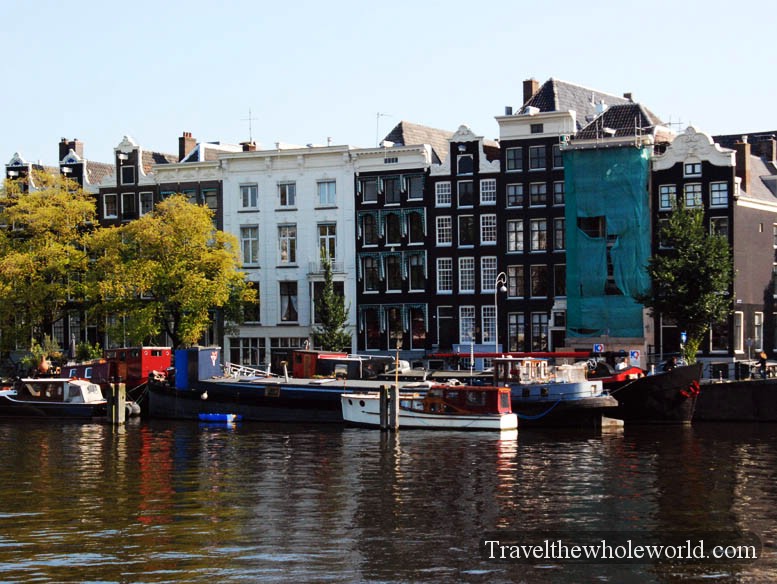
Amsterdam is famous for the network of canals that runs through the city. Much of the historic canal belt was developed during the city’s great expansion in the 17th century, and today the canals are one of the features that make Amsterdam instantly recognizable.
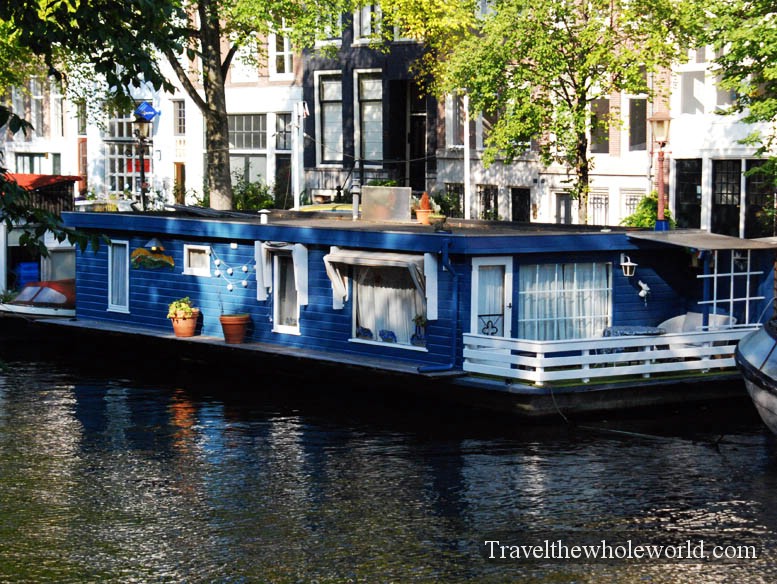
Unlike Venice, Amsterdam still has streets filled with cars, trams and bicycles running alongside the waterways. Boats remain part of daily life as well, whether for sightseeing, transportation or simply as homes. Houseboats like the one above can be found throughout the city.
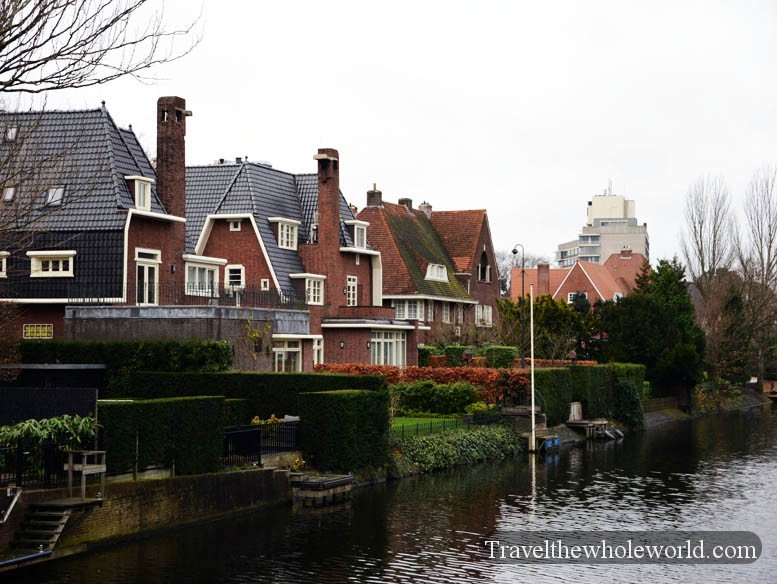
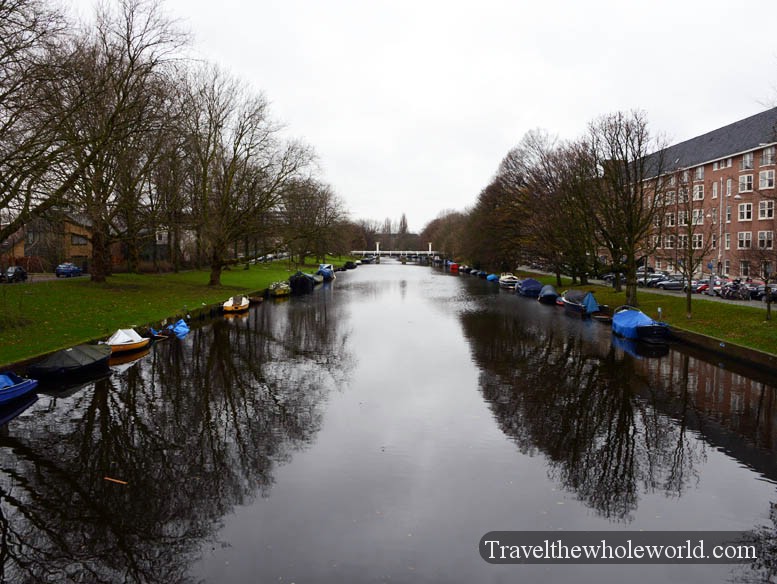
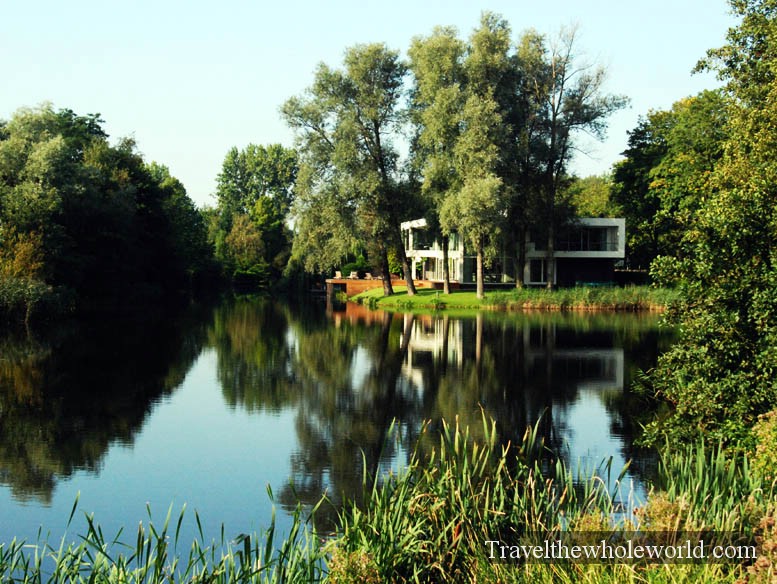
The canals aren’t limited to the busiest parts of central Amsterdam. I walked roughly 45 minutes away from the center and still found beautiful residential streets lined with water and traditional Dutch homes. The photographs above were taken during summer, while these quieter scenes farther south came from one of my winter visits.
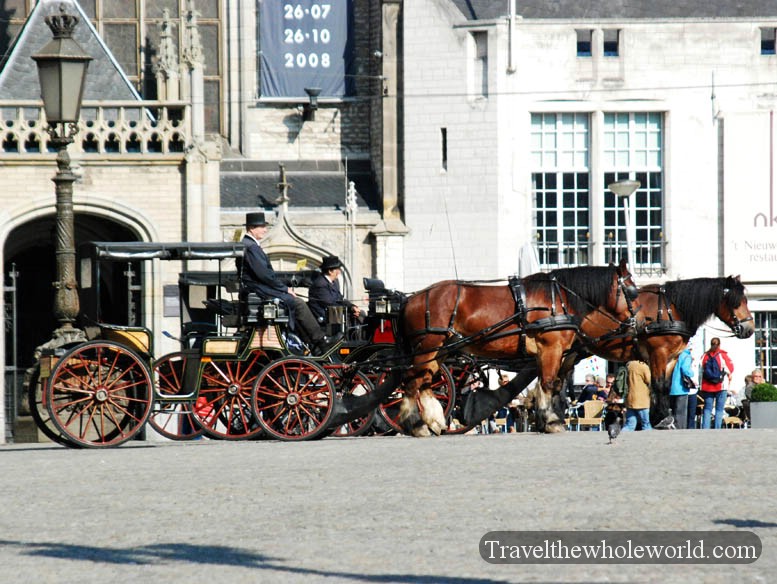
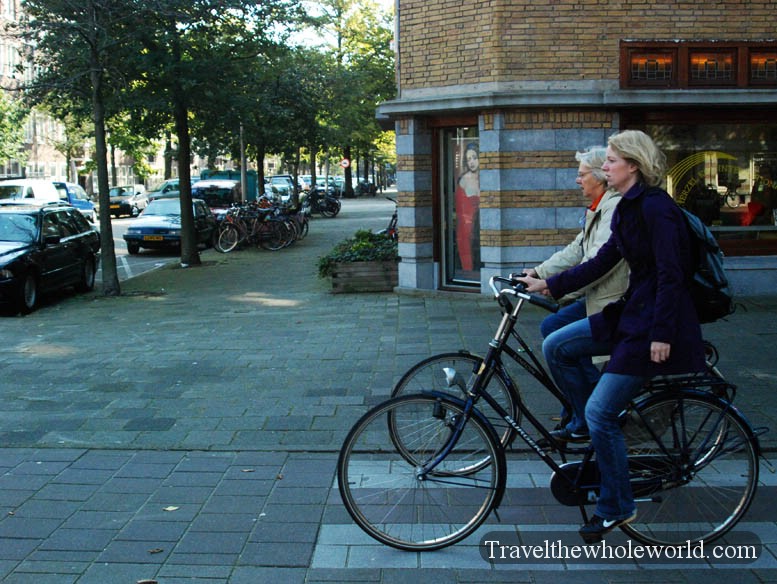
What really dominates everyday transportation in Amsterdam, though, is the bicycle. Dedicated bike lanes, bicycle traffic signals and enormous bicycle parking areas are built into the city’s transportation system.
Coming from the United States, it was amazing to see people of every age using bicycles for ordinary daily transportation rather than primarily for recreation or exercise. Cycling is so deeply integrated into Amsterdam that walking into a bike lane without realizing it can be one of the quickest ways for a visitor to annoy a local.
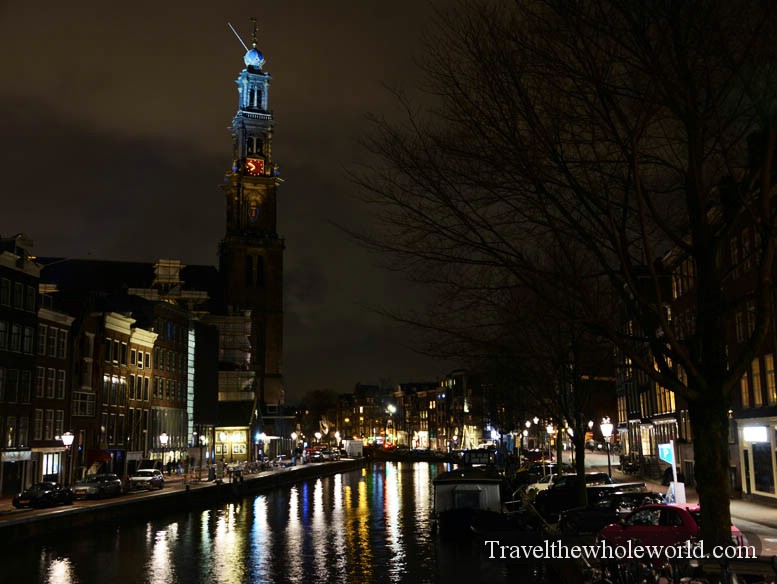
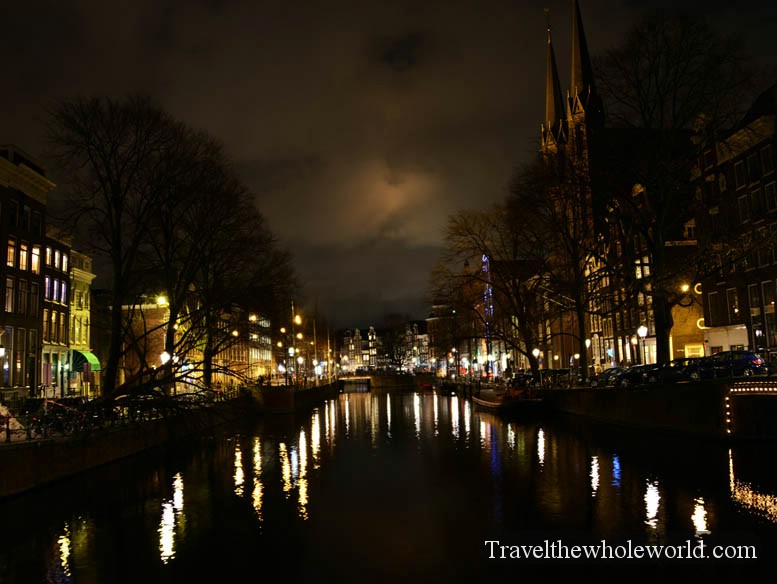
I spent plenty of time wandering around Amsterdam after dark, and the city is especially beautiful at night. Some streets outside the center could become surprisingly quiet, but the closer I got to Dam Square, the busier everything became.
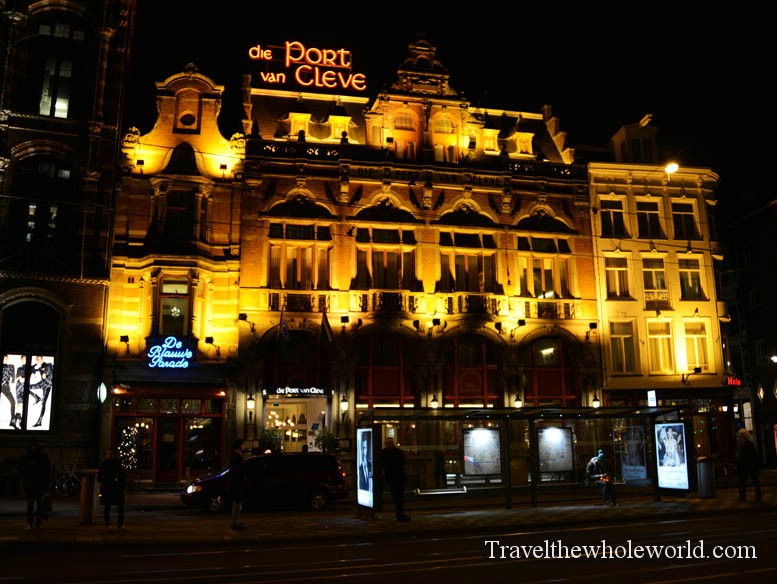
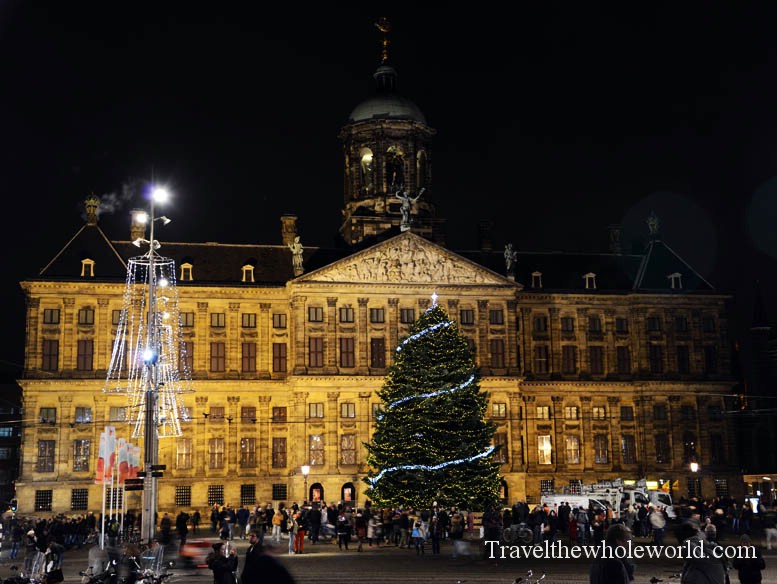
Dam Square is the historic heart of central Amsterdam. Above is Hotel Die Port van Cleve near the square and the Royal Palace of Amsterdam itself.
Interestingly, the palace wasn’t originally built for royalty at all. It opened in the 17th century as Amsterdam’s enormous new city hall and only became a royal palace during the Napoleonic period. When I visited in winter, a large Christmas tree had just been decorated outside.
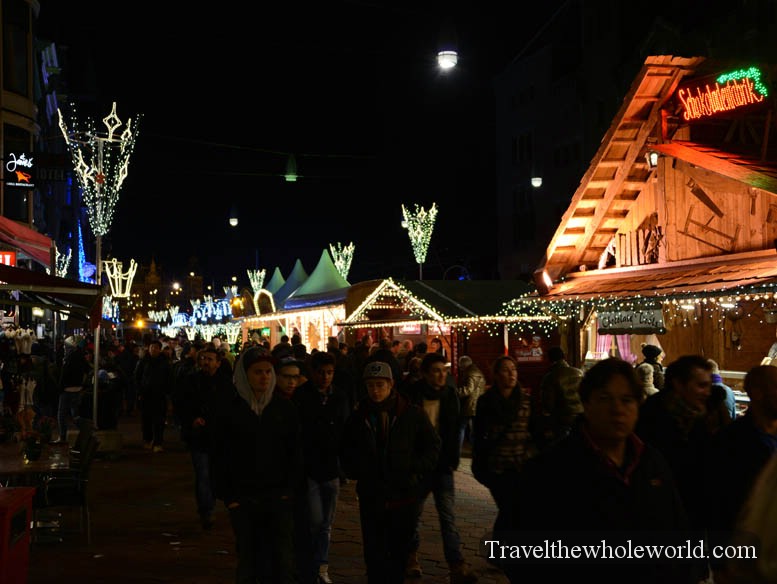
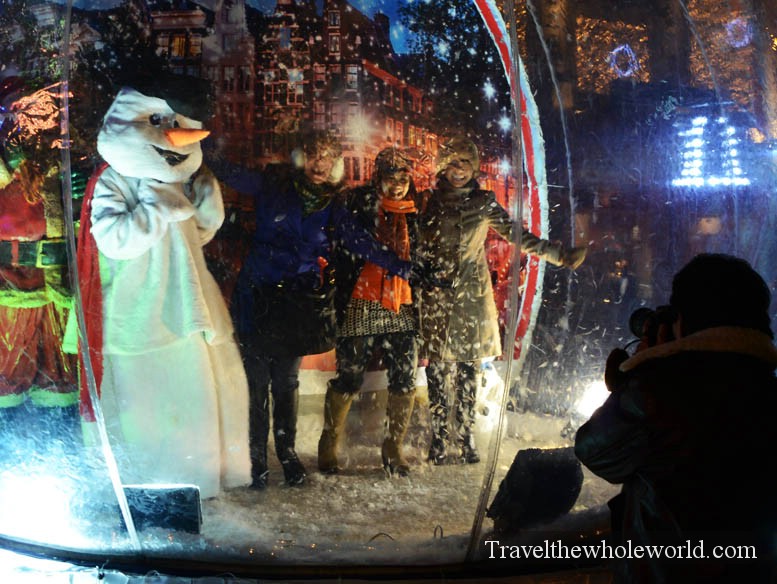
The streets around Dam Square are some of the liveliest parts of Amsterdam. Souvenir shops, restaurants, food stands and other attractions fill the surrounding blocks. During my winter visit I even saw tourists climbing inside this giant snow globe for photographs.
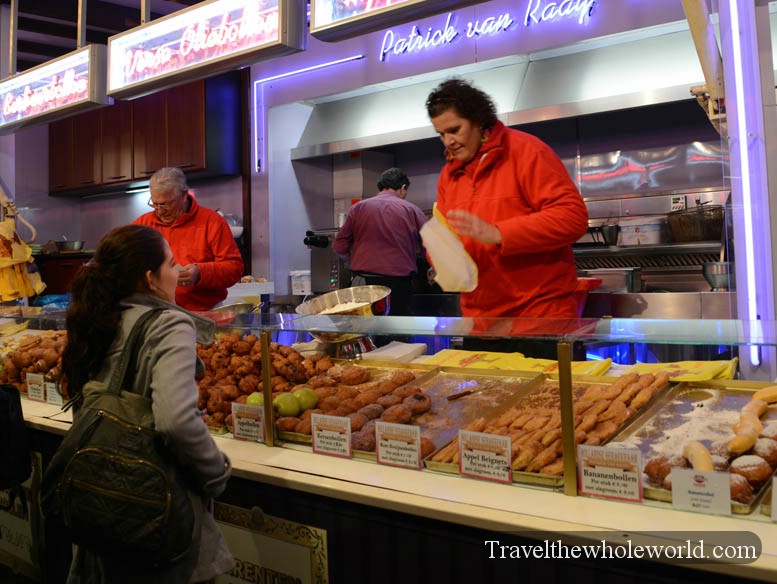
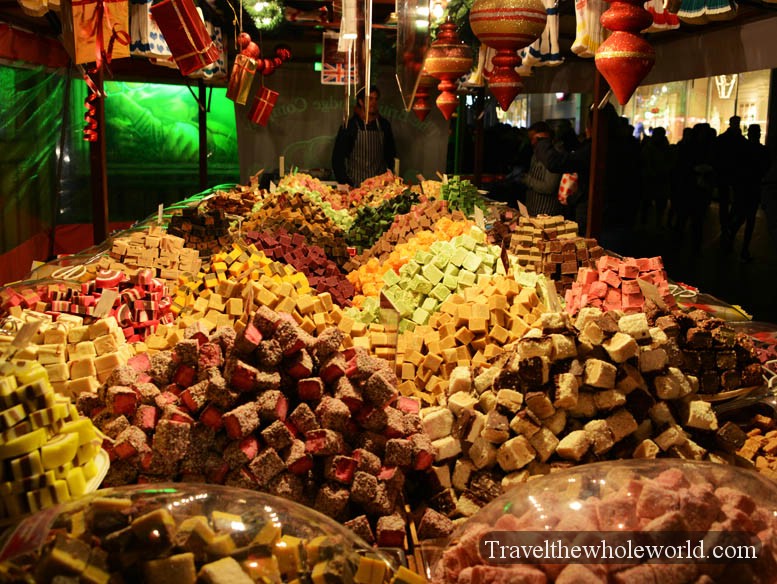
Food was never difficult to find either. I passed everything from street stands to tables piled with more varieties of fudge than I knew existed.
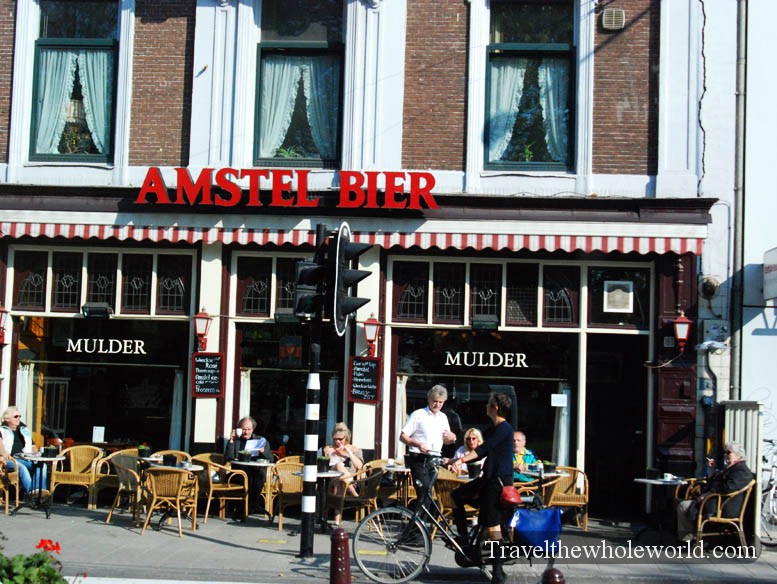
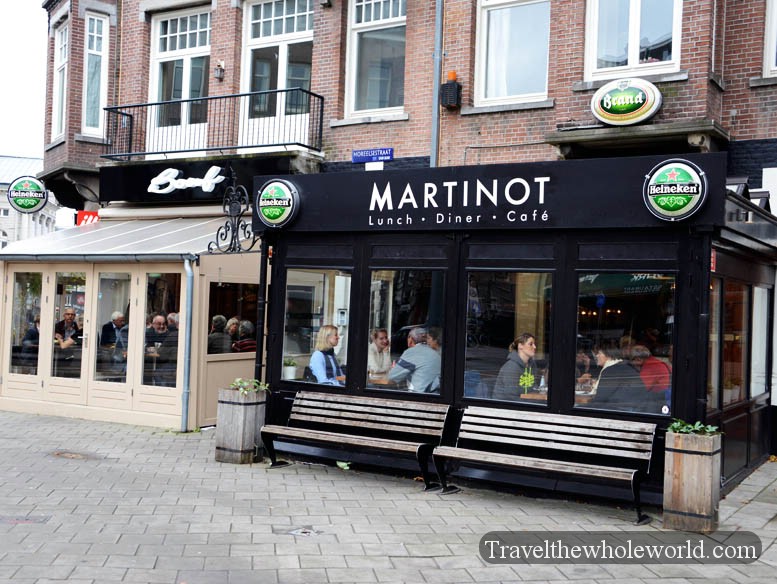
Amsterdam is also famous for its unusually tolerant approach to cannabis. Contrary to what I originally thought, marijuana isn’t simply legal throughout the Netherlands. Possession, production and sale technically remain illegal, but Dutch policy tolerates possession of small amounts for personal use and allows licensed coffeeshops to sell limited quantities of cannabis under strict conditions. :contentReference[oaicite:2]{index=2}
Amsterdam’s coffeeshops therefore became one of the city’s internationally famous features, although they’re completely different from an ordinary Dutch café serving coffee or beer.
The Netherlands also regulates legal sex work, and Amsterdam’s Red Light District is its most famous example. I walked through the district but deliberately didn’t photograph the workers in the windows. Even aside from local attitudes about photography, taking someone’s picture while they’re working in such a private context seemed unnecessary.

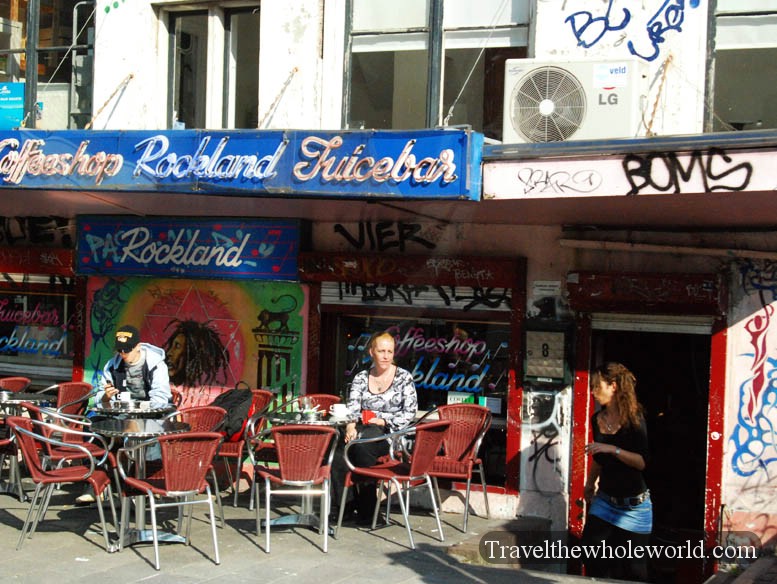
Above are two examples of that side of Amsterdam: a shop advertising cannabis seeds and one of the city’s coffeeshops. I took the second photograph at around 9:30 in the morning and there were already customers inside.
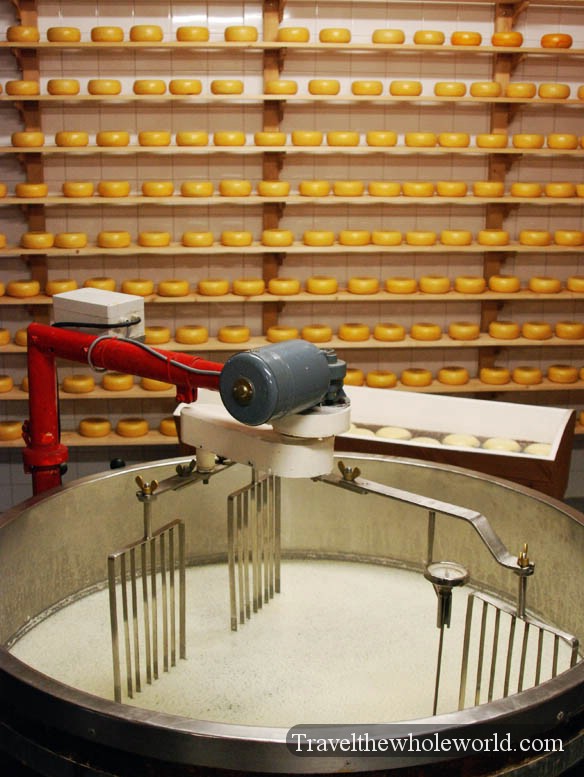
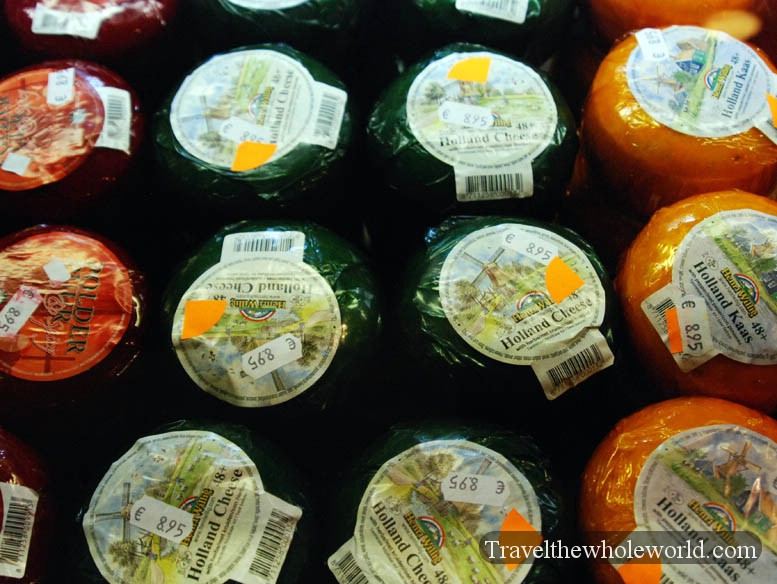
For something completely different, the Netherlands is also famous for cheese. During a demonstration I saw how cheeses could be made, flavored and then aged for different lengths of time. Herbs, spices and smoking can create dramatically different varieties even when the basic cheese starts out similarly.
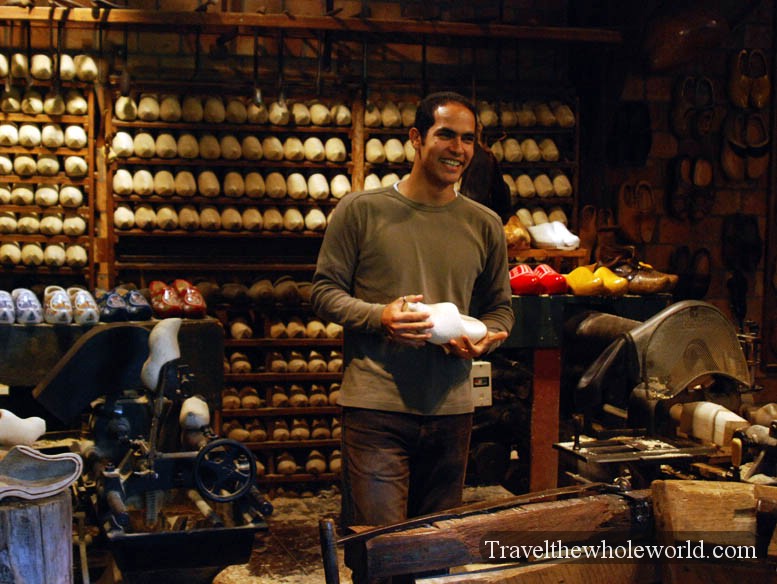
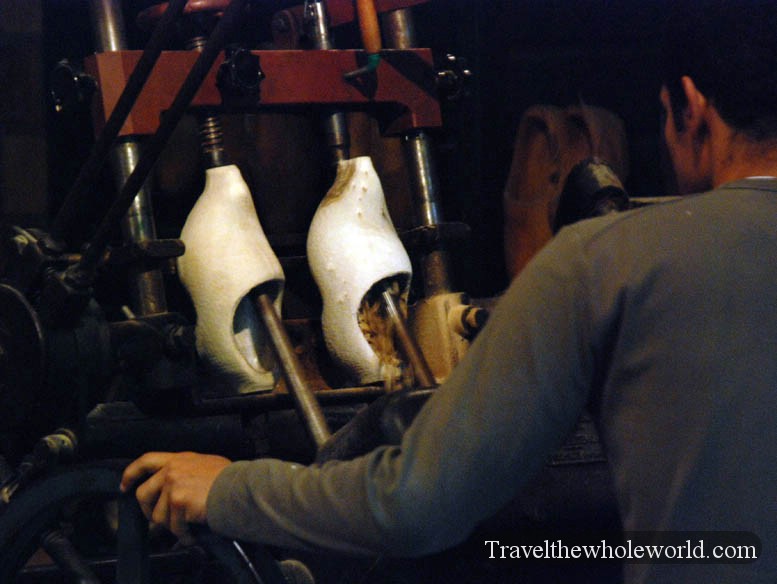
Then there are the famous Dutch wooden shoes, or clogs. I had known about them since I was a kid but assumed they existed today almost entirely as souvenirs and cultural symbols.
Historically, wooden footwear was practical for farmers, laborers and others working in wet or muddy conditions. The hard wood also offered some protection for the feet. Traditional clogs haven’t exactly become normal everyday footwear in modern Amsterdam, but they remain closely associated with Dutch rural history and can still be found in some working and ceremonial contexts.
The photograph above shows a modern machine shaping a wooden shoe.
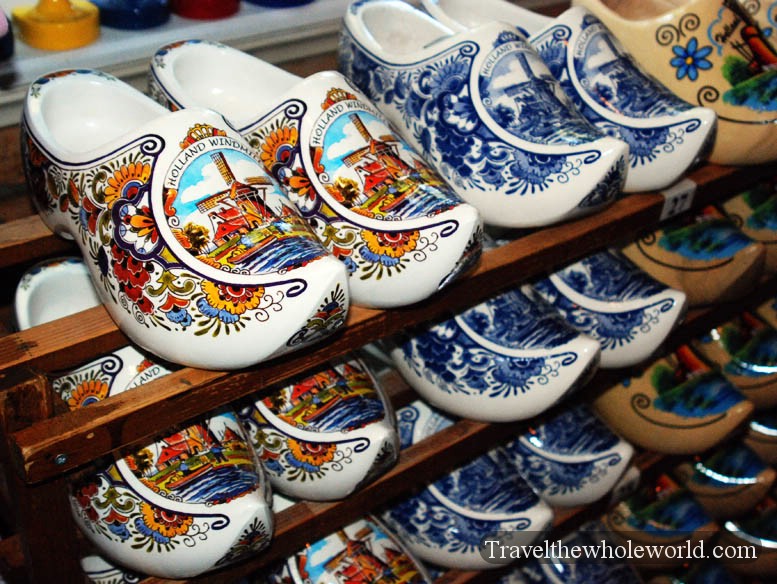
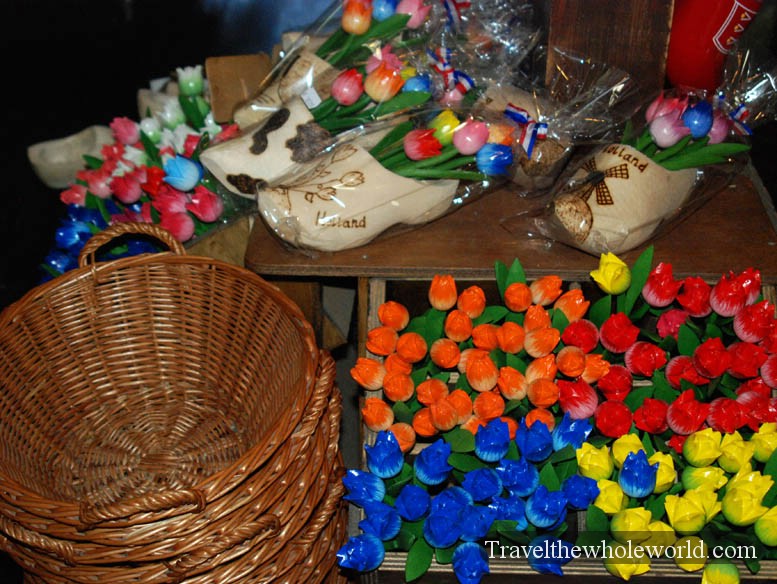
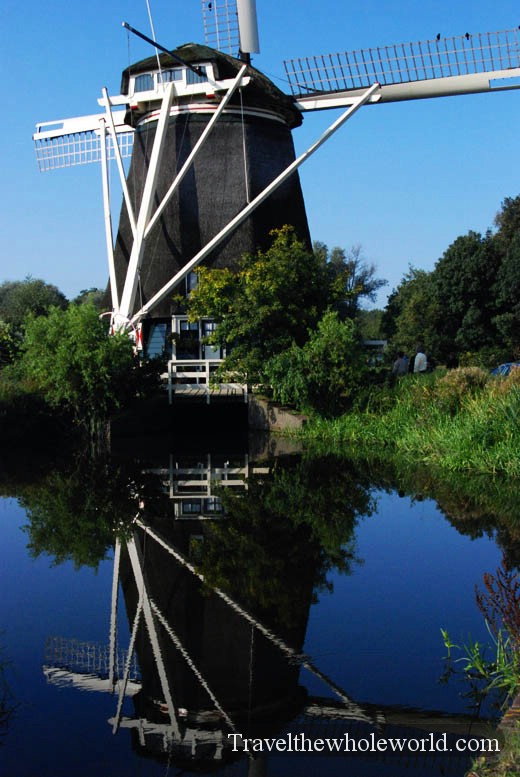
Beer, cannabis, cheese, wooden shoes—and of course windmills.
Windmills once played an enormous role in the Netherlands. They were used for grinding grain, sawing timber and, perhaps most famously, pumping water from low-lying land. Thousands operated throughout the country at their peak, while many surviving windmills have since been preserved or restored as historic monuments.
The windmill I visited was several centuries old and had been associated with water management. Seeing one in person made it much easier to understand why windmills became such a powerful symbol of the Netherlands. In a country where so much land lies at or below sea level, controlling water wasn’t simply useful—it was essential.
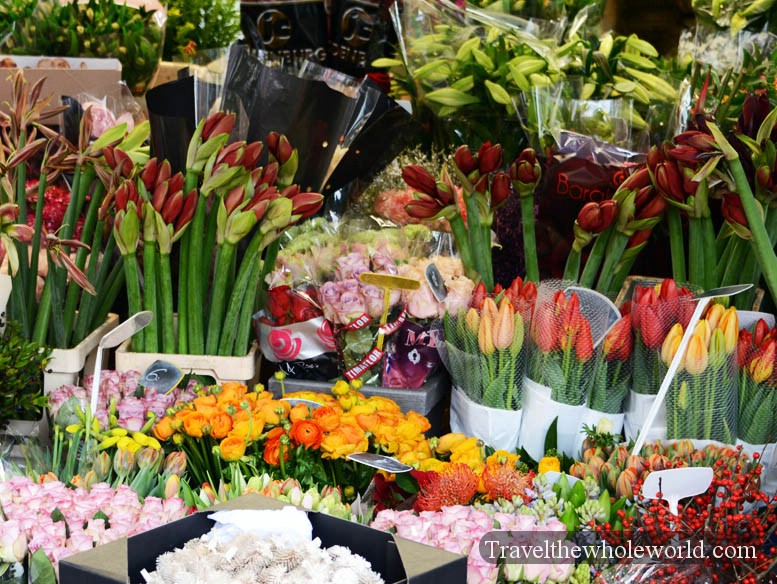
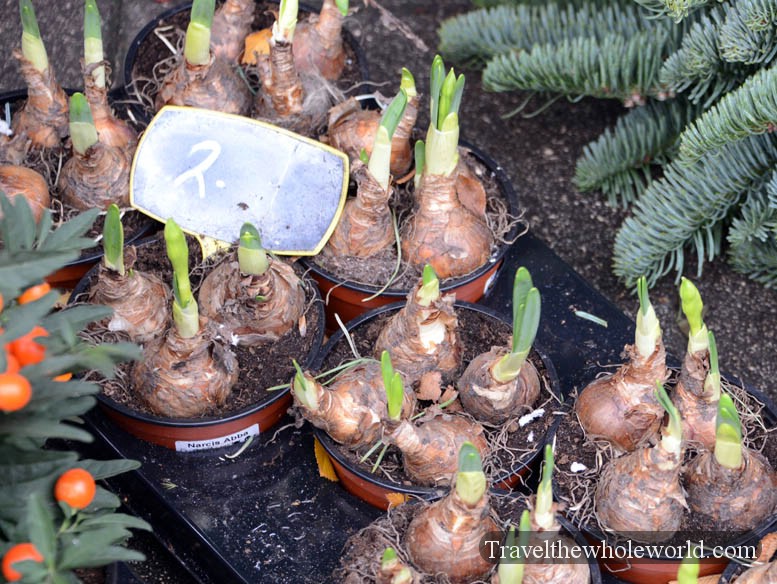
Flowers—especially tulips—are another Dutch icon. During the 17th century, rare tulip bulbs became the focus of an extraordinary speculative craze now known as Tulip Mania. Prices for some varieties rose to remarkable levels before the market collapsed in 1637.
The episode is often described as the world’s first speculative or financial bubble, although modern historians debate how widespread the economic damage really was. Either way, the story became inseparable from Dutch economic history and the country’s continuing association with tulips.
I still hadn’t visited Amsterdam’s famous flower market when I took these photographs. These flowers and bulbs were simply displayed in ordinary shops around Amsterdam Zuid, but they were enough to remind me that I still had something else to see the next time I returned.