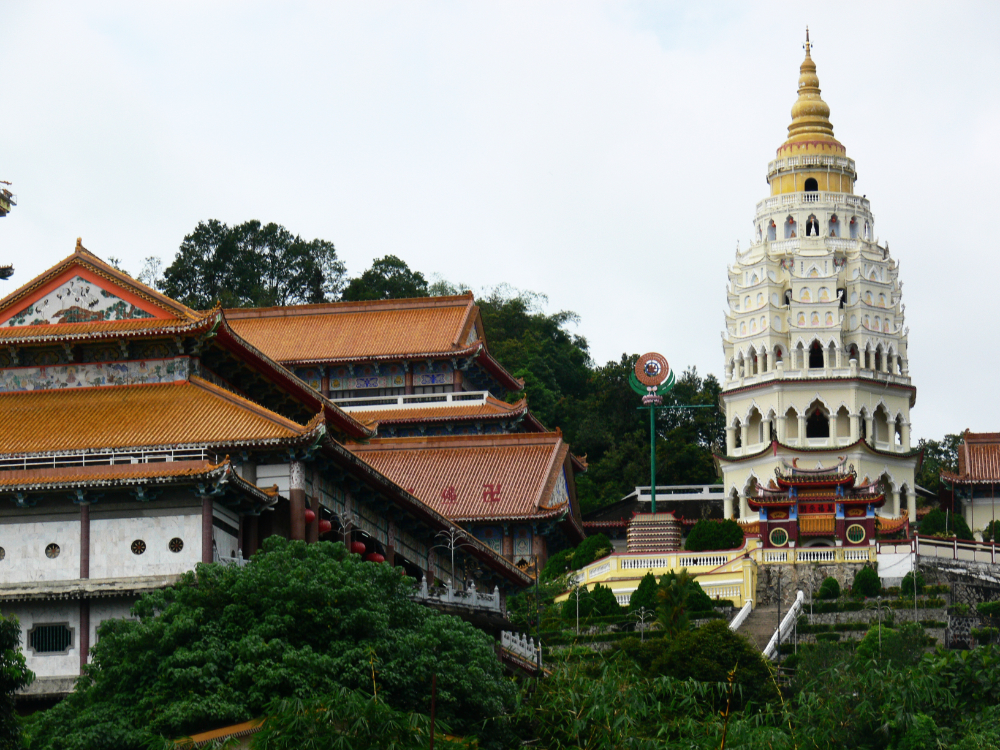
Malaysia is divided into two major regions separated by the South China Sea. Peninsular Malaysia extends south from Thailand on the Asian mainland, while East Malaysia lies roughly 400 miles (650 kilometers) away on the island of Borneo, which Malaysia shares with Indonesia and Brunei. Although Islam is the country’s predominant religion, Malaysia also has substantial Buddhist, Christian, Hindu, and other religious communities, contributing to its diverse cultural traditions.
Malaysia is one of Southeast Asia’s most varied travel destinations, offering everything from modern cities and tropical islands to rainforests, mountains, and wildlife. Its blend of Malay, Chinese, Indian, and indigenous cultures is reflected in the country’s architecture, food, festivals, and religious landmarks. Kuala Lumpur and Penang are two particularly interesting places to experience this diversity.
Explore Kuala Lumpur
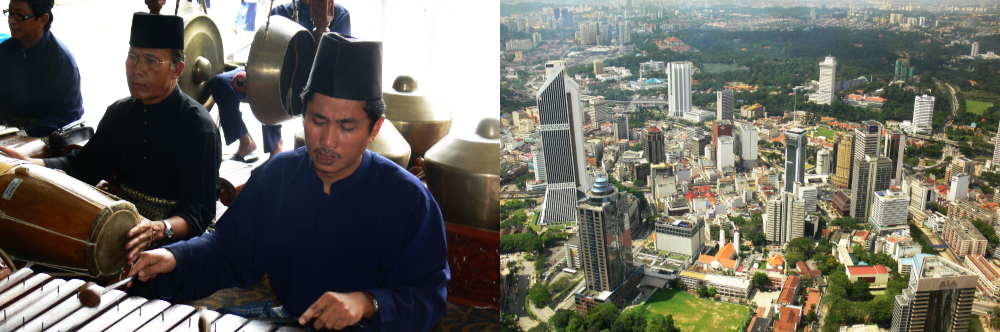
Kuala Lumpur, Malaysia’s capital and largest city, has grown from a small settlement into one of Southeast Asia’s major metropolitan centers. Its most recognizable landmarks are the Petronas Twin Towers, which were the tallest buildings in the world when they were completed in 1998. Today, the city offers expansive shopping districts, restaurants, nightlife, museums, parks, and religious landmarks representing its diverse population.
One of Kuala Lumpur’s most distinctive features is the contrast between its modern skyscrapers and historic cultural sites. Mosques, Buddhist temples, Hindu temples, and traditional neighborhoods stand alongside shopping malls and contemporary architecture. This combination of modern development and multicultural heritage makes Kuala Lumpur an interesting destination for exploring urban Malaysia.
Explore Penang
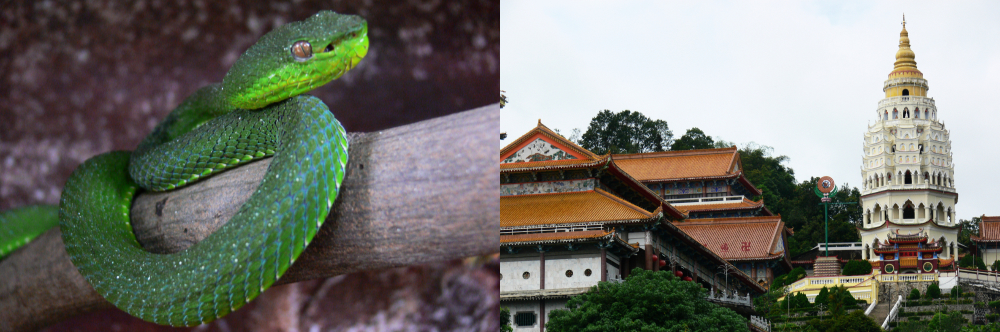
Located along the Strait of Malacca, Penang offers a different perspective on Malaysia, combining historic neighborhoods, modern development, tropical landscapes, and a remarkable mix of cultures. George Town, the island’s principal city, is known for its historic architecture, street art, temples, and celebrated food scene. One of Penang’s best-known religious landmarks is Kek Lok Si, one of the largest Buddhist temple complexes in Southeast Asia.
Beyond its cultural attractions, Penang offers plenty of opportunities to explore the outdoors. Penang Hill rises above the island’s developed areas, providing forest trails, cooler temperatures, and panoramic views. Beaches and tropical coastline add another dimension to the destination. With its combination of history, religious landmarks, local cuisine, and natural scenery, Penang is one of Malaysia’s most rewarding places to visit.
