Southern Idaho surprised me with how quickly the landscape could change. One minute I was driving across broad agricultural plains, and the next I was looking down into the enormous Snake River Canyon. Twin Falls ended up being one of the most visually impressive stops I made in this part of the state, and it made a much stronger first impression than I expected.
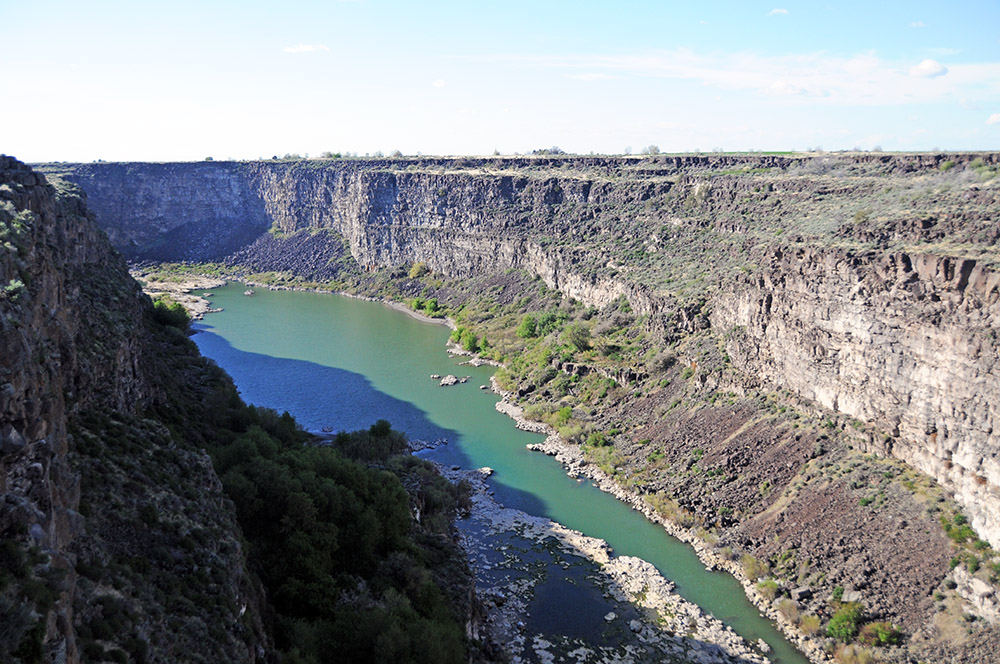
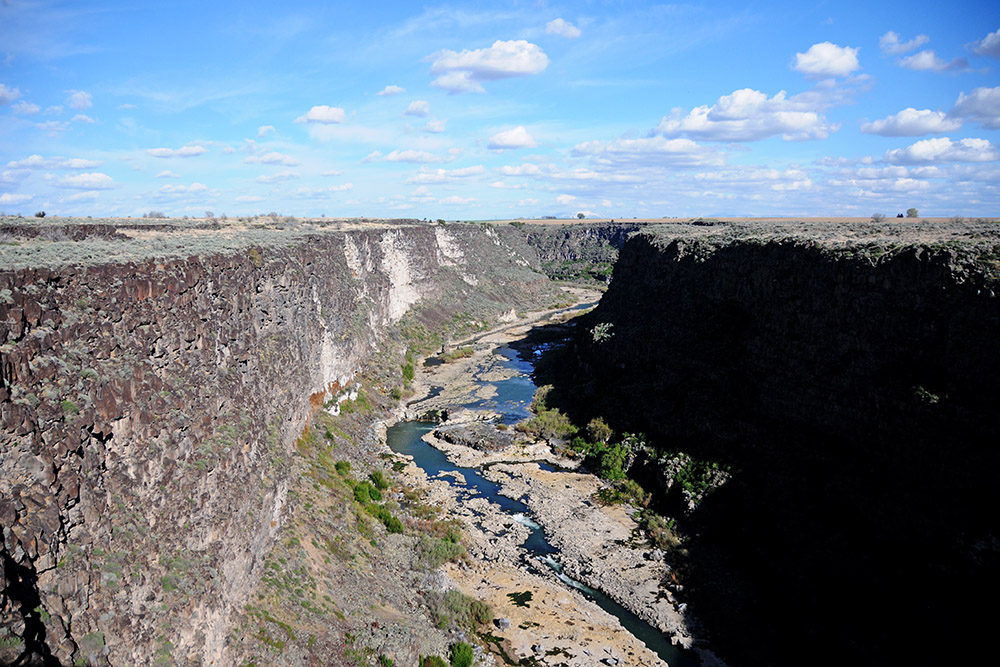
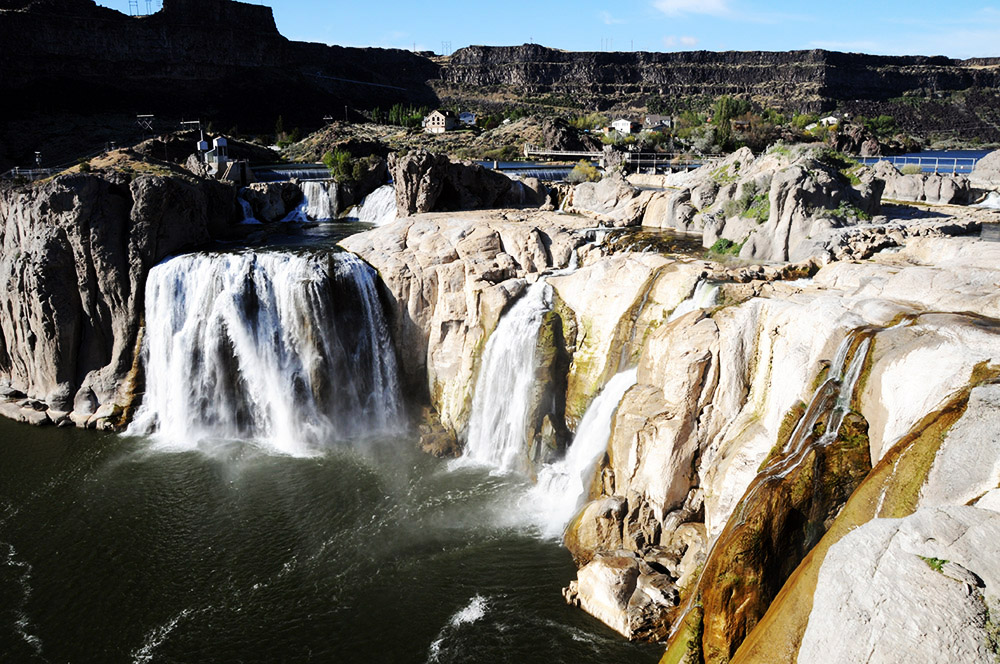
Right in the center of southern Idaho is the city of Twin Falls. I only briefly stopped here as I was returning back to Boise and wanted to get a look at the famous snake river canyon in this area as well as Shoshone Falls. I definitely was not disappointed! I’d call these views the Grand Canyons of Idaho, and even walking over the bridge where I took the top two photos gave me a little bit of vertigo. To put things in perspective, on the right hand photo there are actually people standing along the river but they are so far away they can’t be seen in the photograph. On the right is Shoshone Falls, sometimes called the Niagara Falls of the west. Shoshone might not be as beautiful or massive as Niagara Falls, but the water here actually drops 45 feet higher than its eastern counterpart. The highest falls here have a free fall of 212 feet or almost 65 meters. Once upon a time, native Americans lived off the Salmon here that lived in the Snake River. An early American explorer who arrived said there were so many fish in the river you could randomly throw a spear and would be guaranteed to catch something.
Idaho’s Agricultural Plains
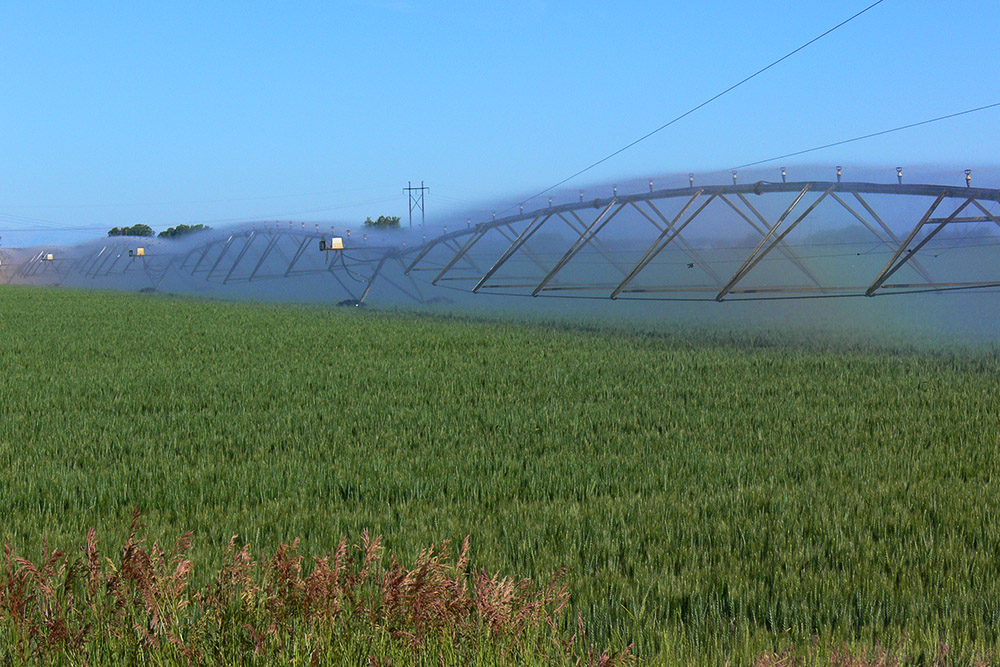
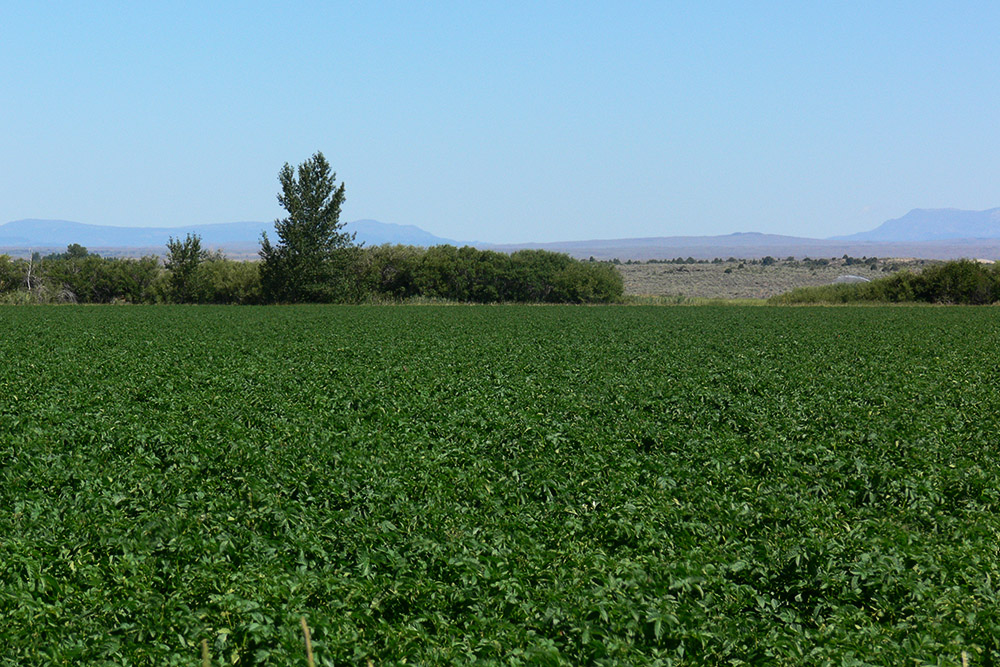
Outside of the snowy north, the southern and eastern parts of Idaho are the Great Snake River Plain. The plains are where most of the farming is done and crops such as corn, wheat and of course potatoes are grown here. Outside of the plains are mountainous areas both on the far east and to the west of Idaho. On the upper left is a picture of some crops being watered automatically. Directly above are some dark green potato crops in the beginning of July that can be found all over the state.
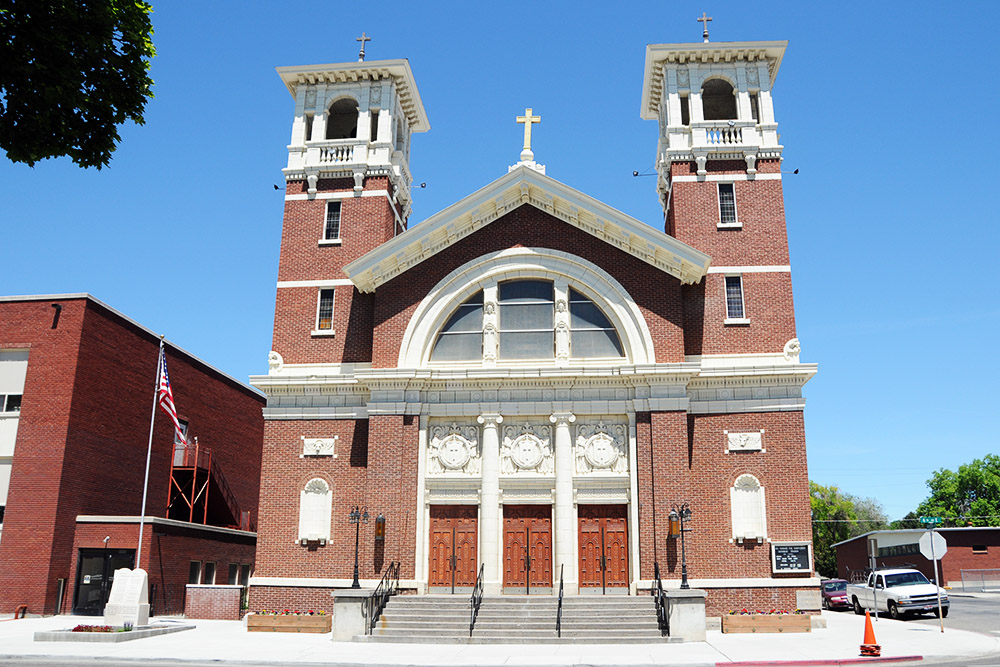
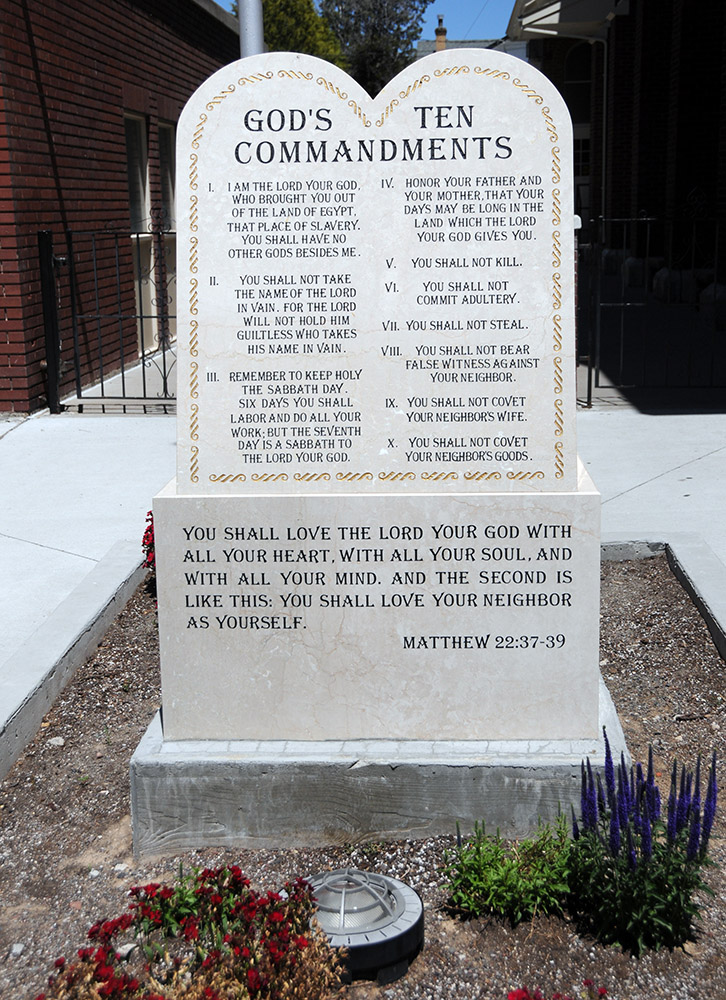
On a second trip through the state I went into Twin Falls itself instead of just stopping at Shoshone Falls. The town was small but still one of Idaho’s top three in terms of population. Above is one of the older churches in Twin Falls, complete with the 10 Commandments on display.
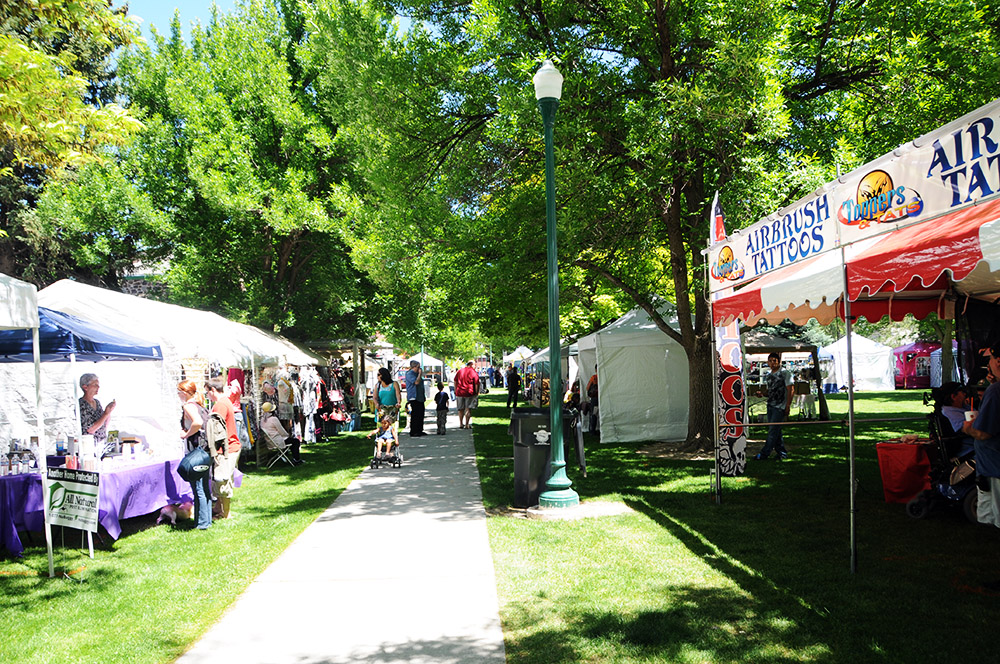

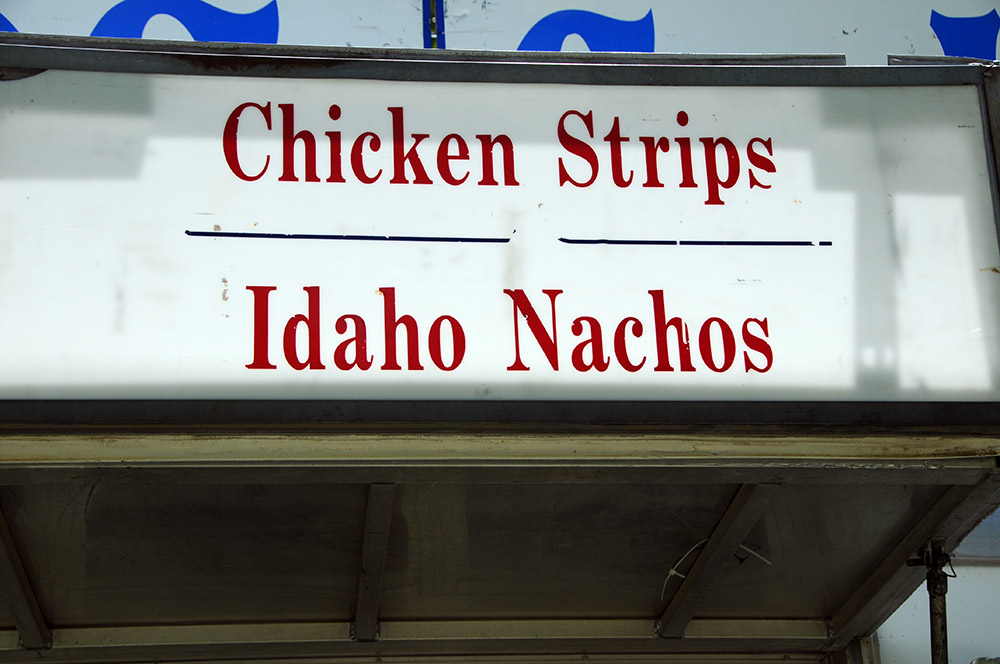
The main event going on that day was the “Western Festival” in Twin Falls. Since I was just passing by I didn’t really give the festival a full chance to shine, but at the time I visited they mostly had shops and restaurants set up under tents. Strangely none of these appeared to be Western themed, many restaurants sold typical American food, there were air brush tattoos, sunglasses for sale etc. There was a stage being set up for a live band later so maybe by the evening things were quite different. One thing I did finally get to try were “Idaho Nachos” seen below. I had heard about them several times while in the state, they turned out to be the same as nachos but the tortilla chips were replaced with Idaho French fries.

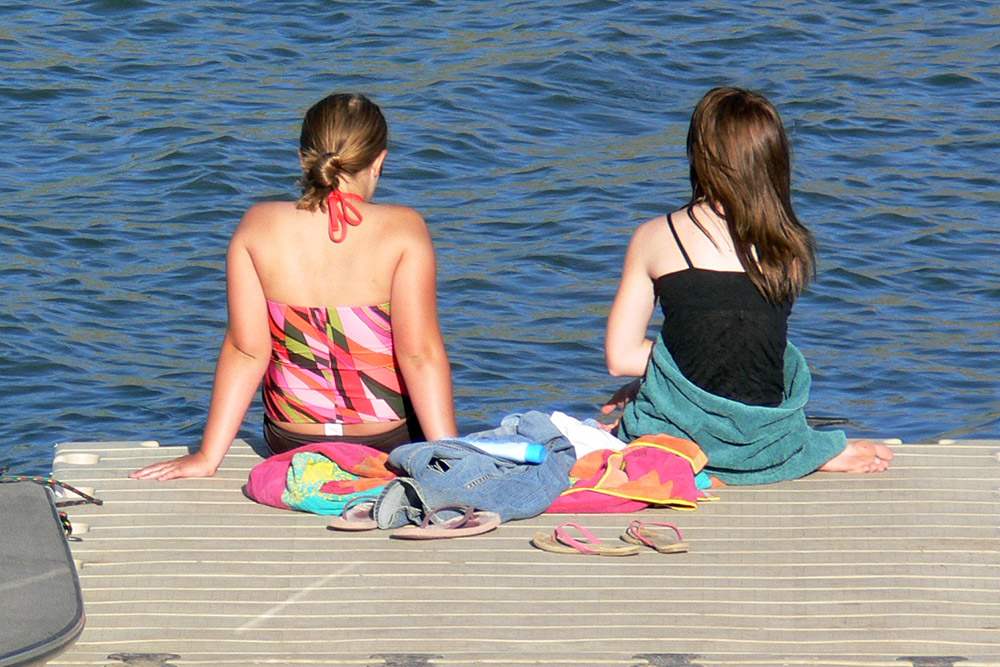
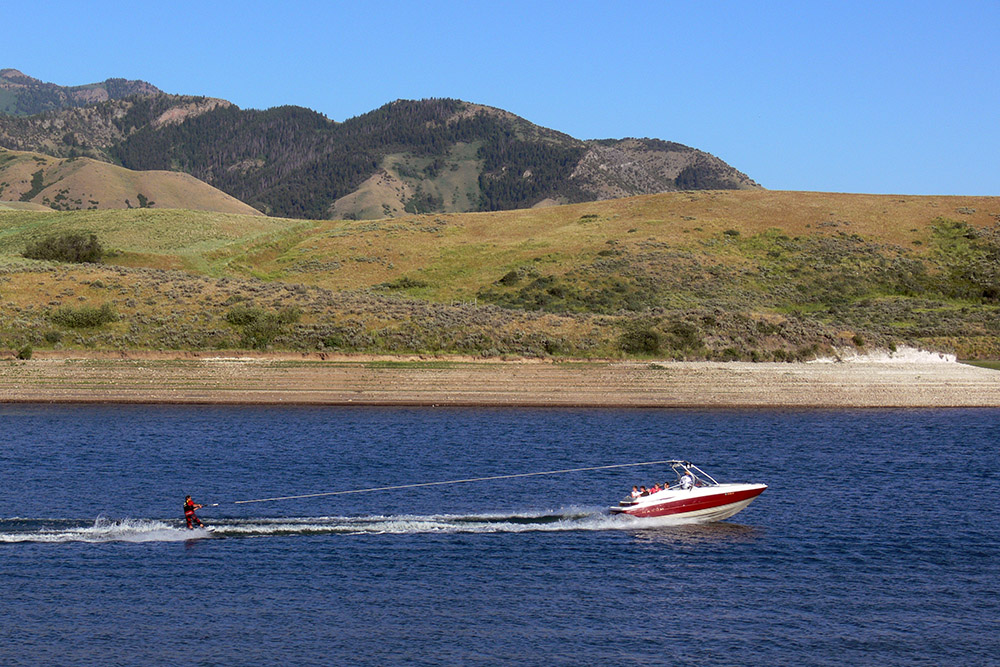
Idaho has no oceans, but the population still can enjoy water sports in their lakes. Many people bring boats with them in addition to their trailers and stop by trailer camps near lakes. On the upper left is a photo of two girls from a trailer camp who sit on a dock as boats pass by and people go fishing. On the right, some people try jet skiing.
Most of the people living outside the small cities and towns have remote homes along the highways or in the mountains. On the upper left is a picture of a home that must be dozens of miles from the next town. Its popular for people out west and in Idaho to travel around in trailers and park at a certain location for a few days then head on somewhere else. In the winter time thousands of them head south to states like California, Arizona, New Mexico to avoid the snow. The ones who end up heading south are called snow birds. On the right are some people parked at a trailer campground where they spend their time in the local area until they decide to move on.
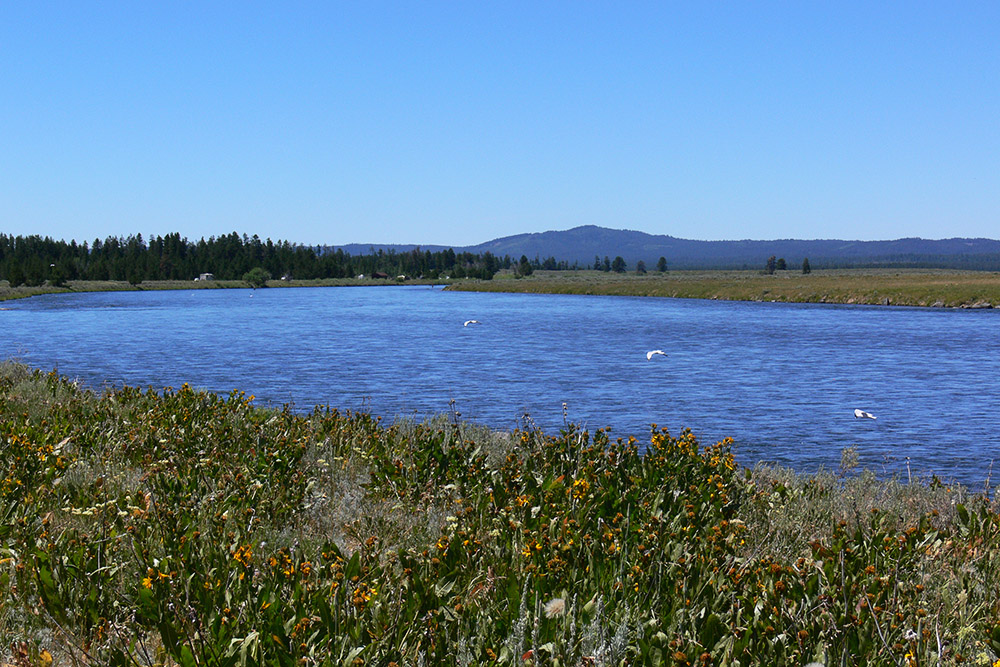
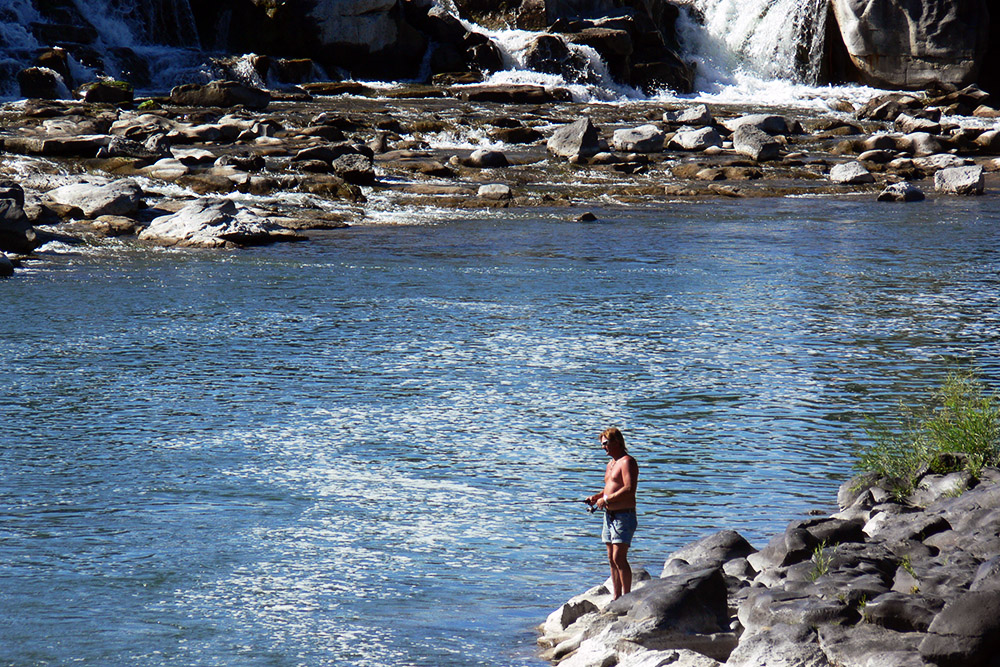
On the easternmost side of Idaho is once again the Snake River as it makes its way from Wyoming, then to Twin Falls, Boise and finally to the Ocean. The upper left photo is where the river just enters Idaho and is calm and clear but still rapidly moving. As the river heads farther west it will get more violent and offers some of the most difficult white water rafting in the country. On the right is a man fishing in the city of Idaho Falls.
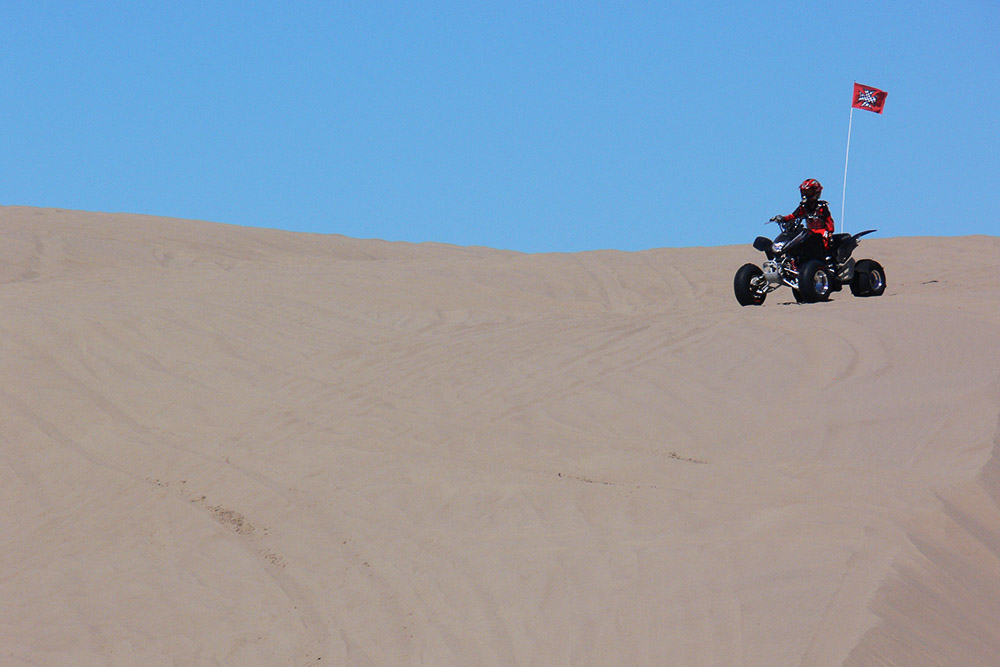
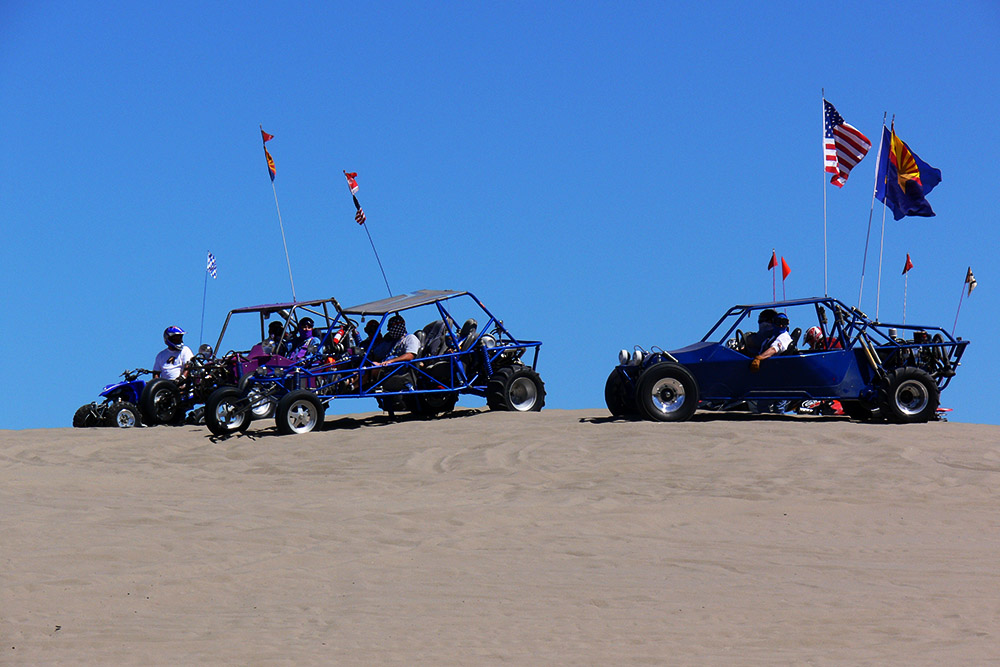
Idaho definitely isn’t famous for having deserts, but it actually has some large sand dunes. The sand dunes above are located a few miles outside a small town called St. Anthony’s, where there is another trailer campground. Above are people riding dune buggies, dirt bikes, and 4 wheelers across the sand dunes for fun.
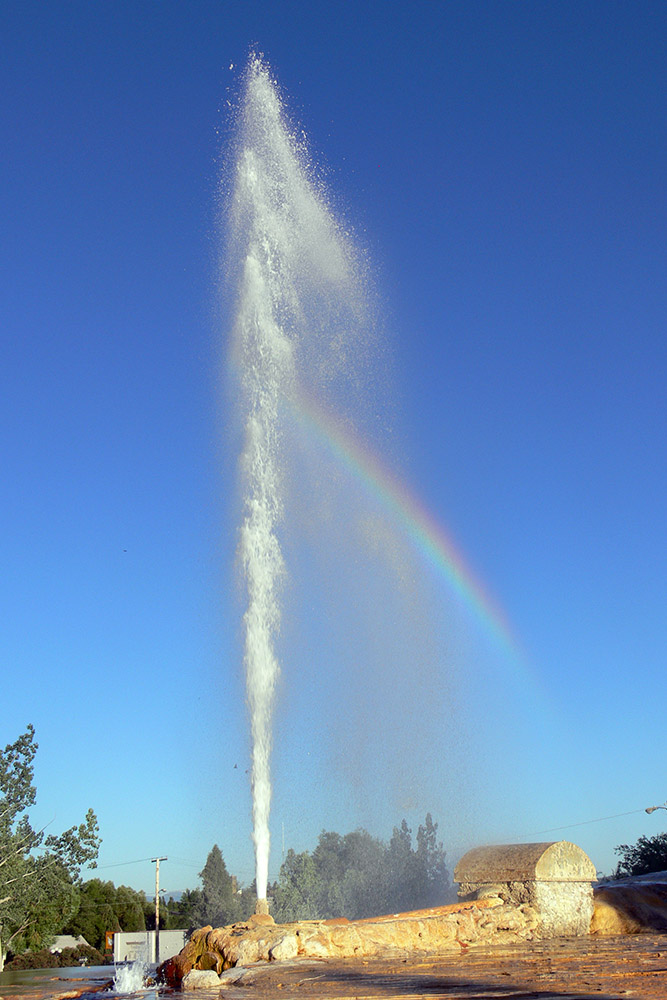
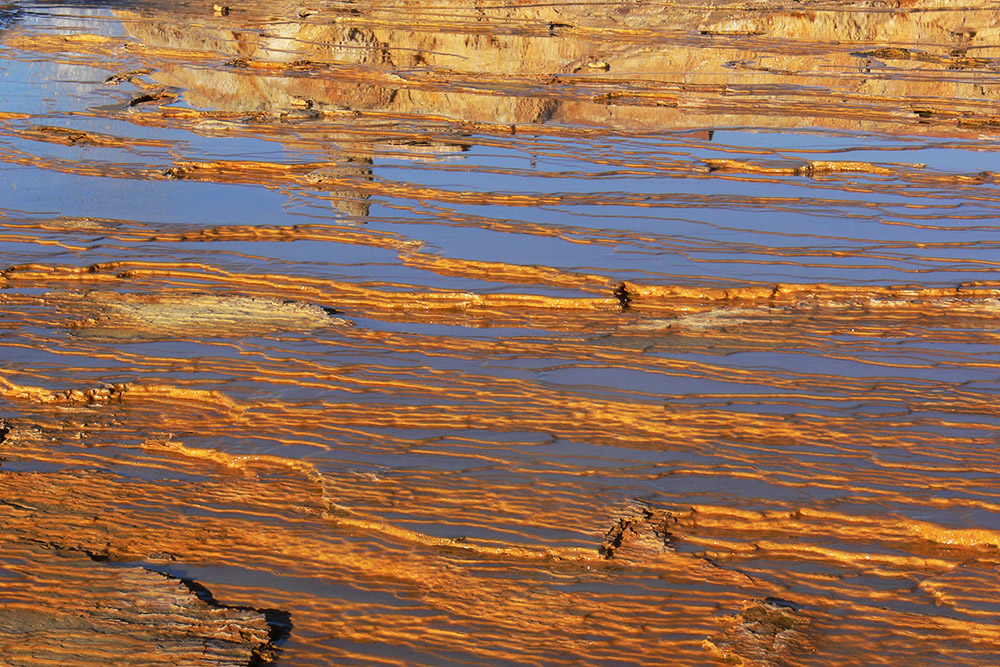
Idaho also isn’t known for geysers and thermal activity, but the eastern part of the state has some of both. A large and very active geyser was discovered in what is now the town of Soda Springs when settlers first arrived to Idaho. Some of these settlers attempted to control the geyser by adding valves and pipes in order to create a hot spring resort. Their attempt failed, but some of it worked, as today the geyser’s pressure is controlled and released every hour on the hour.
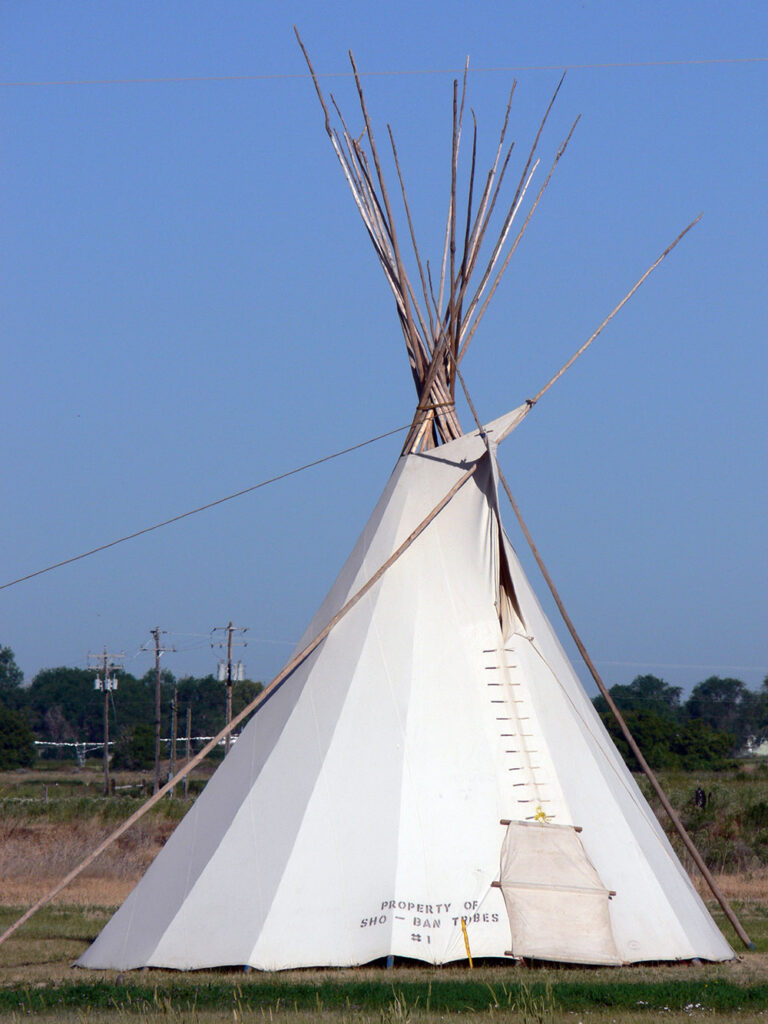
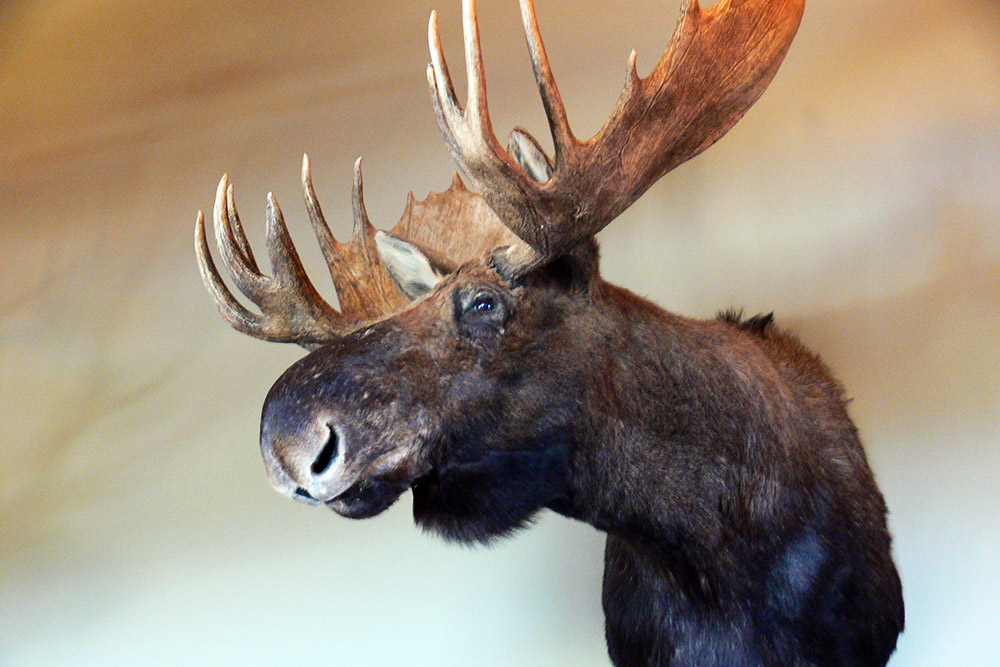
Farther east I also stopped at places that reflected some of Idaho’s Native American history and the hunting culture found across much of the region. The teepee photographed here is based on the portable dwellings used by Plains peoples, while the moose mount nearby was a reminder of how important large game animals have long been in this part of the country.
Explore More of Idaho
Borah Peak • Boise • Craters of the Moon • the Sawtooth Wilderness • Twin Falls