According to the stamps in my passports, Ethiopia is actually the first country I ever visited in Africa. After I missed my connection to Nairobi due to some extreme flight delays, I had an unplanned stay in Addis Ababa for a single night back in 1999. Of course I don’t count this experience as a visit since I didn’t do anything more than ride from the airport to the hotel and back. But I do remember looking out the window of my bus at the city and all its people going about their daily business. I felt teased by riding through Addis Ababa and watching a country through a bus window without the possibility of getting out and experiencing anything.
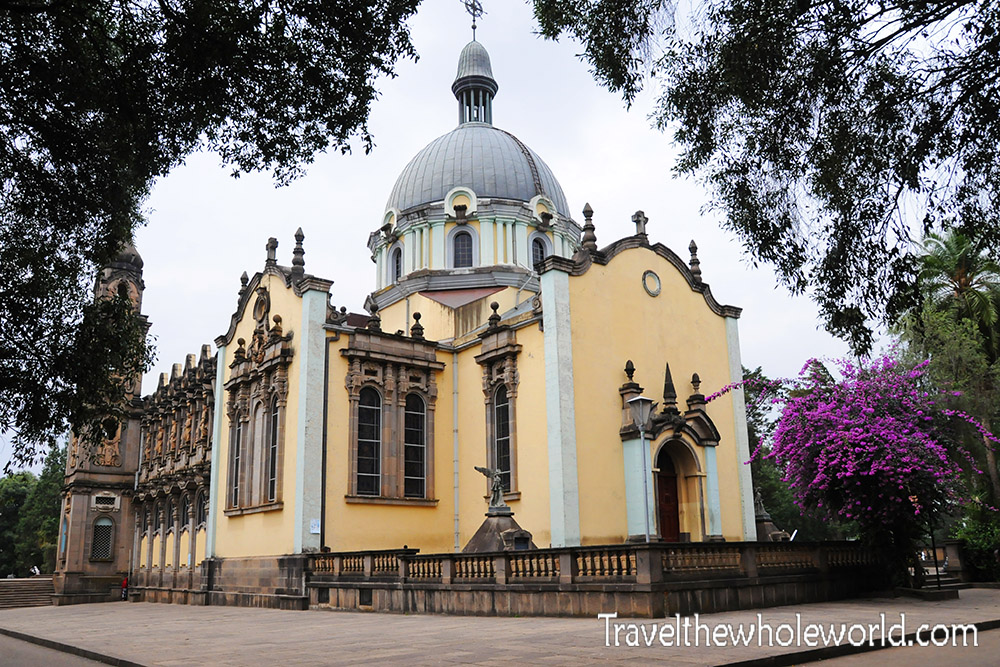
Fortunately, with a little bit of patience, about 10 years later I finally returned to Ethiopia and was able to satisfy my decade-old curiosity. Since it was no longer allowed to take photos of all the government buildings in Ethiopia, which included the Imperial Palace, I figured the next best place to start in Addis Ababa photography-wise was the Trinity Cathedral. The church was built after World War II, partially to celebrate Ethiopia’s freedom from the Italian occupation. The Trinity Cathedral quickly became one of Ethiopia’s most famous and important churches, and so it has the honor of being the first place on my web page.
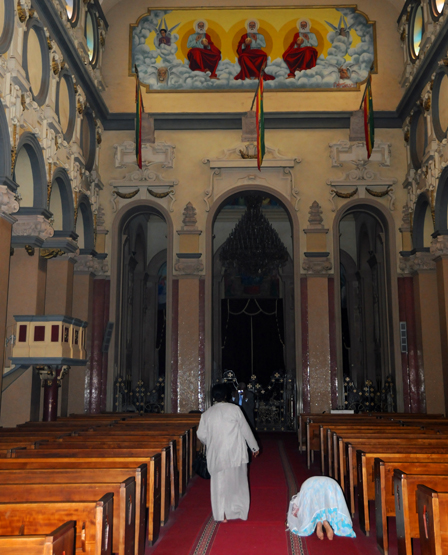
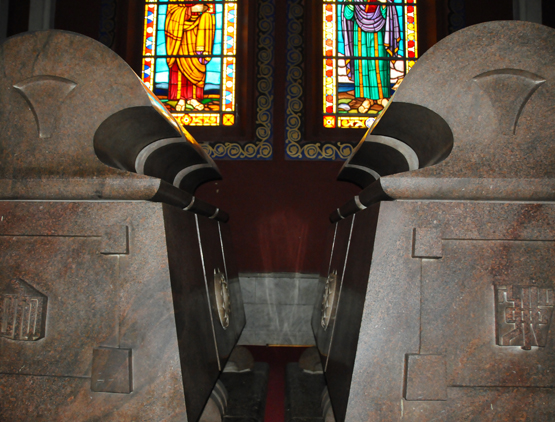
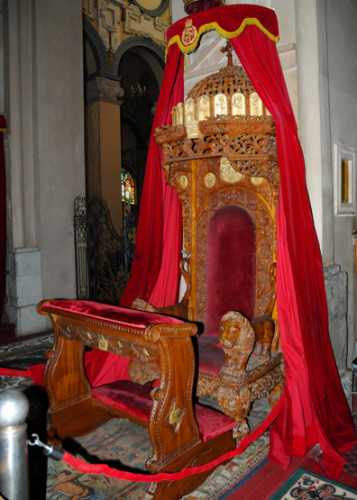
For nearly 35 years Emperor Haile Selassie ruled Ethiopia and worshiped at the Trinity Church. I always heard Ethiopians talk about Emperor Selassie, both on this trip and when I talked to Ethiopians back home in the United States. The way I heard most people talk about him, it almost seemed like he had passed away only a few years ago, but in fact he lived from 1892 to 1975.
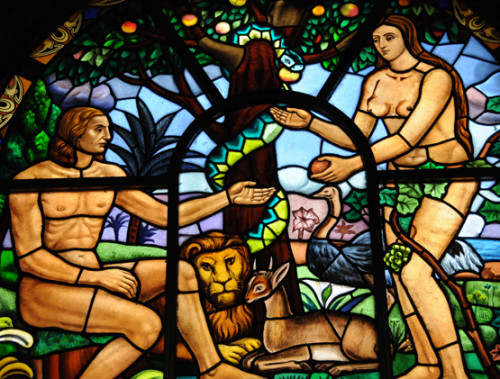
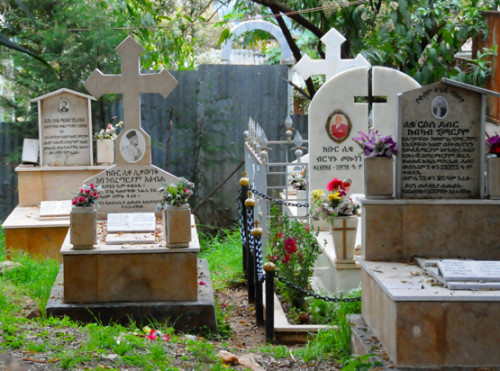
The story regarding his alleged murder is written about further below, so for now just know that he is buried in the Trinity Church along with his Empress Menen Asfaw. The photos above show their tombs and his throne. The stained glass and cemetery in the following photos are also part of the Trinity Church complex. The church complex has several buildings, including a small museum with artifacts and traditional clothing from the past few centuries, including items that once belonged to the Emperor. I was unable to sneak any photos from the museum, and when I asked the guard if I could take some anyway he politely told me no.
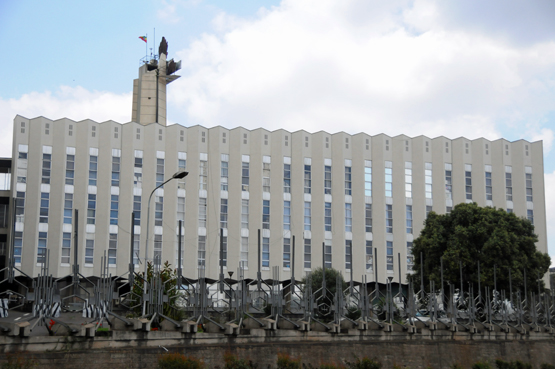
This was the only photo of a government building I was able to take. This is the home of Ethiopia’s government and functions like most countries’ parliament buildings. I drove past the palace several times and considered taking a photo, but as there were armed guards I figured it was probably a bad idea.
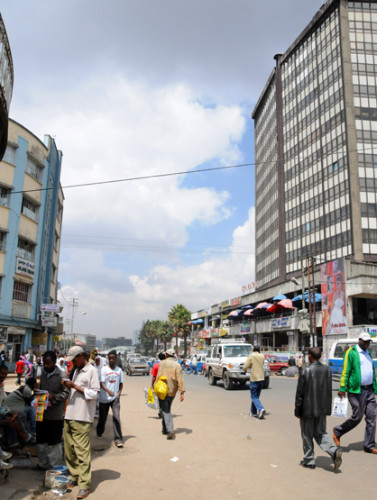
A famous place to visit in Addis Ababa where you can take all the photos you want is the piazza, Italian for plaza. This place seemed to be a legend as far as things to do in Addis Ababa go. I imagined it to be Ethiopia’s Times Square, or their version of China’s Tiananmen Square. I had studied a map online on how to get from my guest house to the piazza and set out for a quick 15-minute walk, curious about what wonders I might find there.
I sadly discovered the piazza by asking someone for directions and having that person explain I was standing in it. Quite disappointing, it actually didn’t look much different to me than other parts of the city. I felt more like it was simply a place where busy roads intersected than anything else. Perhaps I was missing something, but as the airline office was here and this turned out to be a good place to find a taxi or a local guide for the day, I came and went to the piazza almost daily and it never impressed me.
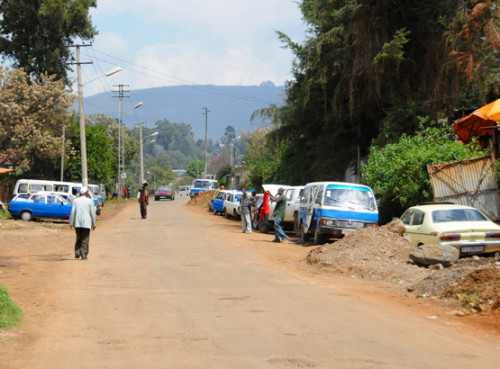
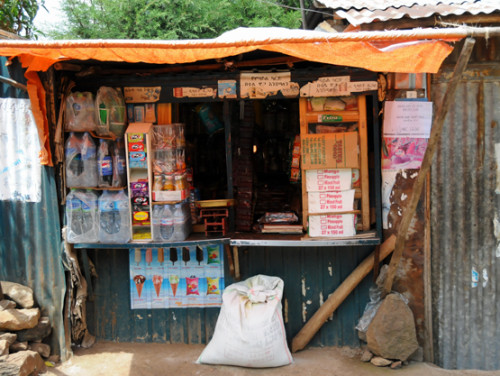
When I was visiting Addis Ababa, I stayed at a nice guest house that was somewhat close to the piazza. The street itself that the guest house was located on was pretty shabby looking, as it was simply a muddy road lined with poor houses and small shops like the ones shown above.
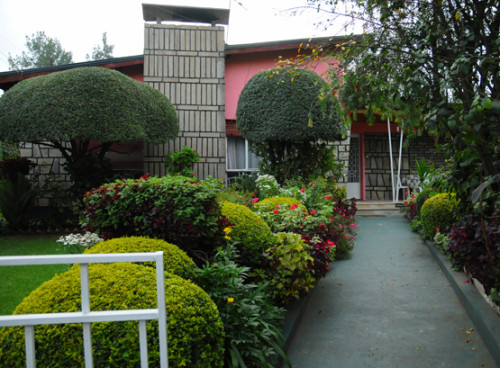
Once inside the front gate though, it was a nice place to stay and the prices were reasonable. I actually left a macro lens here and didn’t realize it until I had left the country. Not only did the owner find it, but he had it immediately mailed to me back home in the United States! I stayed here most of the time in Addis Ababa and enjoyed the people and the location.
Of course there are plenty of upper-class and more traditional hotels to stay at, and I even spent a single night at the Beer Garden, which had its own brewery. Mostly European travelers and businessmen seemed to be at the Beer Garden, while the guest house had people visiting the country for all sorts of reasons, including a German couple who had just adopted a son here.

These two cats were also at the guest house and seemed to be permanent residents there.
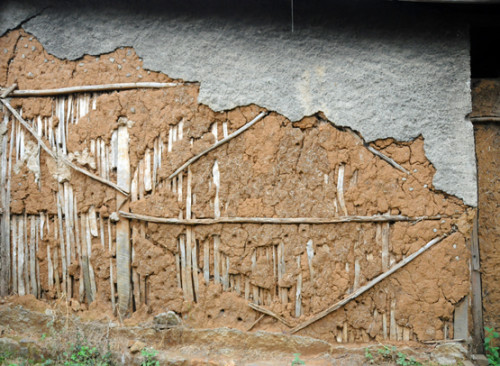
Of course the guest house was mostly for sleeping and planning. I didn’t spend much time there and was usually out roaming the city. I came across this traditionally built structure while wandering some random streets in Addis Ababa. The mud had been breaking away, exposing the technique used to hold the structure’s walls together.
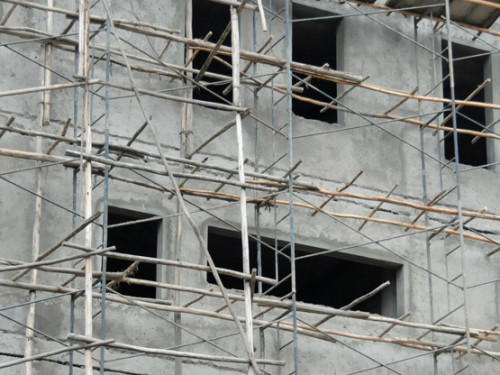
Nearby was a modern high-rise under construction. What caught my eye was the fact that the scaffolding was handmade out of nothing but wood and rope! Imagine trying that in the United States and getting caught by OSHA. I suppose the people who set this up are experienced and it’s relatively safe, but it certainly looks intimidating to climb.
My first unintentional visit to Ethiopia in 1999 was due to the most horrible delays and flight experiences I had endured up to that point. I was smart enough not to book my United States flight to Addis Ababa with Ethiopian Airlines, who were the cause of my previous misadventures, but I did use them for a flight to neighboring Djibouti. They were nice enough to call my guest house and tell me that my flight was canceled and I should visit their office for new details.
I later walked to the piazza only to find the whole neighborhood powered off and the airline office explaining to me they couldn’t check my flight status or call another office because both the power and their phones were down. The next day I found out that my missed flight had never been canceled but only delayed. No real surprise there.
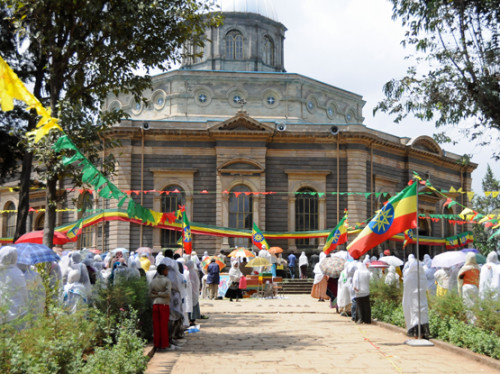
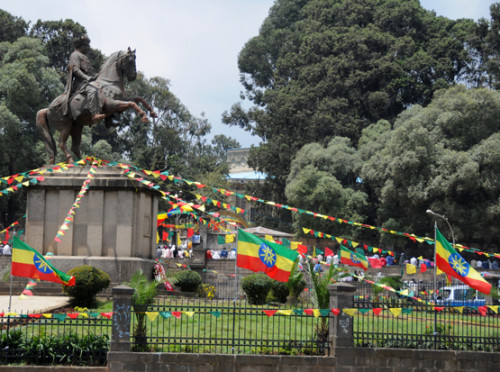
Anyway, the point is I was fortunate enough to have my flight cancellation take place on March 2nd. At first I was pretty pissed off, but since I was going to be spending another day in Addis Ababa I decided to once again aimlessly roam the city like I normally do. I found that many squares and churches were decorated with Ethiopian flags and tons of people were out walking around. A few street corners had Christian preachers giving speeches to small crowds, and other places had much larger ceremonies and celebrations taking place.
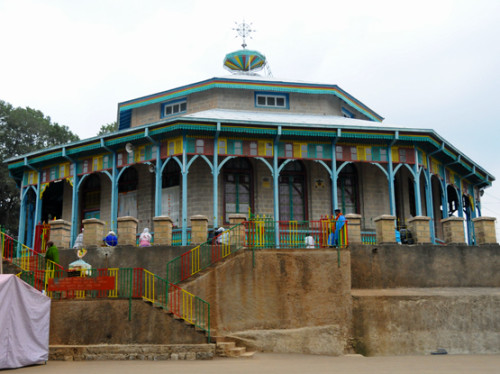
After struggling to find a local who spoke English, I came to understand that March 2nd is a holiday similar to independence day. I say similar because Ethiopia was never colonized by Europeans, but in the late 1800s the Italians did try to invade the country. The Battle of Adwa occurred on March 1st, 1896, and the decisive victory by Ethiopia kept the country independent. The photo above shows St. George’s Church, where a Christian ceremony was taking place.
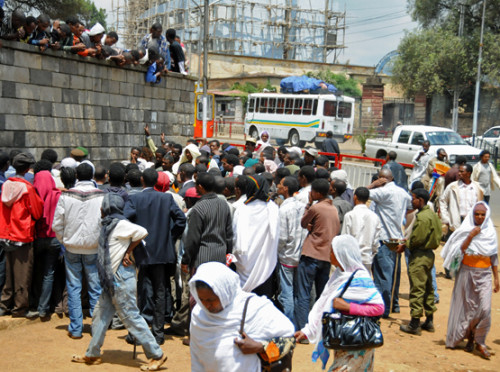
Outside the church, I came across a preacher addressing a large crowd.
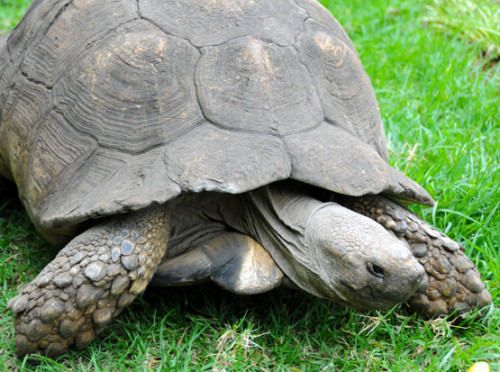
As for the tortoise… I can offer no logical explanation. There were several of them roaming the church grounds here but nowhere else in Addis Ababa.
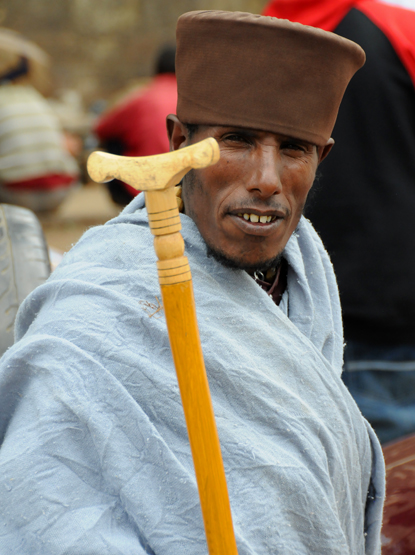
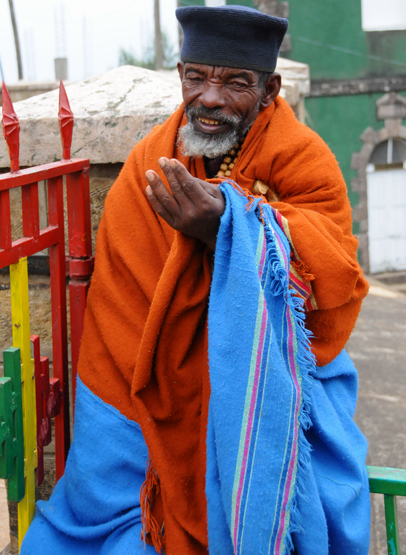
What I loved about traveling in Ethiopia was the traditional clothing and religious people I’d meet. I felt these men in traditional clothing probably hadn’t changed much as far as their beliefs and clothing went over the past few centuries. The staff carried by the first man was pretty common with older males and, from what I understood, bore some spiritual significance. Ethiopia is mostly Christian, but also has a very large Muslim population and a long Jewish history.
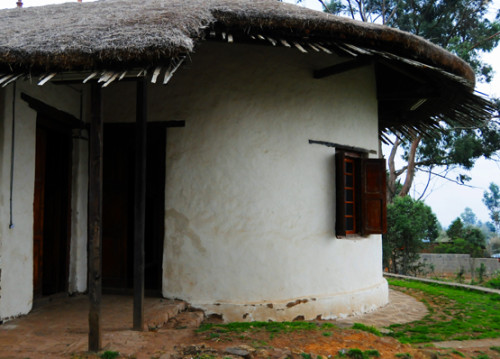
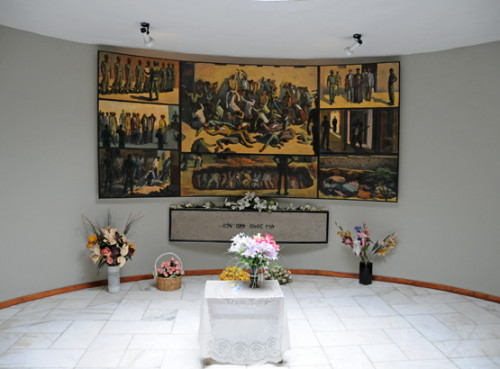
Ethiopia has had an unfortunate past when it comes to some of its previous rulers, one of the worst being the Soviet-backed Marxist dictator Mengistu Haile Mariam. After rising to power in the 1970s, Mengistu and the Derg consolidated control over Ethiopia following the overthrow of Emperor Haile Selassie. The brutal political repression that followed became known as the Red Terror.
One of the tragedies from this period was the killing of dozens of former officials and other political figures. The victims included former prime ministers and senior military leaders. Their remains were buried in a mass grave, which later became the memorial shown above.
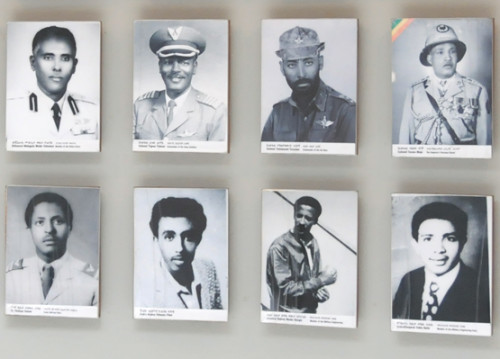
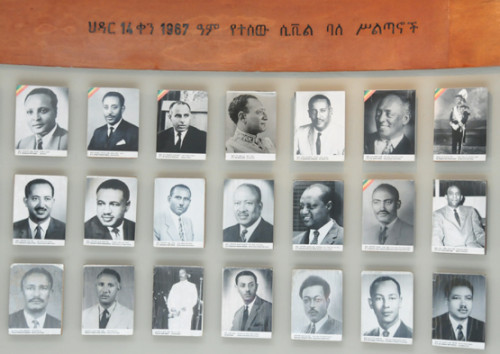
These photos show some of those who lost their lives during this period.
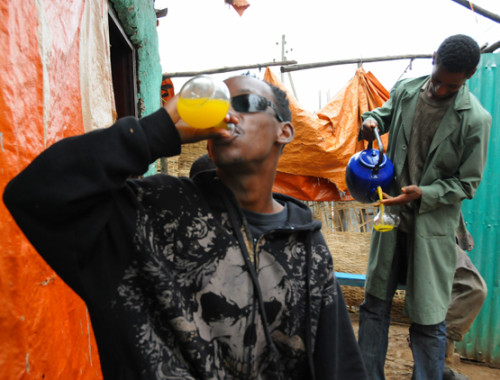
Moving on to less depressing things, a good place to relax and enjoy yourself in Ethiopia is one of their traditional coffee houses. Two traditional drinks I tried in Ethiopia were tej and, of course, their coffee. Some guy I met on the street was the one who took me to try tej, an alcoholic drink made out of honey. It had a unique taste and was fairly strong, so I asked him what the alcohol content was. He explained that it was different each time, which I would imagine could make having a few drinks kind of dangerous.
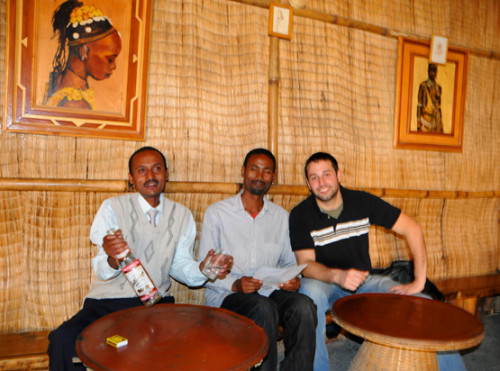
Here I am trying Ethiopian coffee in a traditional coffee house. Many people in the coffee house also smoked, and there was a small bar available as well for those who wanted to grab a beer or drink liquor.
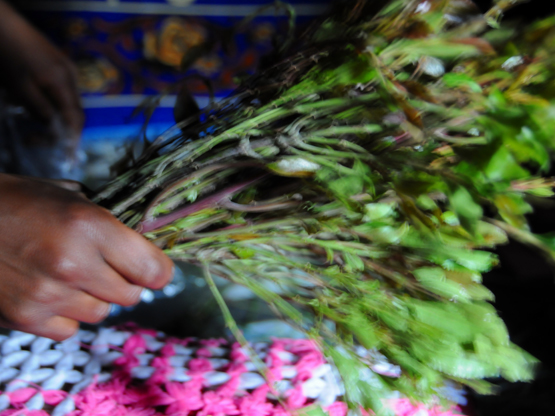
Another tradition I experienced in Ethiopia was a khat bar. Khat is popular in Ethiopia, Djibouti and Somalia and is a leaf that people chew for its stimulant effects. I saw it as this region’s version of South America’s coca leaves. The effects are often compared to high doses of caffeine.
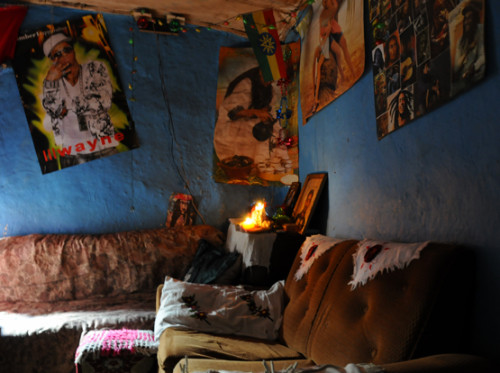
This is a khat bar before more people arrived. Khat was extremely popular in parts of East Africa, and khat lounges seemed almost as common as bars are in the United States or Europe.
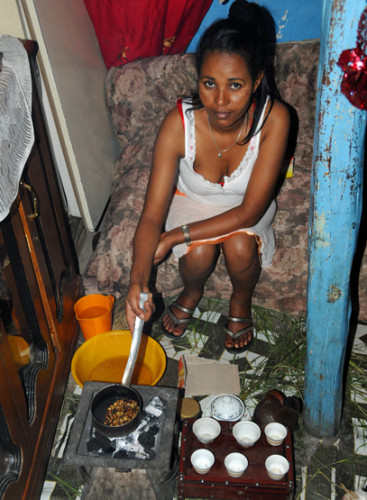
People usually didn’t do the khat alone, but also had drinks, shisha or even coffee with it as well. This woman was preparing traditional Ethiopian coffee in another lounge. Mashing the coffee beans, boiling water at 7,000 feet, and the other steps she took made this a very long process, taking over an hour.
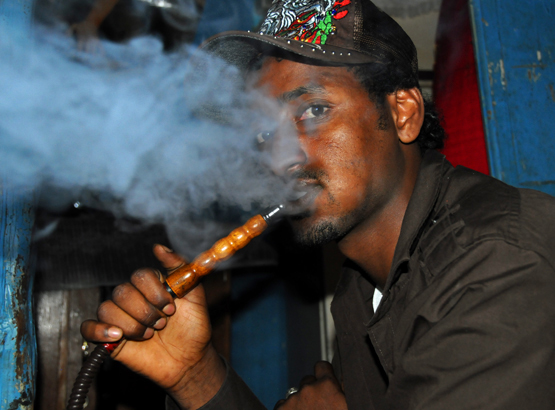
Another guy in the lounge was smoking shisha. The lounge was small but nicely decorated and was also playing reggae music, so it had a relaxing atmosphere and was a nice experience.
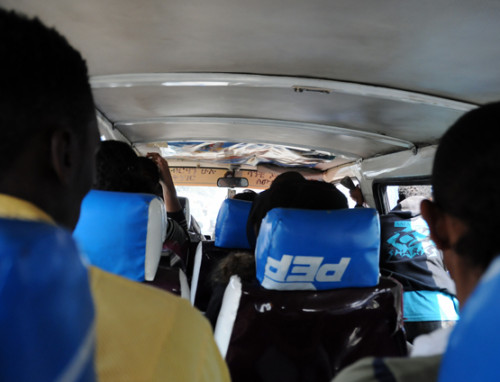
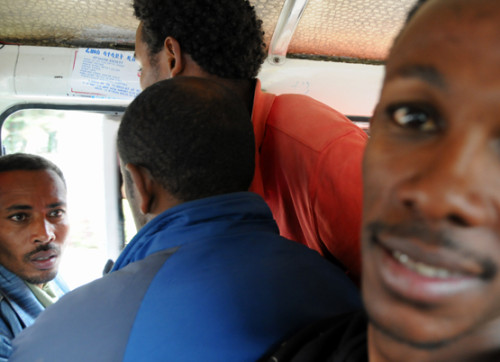
Addis Ababa had one of the most efficient public transportation systems I’d ever used. If you walked down any main road you’d be passed by a minibus every minute or so. Unlike regular city buses, these didn’t have any confusing routes or schedules to follow; they simply went up and down the same street.
You could jump on and pay 1 birr, which was less than an American dime at the time of my visit, and jump off whenever you’d like. These actually didn’t run the full length of some of the longer, busier streets, so sometimes they’d stop to make a U-turn, in which case you could just pay another birr and get a new minibus to continue on.
Exploring the Mercato
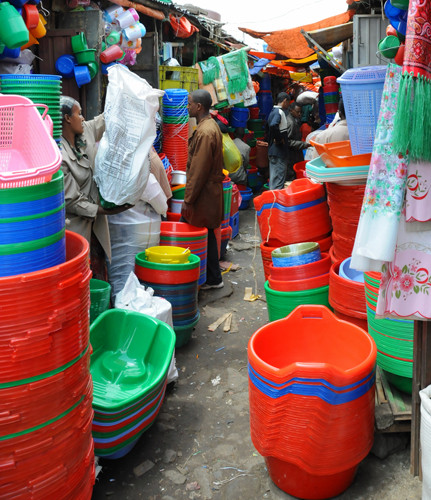
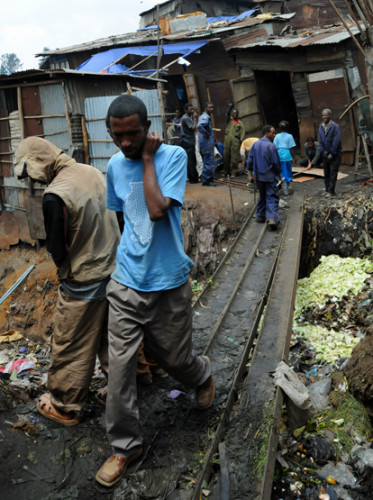
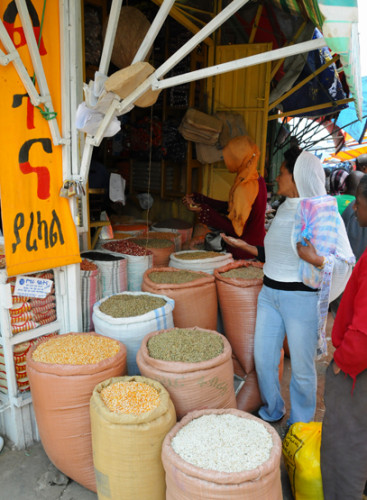
One of Addis Ababa’s most interesting places to visit is its Mercato, Italian for market. Unlike the piazza, this place met my expectations. Covering several square kilometers, it is considered one of Africa’s largest open-air markets and sells everything from livestock to electronics and food. If I put one picture for every business that operated in the Mercato on this web page, then I’d have 7,100 pictures! To further put things into perspective, the Mercato employed about 13,000 people.
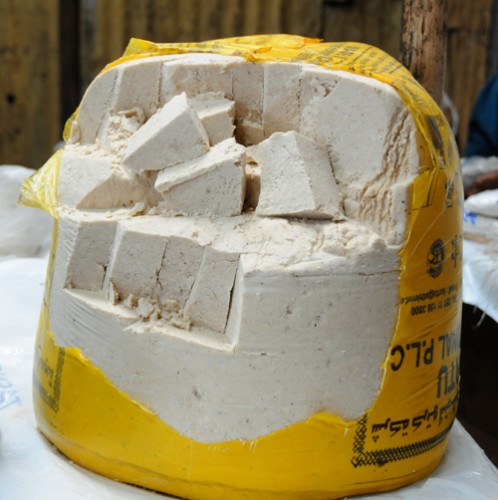
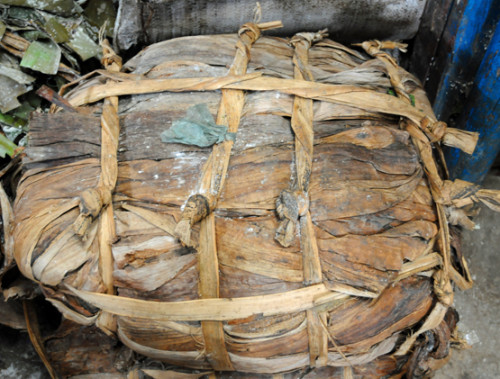
A lot of animal products were sold in the Mercato as well. I even saw cow feces for sale that could be burned as fuel. That might sound strange at first, but Americans did the same thing in the Wild West and called them buffalo chips.
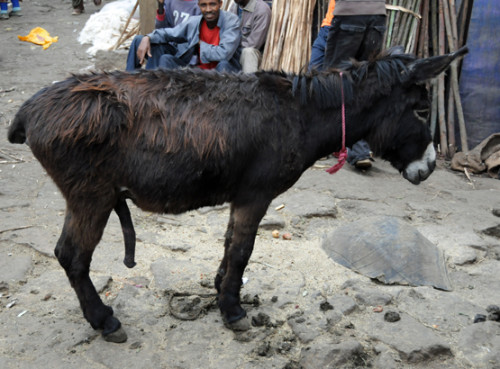
I think someone owned this donkey and used it just to transport goods rather than it being for sale. Apparently something in the market made the donkey horny.
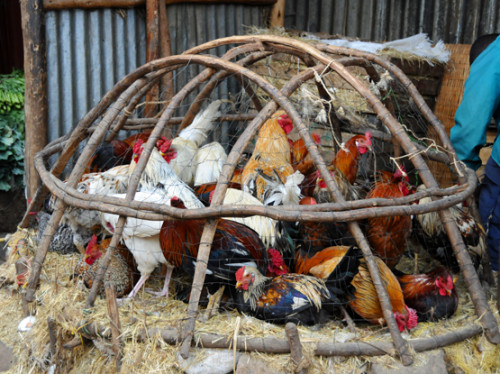
The chickens here were being sold along with their eggs, which were kept in the back.