Kabul was my introduction to Afghanistan and, more than anywhere else I visited in the country, a place where the past and present seemed to exist on top of each other. Ancient tombs and gardens sat among buildings scarred by decades of war, while new mosques, universities, shopping centers, and construction projects showed a city that, when I visited, was trying to rebuild.
At the same time, there was no escaping the security situation. Armed checkpoints were common, attacks remained a real threat, and reminders of Afghanistan’s wars were everywhere. Yet between all of that were busy markets, children flying kites, families relaxing in gardens, bookstores, construction projects, and millions of people simply going about their lives.
Darul Aman Palace
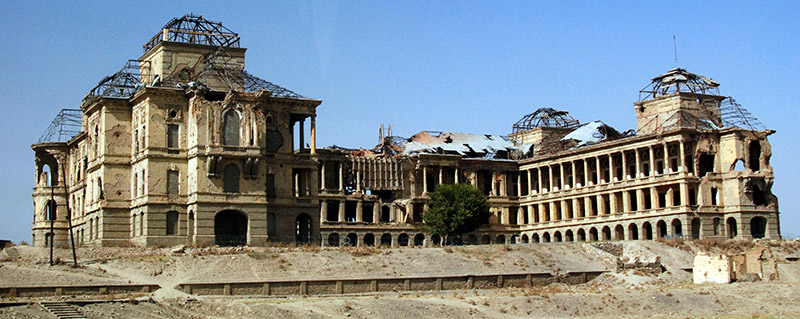
One of the first places that showed me how complicated Afghanistan’s history really was stood just outside central Kabul: the enormous Darul Aman Palace.
The palace was built during the reign of Amanullah Khan, who became Afghanistan’s ruler after the country gained independence from British influence in 1919. Amanullah attempted to rapidly modernize Afghanistan, introducing political and social reforms, expanding education, and changing restrictions on women.
His reforms also created enormous opposition among conservatives. After rebellions and growing resistance to his government, Amanullah eventually abdicated and left Afghanistan in 1929.
By the time I visited, his enormous palace was a shell. Decades of fighting had left it heavily damaged, but even as a ruin it was one of the most impressive structures I saw around Kabul. It also seemed symbolic of Afghanistan itself: evidence that there had been ambitious plans for the country’s future long before the wars that later came to define it.
Looking Over Kabul from TV Mountain
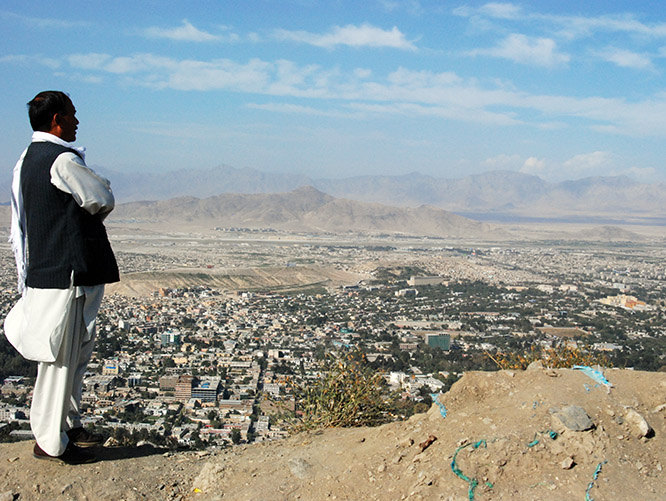
Afghanistan is famous for its mountains, but Kabul was different from most mountain cities I had visited. Instead of simply sitting in a valley surrounded by peaks, mountains actually divide parts of the city itself.
One of the best places to understand Kabul’s geography was TV Mountain, named for the antennas and communication towers covering its summit.
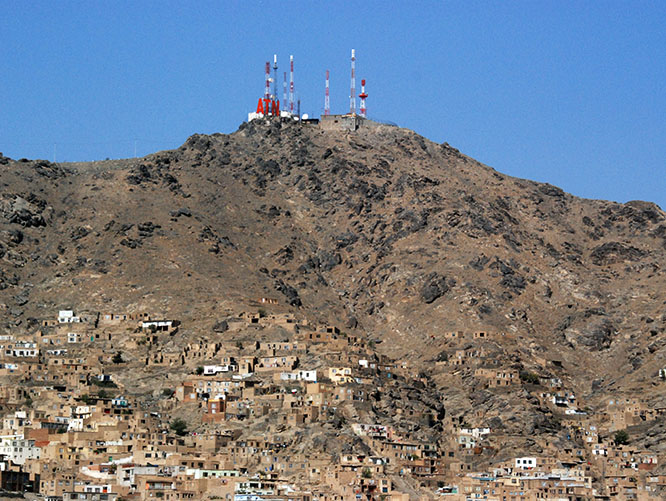
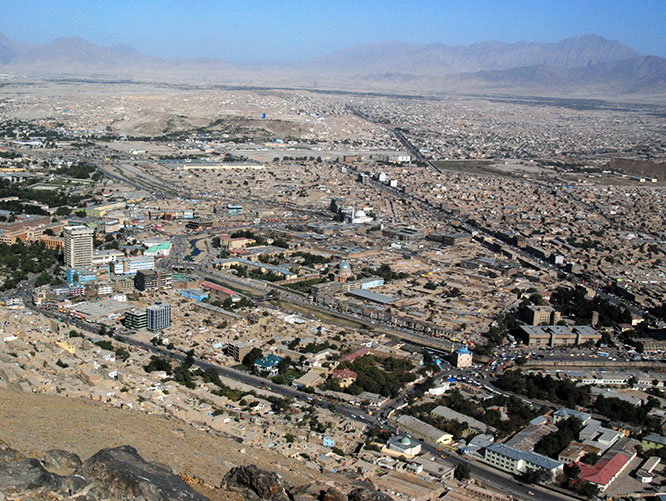
From the mountain I could look across huge sections of Kabul in every direction. The city stretched across the flatter ground and climbed onto the surrounding hillsides, reminding me somewhat of La Paz, Bolivia.
While we were standing up there, we suddenly heard what sounded like machine-gun fire somewhere in the distance.
We listened to it for a while before realizing the truth.
Someone was using a jackhammer.
In most cities I probably would have assumed construction first. In Kabul, my mind went in the other direction.
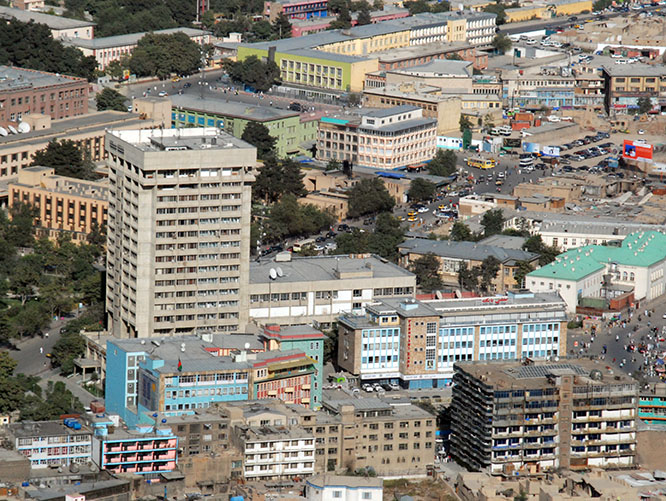
A City Under Construction
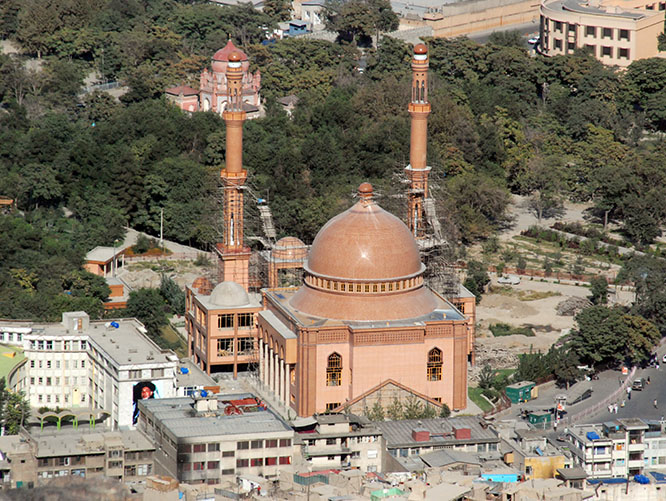
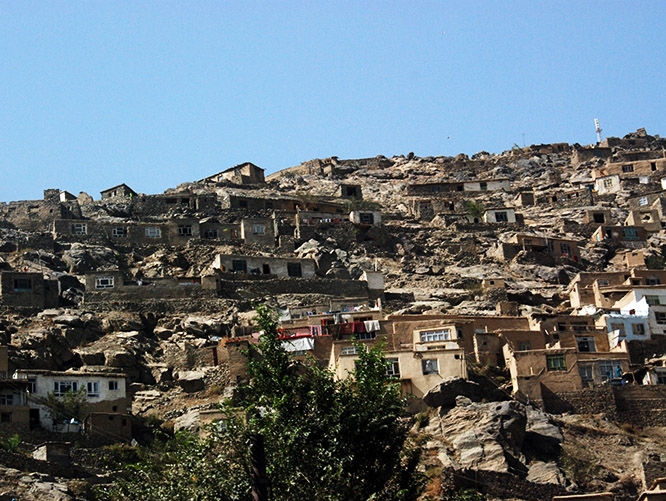
The jackhammer wasn’t an isolated example. There was construction happening throughout Kabul when I visited.
New buildings stood alongside neighborhoods packed tightly onto the surrounding hills. It created an unusual contrast: in some places Kabul looked like a city rebuilding rapidly, while only a short distance away there were structures still covered in bullet holes from wars decades earlier.
Afghanistan Under Hamid Karzai
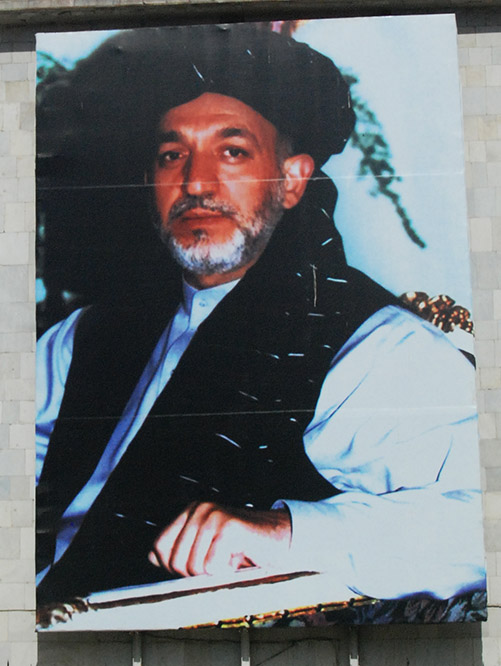
When I traveled through Afghanistan, Hamid Karzai was president and his image appeared throughout Kabul.
Karzai had lived through many of the political shifts that shaped modern Afghanistan. He opposed the Soviet occupation, initially had some connections with the Taliban movement, later broke with them, and ultimately returned to Afghanistan after the American-led intervention in 2001 to become the country’s leader.
Whatever anyone thought of his government, the Afghanistan I was traveling through was very much the Afghanistan of the Karzai era, with the central government supported by the United States and other foreign countries while the Taliban insurgency continued outside and inside the capital.
Foreign Influence in Afghanistan
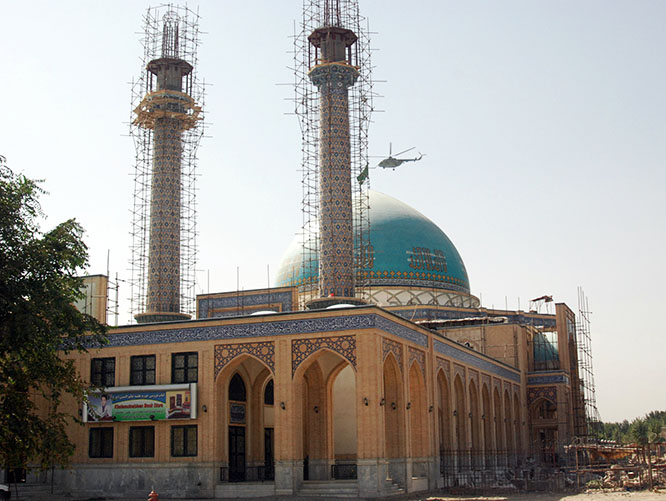
Foreign powers influencing Afghanistan was hardly something new, and I saw a modern example at Khatam al-Nabeyeen Islamic University.
The enormous complex had been built with significant support from Iran and included its own mosque and student housing. Its religious orientation also made it controversial in Afghanistan.
After learning about centuries of British, Russian, Soviet, Pakistani, Iranian, and eventually American involvement in the country, it was interesting to see how competition for influence wasn’t limited to armies and governments. It extended into religion, education, and culture as well.
Security in Kabul
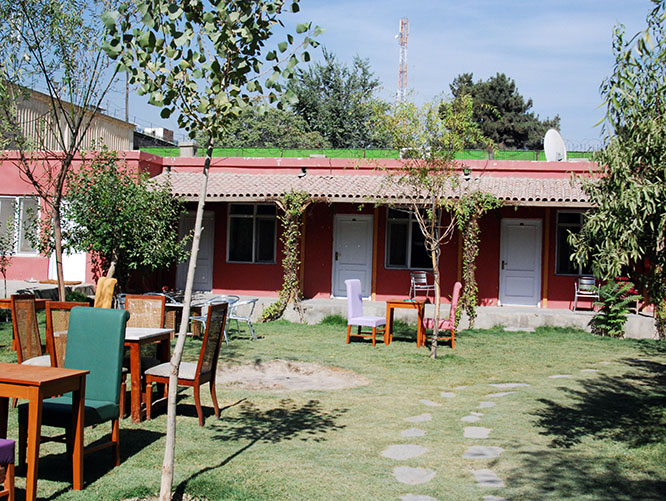
Security was something I had to think about constantly in Kabul.
A local jokingly told me that the police were police during the day and became the criminals at night. I stayed in a guest house rather than one of the larger hotels, partly because prominent hotels could attract unwanted attention.
That didn’t mean a guest house guaranteed safety either. Kabul was unpredictable, and attacks against places used by foreigners were a real concern when I visited.
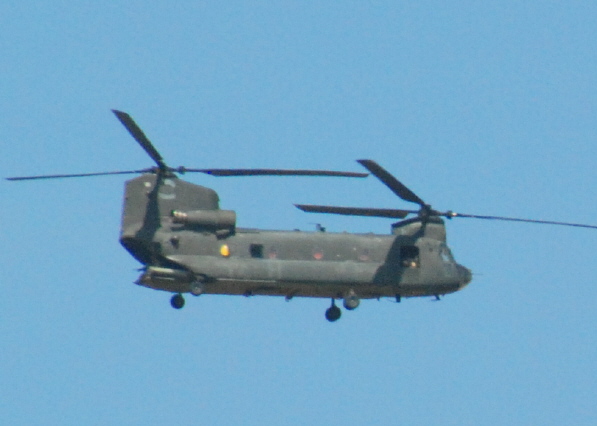
Military aircraft passing overhead were another reminder that this was a city still very much at war.
Reminders of Afghanistan’s Past
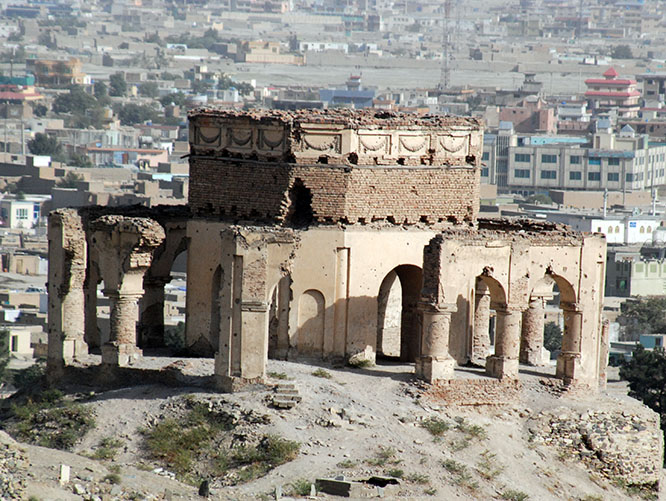
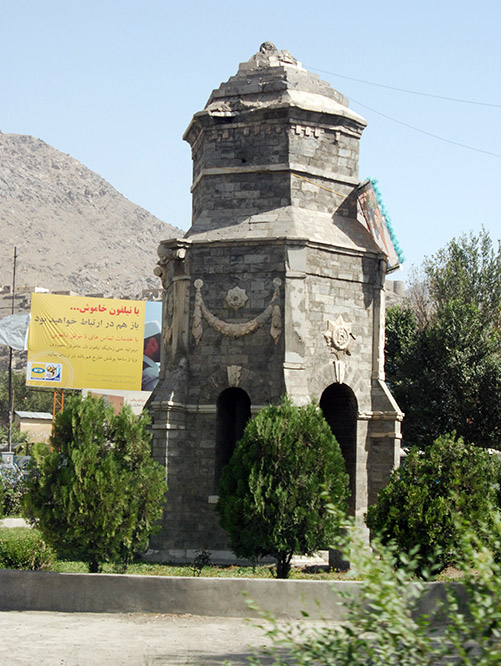
Modern violence dominated the international image of Afghanistan when I visited, but Kabul constantly reminded me that the country’s history extended far beyond the wars I had grown up hearing about.
Mausoleums, shrines, and monuments to former rulers and military leaders appeared throughout the city. I would encounter even more ancient history later in northern and western Afghanistan, but Kabul was already beginning to change the way I thought about the country.
The Soviet Cultural House
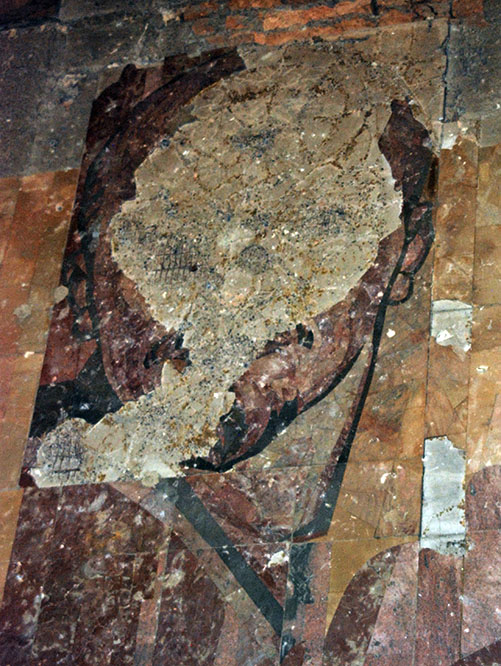
One of my most memorable experiences in Kabul was exploring the remains of a Soviet Cultural House.
Nearly everything had been destroyed. Whatever remained was gradually being stripped away. I watched a man and his son removing bricks from the ruins and hauling them off in a wheelbarrow.
Some of the Soviet murals were still recognizable.
One portrait of Lenin had received a particularly Afghan form of removal.
Someone had shot it repeatedly.
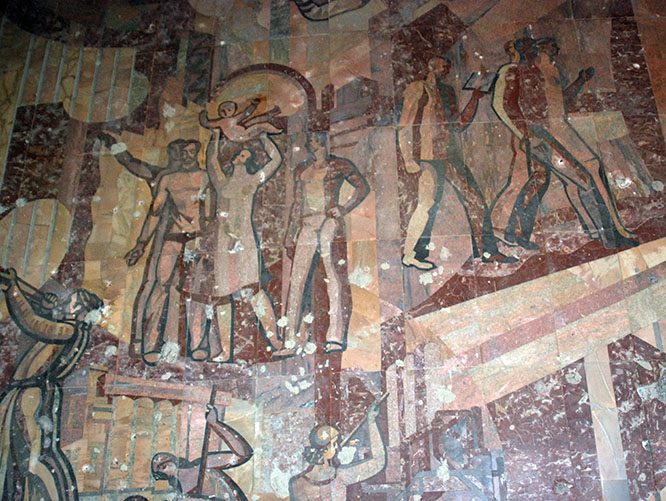
Inside the Ruins
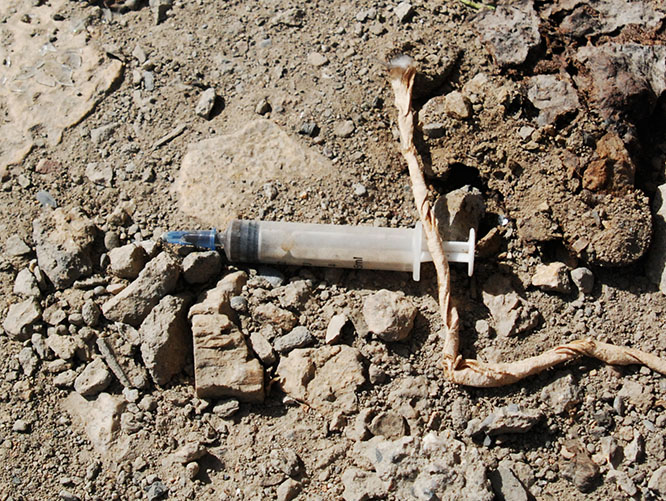
I wasn’t expecting to find so many people living and using drugs inside the ruins.
Some were sleeping in different parts of the building in the middle of the day. Others appeared completely zoned out. When I climbed onto the roof, I saw men sprawled in the sun while discarded syringes were scattered around parts of the complex.
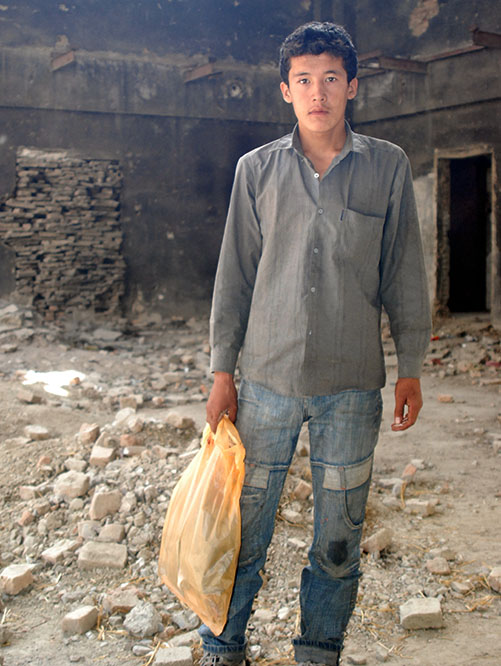
One young Afghan I met there stood out from everyone else. I asked if I could take his photograph and he nodded.
Afterward, he thanked me.
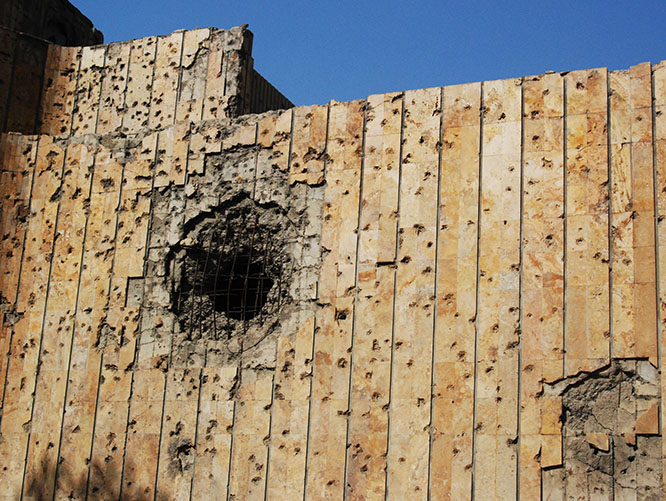
Bullet holes were hardly limited to this building. Damage from the Soviet war and the conflicts that followed was still visible all over Kabul.
Tension in the Streets
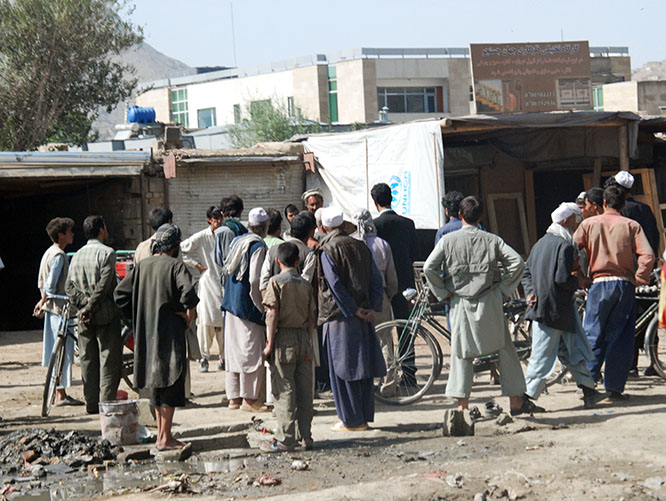
While exploring Kabul I came across several fights in the streets. In this one, a man was beating another man with a stick while a crowd gathered around them and watched.
Any city can have street fights, but seeing several during a relatively short visit added to the sense of tension I already felt around Kabul.
The Rocket Attack I Slept Through
On my second night in Kabul, Taliban fighters launched rockets into the city at around three in the morning.
I slept through the entire thing.
The next morning, people I met started asking what I thought about the rocket attack. I had no idea what they were talking about.
Apparently being a deep sleeper has its advantages.
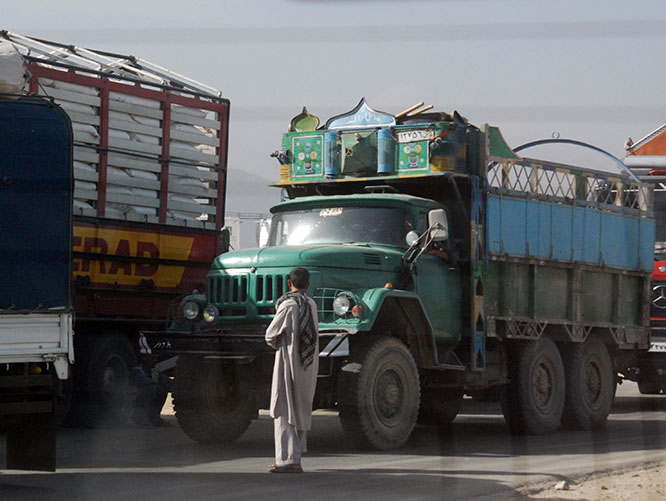
Rockets and armed attacks were concerns, but vehicle bombs were particularly feared. Cars and trucks entering sensitive areas received heavy scrutiny, and during certain events vehicles could be prevented from entering Kabul altogether.
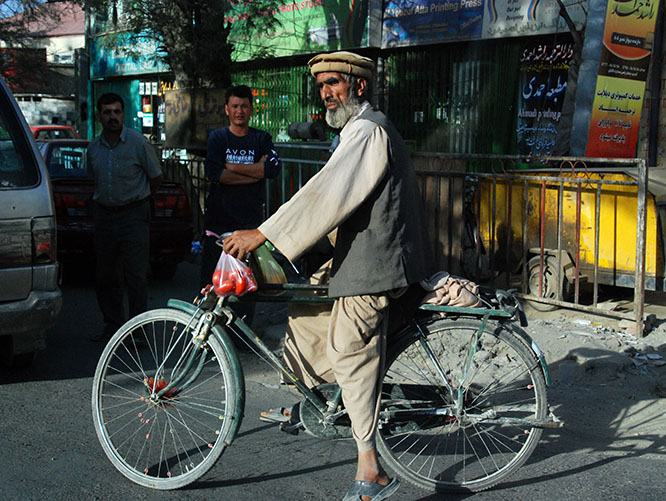
The Markets of Kabul
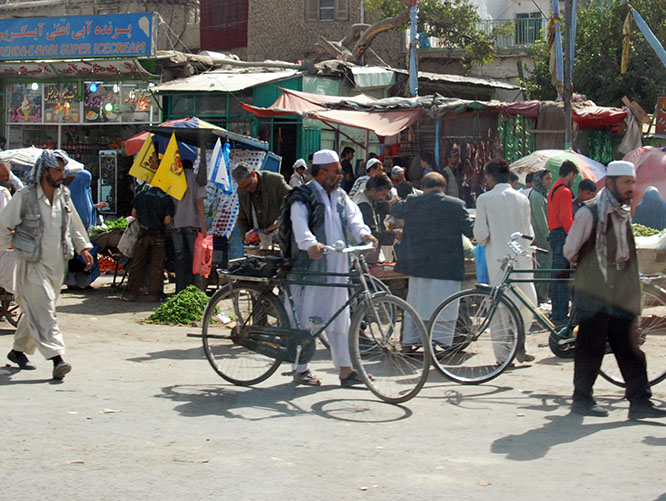
Despite all the security concerns, normal commercial life continued throughout the city. Almost everywhere I drove I passed crowded markets filled with people buying and selling everyday goods.
I avoided Chicken Street, one of Kabul’s best-known shopping areas, because I was concerned about spending too much time in a place popular with foreigners. Instead, most of the markets I saw were simply ones I happened to pass while traveling around the city.
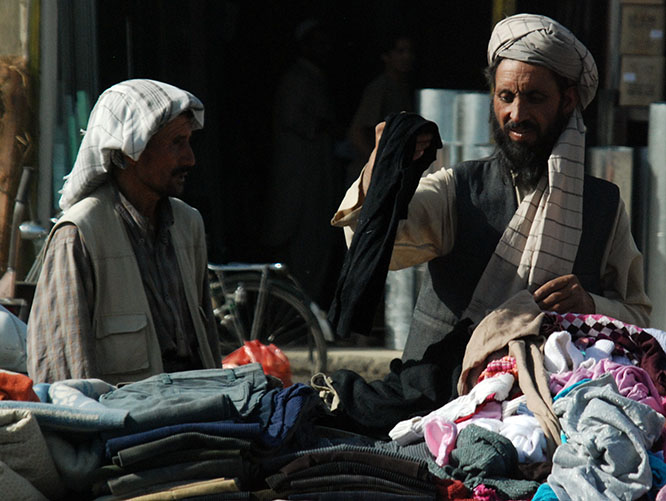
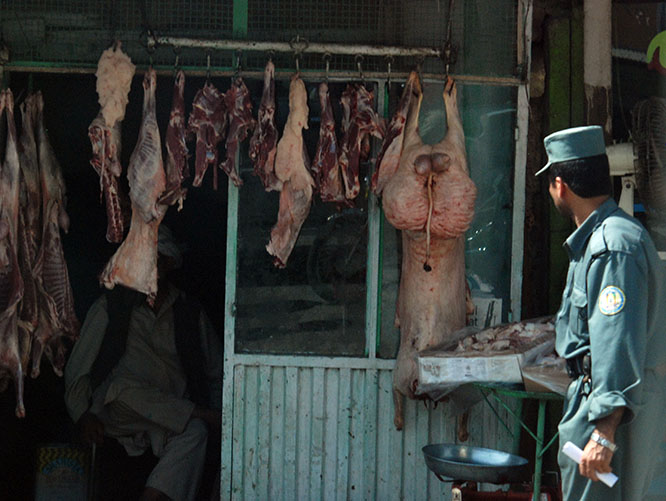
The markets sold everything from clothing to meat. One thing I noticed was that even markets specializing in women’s clothing seemed to have almost exclusively male vendors.
And yes, in the meat-market photo those are goat testicles still attached to the animal.
A Modern Shopping Mall
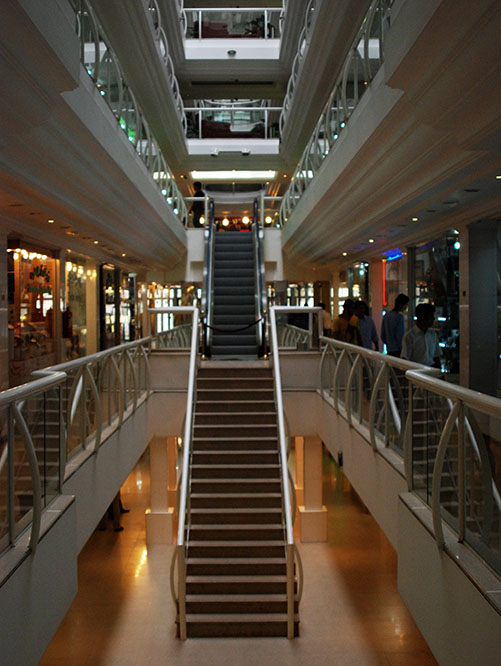
Then there was another side of Kabul that I hadn’t expected at all.
A local took me to a modern shopping mall. Getting inside required passing armed guards and metal detectors, but once I entered, it barely felt like Afghanistan.
The local I was with looked around and said to me, “Can you imagine this in Afghanistan?”
That reaction probably said more than the building itself.
Modern developments like this were still unusual when I visited, but they showed how much Kabul had changed in some areas. The mall even had an ATM that accepted my American card, something I definitely hadn’t taken for granted on this trip.
The Bookseller of Kabul
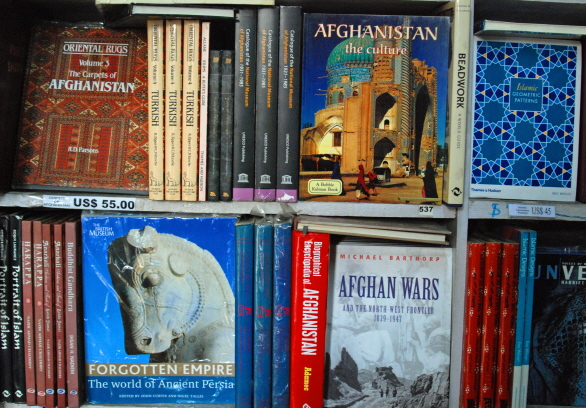
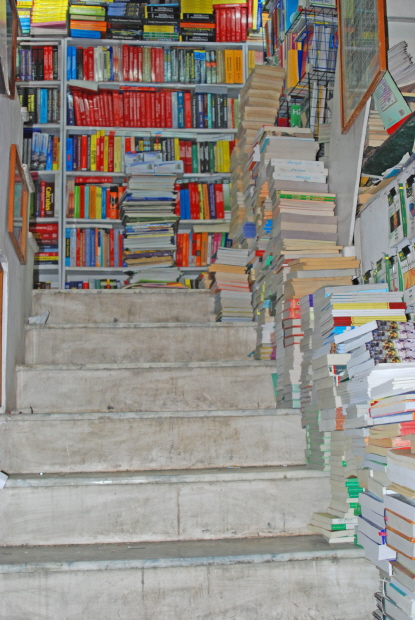
I found the bookstore in downtown Kabul much more interesting than the shopping mall.
Almost every book seemed to cover Afghanistan’s history, politics, or culture, and it was also one of the few places where I found postcards and posters.
Before my trip, I hadn’t heard of the book The Bookseller of Kabul. My driver mentioned it to me, and not long afterward we arrived at the actual bookstore connected with the story.
Kite Flying in Kabul
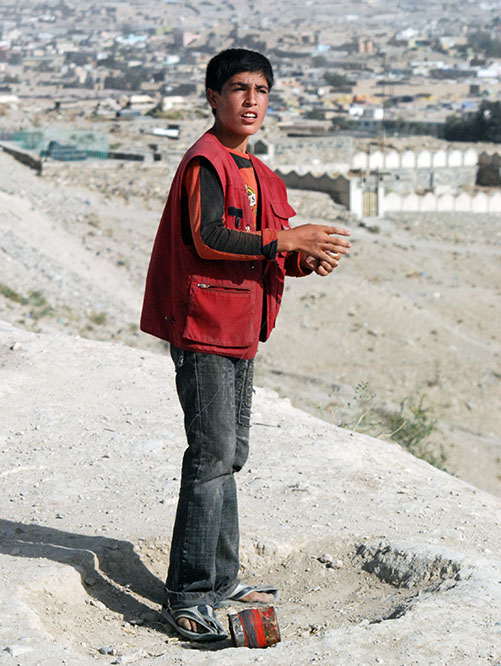
Some of my favorite scenes in Kabul were also the simplest.
I saw children flying kites around the city, a pastime that had been prohibited under the Taliban government before 2001. By the time I visited, kite flying had returned and was something I saw repeatedly.
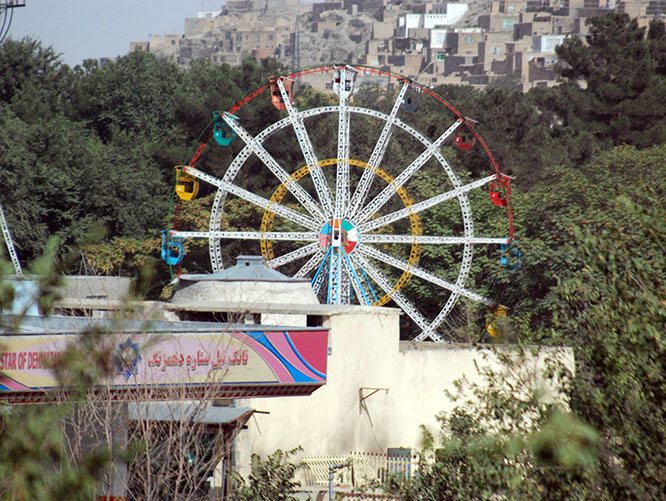
Even the working Ferris wheel near the Kabul Zoo seemed meaningful in that context. These were ordinary recreational activities, but after learning what had been restricted during the previous Taliban government, they represented a side of Kabul that rarely appeared in international coverage.
Children of Kabul
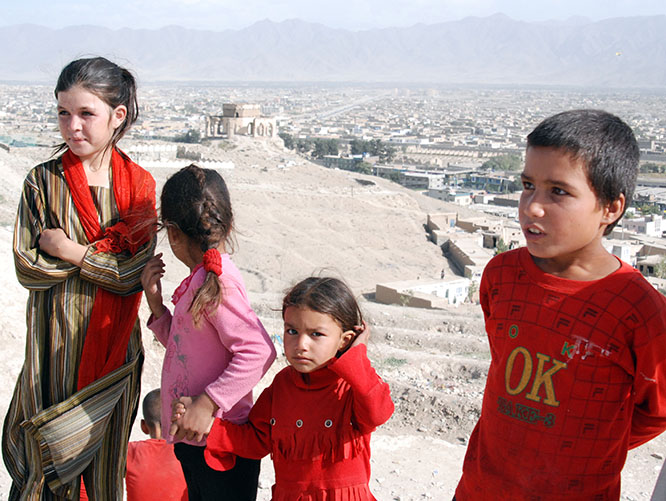
While visiting some of the kite flyers, a group of children noticed me and immediately came running over.
They couldn’t speak English and I couldn’t speak their language, but that didn’t stop them from trying to talk to me.
I had also been surprised by how ethnically diverse Afghanistan was. Before traveling there, I had a much narrower idea of what an Afghan person would look like. Traveling around the country quickly destroyed that assumption.
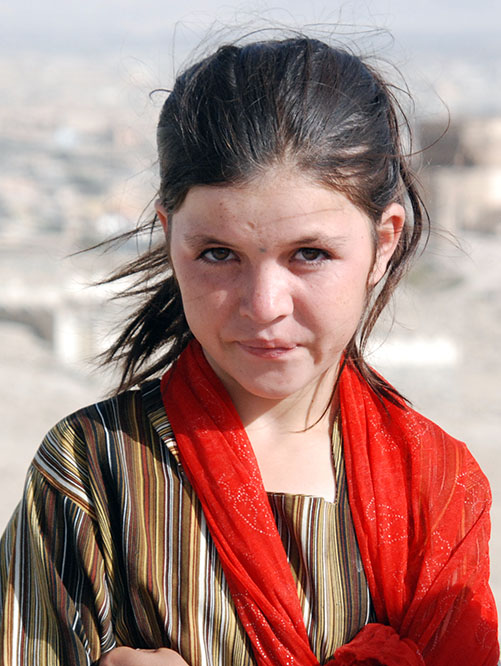
I assumed the children were siblings based on how they interacted. At one point the boy did something to annoy one of the older girls, who immediately started yelling at him before stomping back toward their house.
Some things apparently don’t require a shared language or culture to understand.
Babur Gardens
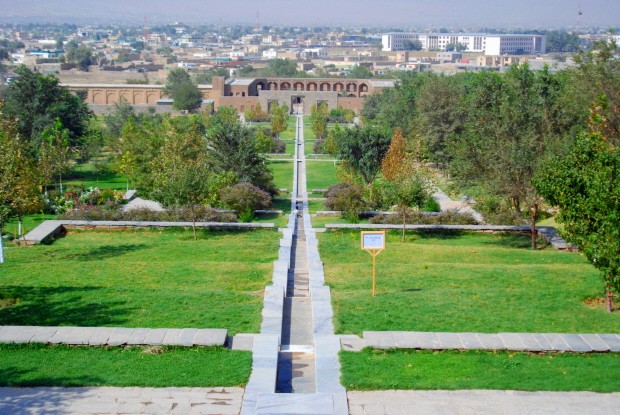
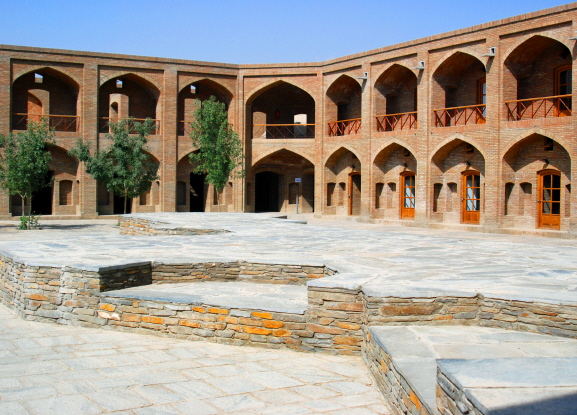
One of my favorite places in the entire city was Babur Gardens.
The gardens date back nearly five centuries and have been destroyed, neglected, and restored multiple times throughout Afghanistan’s turbulent history. When I visited, they were once again green and full of families enjoying the grounds.
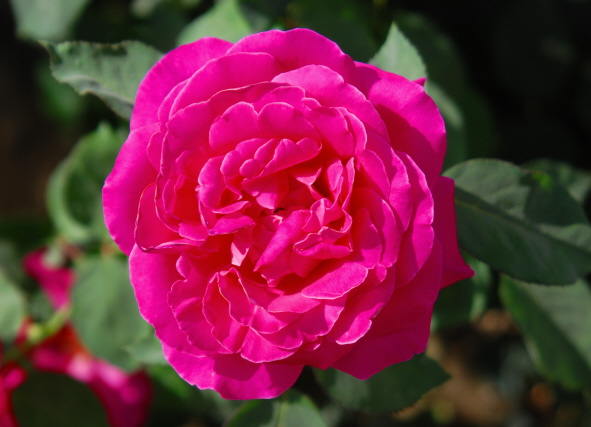
Roses were blooming throughout the gardens, along with pomegranate and cherry trees.
The Tomb of Babur
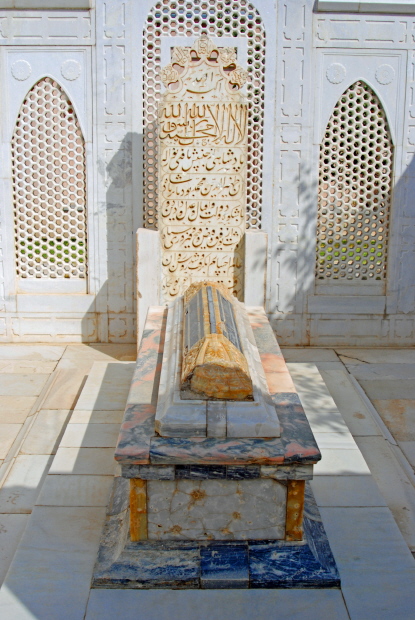
The gardens take their name from Babur, founder of the Mughal Empire, who requested that Kabul become his final resting place.
From relatively modest beginnings in Central Asia, Babur established the dynasty that would eventually control much of the Indian subcontinent. His descendants ruled one of the great empires of the early modern world.
Despite everything his empire would become, his tomb in Kabul was surprisingly simple.
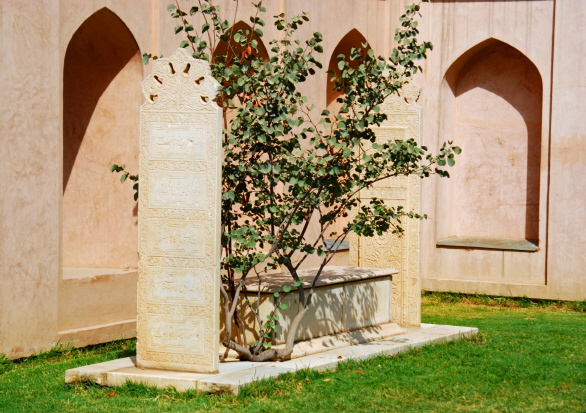
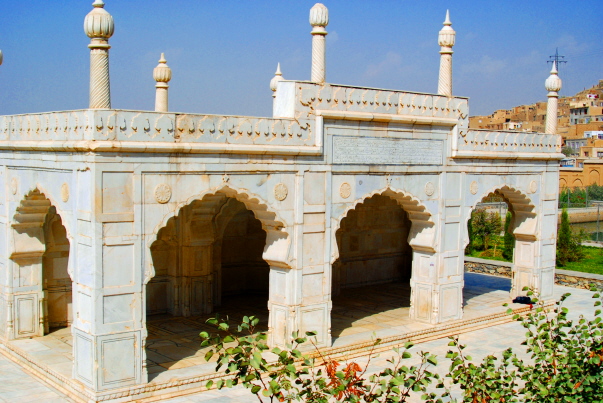
The gardens felt almost disconnected from the Kabul I had been exploring outside their walls. After checkpoints, war ruins, traffic, armed guards, and abandoned Soviet buildings, suddenly I was walking among flowers and fruit trees at the grave of an emperor who had died almost five hundred years earlier.
My Time in Kabul
Kabul wasn’t an easy city to understand. During the same visit I saw buildings destroyed by war and brand-new construction, Soviet ruins and modern shopping malls, armed checkpoints and children flying kites, drug users sleeping inside abandoned buildings and families relaxing among the flowers of Babur Gardens.
I even slept through a Taliban rocket attack and mistook a jackhammer for machine-gun fire.
Those contradictions are what I remember most. The violence and instability were real and impossible to ignore, but they weren’t the only things happening in Kabul. Millions of people were living ordinary lives around them.
For me, that was one of the most important things traveling to Afghanistan revealed.