Of all the museums I visited in Amsterdam, the Anne Frank House had the greatest impact on me. Located along the Prinsengracht canal, not far from Dam Square, this is where Anne Frank, her family, the van Pels family, and Fritz Pfeffer hid from Nazi persecution for more than two years during World War II.
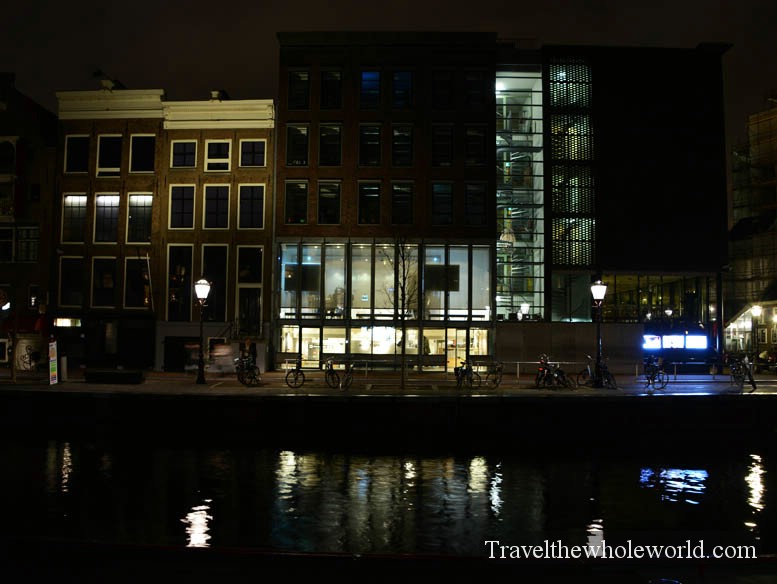
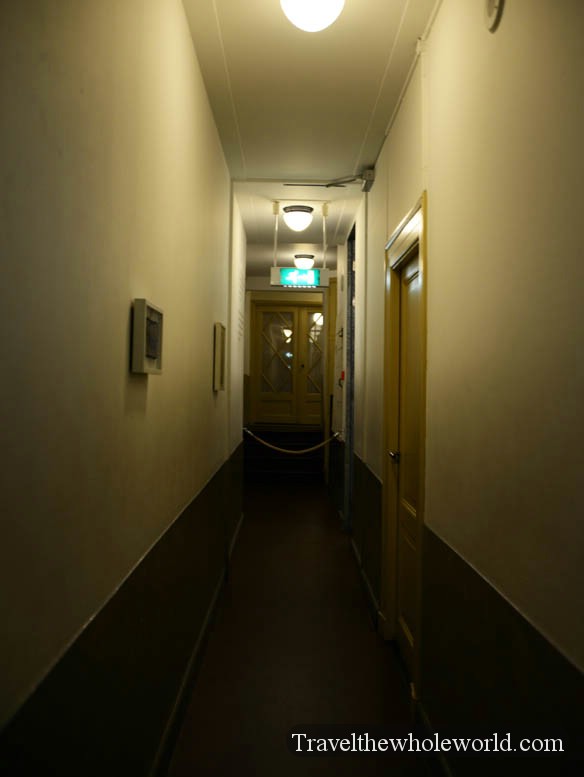
After Germany occupied the Netherlands in 1940, Jewish residents faced increasingly severe persecution. Anne and her sister Margot were forced to attend a Jewish school, while Otto Frank took steps to protect his businesses from Nazi confiscation. In July 1942, after Margot received a summons to report for a German labor camp, the Frank family went into hiding in a secret annex behind Otto’s business.
Several of Otto Frank’s trusted employees helped conceal the people in the annex and supplied them with food and other necessities. I had known Anne Frank’s story since learning about it in middle school, but actually standing inside the building made it feel completely different. It’s difficult to imagine spending more than two years confined to a hidden section of a building, constantly aware that being discovered could mean arrest and death.
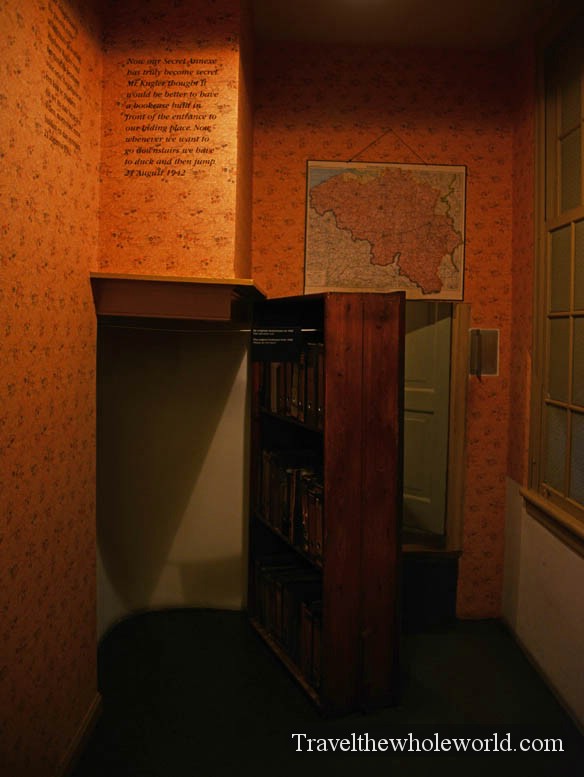
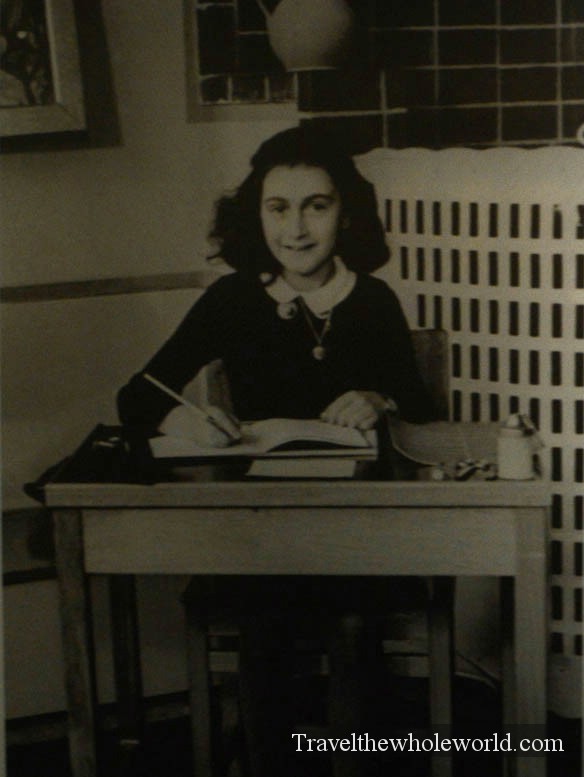
On August 4, 1944, German and Dutch police raided the building and arrested all eight people hiding in the annex. Exactly how the authorities discovered the hiding place remains uncertain. The prisoners were eventually deported to Auschwitz-Birkenau. Anne and Margot were later transferred to Bergen-Belsen concentration camp, where both died, probably from typhus, in early 1945. Bergen-Belsen was liberated by British forces in April 1945.
Of the eight people who hid in the Secret Annex, Otto Frank was the only one to survive the Holocaust. After the war, Anne’s diary was returned to him and eventually published, becoming one of the world’s best-known personal accounts of the Holocaust. Above is the bookcase that concealed the entrance to the annex and a photograph of Anne from before her arrest.
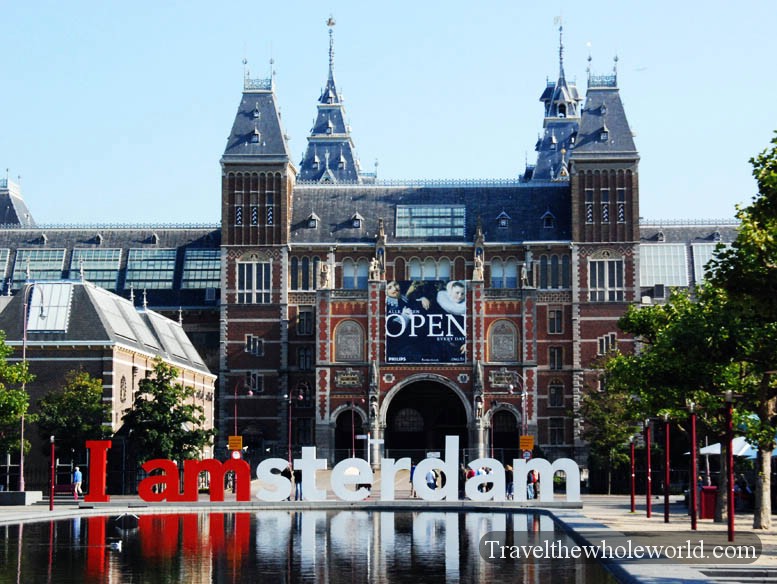
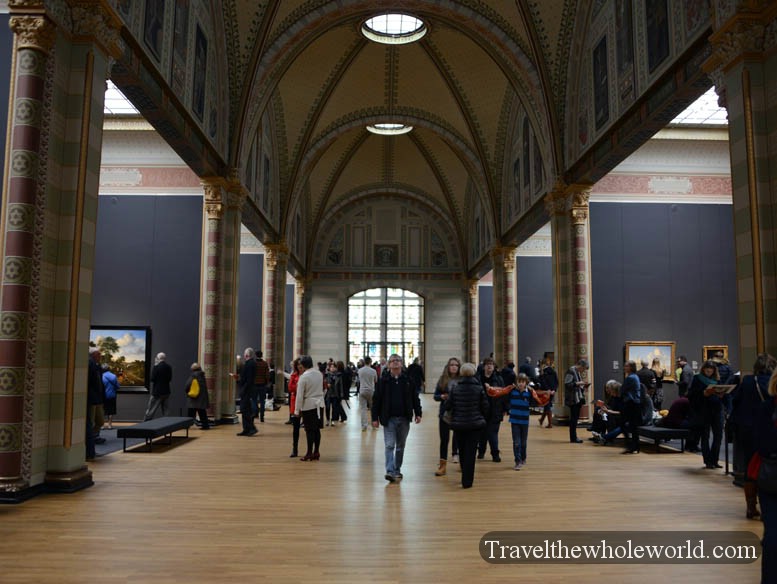
Moving on to a much lighter subject, the Rijksmuseum is one of Amsterdam’s great museums and one of the largest art museums I’ve visited. Its enormous collection covers centuries of Dutch art and history, with paintings, sculptures, decorative arts, historic objects and countless other artifacts spread throughout the building.
When I visited, the famous “I amsterdam” sign stood outside the Rijksmuseum and had become one of the city’s most recognizable photo spots. The sign was later removed from this location, making my old photograph a little piece of recent Amsterdam history itself.
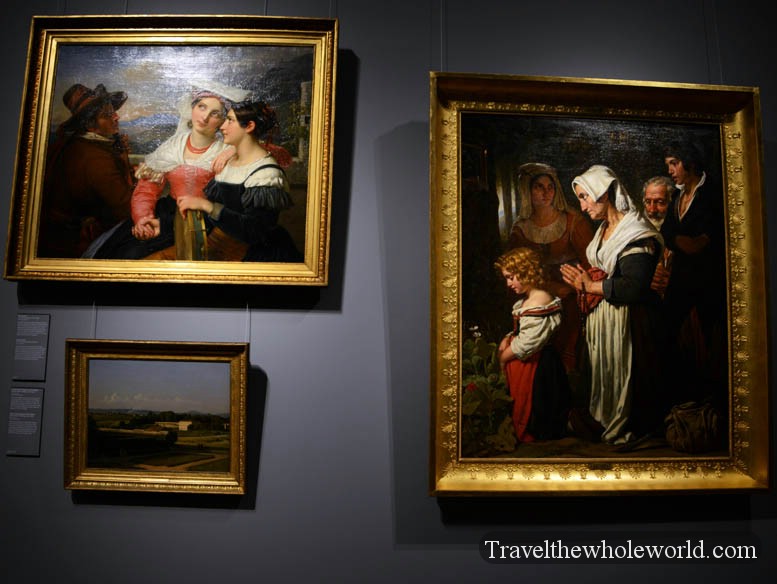
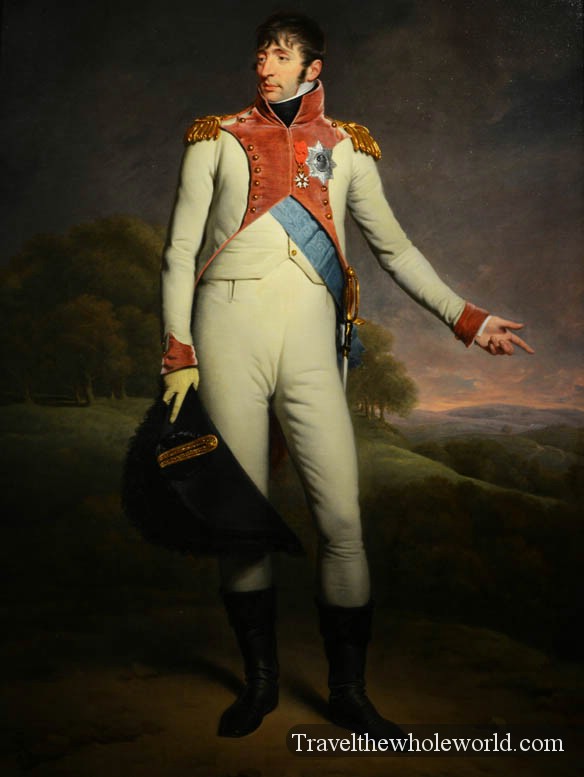
The museum’s paintings provide a visual journey through Dutch history. Above is a portrait of Louis Bonaparte, the younger brother of Napoleon Bonaparte. Napoleon made Louis king of the newly created Kingdom of Holland in 1806, expecting him to advance French interests. Louis instead tried to govern with the interests of his Dutch subjects in mind, which increasingly brought him into conflict with his brother.
Louis abdicated in 1810 after Napoleon’s pressure became overwhelming. Soon afterward, Napoleon annexed the Kingdom of Holland directly into the French Empire. French rule lasted until 1813, when Napoleon’s power in Europe began to collapse.
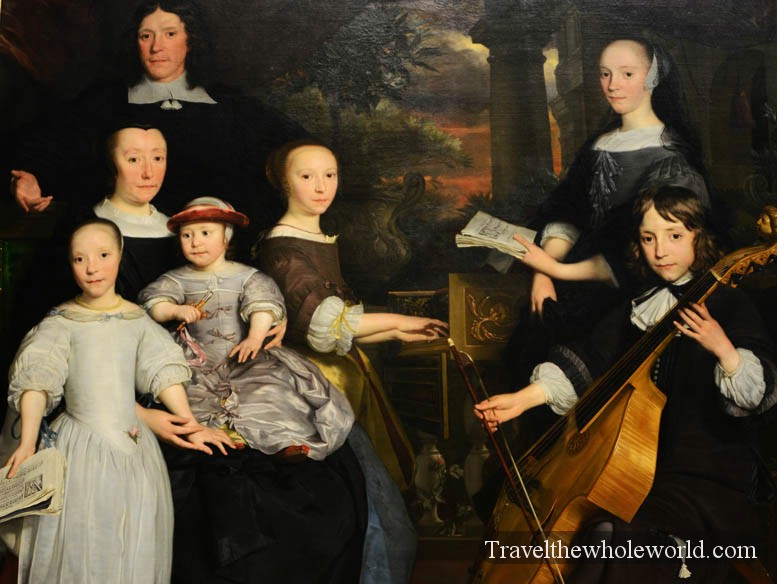
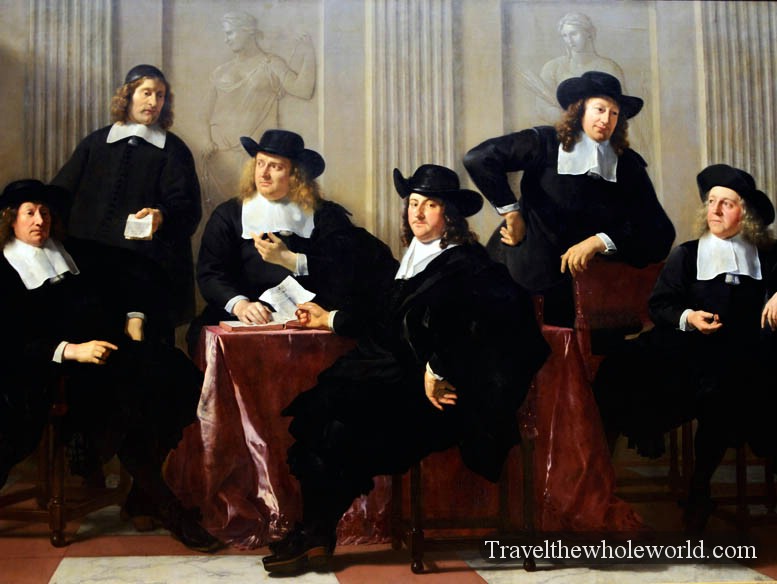
One of the things I enjoy about historical paintings is the window they provide into another era. Modern artists can research how people may have dressed or lived centuries ago, but paintings actually created during those periods preserve details as contemporary artists saw them. To me, that makes them something like the closest thing their era had to a photograph.
The painting on the right dates to 1669 and depicts the regents of Amsterdam’s Spinhuis, an institution where women convicted of crimes or considered socially undesirable were confined and put to work.
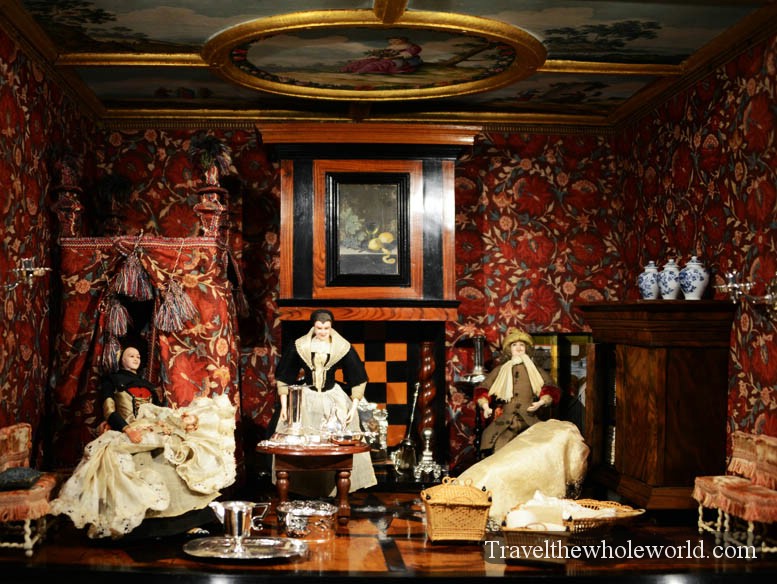
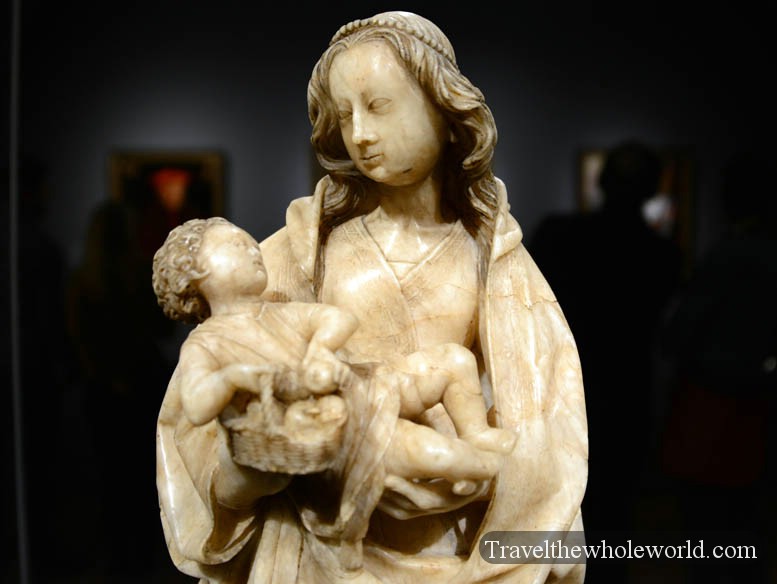
The Rijksmuseum goes far beyond paintings. Above is part of the extraordinary dollhouse belonging to Petronella Dunois, dating from the 17th century. Elaborate dollhouses like this weren’t simply children’s toys; wealthy Dutch adults used them to recreate idealized household interiors in incredible detail.
On the right is a much older work depicting the Virgin and Child, dating from around the beginning of the 16th century. Objects like these show just how broad the museum’s collection is, spanning many centuries of European art and history.
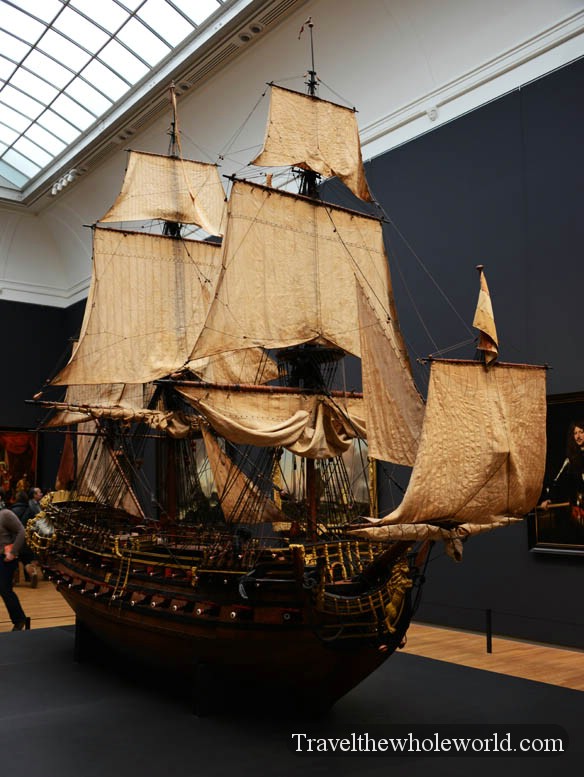
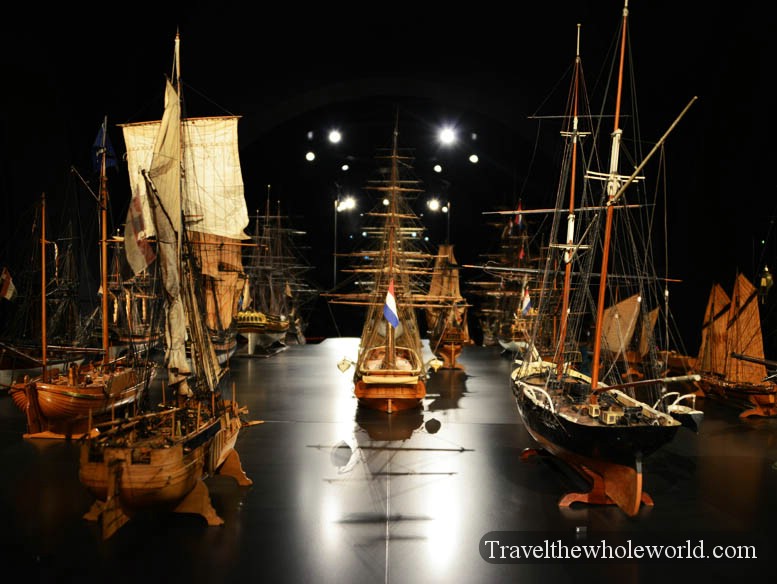
One of my favorite sections contained models and artwork connected to the Netherlands’ maritime history. During the 17th century, Dutch merchants and naval forces operated around the world, while the Dutch Republic became one of Europe’s great maritime powers.
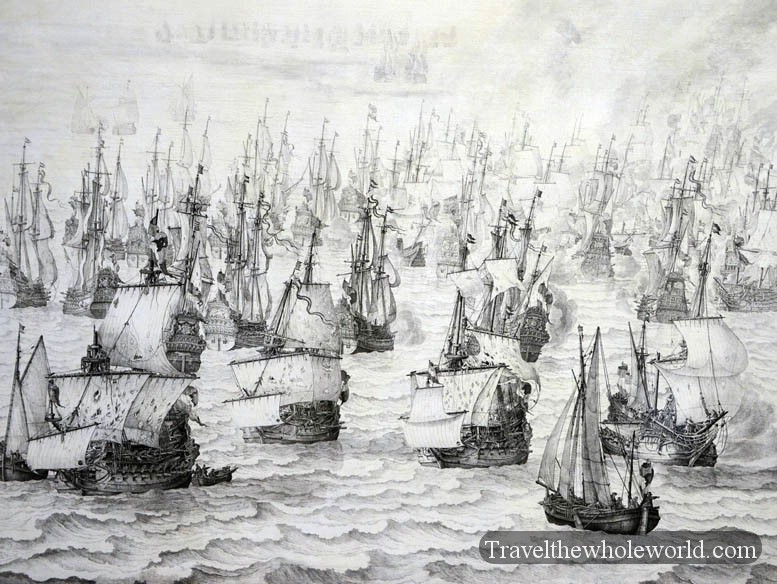
Above is a depiction of the Battle of Terheide, fought in 1653 during the First Anglo-Dutch War. Around this same period, Dutch settlers were establishing communities in parts of what later became the United States. Having visited old Dutch sites in Delaware, I found it fascinating to connect that colonial history with events taking place in Europe at exactly the same time.
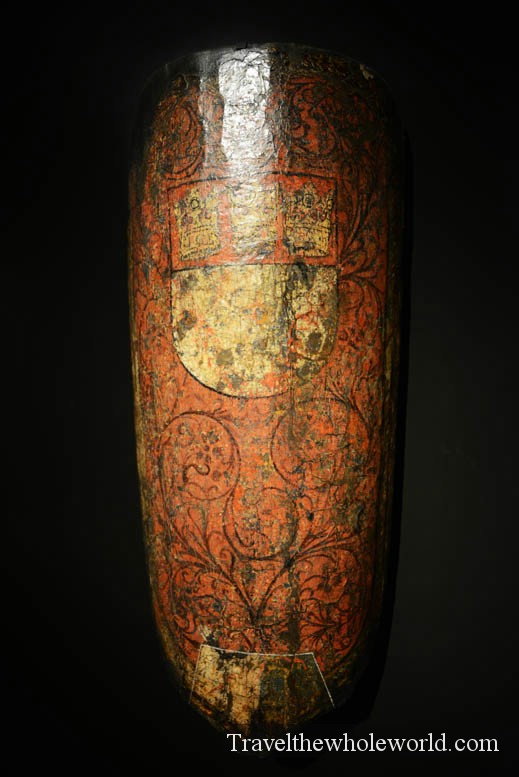
The shield on the right takes the collection even farther back, to the 15th century and the late medieval period.
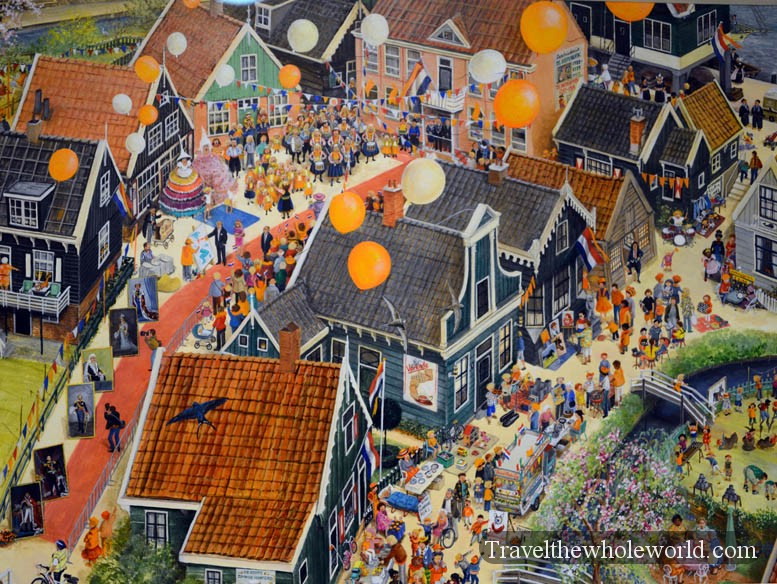
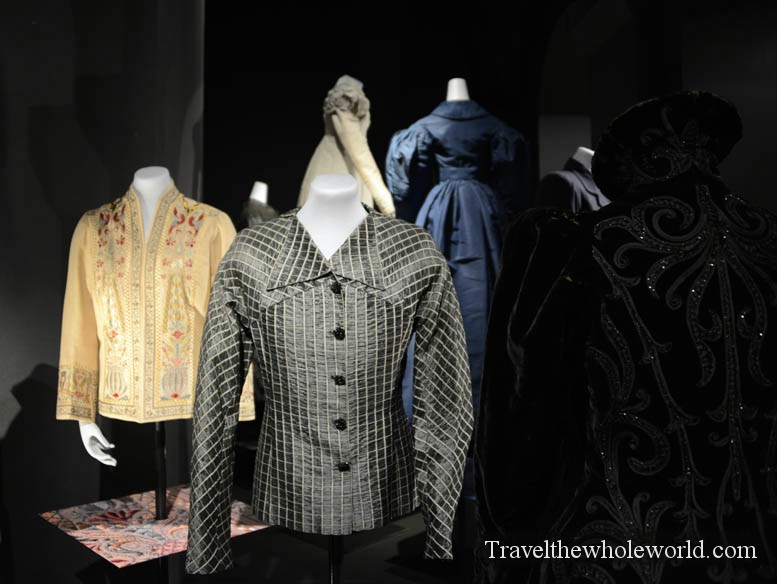
The museum’s collection continues into more recent history, including art, clothing and everyday objects from the 19th and 20th centuries. After spending so much time looking at paintings and artifacts from hundreds of years ago, these comparatively modern exhibits almost felt contemporary.
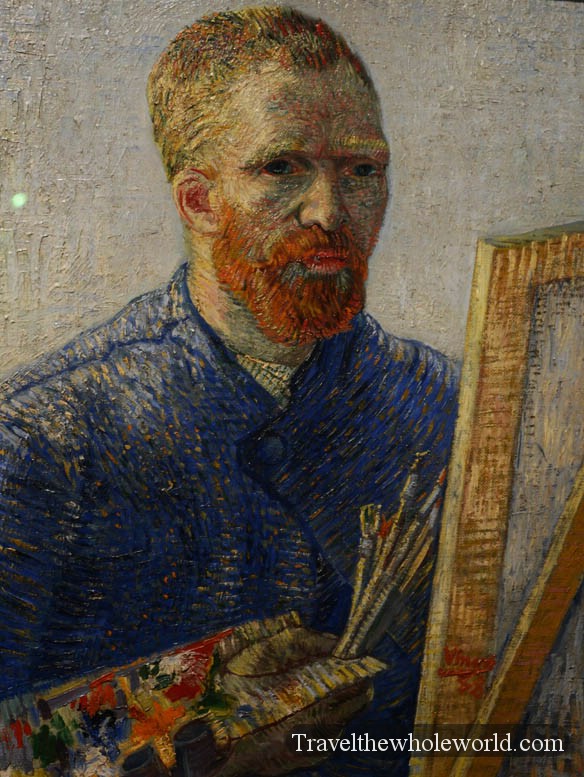
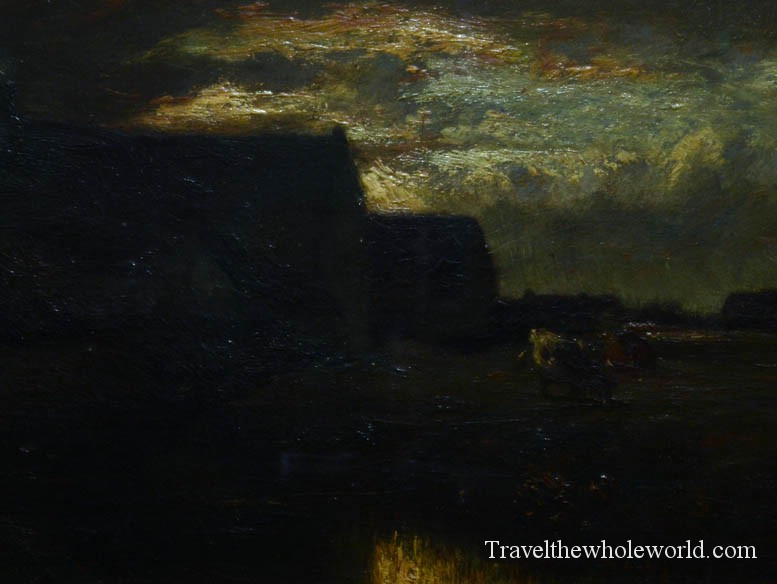
Another essential stop in Amsterdam is the Van Gogh Museum, which contains the world’s largest collection of works by Vincent van Gogh. Several floors follow the development of his art while also displaying works by contemporaries and artists who influenced him.
Van Gogh’s career as an artist lasted only about a decade, yet his style changed enormously during that short period. His early work often used dark, earthy colors and focused on rural workers and everyday life. His later paintings became dramatically brighter and more expressive, eventually developing into the unmistakable style for which he is famous today.
Van Gogh struggled with severe mental illness during his life and died in 1890 from a gunshot wound generally believed to have been self-inflicted. The photograph above shows one of his many self-portraits rather than his final self-portrait.
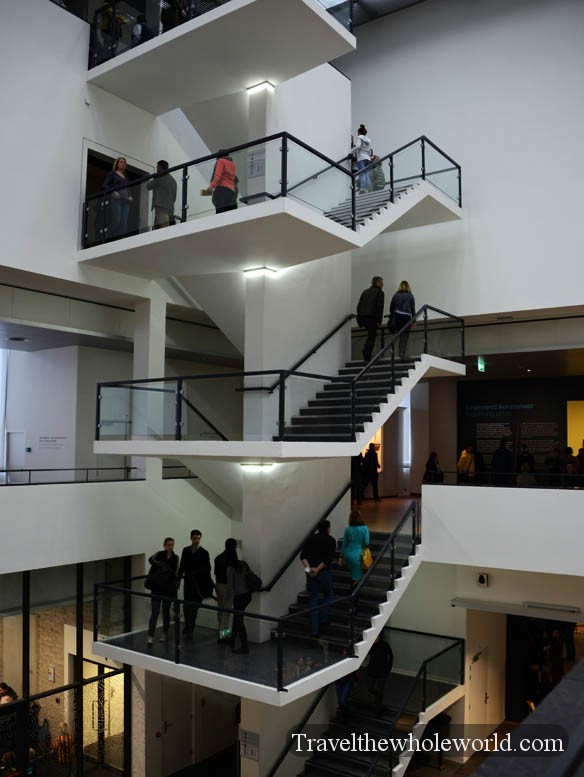
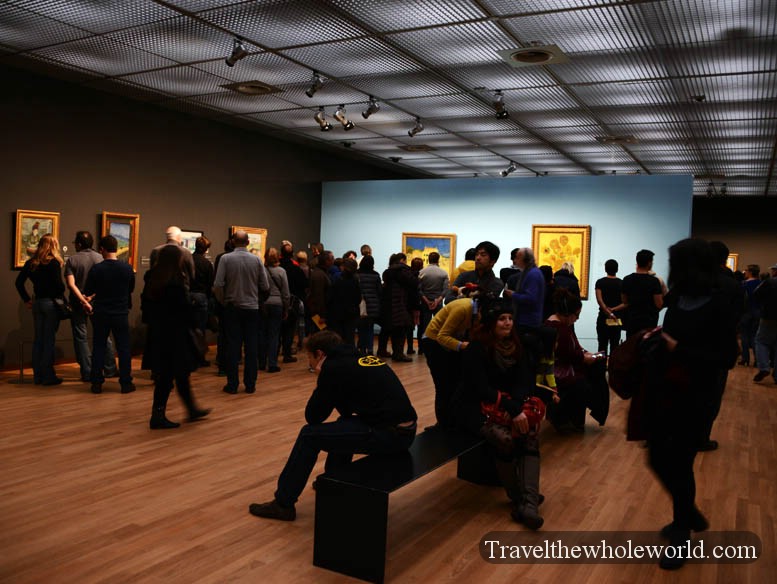
These photographs give some idea of the size of the museum. Rather than simply displaying his most famous paintings, the exhibits allow you to follow Van Gogh’s development as an artist and see how his technique changed throughout his career.
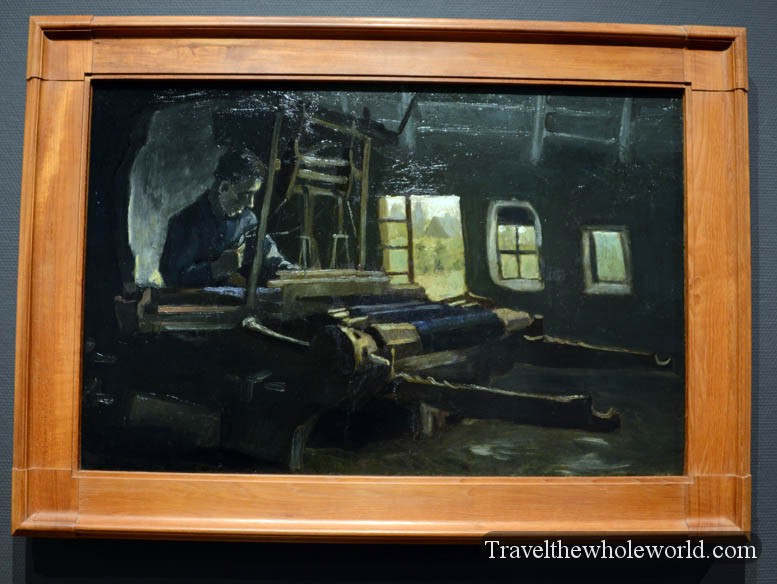
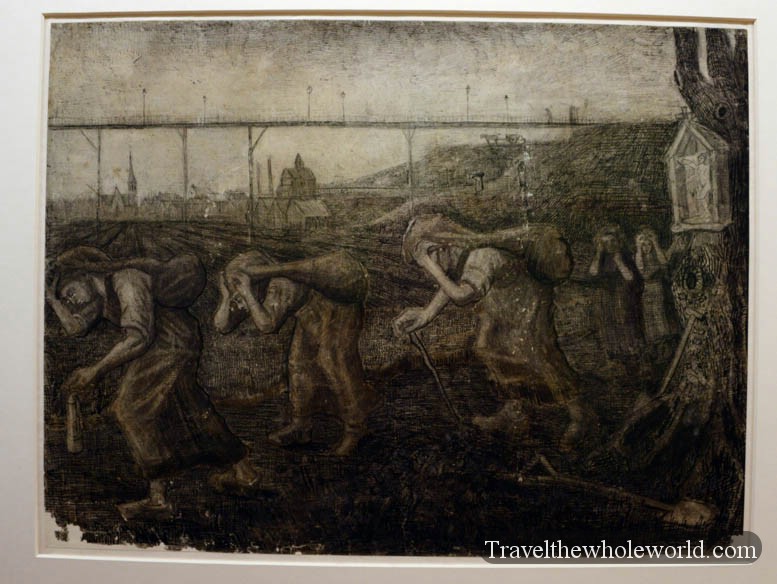
Van Gogh spent years teaching himself and developing his skills. His early drawings and paintings sometimes struggled with anatomy, proportion and perspective, but seeing those imperfections makes his later accomplishments even more impressive. He wasn’t simply born painting the masterpieces he’s remembered for today; his work changed through years of study and relentless practice.
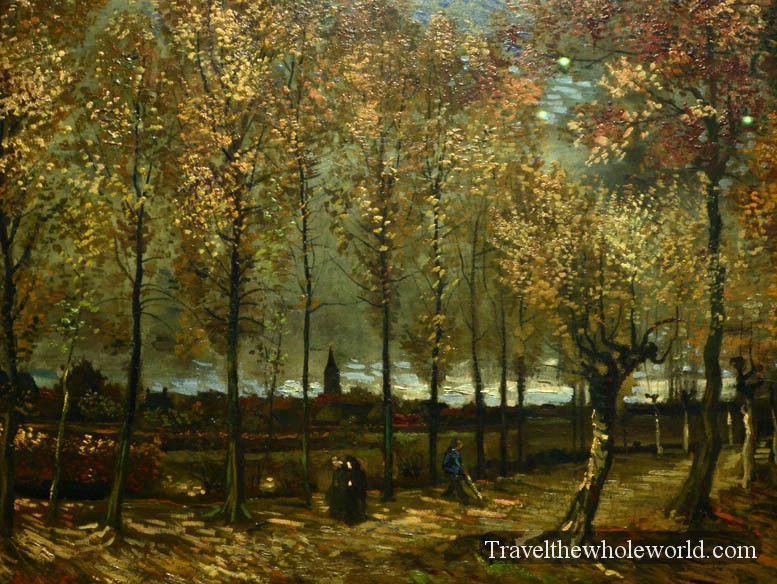
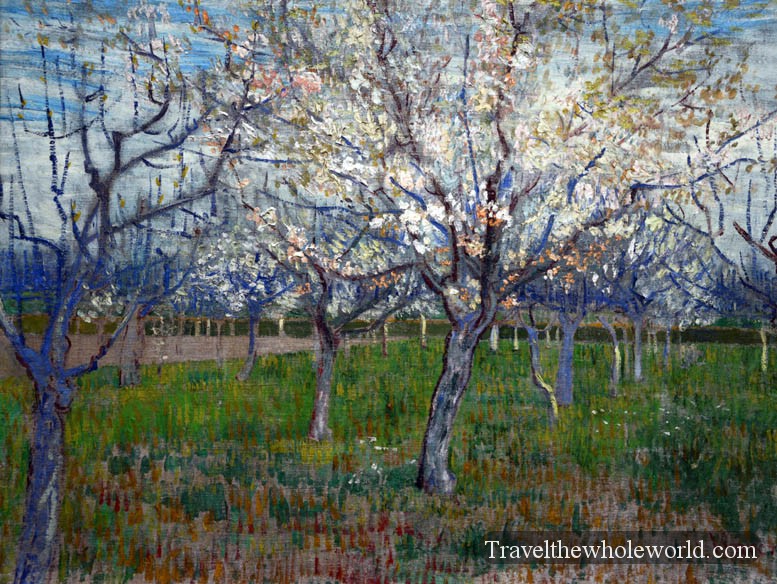
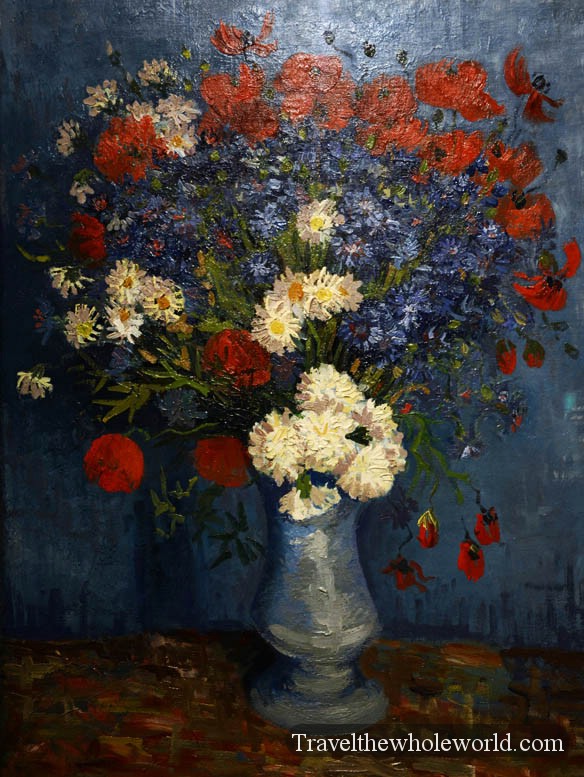
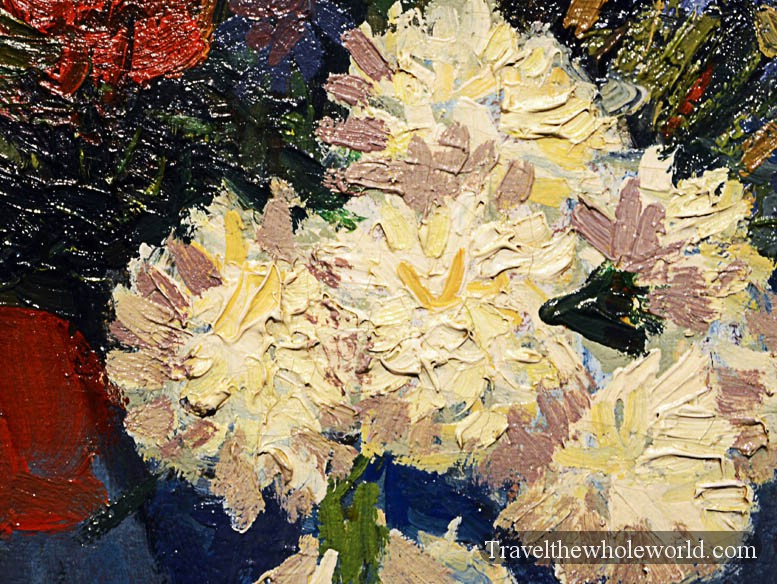
These final works show some of the landscapes and flowers that caught my attention. I had especially wanted to see The Starry Night, only to discover that it isn’t in Amsterdam at all. The painting belongs to the Museum of Modern Art in New York City. The close-up above does show something that’s difficult to appreciate in reproductions: the texture and individual brushstrokes in Van Gogh’s paintings.
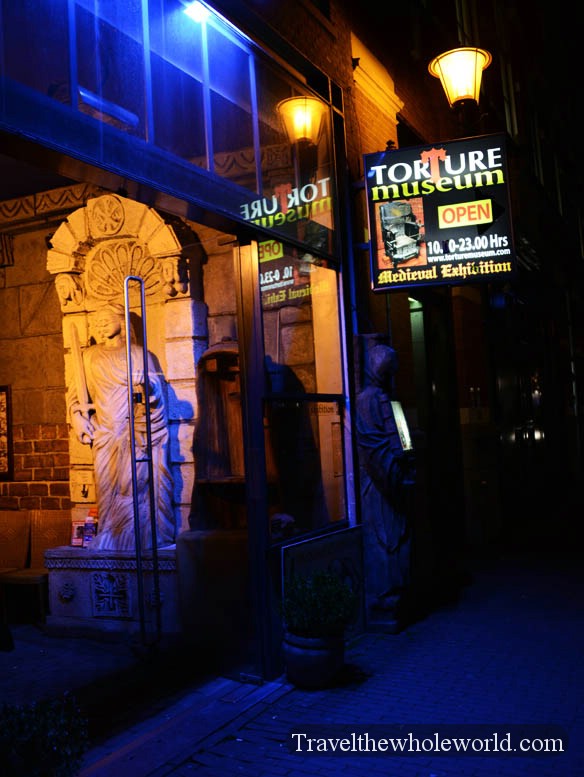
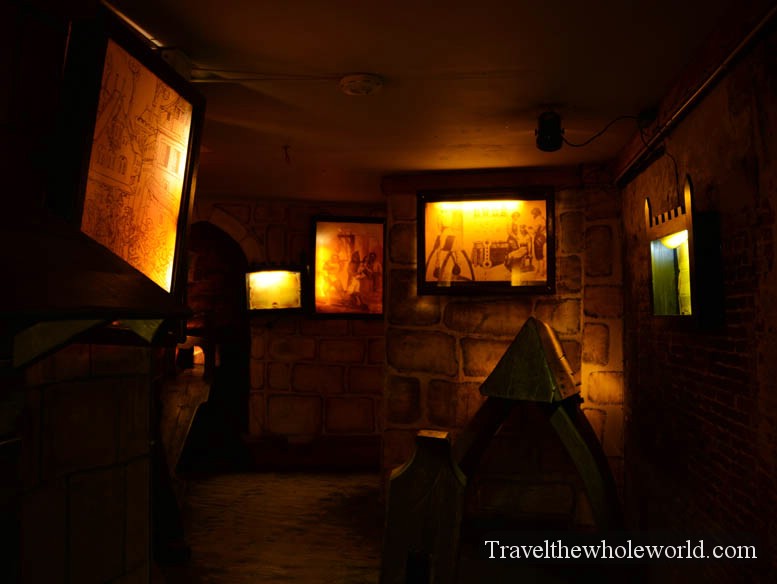
The last museum I visited was Amsterdam’s Torture Museum. I wasn’t sure whether I wanted to go inside, but I was already passing by and decided to give it a look. As someone who hates the concept of torture, I obviously wouldn’t describe it as uplifting, although it wasn’t as disturbing as I had expected.
The museum presents replicas and displays associated with historical punishment and torture from different periods and places. One thing worth keeping in mind is that some devices popularly associated with medieval torture have histories that are much less certain than museums and popular culture sometimes suggest. The Iron Maiden, for example, is generally considered a much later invention rather than an authentic medieval torture device.
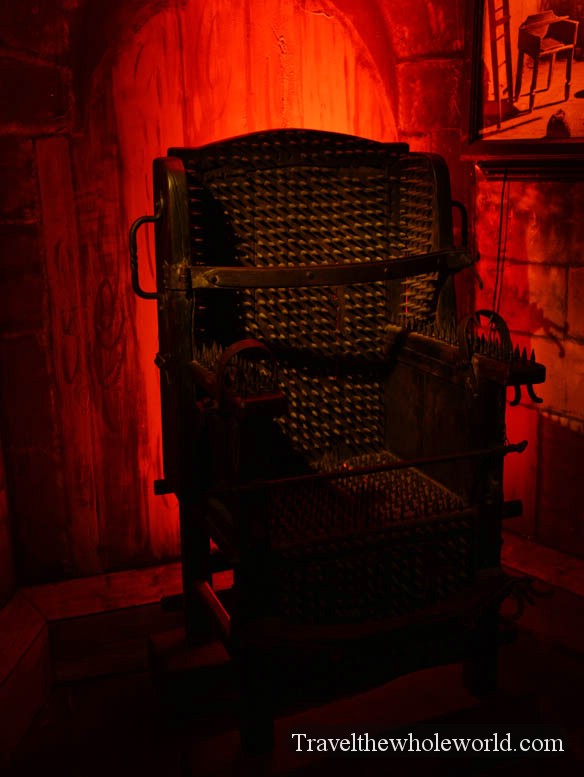
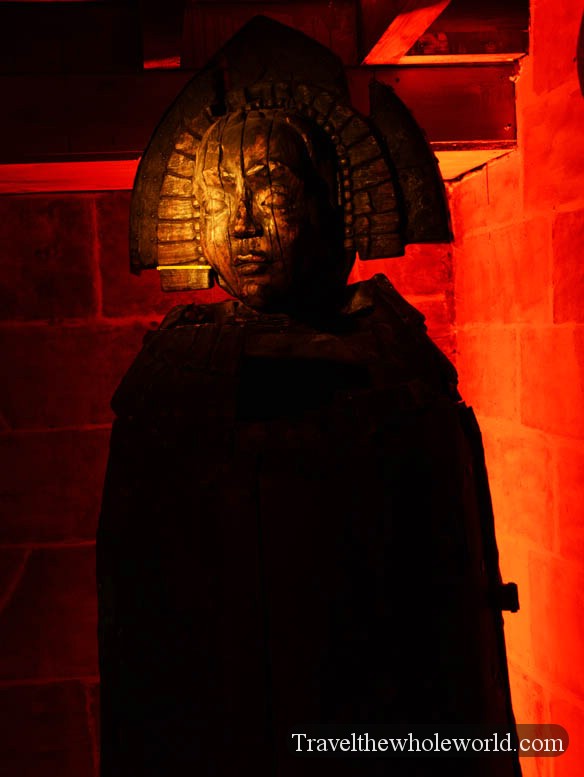
Above are two of the museum’s displays: an Inquisitional Chair and an Iron Maiden. Whatever the exact histories of individual devices, the museum was an unusual final stop after spending so much of the day exploring Amsterdam’s art and history museums.