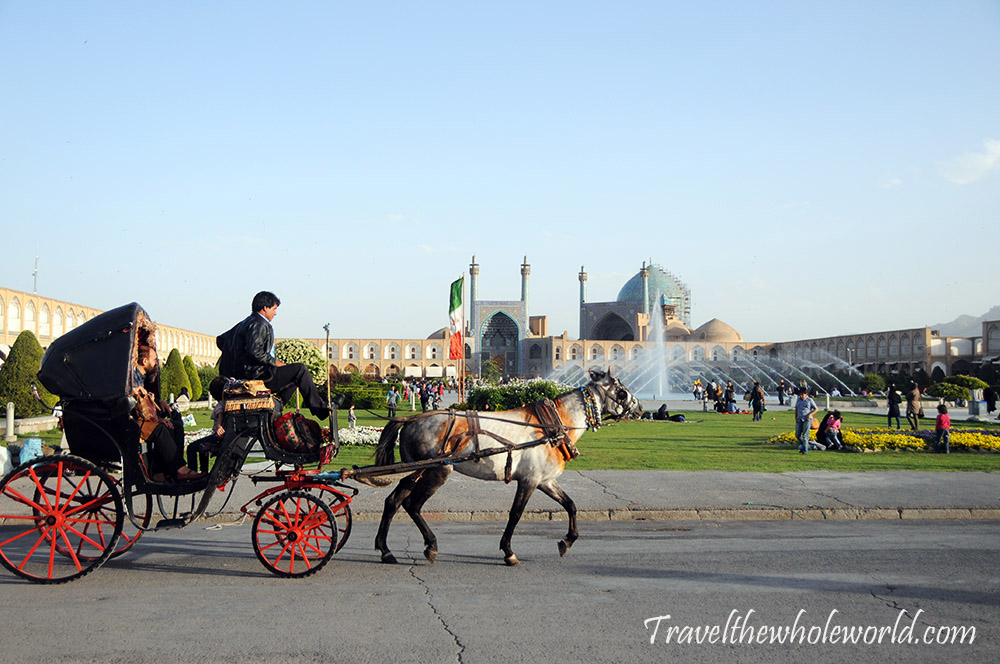
Esfahan was my last major stop in Iran, and what better way to end my trip than in what many Iranians consider the most beautiful city in the country. At the heart of Esfahan is the enormous Naqsh-e Jahan Square, also known as Imam Square. Built at the beginning of the 17th century, the square stretches for hundreds of meters and is surrounded by some of the city’s most impressive examples of Persian and Islamic architecture. Horse-drawn carriages still travel around the square, while shops, mosques, palaces, and entrances to the surrounding bazaars line its edges.
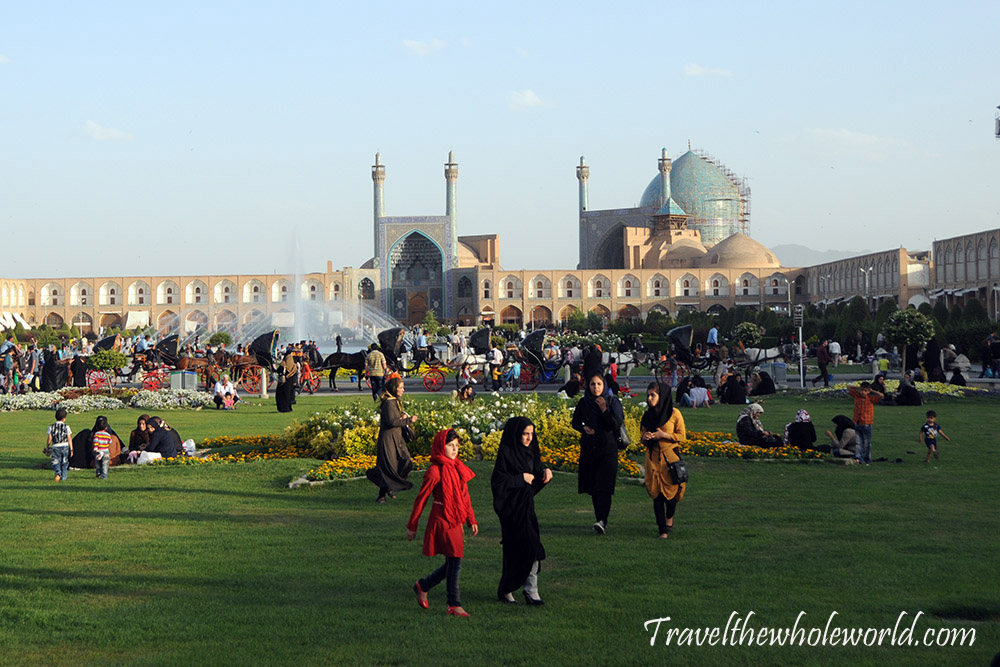
Seeing the entire square gives you a better idea of just how enormous it is. This area has been one of the centers of life in Esfahan for centuries, and rather than feeling like an isolated historical attraction, it was still filled with people walking, shopping, relaxing, and spending time with friends and family.
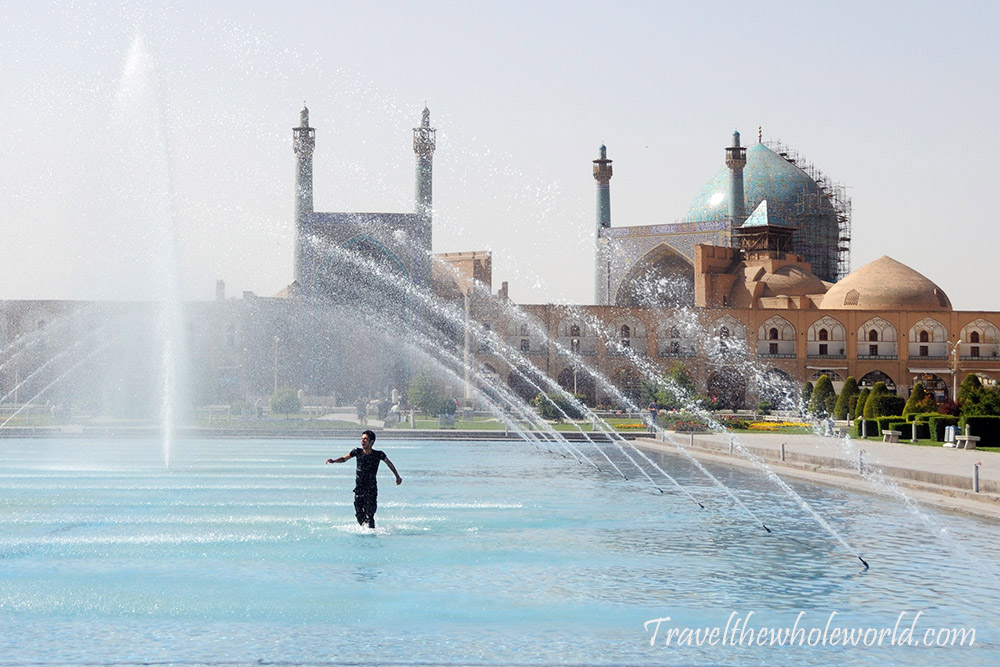
As an American, I had arrived in Iran with certain expectations about life under a strict theocratic government. So I definitely wasn’t expecting to see someone having a blast running through the fountains and reflecting pool in the middle of one of Esfahan’s most famous historic areas. If I’d had a little more courage, I probably would have joined him.
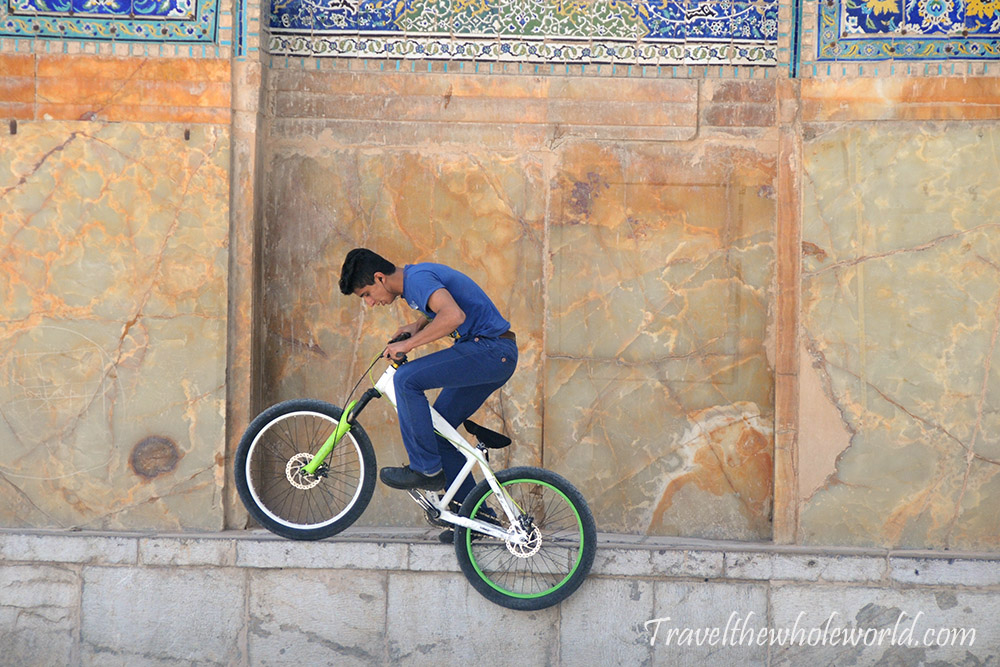
Then I came across a kid doing bike tricks along the walls nearby. Little moments like these were part of what made traveling through Iran so interesting. The country I experienced in person was often very different from the image I had formed before arriving.
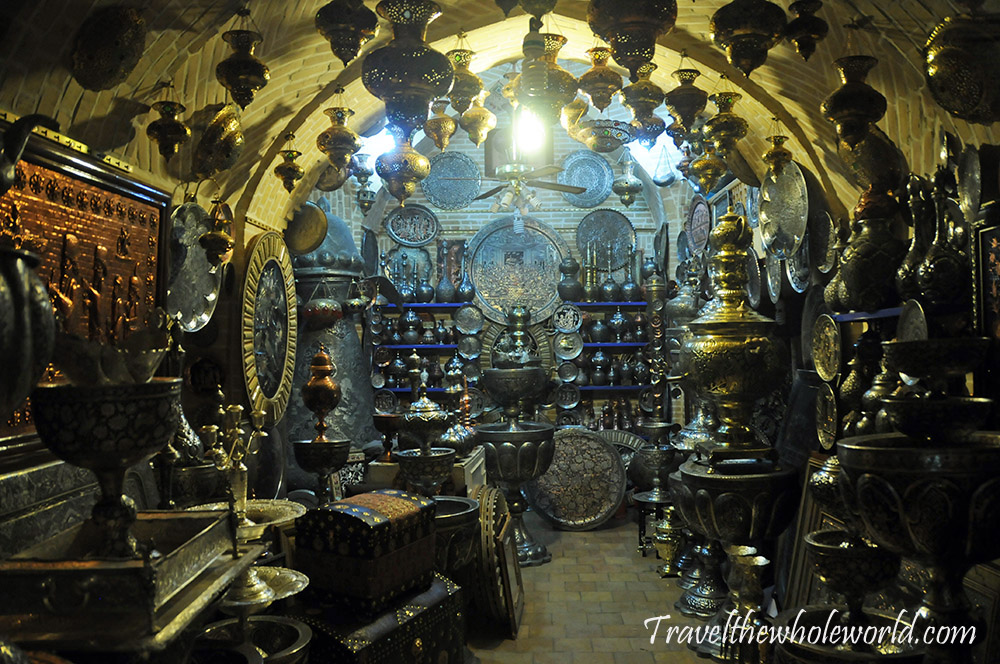
The bazaars surrounding Naqsh-e Jahan Square seemed almost endless. There were restaurants and shops selling everything from everyday goods to Persian antiques and traditional artwork. Wandering through them was easily an experience of its own, especially once I started finding some of the smaller specialty shops.
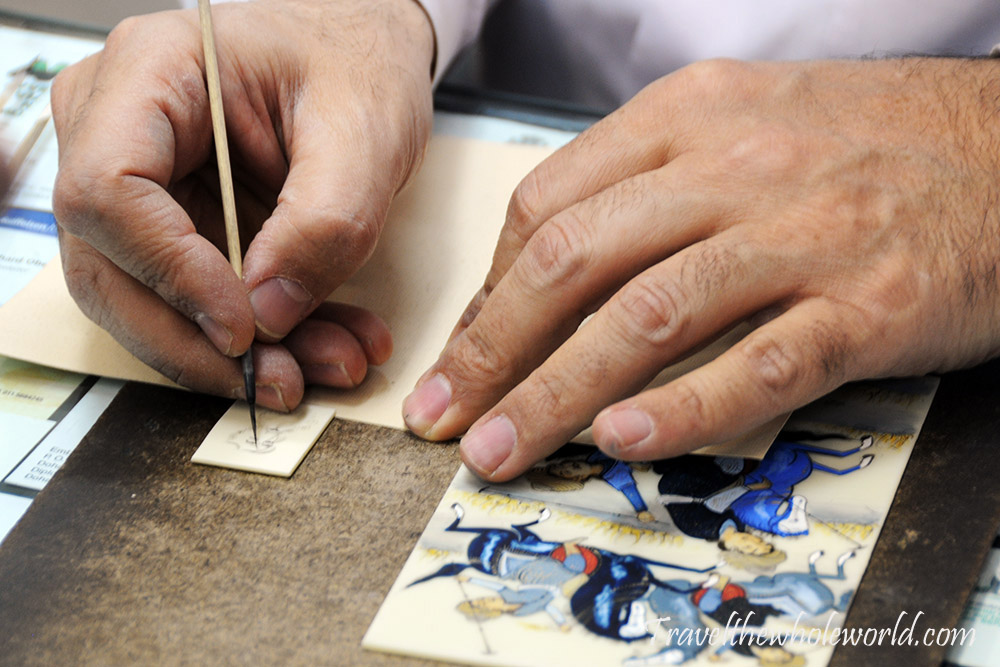
One local artist specialized in traditional Persian miniature paintings created on pieces made from camel bone. I saw this style of artwork elsewhere in Iran, but his level of detail and skill really stood out. Watching artists continue these traditional techniques was one of my favorite parts of exploring the bazaars.
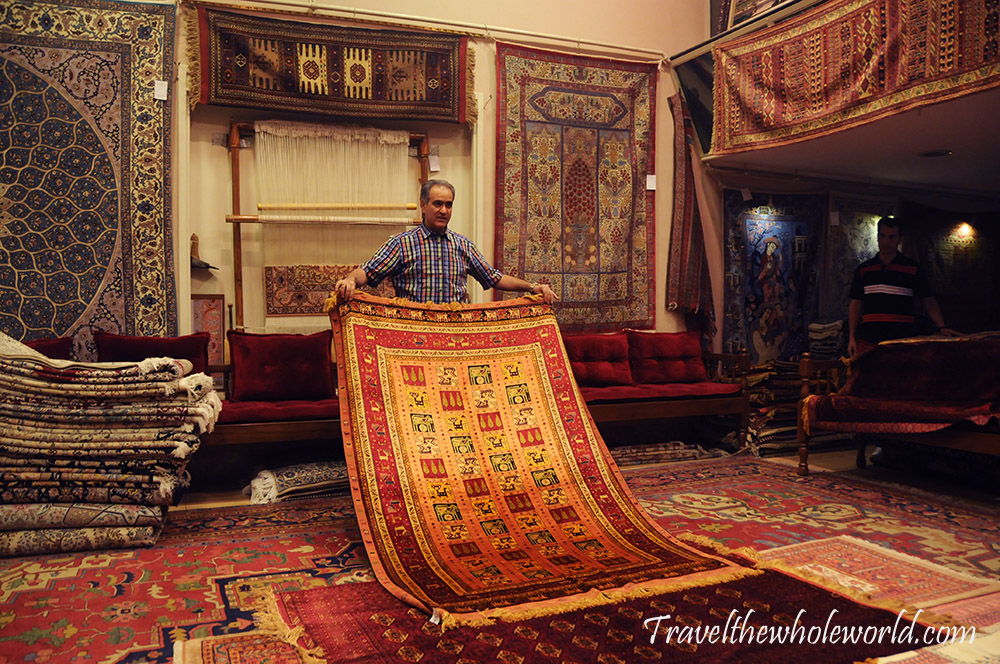
Of course, no Persian bazaar would be complete without carpet shops. I visited one of the city’s respected carpet makers, where the owner proudly showed us some of his highest-quality work. I didn’t buy one myself, but a friend I met during the trip ended up spending several thousand dollars on a carpet.
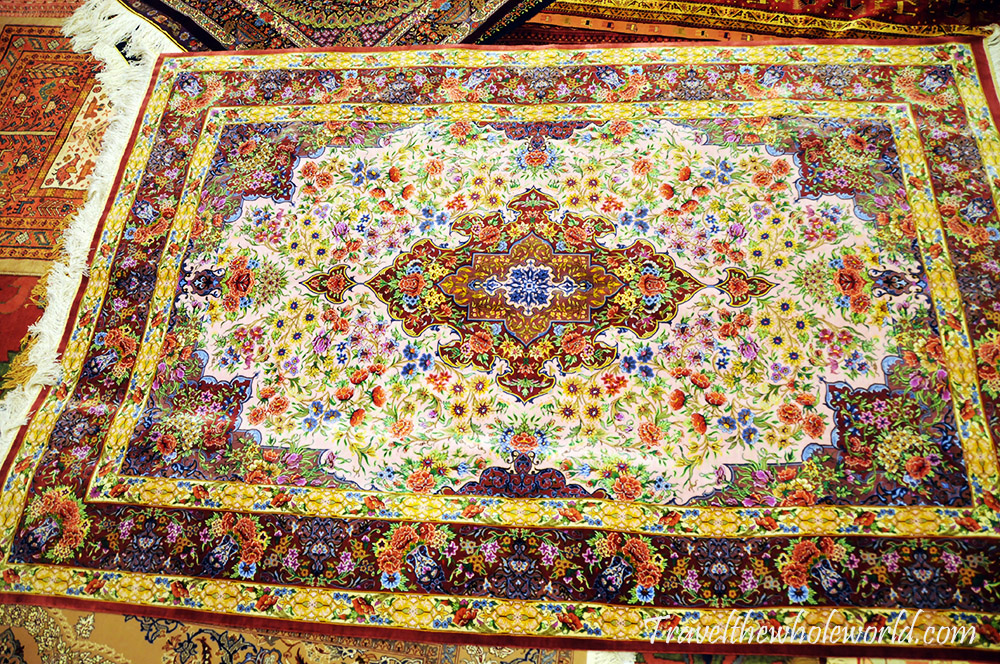
This particular carpet was my favorite. I loved the colors and incredible amount of detail that had gone into it. Unfortunately, I was told it could be mine for about $27,000, so admiring it was going to have to be enough!
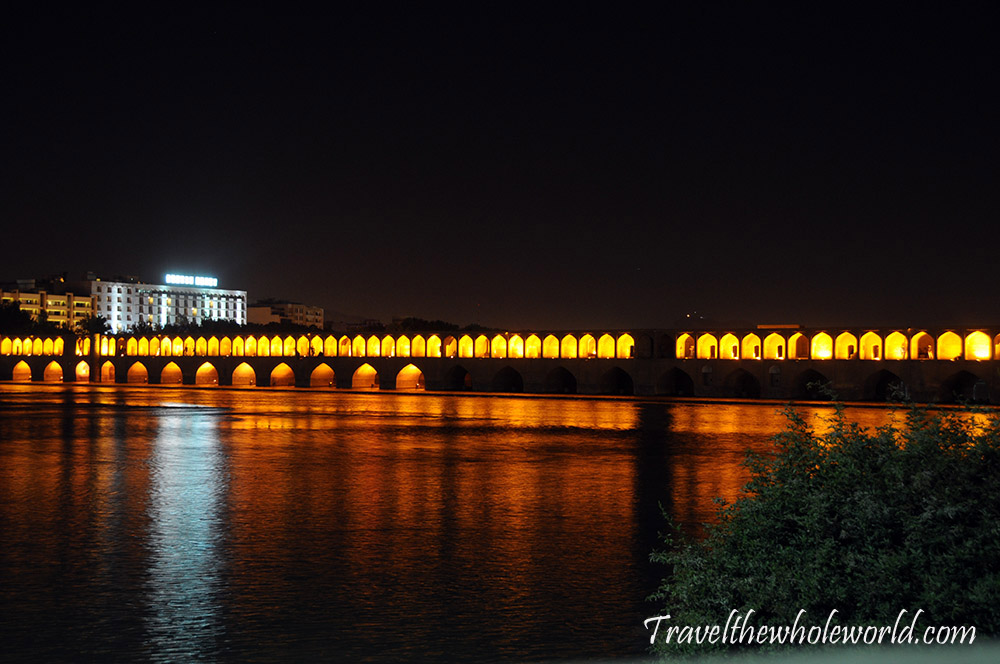
Another reason Esfahan has such a reputation for beauty is the Zayandeh River and the historic bridges crossing it. The river flows from the Zagros Mountains and historically provided an important source of water for the otherwise dry region surrounding Esfahan. The most famous crossing is Si-o-se-pol, whose name refers to its 33 arches. Completed in the early 17th century, the bridge is pedestrian friendly and was one of my favorite places to walk through the city.
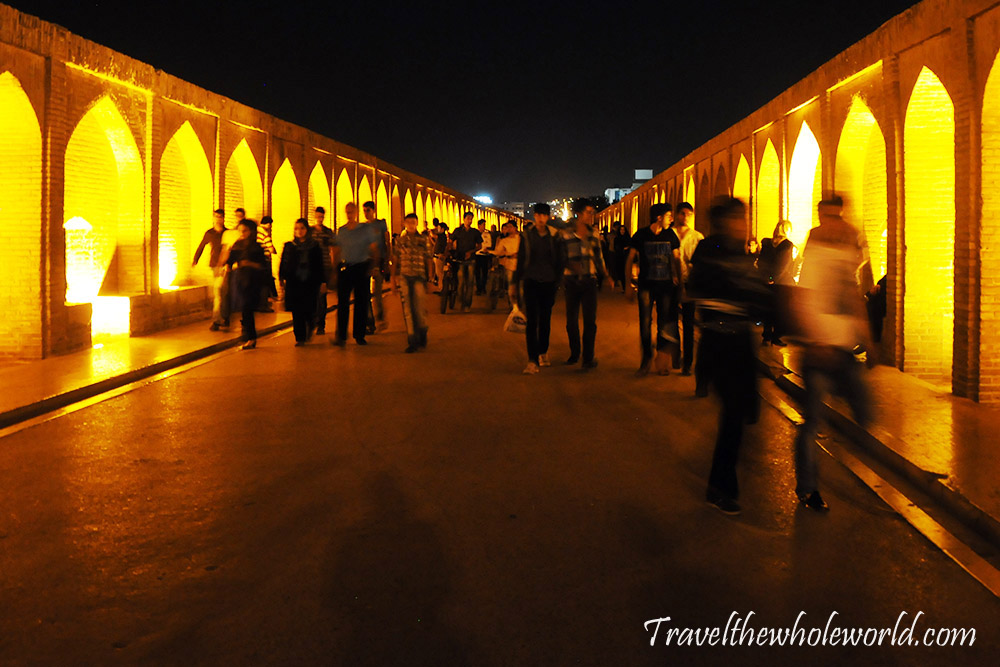
I visited during a beautiful spring evening, and the bridge was filled with people enjoying the weather. Rather than simply being a historic monument, Si-o-se-pol felt like part of everyday life in the city.
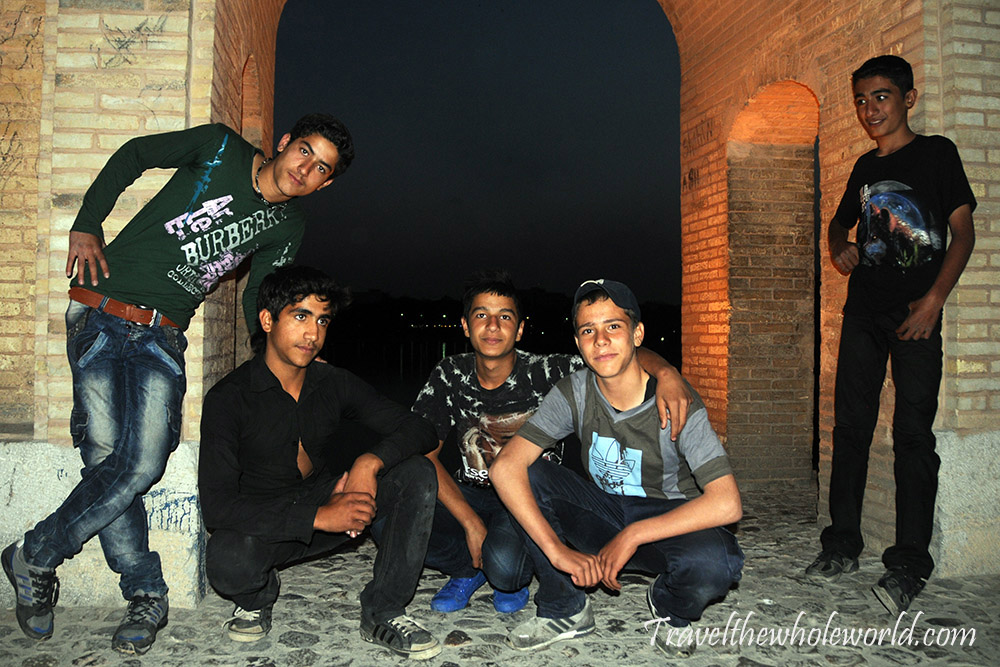
People regularly approached me to start conversations, and I was surprised by how many spoke good English. I rarely had much trouble with the language barrier here. At one point a man asked my friend in Farsi where I was from. As a joke I told him I was from Israel. He didn’t seem particularly convinced.
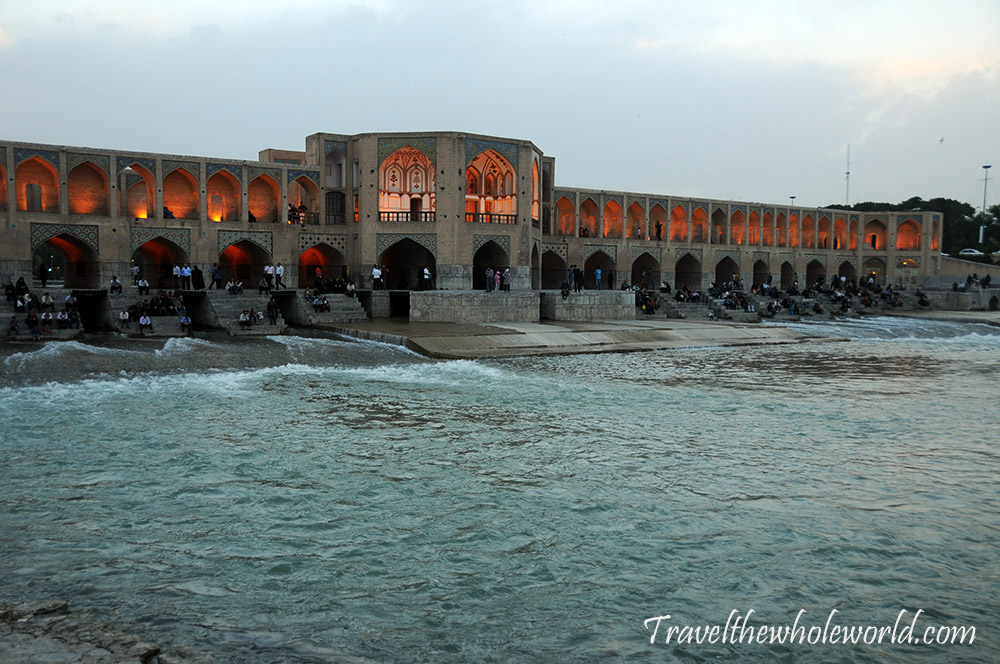
Farther along the river is the Khaju Bridge, another of Esfahan’s famous historic crossings. Built during the 17th century, the bridge has two dozen arches and also functions as a dam. Like Si-o-se-pol, it seemed to be a popular gathering place rather than simply something people came to photograph.
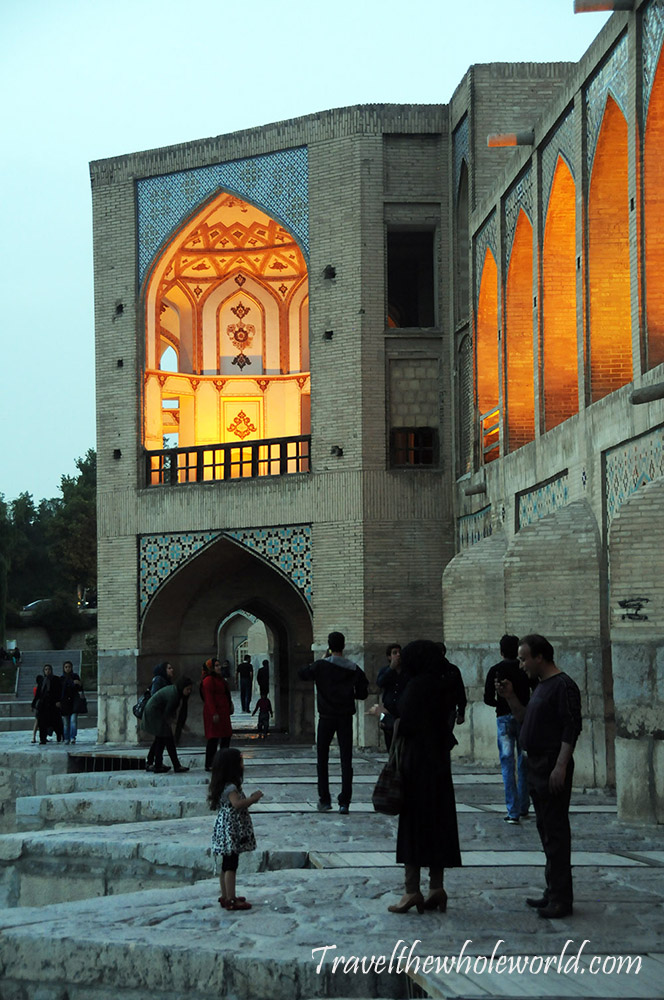
While I was there, a small group began singing and attracted a crowd of locals. Even a few police officers came over to see what was happening. I hadn’t seen many uniformed police while walking around Iran, so I wasn’t sure what to expect, but they simply watched the singers and crowd for a while before continuing on their way.
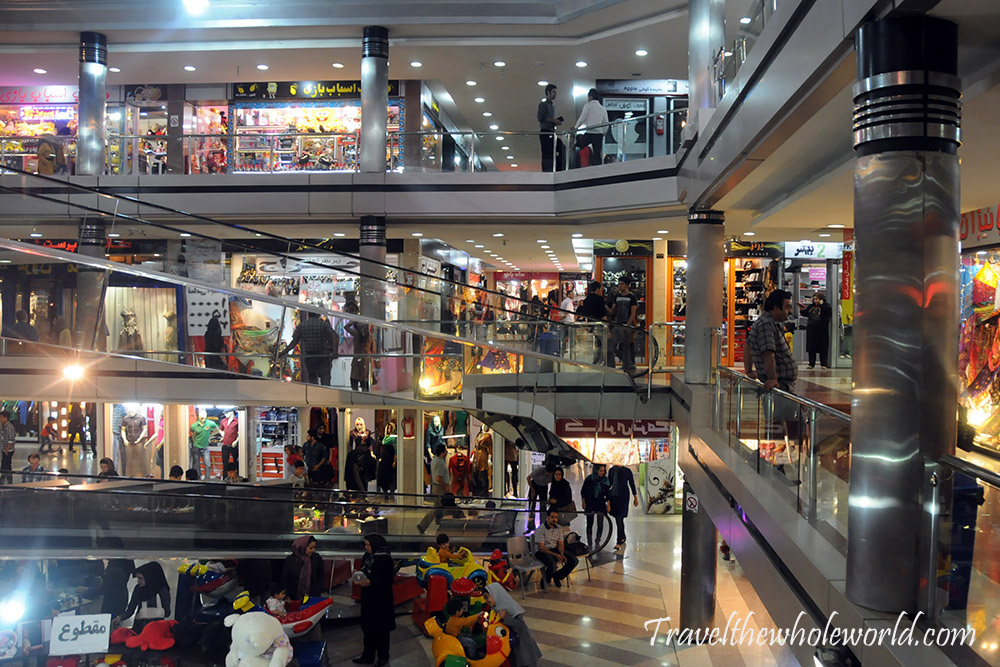
If I had to make an American comparison, Tehran felt a little like New York City while Esfahan reminded me more of Washington, D.C. Esfahan is one of Iran’s largest cities and has plenty happening, but it didn’t have the same overwhelming feeling I sometimes experienced in Tehran. Modern shopping centers, clothing and electronics stores, and restaurants were mixed throughout the city alongside its historic attractions.
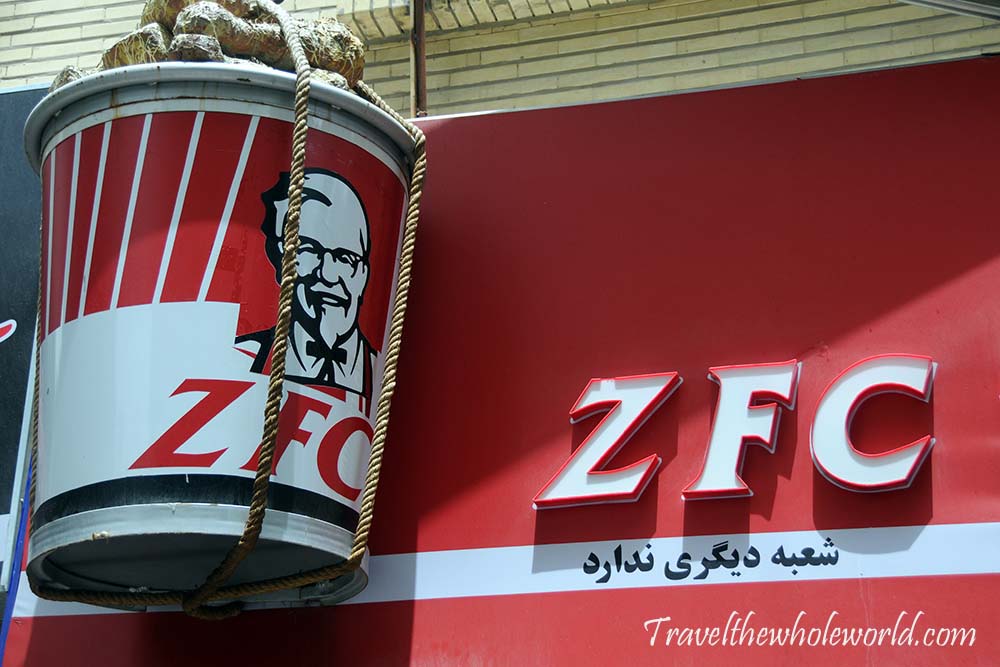
I also came across some entertaining examples of Western-inspired fast food. I ate at a place called Kentucky House, which was clearly inspired by KFC but also served pizza. Then I found ZFC. I never figured out exactly what the story behind that restaurant was, but the familiar-looking logo definitely got my attention.
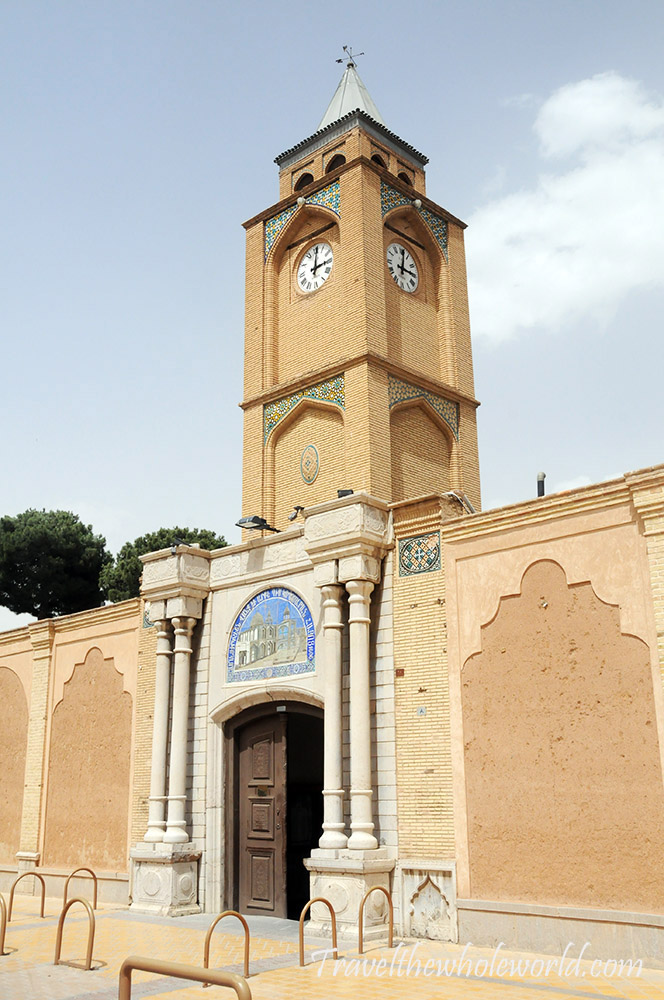
Iran is overwhelmingly Muslim, but the country is also home to several historic religious minorities, including Christians, Jews, and Zoroastrians. Esfahan has a particularly important Armenian community, and one of its most impressive religious sites is the 17th-century Vank Cathedral.
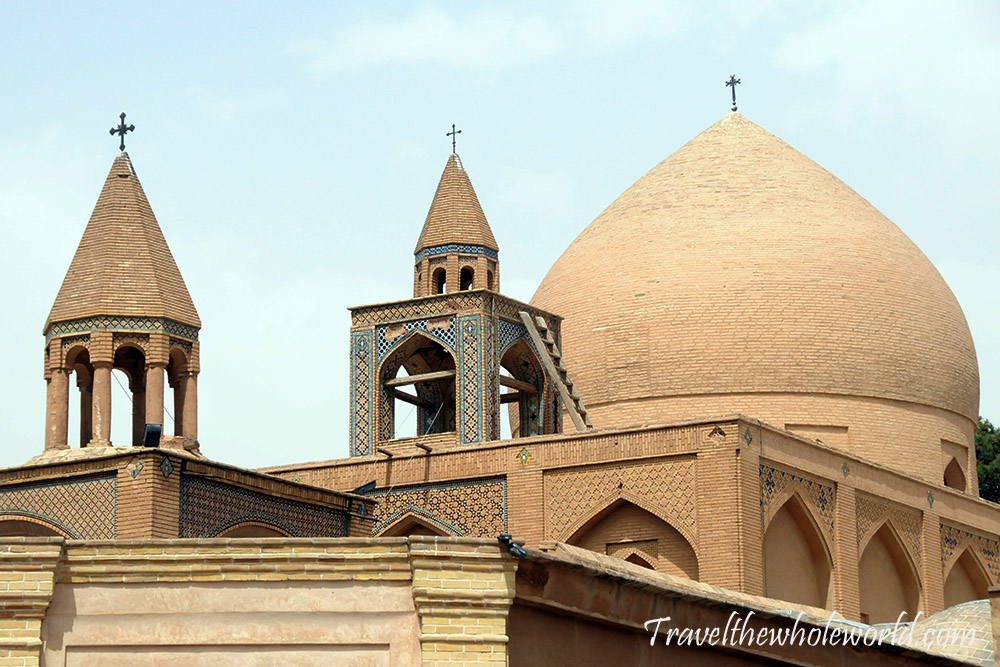
The cathedral was unlike the mosques I had been visiting throughout Iran, but it was every bit as elaborate. Its architecture reflects both Armenian Christian and Persian influences, making it another example of the cultural variety I kept encountering during the trip.
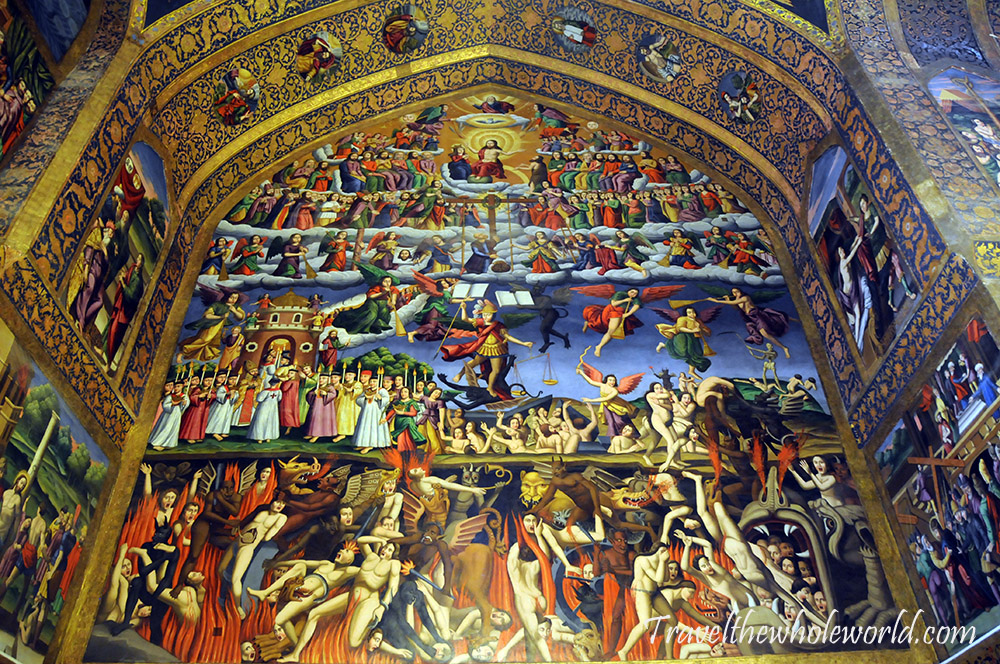
The interior was covered with elaborate paintings and religious scenes. Some of the murals depicted heaven above and much darker scenes of hell below, creating a striking contrast throughout the church.
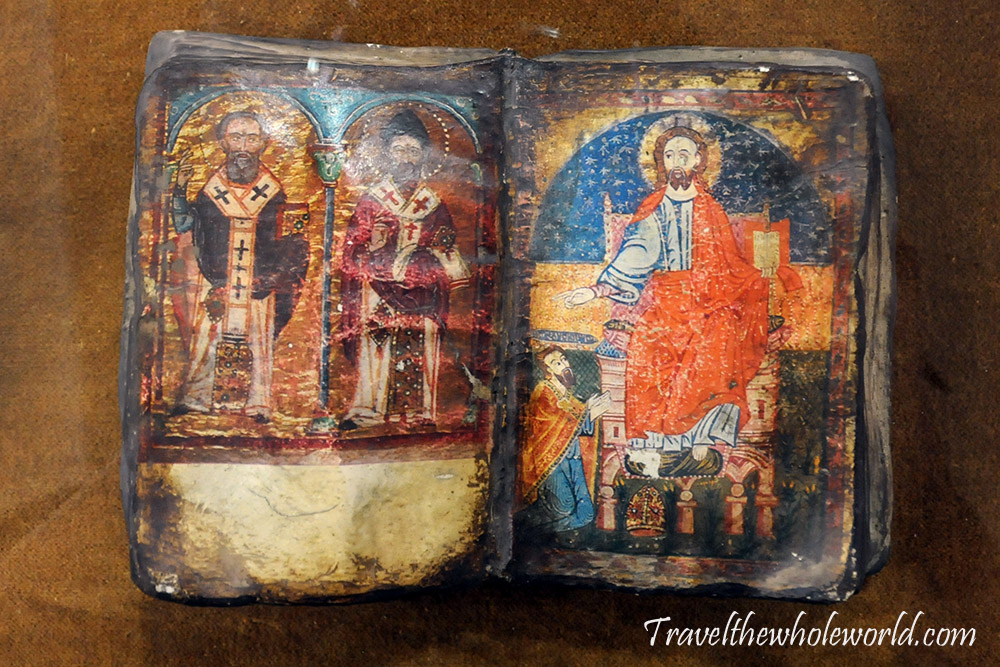
The cathedral complex also contains a museum filled with historic Bibles, religious artifacts, portraits, and exhibits documenting Armenian history. One section covers the Armenian genocide in the Ottoman Empire during the early 20th century. I had already learned about this history while traveling in Armenia, but seeing the photographs and artifacts here made the scale of the tragedy much more immediate.
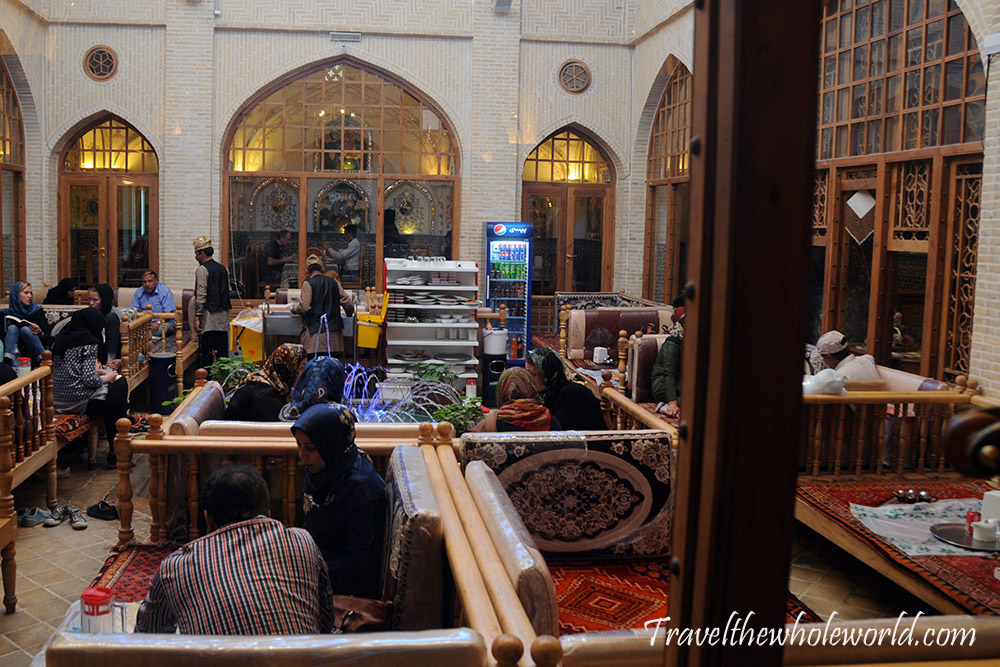
Food was one of my favorite parts of traveling through Iran, and Esfahan gave me plenty more opportunities to try local dishes. Between sightseeing, bazaars, and long walks around the city, stopping at restaurants was always a welcome part of the day.
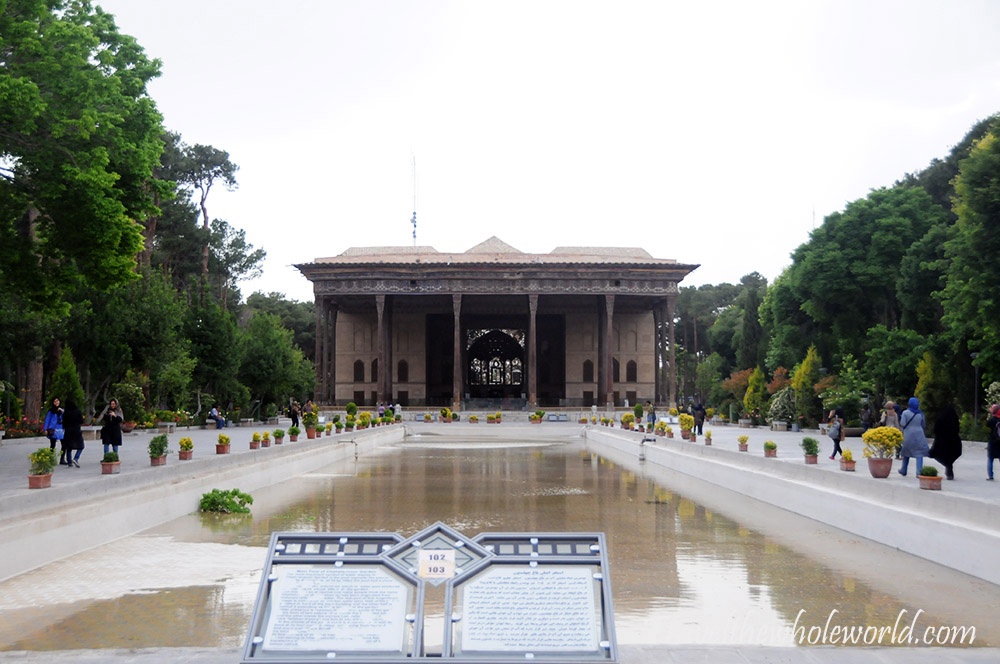
Esfahan is filled with historic palaces and gardens as well. Chehel Sotoun, whose name is commonly translated as Forty Columns, is one of the city’s best-known Safavid-era pavilions. Its long reflecting pool and columned entrance make it another example of the architecture that gives Esfahan such a distinctive character.
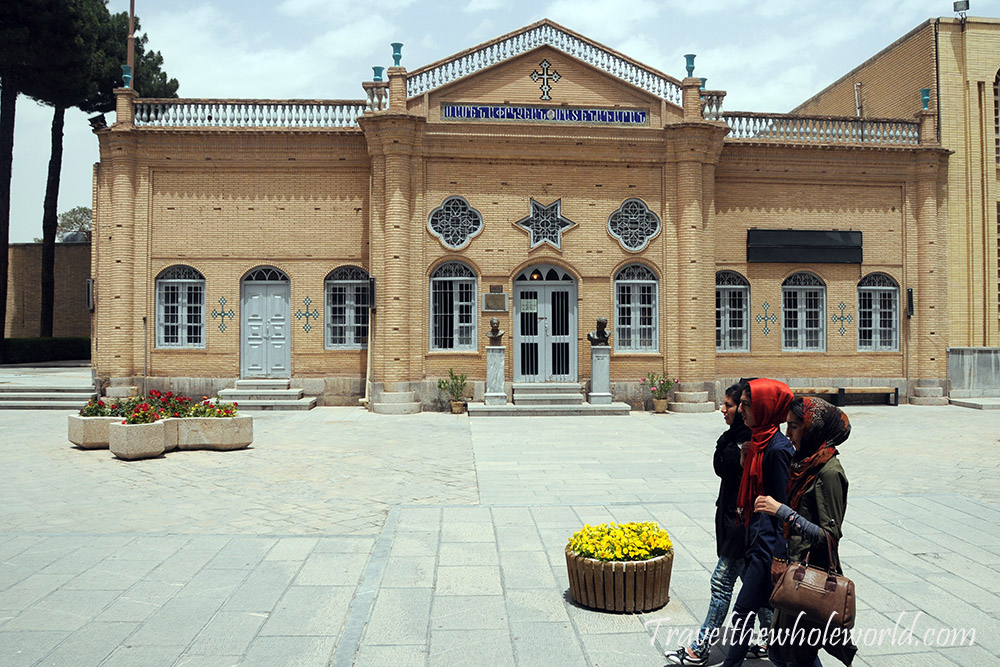
One of the things I enjoyed most about Esfahan was simply watching everyday life around the historic parts of the city. The monuments may have been centuries old, but these neighborhoods were still active places filled with families, students, shops, and people going about their day.
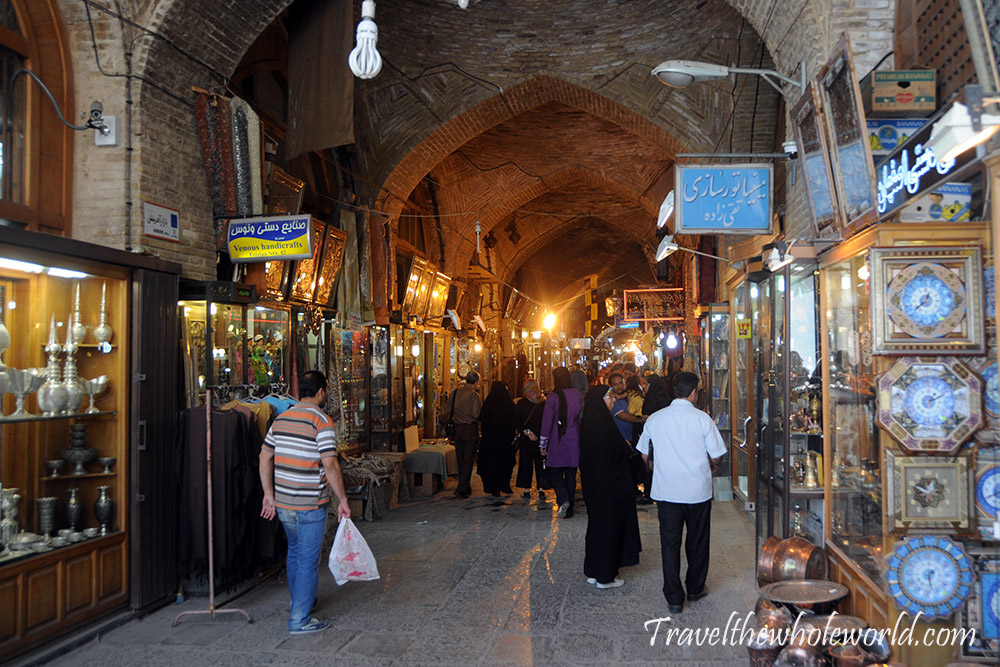
I eventually found myself back in the bazaars, where it was easy to spend hours wandering through the covered passageways. Different sections seemed to specialize in different products, and there was always another corridor or shop to explore.
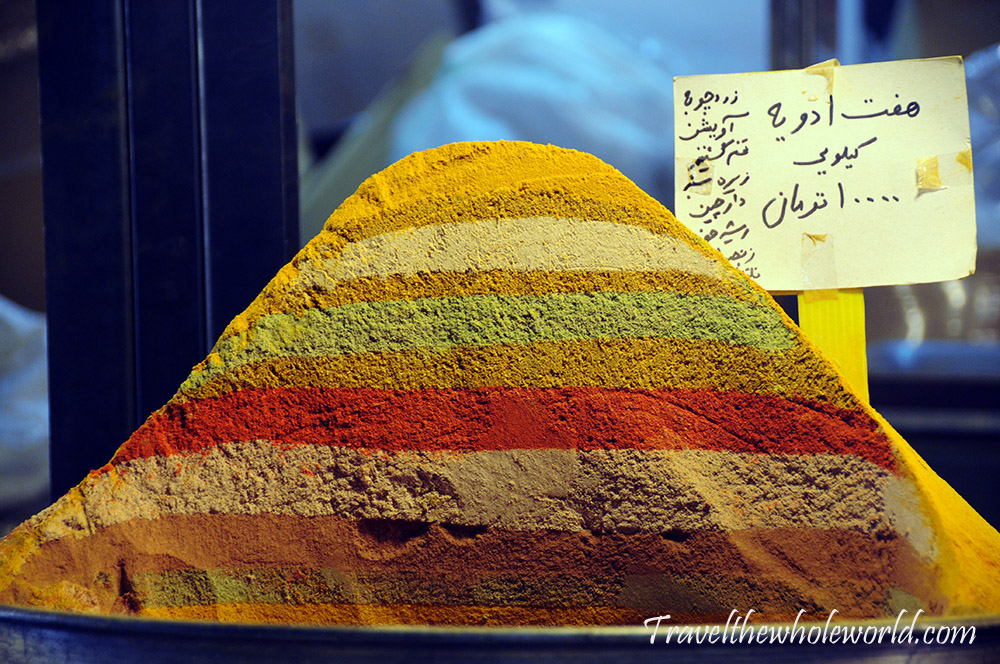
The spice shops were especially colorful, with piles of herbs, seasonings, dried foods, and other ingredients filling the displays. Scenes like this were part of what made the bazaars feel like much more than tourist attractions.
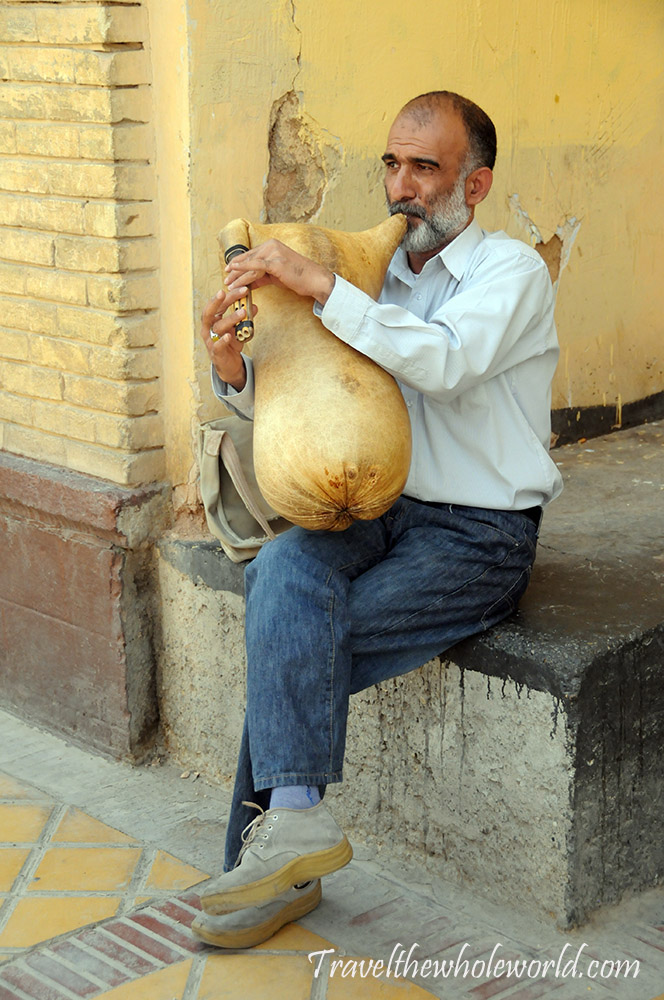
While walking through the streets of Esfahan, I saw this man playing a traditional instrument. I was told it was somewhat like a Persian version of the Scottish bagpipe, although with a much lower pitch, and that instruments like it are played at traditional weddings and other celebrations.
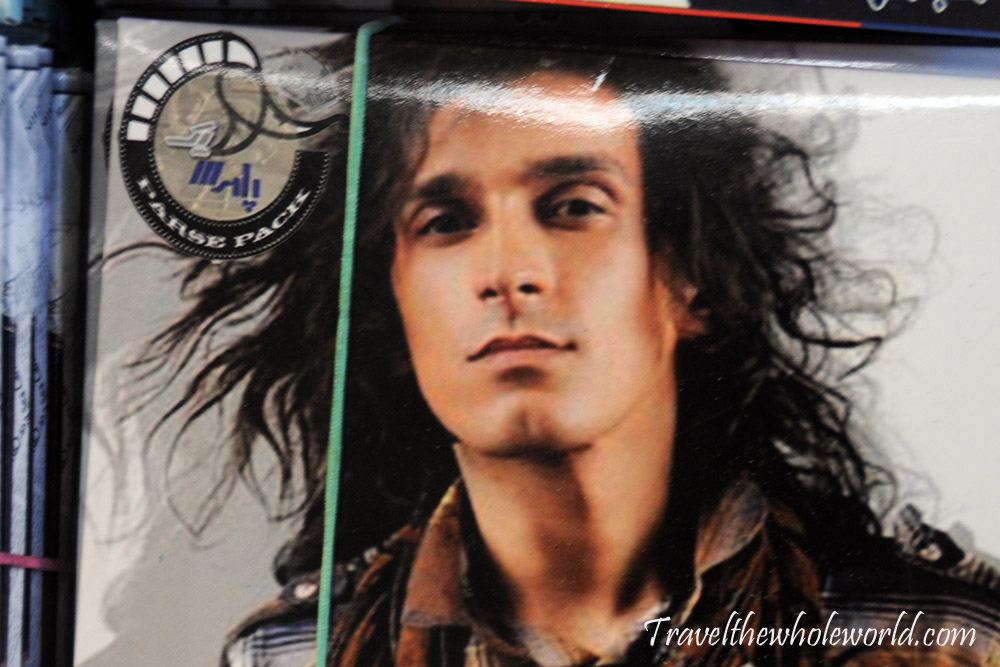
Elsewhere in the city I saw an album cover from a modern Iranian singer that immediately got my attention for a completely different reason: he looked almost identical to one of my best friends back in the United States!
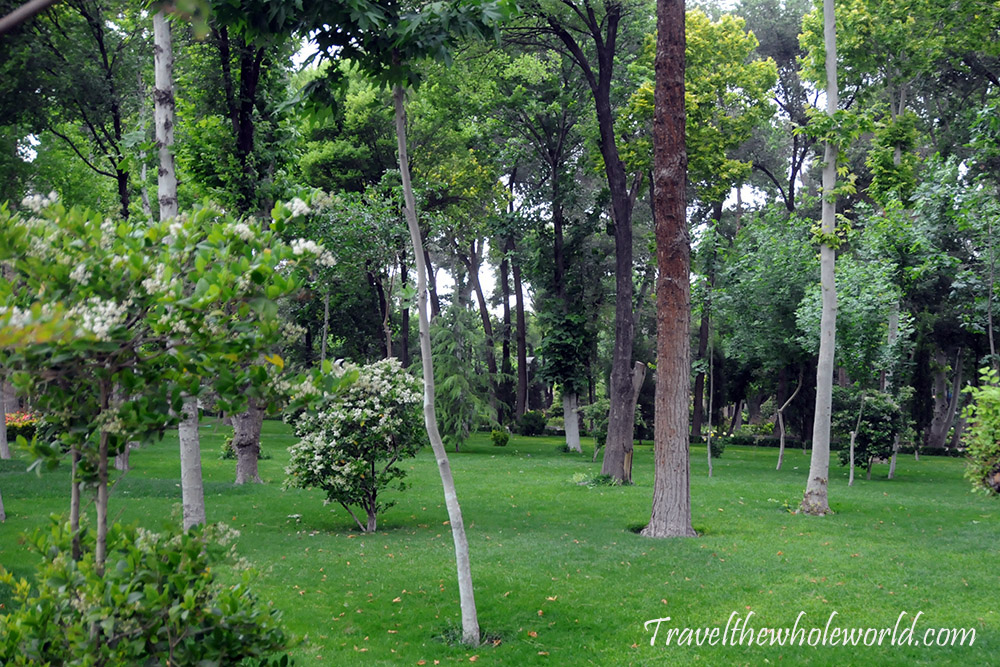
Gardens are another major part of Esfahan’s character. Despite the dry landscape surrounding the city, fountains, trees, flowers, and carefully landscaped public spaces can be found throughout its historic areas.
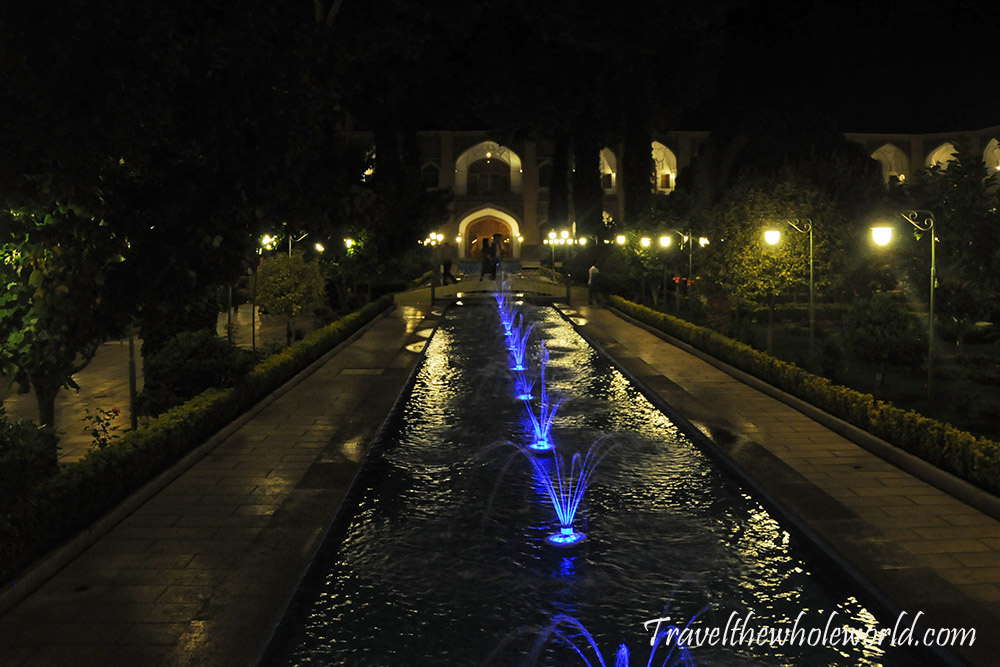
Even some of the hotels and newer buildings incorporated elements of traditional Persian design. It was another reminder that Esfahan’s historic identity wasn’t confined to a handful of monuments but could be seen throughout the city.
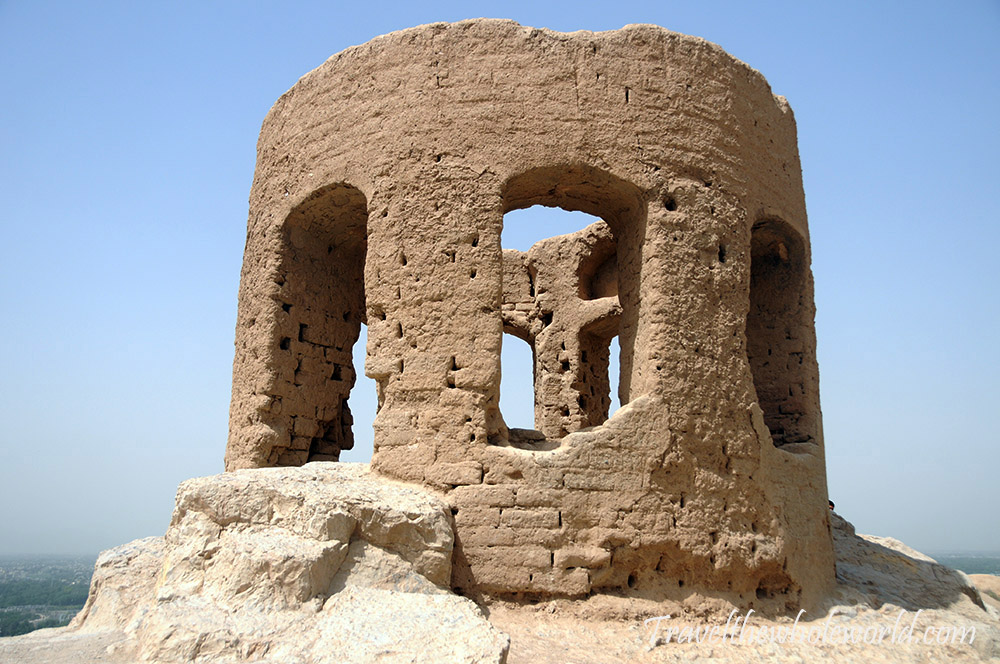
Outside the center of Esfahan I also explored some of the older sites overlooking the surrounding landscape. From higher ground, the contrast between the green city and the dry mountains and plains around it became much more obvious.
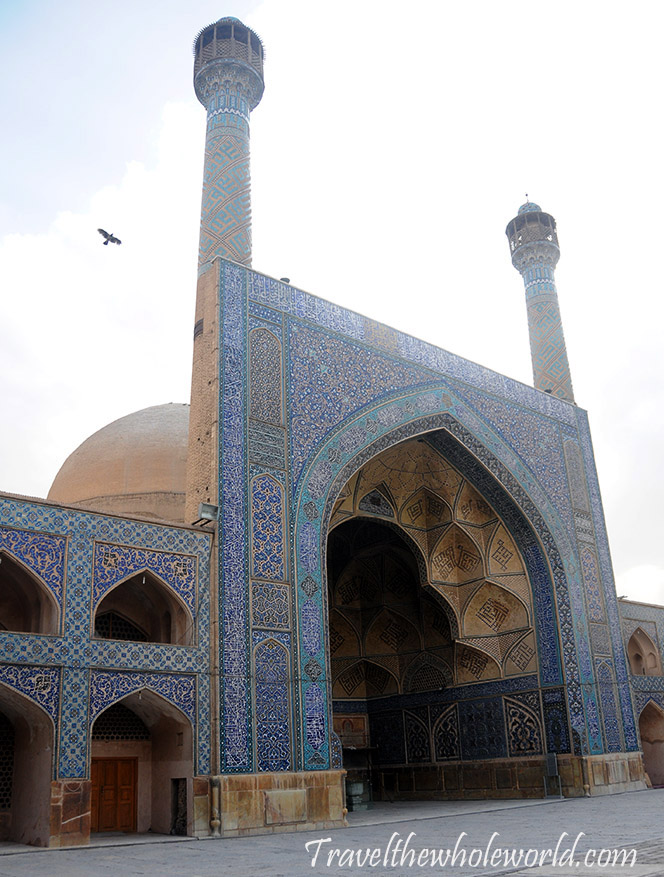
Of all the architecture in Esfahan, its mosques are probably the most spectacular. Elaborate tilework, enormous domes, geometric patterns, and calligraphy cover many of the buildings, and the amount of detail becomes even more impressive when viewed up close.
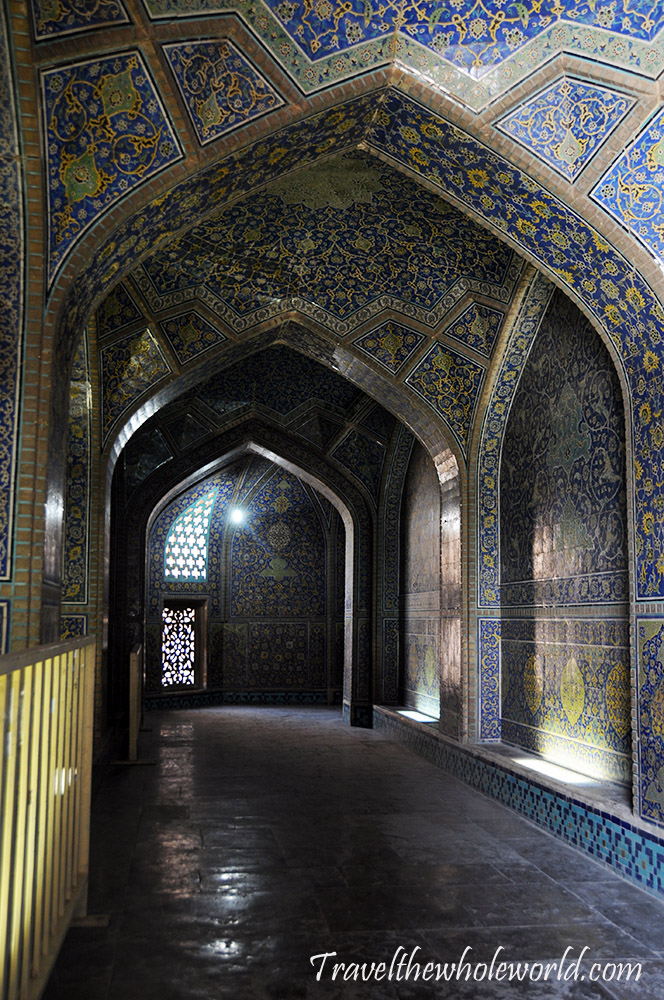
Even the hallways and passages could be works of art. After seeing so many historic buildings during my trip through Iran, I still hadn’t gotten tired of the architecture by the time I reached Esfahan.
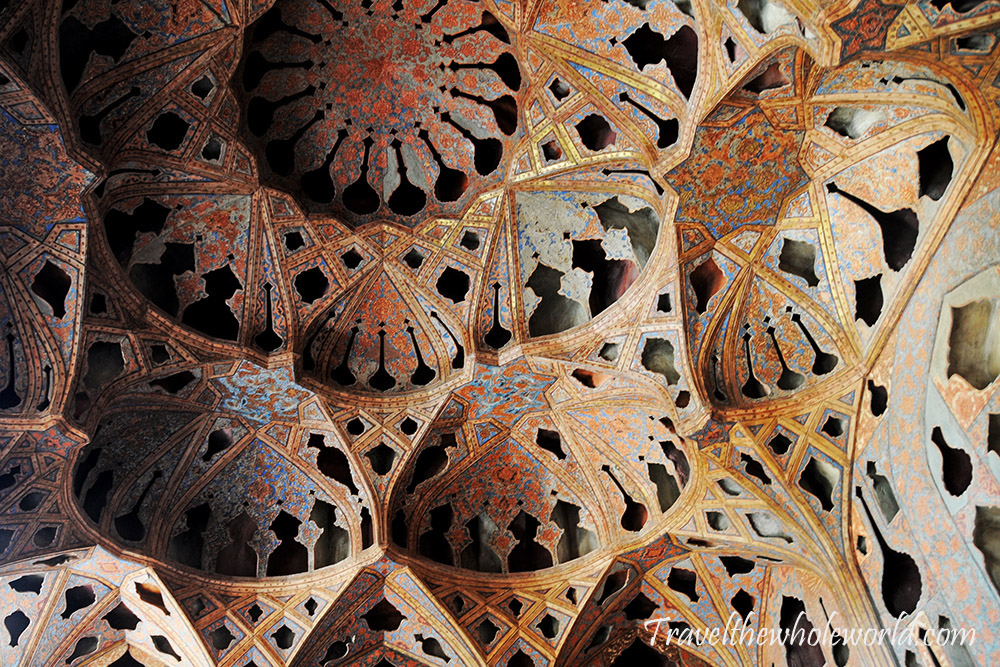
Esfahan turned out to be an ideal final major stop on my journey through Iran. Between its enormous squares, bazaars, bridges, mosques, churches, gardens, palaces, food, and the people I met along the way, there always seemed to be something else to explore. By the time I left, I could understand why Iranians spoke about their city with so much pride and why Esfahan has long been associated with the saying, “Esfahan is half the world.”
Explore More of Iran
Abyaneh • Esfahan • Persepolis • Shiraz • Tehran • Yazd