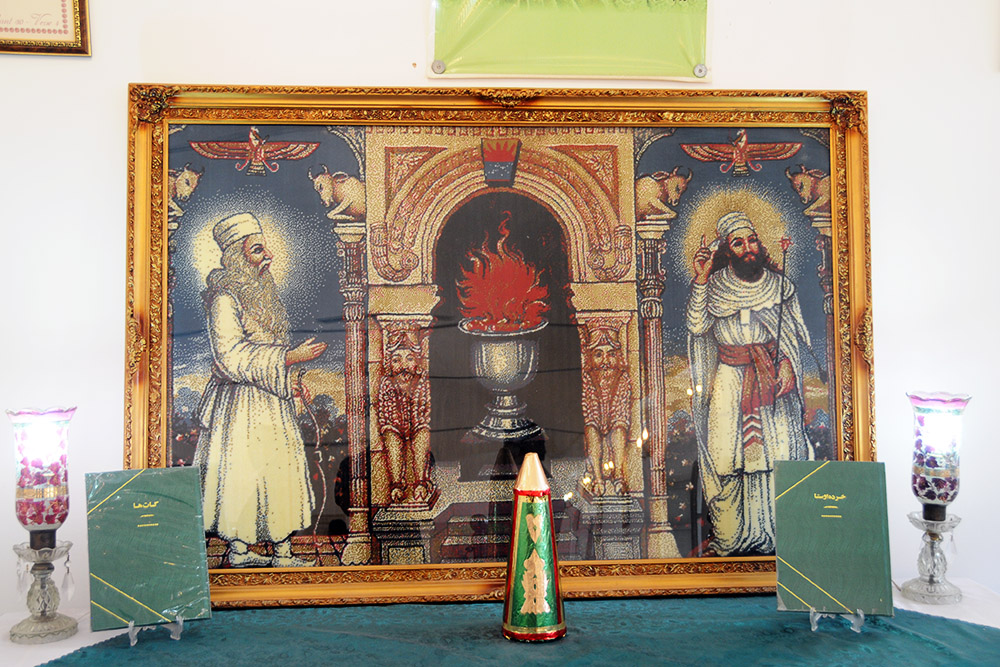
Yazd felt different from every other city I visited in Iran. Its desert architecture, narrow streets, ancient religious sites, and traditional atmosphere made it one of the best places for me to experience parts of Persian culture that reach back long before the arrival of Islam. One of the most important of those traditions is Zoroastrianism, an ancient Iranian religion that developed in Persia thousands of years ago and still has a small community in and around Yazd today.
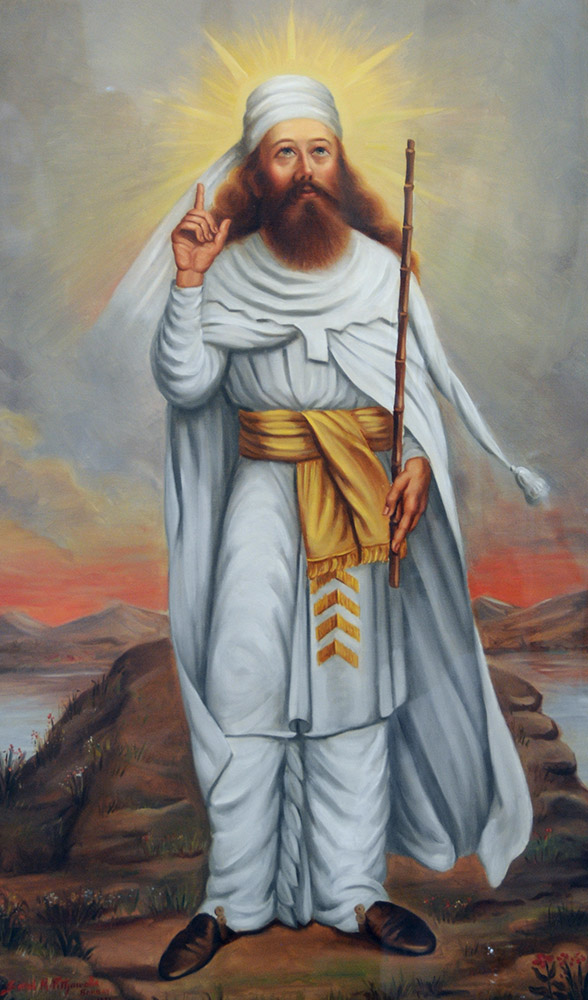
Zoroastrianism is associated with the teachings of Zarathustra, also known as Zoroaster. The religion places strong emphasis on the struggle between good and evil, personal responsibility, and the importance of good thoughts, good words, and good deeds. Although its exact influence on later religions is still debated, Zoroastrian ideas became an important part of the religious history of the ancient Middle East.
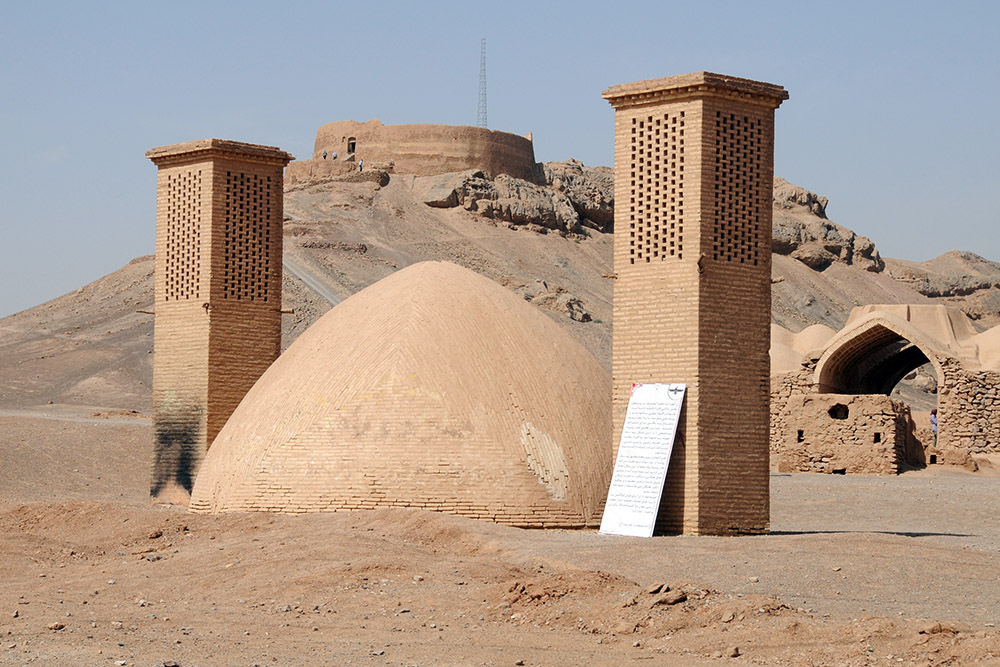
One of the most fascinating Zoroastrian traditions I learned about in Yazd involved the treatment of the dead. Zoroastrians traditionally believed that a corpse could contaminate the sacred elements of earth and fire, so burial and cremation were avoided. Instead, bodies were carried to isolated structures known as Towers of Silence, where they were exposed to the elements and scavenging birds.
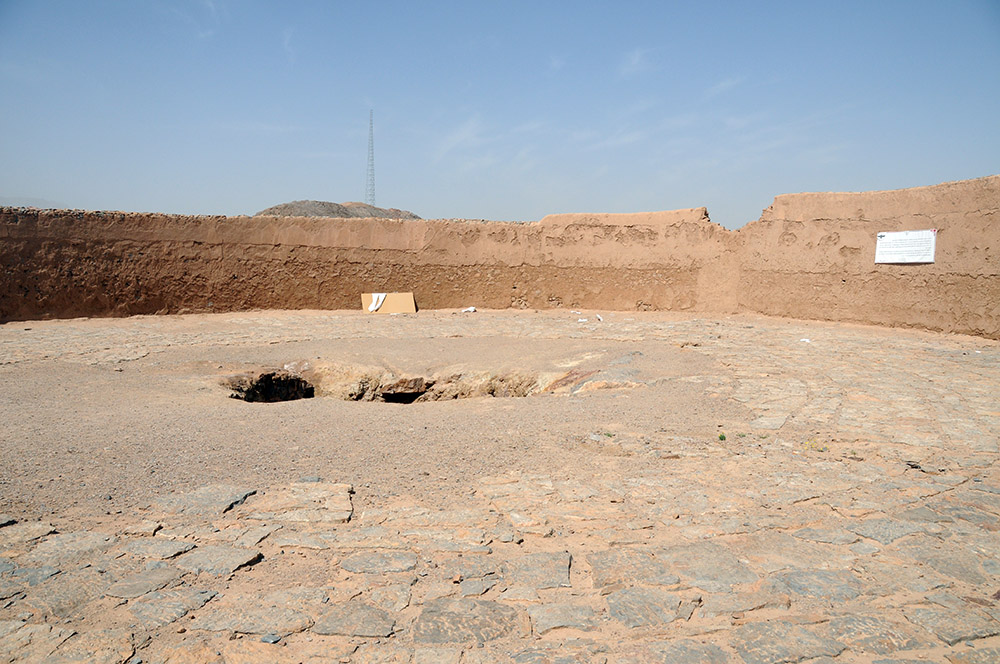
Standing on top of one of these towers was unlike anything else I visited in Iran. The circular stone area was used for the exposure of the dead, while the central well received the remaining bones after decomposition. The practice was eventually discontinued in Iran during the 20th century, but the towers remain as some of the most striking reminders of Yazd’s Zoroastrian heritage.
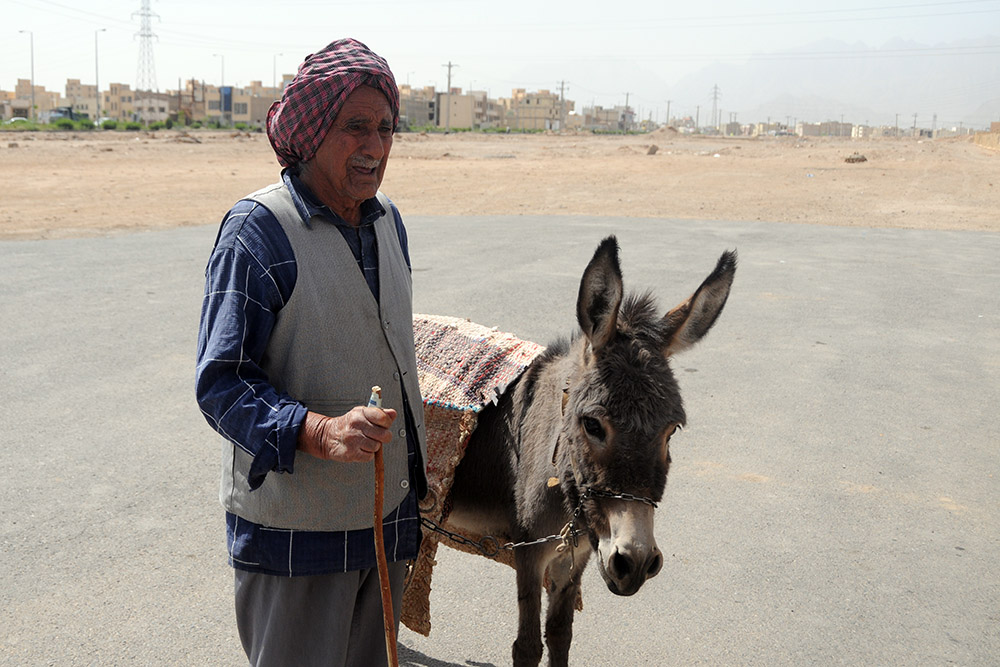
Although Zoroastrians are now a small minority in Iran, the community remains active in Yazd and continues to preserve its traditions. Meeting people connected with a religion that had shaped ancient Persia centuries before Islam made this one of the most interesting parts of my visit.
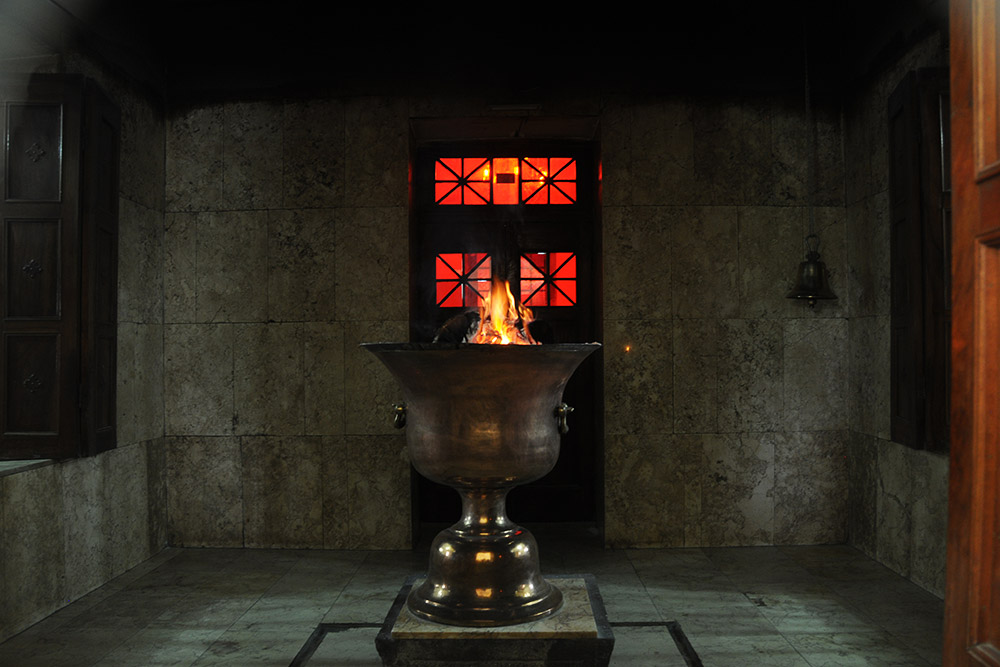
At the Zoroastrian Fire Temple in Yazd is a sacred flame that has reportedly been kept burning continuously for centuries. Fire holds an important symbolic role in Zoroastrian worship as a representation of purity and divine light. I had previously visited a Zoroastrian-associated fire temple in Azerbaijan, but seeing a maintained sacred flame in an active Zoroastrian community made this experience especially memorable.
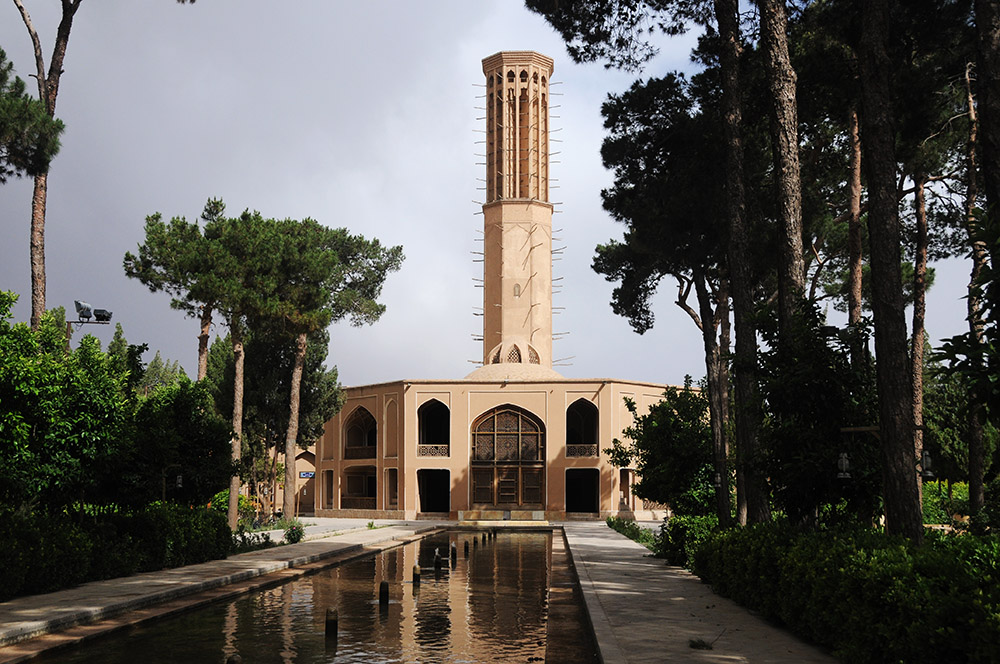
Yazd’s architecture is just as fascinating as its religious history. I had already seen windcatchers elsewhere in Iran, but nothing compared with the enormous example I found here. Known as a badgir, the tower is designed to capture moving air above the rooftops and direct it down into the building, providing natural ventilation in the intense desert heat.
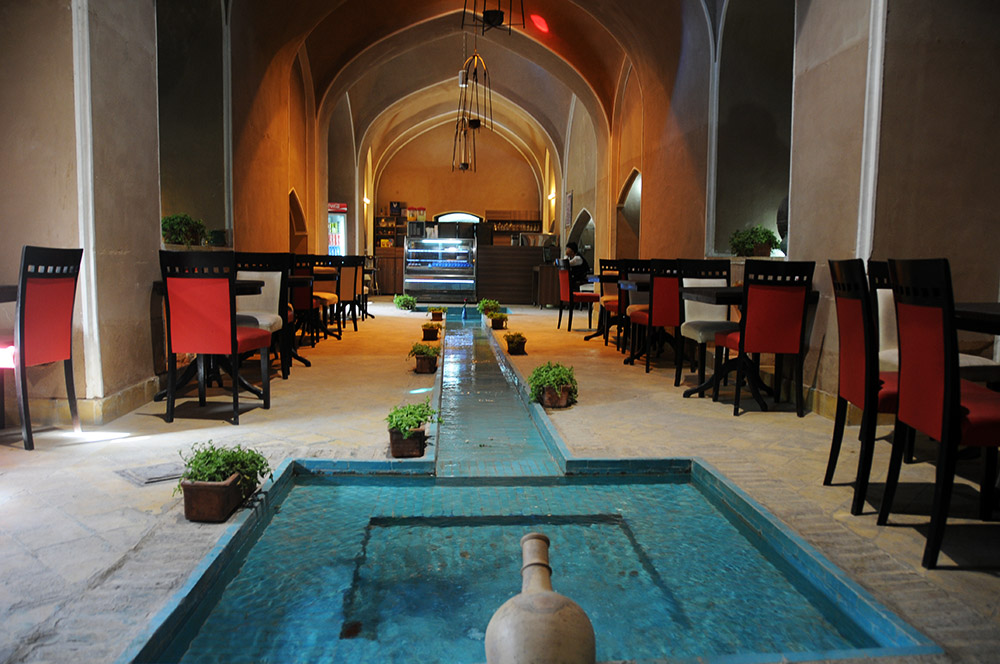
I had visited so many Persian gardens by this point in the trip that I almost considered skipping another one, but I was glad I didn’t. The garden surrounding this windcatcher was beautiful, and the cool interior showed how effective traditional Persian engineering could be long before air conditioning. Naturally, there was also another excellent café waiting inside.
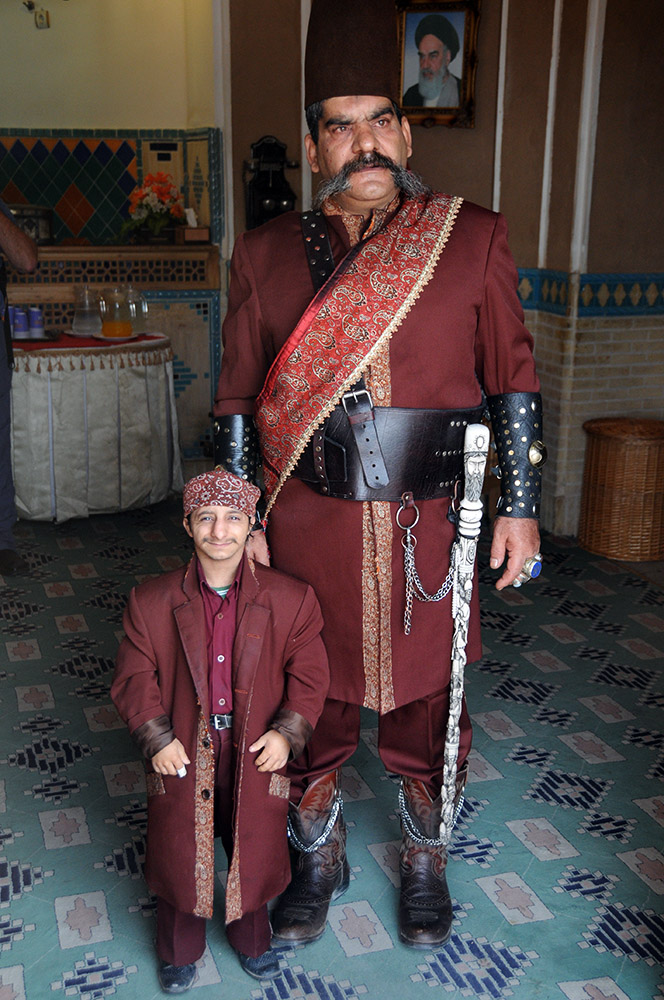
More than anywhere else I visited in Iran, Yazd gave me the feeling that older Persian traditions were still very visible in everyday life. I came across people wearing traditional clothing, historic neighborhoods that had changed surprisingly little in appearance, and cultural practices that had survived for generations.
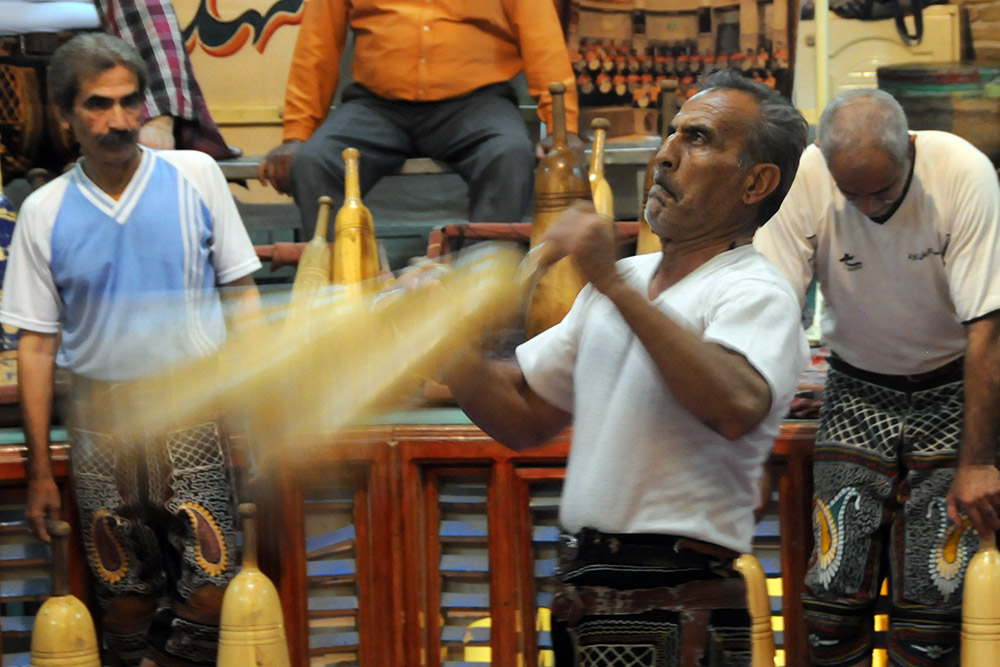
One of the most memorable cultural experiences was visiting a traditional zurkhaneh, or House of Strength. These training halls preserve an old Iranian form of physical exercise combining strength training, rhythm, tradition, and elements of Persian martial culture.
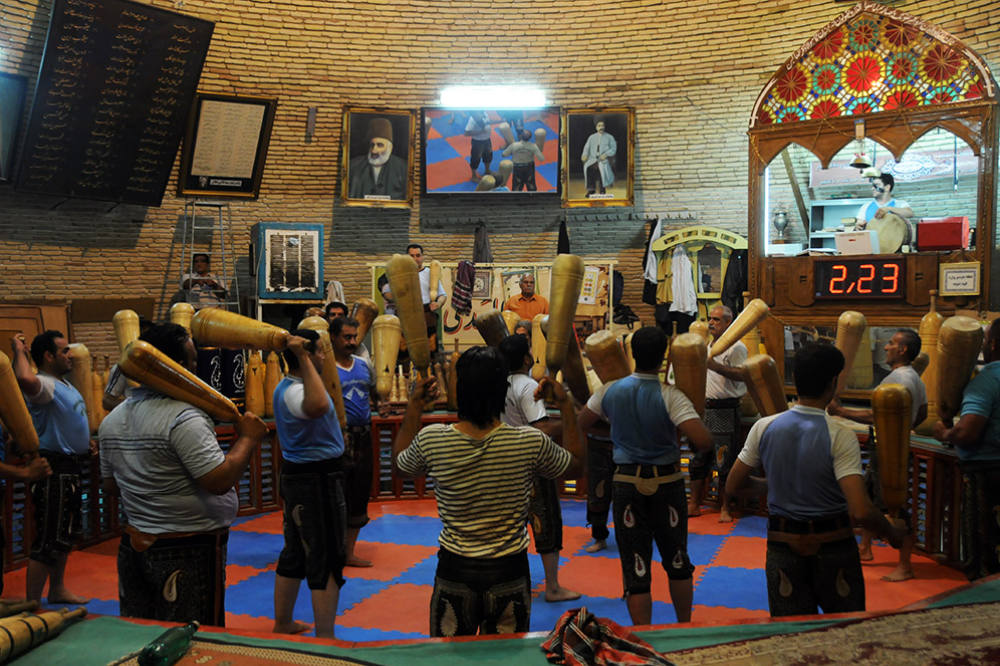
For about an hour I watched men of different ages and fitness levels train using heavy wooden clubs, shields, and other traditional equipment. What I liked most was that it wasn’t a performance for anyone. They were all just genuinely training while visitors were simply welcome to watch and learn about the tradition.
Yazd was full of small reminders of the different eras of Iranian history layered together. Ancient Persian traditions, Islamic culture, modern political imagery, and everyday city life could all appear within a short walk of one another.
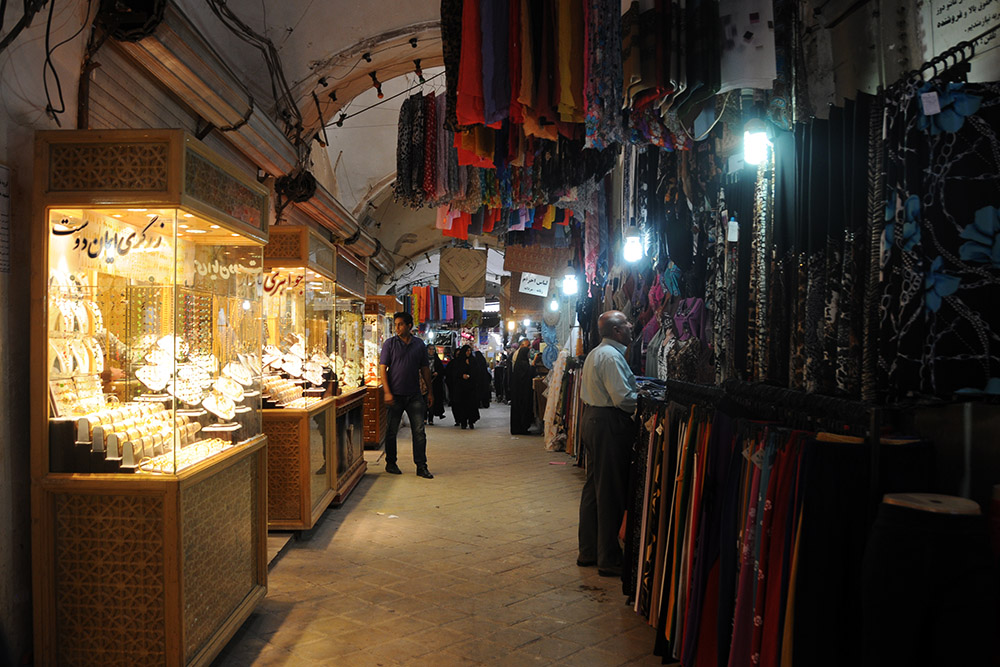
The city’s bazaars were another great place to explore. Narrow covered passages were filled with shops selling food, clothing, household goods, spices, and products tied to the surrounding desert region.
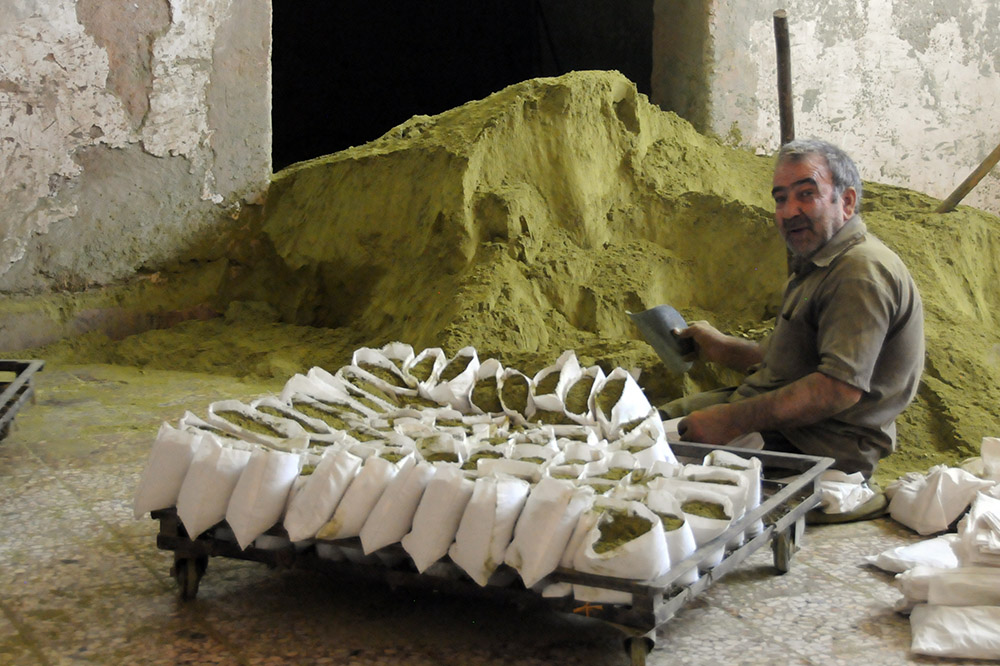
One product I came across frequently was henna. The plant has been used for centuries throughout the Middle East and South Asia for dyes, cosmetics, and traditional decoration, and Yazd remains associated with its processing and trade.
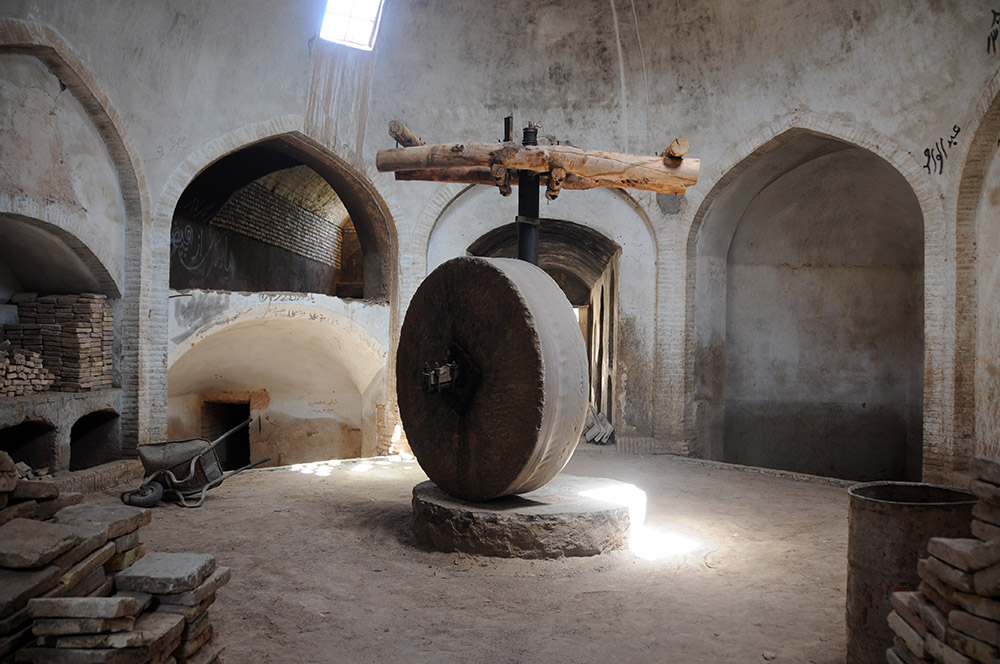
I visited a local facility where henna was being processed. Seeing the raw material handled on a much larger scale gave me another glimpse into the traditional industries that still operate alongside modern businesses in Yazd.
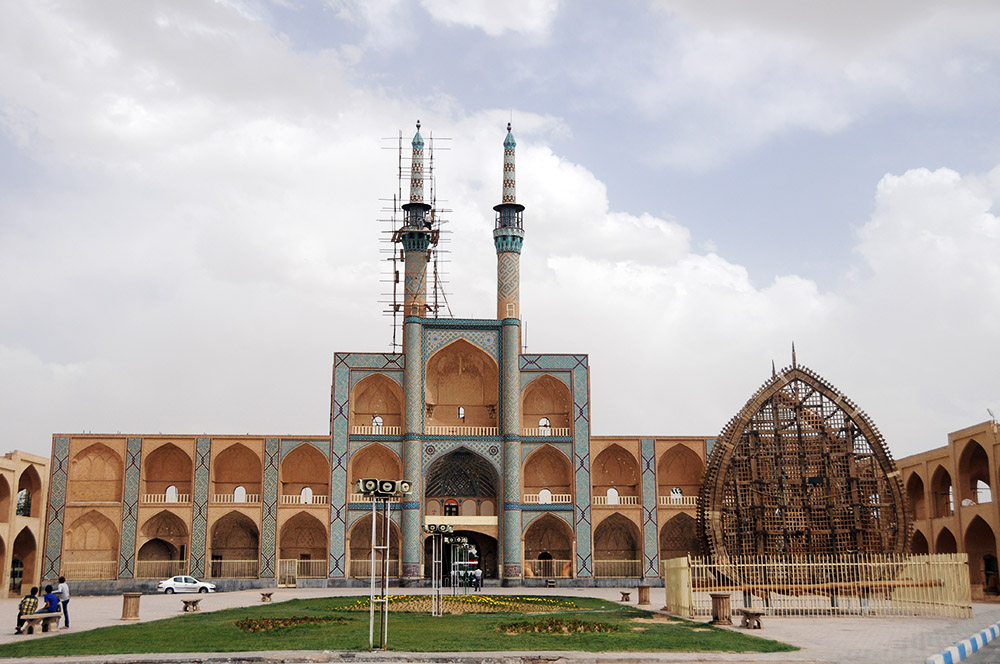
The old city itself was probably my favorite part of Yazd. Mud-brick walls, narrow passageways, mosques, courtyards, and windcatchers created a desert cityscape unlike anywhere else I had traveled in Iran. It was easy to imagine how similar streets might have looked centuries ago.
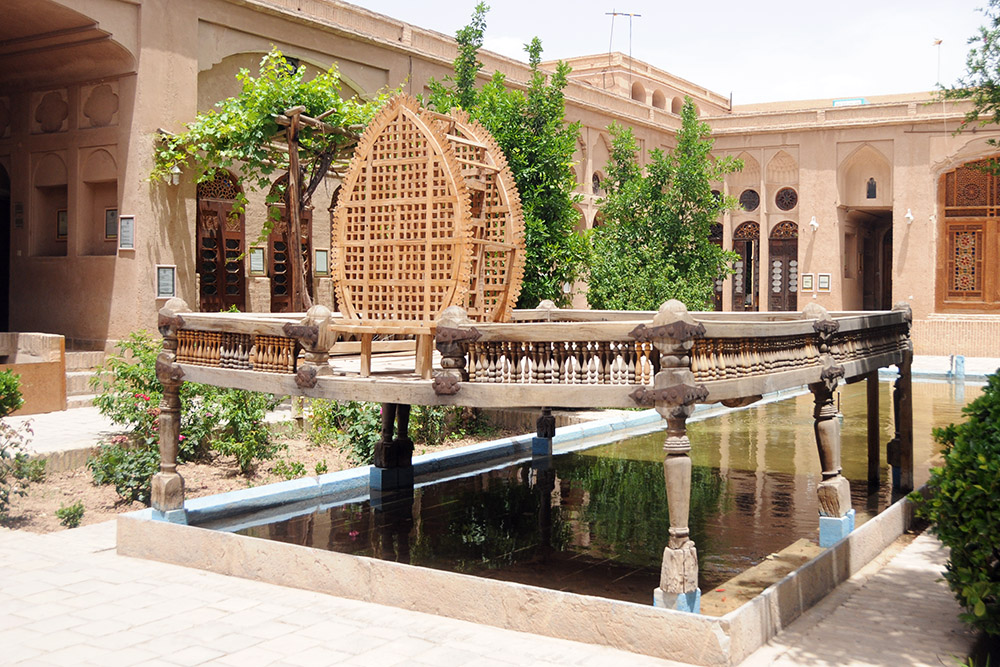
Even smaller architectural details caught my attention. Much of Yazd’s historic construction was designed specifically for life in an arid environment, using thick walls, shaded passages, courtyards, qanat water systems, and windcatchers to make the desert climate more manageable.
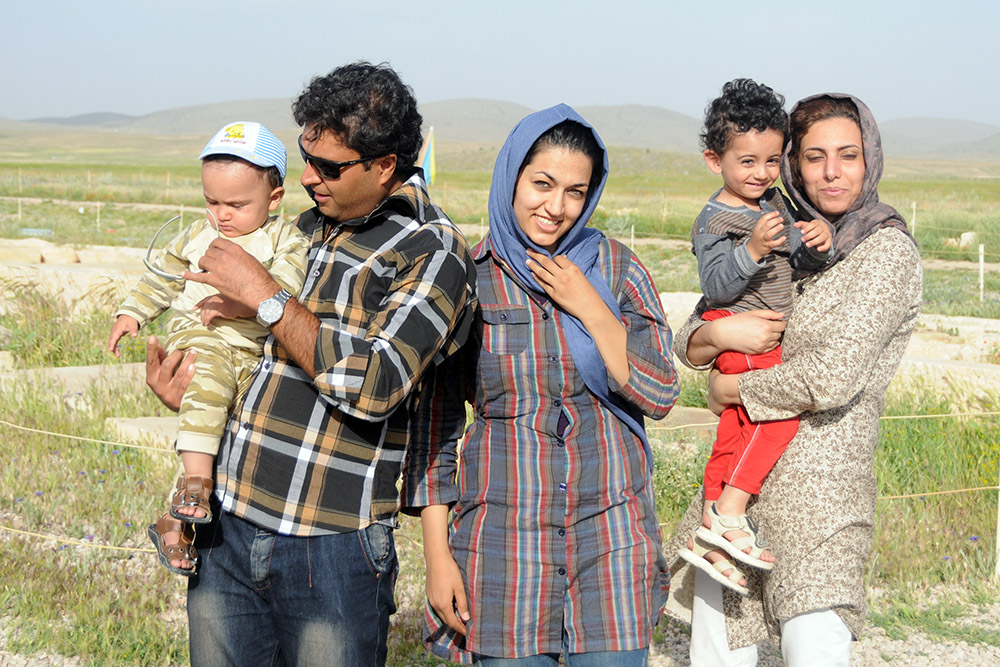
As much as I enjoyed Yazd’s history and architecture, the people were once again what made the experience feel alive. Like elsewhere in Iran, I found people curious, welcoming, and willing to interact with a traveler from abroad.
By the time I left, Yazd had become one of the most distinctive stops of my entire trip. Its Zoroastrian heritage, desert architecture, traditional exercise halls, bazaars, gardens, and old neighborhoods gave me a glimpse into layers of Iranian history that were much harder to see in the country’s larger modern cities.
Explore More of Iran
Abyaneh • Esfahan • Persepolis • Shiraz • Tehran • Yazd