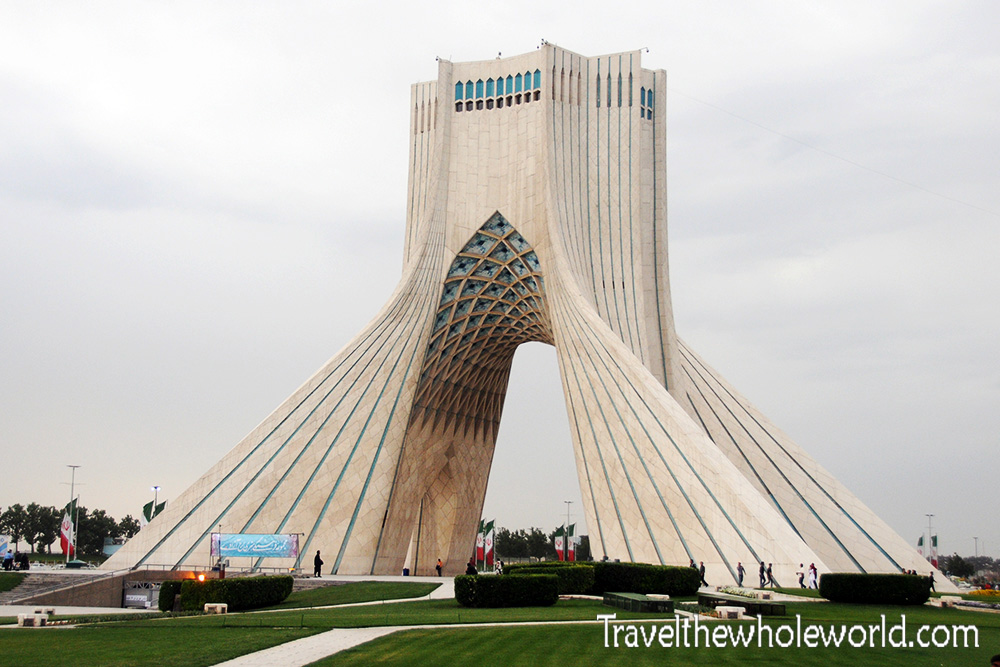
One of Iran’s most famous landmarks is the Azadi Tower. Completed in 1971, the tower was originally known as the Shahyad Tower and was built as part of celebrations marking 2,500 years of the Persian monarchy. Following the 1979 Islamic Revolution, it was renamed Azadi Tower, meaning Freedom Tower. The monument stands in the middle of the enormous Azadi Square and is especially impressive at night, when the white stone is illuminated against the dark sky.
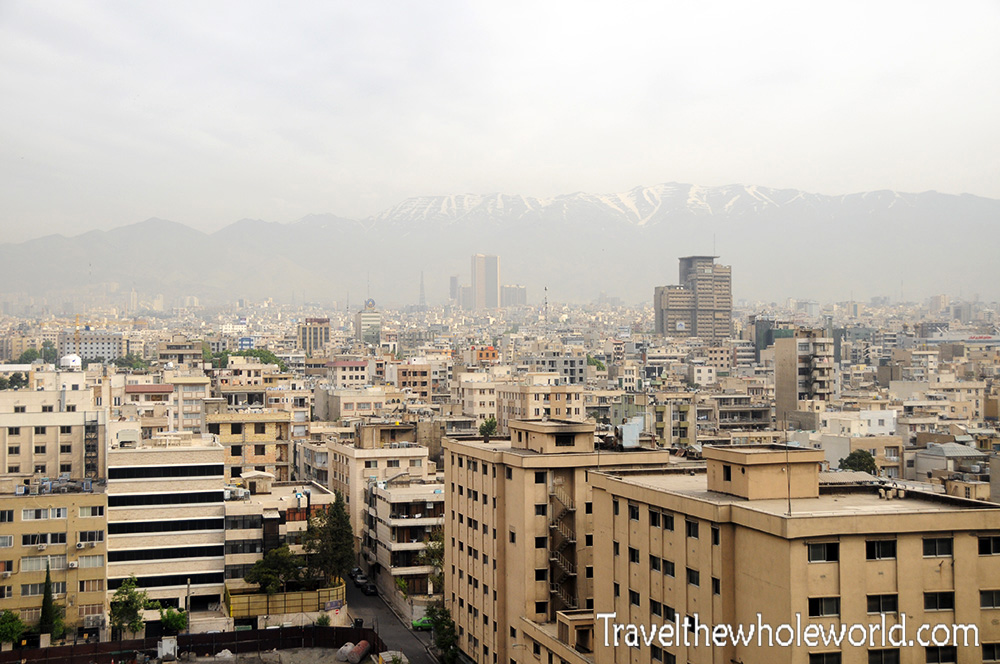
Tehran is an enormous city stretching along the foothills of the Alborz Mountains. The view from my hotel looked almost exactly like the images of Tehran I had seen before arriving. On clear days, especially in the cooler months, the snow-covered mountains form an incredible backdrop behind the city. Tehran itself sits at a relatively high elevation, with much of the city around 4,000 feet (1,200 meters), giving it four distinct seasons and occasional winter snow.
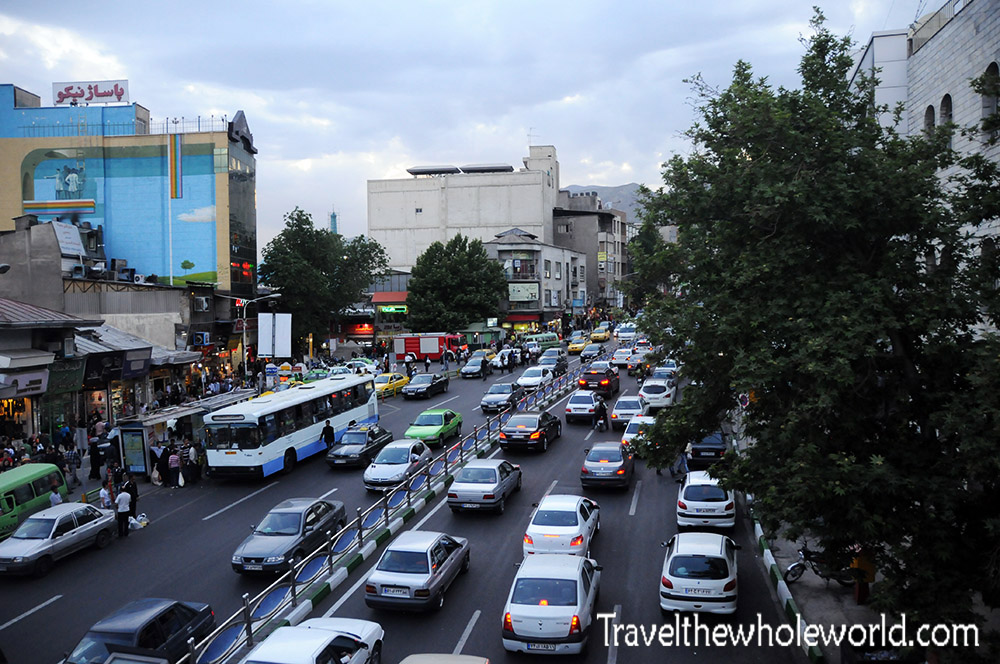
With millions of people living throughout the city, parts of Tehran can feel extremely crowded. Major streets stay busy with cars, motorcycles, buses, and pedestrians, while markets can be packed with people. Despite its size, I found much of the city’s infrastructure easy enough to navigate and Tehran generally felt more modern than I had imagined before arriving.
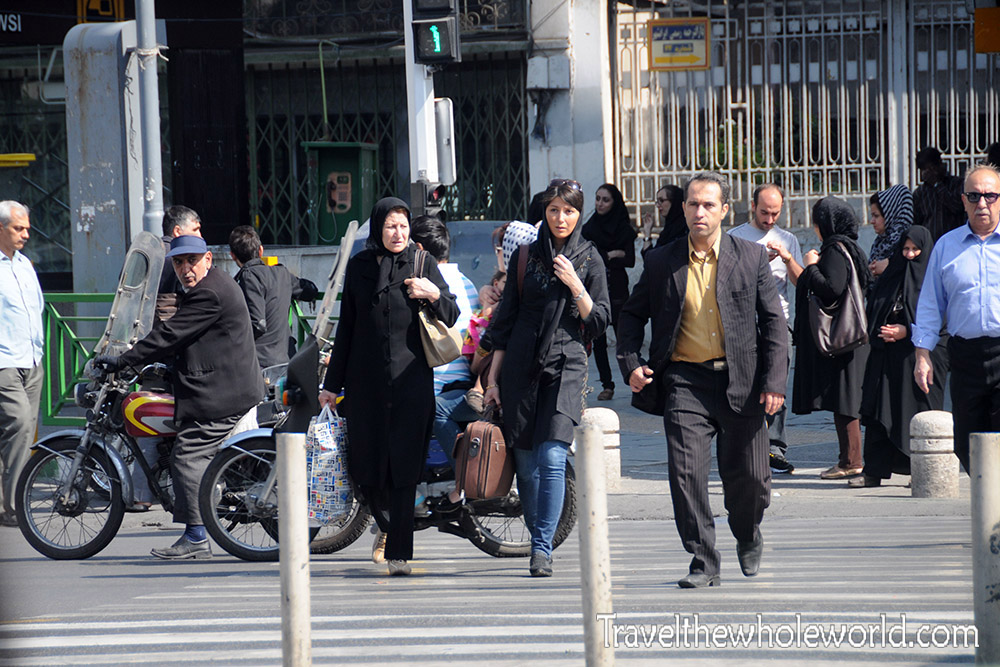
What stood out much more than the traffic or buildings were the people. Throughout Tehran, strangers regularly approached me out of curiosity and started conversations. That openness became one of my strongest impressions of Iran and continued throughout the rest of my trip.
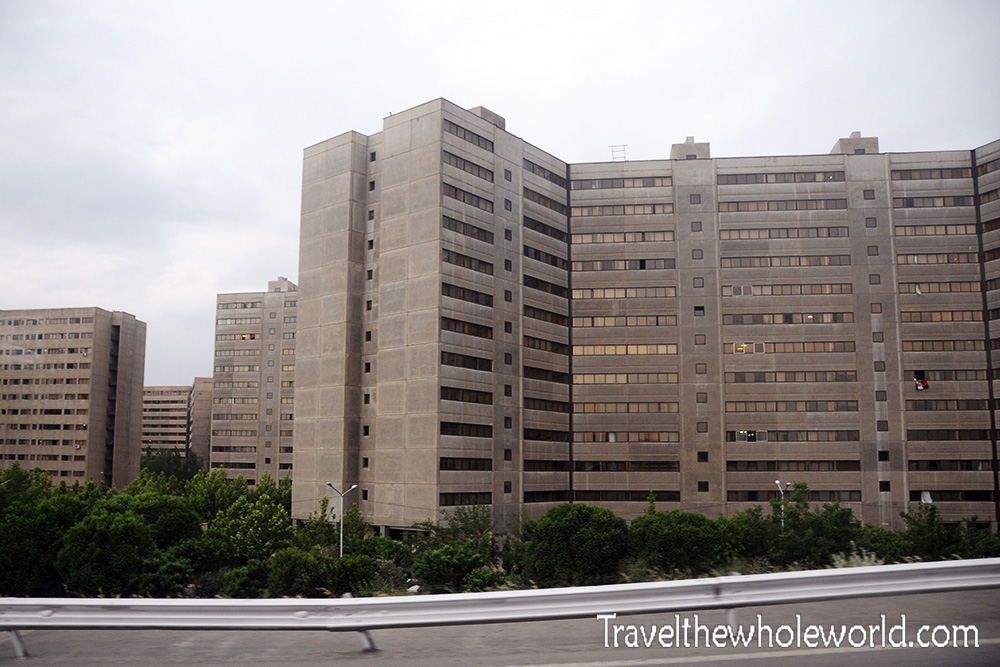
I also had a chance to visit some residential neighborhoods and apartment complexes. Like large developments in many other cities, the lower levels were filled with small shops, restaurants, and cafés. One coffee shop I stopped at was so good that I could have gone there every day. The drinks and desserts were inexpensive and excellent, while people sat around drinking coffee or tea and smoking as Metallica and Tool played quietly from a radio. It wasn’t exactly the scene I had pictured before coming to Iran.
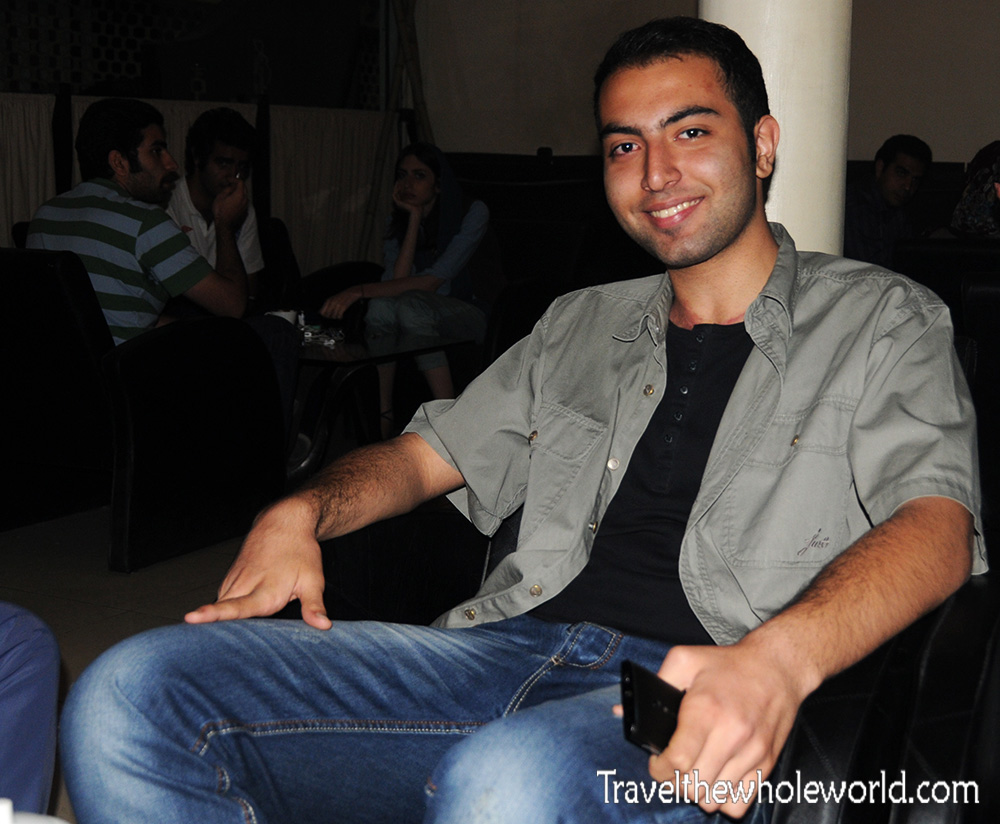
This was one of the locals I met during my time in Tehran. Like many people I encountered, he was curious about us and simply struck up a conversation. Experiences like this happened often enough that meeting people became as memorable as visiting the city’s major landmarks.
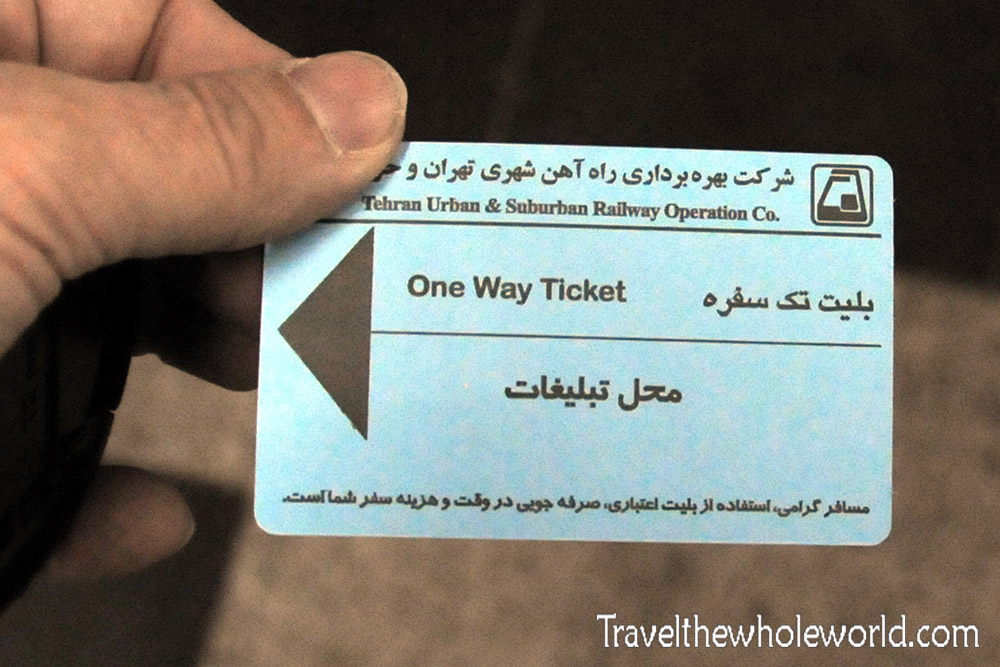
One of the easiest ways to get around Tehran was the metro. Fares were inexpensive and trains ran frequently, although they could become extremely crowded. With such an enormous population moving around the capital every day, public transportation was an important alternative to navigating Tehran’s busy streets.
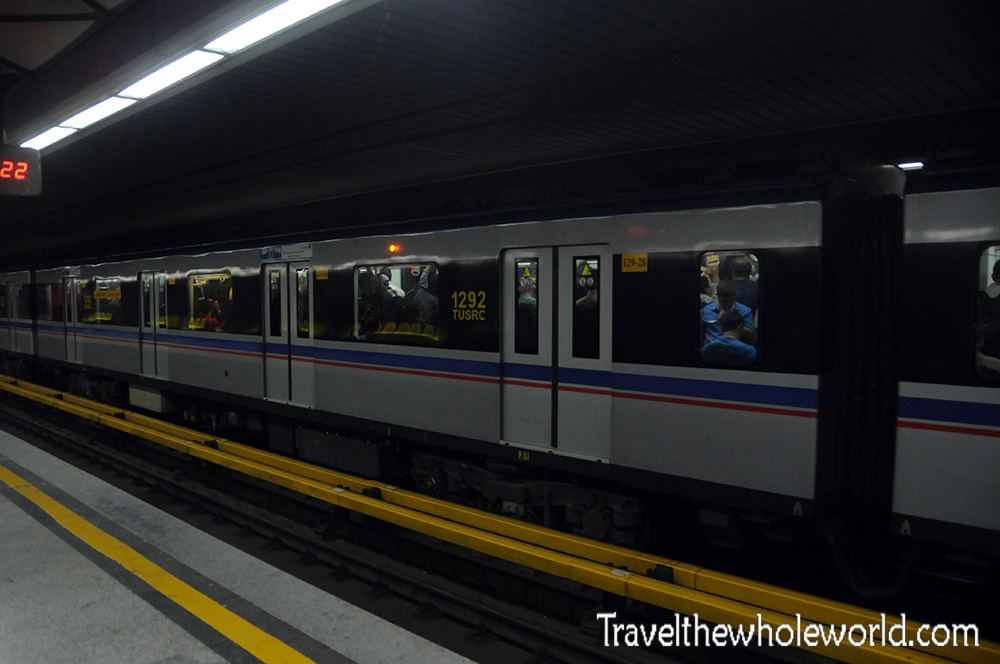
The metro also gave me another look at everyday life in Tehran rather than just the historic sites and tourist attractions. Riding alongside commuters made the city feel much more familiar than I had expected.
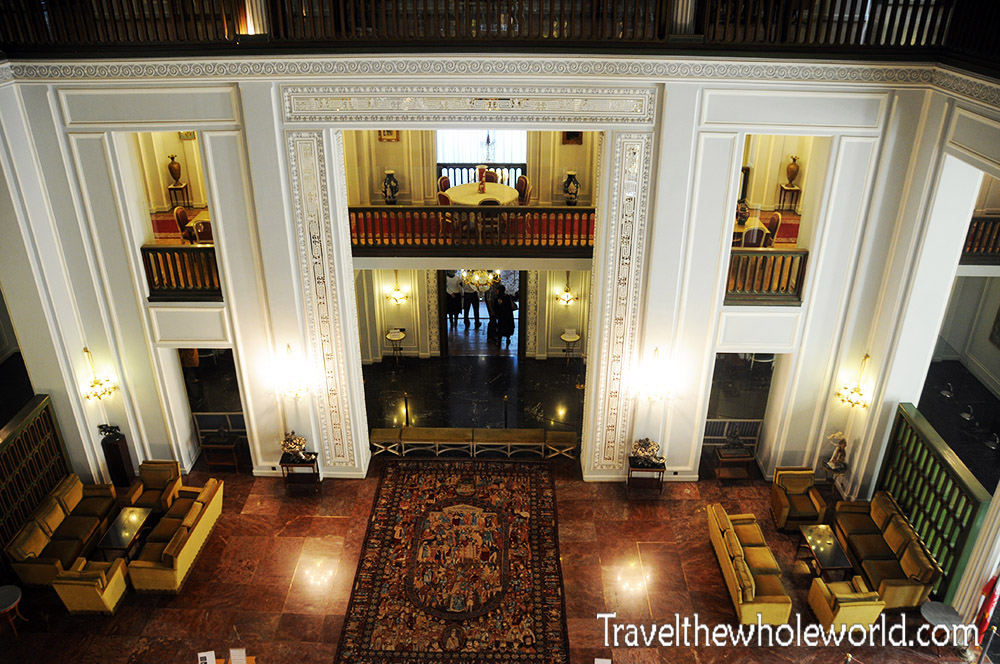
Tehran’s royal palaces offer a completely different look at Iran’s recent history. Mohammad Reza Pahlavi, the country’s last Shah, ruled Iran until the monarchy was overthrown during the 1979 Islamic Revolution. His relationship with the United States, enormous personal wealth, and increasingly authoritarian government made him deeply controversial, although opposition to the Shah included many different political and religious movements.
Visiting the former royal residences gave me some idea of the scale of the monarchy. The complexes contained numerous palaces and other buildings, many of them lavishly decorated.
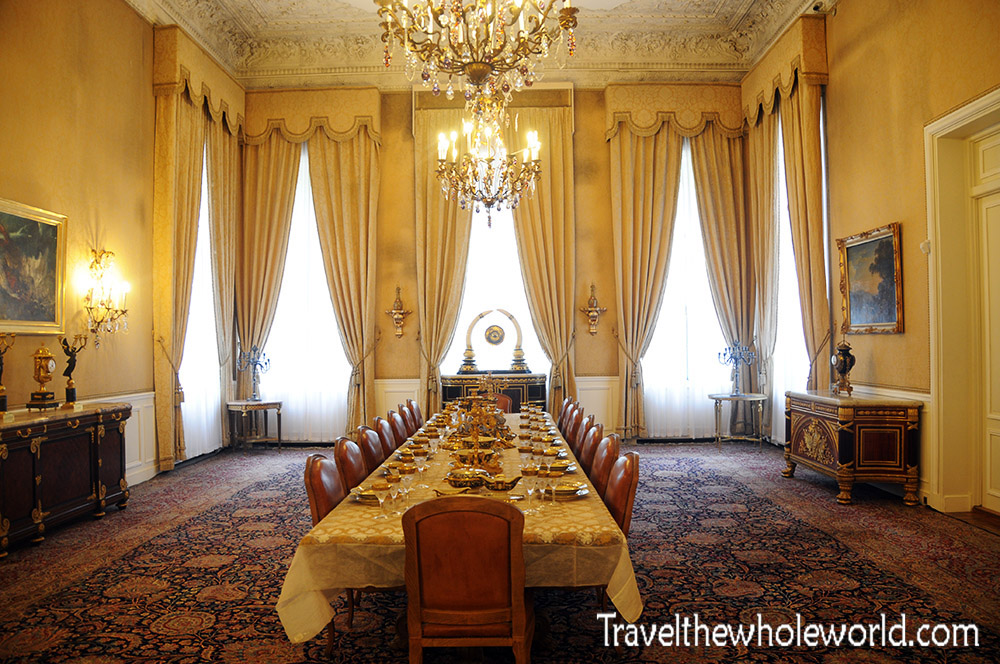
The interiors were filled with elaborate furniture, chandeliers, artwork, mirrors, and decorations. Walking through them felt almost like visiting a preserved piece of Iran immediately before the revolution.
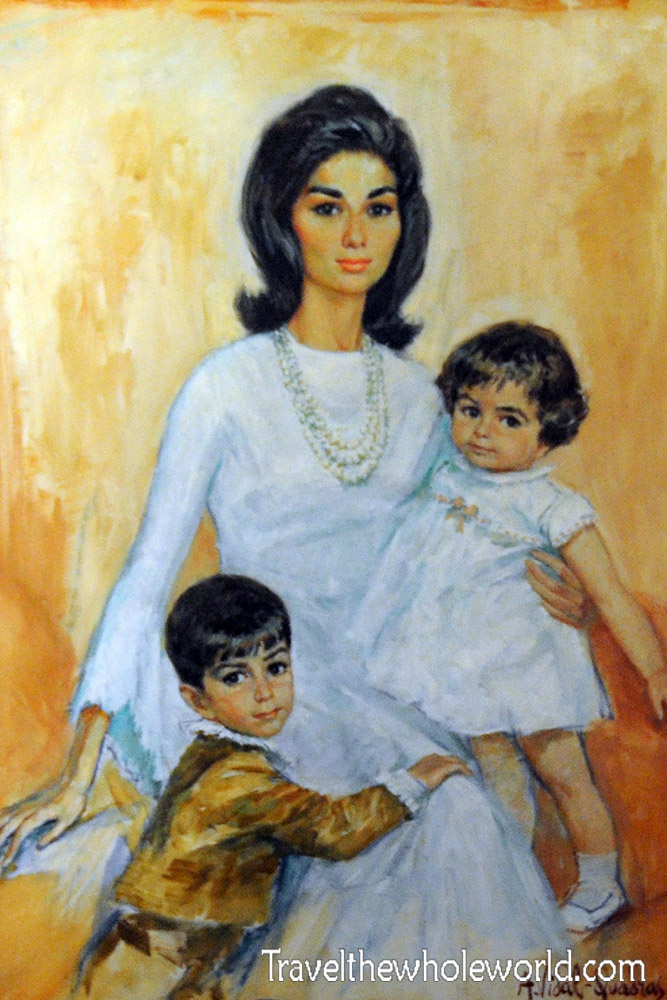
Photographs of Farah Pahlavi, the last Shah’s wife, and the royal family were still displayed inside parts of the palace complex. After the revolution, the royal family went into exile and Iran underwent dramatic political and social changes. New restrictions affected many aspects of everyday life, including mandatory dress requirements for women.
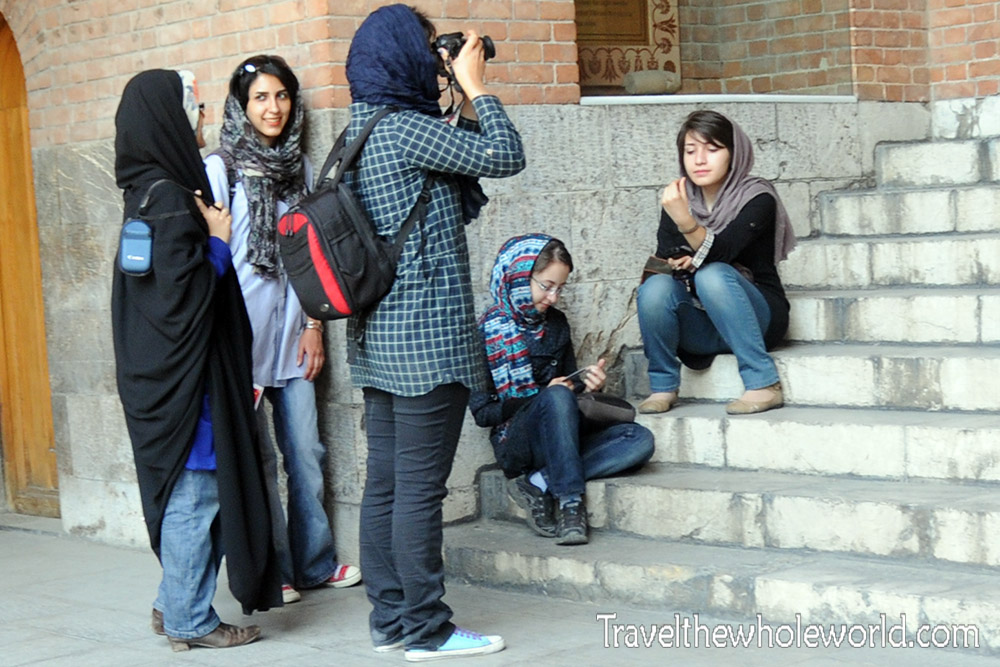
Despite the conservative laws, Tehran surprised me with how modern many of its younger residents appeared. Jeans and T-shirts were common, and I experienced much less culture shock than I had anticipated. Of course there were clear differences in dress and social rules, but everyday life often felt far more familiar than the image of Iran I had grown up seeing from abroad.
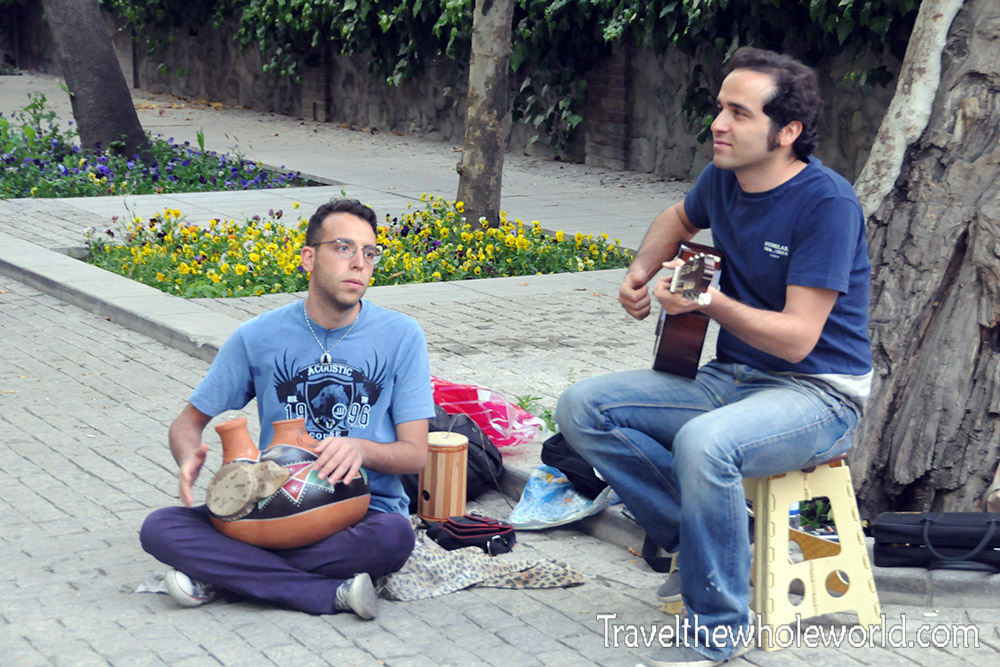
Music was another part of everyday life that interested me. I came across these musicians performing in downtown Tehran. Iran has strict regulations surrounding public performances and alcohol is prohibited, but the people I met still found plenty of ways to enjoy themselves.
One Iranian told me he had once flown to Turkey early in the morning just to attend a hard rock concert, stayed awake all night, and returned to Iran the following morning. I also remember my own flight into Iran from Turkey. At the beginning of the flight many women had their hair uncovered, but by the time we landed in Iran they had put on their required head coverings.
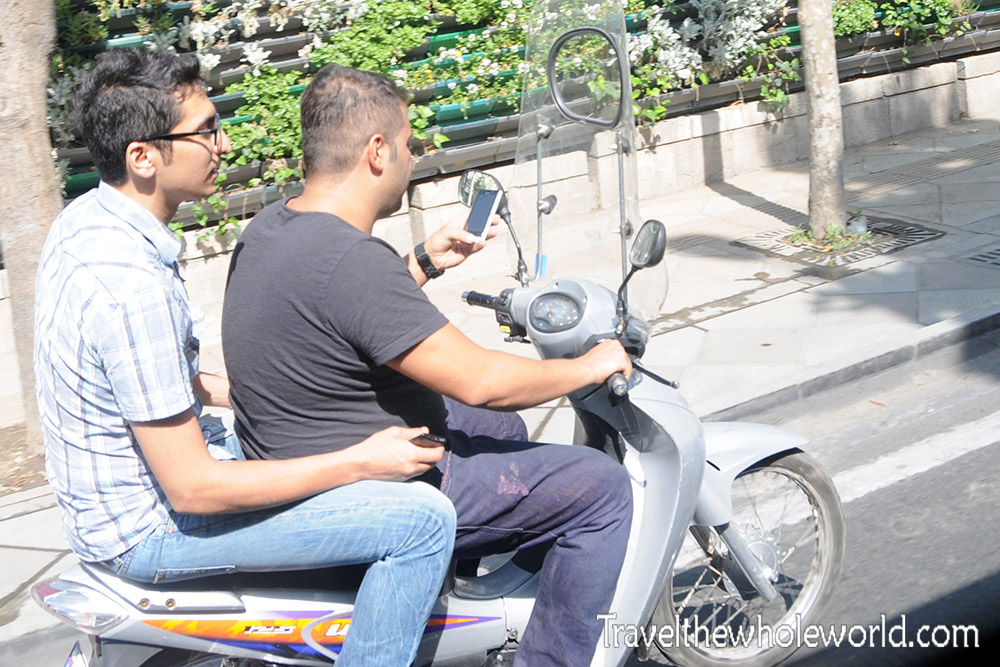
Some things apparently don’t change no matter where you travel. I spotted this guy looking at his phone while riding a motorcycle through Tehran. If I had been the passenger on the back, I probably would have had something to say about it!
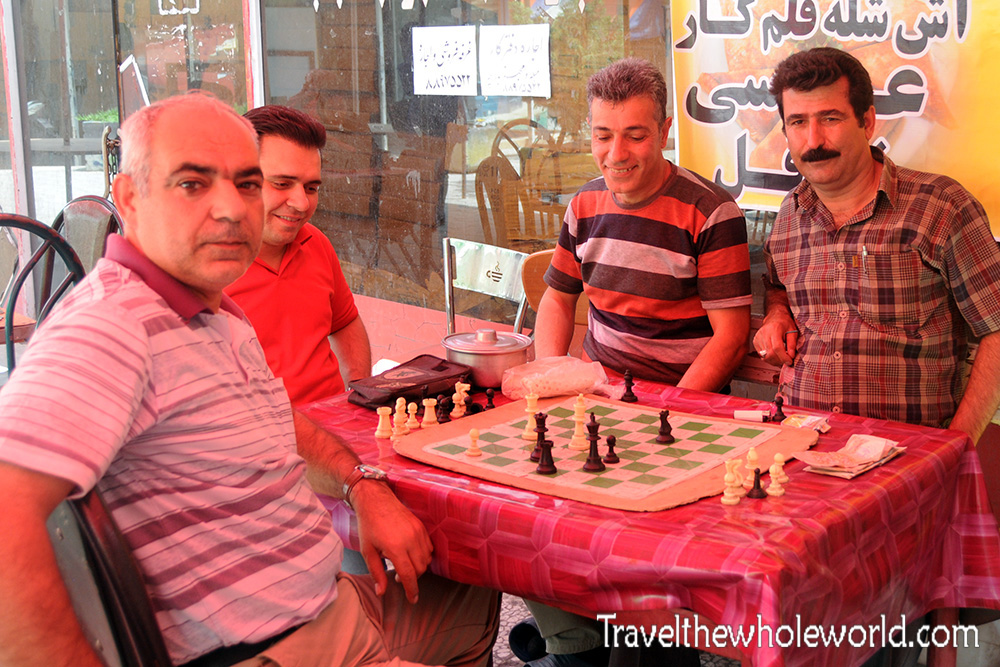
While getting ice cream in another part of Tehran, I came across these guys playing chess. We couldn’t really communicate because of the language barrier, but they were friendly and didn’t mind me taking their photograph. Small encounters like this were a constant part of exploring the city.
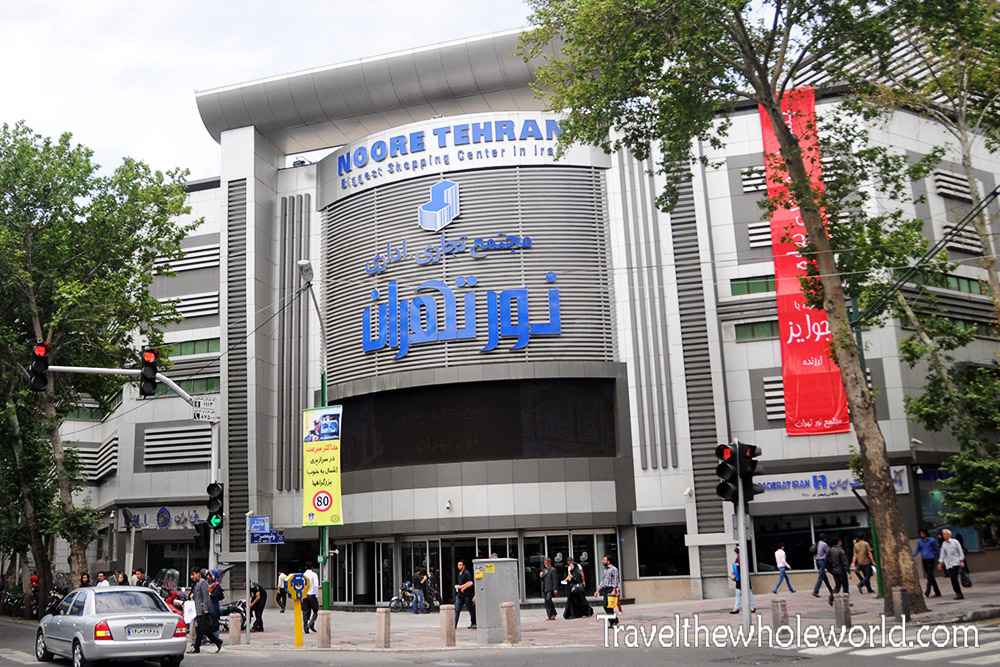
Before arriving, I expected Tehran to look more economically isolated because of the international sanctions imposed on Iran. Instead I found busy shopping districts, crowded malls, restaurants, and stores that stayed open late. Obviously a traveler can’t judge an entire economy by what is visible from the street, and sanctions have had major effects on Iran, but Tehran looked far more commercially active than I had expected.
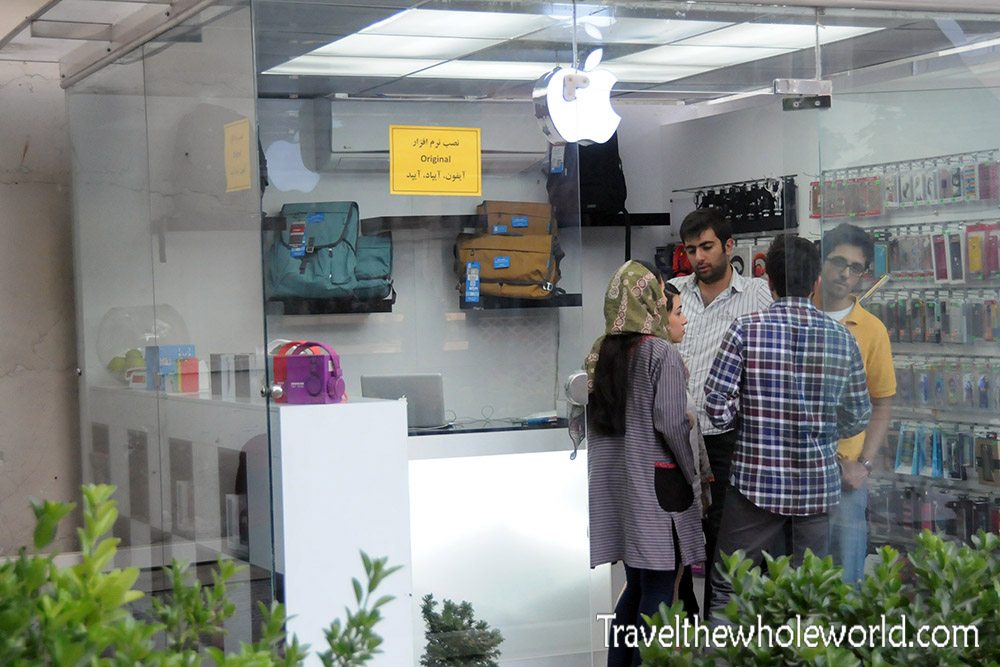
I even encountered stores selling Apple products and other Western electronics. These weren’t official Apple Stores, but imported products still found their way into the Iranian market through third countries and unofficial retailers. The sign emphasizing that the products were “original” seemed intended to reassure customers that they weren’t buying knockoffs.
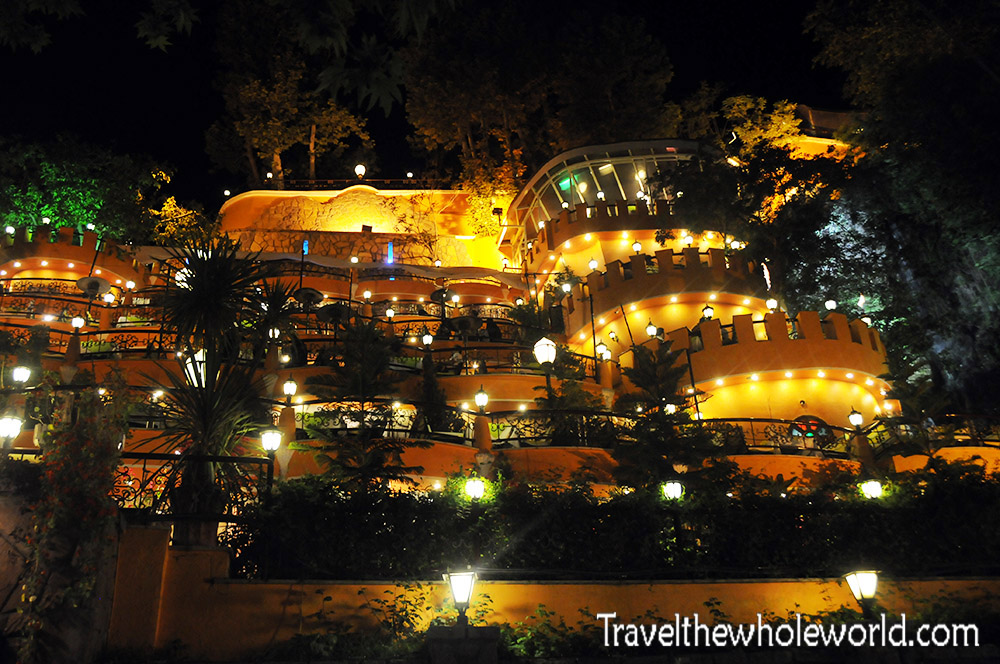
One of my favorite areas in Tehran was a restaurant district in the northern part of the city. A narrow walkway climbed through steep terrain beside a small river, with restaurants built along the slopes. At night the entire area came alive with lights and people walking between the restaurants.
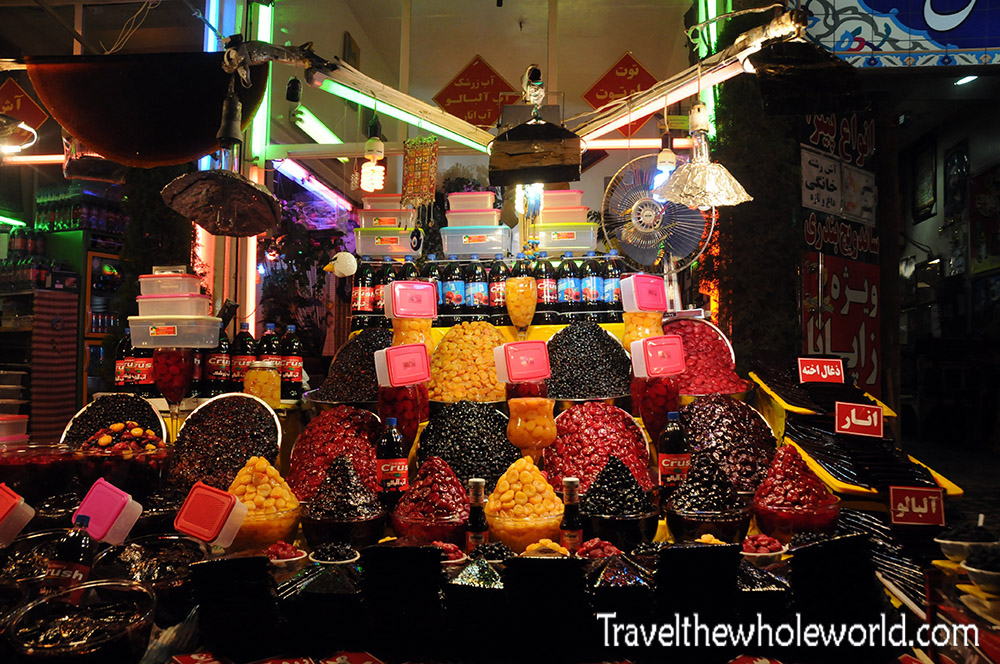
Small stands selling sweets and snacks appeared along the way, although most of the area was filled with larger restaurants. It was one of those places I never would have pictured existing in Tehran before actually visiting.
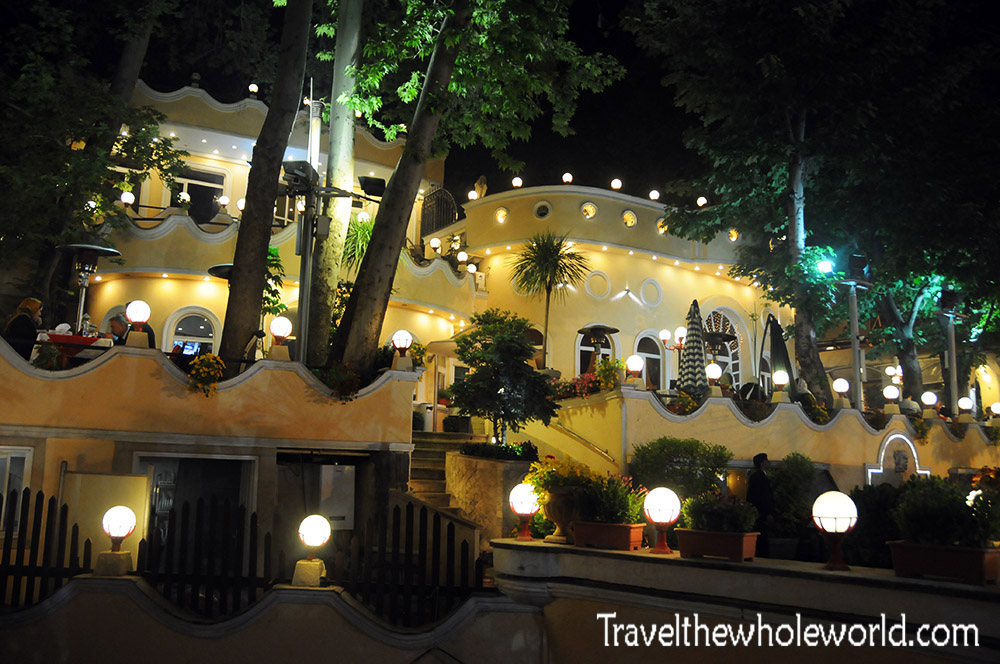
I ate dinner here and got another taste of Tehran’s nightlife, which was obviously very different from nightlife in countries where bars and alcohol are common. Restaurants, cafés, parks, and other social spaces instead seemed to stay active well into the evening.
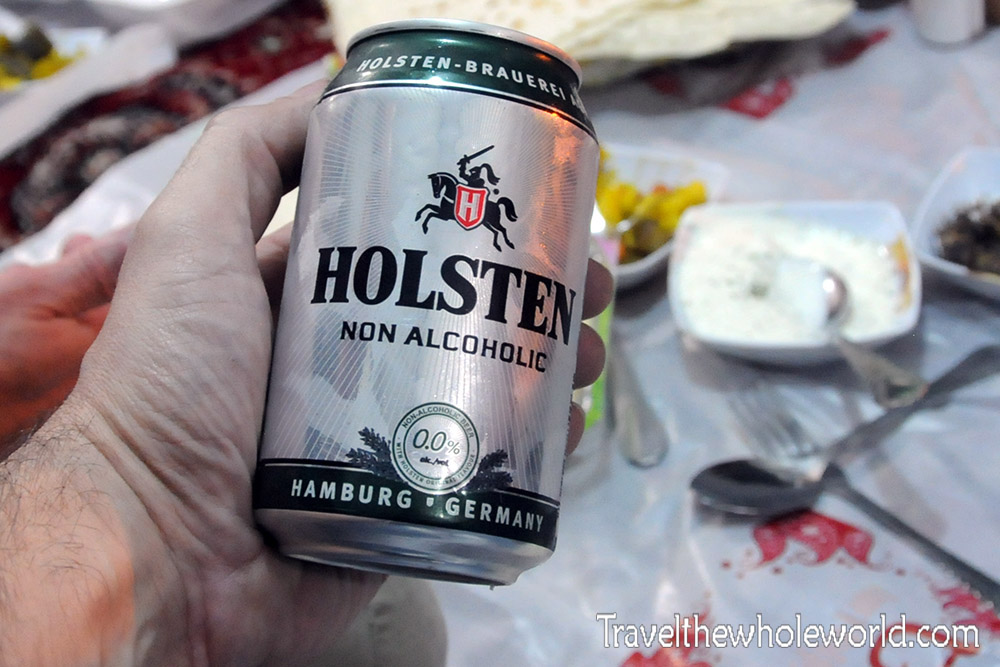
This was also where I discovered how common non-alcoholic beer was in Iran. At another hotel, the minibar in my room contained two sodas while almost everything else was different varieties of alcohol-free beer. I tried some, although I can’t say the taste was quite as satisfying as the real thing!
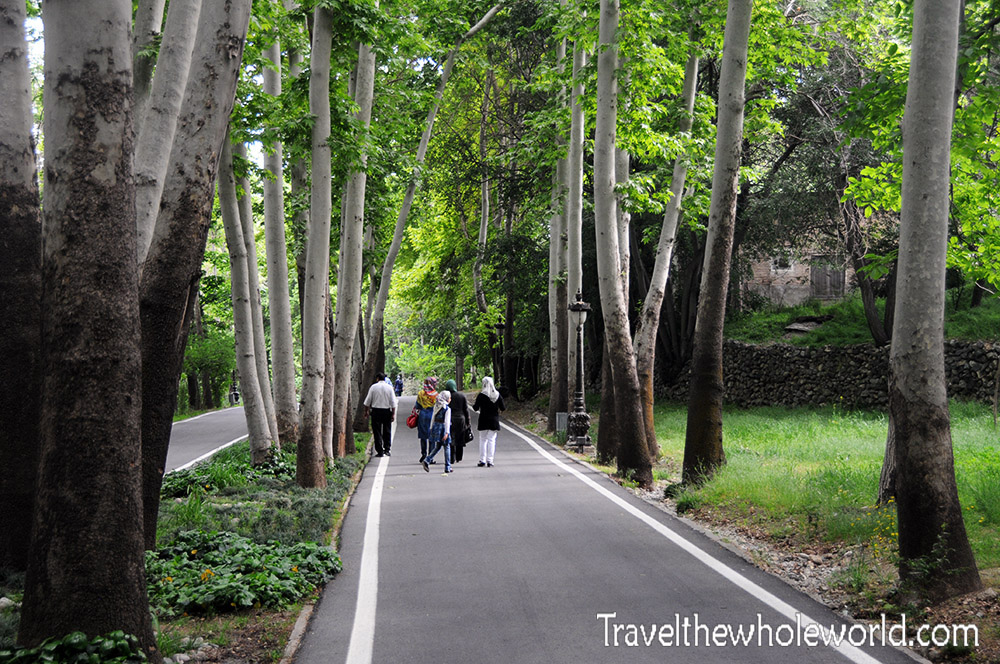
Tehran also has numerous parks and green spaces. I visited during spring when the weather was nearly perfect, and the parks were filled with people spending time outside. They provided a welcome contrast to the traffic and density of the surrounding city.
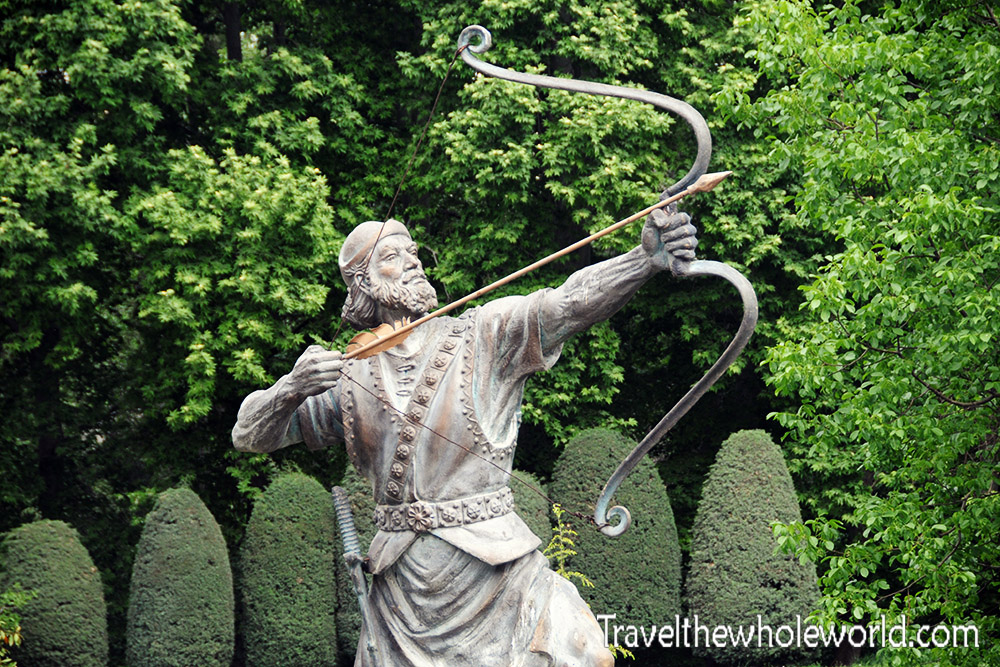
I found several statues dedicated to figures from Persian history and mythology. This one depicts Arash the Archer, a legendary hero in Iranian mythology whose story has been told in Persian culture for centuries.
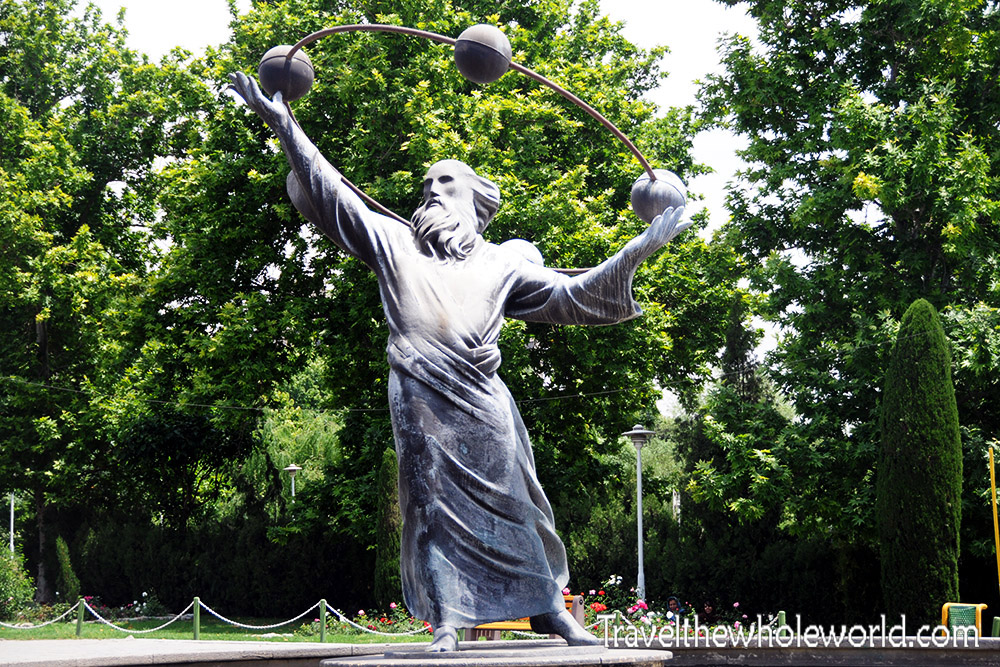
Another statue honored Omar Khayyam, the famous Persian mathematician, astronomer, philosopher, and poet who lived during the 11th and 12th centuries. His contributions to mathematics and astronomy were remarkable, although outside Iran he is perhaps best known for poetry associated with the Rubaiyat of Omar Khayyam.
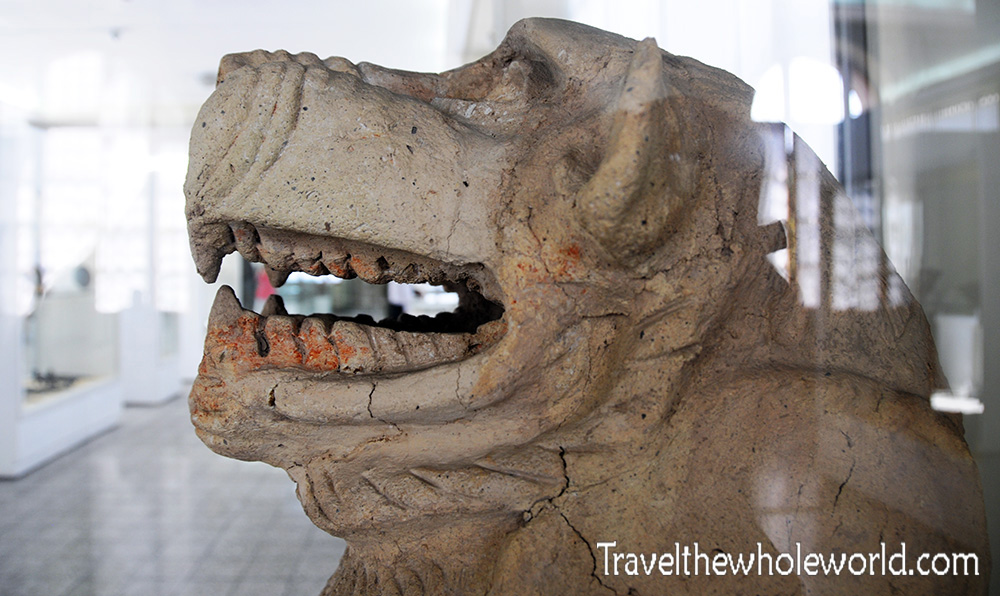
For anyone interested in history, Tehran seems to have an endless supply of museums. The collections I visited covered the many civilizations and empires that have occupied the Iranian plateau, with everything from small objects created by ancient and nomadic peoples to enormous stone artifacts from Persian archaeological sites.
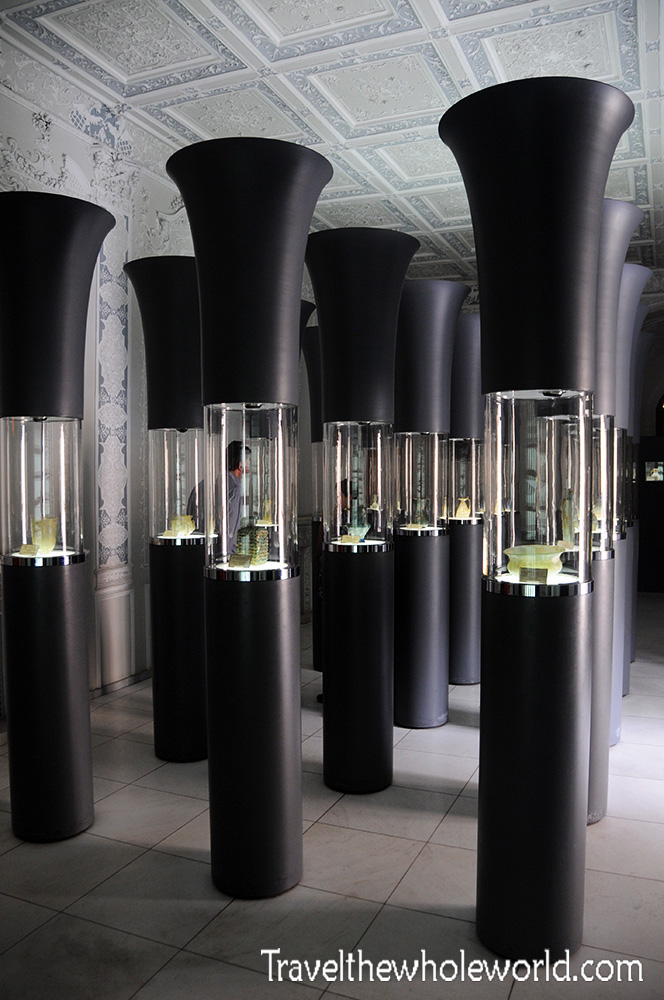
The museums weren’t limited to ancient history either. Tehran had collections dedicated to glass, ceramics, carpets, painting, and other forms of Persian art. There was far more to see than I could realistically fit into one visit.
I also passed the former United States Embassy, famous for the 1979 hostage crisis. Anti-American murals covered parts of the compound. A Canadian friend of mine walked up and photographed it in front of Iranian police without a problem, but for whatever reason I wasn’t allowed to do the same. The former embassy complex has since been opened to visitors as a museum centered on the history of the revolution and Iran’s relationship with the United States.
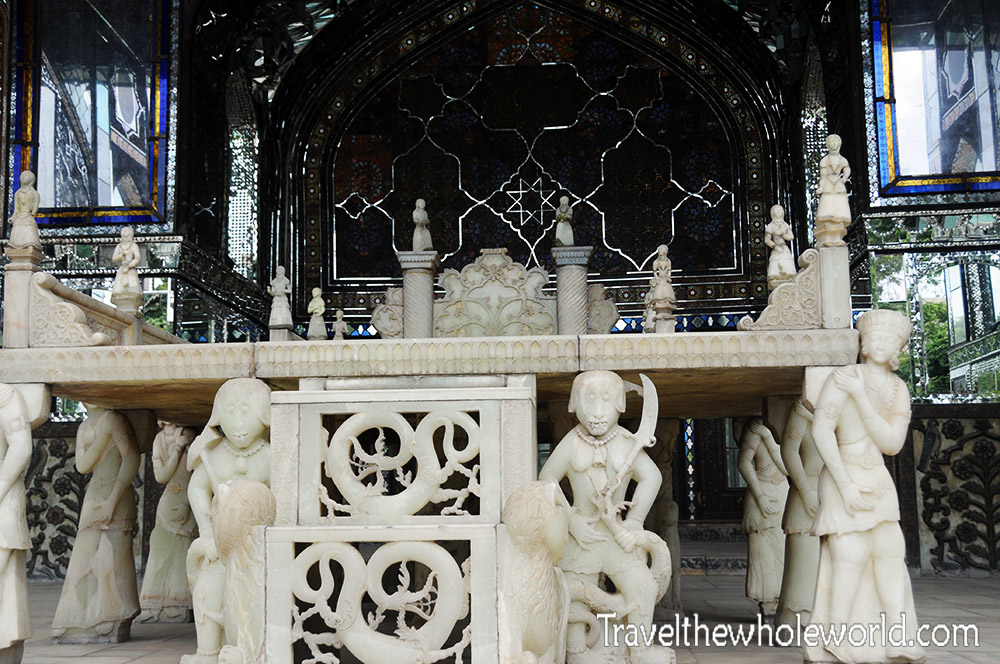
Among Tehran’s historic sites, Golestan Palace stands out as one of the most important. The UNESCO World Heritage complex contains buildings developed and expanded over several centuries and became especially associated with the Qajar dynasty, whose rulers used it as a royal residence and center of government.
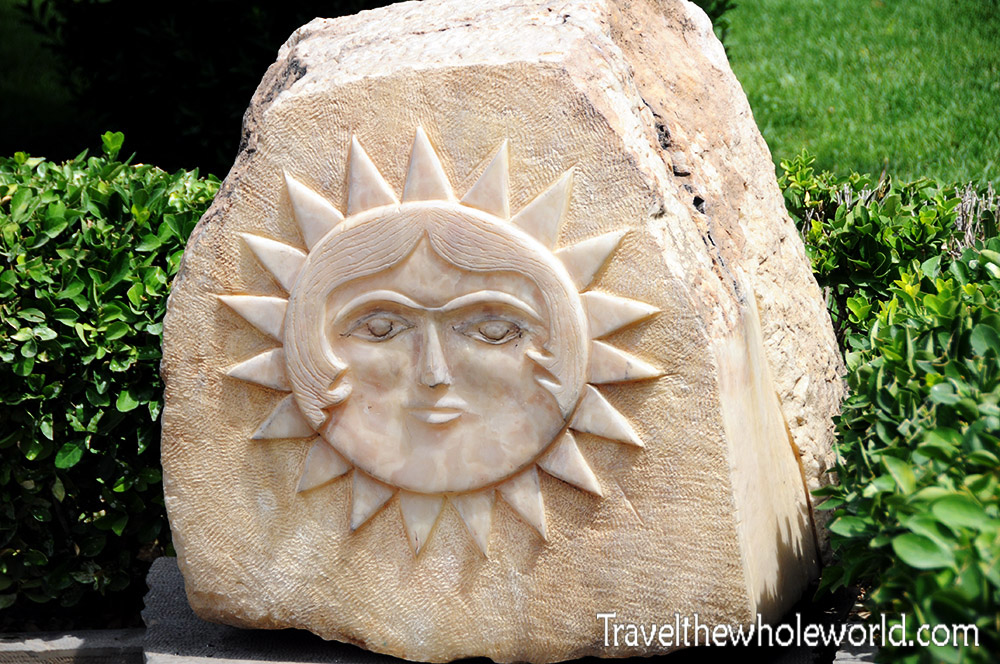
The palace complex was full of decorative details, courtyards, gardens, tilework, and stone carvings. Even objects whose stories I didn’t know, like this carved stone sun, made wandering through Golestan interesting.
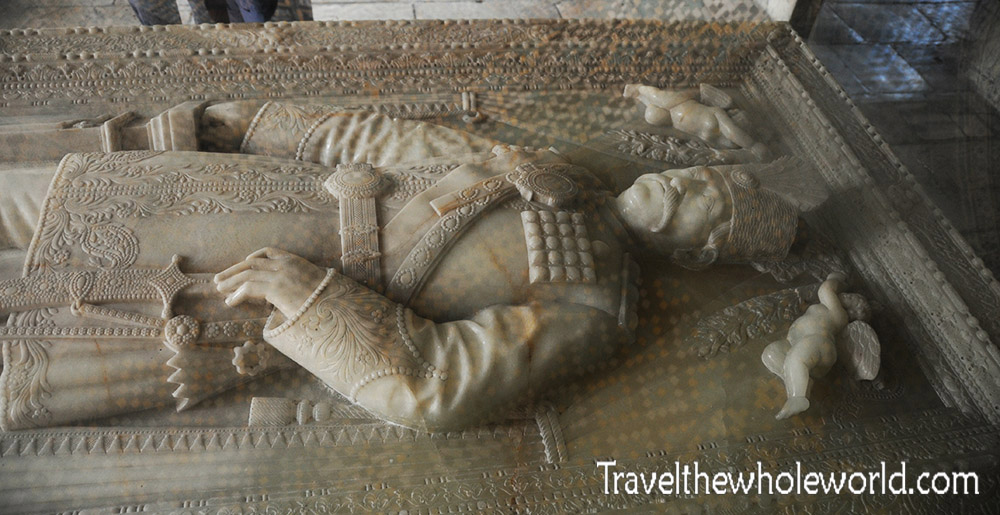
This stone monument is associated with Naser al-Din Shah Qajar, one of the longest-reigning rulers in Iranian history. He ruled Persia for nearly fifty years during the 19th century and oversaw attempts at modernization, including developments in communications, transportation, education, and technology. His reign ended when he was assassinated in 1896.
Later rulers altered the Golestan complex substantially, and some older buildings were demolished as Tehran modernized. Fortunately, enough survived for the palace to remain one of the city’s most impressive historic sites.
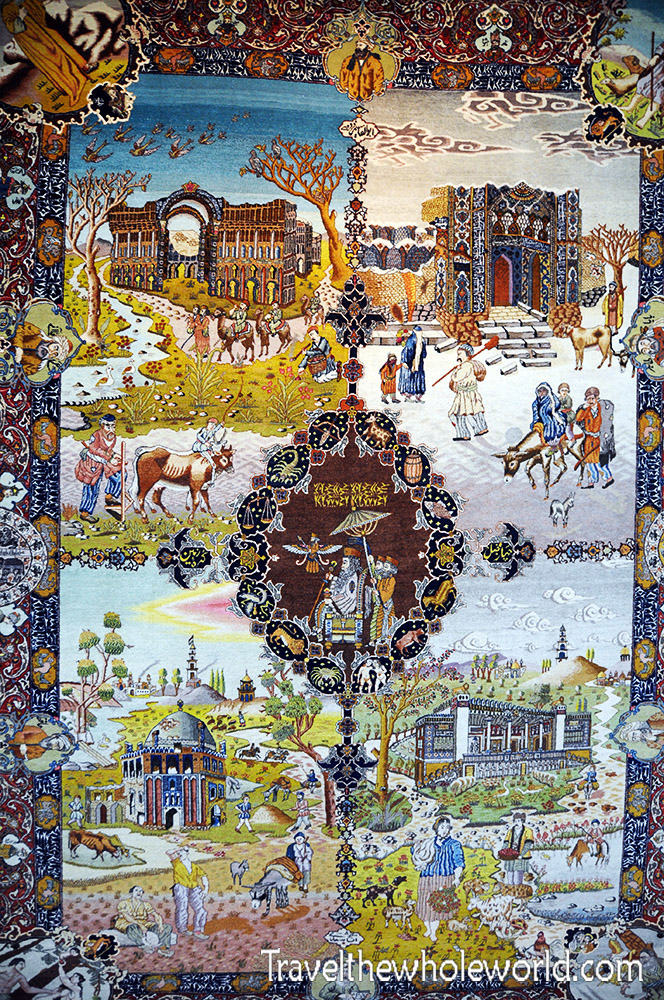
Another fascinating stop was the Carpet Museum of Iran. I learned about the enormous variety of Persian carpet-making traditions and how designs can differ between tribal or nomadic weaving traditions and carpets produced in urban workshops.
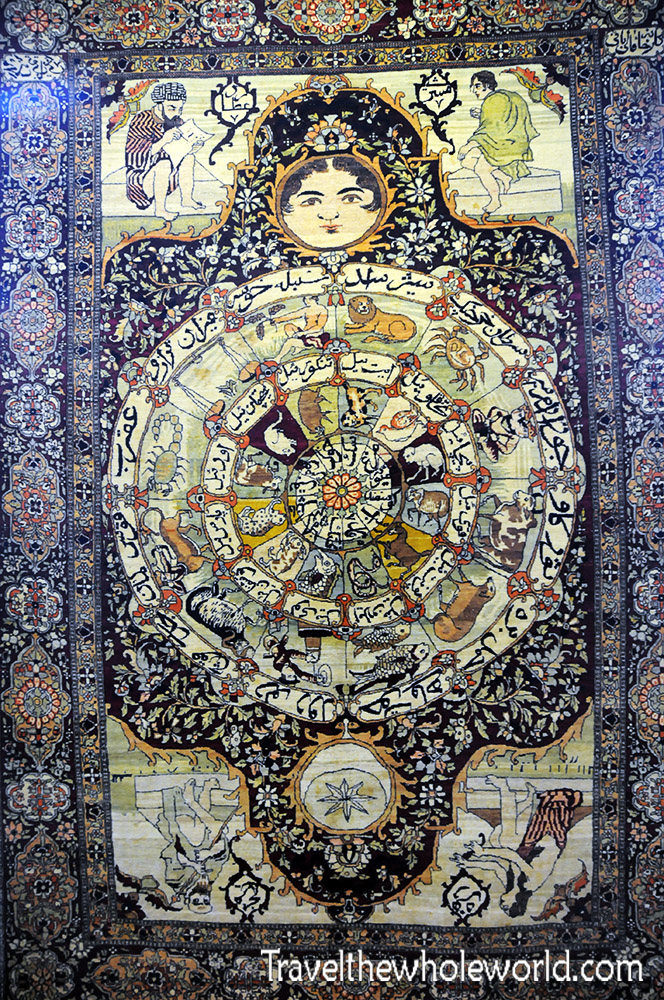
Some carpets use highly structured geometric patterns while others incorporate animals, people, plants, or entire scenes. I was especially interested to learn how certain carpet designs echo the layout of traditional Persian gardens, essentially bringing the imagery of a garden inside the home.
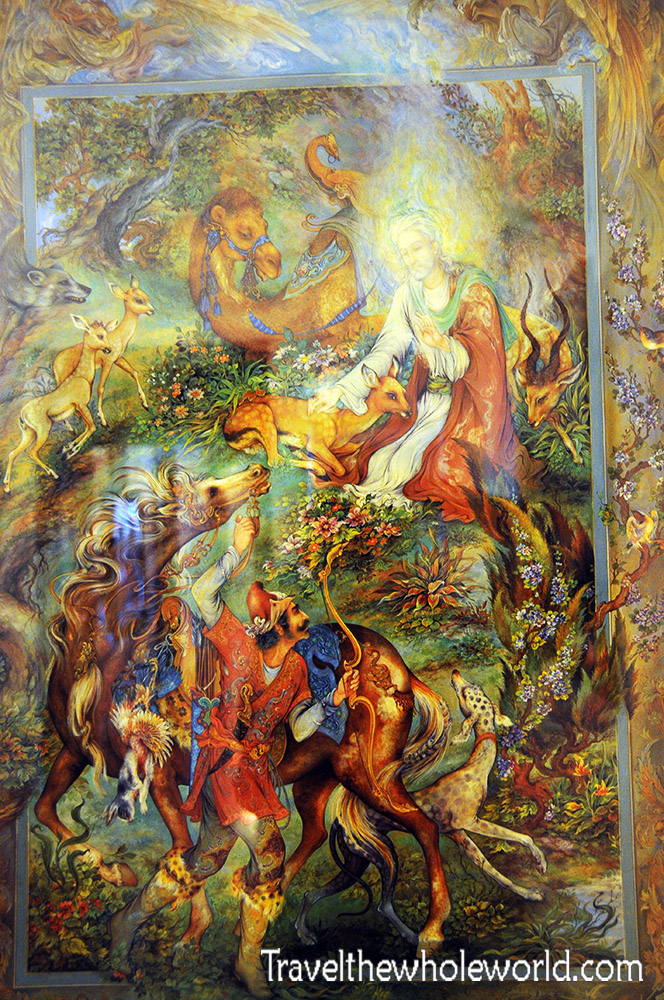
My favorite artwork in Tehran was by Mahmoud Farshchian, one of Iran’s most celebrated modern artists. His paintings draw heavily from the centuries-old Persian miniature tradition while developing a distinctive modern style of his own. The extraordinary amount of detail immediately caught my attention.
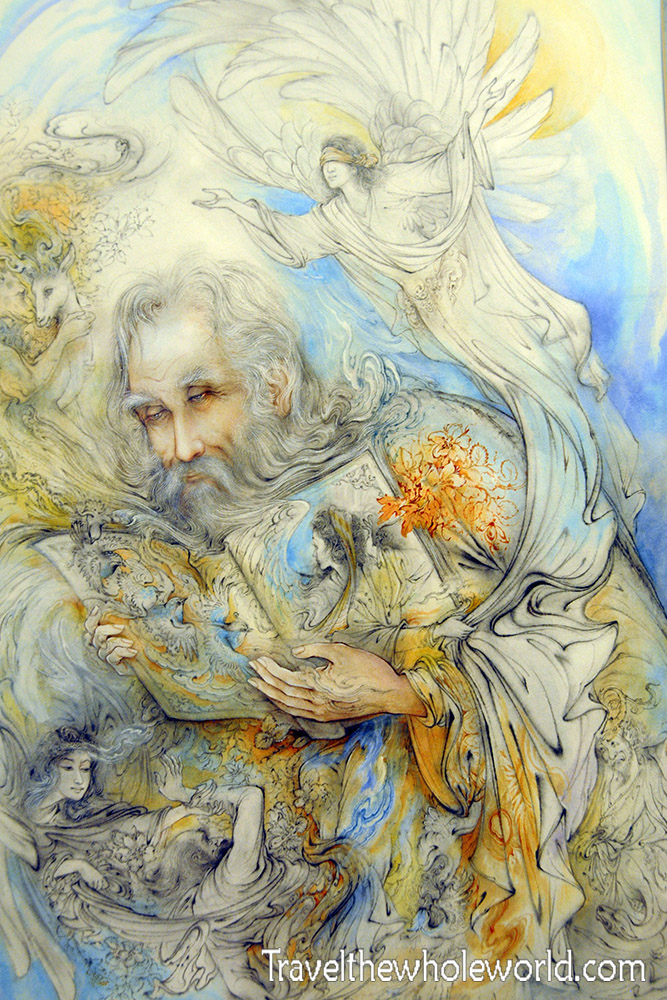
The longer I looked at the paintings, the more details seemed to emerge. Figures, animals, flowing clothing, landscapes, and abstract shapes blended together in scenes that could be beautiful, strange, or occasionally quite dark.
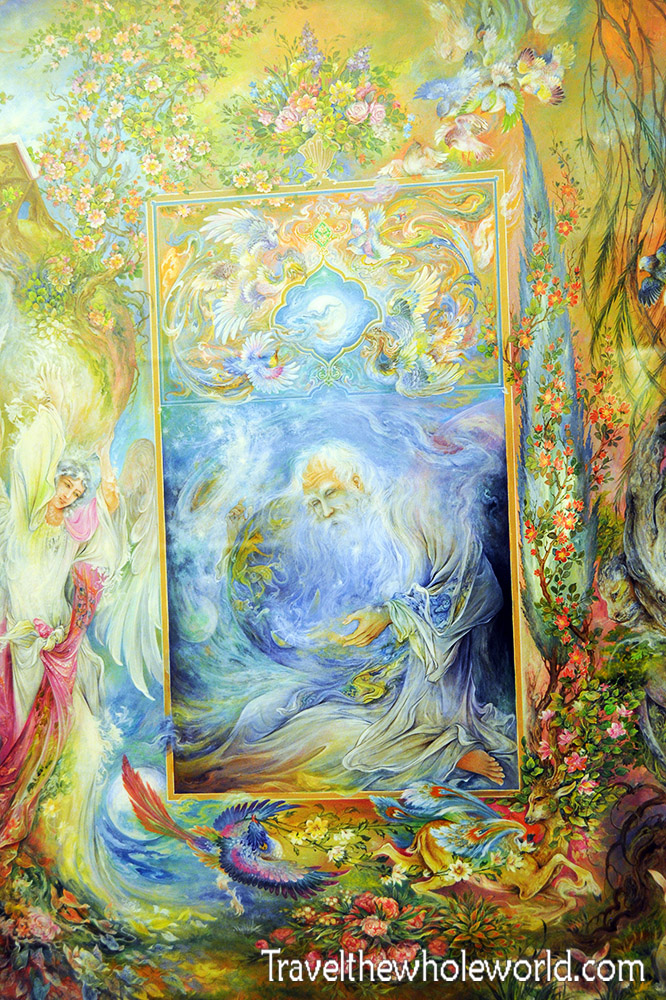
One painting that particularly stood out to me showed an angel protecting a deer from a hunter. Farshchian’s work ended up being one of my favorite artistic discoveries anywhere in Iran.
Tehran surprised me more than almost any city I had visited up to that point. I arrived expecting the politics and restrictions I had heard so much about to dominate the experience, but everyday life was far more complicated and interesting. Between the palaces, museums, restaurants, parks, crowded streets, and especially the people who repeatedly went out of their way to talk with me, Tehran gave me a very different impression of Iran than the one I had before arriving.
Explore More of Iran
Abyaneh • Esfahan • Persepolis • Shiraz • Tehran • Yazd