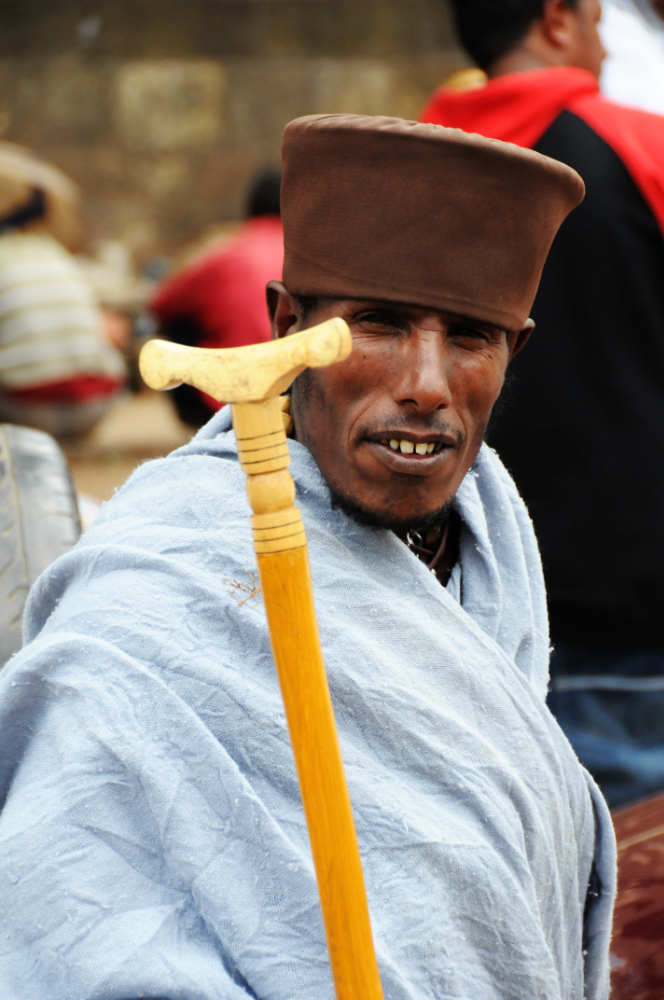
Ethiopia is one of Africa’s most distinctive countries, with a long history, ancient written traditions, dramatic highland landscapes, and an enormous variety of cultures and religions. Unlike most of the continent, Ethiopia maintained its independence through much of the colonial era, despite an Italian occupation from 1936 to 1941, and much of its history developed through powerful kingdoms and empires of its own.
Travelers can explore ancient ruins, medieval castles, historic churches, mountain scenery above 13,000 feet (4,000 meters), and some of the most recognizable cuisine in Africa. The country also has enormous cultural diversity, with many different ethnic groups, languages, traditions, and regional identities.
Explore Addis Ababa
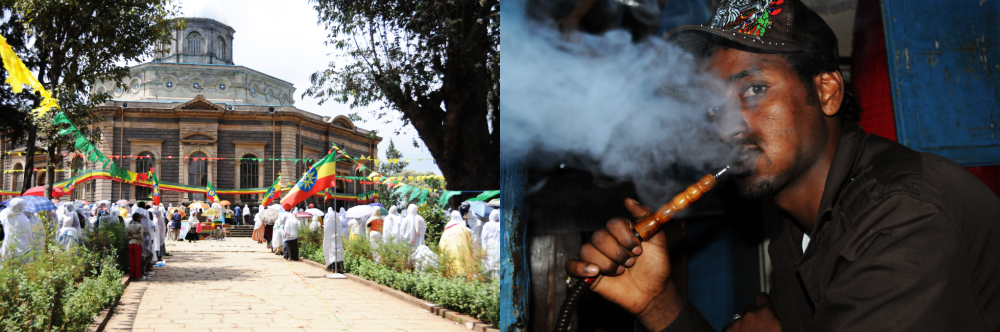
Addis Ababa is Ethiopia’s capital and the political and diplomatic center of the country. Set high in the Ethiopian Highlands, the city is home to the National Museum of Ethiopia, bustling markets, Ethiopian restaurants, historic churches, and important sites connected to the country’s modern history, including memorials documenting the Red Terror and Derg era.
Explore Axum
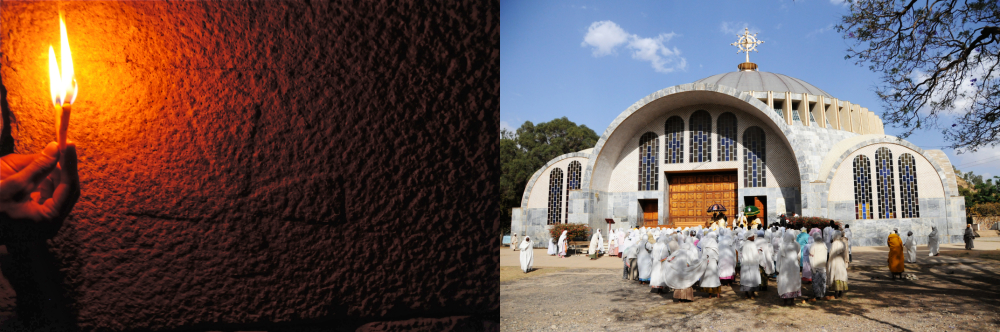
Axum is one of Ethiopia’s most important historic and religious cities. Once the center of the powerful Aksumite Empire, it is famous for its enormous stone stelae, archaeological ruins, royal tombs, and ancient churches. Ethiopian tradition also connects Axum with the Queen of Sheba and holds that the Ark of the Covenant is kept here, making the city one of the country’s most important pilgrimage destinations.
Explore Gondar
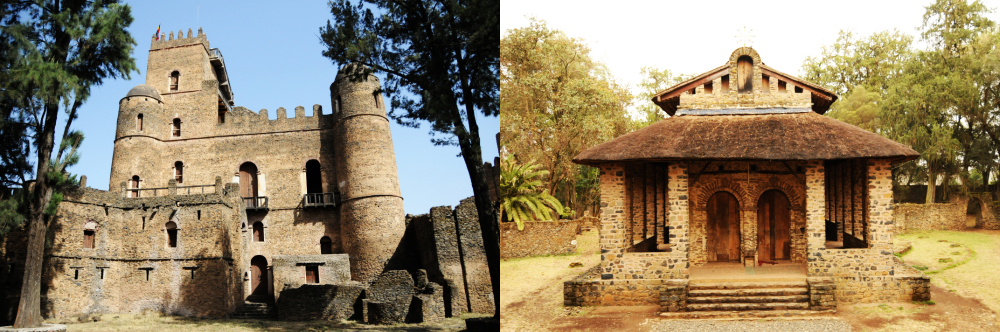
Gondar served as the imperial capital of Ethiopia for more than two centuries and is best known for Fasil Ghebbi, the remarkable fortress complex built by generations of Ethiopian emperors. The city is also home to historic churches, including Debre Berhan Selassie, famous for its vivid religious paintings and distinctive ceiling covered with the faces of angels.