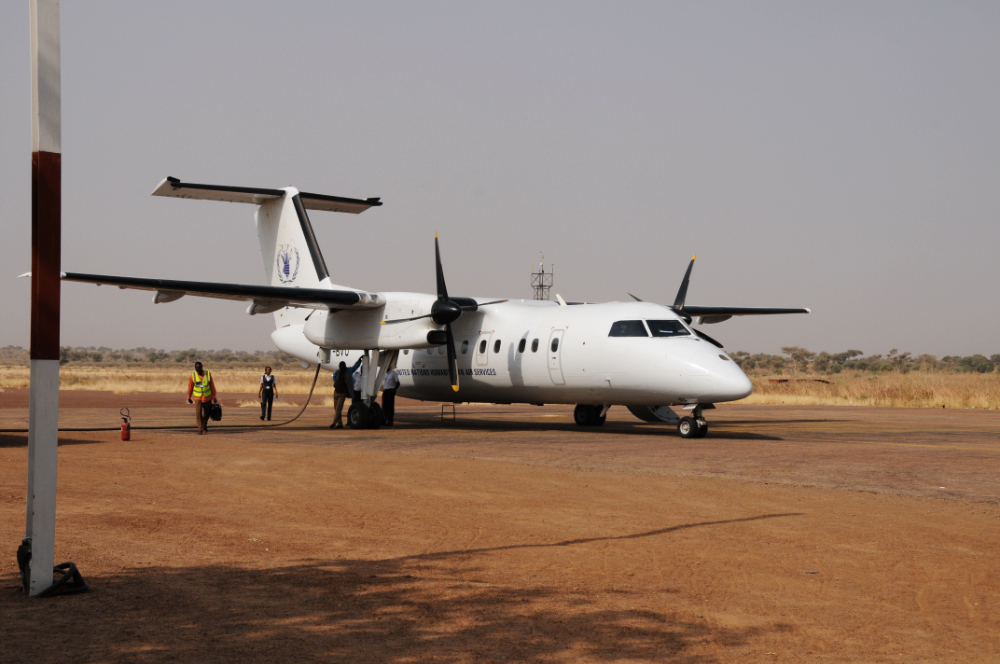
I entered Niger by driving from northern Nigeria to Zinder, where I had originally planned to take a grueling 15-hour bus ride to the capital, Niamey. I was told to arrive at the bus station at 4 a.m. for a departure around 5 a.m., with the hope of reaching Niamey sometime that evening. Domestic flights from Zinder weren’t operating at the time, but by chance I got in touch with someone from the United Nations and managed to arrange a lift to the capital. It was a much more interesting way to travel across Niger than spending the entire day on a bus.
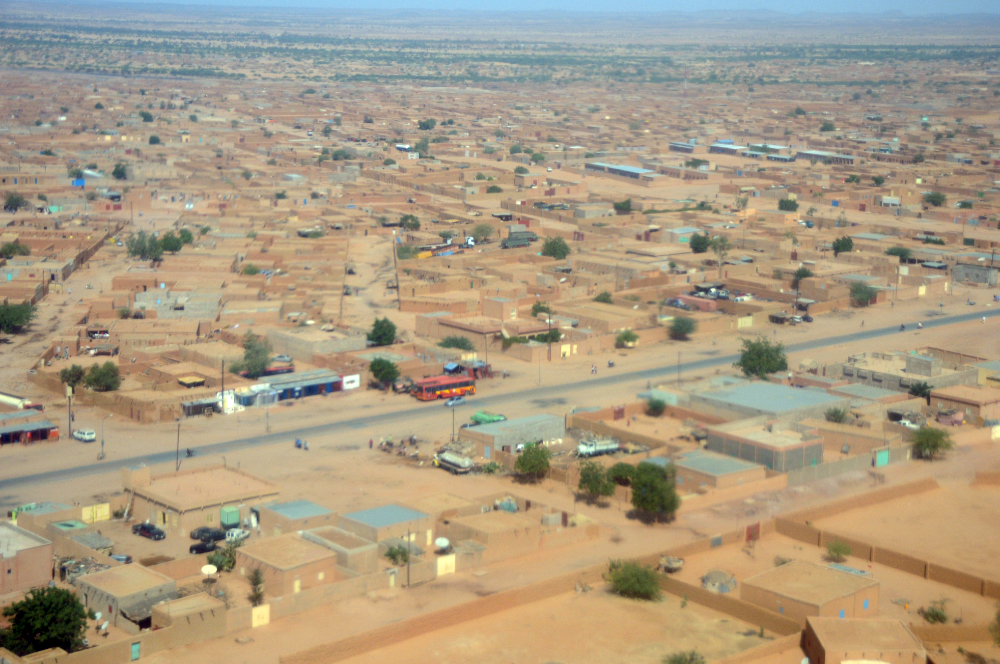
Our flight first headed north from Zinder to Agadez, one of Niger’s most historically important cities and a major crossroads of Saharan trade routes. From the plane, I could make out the city’s famous mudbrick minaret rising above the surrounding buildings. The Grand Mosque of Agadez is among the most recognizable examples of traditional Sahelian architecture, and seeing it from the air made me want to return and explore the city properly. At the time of my visit, security concerns involving banditry and armed groups made travel through the surrounding region difficult, particularly for foreigners.
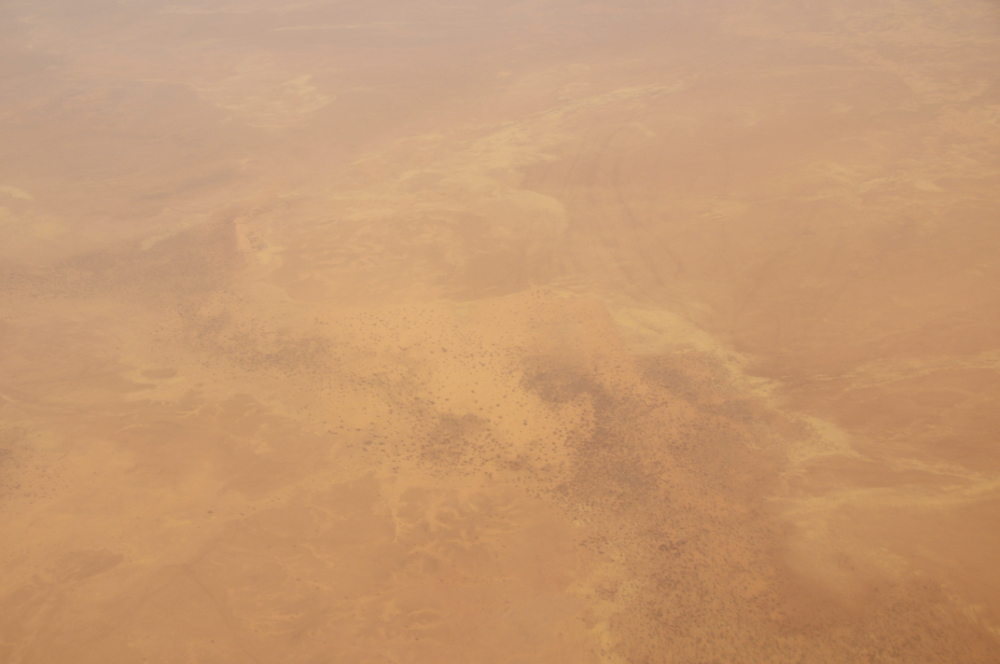
After leaving Agadez, we turned southwest toward Niamey. Much of the landscape below was an immense expanse of the Sahara, with little visible settlement. Seeing Niger from the air gave me a better appreciation of just how vast and sparsely populated much of the country is.
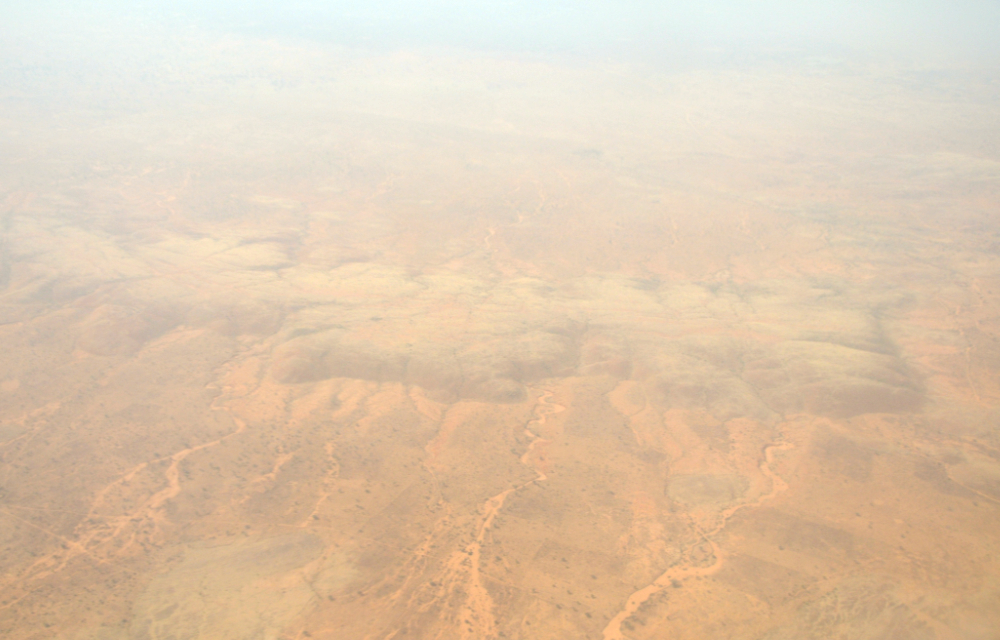
The scenery seemed to stretch endlessly toward the horizon. Although Niger is often associated almost entirely with desert, its southern regions are part of the Sahel, where the landscape gradually becomes greener and more populated. That contrast would become especially apparent once I reached the Niger River.
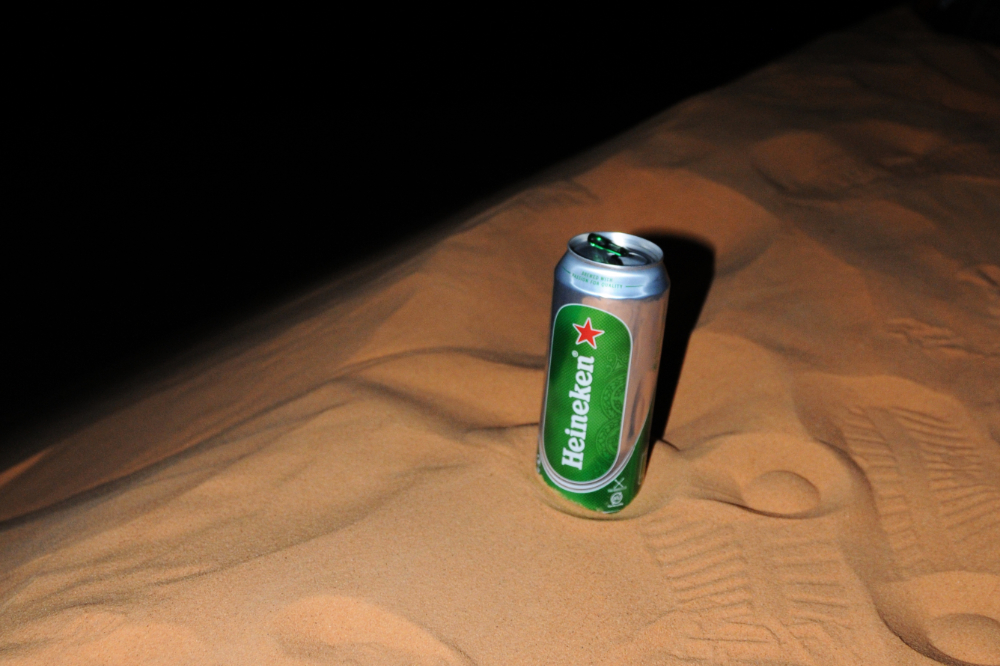
During my stay in Niamey, I met some great people from the United States, France, and Lebanon. One evening, we headed to a popular local hangout in the sand dunes outside the city. We brought a few drinks and relaxed as the sun began to set. After traveling through several busy West African cities, sitting among the dunes was a welcome change of pace.
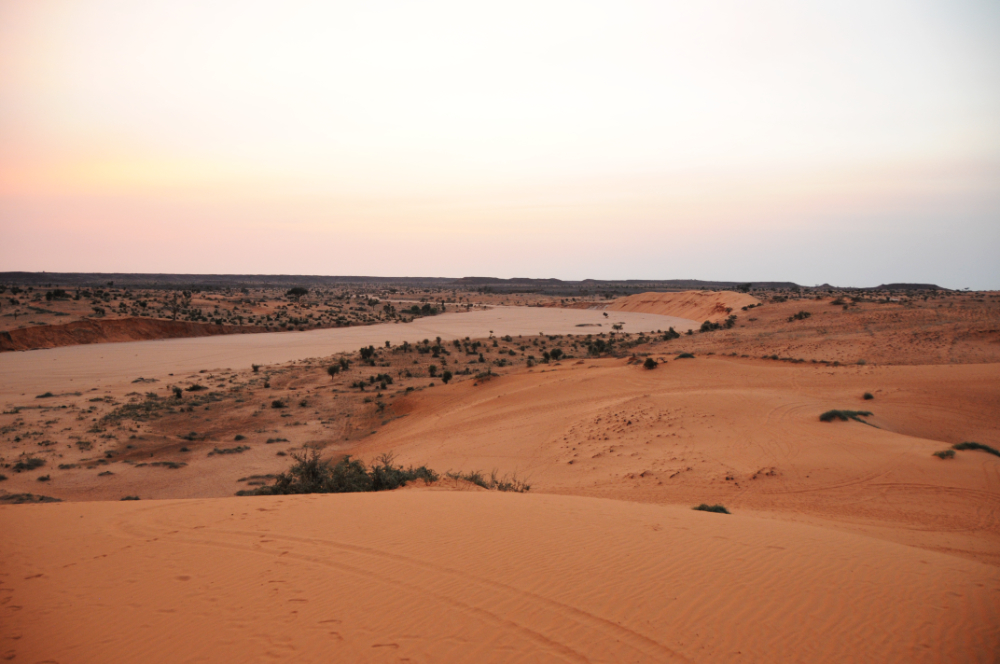
The dunes were especially popular with expatriates living in Niamey, and I could understand why. They offered a peaceful escape without having to travel far from the capital. Watching the changing light across the sand was one of the simpler but more memorable experiences of my time in Niger.
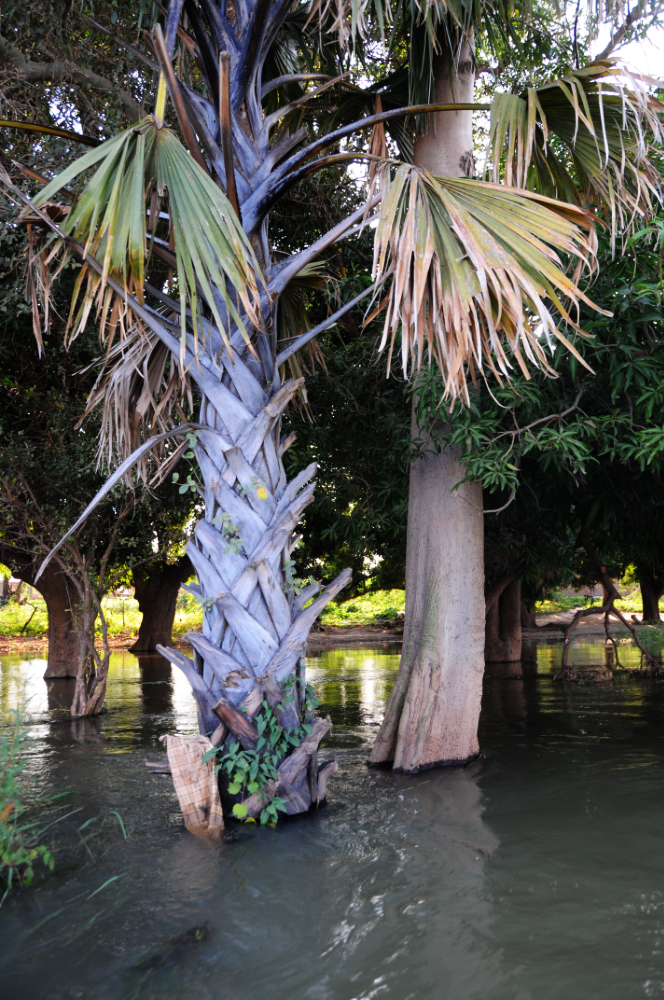
As much as I enjoyed the sand dunes, I found the Niger River equally impressive. Much of my journey through the region had taken me through dry towns and landscapes, so the greenery along the river was a striking contrast. Depending on the season, the riverbanks can support surprisingly lush vegetation, with trees and thick foliage extending over the water.
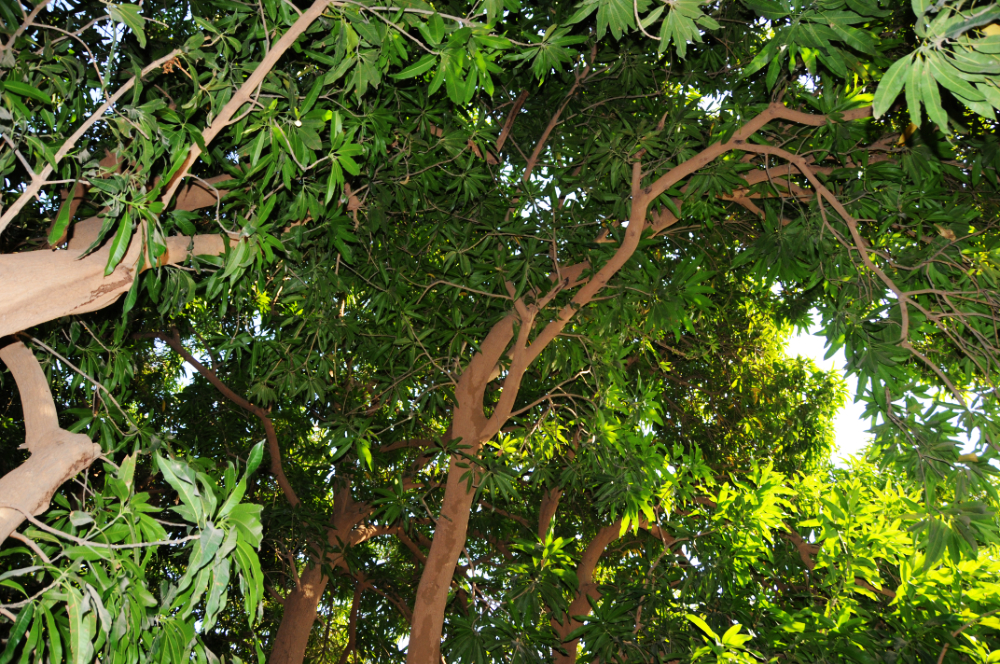
It was almost difficult to believe I was still in the same country I had just flown across. The Niger River is one of West Africa’s most important waterways, providing water, transportation, fishing, and agricultural opportunities to communities along its banks. For me, it was also one of the best places around Niamey to experience the region’s wildlife.
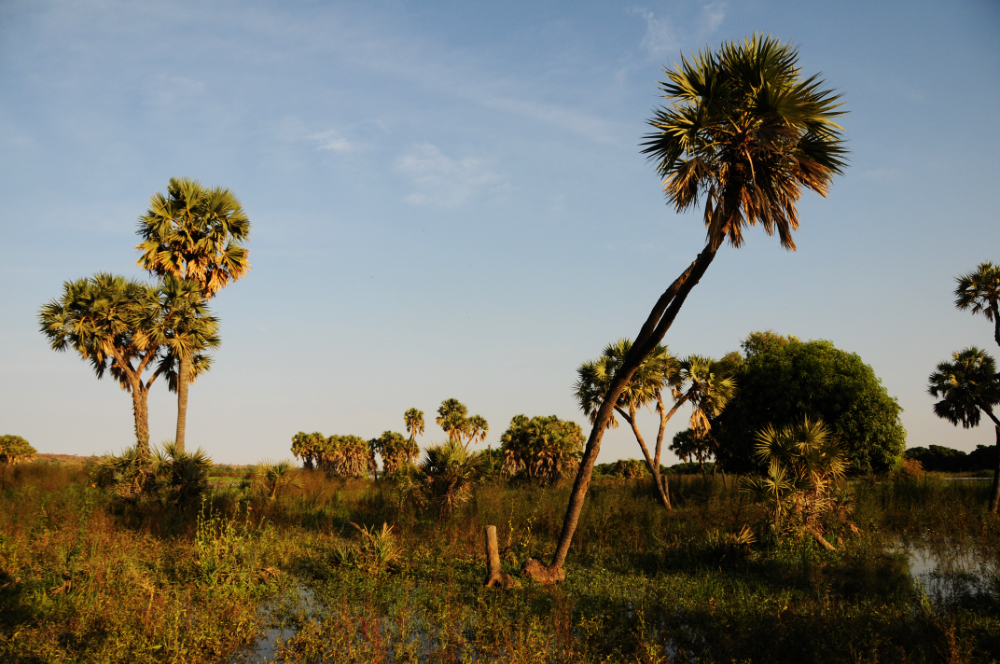
I joined several expatriates living in Niamey for a boat trip along the river. As we traveled downstream, the scenery alternated between open stretches of water, wooded banks, and patches of palms and other vegetation. It was an entirely different perspective on Niger from the one I had experienced in its towns and deserts.
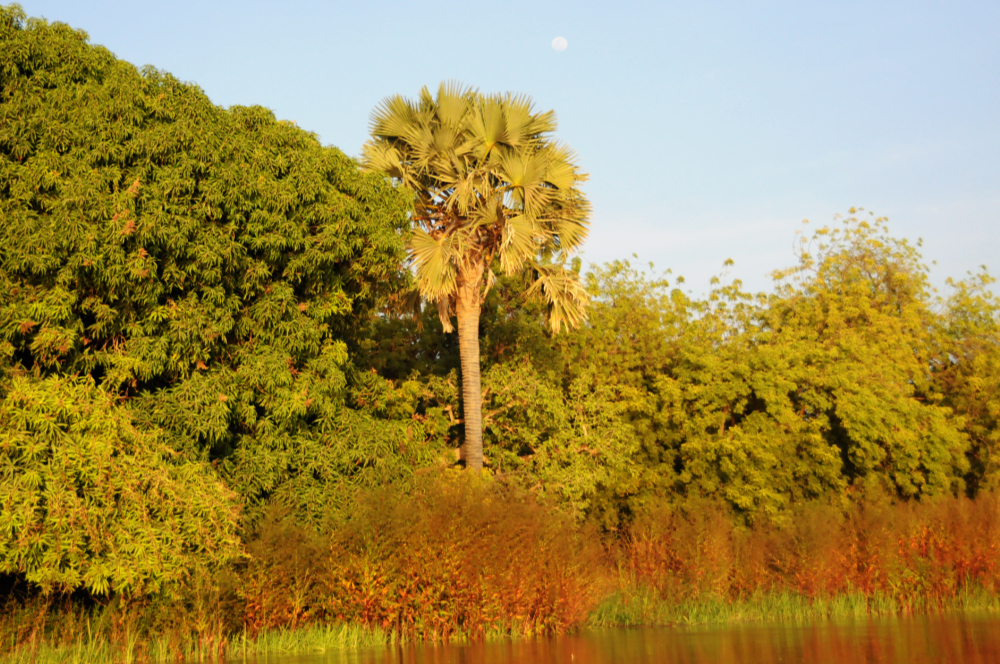
Some sections of the river were bordered by surprisingly dense woodland. The changing scenery made the boat ride enjoyable even when there wasn’t any wildlife nearby. But the real highlight was still ahead: seeing wild hippopotamuses in the river.
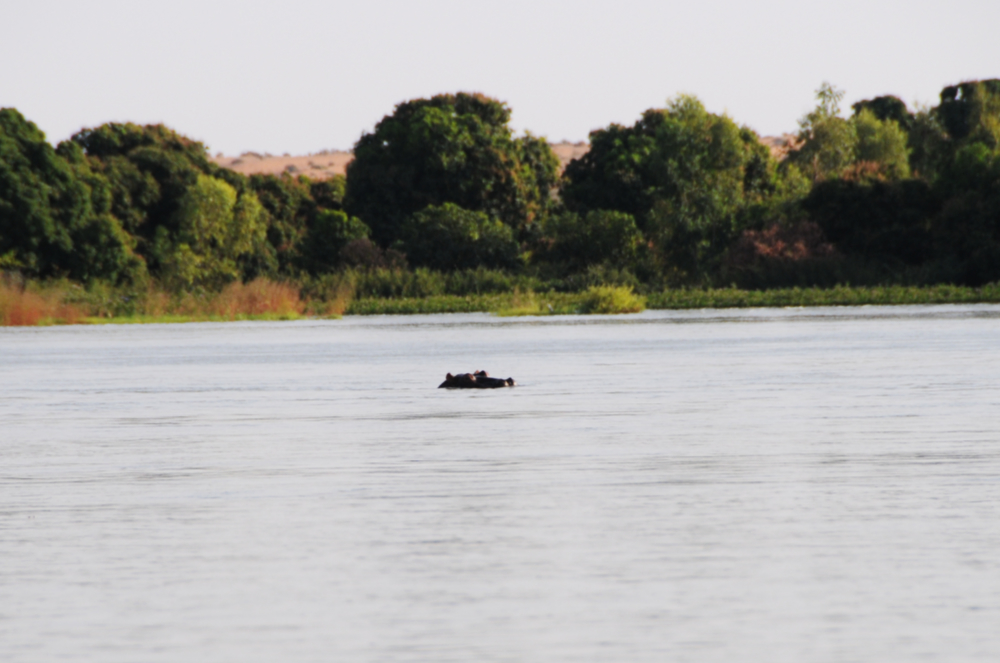
We spotted wild hippos resting in the water, although most were quite far away. This photograph was taken at full zoom. Considering the size of our boat, keeping our distance was probably a good idea. A hippo would have had little trouble overturning it if we ventured too close. Hippos may look slow and harmless when resting in the water, but they are powerful, territorial animals and can be extremely dangerous.
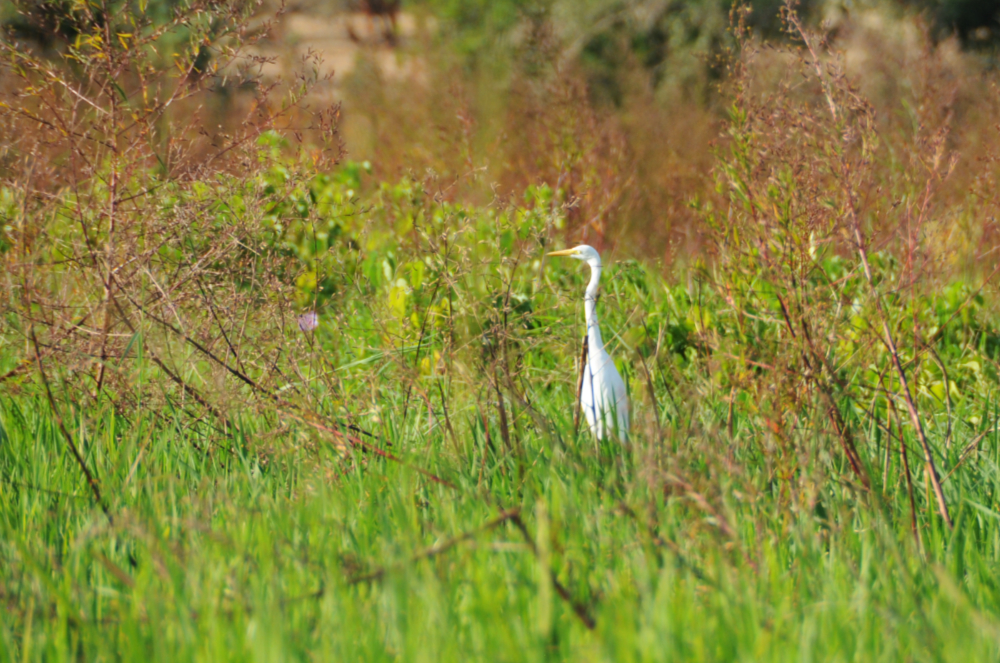
We also saw several species of birds, including this white heron. The river’s shallow areas and vegetated banks provide feeding grounds for numerous waterbirds. I was told that crocodiles weren’t present in the particular stretch we were visiting, although crocodiles do inhabit parts of the Niger River system, so that wasn’t something I would have assumed without local knowledge.
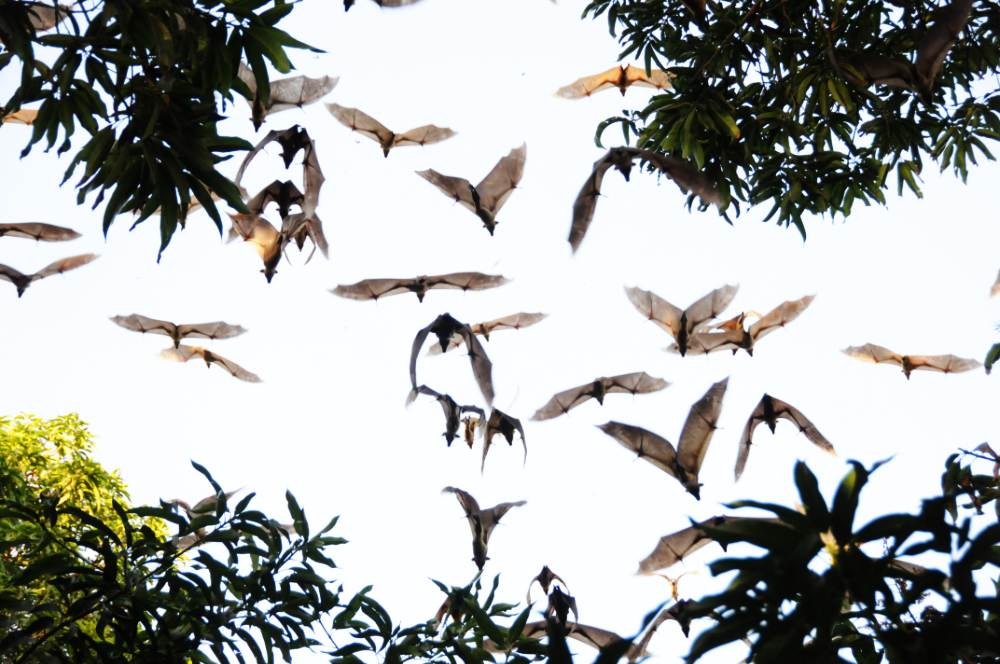
I had already encountered large colonies of fruit bats, often called flying foxes, in Niamey itself. Along the river, I came across another impressive group hanging in the trees. During the day, these bats gather in large communal roosts, sometimes numbering in the hundreds or thousands.
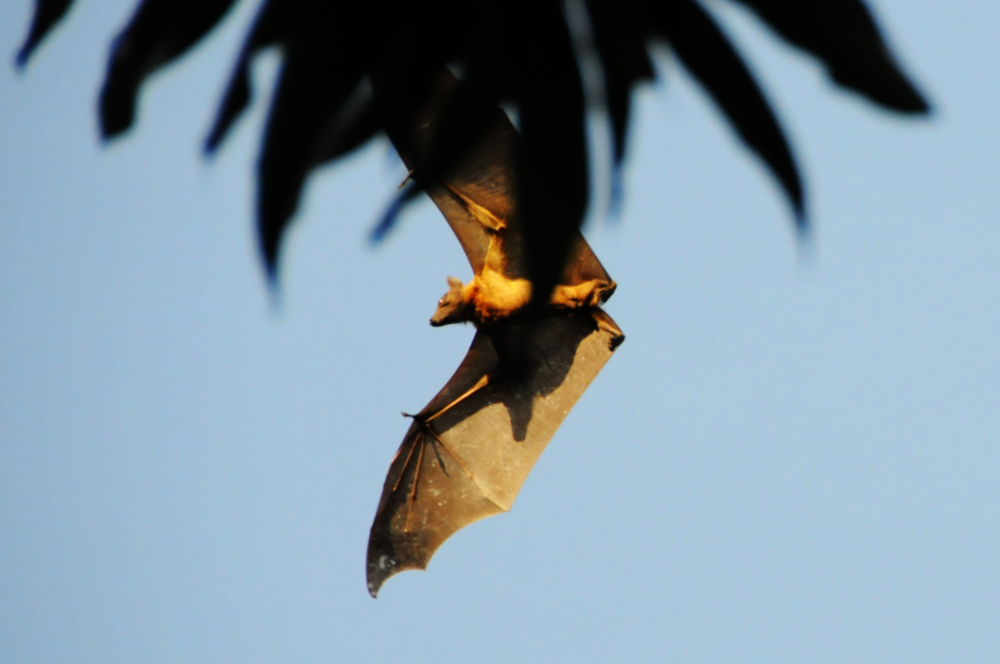
Unlike my earlier encounter with the bats in Niamey, when a security guard eventually told me to stop taking photographs, nobody bothered me here. I could take my time photographing them from the boat. Their foxlike faces and relatively large bodies make them quite different in appearance from the smaller insect-eating bats most people are familiar with.
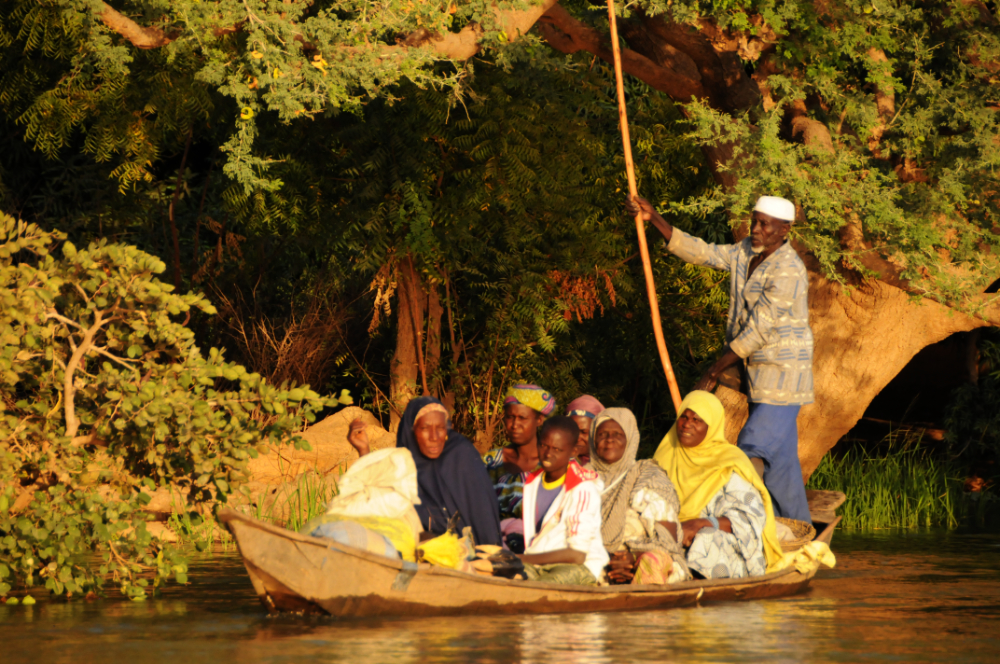
Beyond the wildlife, the boat trip offered glimpses of everyday life along the Niger River. The waterway remains central to the lives of many communities, and passing through these riverside areas was another reminder of how much the river shapes the surrounding landscape.
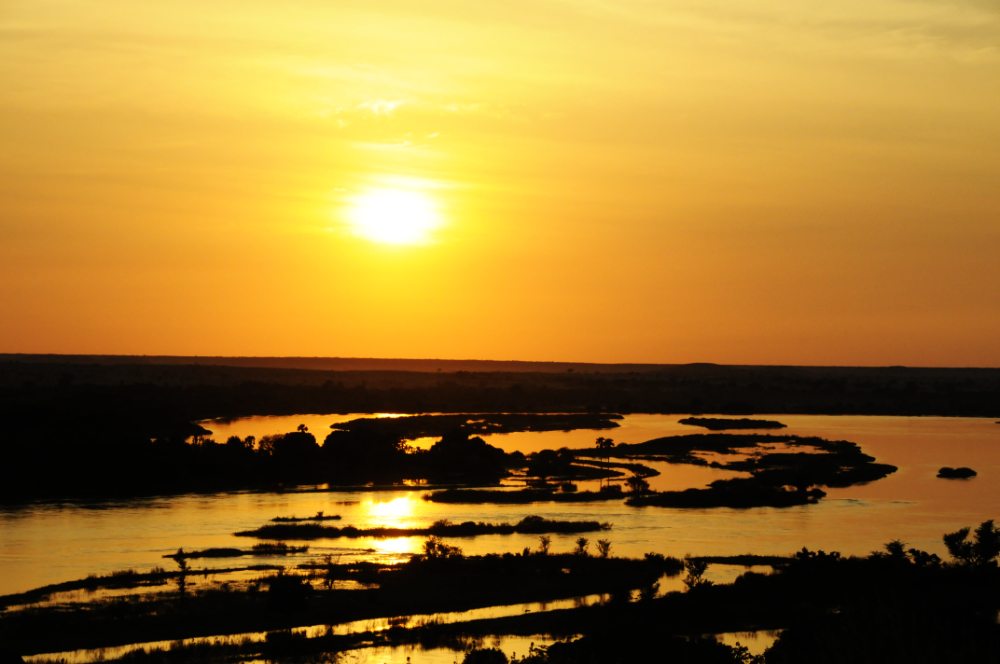
We finished the day by returning to shore and relaxing on a plateau overlooking the river at sunset. One of the people in our group was a DJ from France who had brought music along, turning the evening into a small gathering above the water. Between the hippos, fruit bats, lush scenery, and sunset, the river excursion became one of my favorite experiences in Niger.
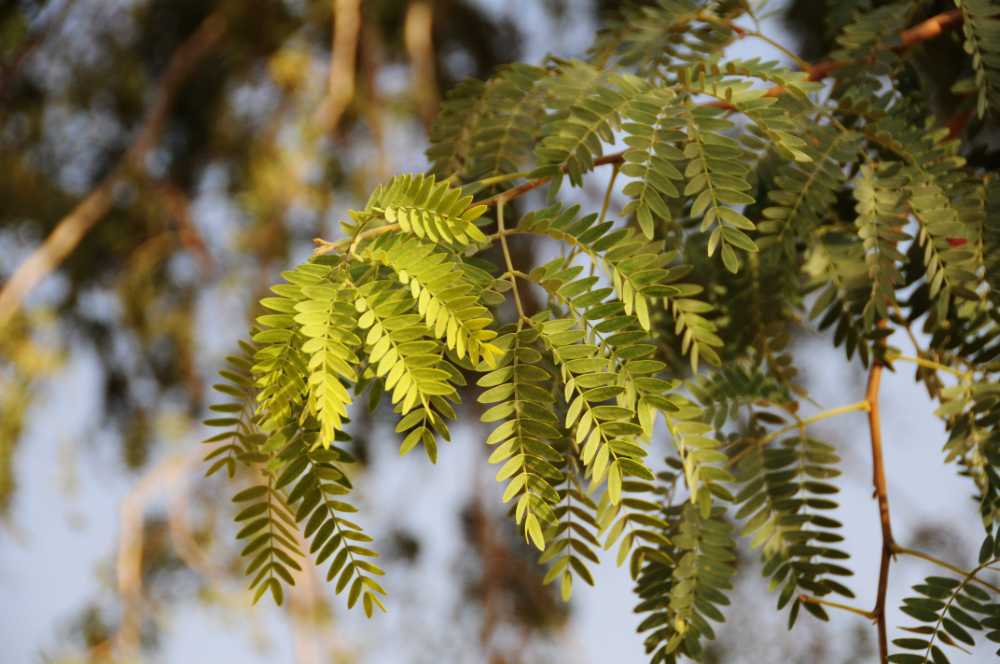
Another major highlight of my visit was traveling outside Niamey to see Niger’s wild giraffes. The area around Kouré is famous for its West African giraffes, a distinct subspecies that once ranged across much of the region but suffered severe population declines. Niger became an important refuge for these animals, and conservation efforts have helped their numbers recover. The giraffes roam through a landscape of farmland, scrub, and scattered trees rather than a conventional fenced wildlife park.
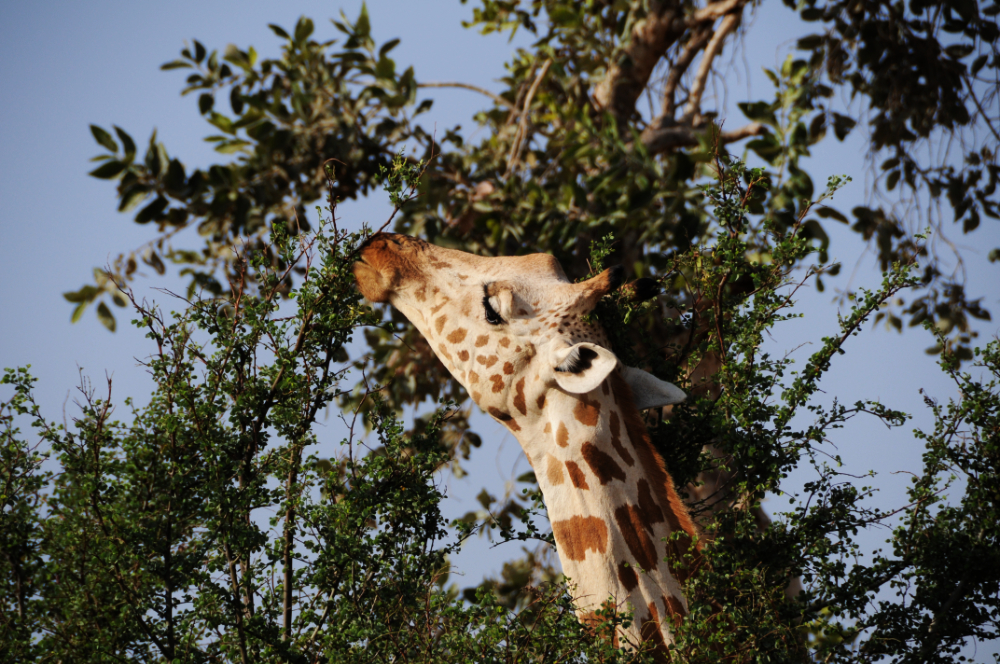
We found several giraffes browsing on leaves high in the trees. Their extraordinary height and long necks allow them to reach vegetation unavailable to most other grazing animals. Unlike many of Africa’s better-known wildlife reserves, this area has no resident lion population, although the giraffes still face threats such as habitat loss and human activity.
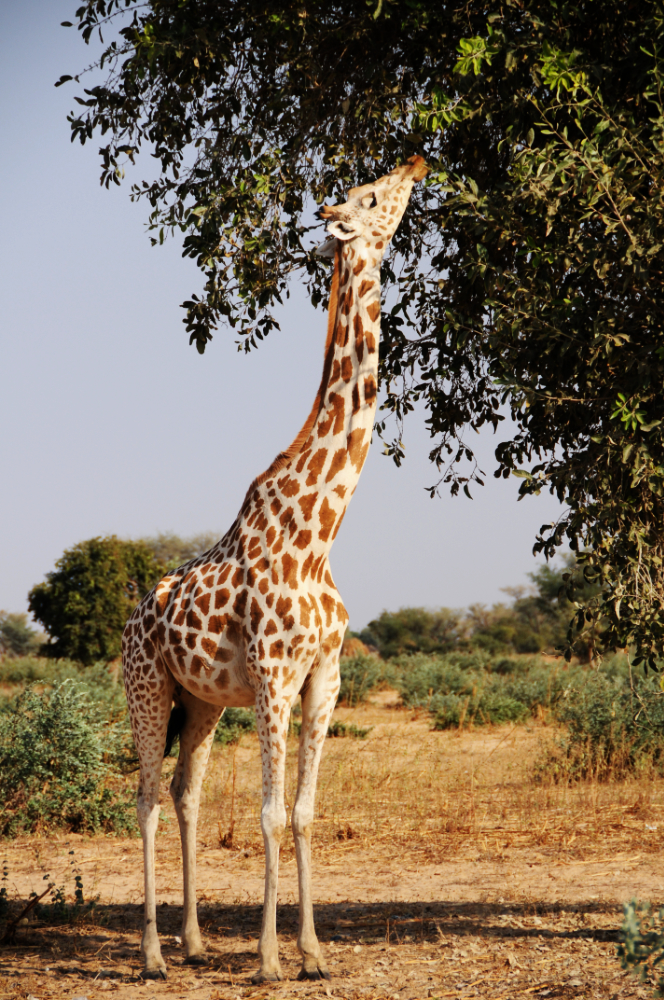
The giraffes were scattered across the area, but we eventually came across a group of about five, including a large adult, several younger animals, and a calf. Seeing them in the wild was far more rewarding than viewing them behind fences. Their size was particularly impressive when standing relatively close to them, although we made sure to give them space.
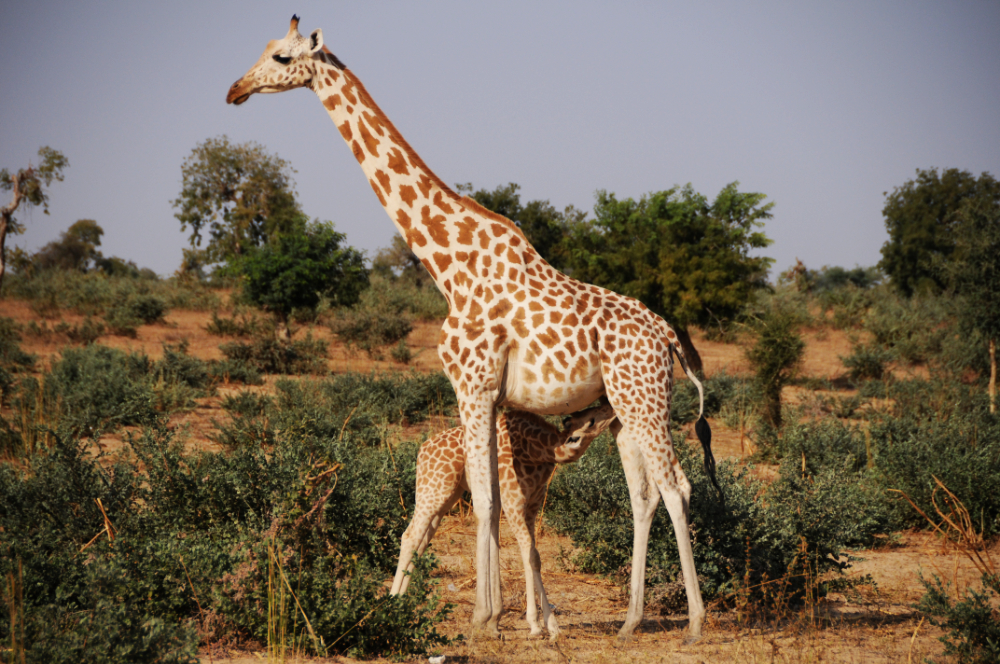
One of the younger giraffes was surprisingly large, yet I watched it nursing from its mother. Our local ranger explained that the calf was estimated to be between one and two years old. I hadn’t realized giraffes could continue nursing at that age, especially when the young animal already appeared so well developed. Visiting these giraffes was one of the most memorable wildlife encounters of my West African travels and a fitting conclusion to my time exploring the area around Niamey.
