My original reason for visiting the Moravian Karst in the Czech Republic was to explore its famous caves. Located just north of Brno, this region is known for its extensive underground passages, limestone formations, and prehistoric history. I had planned to spend much of my visit underground, but what I hadn’t anticipated was discovering some of the most spectacular autumn colors I had ever seen in Europe. The timing was almost comical. I had traveled all this way to explore what was beneath the ground, only to discover an incredible display of fall colors happening directly above me!
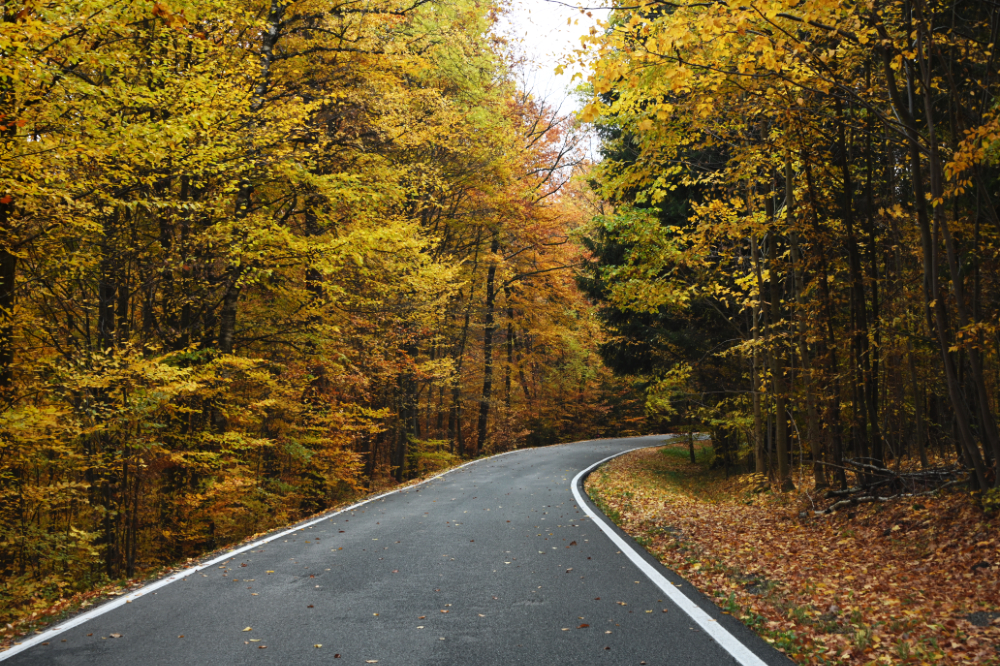
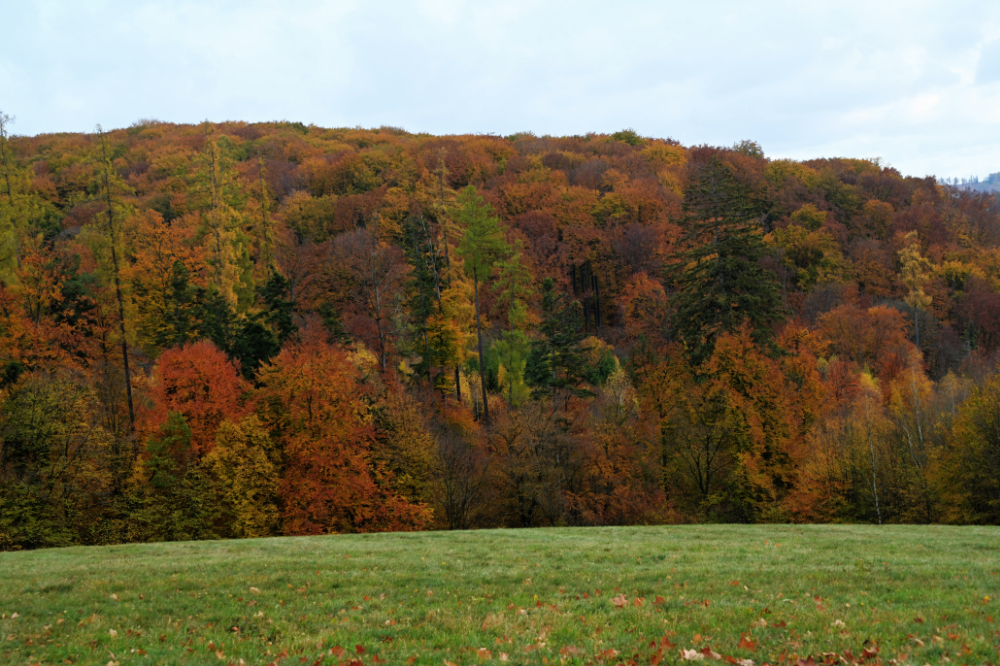
The forests were absolutely beautiful, with trees displaying brilliant shades of yellow, orange, and red. Driving along the winding roads through the hills was an attraction in itself, and I found myself stopping simply to admire the scenery. I’ve traveled through quite a few European countries during autumn, but the colors here were among the best I’ve ever encountered. Had I known what the forests would look like, I might have planned the entire trip around the fall foliage rather than the caves.
Býčí skála – Bull Rock Cave
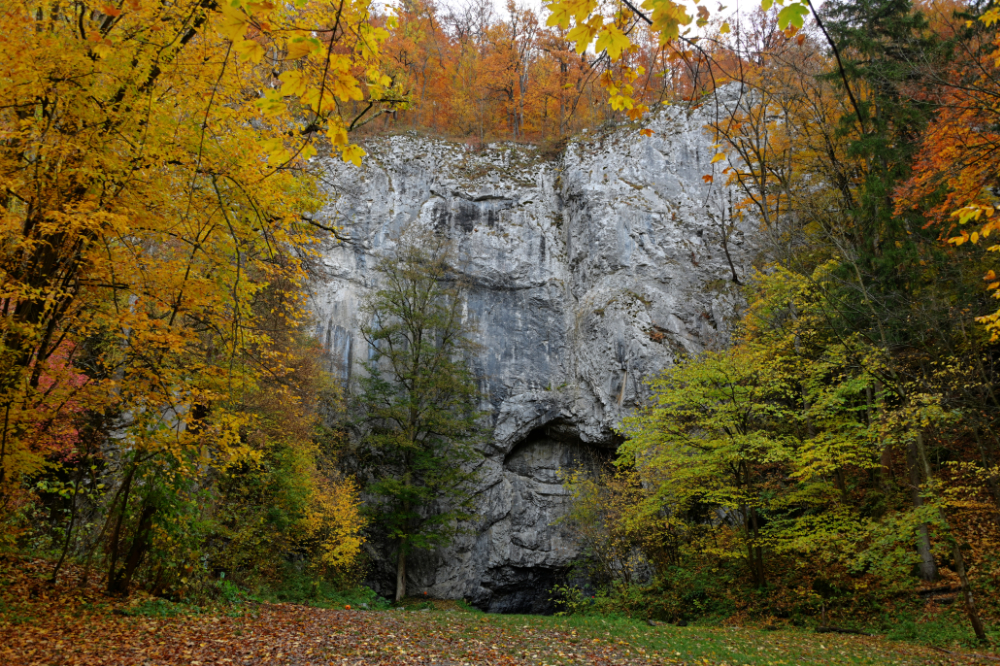
One of the most interesting locations I visited was Býčí skála, commonly translated as Bull Rock Cave. The cave is famous for its archaeological discoveries, particularly finds associated with the Iron Age Hallstatt culture. Excavations in the 19th century revealed an extraordinary collection of artifacts and human remains, making it one of the most important prehistoric archaeological sites in the Czech Republic.
The limestone cliffs around the cave were impressive in their own right. I also came across rock climbers tackling some extremely difficult-looking routes on the steep rock outside. As someone who enjoys climbing myself, I couldn’t help stopping to watch. The routes looked far more challenging than anything I had expected to find on a casual visit to the caves.
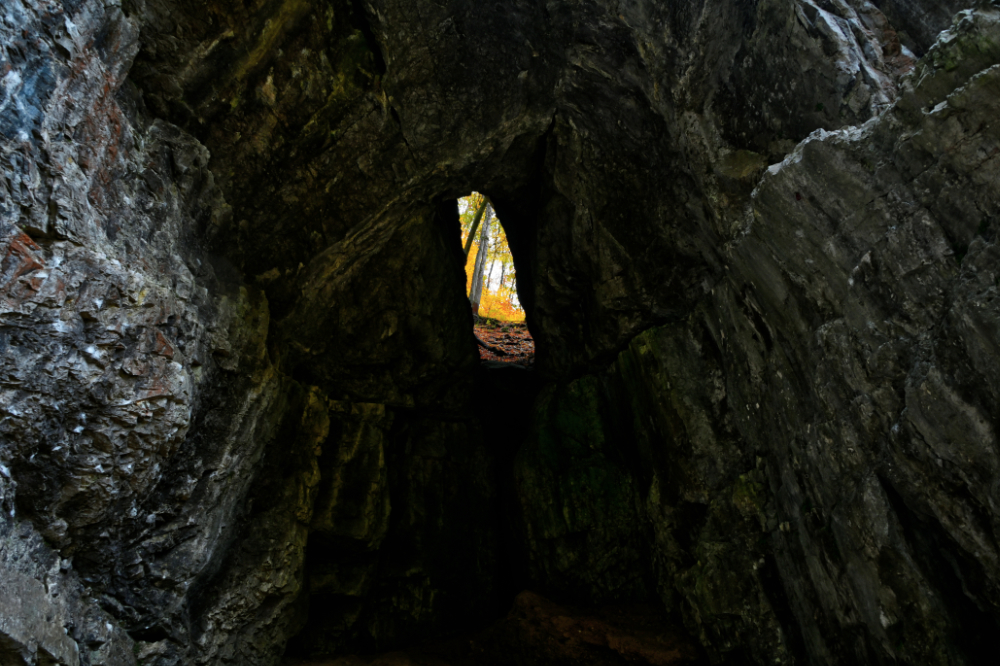
The cave itself offered another glimpse into the long history of this region. People have used the caves of the Moravian Karst for thousands of years, leaving behind evidence of prehistoric activity. It was fascinating to consider how many generations of people had passed through these same limestone passages long before modern towns and cities existed nearby.
Výpustek Cave – An Enormous Underground Complex
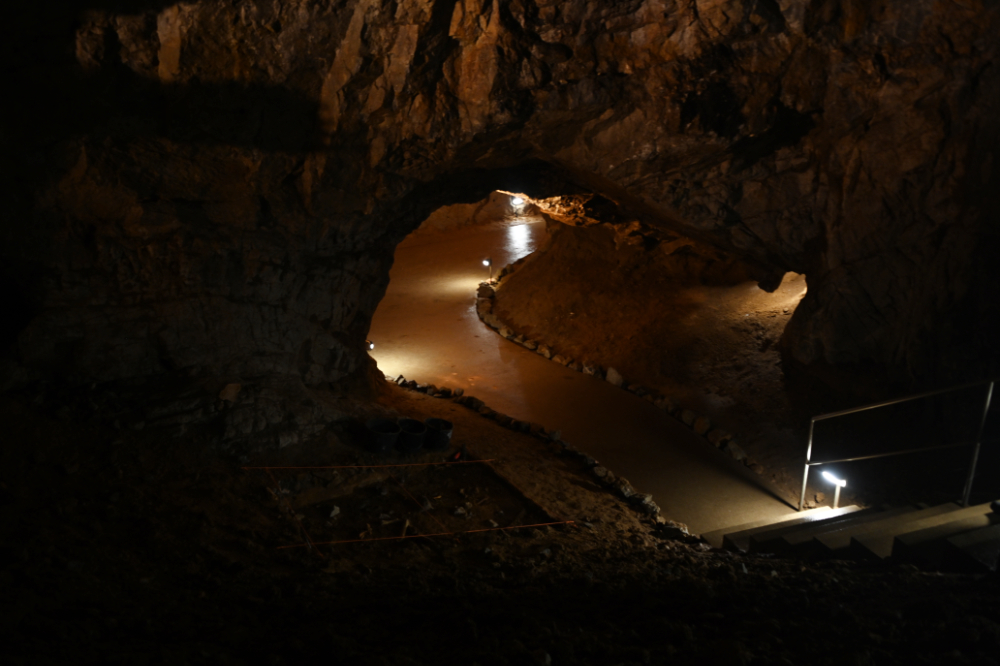
The highlight of my underground exploration was Výpustek Cave. Before arriving, I had imagined something relatively modest, perhaps a handful of chambers connected by narrow passages. Instead, I discovered an enormous underground complex that felt more like a modern building than a natural cave. The scale of the interior genuinely surprised me, with extensive corridors, large spaces, and a network of constructed facilities occupying the underground environment.
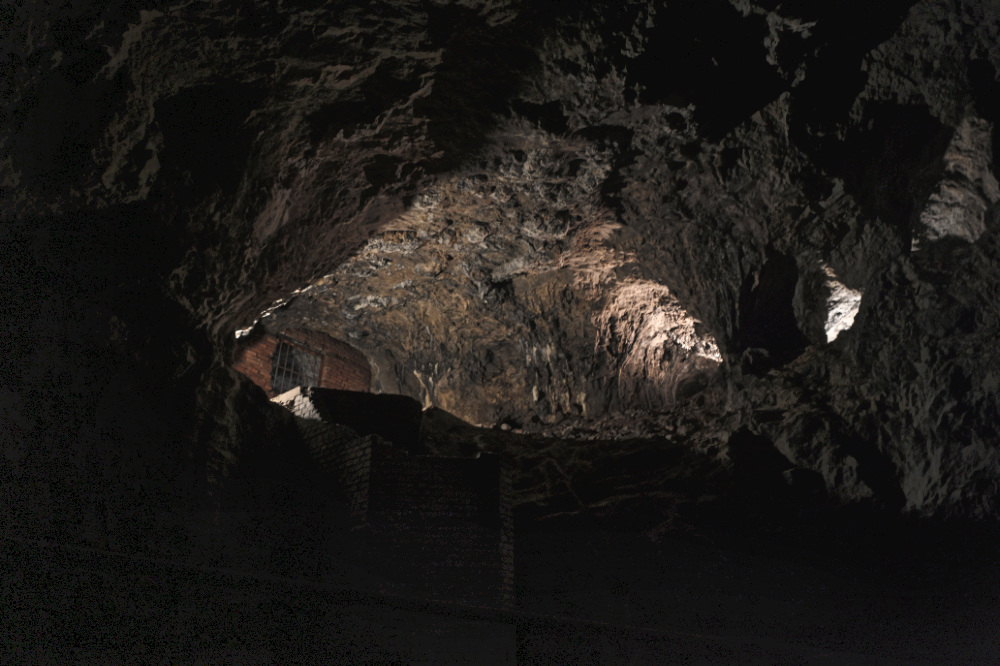
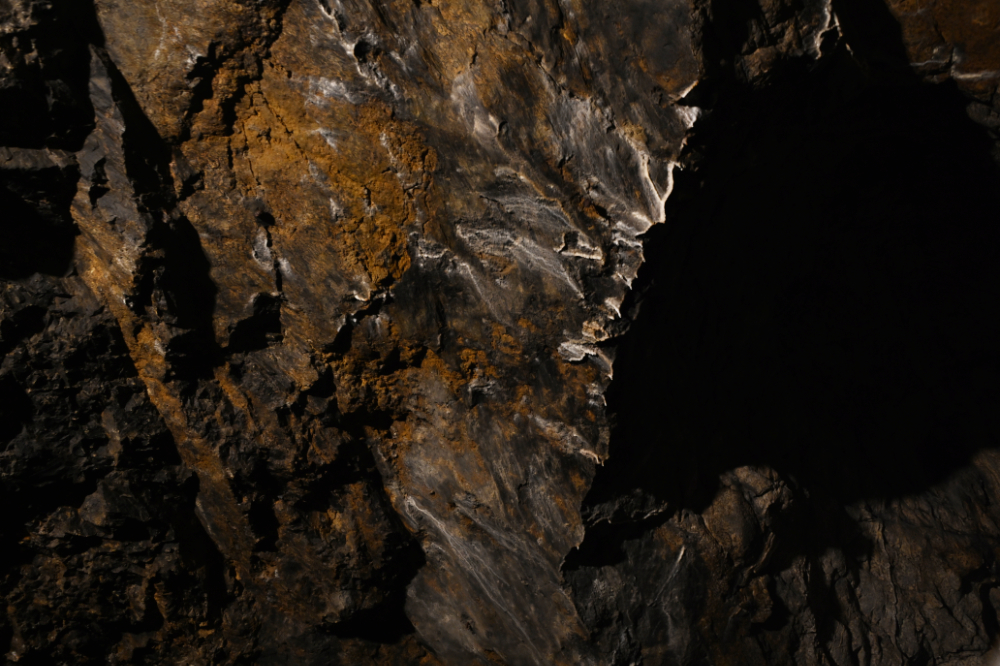
Some sections still resembled a natural cave, with irregular limestone ceilings and rock walls, while others had been transformed into something almost industrial. Walking through the complex was a strange experience because the environment alternated between ancient geological formations and unmistakably modern construction. I had never expected to find such extensive human infrastructure hidden inside a cave.
Výpustek’s Military History
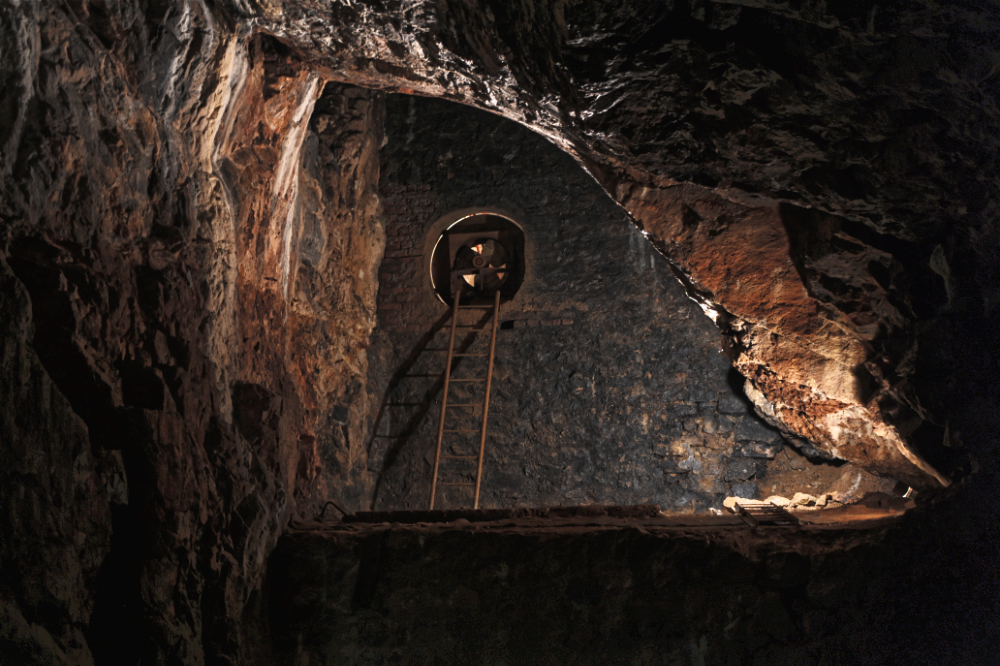
Part of what makes Výpustek so unusual is its military history. During the Second World War, sections of the cave were adapted for underground industrial use. Later, during the Cold War, the Czechoslovak military constructed a protected command facility within the cave system. This explains why parts of the complex look more like the interior of a bunker than a natural cavern.
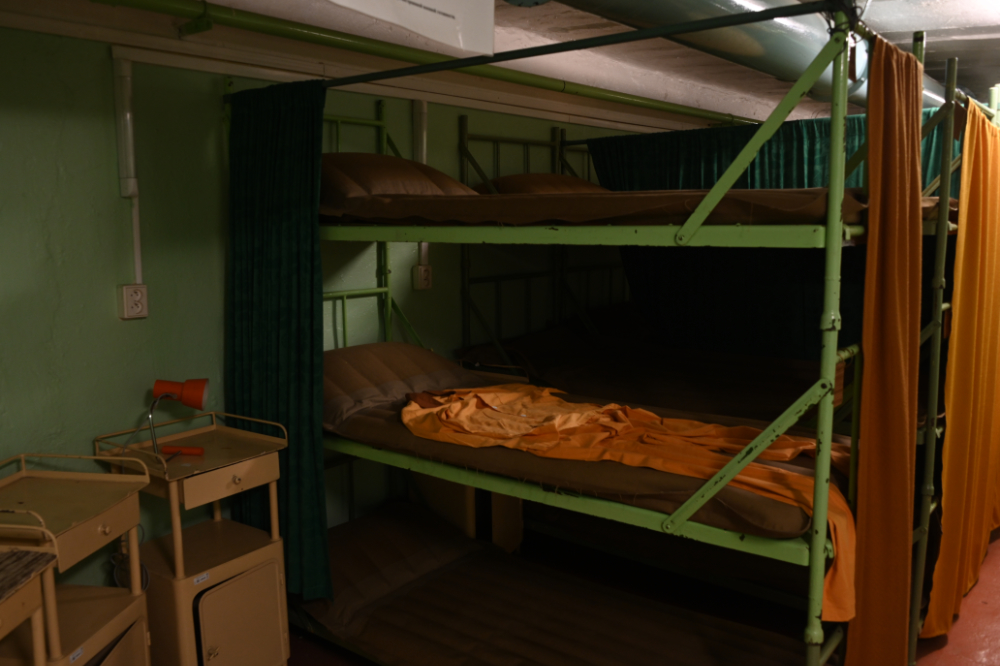
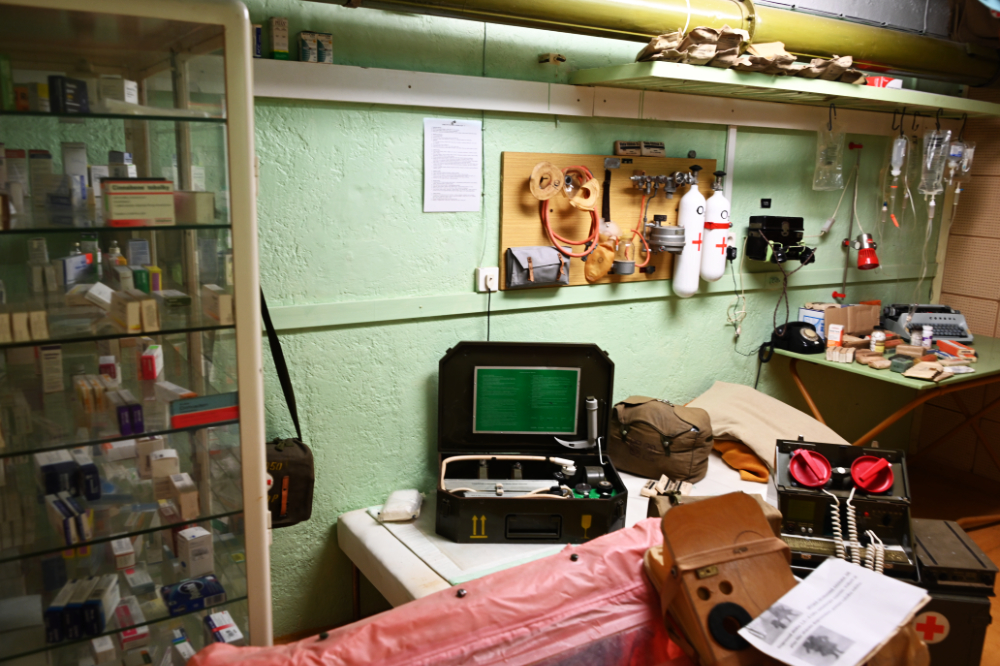
The military facilities included sleeping quarters, medical areas, ventilation systems, and other equipment intended to support personnel underground. Seeing beds and medical facilities deep inside a limestone cave was particularly surreal. These weren’t simply a few temporary rooms carved into the rock; the complex had been equipped to function as a substantial underground installation.
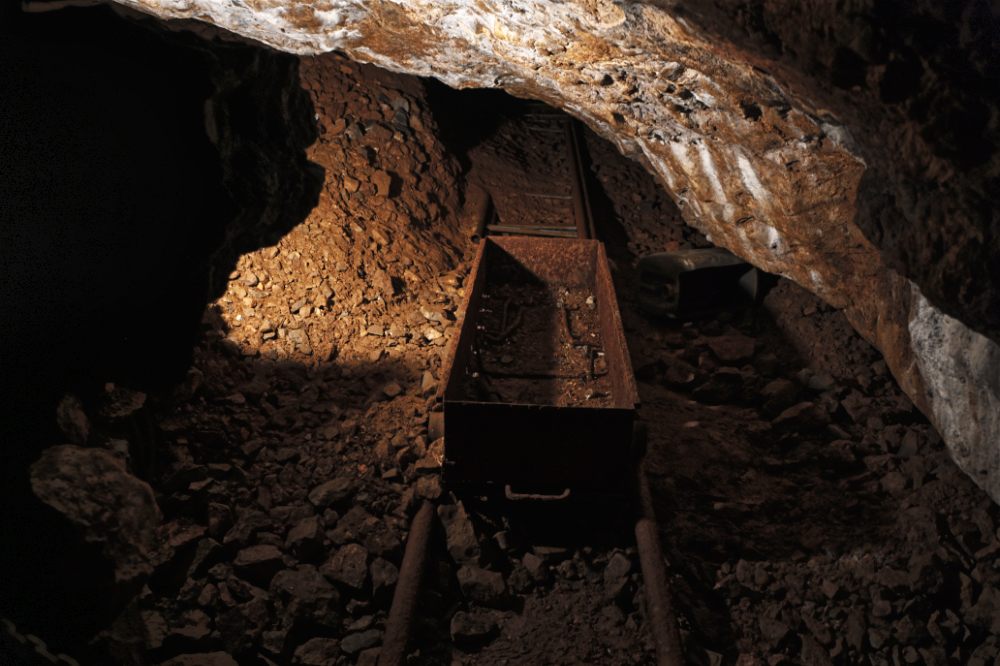
Other remnants of the cave’s industrial and military past illustrate just how extensively people modified the underground passages. The natural cave had been transformed repeatedly for different purposes, creating a place where geological history and modern European history intersect in a particularly unusual way.
Prehistoric People and Ice Age Animals
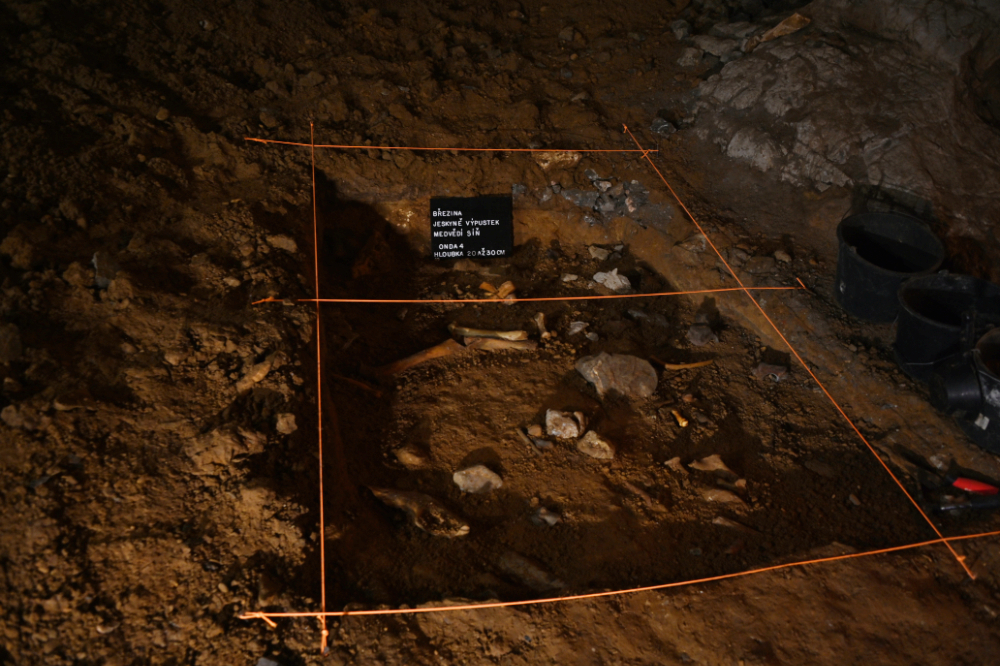
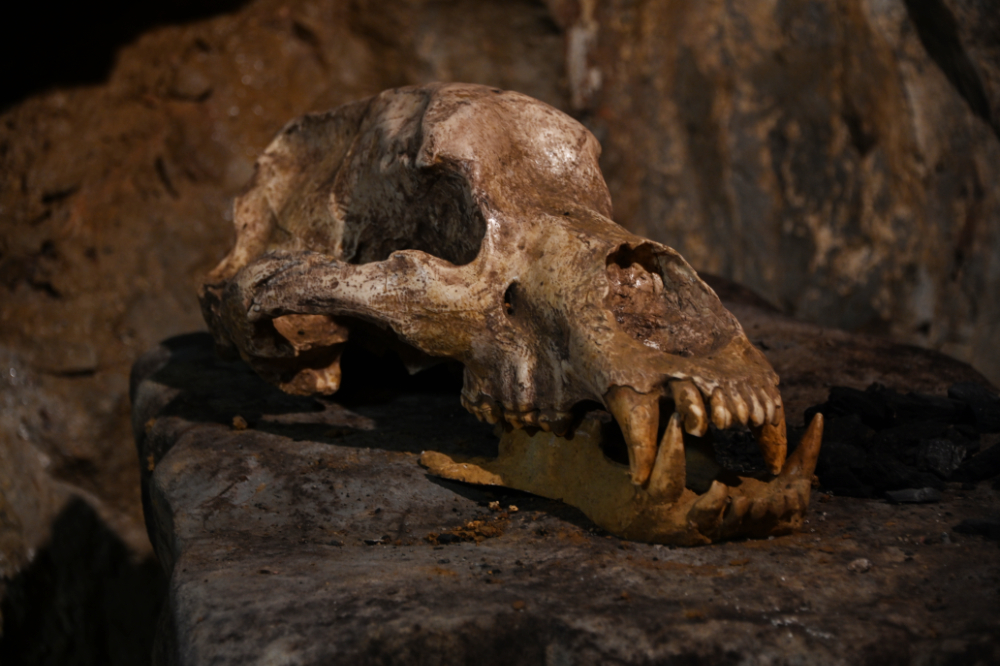
Long before the cave was used for military purposes, it was part of a landscape inhabited by prehistoric animals and humans. The caves of the Moravian Karst have yielded important paleontological and archaeological discoveries, including the remains of animals that lived in Central Europe during the Ice Age. Výpustek is especially well known for its fossil cave bear remains.
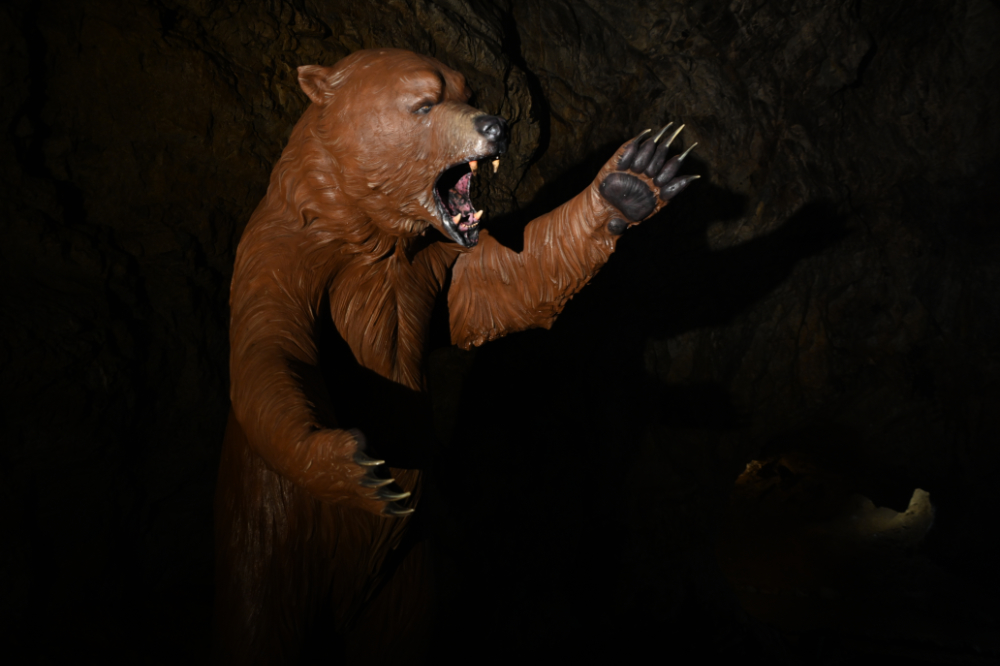
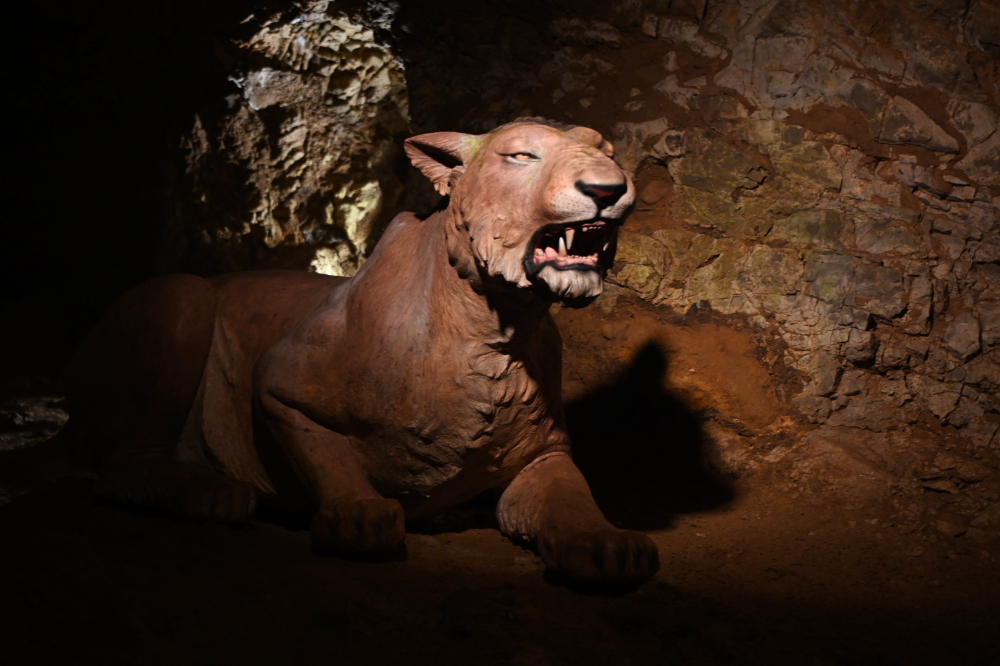
Cave bears were enormous prehistoric animals that once inhabited much of Europe before disappearing near the end of the last Ice Age. Cave lions also roamed the continent, sharing the landscape with other large mammals and early human populations. It’s remarkable to think that these animals once occupied the same region where modern visitors now walk through illuminated passages and museum exhibits.
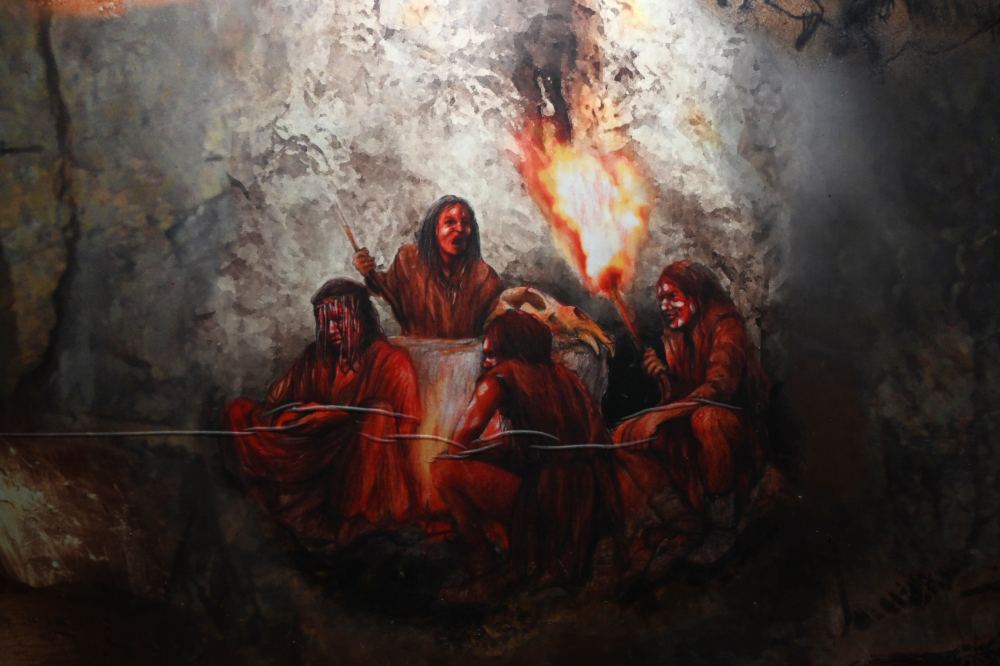
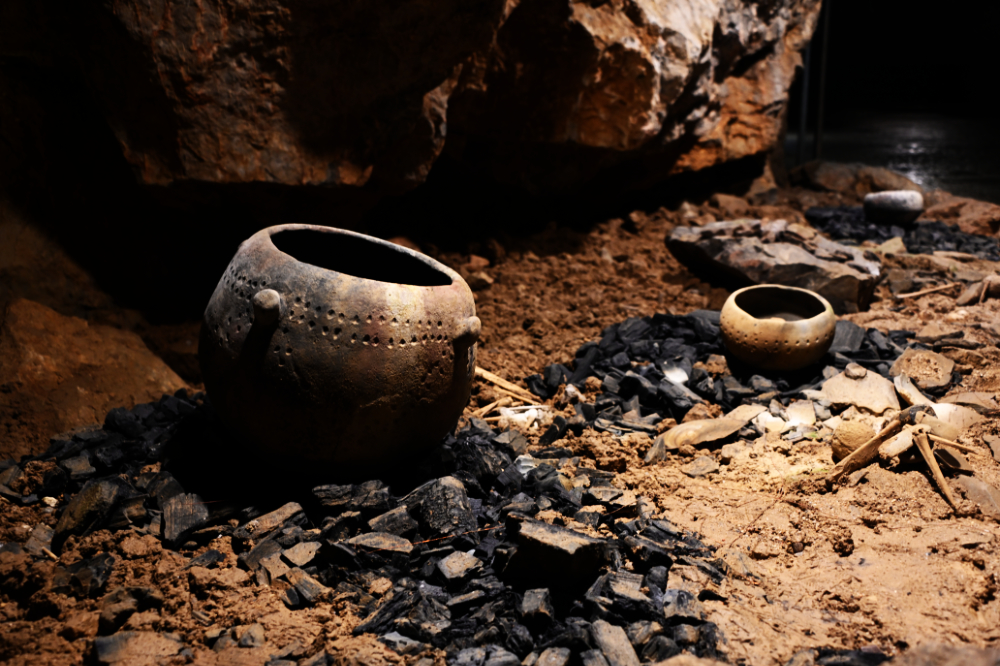
The prehistoric displays also explored the lives of early humans who inhabited the region. Reconstructions and archaeological artifacts helped illustrate how people used caves for shelter and other activities long before written history. What I found especially interesting was the sheer span of time represented here, from prehistoric animals and human occupation to industrial facilities and Cold War military installations.
By the end of my visit, I was surprised by just how much there was to see. I had arrived expecting a relatively small cave attraction and instead found an enormous underground complex filled with geological, prehistoric, and modern history. Yet the biggest surprise of the day was still waiting outside. The autumn forests surrounding the Moravian Karst were so spectacular that I almost regretted spending so much time underground. I had come for the caves, but the brilliant fall colors turned out to be just as memorable.
