Only about an hour north of Kabul, Istalif felt like a completely different side of Afghanistan. The village sits in a green valley surrounded by mountains, with small homes, gardens, markets, pottery shops, and a much more relaxed atmosphere than the capital.
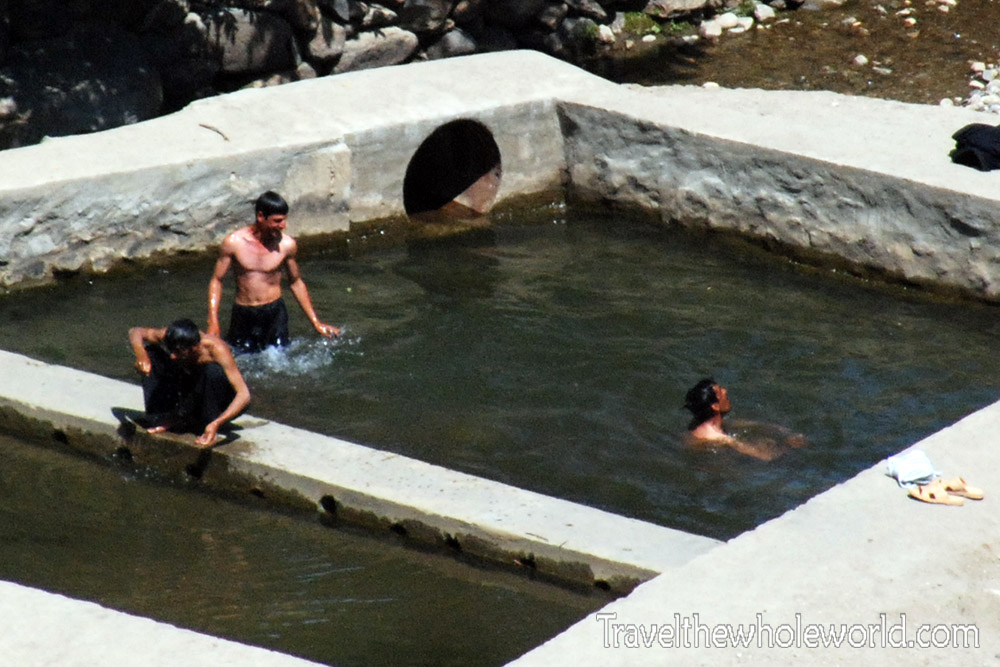
It was one of the most peaceful places I visited in the country. People seemed to know one another, kids were swimming in public, and practically every shopkeeper I met went out of the way to make me feel welcome.
A Green Valley North of Kabul
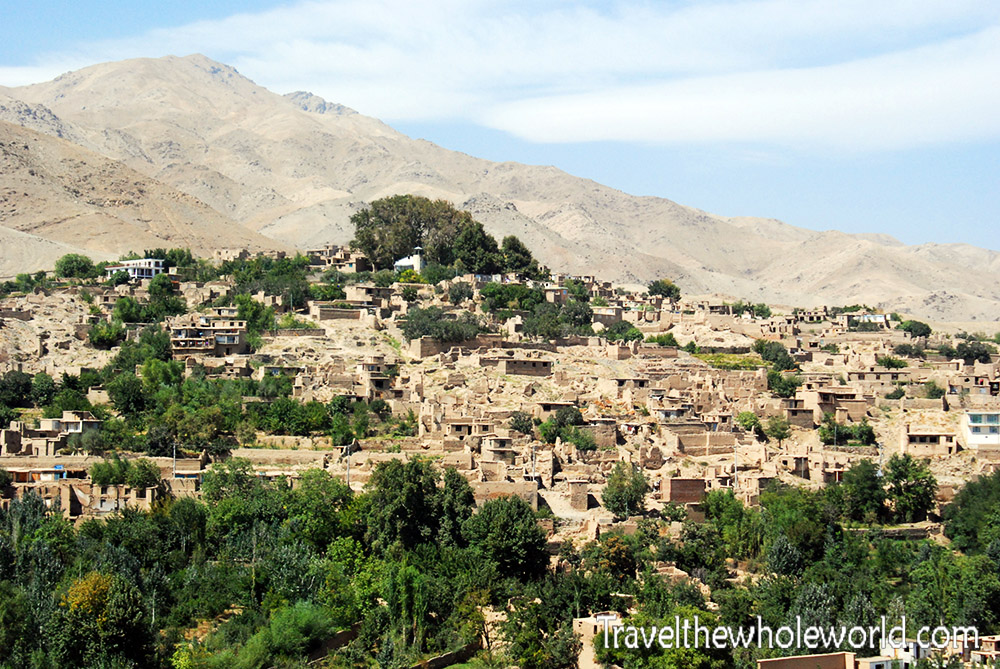
After spending time in the much drier surroundings of Kabul, I was surprised by how green Istalif was.
The village had a much more relaxed feel than most places I visited in Afghanistan. I even saw people swimming in public, something I hadn’t really encountered elsewhere during the trip.
The Market
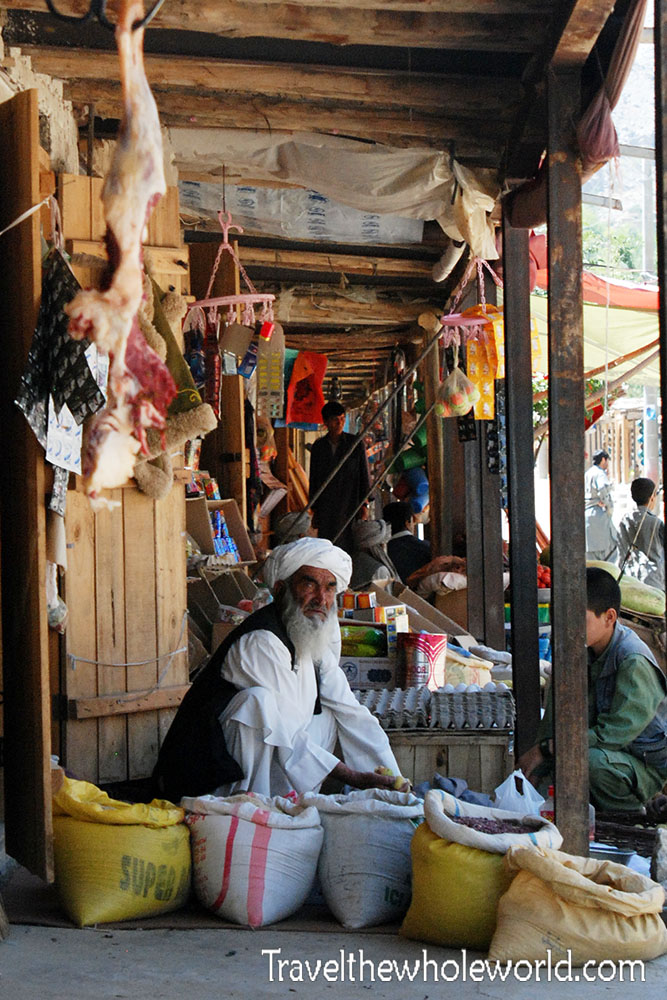
The markets looked similar to others I had seen around Kabul, but most of the stalls here seemed focused on local produce.
What surprised me was the quantity.
Afghanistan is such a dry country that I wasn’t expecting to find enormous piles of fruits and vegetables in a small mountain village. Some sellers seemed so heavily stocked that I honestly wondered who they were planning to sell everything to.
It looked like the village had enough food to feed itself ten times over.
Small-Town Afghanistan
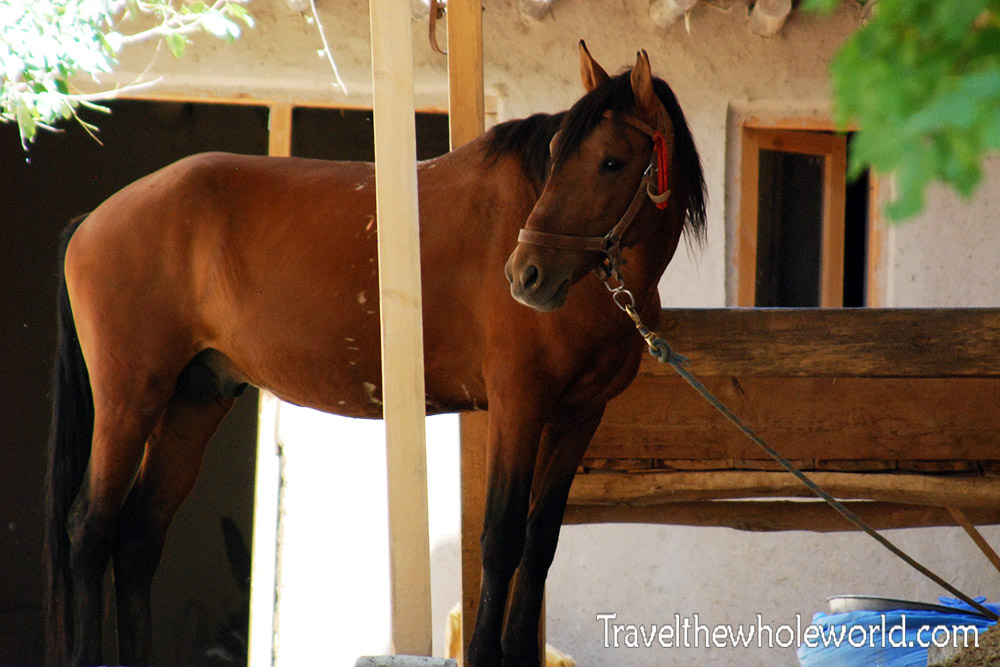
Istalif definitely had a small-town feel. I got the impression that everyone probably knew everyone else.
Most houses were simple, and many had stables or animals nearby. The entire village felt more connected to the surrounding farmland and mountains than Kabul did.
I also couldn’t imagine the kids I had seen swimming behaving quite the same way in some of Afghanistan’s more conservative regions.
The Pottery Shops
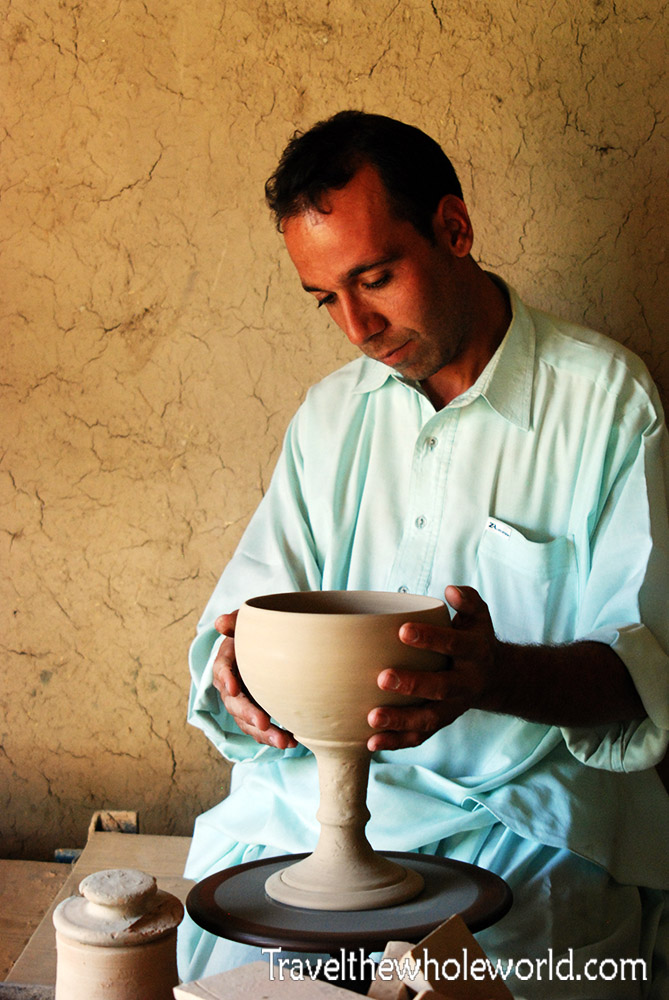
Istalif is especially known for ceramics and traditional crafts.
Running parallel to the produce market was another street lined with pottery shops. One craftsman was kind enough to show me how he created some of his pieces.
I honestly felt like I might have been the first foreign tourist some people there had seen in a very long time.
The reaction wasn’t suspicion. It was almost overwhelming hospitality.
Nearly everyone wanted me to sit down, rest, drink tea, and eat fruit.
I remember wishing that a tour bus full of old ladies would suddenly show up and clean the entire street out of pottery.
I didn’t think that was going to happen anytime soon.
More Pottery Than Customers
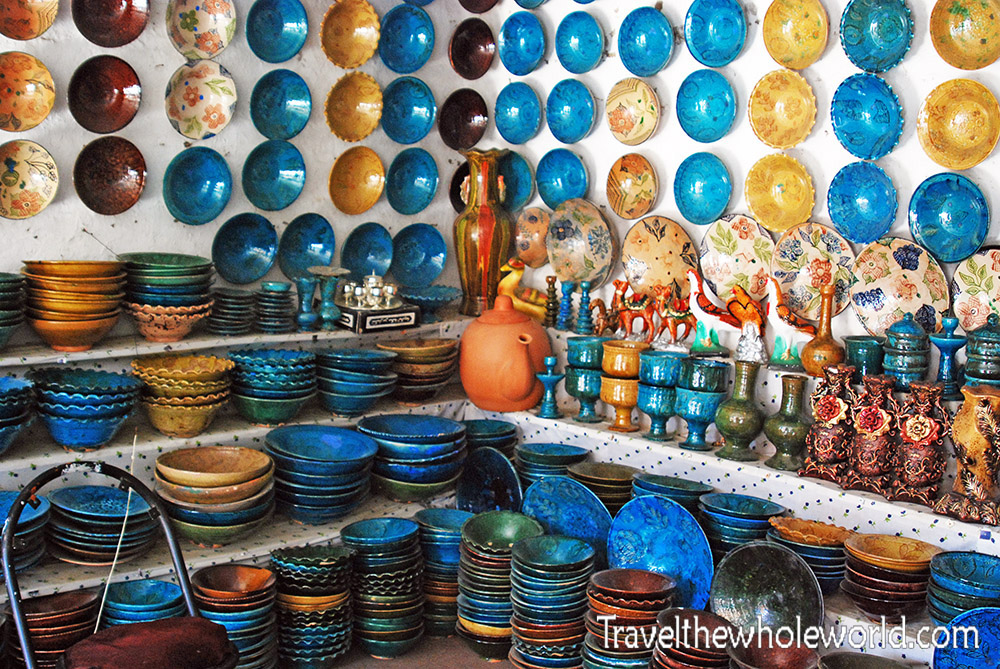
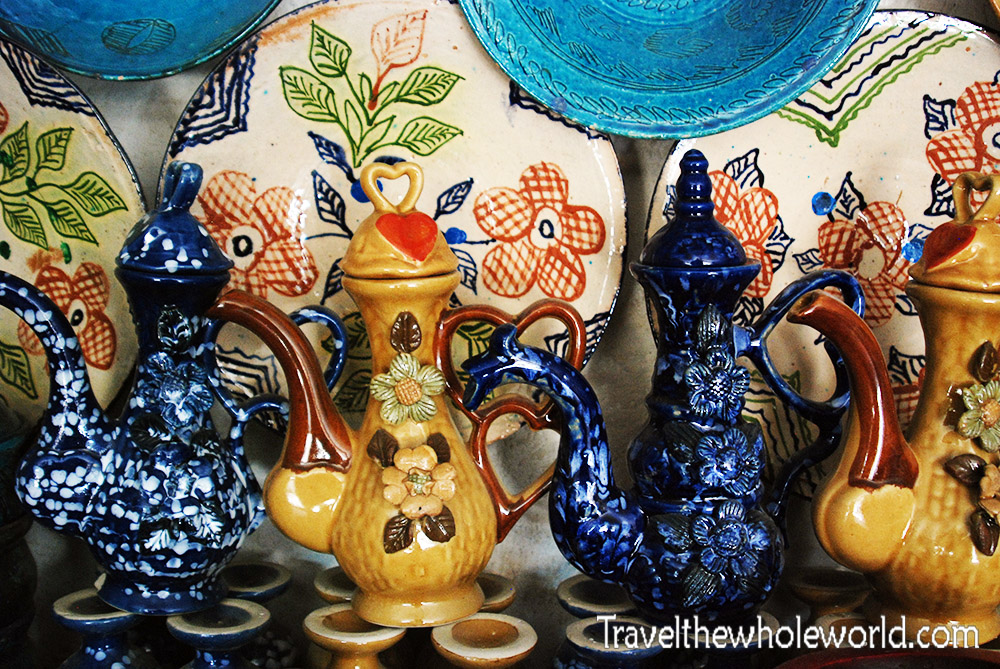
Like the farmers in the market, the pottery shops seemed heavily overstocked.
Through a translator, one craftsman explained that some products were exported, but it was difficult to compete internationally with mass-produced goods from countries like India and China.
That made the shops feel a little bittersweet. The craftsmanship was clearly important to the village, but there weren’t exactly crowds of tourists lining up to buy it.
Traditional Textiles
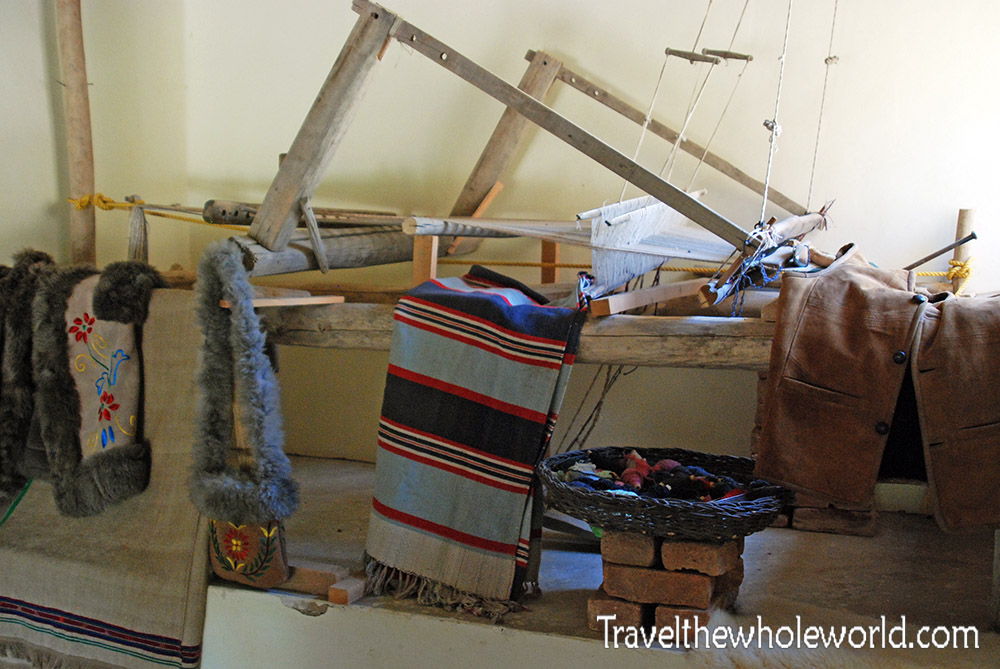
Ceramics seemed to dominate the local crafts, but I also saw some textile work.
This loom was being used to weave fabric in a way that probably hadn’t changed dramatically for generations.
That was one of the things I liked about Istalif. Much of the village economy still seemed connected to skills that were practiced locally rather than imported from somewhere else.
Signs of War
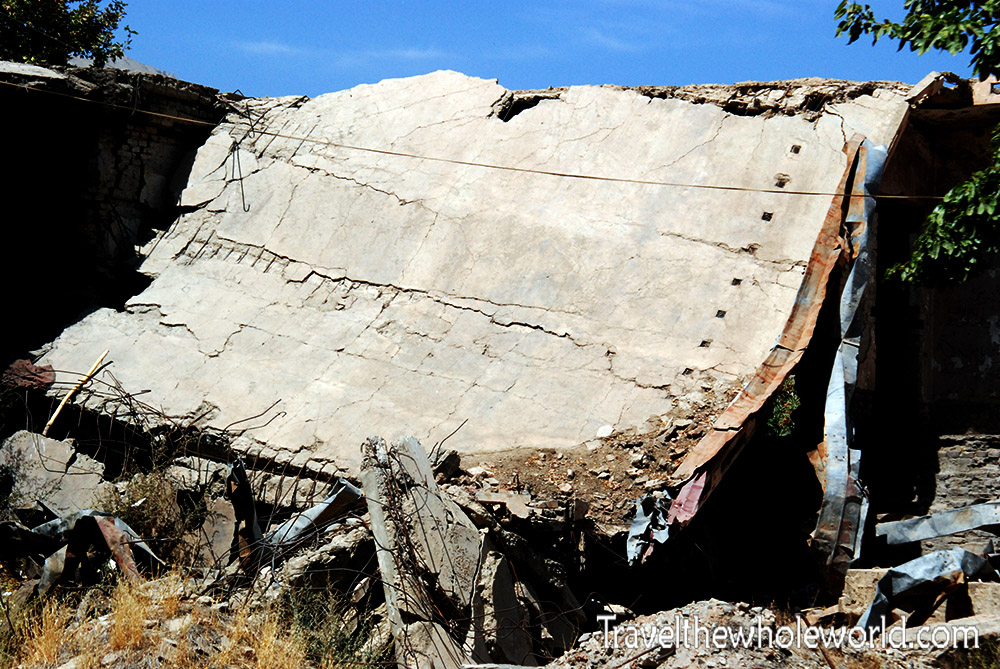
As picturesque as the village was, Afghanistan’s wars were never completely out of sight.
One of the first buildings I saw entering Istalif had a collapsed roof. Most of the heavier destruction was outside the center of town, but even here there were reminders of what the region had been through.
I didn’t want those scenes to define Istalif, because they weren’t what I remembered most about the village. But they were impossible to ignore.
An Abandoned Soviet Tank
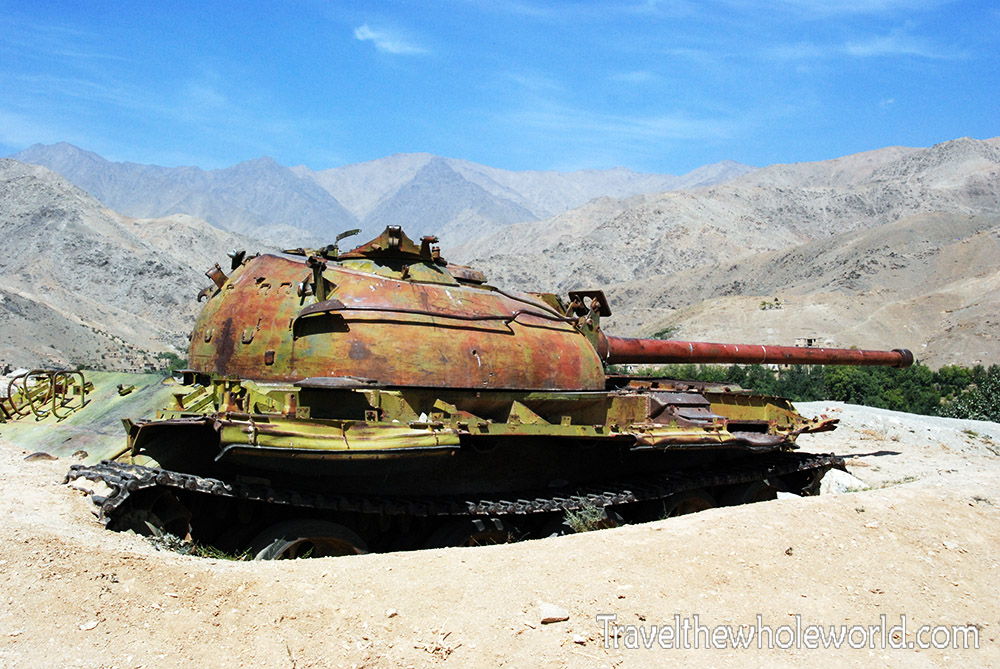
One of the strangest things I came across outside the village was an old Soviet-era tank sitting abandoned in the countryside.
There wasn’t exactly a fence, museum attendant, or sign telling me not to touch it.
So naturally I climbed inside.
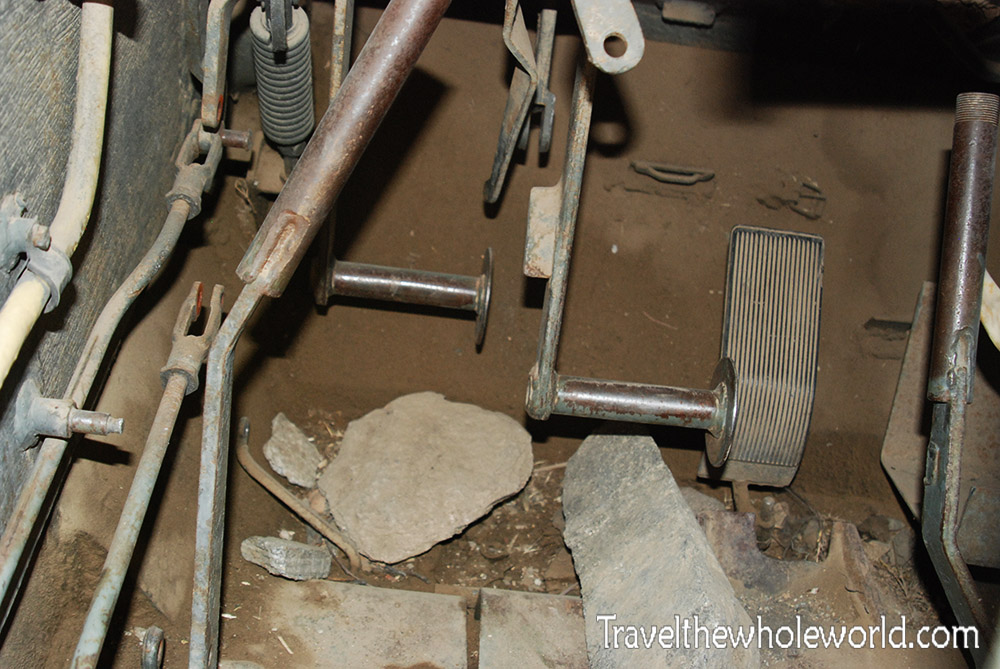
I even managed to sit in the driver’s position and look around the interior.
It was one of those experiences that would probably involve a long list of rules and barriers almost anywhere else.
Bullet Casings and Landmines
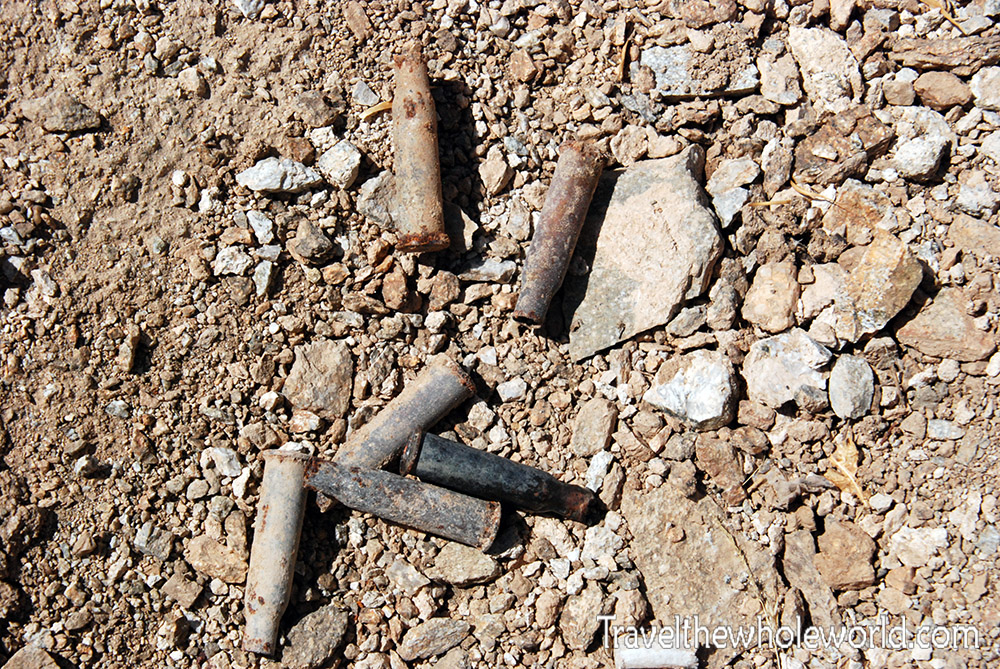
Nearby were hundreds of old bullet casings left over from fighting in the area.
There were so many lying around that I briefly considered taking one home as a souvenir.
Then I imagined trying to explain a handful of Afghan ammunition at airport security and decided against it.
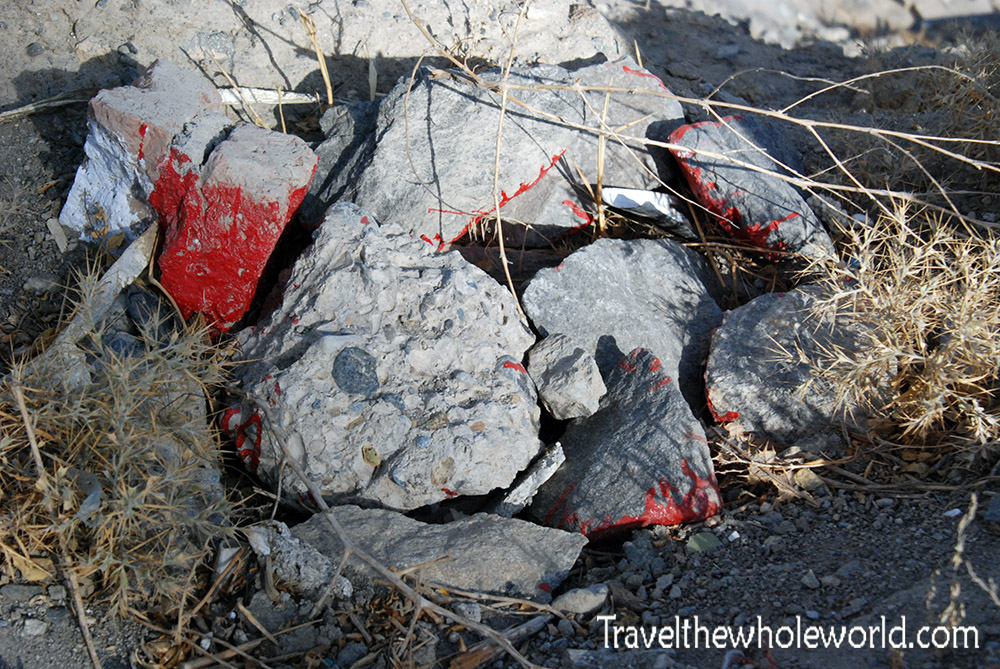
The red-painted rocks nearby were considerably more serious.
They marked areas where landmines remained a danger. Combined with the tank and all the spent shells, it was obvious that this peaceful-looking landscape had once seen significant fighting.
Back to the Istalif I Remember
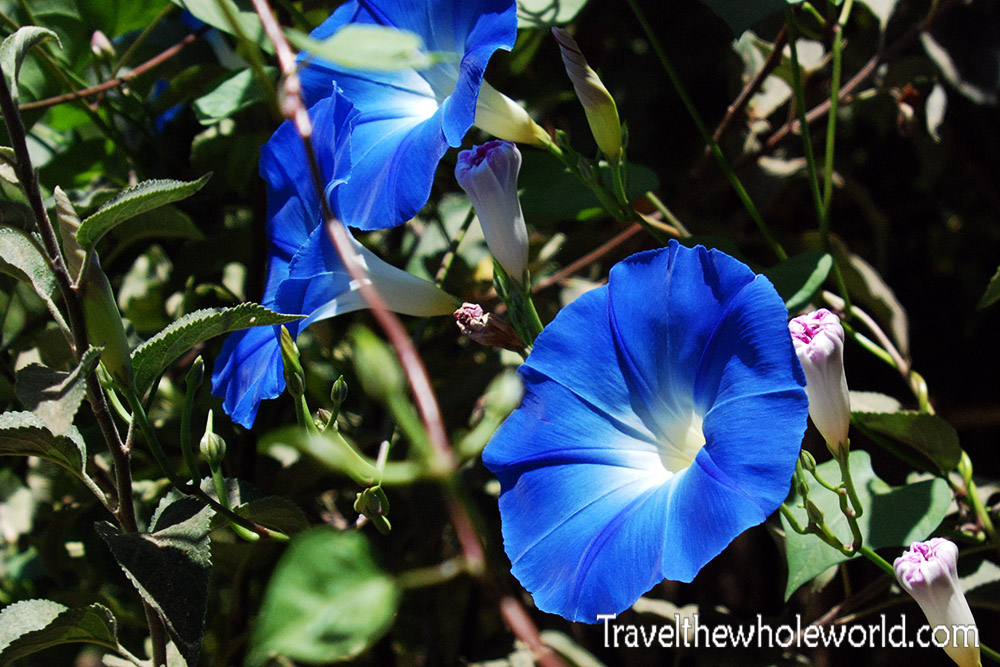
I didn’t want to finish my visit thinking about tanks, bullet casings, and landmines.
That wasn’t the Istalif that had stood out to me.
The village I remembered was green and colorful, filled with pottery shops, gardens, fruit, tea, and people who seemed genuinely excited to have a visitor.
Istalif Mosque
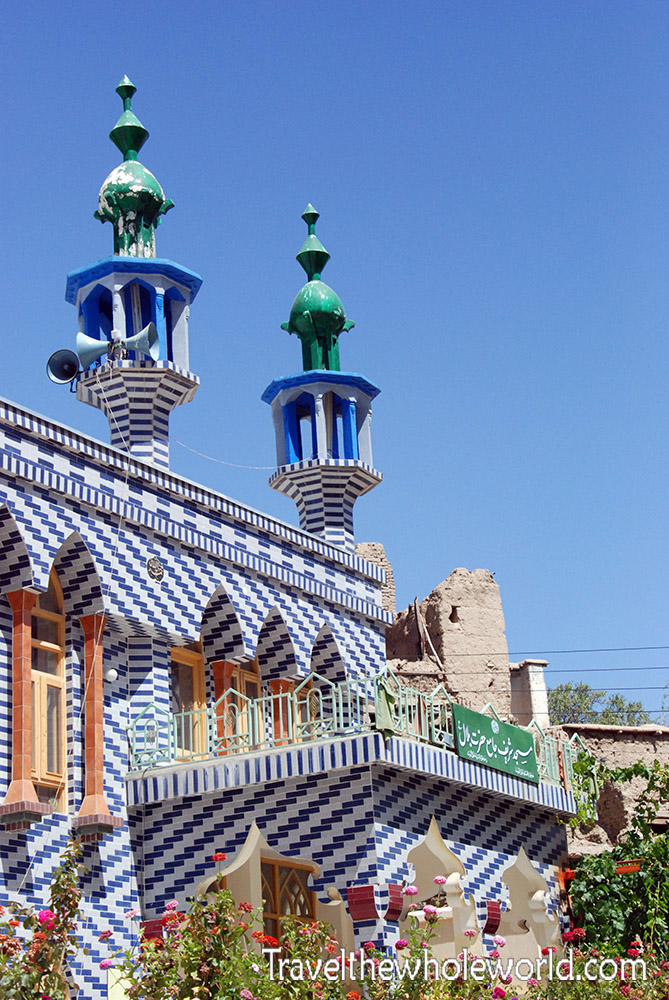
One of the most attractive buildings in town was the mosque, surrounded by a well-kept garden.
For a village whose identity was so closely tied to art and craftsmanship, it seemed appropriate that even the mosque had a little extra attention given to its appearance.
My Time in Istalif
Istalif was a small part of my Afghanistan trip, but it showed me something I hadn’t seen as clearly in the country’s larger cities.
There was no giant monument or world-famous archaeological site that made the trip worthwhile. The appeal came from the village itself: kids swimming, piles of produce in the market, craftsmen making pottery, tea with shopkeepers, horses beside small homes, and a green valley that felt very far removed from the Afghanistan most people saw on the news.
The scars of war were still there on the outskirts, but they weren’t the entire story.
For me, Istalif was one of the best examples of the ordinary Afghanistan I had hoped to find when I decided to visit the country.